
Tabelog 100 #29
Our verdict
Kikkou Hanare brings Nagoya sushi into a compact counter format in Shikemichi, where the room matters almost as much as the sequence. The restaurant is selected for Tabelog Sushi EAST “Tabelog 100” 2025, with a six-seat counter, fish-led sushi, and a drinks range that includes sake, shochu, and wine.

Pearl is the En Primeur Club membership app, where members save venues, book tables and use the concierge.
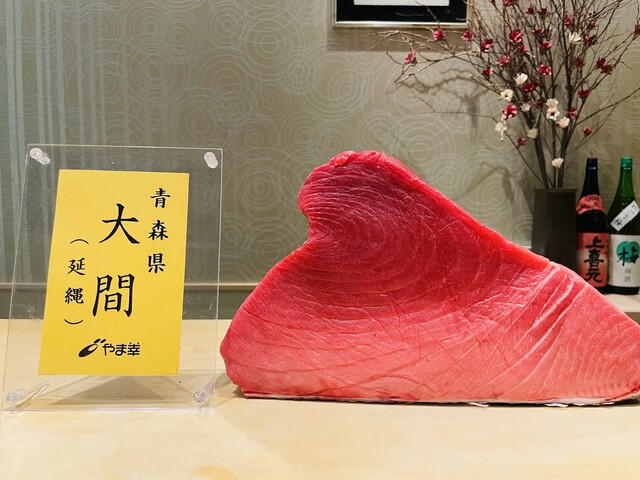
The menu
What to order
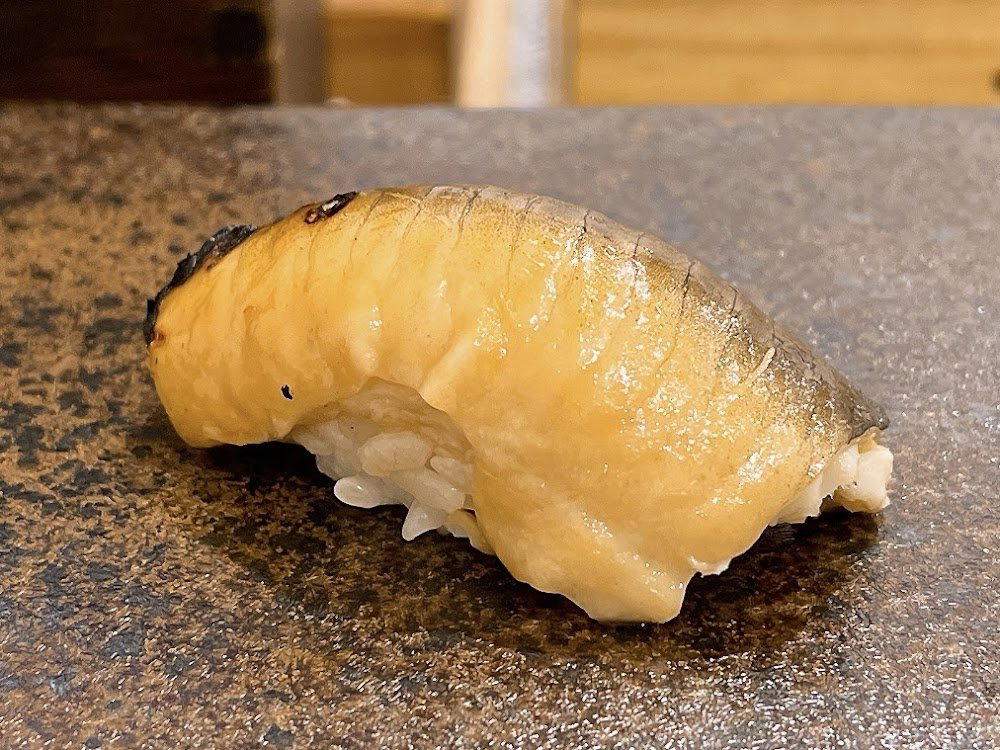
- Omakase nigiri course
- Seasonal sashimi platter
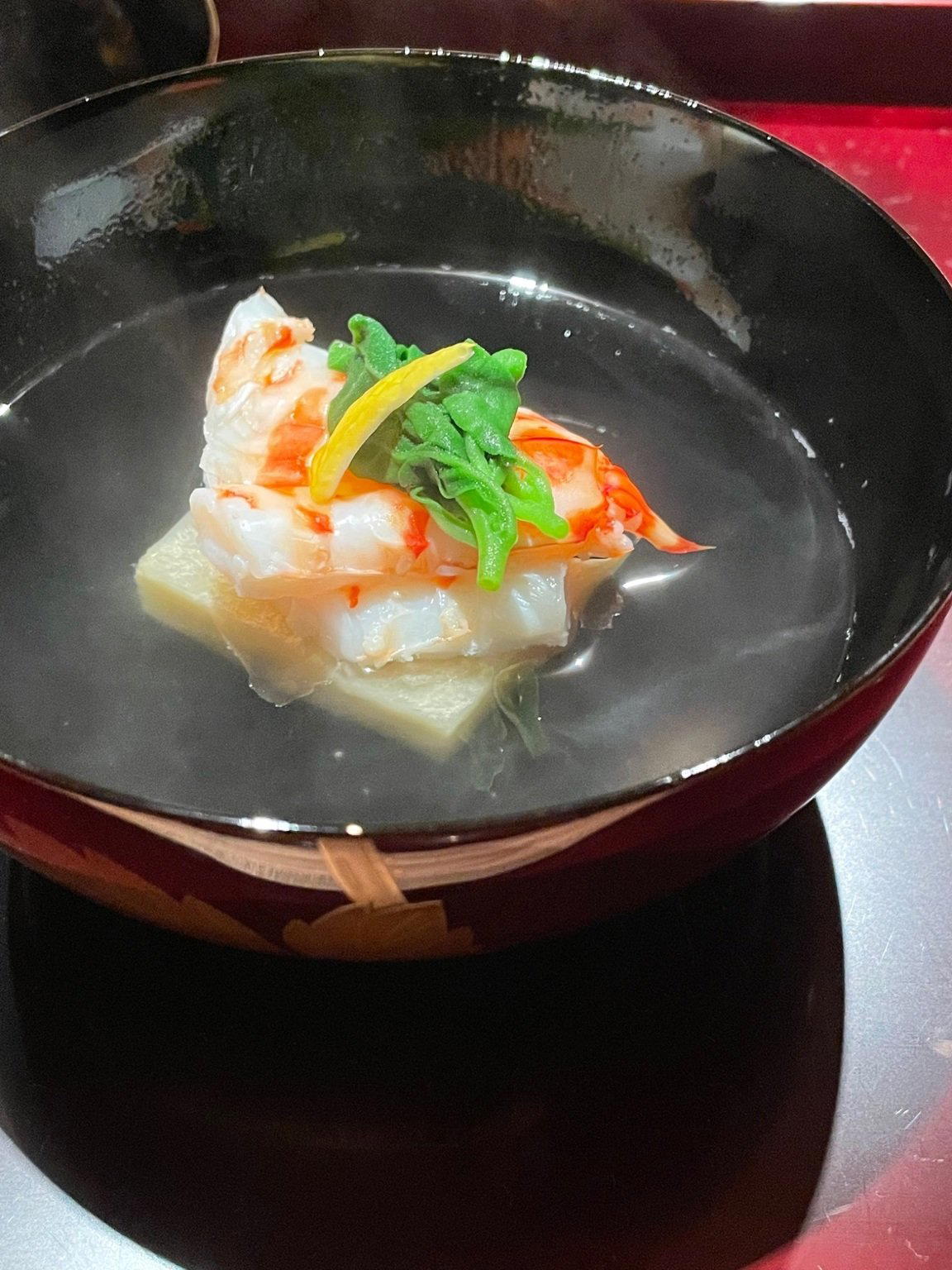
- Chawanmushi
- Tamago
Nagoya changes the tempo before the meal begins. Rather than treating the city as a simple station-side stop, the better approach is to let its local dining culture set the scale of the evening. In that setting, Kikkou Hanare reads less as a showpiece than as a controlled room: a focused sushi restaurant in Nagoya, with a frame that pushes attention toward timing, handwork, and the quiet exchange between restaurant and guest.
Nagoya’s serious dining culture is often discussed through hitsumabushi, miso katsu, kishimen, and the city’s strong private-room entertaining circuit. Sushi occupies a different lane. It asks diners to judge procurement, rice, temperature, pacing, and restraint rather than regional abundance alone. A specialist sushi restaurant in Nagoya sits at the opposite end of the spectrum from large-format dining rooms and department-store restaurants: the value is in compression. Fewer distractions mean the meal itself becomes the architecture of the experience.
A focused sushi restaurant shaped by Nagoya's smaller scale
Design matters in sushi because the room decides how the meal is read. A focused restaurant format removes some of the usual noise around a meal; it places preparation, service cadence, and ingredient handling closer to the centre of attention. In a compact-feeling premium setting, the effect is sharper. The guest is not simply consuming a menu at a distance. The meal is built through sequence, timing, and proportion, with the restaurant’s discipline exposed in real time.
That format also places Kikkou Hanare inside a particular Nagoya tier. Dinner pricing sits in the JPY 15,000 to JPY 19,999 band, while lunch is listed at JPY 6,000 to JPY 7,999. In the city’s premium bracket, that positions the restaurant near tasting-menu peers such as Riverente, while sitting above many midrange special-occasion rooms and below the cost ceiling of Japan’s hardest-reservation sushi counters in larger markets. The comparison is useful because Nagoya rewards a different kind of luxury: smaller-feeling rooms, less spectacle, and a stronger relationship between city texture and dining format.
The 2025 Tabelog Hyakumeiten recognition gives the restaurant an external marker in a category where local reputation can otherwise be difficult for visitors to parse. The Tabelog score is listed at 3.74, a meaningful figure in Japan’s rating culture, where high scores tend to move slowly and category specialists often cluster within narrow decimal bands. Awards and scores do not explain the meal, but they do clarify the competitive field: this is not casual sushi attached to a broader Japanese menu; it belongs to the specialist sushi conversation.
Fish-led sushi, with a frame that stays disciplined rather than broad
The cuisine signal is precise enough: sushi. That may sound obvious, but in Japan’s regional sushi scene the difference between a specialist sushi restaurant and a more decorative or variety-driven meal is material. A restaurant of this kind usually succeeds or fails on sourcing discipline, rice calibration, and the rhythm of the meal. Specific dishes are not publicly grounded here, so the smarter reading is structural rather than item-by-item: expect the room to reward diners who care about sequence and proportion more than menu breadth.
The same restraint shapes how to read the experience more broadly. Rather than treating Kikkou Hanare as a checklist of signature items, it is better understood as a Nagoya sushi address where the value lies in pacing, temperature, and concentration. That makes it especially relevant for diners who want a serious meal without assuming the spectacle or pricing logic of the most extreme destination sushi restaurants in larger cities.
Nagoya’s broader premium dining scene helps explain the positioning. Chinese Meisai Rekishin sits in a comparable high-spend bracket with a different cuisine grammar; ComedorKito- and Natsune offer other examples of the city’s serious restaurant pricing below the rarefied ceiling of larger markets; ミオオルト adds another marker of how compact, specialist restaurants have become part of the city’s contemporary dining identity. Kikkou Hanare’s distinction is not scale. It is the opposite: the confidence to let a focused sushi format carry the entire argument.
How to read it within a Nagoya dining itinerary
For travellers, this is the kind of address that works when Nagoya is treated as more than a rail stop between Tokyo and Kyoto. The city’s food culture has always been strongly local, but its higher-end dining has become more interesting where it breaks from the obvious regional canon. A sushi restaurant in Nagoya gives the itinerary a different register: quieter in tone than large-format dining, more concentrated than station dining, and more place-specific than a generic luxury-room experience.
The practical read is simple. Kikkou Hanare is a sushi restaurant in Nagoya with 2025 Tabelog Hyakumeiten recognition, a listed score of 3.74, and published budget bands of JPY 15,000 to JPY 19,999 for dinner and JPY 6,000 to JPY 7,999 for lunch. For visitors, those facts place it in a serious local tier: premium enough to plan around, but still legible within a broader Nagoya dining itinerary rather than as a stand-alone destination divorced from the city.
Readers building a broader Nagoya plan can cross-reference Our full Nagoya restaurants guide, then widen the trip through Our full Nagoya hotels guide, Our full Nagoya bars guide, Our full Nagoya wineries guide, and Our full Nagoya experiences guide. For a wider look at how Japanese and Japan-adjacent dining formats travel across cities, compare it with other dining rooms in Japan and abroad, from casual specialist restaurants to polished premium restaurants, while keeping Kikkou Hanare’s Nagoya context at the centre of the itinerary.
Frequently asked questions
How much does it cost to eat at Kikkou Hanare?
Pricing at Kikkou Hanare is listed as JPY 15,000 - JPY 19,999 for dinner and JPY 6,000 - JPY 7,999 for lunch.
What time does Kikkou Hanare open and close?
Specific opening hours are not provided here. Check the venue's official channels for the latest details before visiting.
Where exactly is Kikkou Hanare?
Nagoya.
What's Kikkou Hanare best at?
Kikkou Hanare is strongest as a sushi restaurant in Nagoya, with Tabelog Hyakumeiten 2025 recognition and a listed Tabelog score of 3.74. The price range, JPY 15,000–JPY 19,999 for dinner and JPY 6,000–JPY 7,999 for lunch, places it in a serious local tier rather than a casual stop.
How does Kikkou Hanare handle allergies?
Those details are not published. Kikkou Hanare's listed phone number is +81-52-446-8360, which makes pre-arrival checks the sensible route for anyone with dietary restrictions. Check the venue's official channels for the latest details.
Comparable Options
Side-by-side context: comparable cuisine and price.
| Venue | Cuisine | Price | Awards | Notes |
|---|---|---|---|---|
| Kikkou HanareThis venue (the venue you are viewing) | Seasonal Omakase Sushi Counter | $100–150 | Tabelog 100 #29 | Not listed |
| ミオオルト | Authentic Italian Regional | $50–100 | Tabelog 100 #67 | Not listed |
| Chinese Meisai Rekishin | Chinese Fine Dining | $50–100 | Tabelog 100 #50 | JPY 10,000 - JPY 14,999 JPY 10,000 - JPY 14,999 |
| Riverente | French | Not listed | Tabelog 100 #13 | JPY 15,000 - JPY 19,999 |
| ComedorKito- | Omakase-style Modern Spanish Bistro | $50–100 | Tabelog 100 #53 | JPY 10,000 - JPY 14,999 |
| Natsune | Japanese | Not listed | Tabelog 100 #35 | JPY 10,000 - JPY 14,999 JPY 4,000 - JPY 4,999 |
Recognition history
Dated appearances from independent guides and award organizations, with the underlying list record or original source where available.
Tabelog 100 #29 · No. 29
Tabelog · Tabelog 100 - Sushi - EAST - 2025
Continue exploring
More in Nagoya
Restaurants in Nagoya
All restaurants in Nagoya →




Details
- Intimate
- Cozy
- Elegant
- Date Night
- Special Occasion
- Solo
- Business Dinner
- Chefs Counter
- Standalone
- Design Destination
- Sake Program
- Sustainable Seafood
- Omakase
- Counter Dining
- Tasting Menu
- Sake
- Beer
- Wine
- Pescatarian Friendly
Current opening hours
- Monday
- Closed
- Tuesday
- 11:30 AM–2:30 PM, 5:30–10 PM
- Wednesday
- 11:30 AM–2:30 PM, 5:30–10 PM
- Thursday
- 11:30 AM–2:30 PM, 5:30–10 PM
- Friday
- Closed
- Saturday
- 11:30 AM–2:30 PM, 5:30–10 PM
- Sunday
- 11:30 AM–2:30 PM, 5:30–10 PM
Hours can change for holidays and private events. Hours as of .
A tiny, reservation-only counter with just six seats, house-like surroundings in Shikemichi, and a calm, focused atmosphere where the chef serves guests directly across the counter.