
Tabelog 100 #5
Our verdict
Tatsufumi Shiten belongs to Nagoya’s small-counter sushi tier: six counter seats, a fish-led format, and a dinner spend of JPY 10,000 to JPY 14,999. Its selection for Tabelog Sushi EAST “Tabelog 100” in 2021, 2022, and 2025 gives it a stronger signal than many neighbourhood sushi addresses around Kurumamichi.

Pearl is the En Primeur Club membership app, where members save venues, book tables and use the concierge.
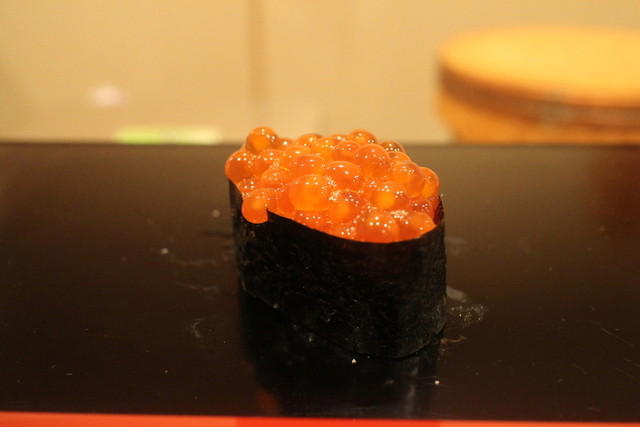
The approach to a focused sushi reservation changes the evening before the first course is served. In Nagoya, where premium dining spans formal rooms, counter-led cooking, and discreet sushi shops, focused restaurants demand tighter planning: fewer easy assumptions, little tolerance for casual timing, and a rhythm set by the room rather than the diner’s pace. Tatsufumi Shiten sits in this compact Nagoya category, where the setting matters as much as the meal.
This is not big-city theatre transplanted wholesale into Aichi. Nagoya sushi reads more quietly: serious intent, close service, and prices that can sit below the most extreme national omakase brackets while still requiring planning. The useful comparison is the city’s reservation-sensitive dining scene. Sushi Tesaku, Tsutsui Seijaku, and other Nagoya restaurants give travellers a sense of the local range. Tatsufumi Shiten’s JPY 10,000 to JPY 14,999 range places it in a mid-premium local bracket, with access shaped by planning as much as price alone suggests.
A compact sushi room puts the booking before the appetite
The decisive point is format. A focused sushi restaurant makes the evening shaped by availability first and preference second. Reservations should be treated as part of the meal, not an afterthought, because serious sushi in Nagoya is rarely best approached as a casual walk-in category. Tatsufumi Shiten’s Tabelog Hyakumeiten recognition in 2025 is not a Michelin-style star system, but in Japan it is a meaningful consumer signal: selection places the restaurant among addresses diners actively track.
The room sets expectations. A small sushi setting removes much of the buffer between guest and preparation, so the meal is about timing, attention, and pacing more than private-table conversation. The format is controlled and intimate rather than a flexible group restaurant. For travellers, treat the reservation as the main logistical hurdle, then build the evening around it.
Payment and arrival details should be checked directly before visiting. Small restaurants in Japan can vary in how they handle reservations, settlement, and day-to-day service rules, and those details are best confirmed close to the meal. At this price level, arrive prepared rather than turning a polished sushi meal into a logistical problem.
Nagoya sushi between local discretion and national recognition
Nagoya is often framed by hearty regional staples, but its higher-end dining has a quieter second layer. Serious restaurants compete for regulars, business dinners, and visitors who know not every worthwhile seat in Japan is in Tokyo, Kyoto, or Osaka. The city has enough demand for ambitious restaurants, but not so much international noise that every recognized address becomes a global trophy booking.
Tatsufumi Shiten is listed in the sushi category, which is simple only on the surface. In practice, sushi-focused meals turn on details of pacing, temperature, rice, knife work, and the sequence set by the restaurant. The point is not a sprawling menu or a bar program as the headline, but a focused Nagoya sushi experience where the cooking style carries the evening.
The Tabelog score of 3.74 deserves context. On Tabelog, scores above the mid-threes carry weight because the platform’s culture is conservative compared with many Western review sites. The stronger signal is inclusion in Tabelog Hyakumeiten in 2025. For a traveller choosing between a hotel dining room, a French tasting menu such as Reminiscence, or a sushi meal in Nagoya, that recognition separates a serious sushi plan from a casual neighbourhood dinner.
Geography matters, but only in the practical sense that this is a Nagoya destination rather than a generic stop in visitor flow. A booking here is a targeted trip, not a filler between sightseeing plans. That suits the format: small sushi restaurants work best when given the night’s full attention.
Who should plan around this restaurant
The strongest case for booking is concentration: a serious Nagoya sushi restaurant, mid-premium local pricing, and Tabelog Hyakumeiten recognition in 2025. It suits diners seeking a credible Nagoya sushi signal without the social proof of Tokyo’s international reservation circuit, and repeat Japan visitors who understand regional cities can offer compelling meals without the same global queue.
The format is less persuasive for diners wanting broad menu flexibility, a long wine-led evening, or a relaxed group setting. Focused sushi meals naturally limit movement, noise, and casual ordering. Families should weigh price and restaurant environment carefully; this is a small Nagoya sushi room, not a child-oriented restaurant. For older children comfortable with sushi-restaurant pacing, the issue is behavioural fit and reservation etiquette rather than a blanket yes or no.
Travellers mapping a broader Nagoya trip should treat this as one precise dining anchor, then build by category. For broader restaurant planning, start with Our full Nagoya restaurants guide; for where to stay, use Our full Nagoya hotels guide. Drinking routes sit separately in Our full Nagoya bars guide, while wider regional planning can run through Our full Nagoya wineries guide and Our full Nagoya experiences guide. Nearby and comparable restaurant browsing can include other Nagoya dining rooms, sushi restaurants, and premium venues such as Bacio, Reminiscence, Sushi Tesaku, Tsutsui Seijaku, and Tsutsui Shogetsu.
For readers extending the Japan food map beyond Nagoya, the contrast is useful in general terms: different cities show how format, price, and expectations shift across Japan. Outside Japan, diaspora dining can offer useful context for ingredients and style, but it is not a substitute for a Nagoya sushi meal. The more relevant comparison remains local: how Tatsufumi Shiten fits among Nagoya’s serious sushi and premium dining options.
The verdict is practical: Tatsufumi Shiten rewards diners who plan early and understand focused sushi-restaurant etiquette. In a city better known abroad for hearty regional staples than destination sushi, that is the point. The restaurant gives Nagoya dining a quieter, disciplined register, with the need for preparation becoming part of the experience.
Frequently asked questions
Is Tatsufumi Shiten child-friendly?
The small-format feel and JPY 10,000–14,999 dinner range point to a focused meal rather than a family setup.
What's the vibe at Tatsufumi Shiten?
Expect a focused sushi experience in Nagoya, with planning recommended. The Tabelog Hyakumeiten 2025 recognition places it firmly in Nagoya’s serious sushi tier.
Is Tatsufumi Shiten expensive?
Pricing at Tatsufumi Shiten is listed as JPY 10,000 - JPY 14,999.
What is Tatsufumi Shiten known for?
Tatsufumi Shiten is known as a sushi restaurant in Nagoya with Tabelog Hyakumeiten recognition in 2025.
Category Peers
Comparable options at the same price tier.
| Venue | Cuisine | Price | Awards | Notes |
|---|---|---|---|---|
| Tatsufumi ShitenThis venue (the venue you are viewing) | Traditional Sushi Omakase Counter | $100–150 | Tabelog 100 #5 | Not listed |
| Chiba Izumi | Yakitori Omakase | $50–100 | Tabelog 100 #68 | Higashi |
| Yakitori Sensho | Nagoya Cochin Yakitori | $50–100 | Tabelog 100 #72 | Higashi |
| Wagyu Yakiniku Jirouya Kai wagyu&sake Nagoya ekimae honten | Japanese Yakiniku / Wagyu BBQ | $50–100 | Tabelog 100 #68 | Nakamura |
| Otani | Seasonal Japanese Omakase | $50–100 | Tabelog Bronze #334 | Nakamura |
| Otsuaji Asai | Creative Japanese cuisine with handmade soba | $50–100 | Tabelog 100 #69 | Naka |
Recognition history
Dated appearances from independent guides and award organizations, with the underlying list record or original source where available.
Tabelog 100 #5 · No. 5
Tabelog · Tabelog 100 - Sushi - EAST - 2025
Continue exploring
More in Nagoya
Restaurants in Nagoya
All restaurants in Nagoya →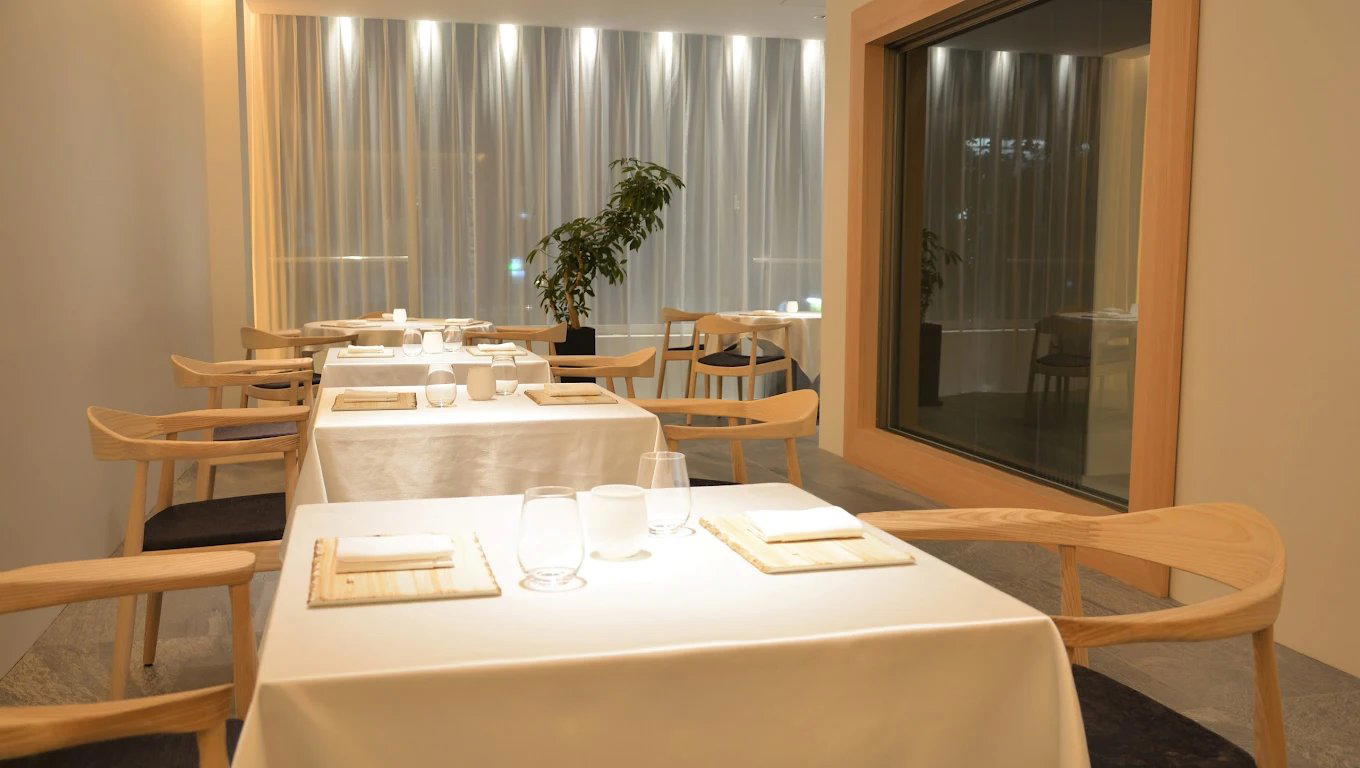
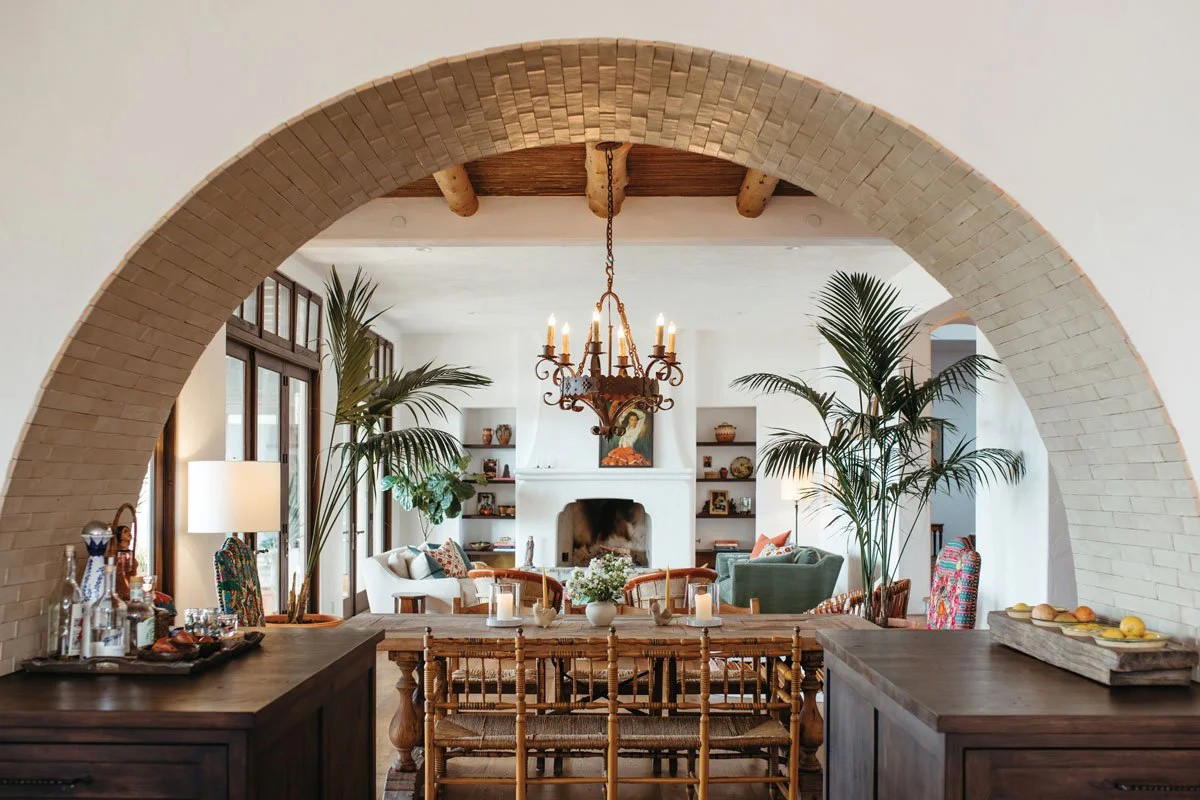
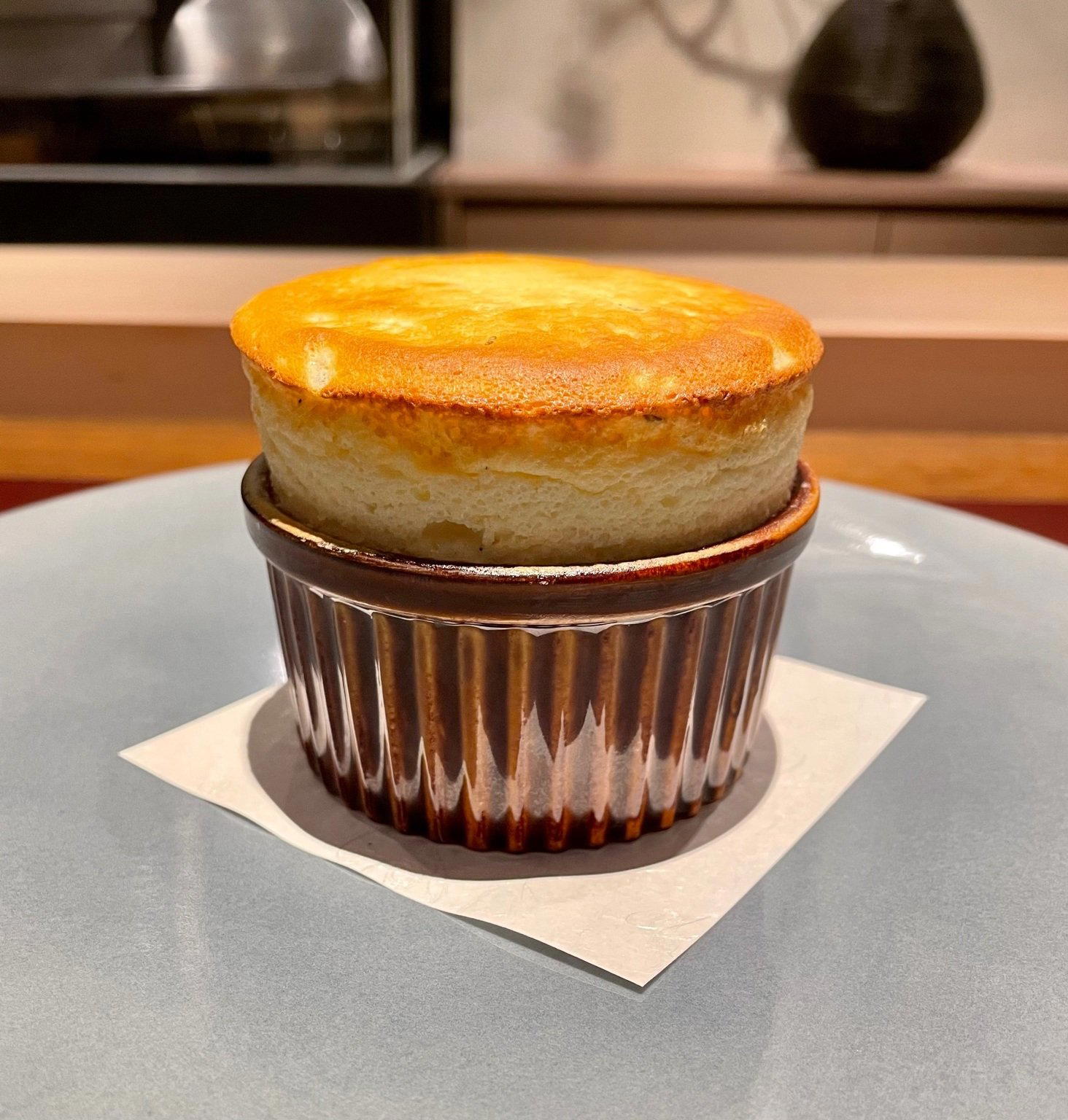





Details
- Intimate
- Classic
- Cozy
- Date Night
- Solo
- Special Occasion
- After Work
- Chefs Counter
- Standalone
- Sake Program
- Omakase
- Counter Dining
- Sake
- Shochu
- Wine
- Pescatarian Friendly
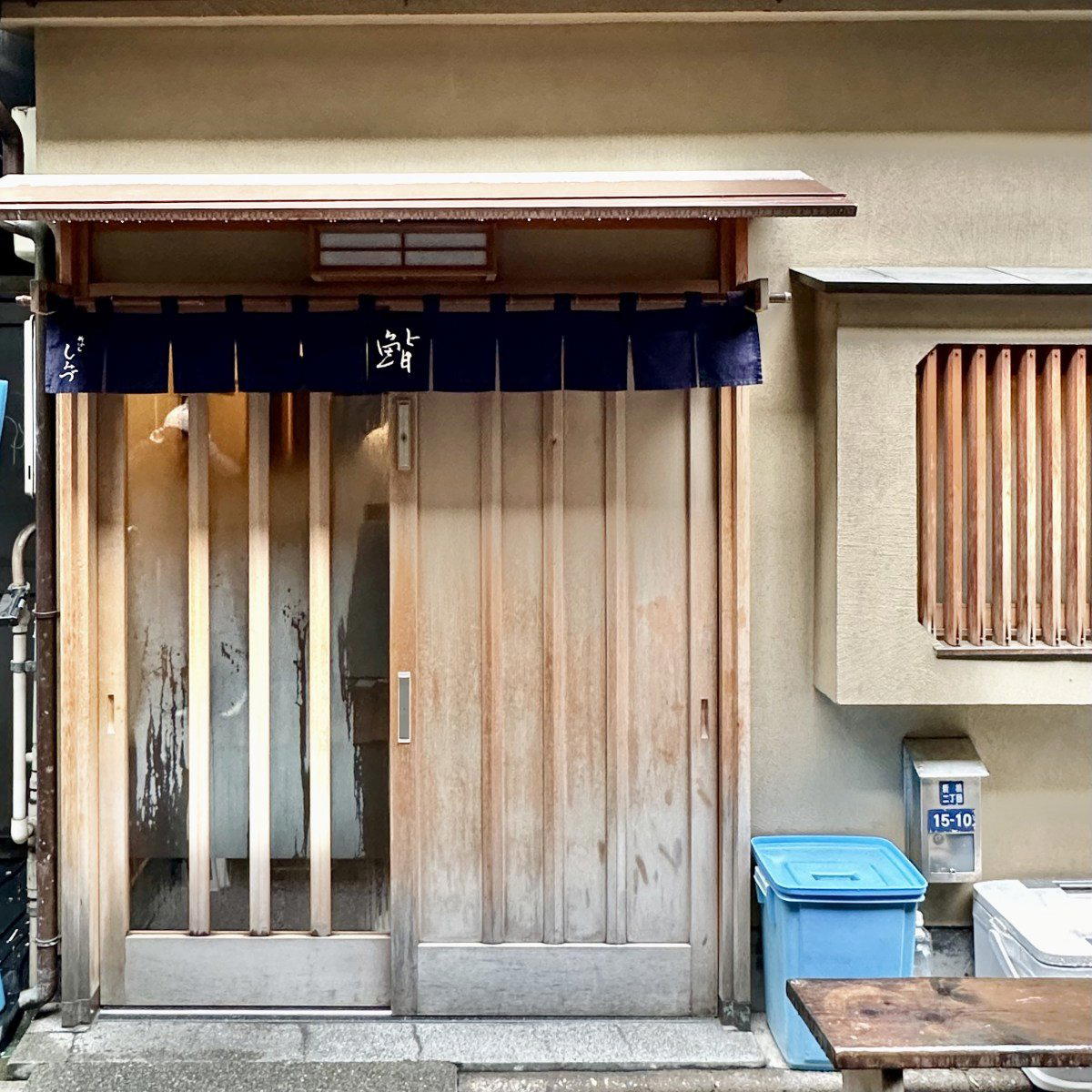
An intimate, non-smoking hideaway with just a small counter, creating a quiet and cozy atmosphere that feels like a neighborhood secret rather than a formal temple of sushi.