.png)
Xun Wei Jiang Nan holds consecutive Michelin Bib Gourmand recognition for 2024 and 2025, making it one of Hangzhou's few venues to earn that designation specifically for Ningbo cuisine. Positioned at the accessible end of the city's Jiangnan dining spectrum, it offers a price-to-quality ratio that sits well below the Zhejiang fine-dining tier while drawing on a coastal culinary tradition that Hangzhou's land-locked restaurant scene rarely represents with this kind of consistency.
Pearl is the En Primeur Club membership app — saves, bookings, and concierge access live there. Same editors, same standards.
- Address
- 15 Doufu 1 Brg West Hexia, Shangcheng District, Hangzhou, Zhejiang, China, 310002
- Phone
- +86 151 5800 8902
 Saves & bookings on Pearl
A Coastal Tradition in a Lake City
Hangzhou's restaurant identity is built almost entirely around West Lake aesthetics and Zhejiang ingredients, longjing-braised shrimp, dongpo pork, vinegar fish. Ningbo cuisine, which arrives from 150 kilometres east along the Zhejiang coast, operates on a different register: saltier, bolder, anchored in fermented and preserved seafood rather than the delicate freshwater preparations that define the city's better-known cooking tradition. Xun Wei Jiang Nan occupies a specific niche within Hangzhou's dining scene by committing to that coastal idiom in a city where it remains a minority voice among the dominant Hangzhou-Zhejiang houses.
That positioning matters when reading the venue's back-to-back Michelin Bib Gourmand recognition in 2024 and 2025. The Bib Gourmand designation rewards quality at a moderate price rather than technical ambition or luxury execution, and in Hangzhou's current restaurant market, earning it for Ningbo cooking, rather than for the more commercially obvious Zhejiang repertoire, signals something deliberate about the kitchen's focus. For comparison, Song operates in the same Ningbo cuisine category but at the ¥¥¥ price tier, while Xun Wei Jiang Nan holds a ¥¥ price range, creating a meaningful gap in accessibility between the two Ningbo-focused addresses in the city.
The Physical Container: Doufu Bridge and Shangcheng
The address on Doufu 1 Bridge West in Shangcheng District places Xun Wei Jiang Nan in a part of Hangzhou that retains older commercial street fabric, the kind of low-rise, lane-adjacent neighbourhood tissue that predates the city's more recent lakeside development. Shangcheng is Hangzhou's most historically dense urban district, and eating in this part of the city carries a different atmospheric charge than dining in the polished resort-adjacent precincts near West Lake's northern shore.
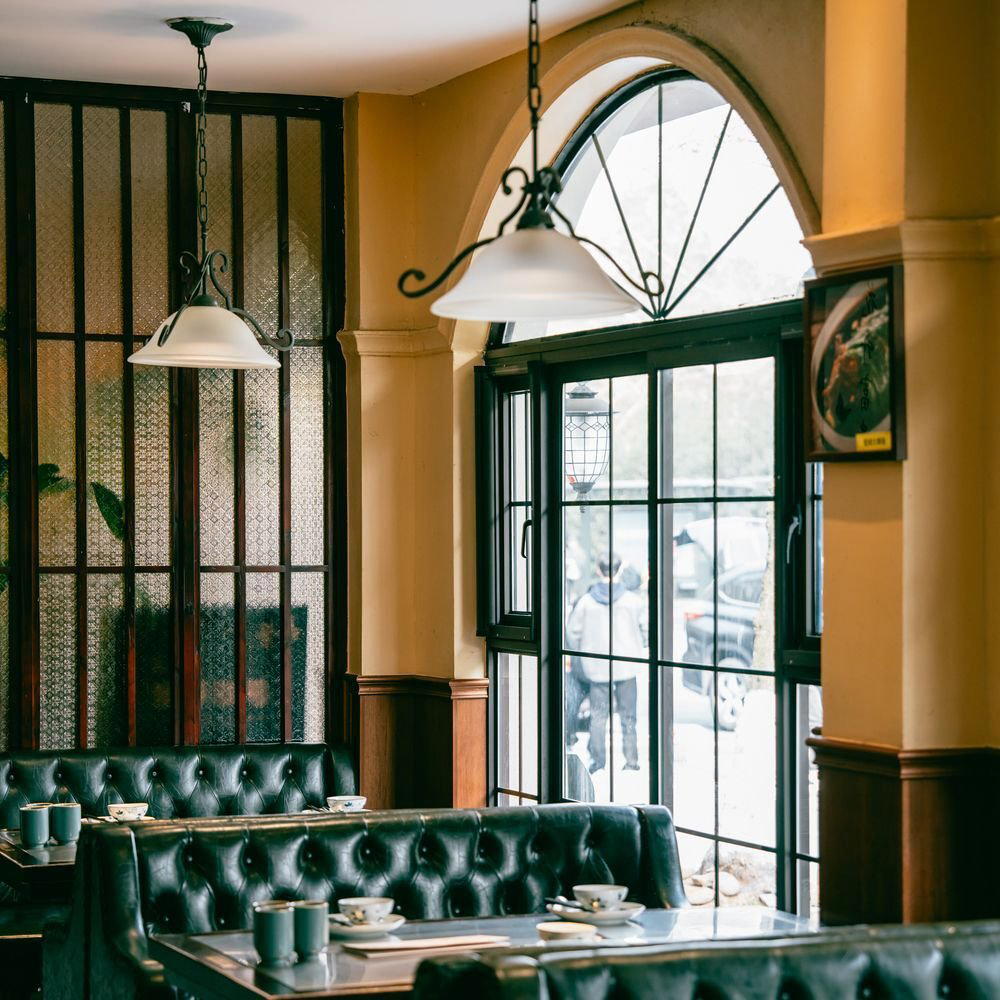
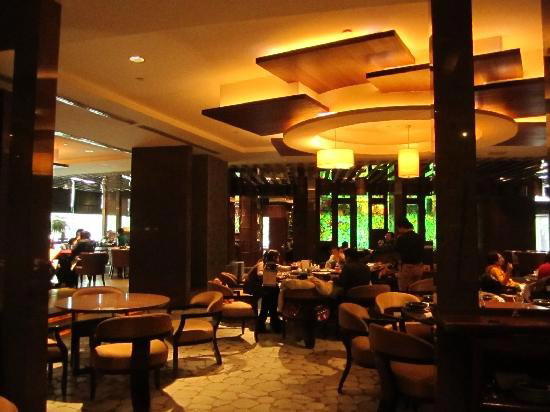
Spaces in this district tend toward compact, practical configurations rather than designed interior statements. In Hangzhou's mid-range restaurant tier, the prevailing format is a main-floor dining room without private room architecture, with tables close enough that the ambient noise of surrounding tables forms part of the meal's texture. That physical format suits a Ningbo cooking tradition that developed in port towns rather than imperial courts, it is food designed for directness, not ceremony. The spatial container at Xun Wei Jiang Nan reflects that inheritance rather than contradicting it.
The contrast with higher-tier Ningbo and Zhejiang venues in the city is worth drawing. Jiang Nan Yu Ge and Ru Yuan both operate at the ¥¥¥¥ level, where private rooms, composed interiors, and presentation-led service become part of the proposition. At ¥¥, the space at Xun Wei Jiang Nan makes a different argument: that the cooking itself carries sufficient authority to hold attention without those architectural scaffolds.
Ningbo Cuisine: What the Kitchen Is Working With
Ningbo cooking belongs to the broader Jiangnan culinary tradition but diverges from Hangzhou and Suzhou styles at several points. The proximity to the East China Sea historically shaped a cuisine that favours preserved and fermented ingredients, most notably salted yellow croaker (xian da huang yu) and fermented tofu (臭冬瓜), alongside fresh seafood preparations where brining and smoking techniques produce flavour profiles more assertive than Hangzhou's characteristic sweet-savoury balance. Pork preparations in the Ningbo kitchen also tend toward longer braises and richer reductions, sharing structural logic with Shanghainese red-cooking but with a saltier backbone.
This makes Ningbo cuisine more challenging to mainstream commercially than Hangzhou's prettier, more photogenic dishes. It rewards diners who approach it on its own terms rather than as a variation on the Jiangnan restaurant experience familiar from higher-end Hangzhou addresses. Venues like Yong Fu in Hong Kong and Yong Fu (Huangpu) in Shanghai have built recognition for the cuisine in major metropolitan markets, demonstrating that the tradition travels well when executed with precision. Xun Wei Jiang Nan sits within that broader conversation, though at a price point and scale that positions it as a neighbourhood-anchored address rather than a destination dining proposition.
Where It Sits in Hangzhou's Current Dining Map
Hangzhou's Michelin-recognised restaurant list covers a wider price range than many visitors expect. The city has awarded stars to high-format Zhejiang houses like Guiyu (Xihu) and Bib Gourmand recognition to accessible mid-range addresses across several cuisine categories. The result is a market where quality signals exist at multiple price tiers, and where Michelin recognition does not automatically mean formal dining.
For visitors oriented toward innovation-led cooking, Ambré Ciel represents Hangzhou's French Contemporary strand. For Zhejiang cuisine across different formats and price points, Ru Yuan and Guiyu (Xihu) sit at the premium end. Xun Wei Jiang Nan addresses a specific gap: Michelin-recognised Ningbo cooking at an accessible price in a city where most recognised addresses for Jiangnan cuisine skew toward the Hangzhou subtype rather than the coastal one.
The broader regional Ningbo cuisine comparison set is also relevant context. Xin Rong Ji in Beijing, Xin Rong Ji in Chengdu, and 102 House in Shanghai each demonstrate how Jiangnan coastal cooking performs in larger metropolitan markets. Xun Wei Jiang Nan operates at a different scale and with a different ambition, but the consistent Bib Gourmand recognition confirms that its kitchen is executing the tradition at a level the guide's inspectors consider worth signalling.
Know Before You Go
Address: 15 Doufu 1 Bridge West, Hexia, Shangcheng District, Hangzhou, Zhejiang 310002
Cuisine: Ningbo
Price Range: ¥¥ (moderate; accessible tier within Hangzhou's mid-range)
Awards: Michelin Bib Gourmand 2024, Michelin Bib Gourmand 2025
Booking: Advance reservation recommended
District: Shangcheng, Hangzhou's historically dense urban core, distinct from the lakeside resort precincts
Related Guides: Hangzhou hotels | Hangzhou bars | Hangzhou wineries | Hangzhou experiences
A Lean Comparison
Comparable venues nearby, for context on price, style, and recognition.
| Venue | Cuisine | Price |
|---|---|---|
| Xun Wei Jiang NanThis venue — the venue you are viewing | Hangzhoushi, Authentic Ningbo Cuisine | $$ |
| Definitely Fresh | Hangzhoushi, Zhejiang Seafood | $$ |
| Yue Ji | Yuhangxian, Shaoxing Cuisine | $$ |
| Kui Yuan Guan (Jiefang Road) | Hangzhoushi, Hangzhou-style Noodles | $$ |
| Fu Yuan Ju (Shangcheng) | Hangzhoushi, Home-style Hangzhou Cuisine | $$ |
| Fu Xing Mian Wang (Gongshu) | Hangzhoushi, Chinese Noodles | $ |
Continue exploring
More in Hangzhou
Restaurants in Hangzhou
Browse all →
At a Glance
- Cozy
- Elegant
- Group Dining
- Special Occasion
- Private Dining
- Local Sourcing
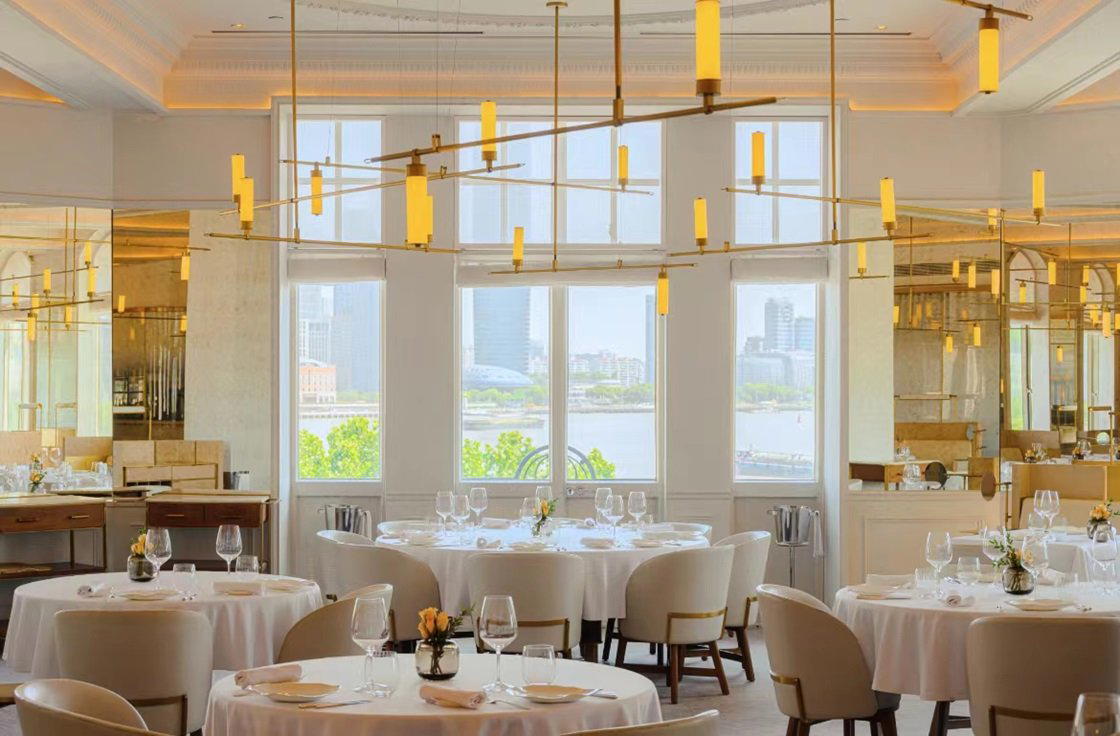
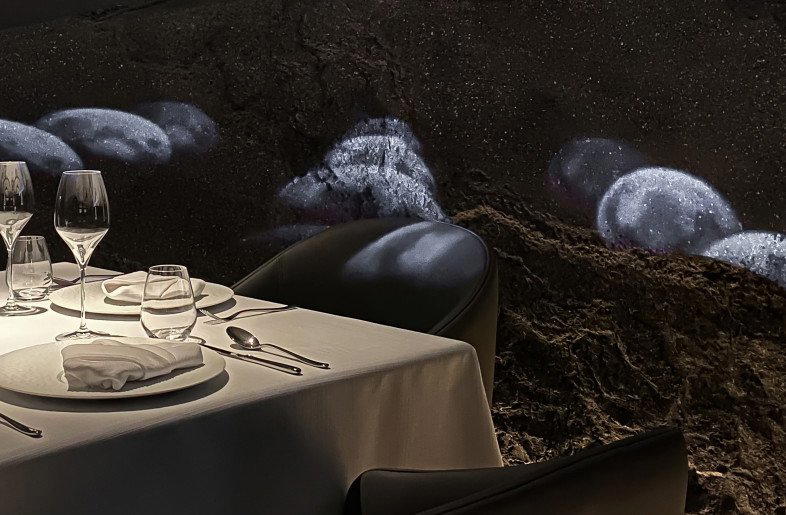
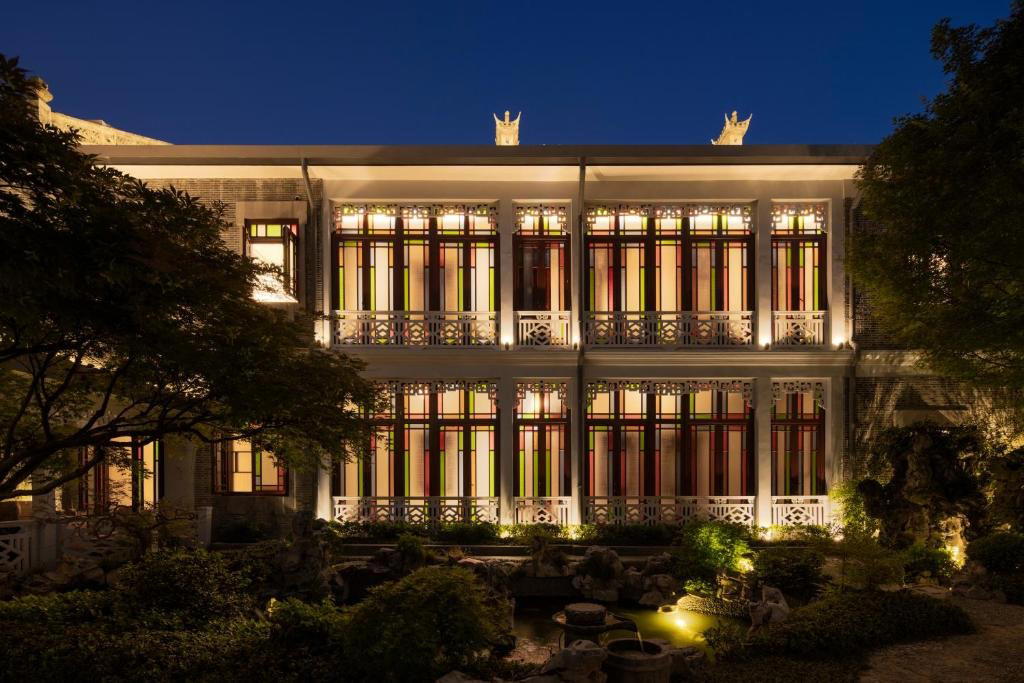
Warm and cozy atmosphere with elegant decor, main dining on lower floor and private rooms upstairs.