Google: 4.5 · 97 reviews

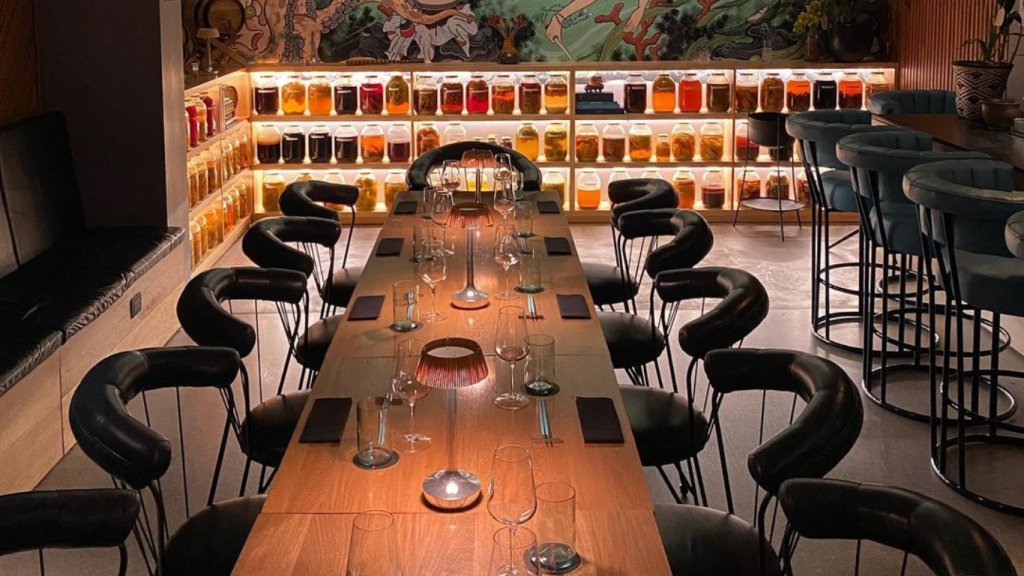
A co-chef partnership between Mateo Ríos and Sebastián Marín, X.O. sits on Carrera 36 in El Poblado at the sharper end of Medellín's contemporary dining conversation. The kitchen draws on Colombian ingredients and technique within a format that positions the restaurant alongside the city's most ambitious modern tables, rather than its more casual neighbourhood spots.
 Discover on Pearl
Pearl is the En Primeur Club membership app — saves, bookings, and concierge access live there. Same editors, same standards.
El Poblado's Contemporary Dining Register
El Poblado has functioned for years as the geographic centre of Medellín's upmarket restaurant trade, and in the past decade its upper tier has split in a direction familiar from other Latin American cities: a cluster of venues pressing toward technique-led, ingredient-focused menus that owe as much to international fine-dining grammar as to Colombian tradition, sitting alongside a larger group of neighbourhood tables where the cooking is accomplished but the ambition is narrower. Carrera 36, the address X.O. occupies, runs through a section of the barrio where that first, more demanding tier has put down roots. Arriving here in the evening, you move through streets where the foot traffic is predominantly local rather than tourist-heavy, a reliable signal that what's on offer has earned repeat custom from residents who have choices.
That context matters when reading X.O. The restaurant, led by chefs Mateo Ríos and Sebastián Marín, operates in a competitive set that includes some of the most discussed tables in the city. Carmen and Sambombi Bistró Local anchor the neighbourhood's creative end, and X.O. reads as a peer rather than a departure from that current. The co-chef format itself — two named chefs sharing creative direction — is not common in Medellín, and it tends to produce menus that reflect negotiation between distinct sensibilities rather than a single governing voice. Whether that produces creative tension or coherence depends on execution, but it sets the kitchen apart from the single-chef model that defines most of its direct competitors.
Colombian Cooking and the Question of Cultural Rootedness
The broader Colombian dining scene has spent the last fifteen years working through a question that most serious food cultures eventually confront: what does it mean to cook with technical ambition while remaining legible as an expression of a specific place? In Bogotá, restaurants like Debora Restaurante and Harry Sasson have approached that question differently, the former through a tasting-menu format that foregrounds Colombian produce, the latter through a longer-established idiom that draws on international influences without subordinating local identity. In Cartagena, 1621 The Restaurant engages with Caribbean Colombia's ingredient vocabulary. In Cali, Domingo and in Barranquilla, Manuel contribute to a national conversation about regional specificity in upmarket cooking.
Medellín sits inside that conversation with its own inflection. The city's culinary identity has historically been shaped by Antioqueño traditions, a cuisine of mountain agriculture: beans, corn, pork, potatoes, and the produce of highland Colombia's climate. The more technically ambitious restaurants in El Poblado now use that ingredient base as raw material for approaches that would be recognisable in comparable cities internationally, while trying to avoid the trap of reducing local tradition to decoration. The tension between those two poles , the local and the globally fluent , is where the most interesting cooking in the city happens, and it is the frame through which X.O. is most productively read. Comparison points farther afield, from Lazy Bear in San Francisco to Atomix in New York City, illustrate how kitchens in other contexts have resolved this same tension between deep local specificity and international technique; in each case the answer has been to let the ingredient sourcing carry the cultural argument while the technique serves the ingredient rather than advertising itself.
Ríos and Marín: Credentials in Context
A co-chef structure is worth pausing on because it changes how a kitchen's output should be read. At restaurants like Le Bernardin in New York or Alain Ducasse: Louis XV in Monte Carlo, single authorial vision has historically been the model for fine-dining credibility. But collaborative kitchens have produced some of the most consistent output in contemporary dining internationally, with the shared decision-making often producing menus that are more rigorously edited than those generated by a single temperament. Mateo Ríos and Sebastián Marín bring that structure to a city where it is still relatively uncommon at the serious end of the market, and the fact that X.O. has built a following in a neighbourhood with strong competition across the dining scene suggests the format has translated into a coherent product.
Detailed biographical information on both chefs is not in current circulation, which places X.O. in a category of restaurant where the work at the table has to carry its own authority rather than trading on pre-established name recognition. That is not unusual in a city where the dining culture, while growing rapidly, has not yet developed the media infrastructure that turns local chefs into named properties in the way that happens in Mexico City or Lima. For the diner, it means that X.O. is encountered on its own terms: what arrives at the table, and whether it holds together as an argument about Colombian cooking in the present tense, matters more than external validation.
Placing X.O. in the National and International Frame
Colombia's place in Latin American fine dining has shifted considerably since the early 2010s, when the regional conversation was dominated by Lima and, to a lesser extent, São Paulo and Buenos Aires. Bogotá has emerged as the country's primary reference point internationally, with its concentration of ambitious tasting-menu restaurants drawing the kind of attention that generates external comparisons. Medellín has developed differently, with a dining scene that is arguably more embedded in local daily life than Bogotá's most formal tables, and where the relationship between the ambitious end of the market and the city's broader food culture is less hierarchical. X.O.'s location in El Poblado reflects that character: a neighbourhood restaurant in the precise sense, even if its ambitions extend beyond the casual.
Diners travelling from Bogotá or arriving internationally with experience of formal Colombian cooking will find X.O. legible within that national register. Those arriving from international fine-dining contexts, whether Emeril's in New Orleans or 8½ Otto e Mezzo Bombana in Hong Kong, will encounter a kitchen operating in a different register: less institutionally supported, more dependent on the immediate moment of service, and in many ways more interesting for that precariousness. The comparison venues nationally, including El Chato, Leo, and Celele in Bogotá, offer a sense of the broader current in which X.O. participates: a generation of Colombian chefs making ingredient-first arguments through technically accomplished menus.
Planning a Visit
X.O. is at Cra. 36 #10a-45 in El Poblado, accessible from the central Poblado metro station and direct to reach by taxi or app-based car service from anywhere in the city. Website and phone contact details are not confirmed in current listings, so the most reliable approach is to visit in person to check current reservation availability, or to ask locally at your hotel for booking assistance. El Poblado is well served by the city's hotel options, and the area's concentration of bars and evening experiences makes it practical to build a full evening around a dinner here. For those building a wider Medellín itinerary, the wineries guide and the broader restaurants guide cover the full range of the city's current offering across categories and price points.
Cuisine and Credentials
A compact peer snapshot based on similar venues we track.
| Venue | Cuisine | Awards | Notes |
|---|---|---|---|
| X.O. | Chef: Mateo Ríos & Sebastián Marín document.addEventListener("DOMConte… | This venue | |
| El Chato | Modern Colombian | World's 50 Best | Modern Colombian |
| Leo | Modern Colombian | World's 50 Best | Modern Colombian |
| Celele | Modern Colombian | Modern Colombian | |
| Harry Sasson | Colombian | Colombian | |
| Andres Carne de Res | Colombian | Colombian |
At a Glance
- Sophisticated
- Elegant
- Modern
- Intimate
- Special Occasion
- Date Night
- Open Kitchen
- Chefs Counter
- Extensive Wine List
- Sommelier Led
- Local Sourcing
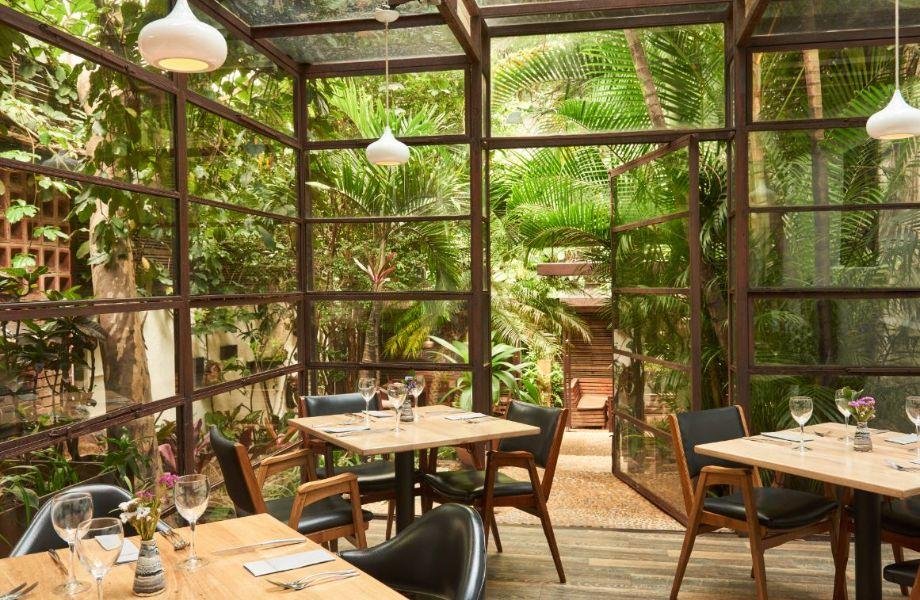
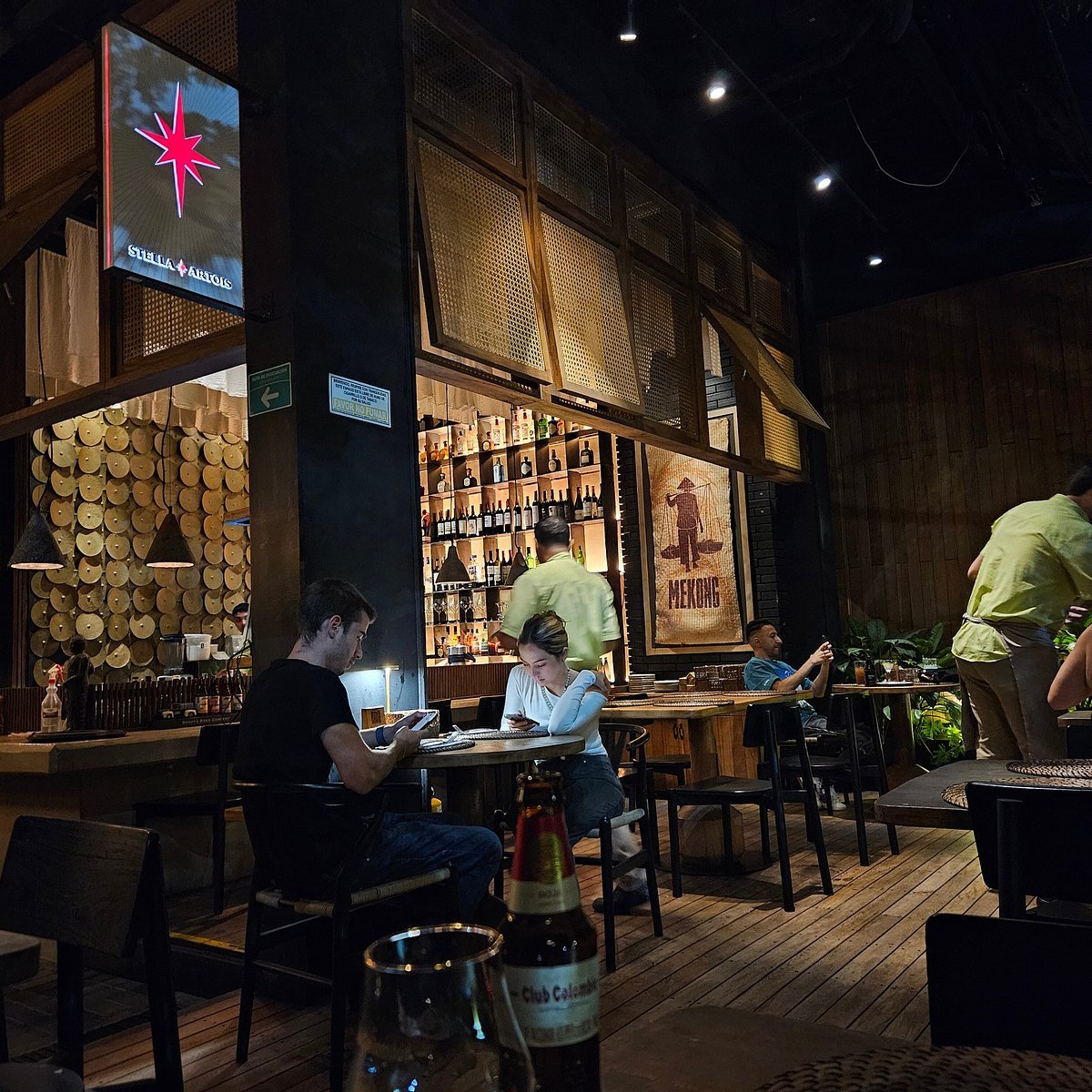
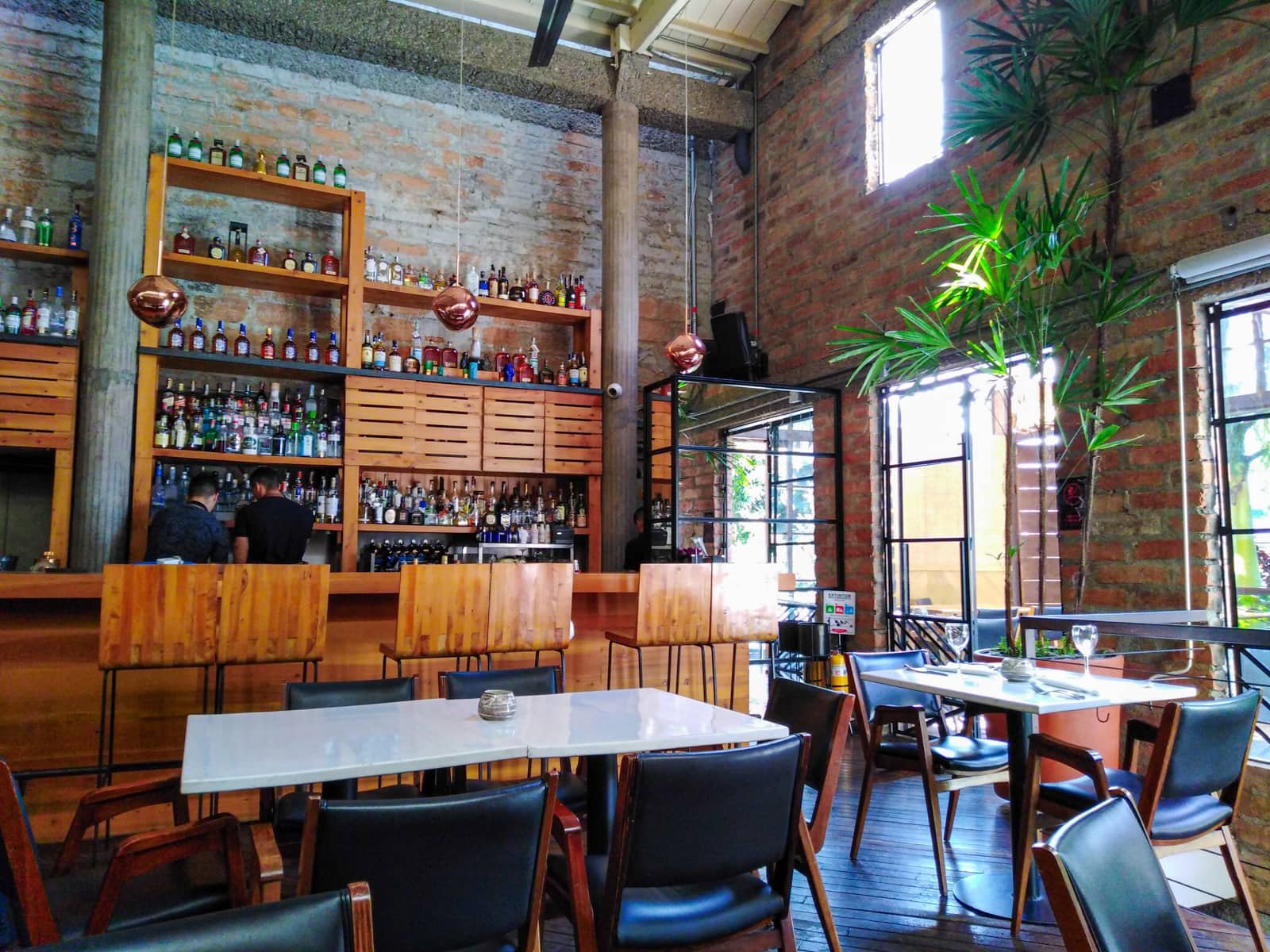
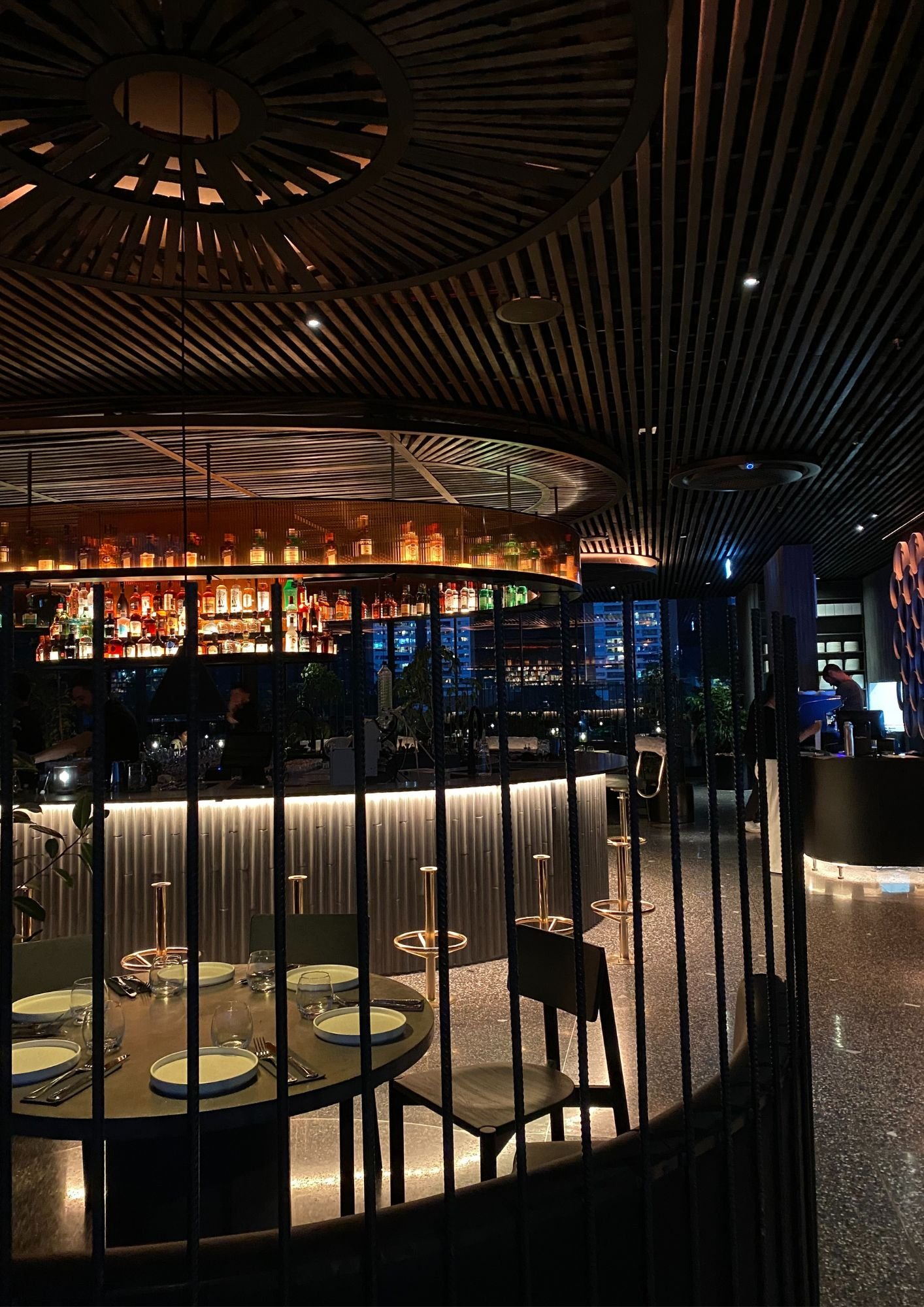
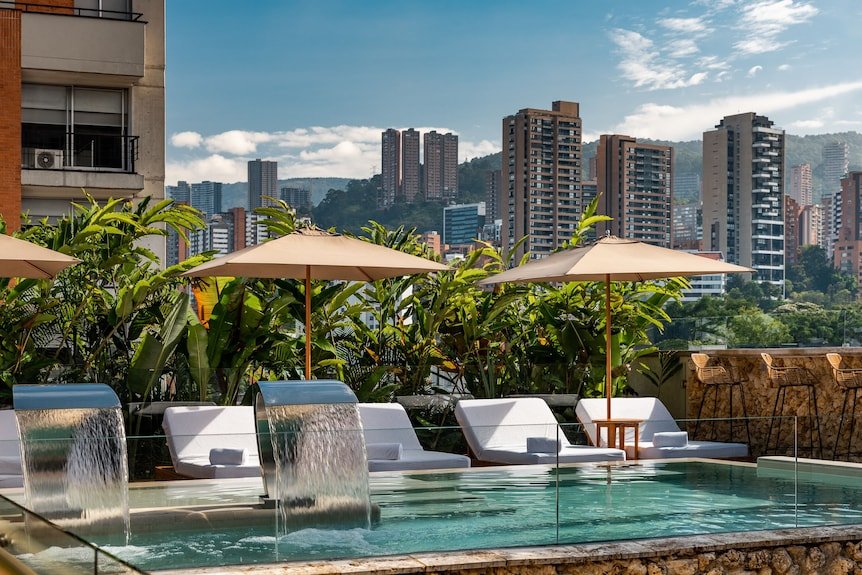
Stylish and sophisticated with modern design, warm tones, chic furnishings, and an energetic yet refined atmosphere; bar seating offers a view of the meticulous open kitchen.