
A 2025 Michelin Bib Gourmand recipient on Huifu East Road, Xing Fu Yi Zhan delivers Chongqing-style Sichuan cooking at mid-range prices within a vintage staging-post interior that doubles as a period costume photo opportunity. The Sichuanese kitchen leads with wok hei-forward dishes, including stir-fried dried pork with smoked bamboo shoot, anchored by in-house brewed liquors displayed along the walls.
Pearl is the En Primeur Club membership app — saves, bookings, and concierge access live there. Same editors, same standards.
- Address
- 47C8+9P4, Huifu E Rd, 北京路 Yuexiu District, Guangzhou, Guangdong Province, China, 510115
- Phone
- +86 20 3890 3487
- Directions
- Get directions
 Saves & bookings on Pearl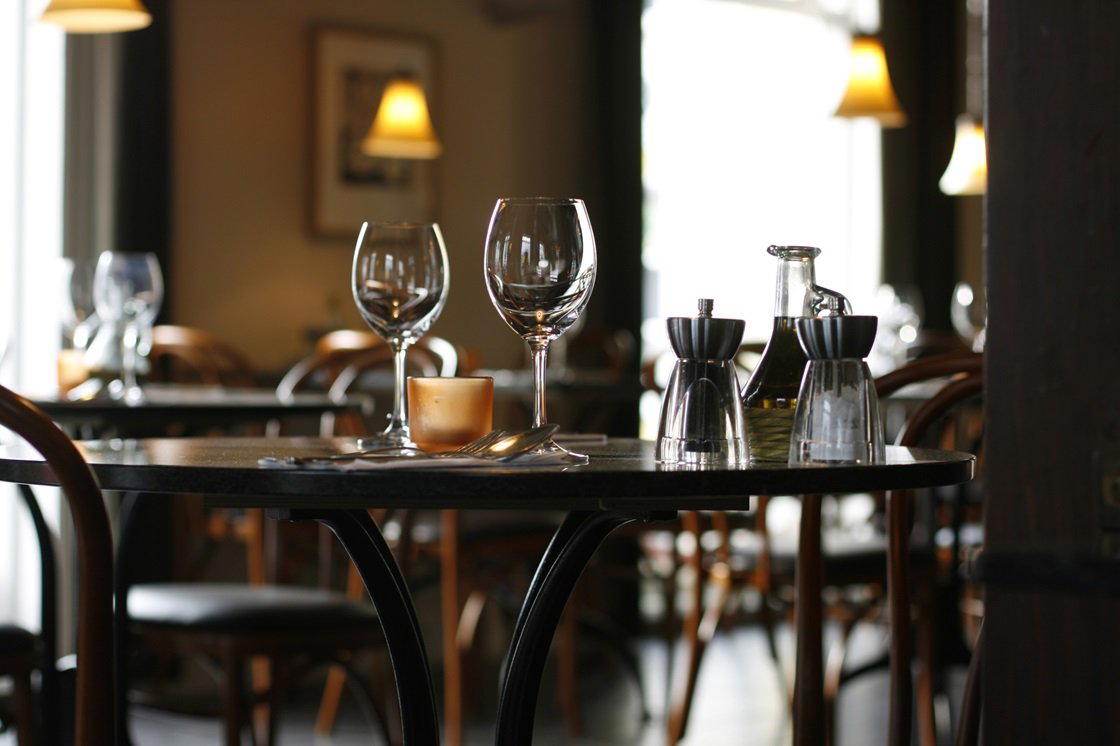
A Staging Post on the Road to Chongqing
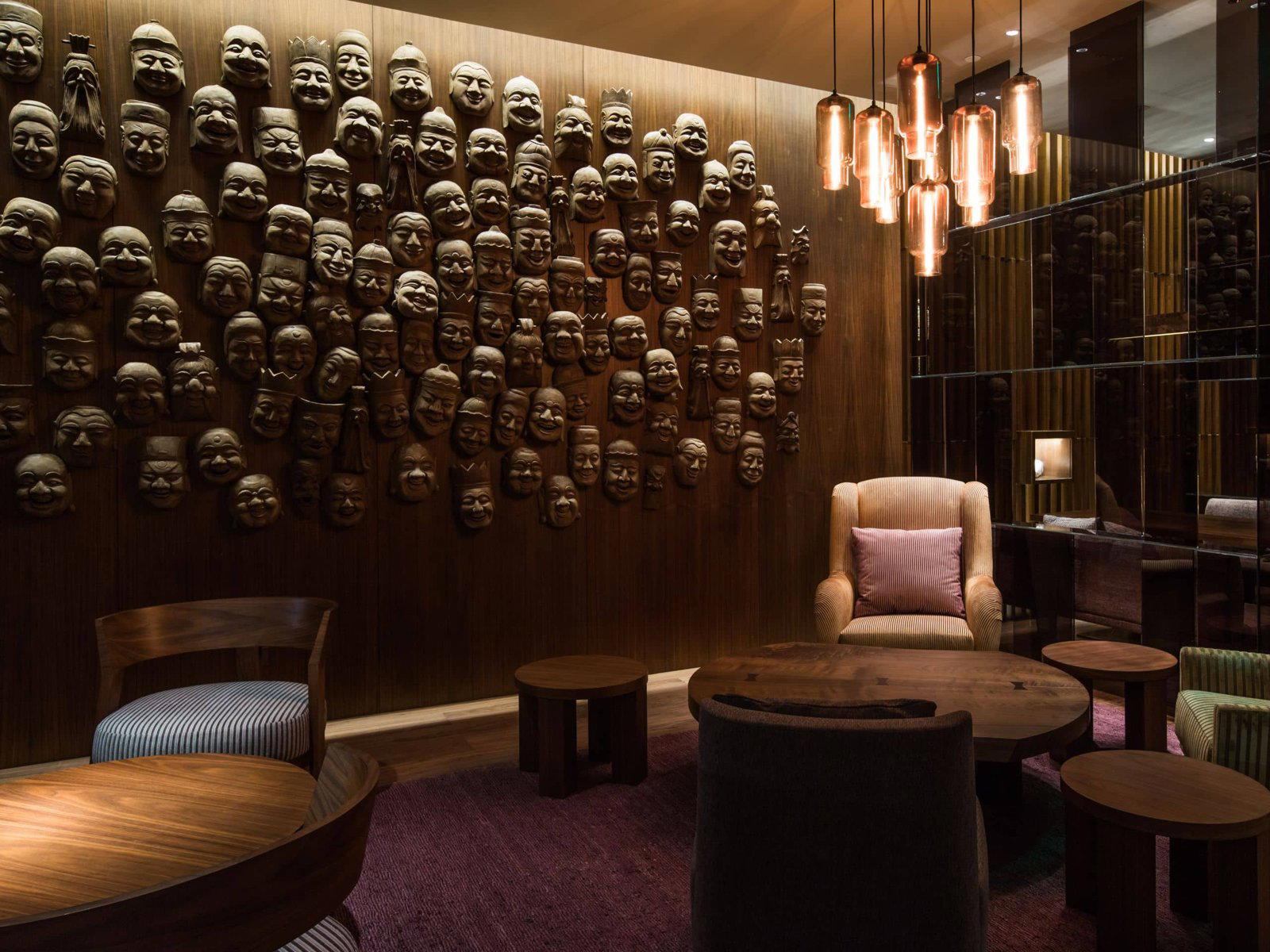
Walk into Xing Fu Yi Zhan on Huifu East Road and the reference point is immediate: a vintage Chinese staging post, the kind of roadside waystation that once punctuated the overland routes between Sichuan and Guangdong. Wooden shelves carry local liquors, some brewed on the premises. Props and period costume hang near the entrance. The servers, if the mood is right, will pose with you. It is a dining room that wears its concept on its sleeve, and the Chongqing kitchen behind the swing door earns the right to the theatrics.
Guangzhou's restaurant scene at this price tier is dense with Cantonese operators, tea-house formats, and roast-meat specialists. Sichuan cooking occupies a smaller but increasingly validated niche in the city, and Xing Fu Yi Zhan sits at the recognised end of that niche: the 2025 Michelin Guide awarded it a Bib Gourmand. For context, that places it alongside Guangzhou addresses like Ease (Yuexiu) in the Bib tier, while the city's fine-dining register runs through heavier commitments such as Jiang by Chef Fei (Cantonese) and Imperial Treasure Fine Chinese Cuisine (Cantonese) at ¥¥¥.
Chongqing Cooking in a Cantonese City
The distinction between Sichuan and Chongqing cooking matters here. Chongqing cuisine, while sharing the foundational Sichuan flavour vocabulary of doubanjiang, dried chillies, and Sichuan peppercorn, tends toward a more assertive heat profile and a heavier hand with smoked and fermented ingredients. It is less interested in the restrained elegance that higher-tier Sichuan kitchens sometimes pursue, and more committed to the table as a place of full sensory impact: heat that accumulates, smokiness that lingers, sauces that coat rather than gloss.
That tradition is the frame for reading the menu at Xing Fu Yi Zhan. The stir-fried dried pork with smoked bamboo shoot, noted specifically in the Michelin citation, is a direct articulation of this approach: a wok-cooked dish where heat, smoke, and the Maillard character of proper wok hei arrive in sequence rather than all at once. The bamboo shoot carries a dry, concentrated funk that reads differently from the fresh or water-packed bamboo common in Cantonese preparations. The combination is more about textural and aromatic contrast than about brightness or delicacy.
Sichuan cooking in mainland China's southern cities often softens toward local palates, dialling back the numbing heat of mala in favour of greater accessibility. The Michelin citation's language, specifically "rich, intense flavours" as the defining characteristic, suggests Xing Fu Yi Zhan holds closer to the source register than many Sichuan outposts operating at comparable prices in Guangzhou. That positioning is a point of differentiation worth noting if you are arriving from a diet of Cantonese cooking, or from the milder Sichuan-adjacent kitchens that populate the mid-range across the Pearl River Delta.
How the Meal Moves
Chongqing-style meals tend to build rather than peak early. The standard arc at this type of restaurant begins with cold appetisers, often featuring preserved or marinated proteins alongside a pickled vegetable component designed to cut through what follows. Those opening plates calibrate the palate rather than challenge it, setting a baseline for the escalation to come.
Hot dishes arrive in sequence, and the wok hei element, that caramelised, slightly smoky character produced by high-heat stir-frying, is the central measure of kitchen quality at this tier. A Chongqing kitchen that cannot sustain consistent wok temperature across a full service is a kitchen that loses its argument. The smoked bamboo shoot dish functions as a reliable signal of this: bamboo cooked over insufficient heat reads flat and waterlogged, while the same ingredient in a properly seasoned wok acquires a concentrated, almost jerky-like depth.
The liquors displayed on the shelves, including the in-house brewed varieties noted in the Michelin entry, are the natural close to the Chongqing table. Chinese grain spirits in this context are not cocktail-bar propositions. They are digestifs in the original functional sense, cutting the residual fat and chilli heat of a meal built around pork and fermented sauces. Drinking in the room you are eating in, with bottles whose provenance is visible on the shelf, connects the meal to the staging-post concept more coherently than the costumes alone might manage.
Where This Fits in the City's Sichuan Register
Guangzhou is not a natural home for Sichuan cooking the way Chengdu or Chongqing are, and the Michelin Bib signal here carries a specific weight. It identifies a kitchen operating with enough consistency and regional fidelity to earn external validation in a city where the default culinary authority rests with Cantonese tradition.
For a sense of how Sichuan cooking performs at other price points and cities across the country, the comparison points are instructive. Yu Zhi Lan and Fang Xiang Jing in Chengdu operate in a higher-commitment format that reflects what full-star Sichuan looks like at source. Xing Fu Yi Zhan is not in that tier and is not trying to be. The Bib Gourmand positions it as the address for serious regional cooking at a price point that makes repeat visits plausible. Elsewhere in the country, restaurants like 102 House in Shanghai, Ru Yuan in Hangzhou, and Xin Rong Ji in Chengdu demonstrate how regional Chinese cooking earns recognition across different city contexts, while Chef Tam's Seasons in Macau and Dai Yuet Heen in Nanjing illustrate how Chinese kitchens scale across the broader Greater Bay Area dining circuit. Xin Rong Ji (Xinyuan South Road) in Beijing anchors the north end of that geography.
Know Before You Go
- Address: 47C8+9P4, Huifu East Road, Yuexiu District, Guangzhou, Guangdong Province, 510115
- Cuisine: Sichuan (Chongqing style)
- Price range: ¥¥ (mid-range)
- Recognition: Michelin Bib Gourmand 2025
- Phone / Website: not listed, check local booking platforms or walk in
- Hours: Mon-Sun 10 AM-10 PM
- Note: Period costume is available for photographs with servers; in-house brewed liquors are available for purchase or by the glass
Price and Positioning
Comparable venues nearby, for context on price, style, and recognition.
| Venue | Cuisine | Price | Awards | Notes |
|---|---|---|---|---|
| Xing Fu Yi Zhan (Yulei Third Street)This venue — the venue you are viewing | Guangzhoushi, Chongqing-style Sichuan | $$ | Bib Gourmand | Not listed |
| Hunan Cuisine | Guangzhoushi, Hunanese | $$ | Bib Gourmand | Not listed |
| Stay Here | Guangzhoushi, Authentic Chaoshan Cuisine | $$ | Bib Gourmand | Not listed |
| Xiang Qun (Longjin East Road) | Guangzhoushi, Traditional Cantonese | $$ | Bib Gourmand | Not listed |
| Xiguan Zhuyuan (Lizhiwan) | Not listed | $$ | Bib Gourmand | Guangzhoushi, Cantonese Duck-Egg Noodle Atelier |
| Song Yuan | Not listed | $$ | Bib Gourmand | Guangzhoushi, Traditional Cantonese with Claypot Specialties |
Recognition history
Dated appearances from independent guides and award organizations, with the underlying list record or original source where available.
Michelin Bib Gourmand
Michelin
Michelin Bib Gourmand
Michelin
Continue exploring
More in Guangzhou
Restaurants in Guangzhou
Browse all →
Bars in Guangzhou
Browse all →
At a Glance
- Classic
- Cozy
- Family
- Casual Hangout
- Historic Building
Current opening hours
- Monday
- 10 AM–10 PM
- Tuesday
- 10 AM–10 PM
- Wednesday
- 10 AM–10 PM
- Thursday
- 10 AM–10 PM
- Friday
- 10 AM–10 PM
- Saturday
- 10 AM–10 PM
- Sunday
- 10 AM–10 PM
Hours can change for holidays and private events. Last verified .
Vintage staging post atmosphere that whisks diners back in time with rich, intense Chongqing-style flavors.