Byblos Restaurant
Byblos Restaurant on Markenstraße brings Middle Eastern and Mediterranean cooking to Düsseldorf's southern dining corridor, where ingredient provenance and regional cooking traditions carry more weight than format spectacle. The address places it within a broader city pattern of specialty kitchens operating outside the Altstadt circuit, drawing guests who seek sourcing-conscious cooking over tourist-facing fare.
Pearl is the En Primeur Club membership app — saves, bookings, and concierge access live there. Same editors, same standards.
- Address
- Markenstraße 7-9, 40227 Düsseldorf, Germany
- Phone
- +492117260938
- Website
- byblosrestaurant.de
- Directions
- Get directions
 Saves & bookings on Pearl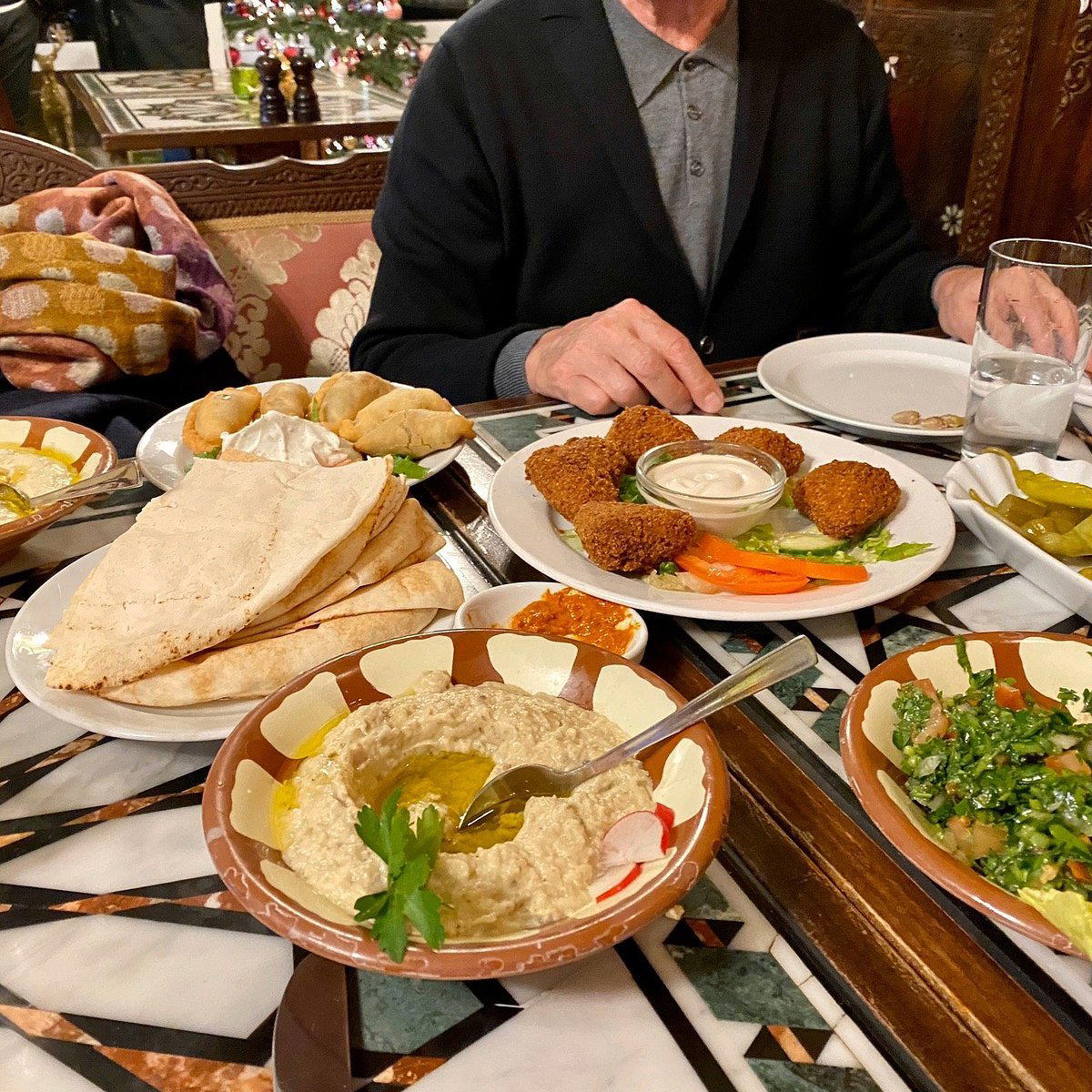
A Southern Address, a Different Kind of Table
Düsseldorf's dining geography has a clear centre of gravity: the Altstadt and the Medienhafen pull the bulk of visitors and tourist-facing restaurants, leaving the southern residential corridors, including the Friedrichstadt and Oberbilk stretch along Markenstraße, to a quieter, more locally anchored set of kitchens. Byblos Restaurant, at Markenstraße 7-9, sits in that second category. Arriving from the city centre, the neighbourhood signals a shift in register: fewer illuminated hotel bars, more neighbourhood tables with regulars who have made specific choices about where they eat. That context matters before you even step inside.
Germany's Mediterranean and Middle Eastern restaurant scene has matured considerably over the past decade. Where the category once meant generic mezze plates and bread baskets for a tourist market, a growing tier of operators has pushed toward regional specificity, sourcing za'atar from particular growing regions, using house-pressed or single-origin olive oils, distinguishing between Lebanese, Syrian, and Levantine cooking traditions rather than collapsing them into an undifferentiated "Mediterranean" label. Byblos belongs to this moment in the city's eating culture, and its Markenstraße location, away from the Altstadt circuit, reinforces that positioning.
Where the Ingredients Come From, and Why That Shapes the Plate
When a kitchen commits to ingredients with identifiable provenance, spices from named regions, olive oil from a specific pressing, grains with a traceable origin, the cooking is constrained in ways that produce consistency and character. The dish must serve the ingredient rather than the other way around. This is the logic behind why the leading Levantine and eastern Mediterranean kitchens in European cities have moved away from the fusion-adjacent approach that dominated the category in the 2000s, and why the sourcing question has become the distinguishing marker between a kitchen with real conviction and one producing decorative approximations of regional cooking.
Düsseldorf's Mediterranean dining cohort reflects this shift unevenly. Some addresses, including Anfora and Amuni Wein- und Käsebar, anchor their menus in product specificity, treating the wine list or the cheese selection as an argument about origin. Arca Alacati operates from a Turkish Aegean frame that ties dish identity to coastal ingredient culture. Alanya Döner works a narrower format with similar ingredient-first discipline. Byblos occupies its own slot in this map, drawing on the Byblos name, referencing one of the oldest continuously inhabited cities in the world, on the Lebanese coast, as a signal of geographic and cultural specificity rather than generic Middle Eastern positioning.
Seasonal Timing and When to Go
For kitchens grounded in Mediterranean and Levantine traditions, the seasonal calendar has a direct bearing on what arrives at the table. Late spring through early autumn is when eastern Mediterranean produce, tomatoes with structural acidity, fresh herbs at peak aromatic intensity, stone fruits used in both savoury and sweet preparations, is at its leading. Restaurants working within this tradition tend to show most clearly at this time of year, because the ingredients are doing more of the work. A visit to Byblos during the summer months, when the sourcing argument is easiest to make on the plate, is one logical entry point for a first-time guest.
Byblos in the Context of German Fine Dining
Byblos operates in a city that sits within one of Germany's densest concentrations of serious cooking. The broader German fine dining circuit includes addresses such as Schwarzwaldstube in Baiersbronn, Aqua in Wolfsburg, Vendôme in Bergisch Gladbach, Victor's Fine Dining by Christian Bau in Perl, ES:SENZ in Grassau, Schanz in Piesport, Waldhotel Sonnora in Dreis, and Restaurant Haerlin in Hamburg, addresses that collectively define the upper tier of German restaurant cooking. At the other end of the format spectrum, JAN in Munich and CODA Dessert Dining in Berlin show how German cities have also developed format-led propositions that sit outside conventional fine dining categories.
Its competitive set is the city's Mediterranean and Middle Eastern dining cohort: restaurants where cultural specificity, sourcing honesty, and a neighbourhood relationship with regular guests define quality more than tasting menus or white-tablecloth formality. Internationally, the frame shifts toward kitchens like Le Bernardin in New York City or Lazy Bear in San Francisco in terms of what serious sourcing-led cooking can look like when it operates with full conviction, though the format and price tier are entirely different. The point of comparison is the seriousness of approach, not the category.
Planning Your Visit
Byblos Restaurant is located at Markenstraße 7-9, 40227 Düsseldorf, in the southern Friedrichstadt/Oberbilk area.
Comparable Spots
Comparable venues nearby, for context on price, style, and recognition.
| Venue | Cuisine | Price | Notes |
|---|---|---|---|
| Byblos RestaurantThis venue — the venue you are viewing | Authentic Lebanese | $$ | Not listed |
| Die Kurve | Modern Israeli Mezze | $$ | Pempelfort |
| Sannin | Authentic Lebanese | $$ | Stadtmitte |
| Imbiss Beirut | Lebanese Street Food | $ | Oberbilk |
| Takumi Chicken & Veggie | Japanese Chicken & Vegetable Ramen | $$ | Stadtmitte |
| Anfora | Modern Turkish Grill | $$ | Friedrichstadt |
Continue exploring
More in Düsseldorf
Restaurants in Düsseldorf
Browse all →
Bars in Düsseldorf
Browse all →
At a Glance
- Cozy
- Lively
- Group Dining
- Casual Hangout
- Standalone
Current opening hours
- Monday
- 12–11:30 PM
- Tuesday
- 12–11:30 PM
- Wednesday
- 12–11:30 PM
- Thursday
- 12–11:30 PM
- Friday
- 12–11:30 PM
- Saturday
- 12–11:30 PM
- Sunday
- 12–11:30 PM
Hours can change for holidays and private events. Last verified .
Friendly and welcoming atmosphere with a busy, popular vibe.