WYLD



Michelin Plate · Wine Spectator Best of Award of Excellence · Forbes Recommended
Our verdict
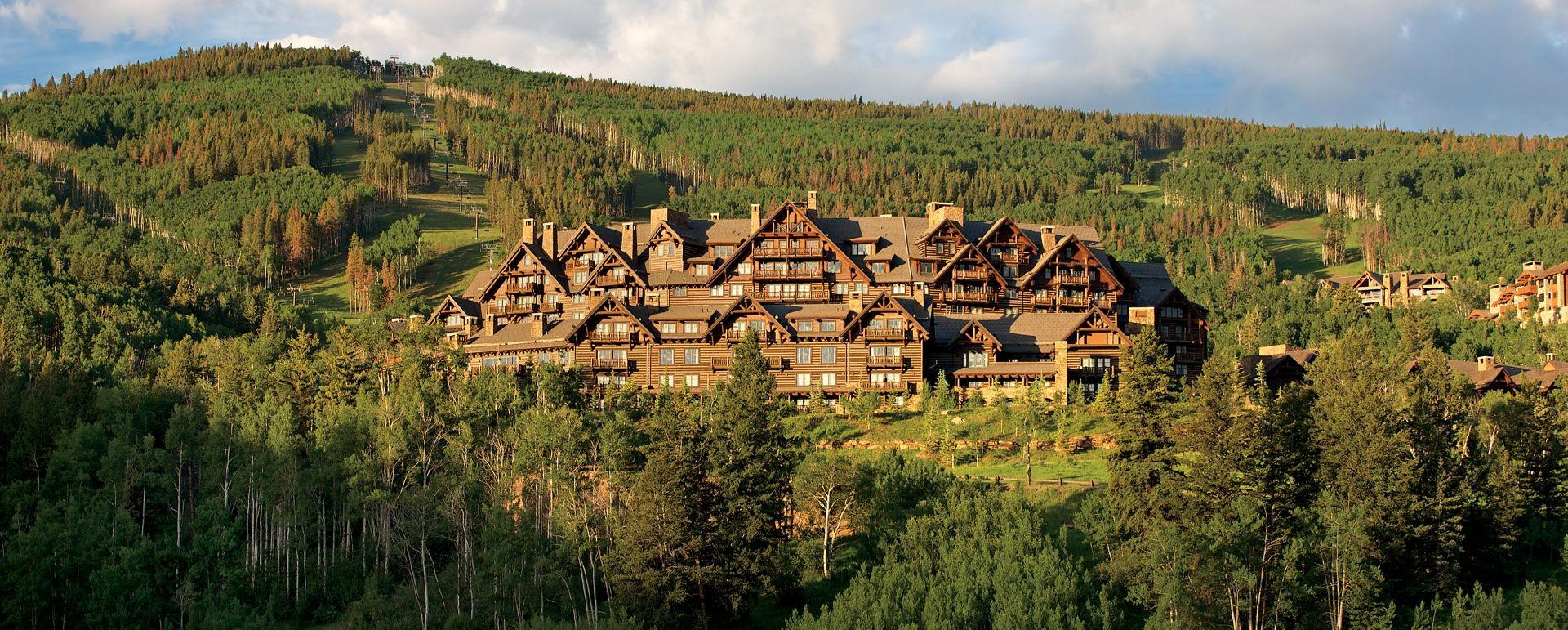
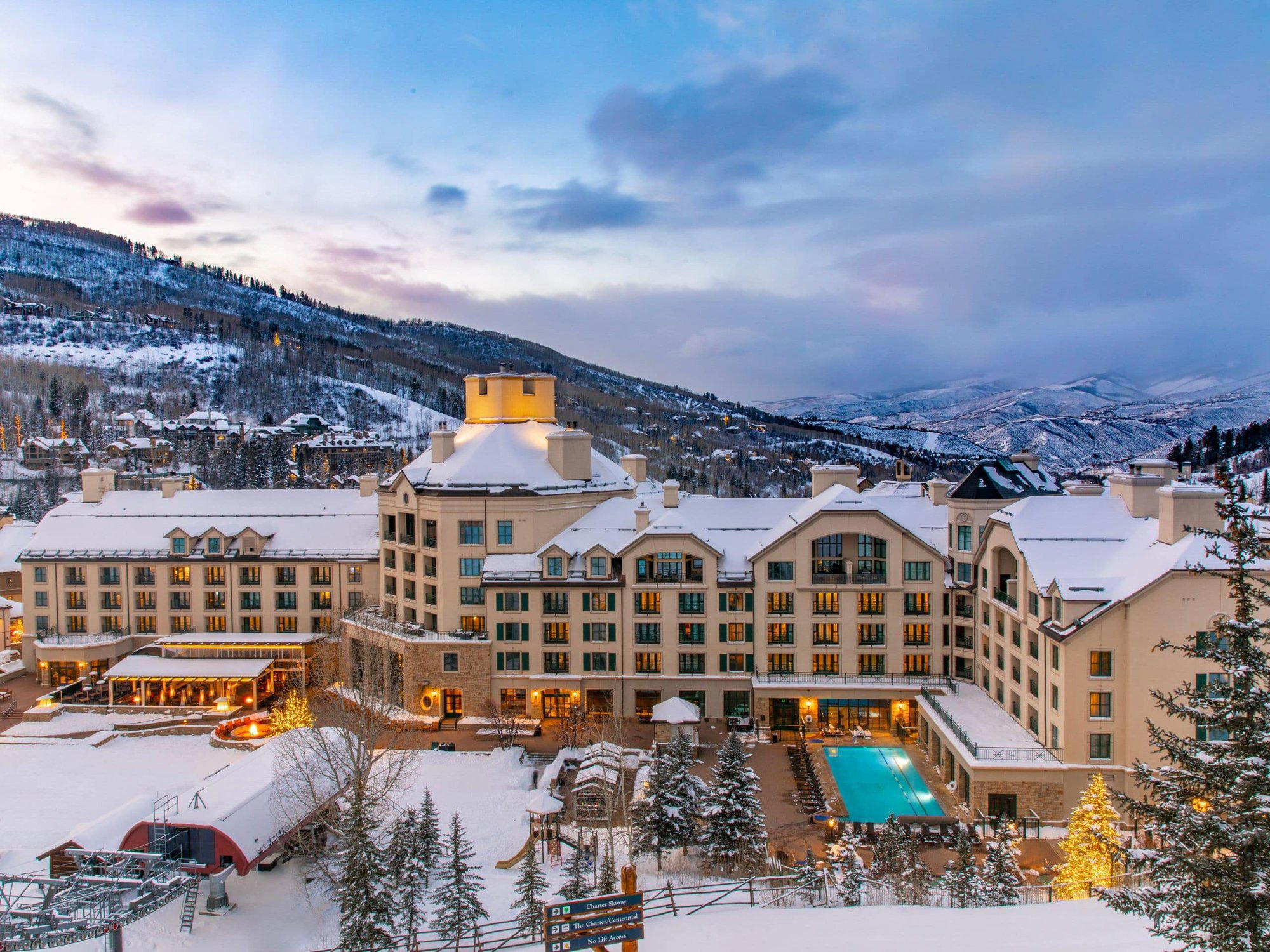
Inside the Forbes Travel Guide Four-Star Ritz-Carlton, Bachelor Gulch, WYLD earns a Michelin Plate for its mountain-sourced American menu built around Colorado proteins, seasonal produce, and a wine list of 890 selections spanning Burgundy, Bordeaux, and California. The slopeside setting and horseshoe bar make it a practical choice for après-ski that runs well into dinner service.

Pearl is the En Primeur Club membership app, where members save venues, book tables and use the concierge.
The menu
What to order
- Ocean-poached sea bream with crispy rice and tom kha broth
- Short rib-stuffed ricotta raviolini
- Brick-roasted organic chicken
- Salmon cones
- Hiramasa crudo
Where the Mountain Comes Indoors
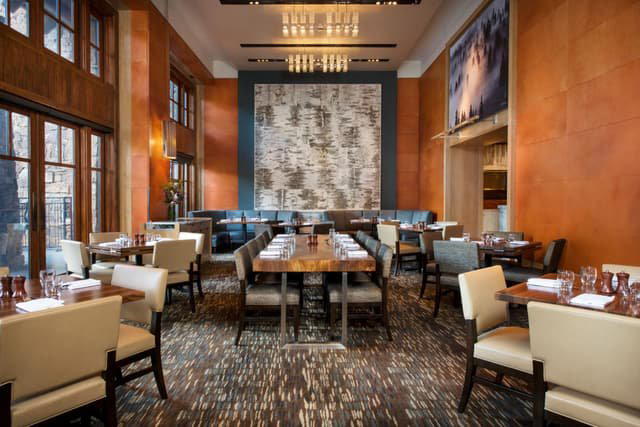
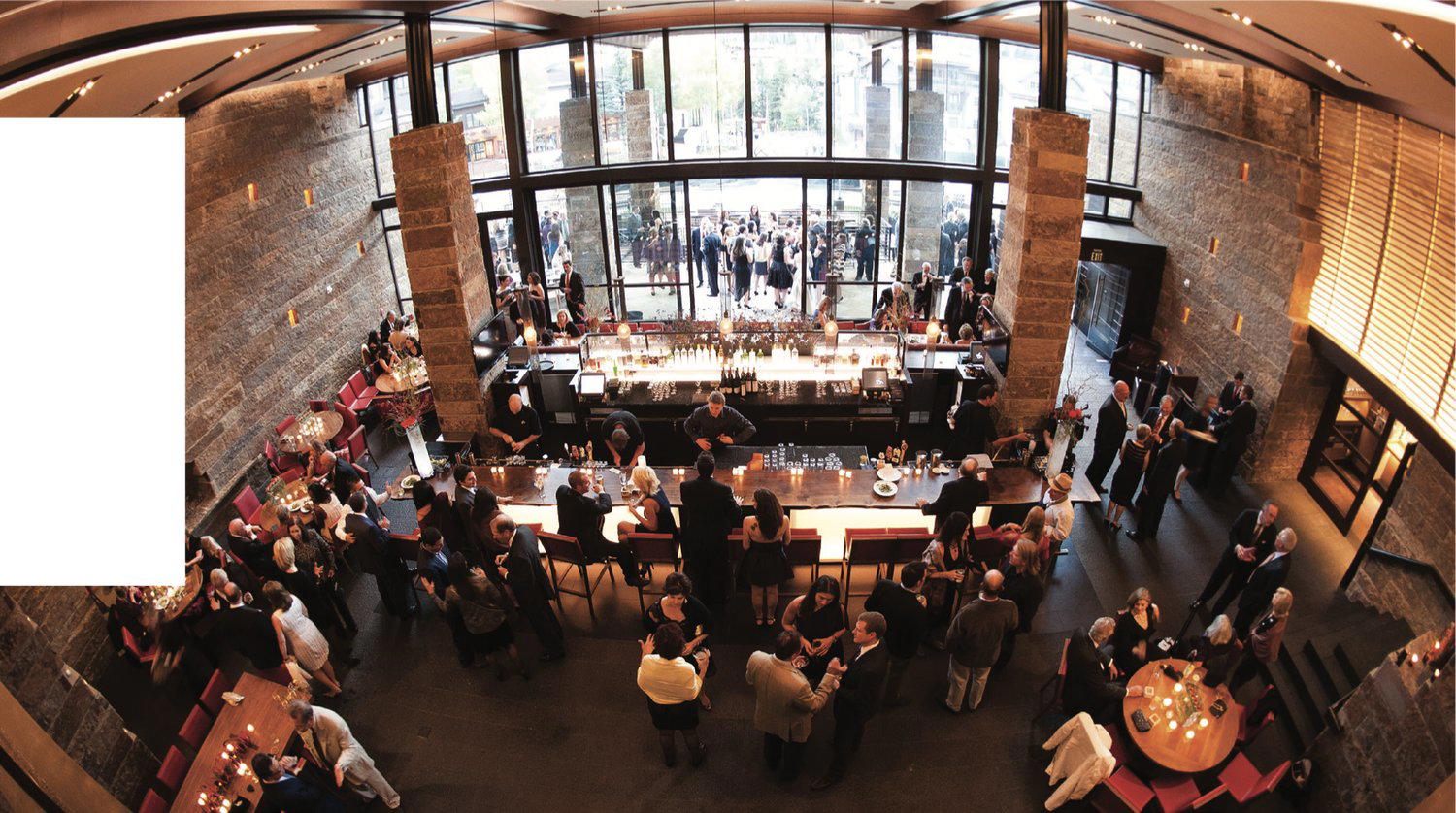
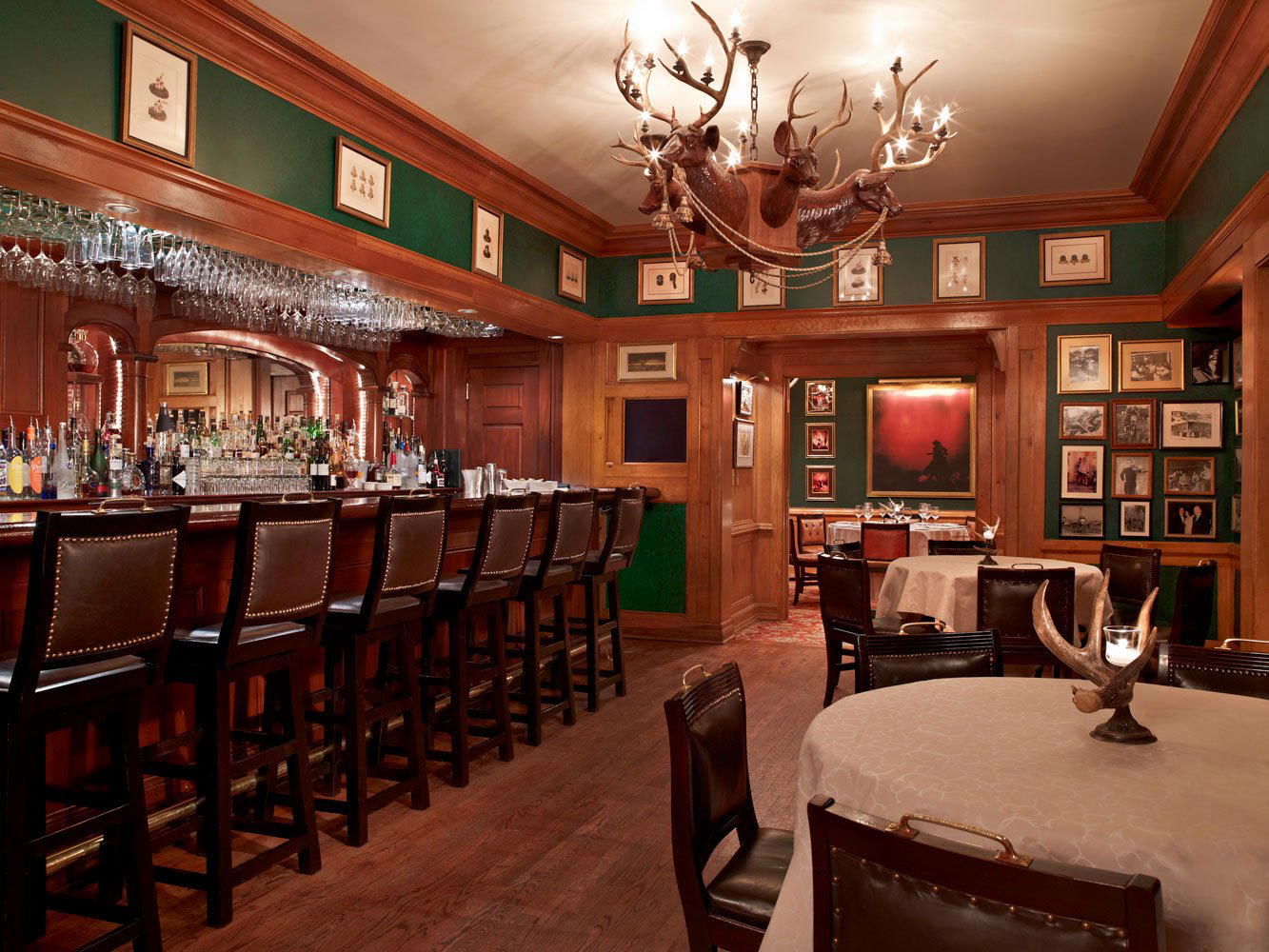
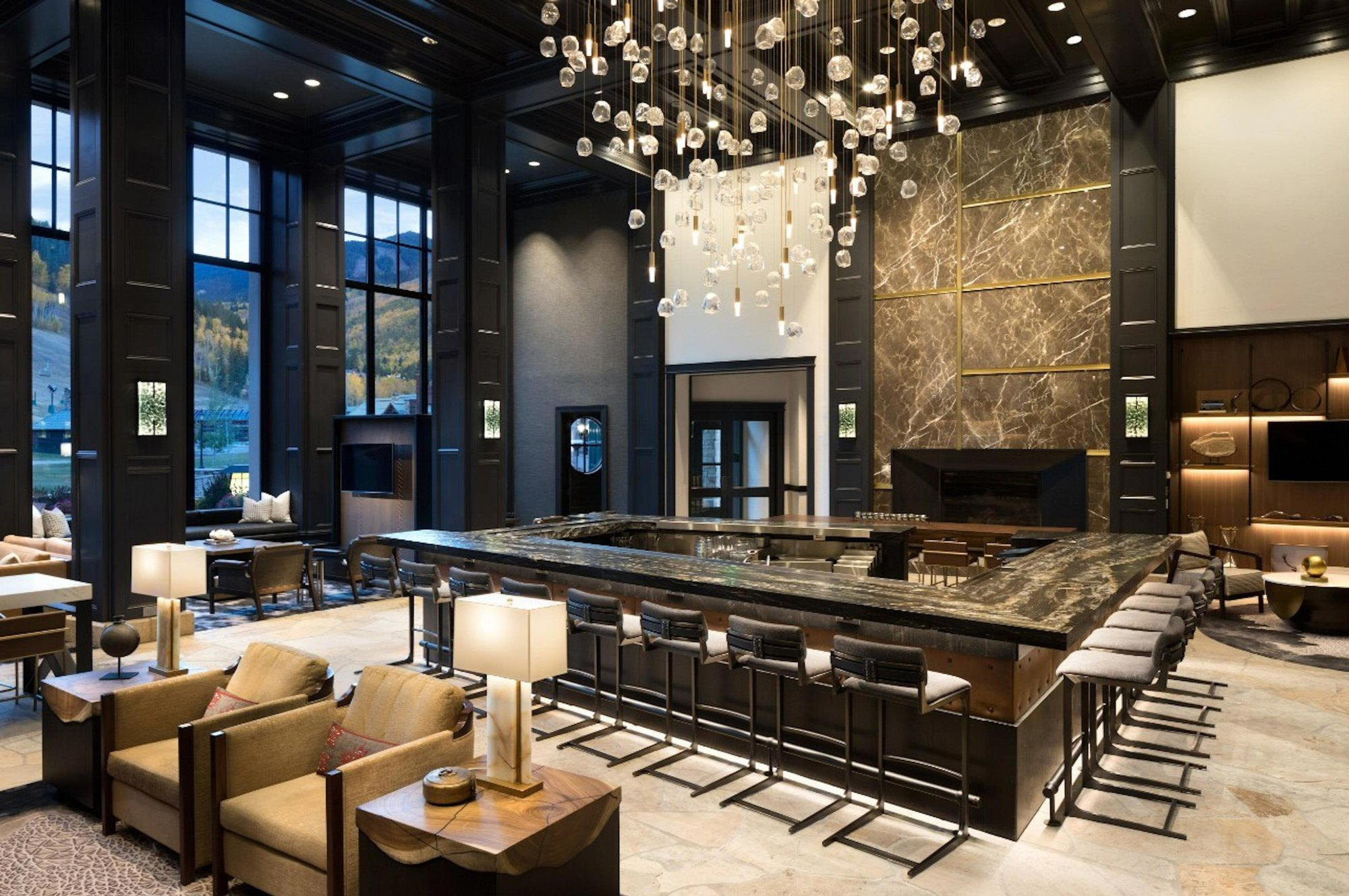
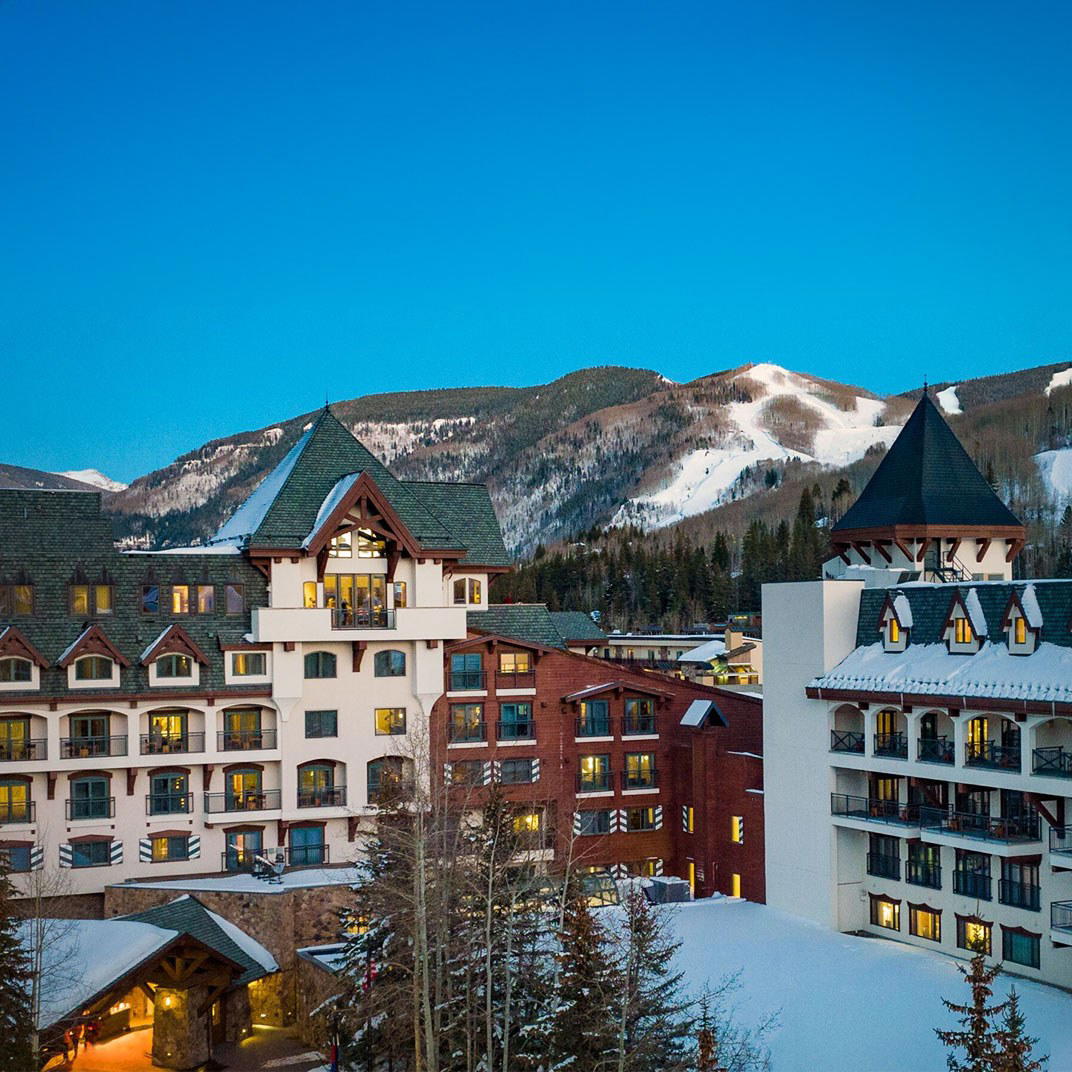
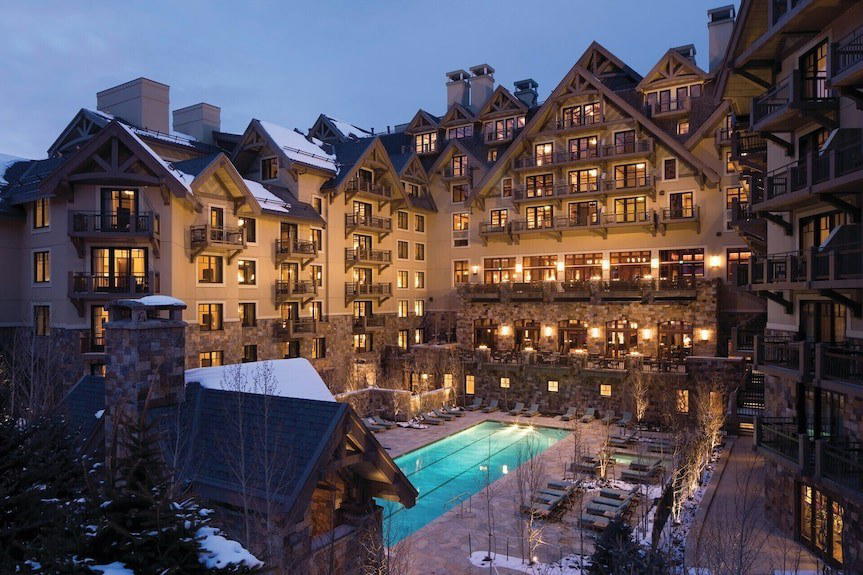
Slopeside dining in Colorado ski country tends to split between casual lodge fare and formal hotel restaurants that feel transplanted from a city. WYLD, the signature restaurant inside the Forbes Travel Guide Four-Star Ritz-Carlton, Bachelor Gulch, occupies a third position: a setting that reads genuinely rustic without apologizing for its refinement. Stone, timber, and firelight define the room, and the connection to The Great Room lounge means the energy runs from pre-dinner cocktails through to a nightcap without a change of venue. The horseshoe bar draws that energy further into the dining space, so the room never stiffens into the formal register that can make hotel fine dining feel like a performance rather than an evening.
That physical environment matters because it frames everything that follows on the plate. WYLD holds a Michelin Plate for 2025, a recognition that places it among Colorado's more serious dining operations without pushing it into the austere, tasting-menu-only tier occupied by destinations like The French Laundry in Napa or Alinea in Chicago. The pitch here is something more specific to the region: ingredients sourced from Colorado's agricultural belt, prepared with enough technique to justify the price point, served in a room where mountain-casual dress is expected and enforced by the altitude and the ski boots at the door.
Farm-to-Table at Elevation: What It Actually Means in the Rockies
The farm-to-table movement that shaped American restaurant culture through the 2000s and 2010s produced a wide range of outcomes. At its most rigorous end, it generated places like Blue Hill at Stone Barns in Tarrytown and SingleThread Farm in Healdsburg, where the sourcing relationship is the structural basis of the menu. At its weakest, the language became decorative, applied to any restaurant that mentioned a farm name in its copy. WYLD sits in the credible middle tier of this tradition, with a menu architecture that reflects genuine seasonal logic rather than seasonal marketing.
The Rocky Mountain context shapes what that sourcing looks like in practice. Colorado's high-altitude ranches produce elk, lamb, and beef that carry a different character from their lowland equivalents, and the Butcher's Block section of WYLD's menu reflects that regional specificity directly. The elk rack and Colorado lamb chop are not gestures toward local identity; they are the menu's load-bearing proteins. The eight-ounce beef filet rounds out the section for diners who want something more familiar, but the surrounding choices push back against the default hotel steakhouse format that dominates much of ski resort dining in the American West.
Seasonal coherence extends to the cocktail list, which moves from herbaceous combinations in summer to more savory preparations in winter. That kind of seasonal calibration across both food and drink menus is less common than restaurants claim, and it signals a kitchen and bar program operating with some coordination. Comparable discipline on both sides of the menu can be found at Lazy Bear in San Francisco, though WYLD operates at a different format and price register. For context on how the farm-to-table approach plays out across American regional cuisine more broadly, Addison in San Diego and Hilda and Jesse in San Francisco offer useful comparisons in their respective markets.
The Menu in Structure
WYLD's format is built around a tapas-style opening section alongside more conventional entrées, which allows the kitchen to work across a wider flavor range than a single plate per course would permit. The mountain tapas section includes the fire-roasted cauliflower, which arrives as a whole head on a skillet with lemon gremolata and buttermilk aioli, a preparation that uses the vegetable's density to absorb smoke and char in ways that smaller cuts cannot. The format also means tables can pace themselves through multiple dishes before committing to a Butcher's Block entrée, a sensible structure for a restaurant that serves both post-ski appetite and more composed dinner occasions.
Side dishes carry weight here: Boursin mashed potatoes and lemon-roasted asparagus are listed with enough specificity to suggest they function as independent menu items rather than afterthoughts. Dessert closes with roasted banana cake and Nutella ice cream, a preparation that pairs the kitchen's recommendation with ice wine, the kind of specific pairing suggestion that indicates a wine program with enough depth to support it. That wine list of 890 selections across 7,800 bottles of inventory, with strength in Burgundy, Bordeaux, French, and California categories, is well above what most hotel restaurants carry. Wine Director Elizabeth Surprenant oversees a list priced at the $$$ tier, meaning many bottles exceed $100, but the depth of selection offers options across that range. The Michelin inspector's note about hidden gems on the wine list is consistent with the kind of list that rewards engagement rather than defaulting to the obvious labels.
Chef Jasper Schneider and the Kitchen's Positioning
American mountain resort kitchens have historically struggled to retain serious culinary talent, which tends to flow toward urban centers where year-round business, media attention, and peer community are concentrated. The fact that WYLD has held its Michelin Plate across 2024 and 2025 under Chef Jasper Schneider suggests a kitchen operating with enough consistency to satisfy a standards body that visits without announcement. For a sense of the wider American dining conversation that WYLD is adjacent to, Le Bernardin in New York City, Emeril's in New Orleans, and Providence in Los Angeles represent the urban tier of American fine dining that sets the benchmark against which regional kitchens are measured.
Other American restaurants worth tracking in this seasonal, regionally grounded register include Albi in Washington, D.C., Selby's in Atherton, and The Inn at Little Washington, each of which operates with a distinct regional identity while holding national recognition.
Planning Your Visit
WYLD serves lunch and dinner, and reservations are recommended though not required. Guests staying at the Ritz-Carlton, Bachelor Gulch can arrange bookings through the concierge. The mountain-casual dress code means ski attire is acceptable, which removes the friction that can make a post-slope dinner feel like a logistical challenge. The restaurant's connection to The Great Room lounge makes it practical to arrive early for cocktails and extend the evening after dinner without leaving the space. The wine list warrants attention at the time of booking: at 890 selections and $$$ pricing, it rewards pre-visit consideration rather than ordering by default. For broader planning across the area, see our full Avon restaurants guide, our full Avon hotels guide, our full Avon bars guide, our full Avon wineries guide, and our full Avon experiences guide.
Frequently asked questions
Is WYLD good for families?
The mountain-casual dress code and tapas-format menu make WYLD more accessible for families than a formal tasting-menu restaurant at a comparable price point. The $$$ pricing means a full dinner for a family of four will be a significant expense, but the flexible menu structure allows parents to order selectively rather than committing to a fixed format. The Beaver Creek location and slopeside context mean the clientele skews toward families during ski season, so the room is accustomed to that dynamic.
What's the vibe at WYLD?
The room reads as refined-rustic: stone, timber, firelight, and a horseshoe bar that keeps the energy social rather than formal. A Michelin Plate and Forbes Four-Star hotel address set the quality expectation, but the mountain-casual dress code and connection to The Great Room lounge mean the atmosphere is closer to an upscale lodge than a white-tablecloth city restaurant. At the $$$ price tier, it occupies a middle register in Avon's dining options: more considered than casual après-ski, less ceremonial than a destination tasting menu.
What dish is WYLD famous for?
Butcher's Block section, which includes the elk rack, Colorado lamb chop, and eight-ounce beef filet, defines WYLD's kitchen identity most clearly. The elk rack in particular reflects the restaurant's regional sourcing approach and is the kind of preparation that separates a Colorado mountain kitchen from a generic hotel steakhouse. The fire-roasted whole cauliflower from the tapas section has also drawn specific notice from the Michelin inspection record as a standout preparation. Chef Jasper Schneider's menu, recognized with Michelin Plates in both 2024 and 2025, is built around these proteins and the house-blended seasonings that accompany them.
How It Stacks Up
| Venue | Cuisine | Price | Awards | Notes |
|---|---|---|---|---|
| WYLDThis venue (the venue you are viewing) | Refined Colorado Mountain Cuisine | $100–150 | Michelin Plate · Wine Spectator Best of Award of Excellence | Not listed |
| Le Bernardin | French Seafood Fine Dining | $300–500 | 3 Michelin Stars · World's 50 Best #13 | French, Seafood |
| Atomix | Modern Korean Tasting Menu | $300–500 | 2 Michelin Stars · World's 50 Best #7 | Modern Korean, Korean |
| Lazy Bear | Modern American Tasting Menu | Not listed | 2 Michelin Stars · World's 50 Best #25 | Progressive American, Contemporary |
| Alinea | Avant-Garde Molecular Gastronomy | $300–500 | 2 Michelin Stars · World's 50 Best #37 | Progressive American, Creative |
| Masa | Seasonal Hokkaido Tempura Omakase | $150–200 | Tabelog 100 #34 | Sushi, Japanese |
Recognition history
Dated appearances from independent guides and award organizations, with the underlying list record or original source where available.
Michelin Plate
Michelin
Wine Spectator Best of Award of Excellence
Wine Spectator
Forbes Recommended
Forbes
Full recognition history (5 entries)
Wine Spectator Best of Award of Excellence
Wine Spectator
Michelin Plate
Michelin
Continue exploring
More in Avon
Restaurants in Avon
All restaurants in Avon →
Bars in Avon
Browse all →
WYLD
The wine
WYLD holds the Wine Spectator Best of Award of Excellence, which Wine Spectator gives to lists of usually 350 or more selections.
- Wine program
- Deep wine list
- Wine Spectator
- Wine Spectator Best of Award of Excellence
- Selections
- 890
- Bottles in cellar
- 7,800
- List strengths
- Burgundy, Bordeaux, France, California
- Wine director
- Elizabeth Surprenant
- Extensive wine list
- Sommelier-led
- Craft cocktails
Details
- Elegant
- Sophisticated
- Scenic
- Modern
- Cozy
- Special Occasion
- Date Night
- Celebration
- Business Dinner
- Private Event
- Hotel Restaurant
- Terrace
- Private Dining
- Panoramic View
- Extensive Wine List
- Craft Cocktails
- Sommelier Led
- Local Sourcing
- Mountain
Contemporary alpine elegance with sophisticated dining rooms, fireside warmth, and a polished luxury-resort atmosphere set in the Colorado Rockies.