Matsuhisa
Matsuhisa on East Main Street brings the Nobu-lineage Japanese-Peruvian format to Aspen's high-altitude dining scene, where the bar programme and kitchen work as a single system rather than separate operations. The food-drink pairing logic here rewards guests who order across both sides of the menu, making it one of the more considered options for extended evening dining in a mountain resort town.
 Discover on Pearl
Pearl is the En Primeur Club membership app — saves, bookings, and concierge access live there. Same editors, same standards.
- Address
- 303 E Main St, Aspen, CO 81611
- Phone
- +1 970 544 6628
- Website
- matsuhisarestaurants.com
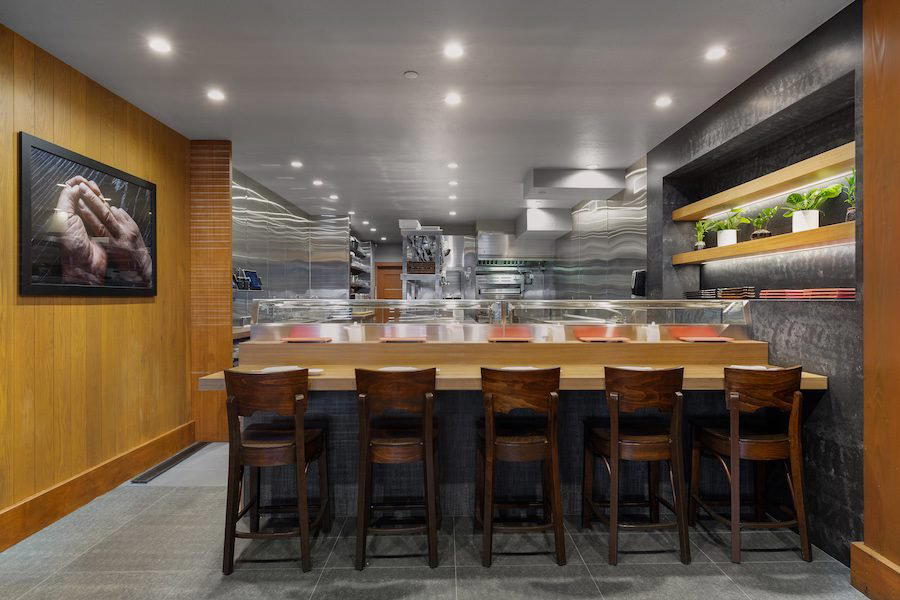
Where the Bar and Kitchen Operate as One
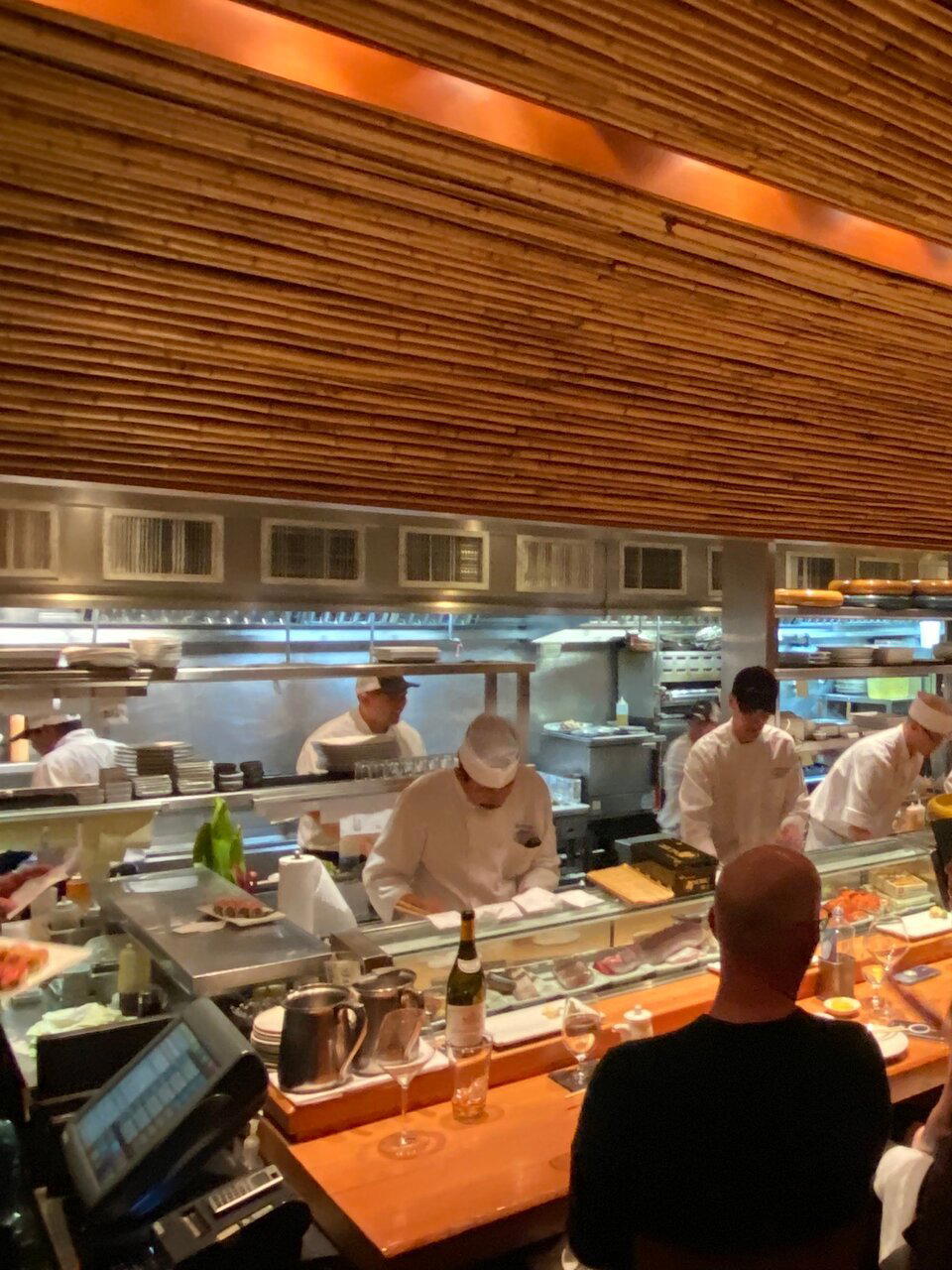
East Main Street in Aspen sits at the gentler, more residential edge of the downtown grid, a few blocks from the resort-facing concentration of steakhouses and après-ski rooms that define the core. Walking toward 303 East Main, the shift in register is noticeable: less street traffic, a quieter entrance, a setting that reads more like a serious dining destination than a high-volume resort operation. That physical positioning mirrors something true about how Matsuhisa functions within Aspen's dining ecosystem. It belongs to a tier of restaurants in mountain resort towns where the food-and-drink programme is integrated rather than parallel, where what you order to drink is expected to move in step with what arrives from the kitchen.
That integration matters most in winter, when Aspen's dining scene compresses into a shorter, more competitive window. The weeks from late December through early March represent a high-pressure period for any East Main Street restaurant, and the venues that hold their footing across multiple seasons tend to be those where the bar programme carries real weight. Matsuhisa is an extension of the Nobu Matsuhisa restaurant network, which began in Beverly Hills in 1987 and has since expanded across multiple continents. The Aspen outpost draws on the same Japanese-Peruvian fusion framework that gave the wider group its identity: tiradito preparations, miso-marinated proteins, ceviche-adjacent dishes that use yuzu and leche de tigre in place of Latin American lime bases. That culinary architecture, built on acid, umami, and raw-fish technique, creates a specific set of demands on any drinks list designed to accompany it.
The Pairing Logic: Acid Meets Acid, Fat Meets Fat
Japanese-Peruvian cuisine presents a pairing challenge that many resort-town bars sidestep by defaulting to sake lists and premium cocktails without clear structural intent. The flavour profile of dishes in this tradition tends to run bright and acidic at the front, with miso and soy funk underneath, and occasional chilli heat cutting across both. A drinks programme that simply offers a deep sake selection and leaves the work to the guest is only half-doing the job. What the pairing logic at a venue like Matsuhisa demands is something more deliberate: cocktails built around citrus bases that mirror the tiradito's acidity, lower-ABV options that don't overpower leaner raw preparations, and spirits selections with the textural weight to match heavier miso or black cod formats.
This is the design challenge that separates the better bar programmes in Japanese-Peruvian dining from the decorative ones. Venues like Kumiko in Chicago have shown how Japanese ingredient logic can be applied systematically to a cocktail list. Bar Leather Apron in Honolulu works a similar precision-led approach in a Pacific context where Japanese culinary influence is structural rather than borrowed. At Matsuhisa, the bar works as part of the evening rather than as an afterthought. The answer, most evenings, is the latter: the kitchen's raw preparations read well as bar snacks, and the transition from cocktail to sake to wine across a longer meal is part of the intended experience.
Aspen's Dining Tier and Where Matsuhisa Sits
Aspen's restaurant market divides more sharply than many mountain towns between high-volume resort operations and smaller, format-driven venues. Element 47 at The Little Nell represents the wine-programme-led fine dining end; CHICA Aspen covers the Latin-inflected, cocktail-forward middle ground; Aspen Mountain Club sits in the private membership tier. Matsuhisa occupies a distinct position: internationally recognised format, Aspen-specific execution, operating in a price tier that reflects both the brand's premium identity and the resort town's refined cost base.
The Nobu Matsuhisa network's track record across cities, including locations in New York, London, Tokyo, and Las Vegas, functions as a trust signal for first-time visitors. That network lineage means the kitchen's technical floor is established and the format is proven. What varies by location is how well the local bar programme adapts the core identity to a specific market. In a ski town, the seasonal rhythm creates specific conditions: the après-ski hour generates demand for warming cocktails and lighter food, while the later dinner service skews toward guests who have already eaten and want to extend their evening at the bar. Both modes require a different approach from the drinks side.
Cocktail Programmes in Mountain Resort Contexts
Mountain resort bars operate under conditions that coastal or urban programmes don't: a clientele arriving from high-altitude physical activity, compressed service windows during peak season, and a guest mix that ranges from regulars who visit Aspen annually to first-timers spending significantly and expecting the programme to justify it. The cocktail bars that build sustained reputations in these environments, whether in Aspen, Verbier, or comparable resort towns, tend to do so by anchoring the programme to the kitchen rather than treating it as a separate revenue stream.
Internationally, the bars that have drawn the most sustained attention for kitchen-bar integration tend to share certain structural features: spirits sourcing that connects to the cuisine's geographic identity, a short, edited cocktail list rather than a sprawling menu, and non-alcoholic options that follow the same flavour logic as the alcoholic ones. Jewel of the South in New Orleans applies that kind of programme discipline in a cocktail-history context; ABV in San Francisco runs a similar approach with an ingredient-led framework. Superbueno in New York City shows how Latin-influenced cuisine can drive a cocktail identity rather than simply accompany it. Julep in Houston and The Parlour in Frankfurt on the Main each represent different regional expressions of the same underlying idea: that a bar programme earns its credibility by having a point of view on what it's serving alongside. 300 Puppy Smith St #202 in Aspen represents a more standalone cocktail destination within the same town, offering a useful contrast in format.
Planning a Visit
Aspen's peak dining window runs from late December through the first week of March, with a secondary summer season in July and August when the music and arts festival circuit brings a different, culturally-oriented crowd. During peak winter weeks, East Main Street venues fill early and the gap between walk-in availability and reservation-secured tables widens considerably. Matsuhisa, given its brand recognition and the limited supply of seats in its category, rewards advance planning more than most restaurants in the market. The evening service format, which moves from lighter raw preparations toward heavier cooked dishes, favours guests who are willing to commit to a full progression rather than arriving solely for the bar. For those visiting during ski season, booking ahead improves the odds of securing a preferred time.

At a Glance
- Elegant
- Sophisticated
- Intimate
- Date Night
- Special Occasion
- Late Night
- Standalone
- Seated Bar
- Lounge Seating
- Craft Cocktails
- Sake
- Tequila
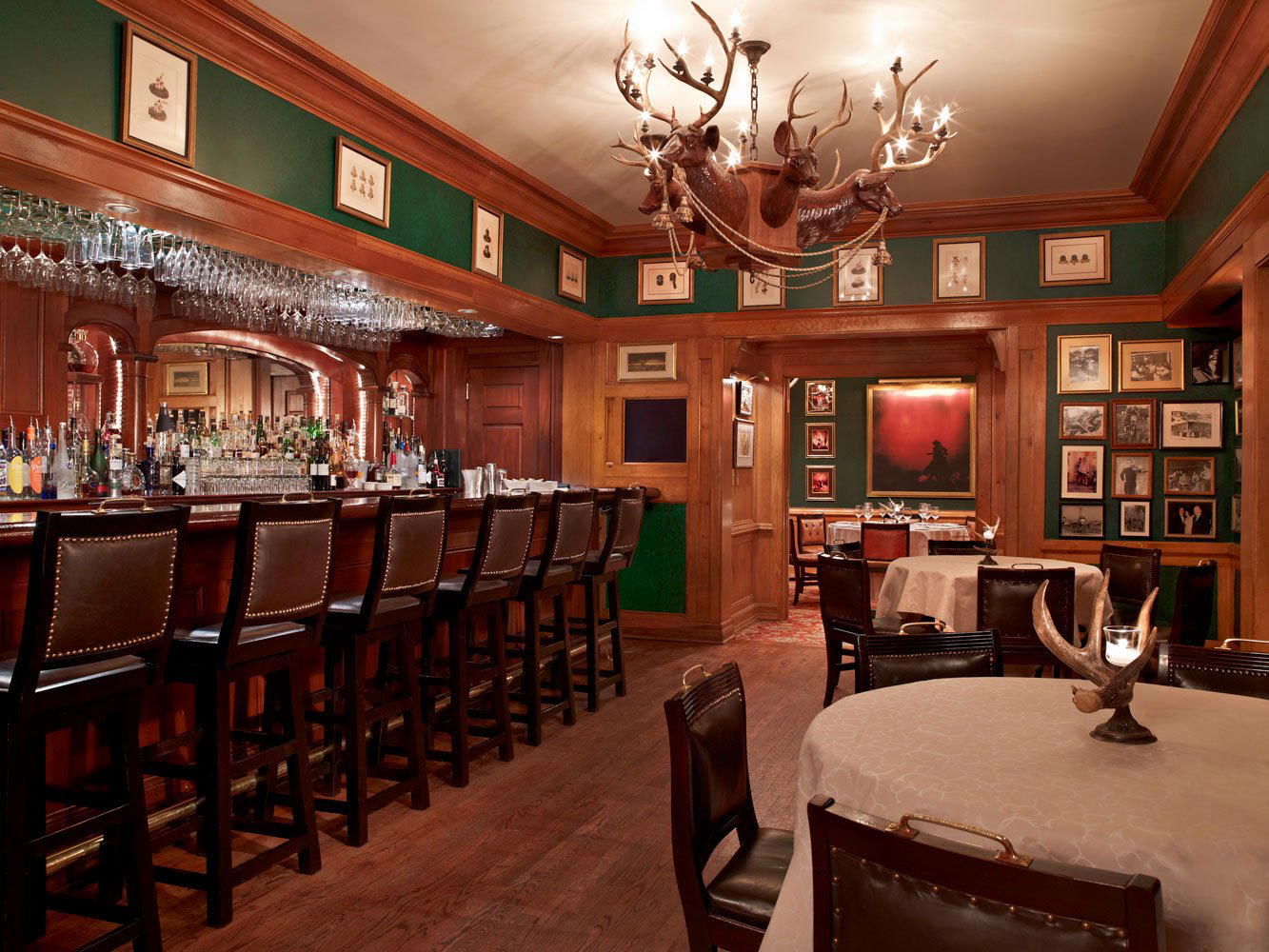
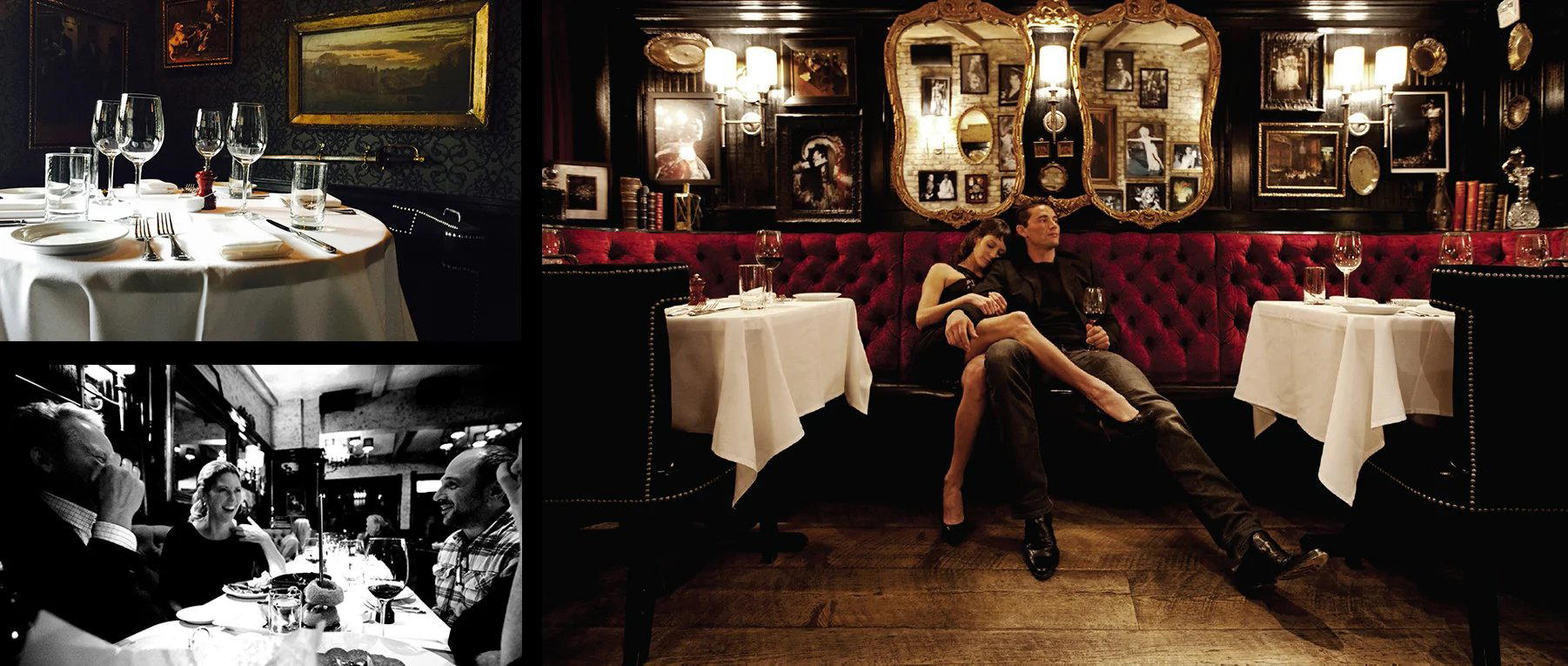
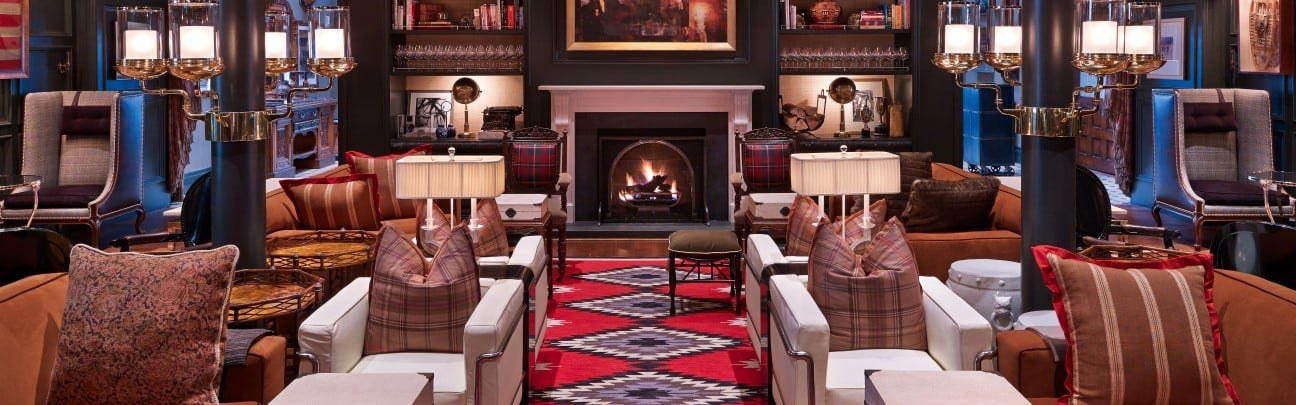
Sophisticated and intimate atmosphere in a historic Victorian house with casual upstairs and downstairs bar and dining areas.