Explore Books and Coffee
A bookshop-café hybrid on East Main Street in Aspen, Explore Books and Coffee sits at the intersection of literary culture and daily ritual that defines the town's quieter, non-ski identity. Located at 221 E Main St, it offers an alternative to the resort's more prominent dining and drinking circuit, drawing locals and visitors who want something closer to neighbourhood routine than mountain spectacle.
Pearl is the En Primeur Club membership app — saves, bookings, and concierge access live there. Same editors, same standards.
- Address
- 221 E Main St, Aspen, CO 81611
- Phone
- +1 970 925 5336
- Website
- explorebooks.org
- Directions
- Get directions
 Saves & bookings on Pearl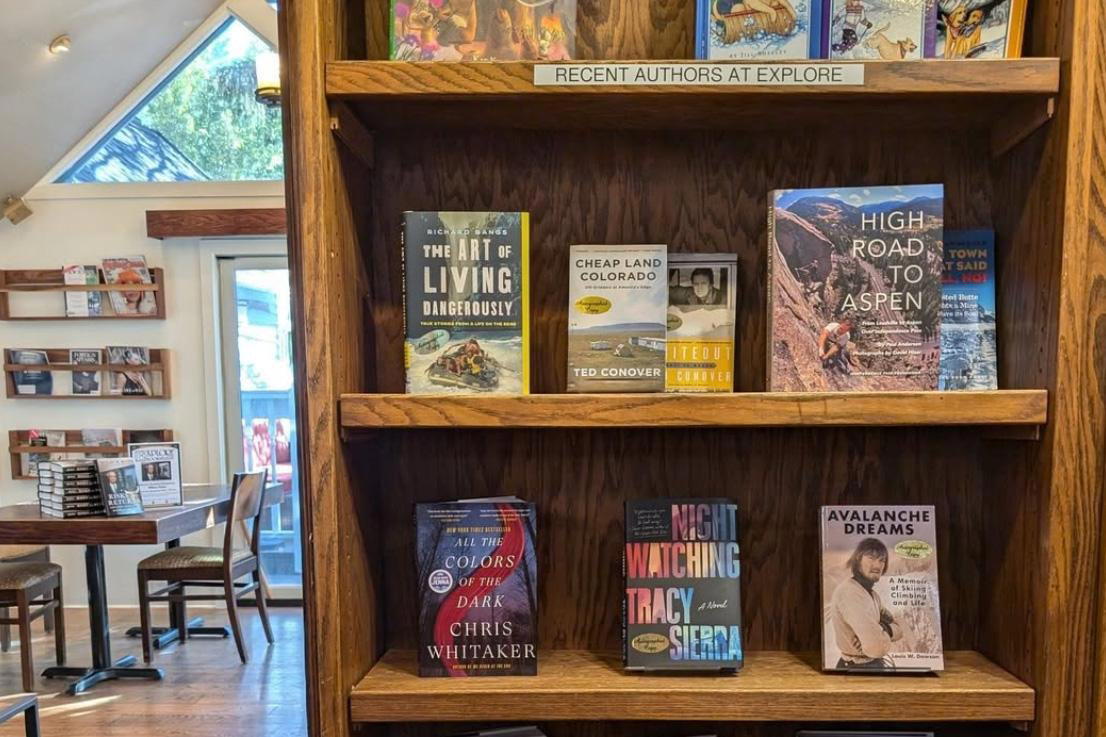
Where Aspen's Quieter Half Lives
Aspen has two identities that rarely overlap on the same itinerary. The first is the one most visitors book flights for: the ski mountain, the white-tablecloth restaurants, the bars running deep spirits lists at altitude. The second is quieter, more residential in feeling, and harder to find in a search result. It exists in the morning coffee stops, the independent retail that survives between luxury flagships, and the places where the town's year-round population actually spends time. Explore Books and Coffee, at 221 E Main St, belongs to that second Aspen.
East Main Street occupies a middle register in Aspen's geography. It sits within easy reach of the resort's central activity but without the density of venues competing for the same après-ski dollar. That positioning matters: it means the clientele at a place like this skews toward people who live here, or who are visiting with enough time to slow down. For a town whose hospitality infrastructure trends heavily toward peak-season spectacle, a bookshop-café format represents something structurally different from the dining circuit anchored by places like Element 47 or Aspen Mountain Club.
The Format and What It Signals
Bookshop-café hybrids have become a reliable indicator of a neighbourhood's intellectual self-image. They work in cities where a certain segment of the population wants a third space that isn't a bar or a restaurant but still carries some of the social warmth of both. In resort towns, they're rarer, because the economics of high-season tourism don't always support formats that reward lingering over transaction volume. Its presence in Aspen reflects the town's year-round community and the appeal of a slower stop on East Main Street.
The combination of books and coffee also signals something about curation philosophy. A bar or restaurant can hide behind an impressive spirits list or a name-chef credential. A bookshop has to make hundreds of individual editorial decisions that are immediately legible to anyone who walks through the door. The selection either reflects genuine taste and local attunement, or it doesn't. There's no equivalent of a deep back bar to distract from weak choices. That transparency puts places like Explore Books and Coffee in a different kind of accountability relationship with their audience than most hospitality formats.
Aspen's Drinking Culture as Context
To understand where a café fits in Aspen's wider scene, it helps to map the broader drinks culture the town has built. The resort end of that spectrum runs to serious spirits programming. Venues like Element 47 at the Little Nell have built their identity around depth and refinement in the glass. CHICA Aspen leans into Latin-inflected programming. 300 Puppy Smith St #202 operates in a different register again. What connects them is a shared orientation toward the visitor economy and the high-spend seasonal crowd. A coffee-focused venue reads against that backdrop as a different kind of proposition entirely: lower stakes, longer dwell time, less transactional.
For travellers who want to compare how mountain towns build their non-resort hospitality identity, Aspen's quieter venues are worth time. The contrast is sharper here than in most American ski destinations, because Aspen's upmarket resort infrastructure is so dominant. Finding the counterweight is part of understanding what makes the town function as a place rather than just a destination.
Coffee as Curation, Not Commodity
In the same way that a serious bar program distinguishes itself through the depth and selectivity of its back bar, a well-run café in 2024 distinguishes itself through sourcing decisions, roast philosophy, and the discipline of the person behind the counter. Specialty coffee culture has developed its own credentialing infrastructure over the past two decades, and the gap between a commodity café and a considered one is now as legible to a regular coffee drinker as the gap between a well-curated cocktail list and a generic one is to a spirits-literate bar guest.
That parallel matters because Aspen's hospitality economy tends to reward credentials in the premium register. The same traveller who seeks out bars with serious back-bar depth at destinations like Kumiko in Chicago, Bar Leather Apron in Honolulu, or ABV in San Francisco is often the same person who applies similar scrutiny to where they take their morning coffee. The café that can hold that scrutiny is playing a different game than one that treats coffee as a support function for the bookshop, or vice versa. Programmes at recognised bars like Jewel of the South in New Orleans, Julep in Houston, and Superbueno in New York City each reflect that same discipline applied to the glass; the leading coffee operations apply an equivalent rigour to the cup.
The Independent Retail Argument
Independent bookshops occupy an interesting economic position in high-cost resort towns. Real estate pressure and the volume economics of tourism tend to push independent retail toward the margins, both geographically and commercially. The ones that survive do so because they've identified a community of regulars whose loyalty is strong enough to underwrite the slower turnover that books generate relative to food and drink. In Aspen, that community exists: the town's cultural calendar, anchored by institutions like the Aspen Institute and a dense schedule of summer programming, produces a year-round audience with genuine appetite for print culture and the conversations that happen around it.
Internationally, the bookshop-café format has found a stable niche in cities with strong intellectual identities. Venues with comparable positioning in European contexts, like The Parlour in Frankfurt on the Main, illustrate how a well-curated space can hold its own against more conventionally hospitality-focused competitors by appealing to a different set of values entirely. The logic applies in Aspen, where the cultural infrastructure is denser than the resort's ski-focused reputation might suggest.
Planning a Visit
Explore Books and Coffee is at 221 E Main St, Aspen, CO 81611, placing it on the eastern stretch of the main downtown corridor. For visitors already working through Aspen's broader dining and drinking circuit, a morning or afternoon stop here offers a different register before or after the more formal evening programming that venues like Element 47 represent.
Cost and Credentials
Comparable venues nearby, for context on price, style, and recognition.
| Venue | Price | Notes |
|---|---|---|
| Explore Books and CoffeeThis venue — the venue you are viewing | $$ | Not listed |
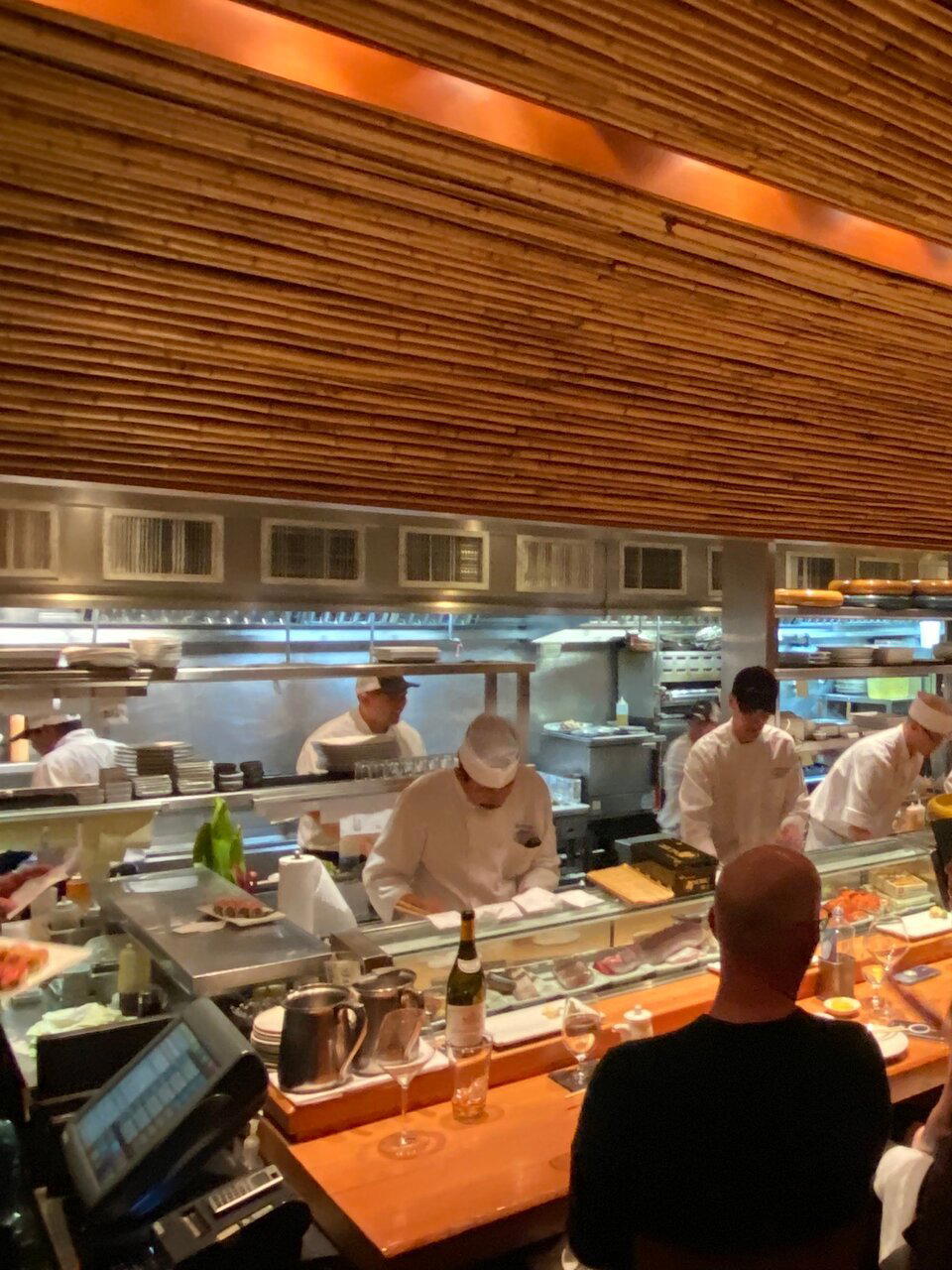
| Matsuhisa | $$$$ | Aspen Flyover 1/4 Section Grid, sake_bar |
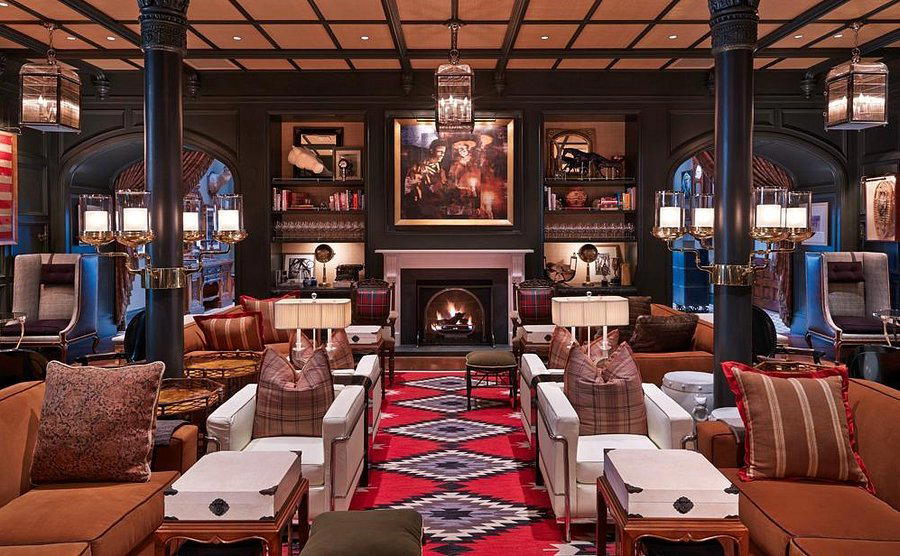
| Aspen Mountain Club | $$$$ | Aspen Flyover 1/4 Section Grid, lounge |
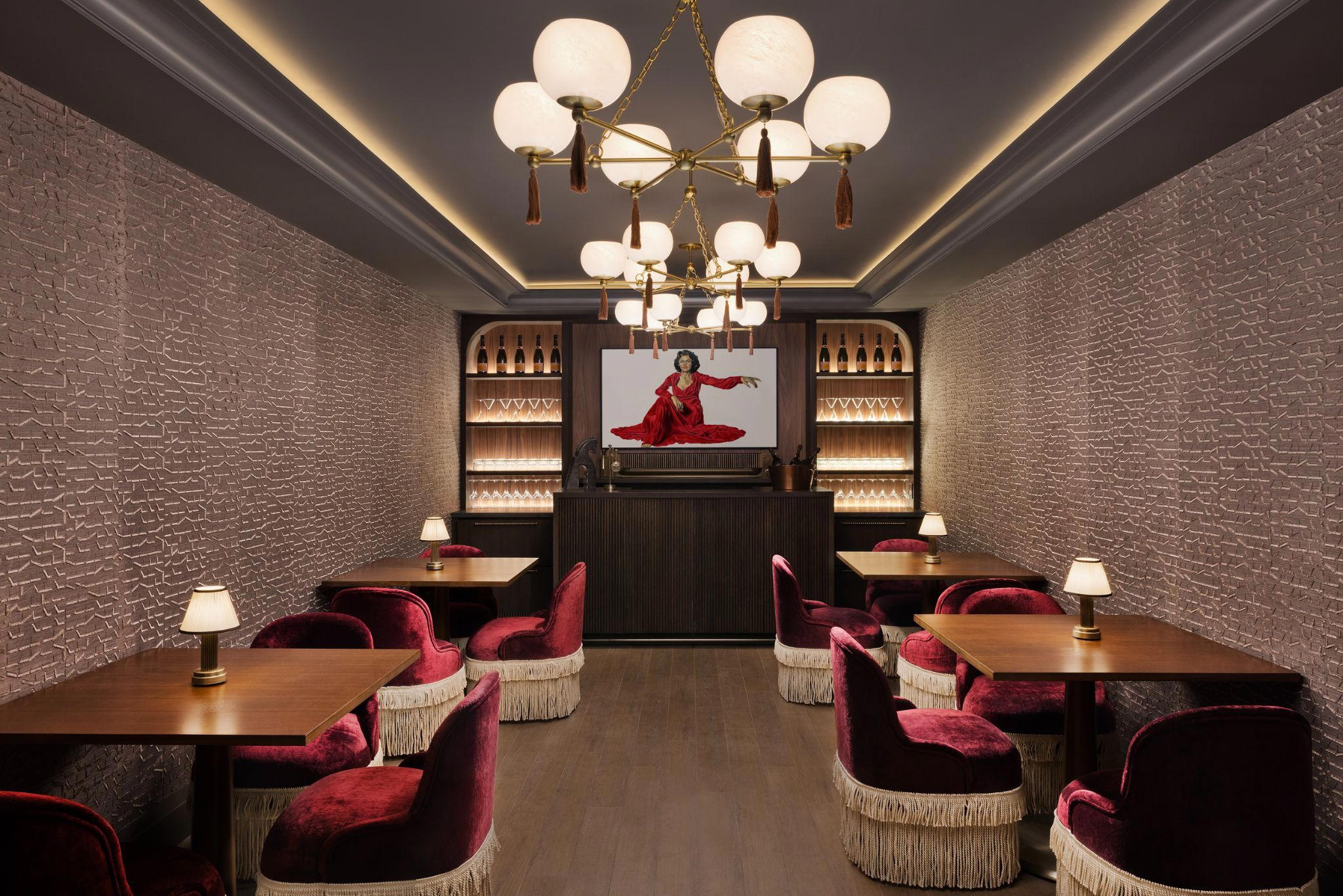
| L'Hostaria Ristorante | $$$$ | Aspen Flyover 1/4 Section Grid, lounge |
At a Glance
- Cozy
- Quiet
- Classic
- Intimate
- Casual Hangout
- Solo
- Group Outing
- Historic Building
- Standalone
- Design Destination
- Seated Bar
- Lounge Seating
- Outdoor Terrace
- Conventional Wine
- Zero Proof
Current opening hours
- Monday
- 9 AM–5 PM
- Tuesday
- 9 AM–5 PM
- Wednesday
- 9 AM–5 PM
- Thursday
- 9 AM–5 PM
- Friday
- 9 AM–5 PM
- Saturday
- 9 AM–5 PM
- Sunday
- 9 AM–5 PM
Hours can change for holidays and private events. Last verified .
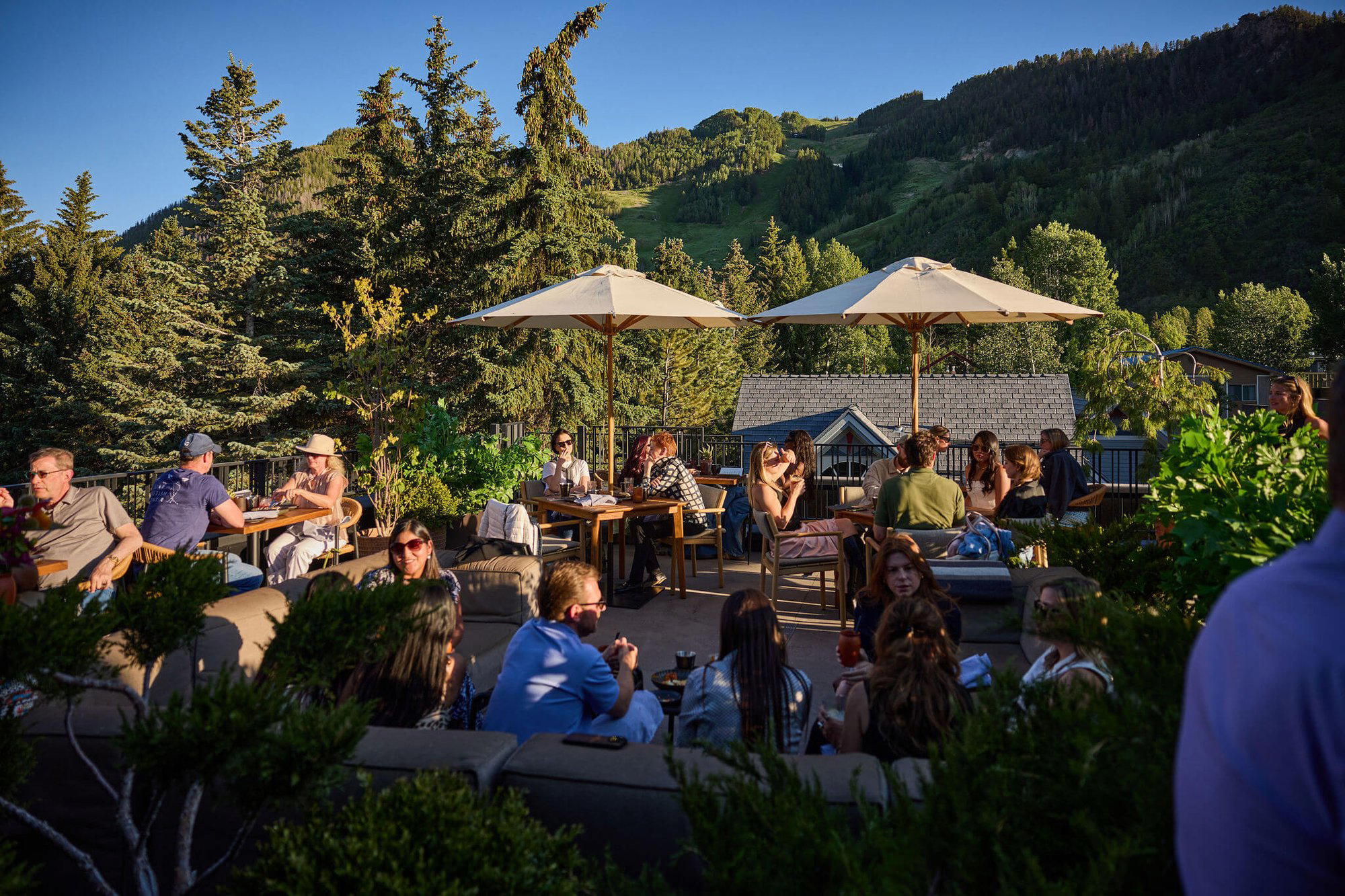
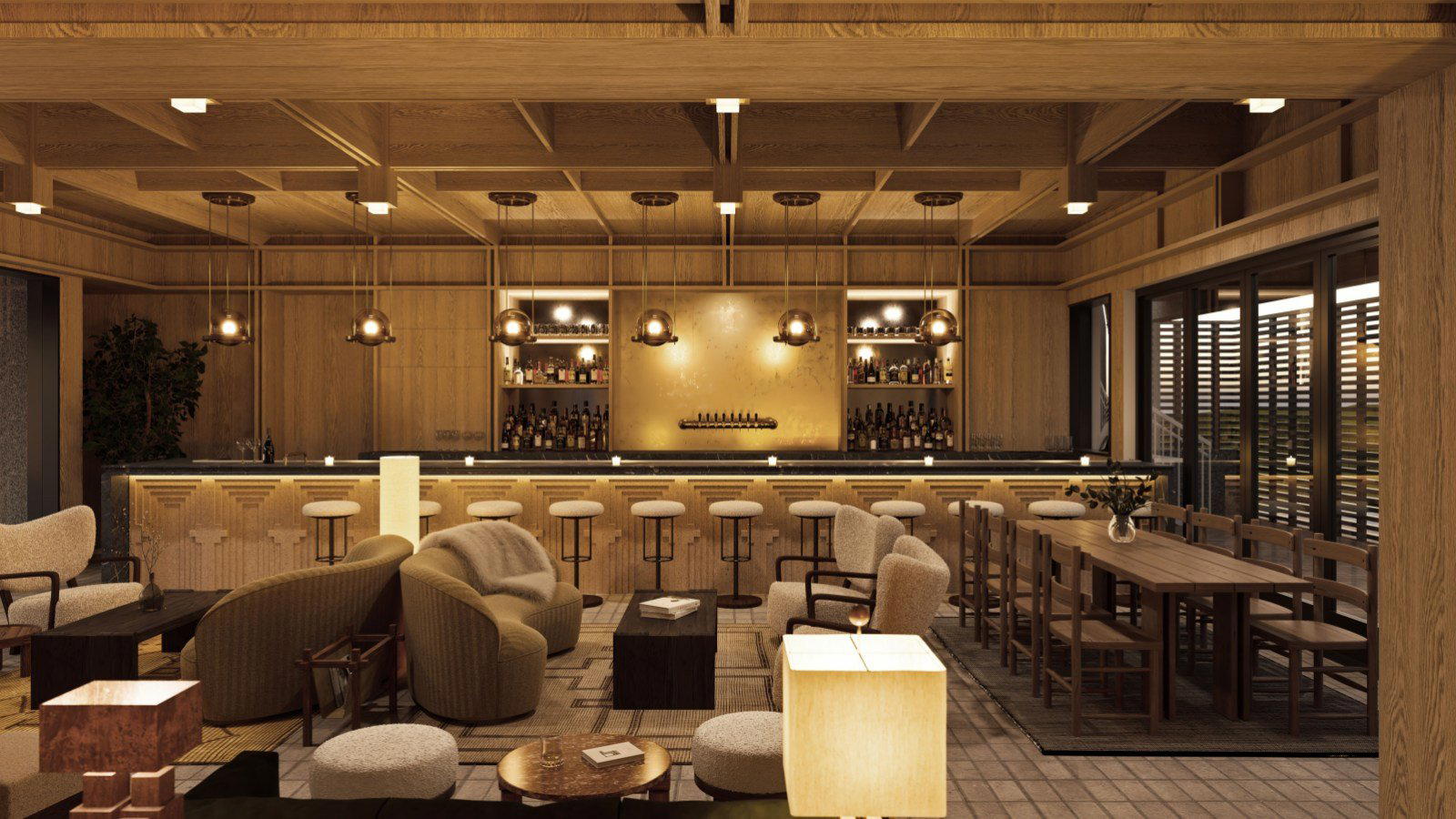
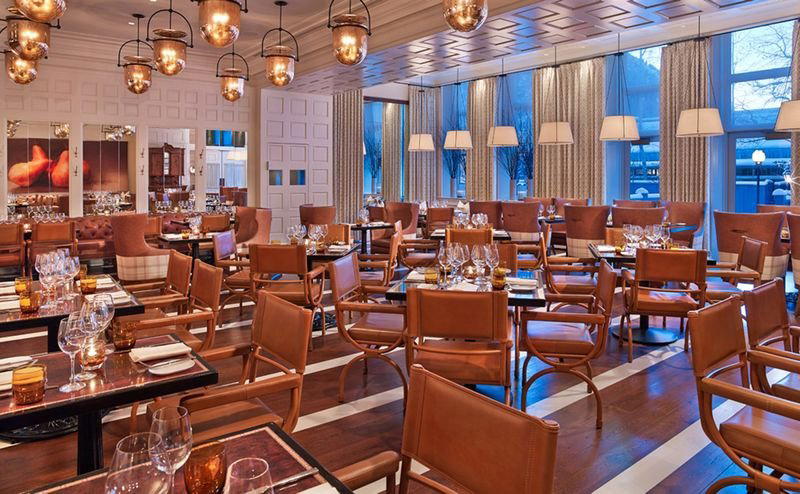
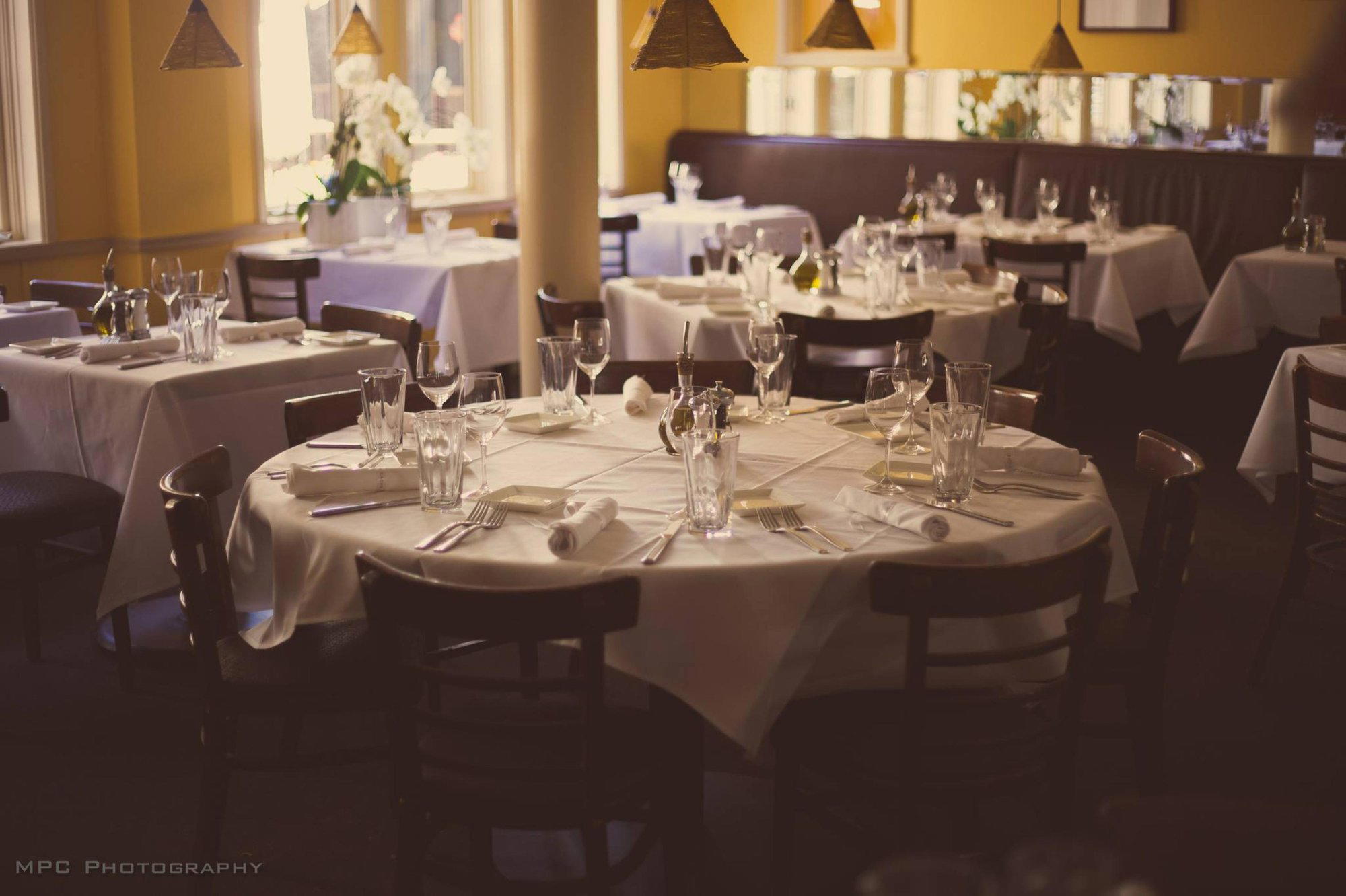
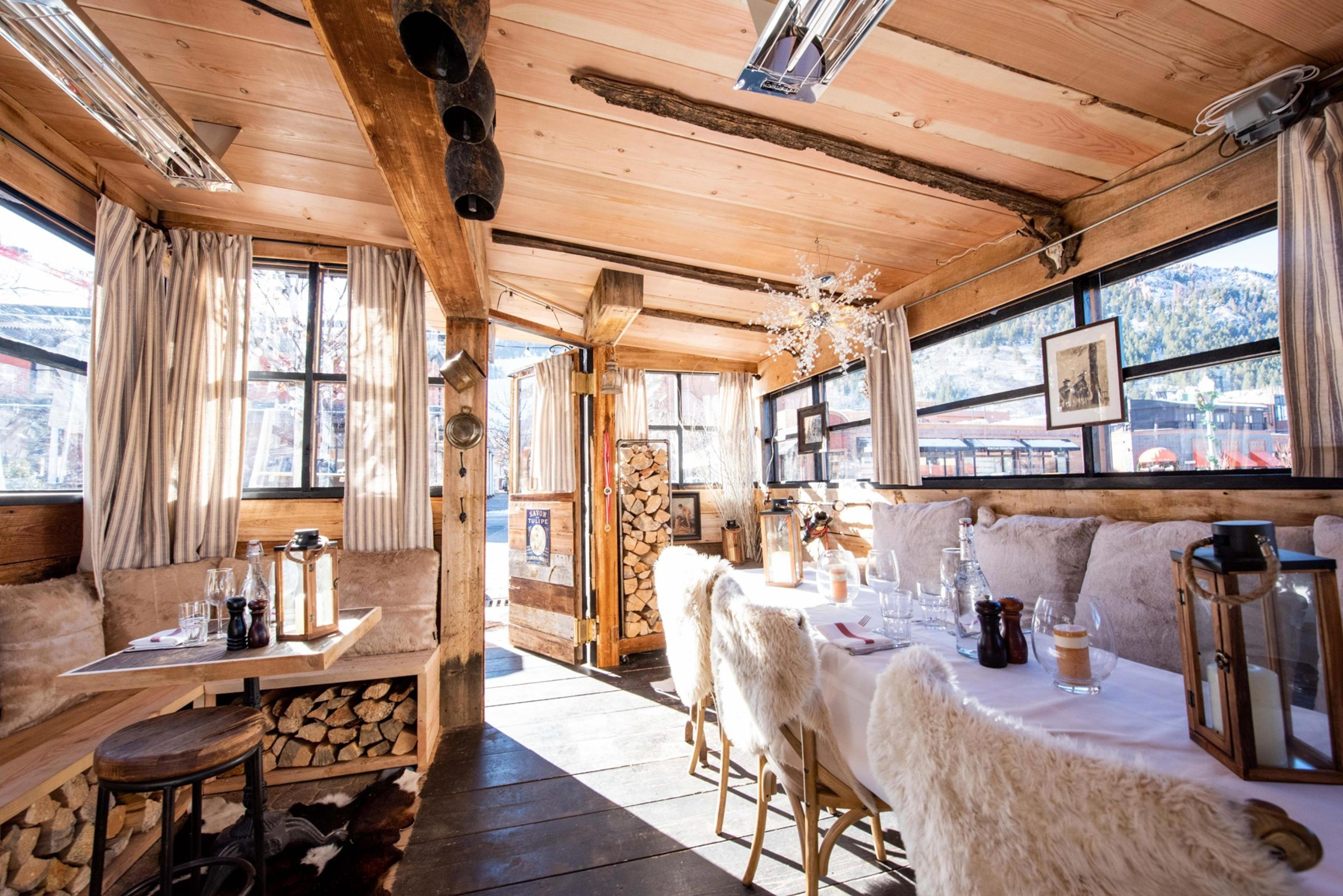
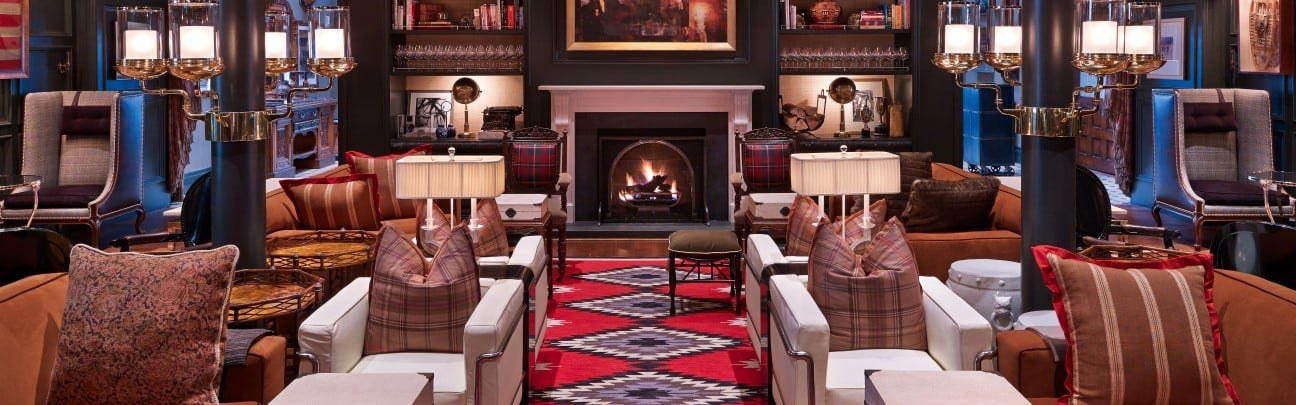
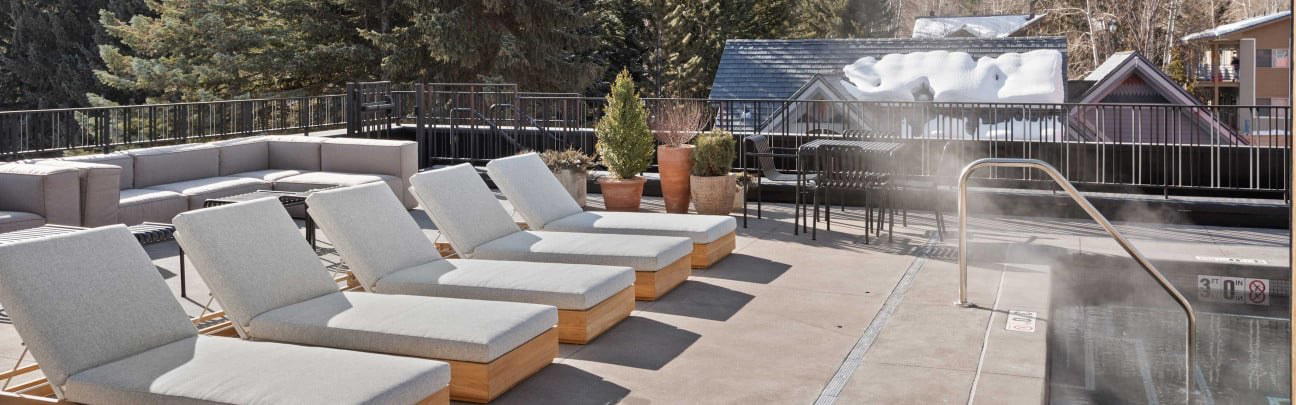
Warm and inviting Victorian-style house with multiple cozy nooks and crannies, vintage furnishings, and a relaxed literary atmosphere well-suited for browsing and conversation.