
Michelin Bib Gourmand
Our verdict
A Michelin Bib Gourmand-recognised Wirtshaus on Ligist's market square, Wörgötter has been feeding the town since 1800. Third-generation chef Florian Wörgötter cooks Austrian classics with a seasonal edge — trout, venison ragout, spaetzle — and the place fills up fast. A midweek Business Lunch and a separate fine dining concept round out a format that punches above its price tier.

Pearl is the En Primeur Club membership app — saves, bookings, and concierge access live there. Same editors, same standards.
- Address
- Marktpl. 40, 8563 Ligist, Austria
- Phone
- +43 3143 2279
- Hours
- Mon–Tue ClosedWed 10 AM–3 PMThu–Sat 10 AM–12 AMSun 10 AM–3 PM
- Website
- xn--wrgtter-90ac.at
- Directions
- Get directions
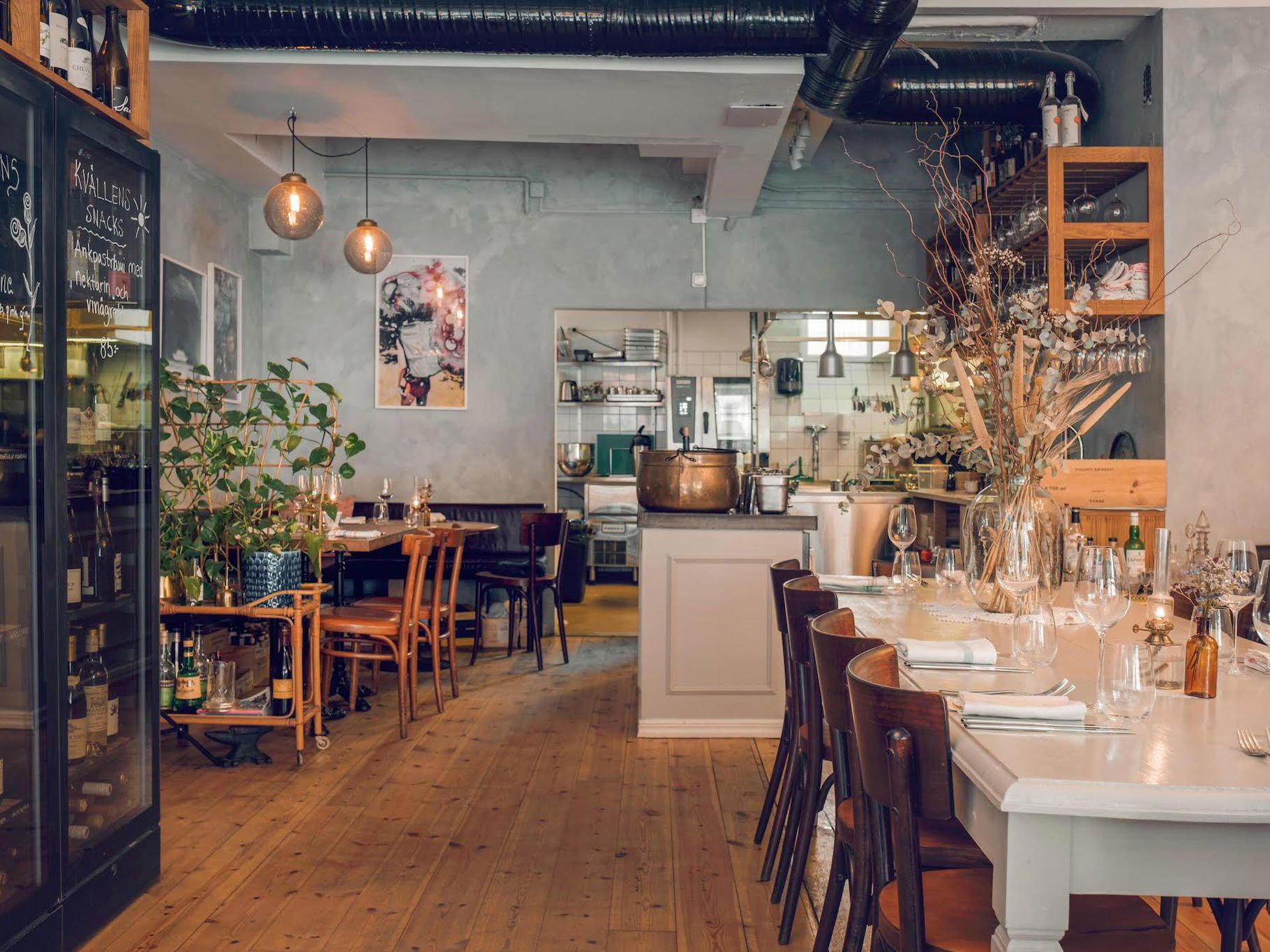
The menu
What to order
- Trout fillet with tender wheat, chicory and fennel
- Mariazell venison ragout with sour cream spaetzle
A Market Square Address with Two Centuries of Context
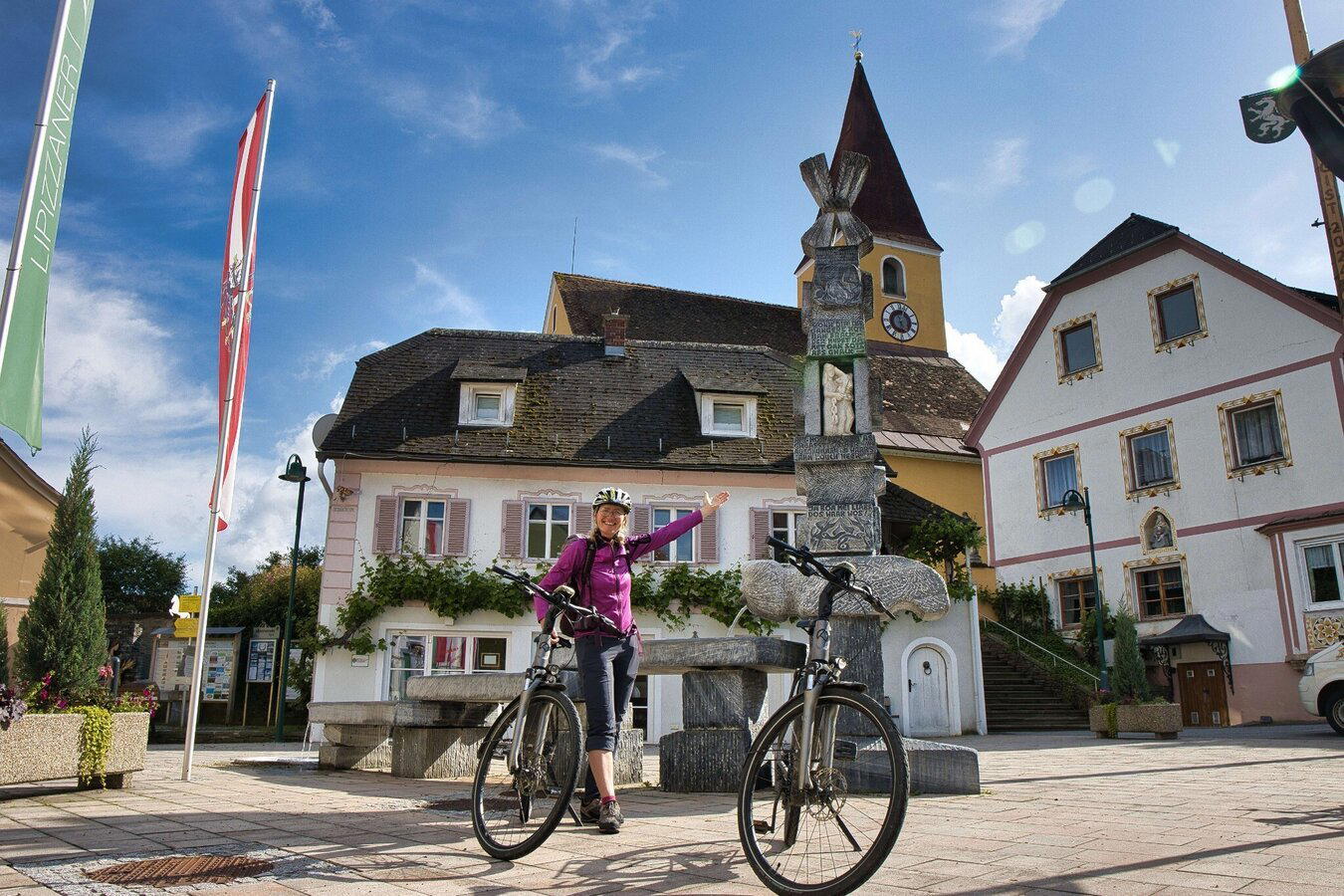
The town square of Ligist is not a place most international food travellers find by accident. Styria's wine country and the rolling hills of western Steiermark are well documented in Austrian gastronomy circles, but Ligist itself sits off the main tourist circuits, which makes the sustained reputation of Wörgötter - Wirtshaus more telling than any press release could be. The building at Marktplatz 40 has operated as a Wirtshaus since 1800, and the format has not drifted far from its origins: a family-run inn anchored to the produce and traditions of the surrounding region, now recognised with a Michelin Bib Gourmand (2024) for the quality of its cooking relative to its price. That particular Michelin distinction is awarded where inspectors find good cooking at a moderate price — a harder target to hit consistently than a starred table, because the margin for error is narrower and the volume higher.
Within Austria's broader regional dining culture, the Wirtshaus sits at a specific intersection. It is not a Heuriger, not a hotel restaurant, and not a modern bistro. It carries a civic function that the other formats do not: feeding locals at lunch, hosting family occasions, and anchoring the social fabric of a small market town. The leading examples of the type do this while also cooking with genuine ambition. Wörgötter - Wirtshaus appears to do both, which explains why reservations are necessary — this is not a restaurant that fills on tourist footfall.
What the Kitchen Sources and Why It Shapes the Menu
Styria occupies an unusual position in Austrian food geography. The province borders Slovenia to the south and has its own distinct agricultural identity: pumpkin oil, freshwater fish from cold mountain streams, game from the surrounding forests, and a wine tradition centred on Sauvignon Blanc and Schilcher. These are not imported luxury ingredients. They are the raw materials of the immediate landscape, and the most coherent Styrian kitchens use them as a structural logic rather than a marketing choice.
At Wörgötter, that logic shows clearly in the documented dishes. Trout fillet with tender wheat, chicory, and fennel is a study in regional alignment: the fish local, the grain a reference to Styrian agricultural history, the chicory bringing bitterness against the fennel's sweetness in a way that requires technical precision rather than richness to work. Mariazell venison ragout with sour cream spaetzle, mushrooms, and red cabbage draws from the Styrian hunting tradition and the pilgrimage town of Mariazell nearby, grounding the dish in a specific geography rather than a generic Austrian register. The sour cream spaetzle and braised red cabbage are classical Austrian technique, but the sourcing keeps the dish from feeling merely traditional.
This approach, seasonal, regionally specific, technically sound, sits in contrast to the creative maximalism of Austria's higher-priced tables. Steirereck im Stadtpark in Vienna and Döllerer in Golling an der Salzach operate at €€€€ with multi-course creative formats. Ikarus in Salzburg and Obauer in Werfen pursue a similar premium trajectory. Wörgötter at €€ occupies a different tier entirely, one where the editorial conversation is about cooking honest food from good ingredients and charging a fair price for it. That is, in practice, the harder discipline.
For further context on how Austrian regional cooking plays out across different formats and price points, the Gannerhof in Innervillgraten and Fahr in Künten-Sulz offer comparable regional-cuisine anchors in their respective areas, and comparisons between these venues illuminate how the format adapts to different Austrian provinces.
The Family Structure and What It Delivers in Practice
Three-generation family restaurants are common in Austria as a category description. They are less common as an operational reality that translates to consistent quality. At Wörgötter, the structure is clearly delineated: Florian Wörgötter leads the kitchen, working alongside his father Mathias, while Renate and her partner Julia manage front-of-house. That division of labour matters in a Wirtshaus because the service register is distinct from fine dining, it requires warmth and pace rather than formality, and family-operated rooms tend to hold that tone better than hired teams at volume.
The Bib Gourmand recognition reinforces this. Michelin's Bib Gourmand is specifically calibrated to highlight cooking that delivers quality without requiring the diner to spend at starred-restaurant levels. In 2024, retaining that recognition in a small Styrian market town is a signal that the kitchen has not coasted on its history. Third-generation operations can fossilise; this one appears to have found a way to modernise without abandoning the format's core purpose.
Two Formats Under One Roof
One detail in the venue's profile warrants specific attention. Alongside the main Wirtshaus dining room, a separate Wörgötter Fine Dining concept operates three days a week, serving an ambitious and creative modern surprise menu. The two-format model under one roof is unusual at this scale and in this location. It creates a logical progression for the guest: the Wirtshaus for regional classics at a moderate price, the fine dining room for a more structured and exploratory evening. It also signals kitchen ambition that the Bib Gourmand format alone would not fully express.
The surprise menu format in the fine dining room aligns with a broader Austrian trend: chefs at mid-tier venues constructing a single daily menu around what is available, removing the à la carte choice to allow tighter control of sourcing and cooking. Kräuterreich by Vitus Winkler in Sankt Veit im Pongau, Ois in Neufelden, and Restaurant 141 by Joachim Jaud in Mieming each operate within related frameworks, where the chef's control over the nightly menu is the primary quality mechanism. Griggeler Stuba in Lech, Gourmetrestaurant Tannenhof in Sankt Anton am Arlberg, and Schwarzer Adler in Hall in Tirol represent how the ambition translates into alpine formats.
Planning a Visit
Wörgötter - Wirtshaus is at Marktplatz 40, 8563 Ligist, the market square address means it is easy to locate in what is otherwise a compact town. The venue runs a Business Lunch on Wednesdays through Fridays, a set menu at a moderate price that represents the most accessible entry point. The main dining room fills consistently, so a reservation is not optional in practice. The fine dining format operates three days a week; separate booking applies there.
For those assembling a broader Ligist itinerary, EP Club has compiled separate guides across categories: our full Ligist restaurants guide, our full Ligist hotels guide, our full Ligist bars guide, our full Ligist wineries guide, and our full Ligist experiences guide cover the full range of options in the area.
Frequently asked questions
What's the pricing like at Wörgötter - Wirtshaus?
Pricing at Wörgötter - Wirtshaus is listed as €€.
What kind of recognition has Wörgötter - Wirtshaus received?
Wörgötter - Wirtshaus has received recognition including: Located right in the town centre, this spruce inn has an eventful history that stretches back to 1800. The success of this inviting family-run restaurant now lies in the hands of Florian Wörgötter, who represents the third generation. Worki….
What's the signature dish at Wörgötter - Wirtshaus?
Two dishes appear consistently in the kitchen's documented output: trout fillet with tender wheat, chicory, and fennel, and Mariazell venison ragout with sour cream spaetzle, mushrooms, and red cabbage. Both reflect Florian Wörgötter's approach of grounding Austrian classics in Styrian seasonal produce while introducing considered modern detail. The venison ragout, sourced from the Mariazell region, is the more regionally specific of the two and signals the kitchen's commitment to named Austrian provenance.
Cost Snapshot
| Venue | Cuisine | Price | Awards |
|---|---|---|---|
| Wörgötter - WirtshausThis venue — the venue you are viewing | Austrian Classics with Modern Twist | $30–50 | Michelin Bib Gourmand |
| Steirereck im Stadtpark | Creative | Not listed | Michelin 3 Star |
| Döllerer | Contemporary Austrian, Innovative | Not listed | Michelin 2 Star |
| Ikarus | Modern European, Creative | Not listed | Michelin 2 Star |
| Mraz & Sohn | Modern Austrian, Creative | Not listed | Michelin 2 Star |
| Obauer | Classic Cuisine | Not listed | Michelin 2 Star |
Recognition history
Dated appearances from independent guides and award organizations, with the underlying list record or original source where available.
Michelin Bib Gourmand
Michelin
Full recognition history (3 entries)
Michelin Bib Gourmand
Michelin
Michelin Bib Gourmand
Michelin
Continue exploring
More in Ligist
Restaurants in Ligist
Browse all →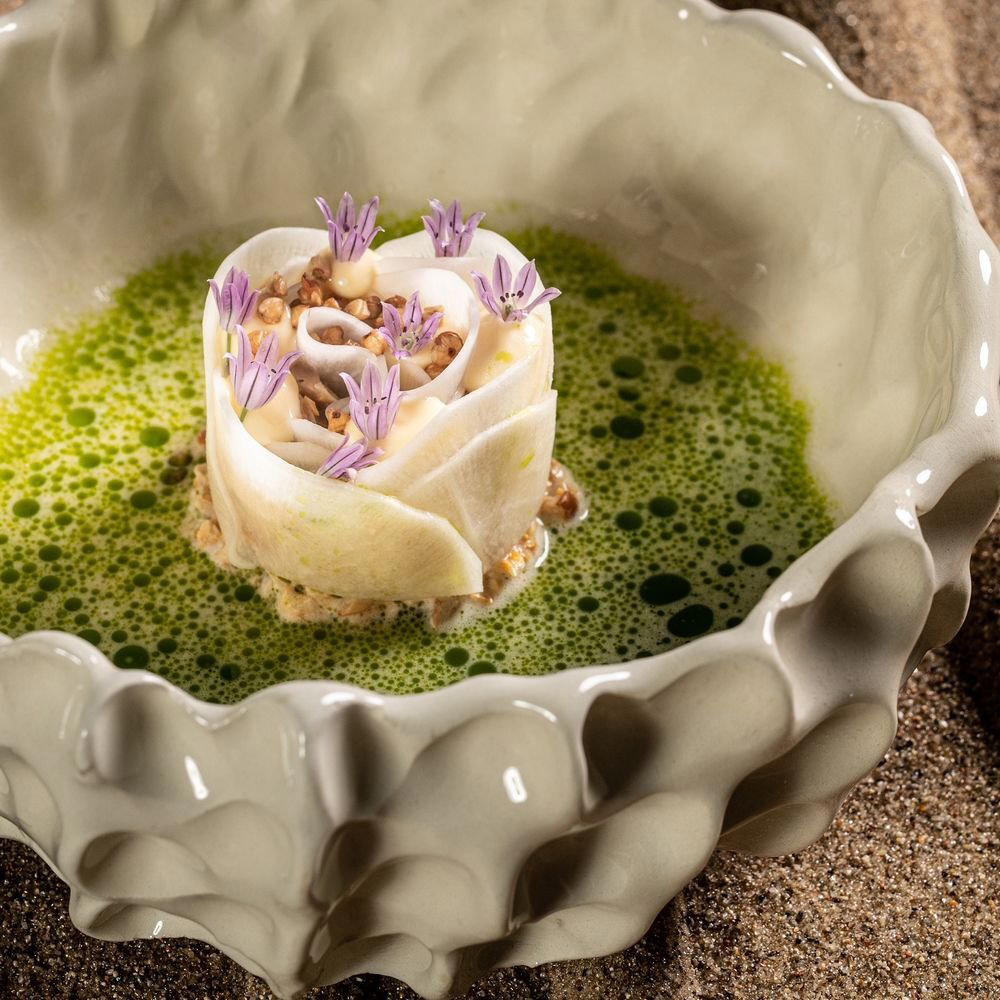
Bars in Ligist
Browse all →
Hotels in Ligist
Browse all →
Details
- Cozy
- Rustic
- Classic
- Business Dinner
- Group Dining
- Family
- Casual Hangout
- Terrace
- Historic Building
- Standalone
- Local Sourcing
- Vineyard
- A La Carte
- Set Menu
- Wine
- Vegetarian Friendly
Current opening hours
- Monday
- Closed
- Tuesday
- Closed
- Wednesday
- 10 AM–3 PM
- Thursday
- 10 AM–12 AM
- Friday
- 10 AM–12 AM
- Saturday
- 10 AM–12 AM
- Sunday
- 10 AM–3 PM
Hours can change for holidays and private events. Last verified .
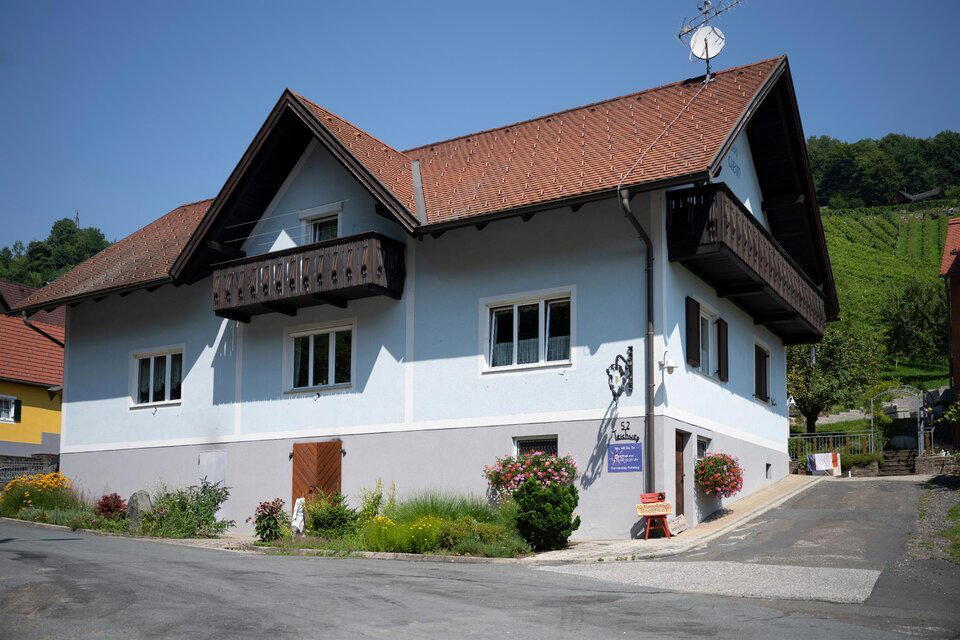
Elegantly decorated rooms with warm, inviting atmosphere; summer terrace seating overlooking vineyards in western Styria.