WOK Christianshavn
WOK Christianshavn sits on Torvegade in one of Copenhagen's most architecturally layered neighbourhoods, where canal-side warehouses and low-rise merchant buildings have long shaped a distinct local character. In a city where the dining conversation is dominated by New Nordic tasting menus, a wok-centred kitchen occupies a different register entirely, faster, more direct, and rooted in a culinary tradition that predates Scandinavian fine dining by centuries.
Pearl is the En Primeur Club membership app — saves, bookings, and concierge access live there. Same editors, same standards.
- Address
- Torvegade 49, 1400 København, Denmark
- Phone
- +4570232351
- Website
- wok.dk
- Directions
- Get directions
 Saves & bookings on Pearl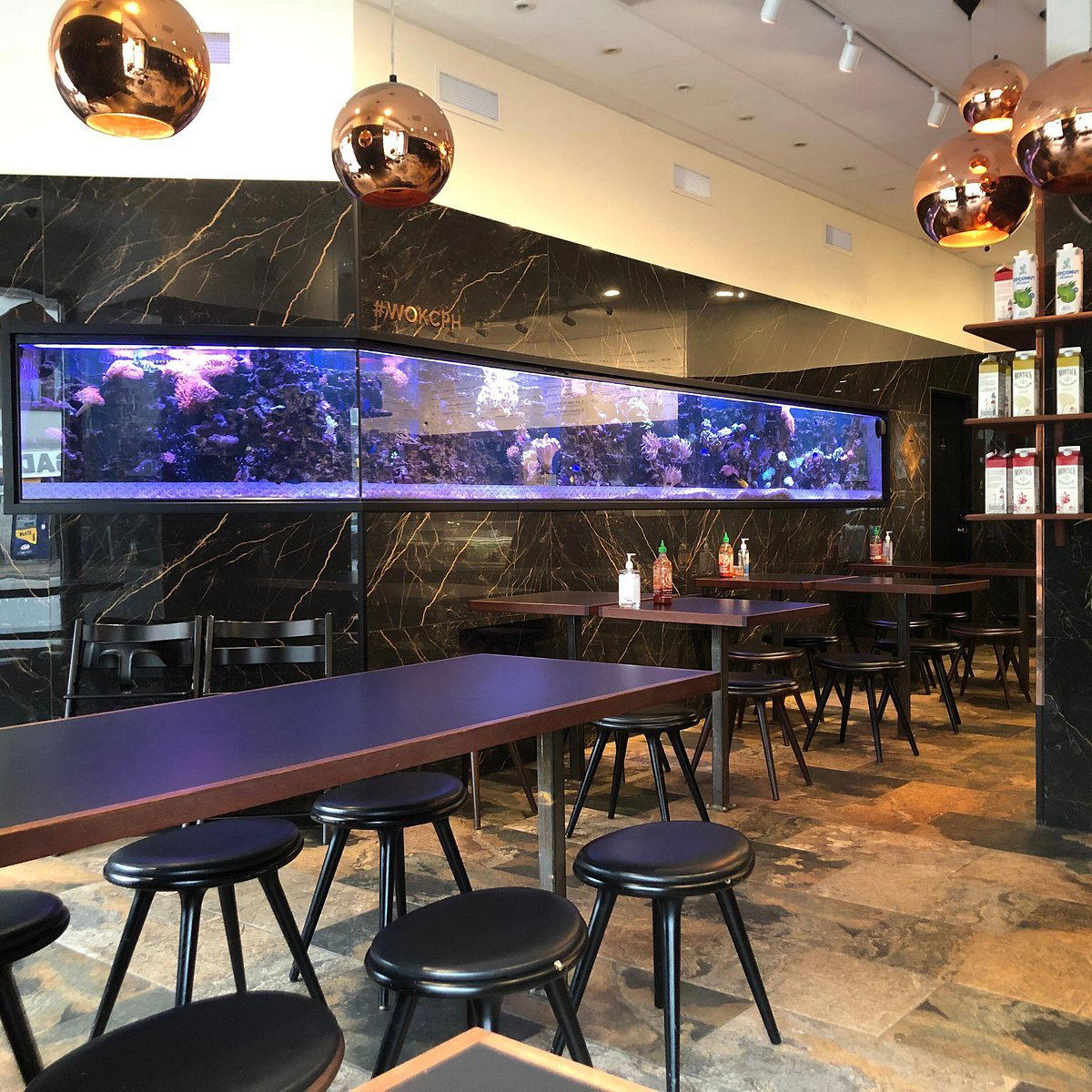
Christianshavn and the Case for a Different Kind of Copenhagen Meal
Approach Torvegade on a weekday evening and the street reads differently from the polished restaurant corridors of Indre By or Vesterbro. Christianshavn has always maintained a slightly separate identity within Copenhagen, part historic merchant quarter, part bohemian holdout, with a canal network that gives the neighbourhood its unhurried, almost Amsterdam-adjacent rhythm. It is the kind of place where residents eat locally out of habit rather than novelty, and where a neighbourhood restaurant earns its position through repetition rather than reputation management. WOK Christianshavn, at number 49, sits inside that dynamic.
Copenhagen's dining identity in the 2020s is largely defined by the institutions that reshaped how the world thought about Nordic cooking. Noma and Geranium set the template, long tasting menus, fermentation, foraged ingredients, Michelin recognition. Alchemist pushed further into conceptual territory, while Koan introduced a kaiseki-Nordic crossover that attracted its own critical attention. That concentration of ambition at the summit of the market is real, and it shapes how visitors approach the city. But Copenhagen also eats every day, at price points and in formats that have nothing to do with tasting menus, and that version of the city is just as instructive.
Wok Cooking in a Nordic Context
The wok as a cooking vessel carries centuries of accumulated technique behind it. High-heat, short-contact cooking, flash-frying aromatics, sealing proteins, finishing sauces in seconds rather than minutes, requires precise calibration of flame intensity and timing that takes years to develop fluency in. In Chinese, Thai, Vietnamese, and wider Southeast and East Asian kitchens, the wok station is the central technical position, the equivalent of the grill in a French brigade. Its output is immediate and direct: the food arrives tasting of what it is, without the mediation of long reductions or elaborate plating.
That directness has made wok-centric restaurants a reliable fixture in European cities with established Asian communities, and Copenhagen is no exception. The city's Asian dining scene has grown substantially over the past two decades, moving from a relatively narrow base of Cantonese and Thai establishments toward a wider range of regional traditions. In a city where Kadeau earns Michelin recognition for its Bornholm-sourced Nordic cooking and where the fine dining conversation can feel relentlessly local, a kitchen oriented around wok technique represents a genuinely different set of culinary references.
Christianshavn, with its mixed residential population and long history of absorbing cultural influences from the harbour trades, has always been receptive to that kind of diversity at the table. The neighbourhood's eating culture tends toward the practical and the habitual, places that fill up because the food is consistent and the value holds, not because a critic filed a favourable review.
Where This Sits in Copenhagen's Broader Dining Map
Copenhagen's restaurant map outside the tasting-menu tier is less documented but no less considered. The city supports a substantial middle register, wine-led bistros in Nørrebro, smørrebrød specialists in the city centre, seafood-forward neighbourhood rooms near the harbour, and within that register, Asian kitchens occupy a meaningful share. Wok cooking in particular tends to attract a regular local clientele rather than a tourist-driven one, partly because its pleasures are immediate and repeatable rather than occasion-specific.
For visitors building a Copenhagen itinerary around fine dining anchors, the planning logistics are worth acknowledging early. Tables at Geranium, Alchemist, and comparable rooms often require booking months in advance. The broader Danish fine dining circuit extends well beyond the capital: Jordnær in Gentofte, Frederikshøj in Aarhus, Henne Kirkeby Kro in Henne, Alimentum in Aalborg, ARO in Odense, Domæne in Herning, Dragsholm Slot Gourmet in Hørve, Frederiksminde in Præstø, LYST in Vejle, and MOTA in Nykøbing Sjælland each represent serious kitchens outside the capital. That wider geography matters for understanding where Copenhagen's own neighbourhood restaurants fit: they serve a city that also eats, not just one that performs dining for an international audience.
It is also worth placing the broader Asian fine dining context on the table. In New York, kitchens like Atomix and institutions like Le Bernardin demonstrate how non-European culinary traditions operate at the highest levels of formal recognition. Copenhagen's own Koan, with its kaiseki-Nordic synthesis, signals that the city's fine dining circuit is increasingly comfortable with Asian culinary references at the serious end of the market. A neighbourhood wok kitchen and a kaiseki-influenced tasting room sit at opposite ends of the formality spectrum, but they share a common cultural legitimacy that the city has grown into rather than arrived at suddenly.
Planning a Visit: What to Know
WOK Christianshavn is located at Torvegade 49 in the 1400 postal district, a short walk from the Christianshavn Metro station on the M1/M2 lines, making it direct to reach from central Copenhagen or from the main hotel corridors around Rådhuspladsen and Kongens Nytorv. Torvegade is the neighbourhood's main commercial street, running parallel to the canal, and the surrounding blocks carry the low-density, residential character that defines Christianshavn's eating culture. Our full Copenhagen restaurants guide covers the city's dining categories in greater depth, including seasonal considerations for planning around the winter months, when Copenhagen's shorter days and colder temperatures shift the neighbourhood restaurant calculus toward warmth and proximity.
Comparable Options
Comparable venues nearby, for context on price, style, and recognition.
| Venue | Cuisine | Price | Notes |
|---|---|---|---|
| WOK ChristianshavnThis venue — the venue you are viewing | Authentic Thai | $$ | Not listed |
| Khun Juk | Authentic Thai | $$ | Indre By |
| WOK Østerbro | Authentic Thai | $$ | Østerbro |
| Poonchai | Authentic Thai | $$ | Vesterbro-Kongens Enghave |
| Baan Thai Isarn | Authentic Thai Isaan Cuisine | $$ | Vesterbro-Kongens Enghave |
| WokXpress Vesterbrogade | Authentic Thai Wok Cuisine | $$ | Vesterbro-Kongens Enghave |
Continue exploring
More in Copenhagen
Restaurants in Copenhagen
Browse all →
Bars in Copenhagen
Browse all →

At a Glance
- Cozy
- Casual
- Family
- Casual Hangout
- Group Dining
- Open Kitchen
Current opening hours
- Monday
- 10 AM–10 PM
- Tuesday
- 10 AM–10 PM
- Wednesday
- 10 AM–10 PM
- Thursday
- 10 AM–10 PM
- Friday
- 10 AM–10 PM
- Saturday
- 10 AM–10 PM
- Sunday
- 10 AM–10 PM
Hours can change for holidays and private events. Last verified .
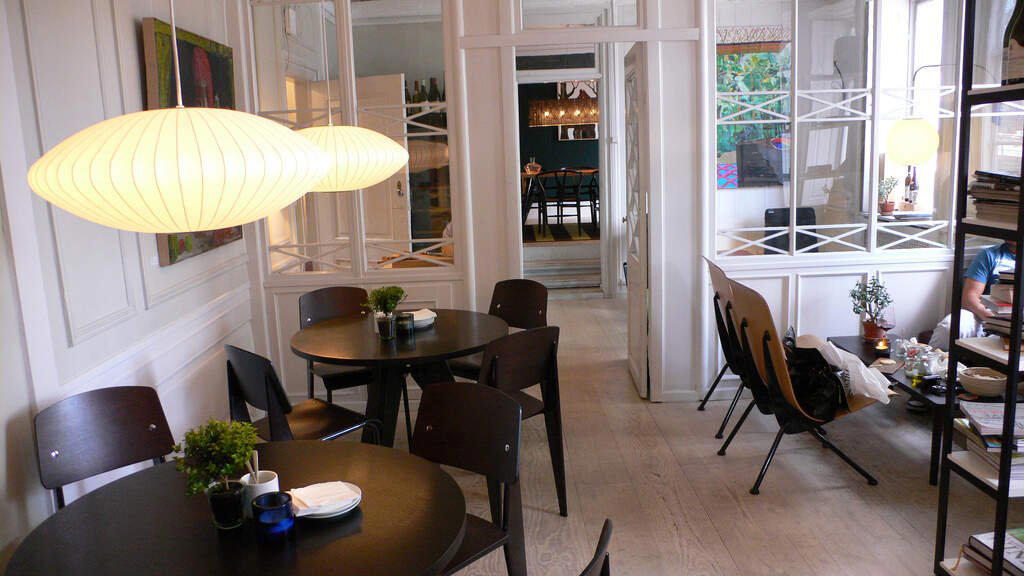
Pleasant, calm, and comfortable atmosphere suitable for families and friends.