Our verdict
Wissegiggl sits at Wiesenstraße 3 in Villmar, a small Hessian town on the Lahn river where the dining scene rewards those who look beyond the obvious regional centres. Villmar's compact scale means word travels fast when a kitchen is doing something worth noting.

Pearl is the En Primeur Club membership app, where members save venues, book tables and use the concierge.
A Small-Town Address in a Region That Earns Attention Quietly
The Lahn valley in central Hesse is not a destination most German dining itineraries reach first. Frankfurt pulls focus to the south-east, and the Rhineland's constellation of decorated tables, from Waldhotel Sonnora in Dreis to Schanz in Piesport, absorbs the attention of visitors tracking awards circuits. Villmar, a limestone-quarry town of a few thousand residents on the eastern bank of the Lahn, operates outside those circuits almost by design. Wissegiggl, at Wiesenstraße 3, sits inside that quieter register: a local address in a local town, where reputation is built through return visits rather than press coverage.
That geography matters because it shapes what a kitchen at this level is responding to. Restaurants embedded in small agricultural communities across Hesse tend to draw from a tighter, more traceable supply radius than their urban counterparts. The fields, orchards, and livestock operations of the Lahn-Dill corridor are close enough that sourcing decisions, where the meat comes from, which grower supplies the vegetables, carry real weight in how a menu reads season to season. This is the structural condition that separates a genuinely regional German table from one that performs regionality as an aesthetic.
What the Ingredient Geography of the Lahn Valley Tells You
Hesse's culinary identity has never been as sharply defined as Bavaria's or Baden-Württemberg's, and that ambiguity is, in practice, a freedom. Kitchens in towns like Villmar are not locked into a canonical regional repertoire the way a Swabian restaurant faces pressure to address Maultaschen or a Bavarian one to keep Leberkäs in some form on the menu. The Lahn valley's larder, river fish, forest game, orchard fruit from the Westerwald slopes, dairy from smaller operations scattered across the Taunus foothills, is generous without being prescriptive.
In the broader German fine-dining conversation, ingredient sourcing has become a primary differentiator between the country's decorated tables and its more conventional mid-market. Restaurants like ES:SENZ in Grassau and AUGUST in Augsburg have built programmes where provenance is specific enough to name farms and growing seasons. At the other end of the price tier, the ingredient story is often less precise. For a restaurant at Wissegiggl's local scale, what matters is whether the sourcing is genuinely embedded in the surrounding agricultural network or whether it defaults to the regional wholesale infrastructure that services most of middle Germany's restaurant trade. Without verified specifics from the kitchen, that question remains open, but it is the right question to bring to the table.
Placing Wissegiggl in the German Dining Conversation
Germany's decorated restaurant tier, the tables that appear in the same breath as Aqua in Wolfsburg, Vendôme in Bergisch Gladbach, or JAN in Munich, operates at price points and production scales that are structurally different from what a neighbourhood address in Villmar is doing. That is not a criticism; it is a categorisation. The more instructive comparison set for Wissegiggl is the tier of serious but undecorated regional tables that sustain themselves on local loyalty and a kitchen that has something coherent to say about the food of its immediate geography.
That tier exists across Germany and often produces meals that land differently from the tasting-menu format that dominates the Michelin-tracked circuit. Schwarzwaldstube in Baiersbronn and CODA Dessert Dining in Berlin represent opposite ends of the decorated spectrum, classical French lineage at one pole, progressive format experimentation at the other. Wissegiggl belongs to neither of those poles. Its interest, if it has one, lies in the middle distance: a kitchen working within a specific local context, without the infrastructure or the ambition to compete in the awards economy, but with enough of a local following to have remained at Wiesenstraße 3.
For travellers whose reference points extend to Le Bernardin in New York City or Atomix, a restaurant at Wissegiggl's apparent scale will read as a detour rather than a destination. That framing is worth accepting rather than resisting: the Lahn valley is not a dining destination in the way that Hamburg is for Restaurant Haerlin or Sankt Ingbert is for ATAMA by Martin Stopp. What the valley offers is a different register of experience: smaller scale, tighter community, and the particular texture of eating in a place where the kitchen and the surrounding landscape are still in direct conversation.
Planning a Visit: What to Expect Before You Arrive
Villmar is accessible from Frankfurt by road in under an hour, placing it within plausible range for a day trip or an extended Lahn valley itinerary that takes in the river cycling routes and the UNESCO-listed Carolingian church at Limburg, roughly 15 kilometres to the south. The town does not have the hospitality infrastructure of a market town, accommodation options are limited, and the surrounding area functions as a weekend destination for Frankfurt residents rather than an international travel node.
Given the restaurant's local scale and community foothold, weekend tables are likely to fill through repeat local custom rather than online reservation systems, which means planning ahead by phone is the practical approach. Visitors combining Wissegiggl with broader Lahn valley exploration can cross-reference our full Villmar restaurants guide for additional context on the local dining scene.
For those whose German dining itinerary stretches further into the western regions, the Rhineland offers a denser cluster of serious tables: Bagatelle in Trier and Victor's Fine Dining by Christian Bau in Perl are both within a two-hour drive, and represent the decorated end of the western German table. ammolite in Rust and AURA in Wirsberg extend the map further south and east. Wissegiggl fits none of those circuits, which is precisely the point of noting it separately.
Frequently asked questions
Is Wissegiggl suitable for children?
Wissegiggl is a small-town address in Villmar, a community that does not draw the kind of destination-dining crowd that typically shapes strict adults-only conventions.
Is Wissegiggl formal or casual?
Villmar is a small Lahn valley town rather than a city fine-dining address, which typically corresponds to a relaxed, neighbourhood-oriented atmosphere.
Is Wissegiggl worth a trip from Frankfurt specifically for dinner?
Villmar sits within approximately an hour of Frankfurt by road, putting Wissegiggl in range as a standalone evening destination or as part of a broader Lahn valley itinerary. No Michelin stars or major awards are currently documented for the venue, which places it outside the tier of tables that typically justify a dedicated long-distance drive purely for the food. It fits most naturally as a regional stop rather than a primary dining destination.
What should I order at Wissegiggl?
Hesse's culinary tradition draws on regional produce from the Lahn valley and surrounding areas, so seasonal and locally sourced dishes are a reasonable expectation at a table of this kind in the region. Contact the venue at Wiesenstraße 3, Villmar for current menu information.
How do I find Wissegiggl?
Wissegiggl is located at Wiesenstraße 3, 65606 Villmar, Germany, Villmar.
How hard is it to get a table at Wissegiggl?
Wissegiggl sits in Villmar, a town that draws from a catchment stretching toward Frankfurt, roughly an hour by road. Reaching out to the venue directly at Wiesenstraße 3, 65606 Villmar is the practical first step.
In Context: Similar Options
Comparable venues nearby, for context on price, style, and recognition.
| Venue | Cuisine | Price | Awards | Notes |
|---|---|---|---|---|
| WissegigglThis venue (the venue you are viewing) | German Wirtshaus | Not listed | Not listed | Not listed |
| Zum Zehnthof | Traditional German & Austrian | $20–30 | Not listed | Alt-Schwanheim |
| Bornheimer Ratskeller | Regional German Seasonal Cuisine | $30–50 | Michelin Bib Gourmand | Heimgarten |
| Kupferkanne | Traditional German | $20–30 | Not listed | Bad Sobernheim |
| Hotel Vorfelder | Modern German | $20–30 | Not listed | heart of Walldorf |
| Twins Restaurant | Modern German | Not listed | Not listed | Old Town |
Continue exploring
More in Villmar
Restaurants in Villmar
All restaurants in Villmar →
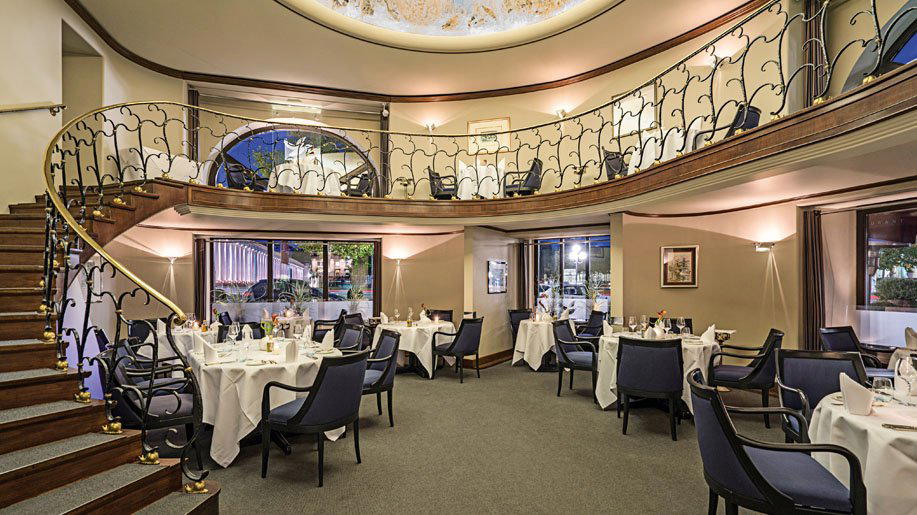
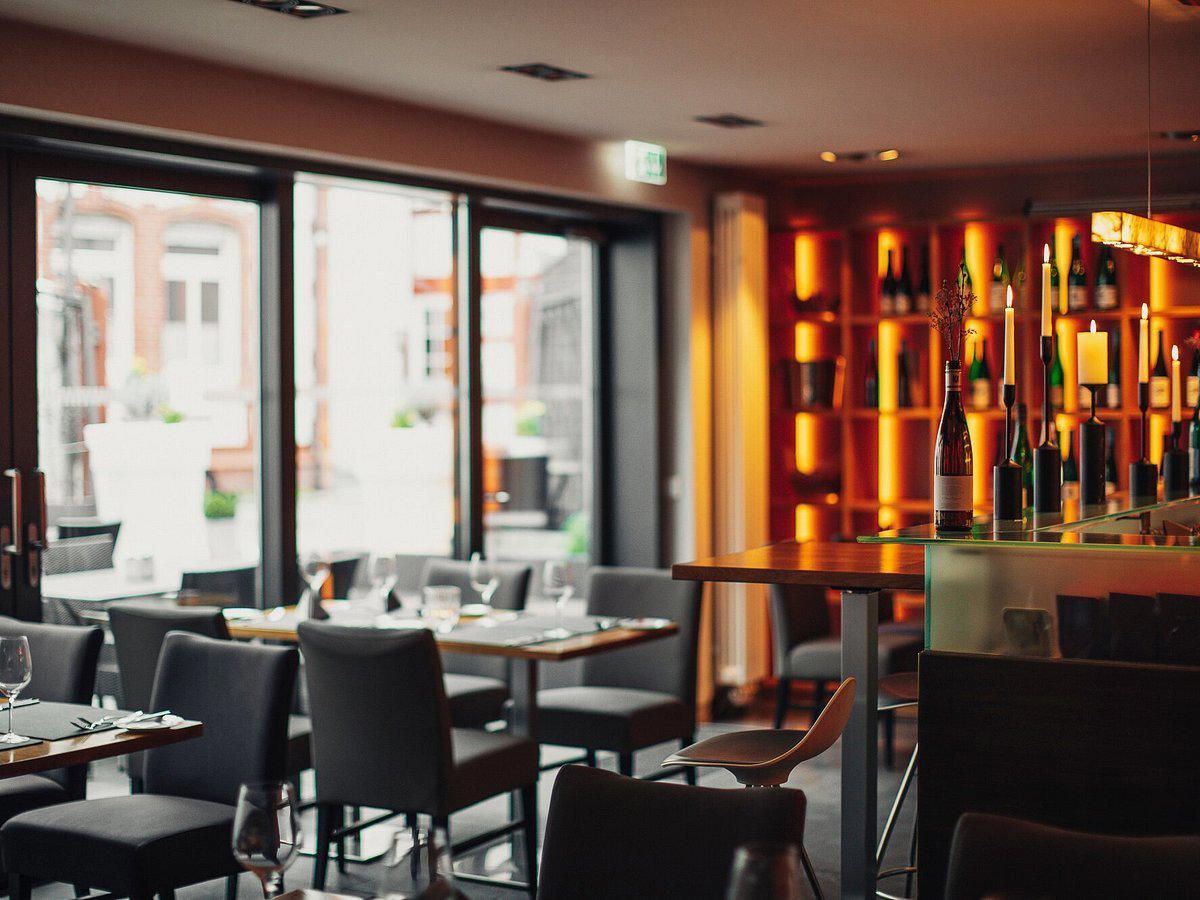
Bars in Villmar
Browse all →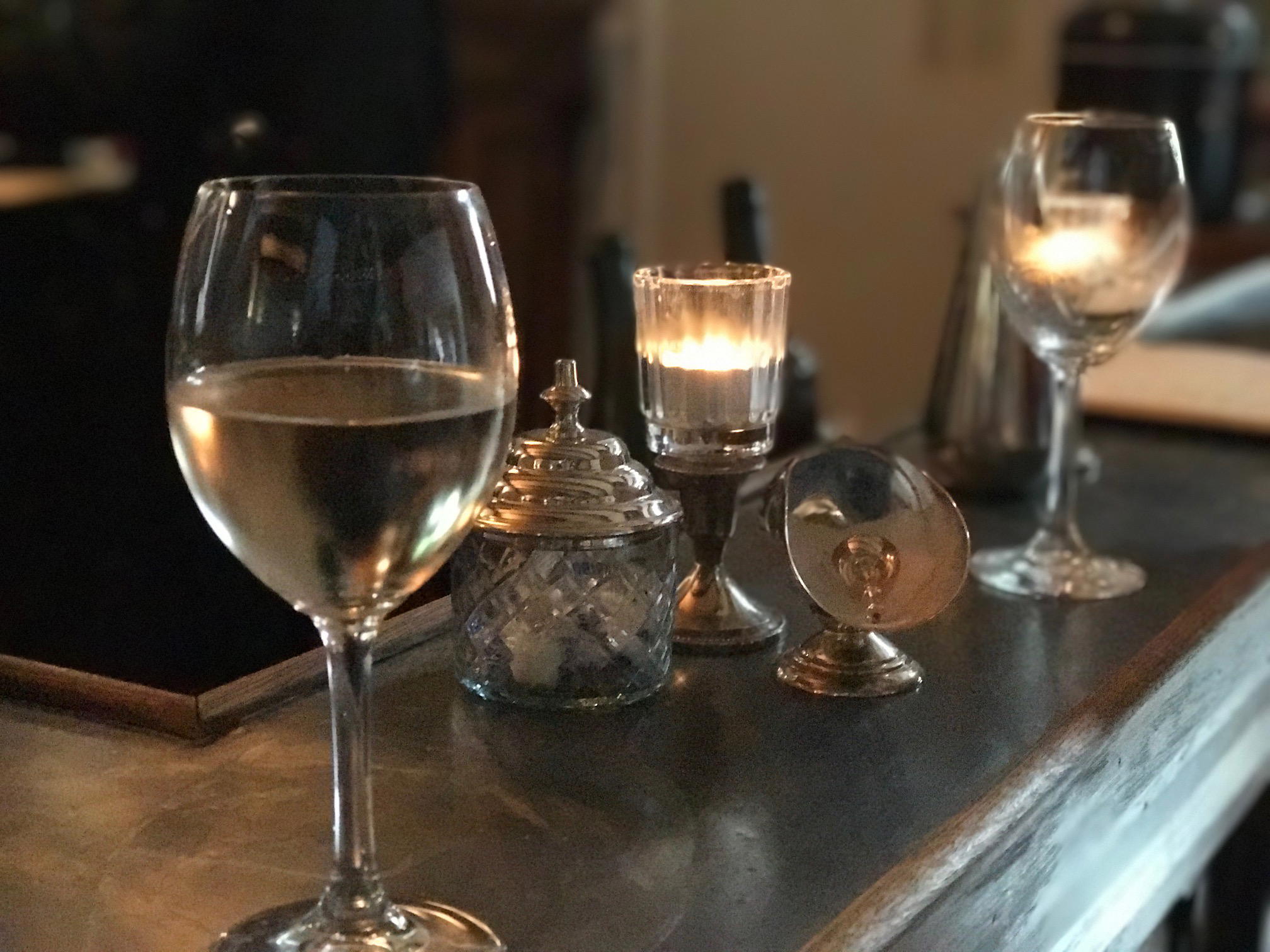
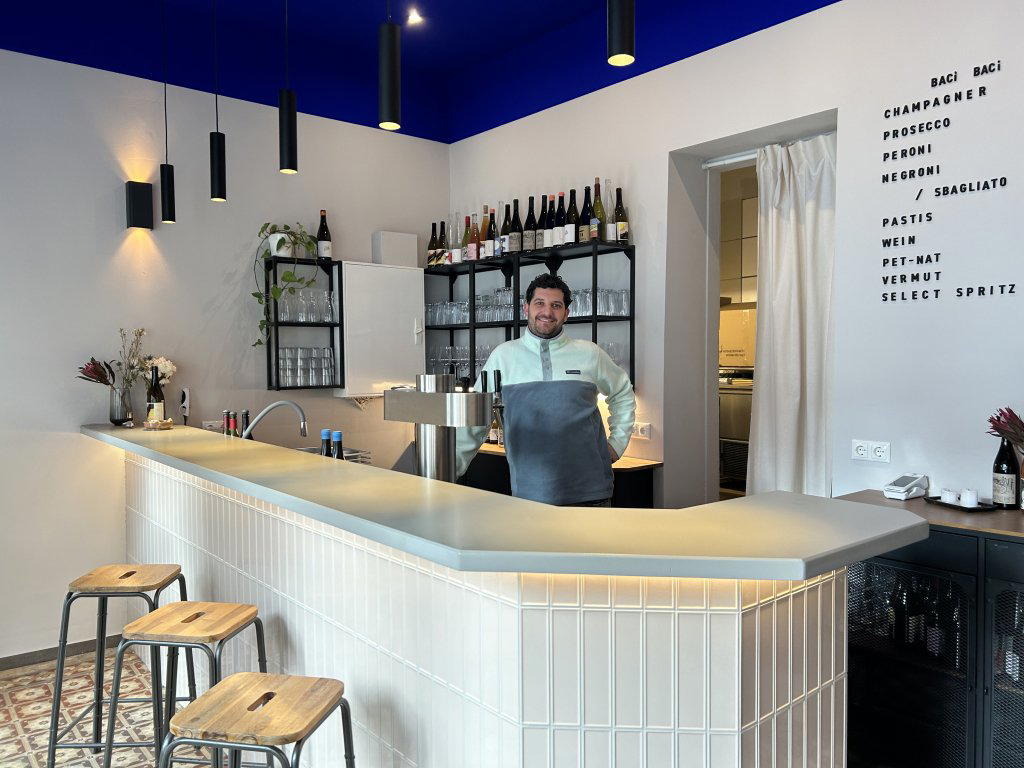
Hotels in Villmar
Browse all →

Details
- Cozy
- Rustic
- Family
- Group Dining
- Casual Hangout
- Open Kitchen
- Terrace
- Beer Program
- Local Sourcing
- A La Carte
- Vegetarian Friendly
- Vegan Options
Current opening hours
- Monday
- Closed
- Tuesday
- Closed
- Wednesday
- 5 PM–12 AM
- Thursday
- 5 PM–12 AM
- Friday
- 5 PM–12 AM
- Saturday
- 4:30 PM–12 AM
- Sunday
- 11 AM–10:30 PM
Hours can change for holidays and private events. Hours as of .
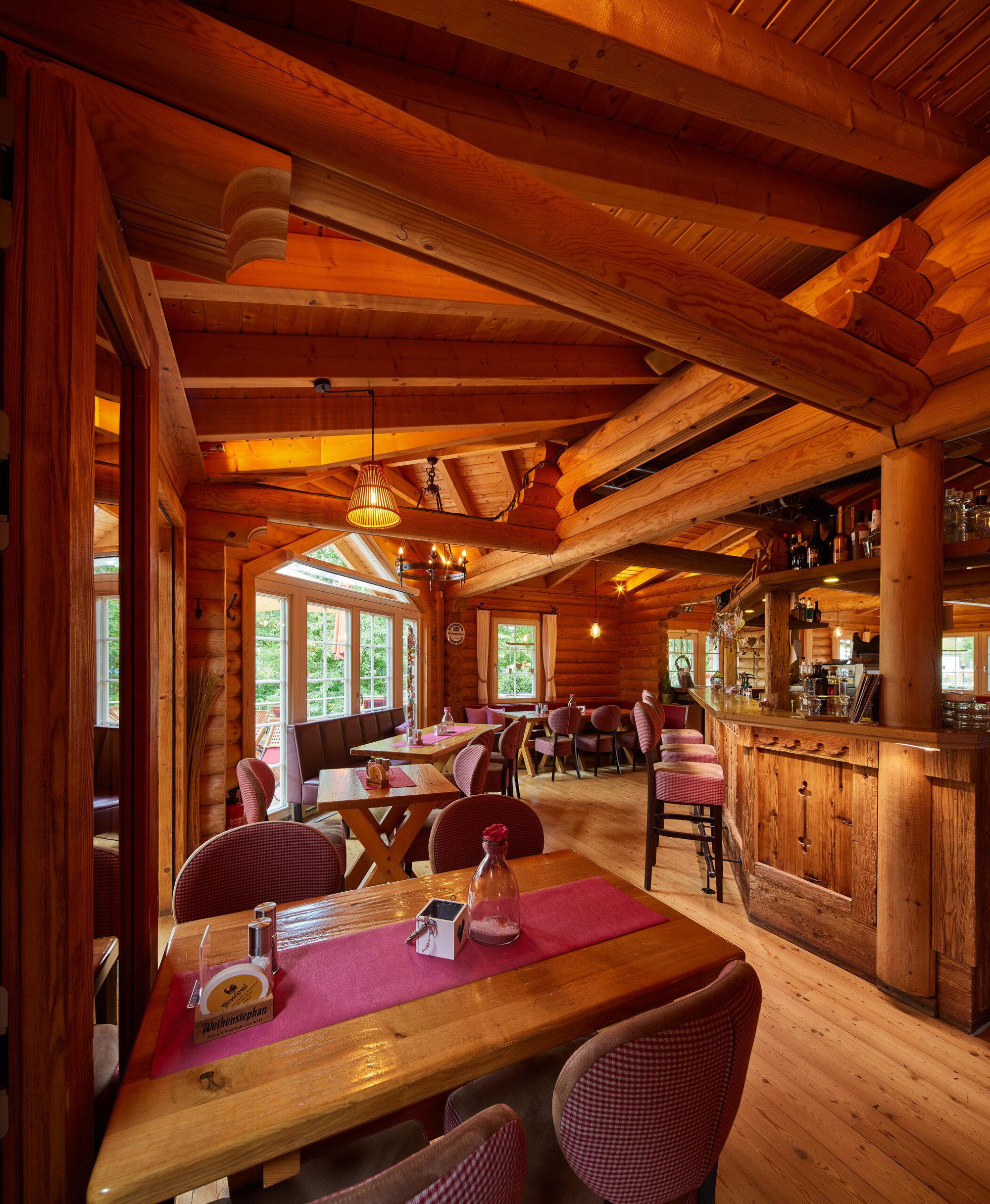
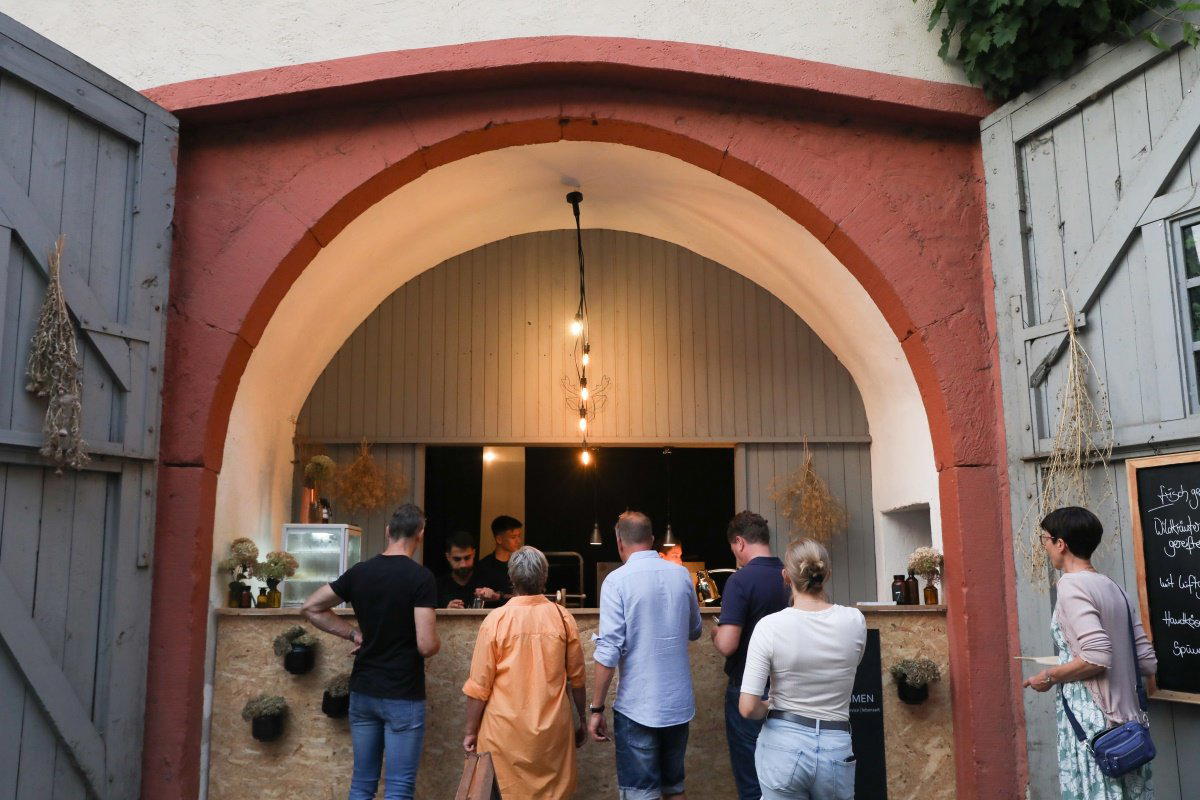
Cozy hut-like atmosphere resembling an Austrian Alm, with warm rustic decor and pleasant ambiance praised by guests.