
Set on the Herrmannsdorf farm estate southeast of Munich, Wirtshaus zum Herrmannsdorfer Schweinsbräu earns consecutive Michelin Plates (2024, 2025) for farm-to-table cooking grounded in the estate's own livestock and produce. The €€€ price tier sits above a typical Bavarian Wirtshaus but reflects the direct sourcing model that defines the operation.
Pearl is the En Primeur Club membership app — saves, bookings, and concierge access live there. Same editors, same standards.
- Address
- Herrmannsdorf 7, 85625 Glonn, Germany
- Phone
- +49 8093 909445
- Directions
- Get directions
 Saves & bookings on Pearl
Where the Supply Chain Ends at the Kitchen Door
Farm-to-table dining often functions as a marketing claim, a loose arrangement with a regional supplier, or a seasonal menu updated once a quarter. What happens when the farm and the restaurant are the same business, separated by a few hundred metres of Bavarian countryside? That is the question the Herrmannsdorf estate, southeast of Munich near the small town of Glonn, answers in practice. The Wirtshaus zum Herrmannsdorfer Schweinsbräu occupies the estate's own grounds, and the livestock and produce raised there form the foundation of what arrives at the table. In a German dining context that increasingly prizes traceability, this is an arrangement that functions by design rather than aspiration.
Approaching the site, the agricultural character is not incidental. The Herrmannsdorf estate operates as a working organic farm, pigs, cattle, and extensive cured-meat production are central to its identity, and the Wirtshaus exists inside that ecosystem rather than alongside it. Arriving here feels closer to visiting a farm that happens to serve food than a restaurant that markets itself as pastoral. That distinction matters for understanding what the kitchen actually does with its sourcing advantage.
Ingredient Sourcing as a Culinary Argument
German farm-to-table cooking occupies a distinct position within the broader European category. Where Scandinavian models emphasise foraged and fermented elements, and French terroir-driven cuisine leans on regional appellations, the Bavarian tradition grounds itself in animal husbandry, cured meats, and root-vegetable cookery shaped by seasonal availability. The Herrmannsdorf estate's approach fits squarely in that tradition, though with a production rigour that goes beyond most farm restaurants in the region.
The estate's pork and charcuterie operations have a documented reputation in Germany's artisan food community, Herrmannsdorf products appear in specialist food retail and are associated with slow-rearing practices and breed selection that prioritise flavour over yield. For a kitchen operating inside that supply chain, the sourcing argument is structural: the animal is raised on-site, slaughtered under controlled conditions, and processed in the estate's own facilities before reaching the cook. The gap between field and plate is measurable in metres rather than supply-chain abstractions.
This matters when comparing the Wirtshaus to other farm-to-table operations in Germany. Restaurants like BOK Restaurant Brust oder Keule in Münster and Clostermanns Le Gourmet in Niederkassel represent the farm-to-table category at different price points and formats, but neither operates with the estate-level vertical integration that defines Herrmannsdorf. The competitive comparable set here is narrow: estate-restaurant combinations where ingredient provenance is genuinely inseparable from the dining concept, not simply an attribute of menu copy.
Michelin Recognition and What It Signals
Consecutive Michelin Plates in 2024 and 2025 position the Wirtshaus in a specific tier of the German dining map. The Plate designation does not carry star prestige, that bracket includes names like Schwarzwaldstube in Baiersbronn, Aqua in Wolfsburg, or Vendôme in Bergisch Gladbach, but it signals consistent cooking quality that meets Michelin's threshold for attention. In the context of a rural Wirtshaus, sustained Plate recognition across consecutive years indicates that the kitchen maintains standards regardless of season or occasion, which is not a given for farm-dependent kitchens where ingredient availability shifts considerably across the year.
For context within the broader German fine-dining spectrum, JAN in Munich and ES:SENZ in Grassau represent the region's higher-end recognised dining, while the Wirtshaus operates at a more grounded price point and format. The €€€ tier here reflects the estate's artisan production costs rather than tasting-menu pricing structures. Other Michelin-recognised venues across Germany such as Restaurant Haerlin in Hamburg, Schanz in Piesport, Waldhotel Sonnora in Dreis, Victor's Fine Dining by Christian Bau in Perl, Bagatelle in Trier, and CODA Dessert Dining in Berlin each operate at significantly higher price brackets and with different format ambitions. The Wirtshaus is not competing in that tier; it is making a different argument about what Michelin-acknowledged quality looks like when anchored to a working farm.
The Rural Bavarian Wirtshaus Format
The Wirtshaus format carries specific expectations in Bavarian culture: communal tables, generous portions, beer from a regional producer, and an atmosphere that privileges local regulars alongside destination visitors. Whether the Herrmannsdorf Wirtshaus maintains all those formal properties cannot be confirmed without direct data, but the estate's identity suggests a setting that respects the traditional format while expressing it through a premium sourcing lens.
That journey, roughly 40 minutes by car from central Munich, along routes through the Bavarian countryside south of the city, is itself part of the experience calculation. Rural destination dining in Germany typically requires pre-planning: visiting the estate on a weekday versus a weekend will likely produce different crowd dynamics, and the Herrmannsdorf site also includes farm shop and delicatessen facilities that extend a visit beyond the meal itself.
Planning a Visit
The Wirtshaus is located at Herrmannsdorf 7, 85625 Glonn, in Upper Bavaria. Reaching it requires a car or organised transfer from Munich. Reservations are recommended. The €€€ pricing places an average meal above a standard Munich restaurant at the same category, though below the tasting-menu formats that define Germany's starred dining tier.
Comparable Venues
Comparable venues nearby, for context on price, style, and recognition.
| Venue | Cuisine | Price | Awards | Notes |
|---|---|---|---|---|
| Wirtshaus zum Herrmannsdorfer SchweinsbräuThis venue — the venue you are viewing | Organic Bavarian Farm-to-Table | $$$ | Michelin Plate | Not listed |
| Kaffeekandl Café und Pension | German Bakery Café | $$ | Not listed | Schlacht |
| Steinbergers Marktblick | Bavarian Gastropub | $$ | Not listed | Marktplatz |
| Herrenhaus | Regional German Fine Dining | $$$ | Michelin Plate | Old Town (Altstadt) |
| Blauer Bock | Modern Bavarian Fine Dining | $$$ | Michelin Plate | Isarvorstadt |
| Johann Grill | Modern Bavarian Alpine Grill | $$$ | Michelin Plate | Berchtesgaden |
Recognition history
Dated appearances from independent guides and award organizations, with the underlying list record or original source where available.
Michelin Plate
Michelin
Michelin Plate
Michelin
Michelin Plate
Michelin
Continue exploring
More in Glonn
Restaurants in Glonn
Browse all →
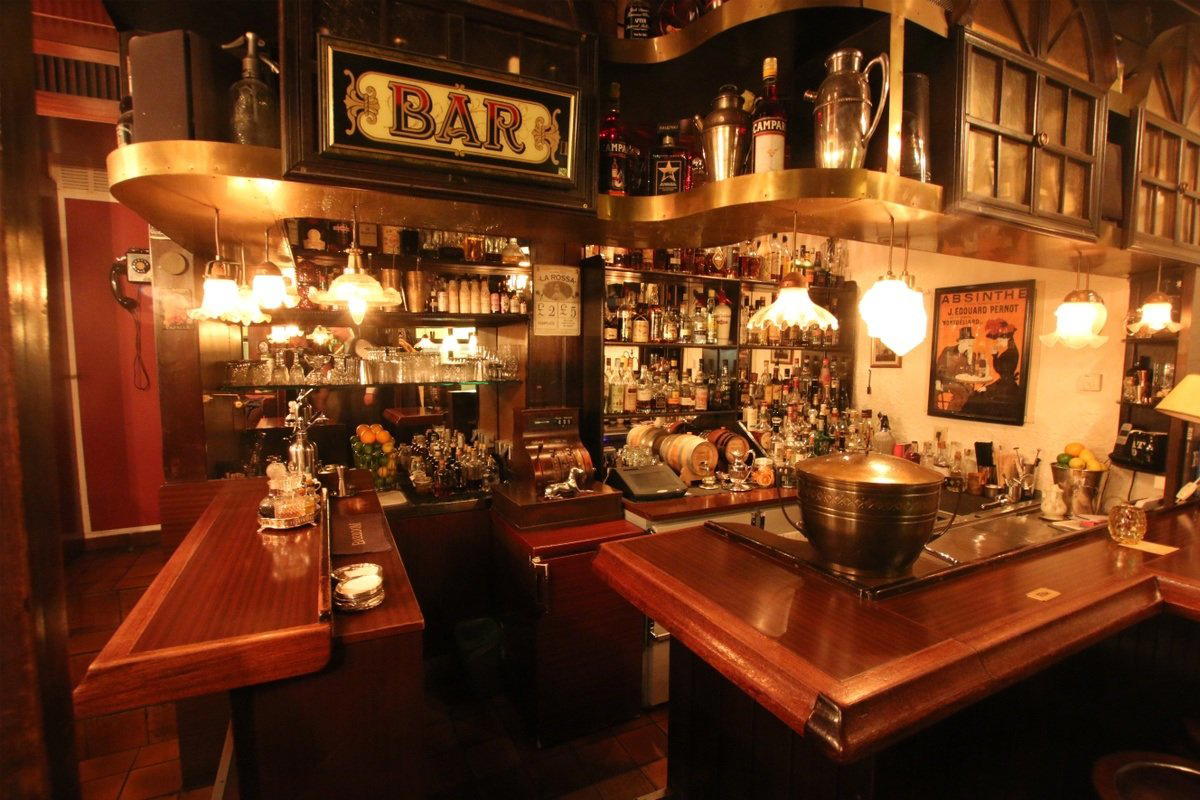
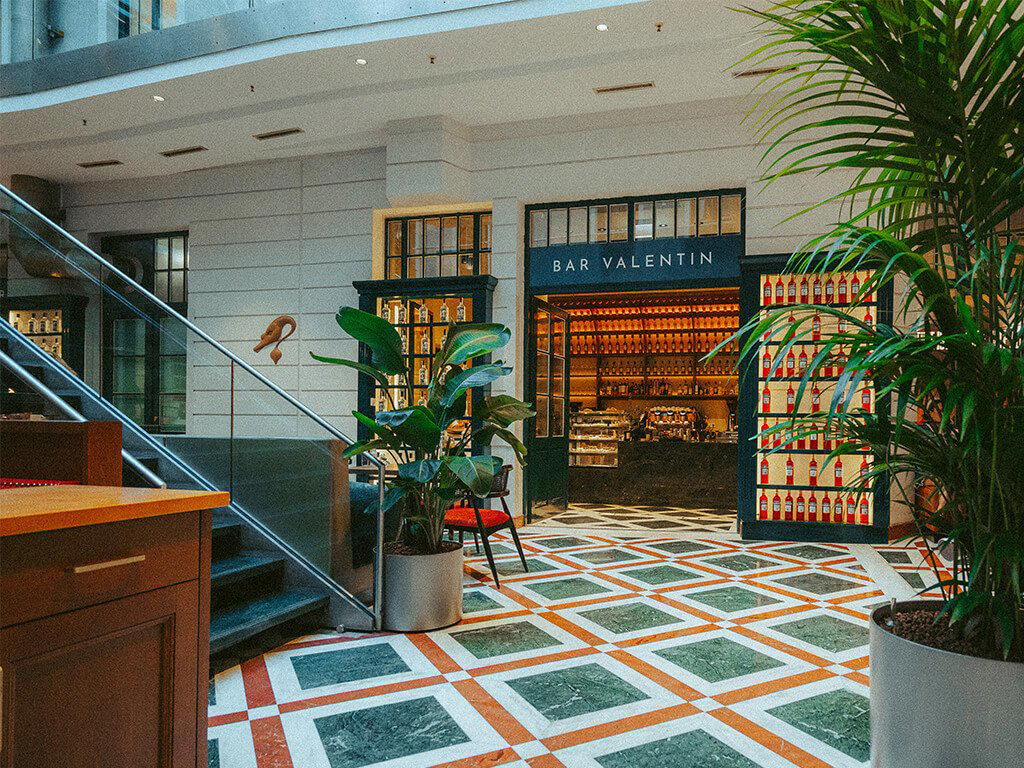
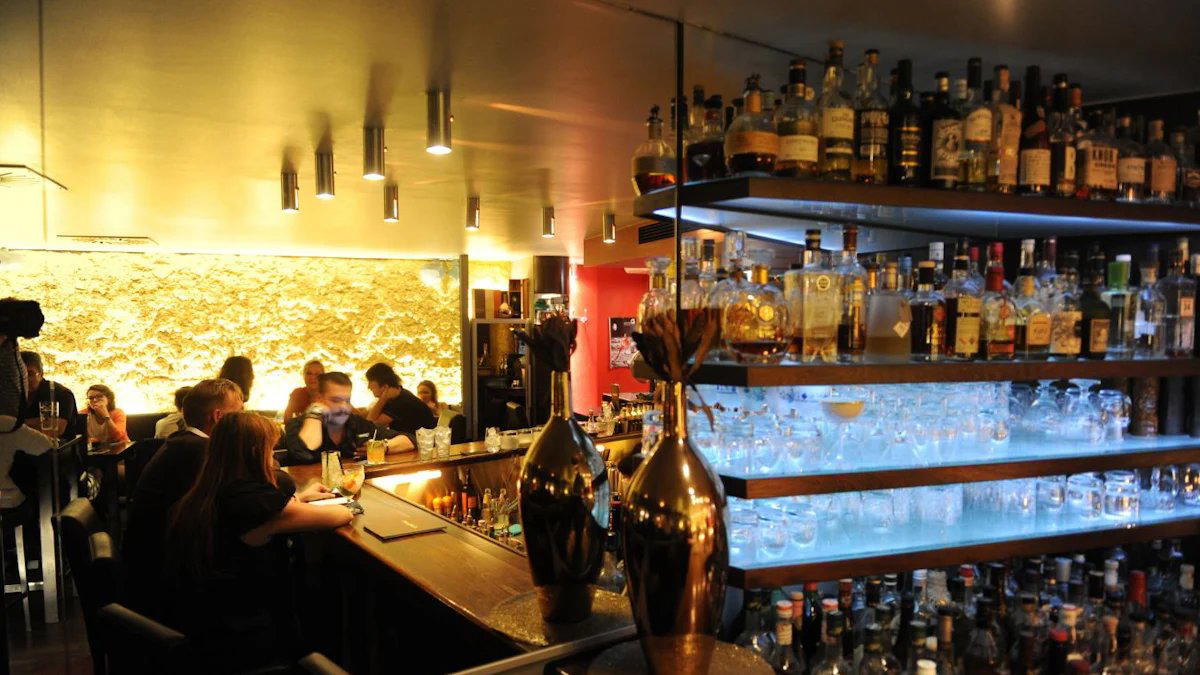
Bars in Glonn
Browse all →
Hotels in Glonn
Browse all →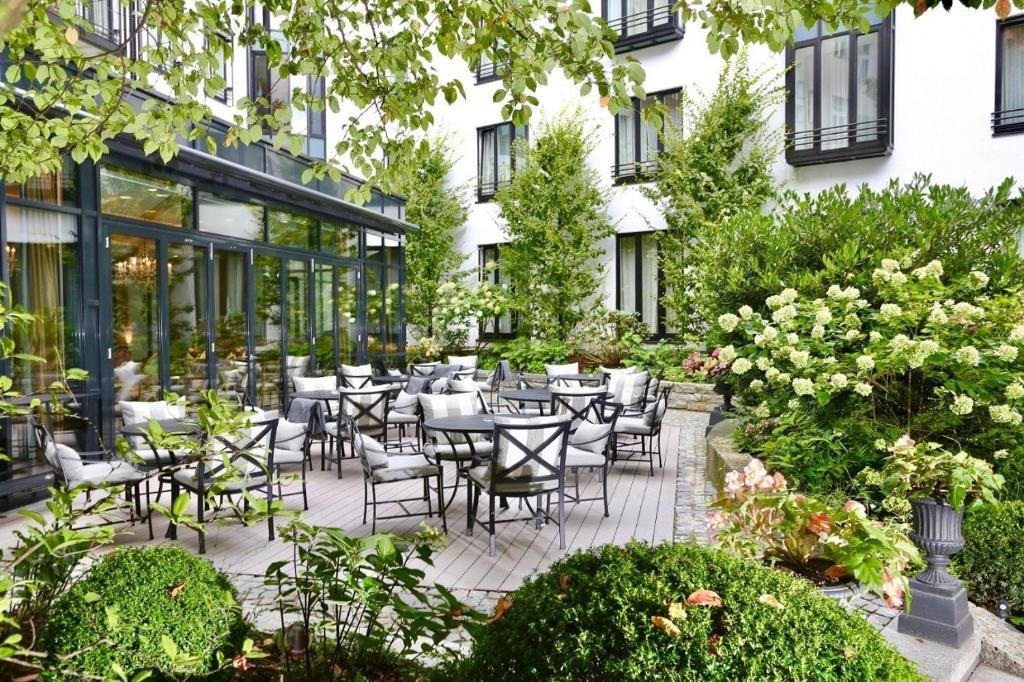
Wineries in Glonn
Browse all →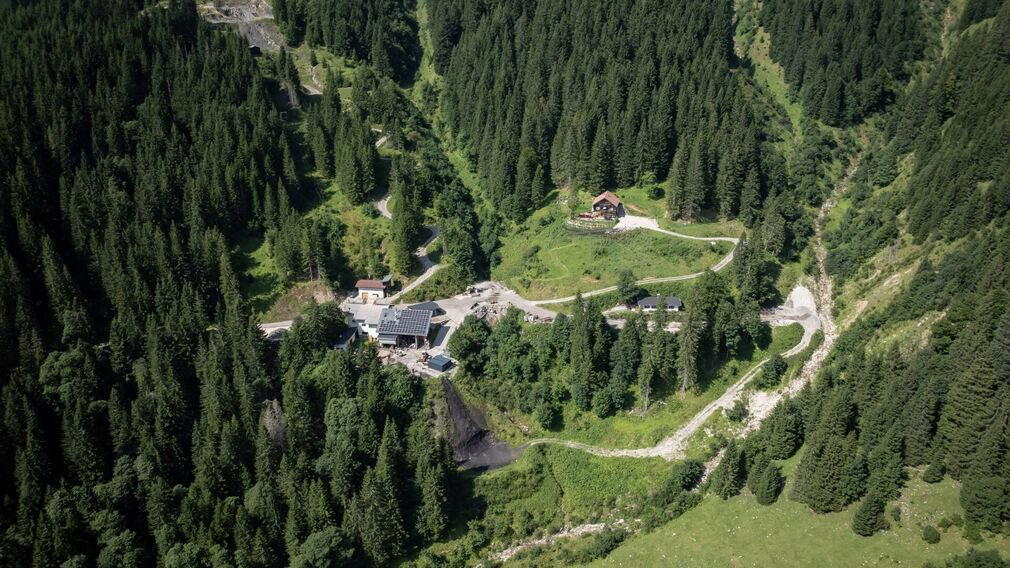
At a Glance
- Rustic
- Cozy
- Family
- Group Dining
- Casual Hangout
- Historic Building
- Open Kitchen
- Beer Program
- Farm To Table
- Organic
- Local Sourcing
Current opening hours
- Monday
- Closed
- Tuesday
- Closed
- Wednesday
- Closed
- Thursday
- 12–10 PM
- Friday
- 12–10 PM
- Saturday
- 12–10 PM
- Sunday
- 12–10 PM
Hours can change for holidays and private events. Last verified .
Large high-ceilinged space with modern-rustical barn ambiance featuring wooden beams and a light-filled interior.