Our verdict
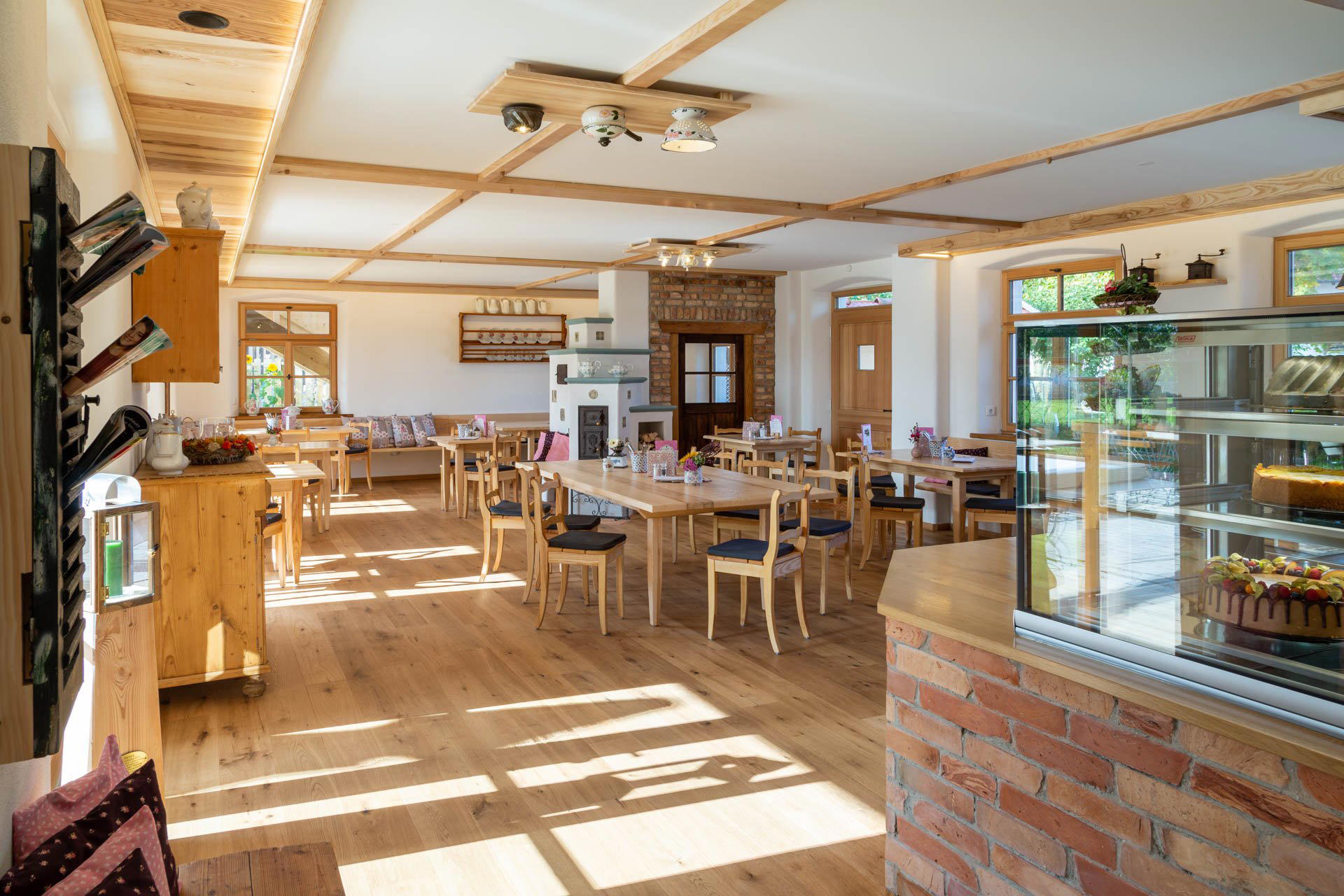
A café and pension in the village of Glonn, southeast of Munich, Kaffeekandl sits at the intersection of Bavarian rural hospitality and the region's strong tradition of sourcing from nearby farms and producers. The address places it within reach of the Herrmannsdorf agricultural estate and the broader Chiemgau food corridor, making it a practical base for travellers exploring this corner of Upper Bavaria.

Pearl is the En Primeur Club membership app — saves, bookings, and concierge access live there. Same editors, same standards.
- Address
- Schlacht 54, 85625 Glonn, Germany
- Phone
- +4980939999300
- Hours
- Mon–Wed ClosedThu–Sat 8:30 AM–5:30 PMSun Closed
- Website
- kaffeekandl.de
- Directions
- Get directions
- Booking
- Book on the venue's website
Rural Bavaria and the Question of Where Food Comes From
Southeast of Munich, as the Autobahn gives way to country roads lined with farmsteads and apple orchards, the villages of the Ebersberg district operate on a different register from the city's restaurant scene. Glonn sits in this corridor, a small municipality where the proximity to working farms is not a marketing device but a structural fact of daily life. Kaffeekandl Café und Pension, addressed at Schlacht 54, is part of this fabric: a café-pension combination of the kind that Bavaria's rural towns have sustained for generations, where the logic of what appears on the table has always traced a short line back to what grows or grazes nearby.
That short supply chain matters more now than it did a decade ago. Across Germany's premium dining tier, from Aqua in Wolfsburg to Schwarzwaldstube in Baiersbronn, the sourcing conversation has become central to how restaurants define their identity. But at the other end of the spectrum, in the café-and-pension format that anchors rural German hospitality, the sourcing question was never really absent. It was simply assumed. Places like Kaffeekandl exist in a tradition where the baker, the dairy farmer, and the butcher are often neighbours rather than vendors on a procurement list.
The Glonn Context: A Town Shaped by Its Agricultural Surroundings
Glonn's position within the Ebersberg district places it in one of the more agriculturally consequential corners of Upper Bavaria. The Herrmannsdorf estate, a few kilometres from the town centre, operates one of Germany's most discussed farm-to-table operations, with its own slaughterhouse, bakery, and brewery functioning as an integrated production system. The nearby Wirtshaus zum Herrmannsdorfer Schweinsbräu channels that estate's output into a dining format built explicitly around provenance. That kind of operation sets a local standard: in Glonn, knowing where your food comes from is not an aspiration but a baseline expectation.
For a café-pension in this environment, the sourcing context arrives by geography before any deliberate decision is made. The density of small-scale producers in the Ebersberg district means that the ingredients available to a local kitchen are measurably different from what a comparable establishment would access in an urban setting. Regional breads, dairy from nearby farms, and seasonal produce from the broader Chiemgau corridor define what the category looks like here. The comparison with the high-end sourcing programs at places like JAN in Munich or ES:SENZ in Grassau is instructive: both ends of the German dining spectrum are making the same fundamental argument about ingredient origin, just at different price points and with different degrees of formal articulation.
The Café-Pension Format in Context
Germany's café-pension combination is a format with genuine historical depth. It predates the boutique hotel category by several decades and operates on different assumptions: guests are expected to eat breakfast in the house, the café serves the local community as much as visitors, and the kitchen operates within a range defined by what is seasonal and regionally available rather than by what a tasting menu might demand. This is not a lesser version of hospitality; it is a different model, with its own internal logic.
At the level of the broader German food conversation, the café-pension sits far from the Michelin tier occupied by Vendôme in Bergisch Gladbach or CODA Dessert Dining in Berlin. But the sourcing principles that drive the most decorated kitchens in Germany, the insistence on named producers, short distances, and seasonal constraint, are easier to execute at a small rural café than at a large urban operation. The scale is a structural advantage, not a limitation. A café in Glonn can buy directly from a farm two kilometres away in a way that a fifty-cover restaurant in Hamburg cannot replicate without significant logistical engineering. Comparable establishments at the Michelin level, such as Restaurant Haerlin in Hamburg, Schanz in Piesport, or Waldhotel Sonnora in Dreis, invest considerable effort in approximating what a rural kitchen accesses by default.
What to Expect and How to Plan
Kaffeekandl Café und Pension is the kind of establishment that functions leading when approached on its own terms rather than measured against urban café standards. The address at Schlacht 54 places it within the residential fabric of Glonn rather than on a commercial high street, which shapes both the atmosphere and the clientele: this is a neighbourhood operation serving a genuine local community, with accommodation that suits the format of a regional touring base rather than a destination stay. Travellers using it as a base to explore the Ebersberg district, visit the Herrmannsdorf estate, or transit between Munich and the Chiemgau should factor in its village-scale character accordingly.
The pension element means room availability will be limited, and advance contact is sensible for anyone planning an overnight stay. For those assessing Glonn's dining options in full, Steinbergers Marktblick offers a point of comparison within the same town, and the full Glonn restaurants guide maps the broader local picture.
For context on what the wider German dining tier looks like from this region outward, the range runs from the decorated rooms of Victor's Fine Dining by Christian Bau in Perl and Bagatelle in Trier to more conceptually driven formats like ATAMA by Martin Stopp in Sankt Ingbert and ammolite in Rust. Internationally, the sourcing-led argument that defines Germany's leading kitchens has close parallels at Le Bernardin in New York City and the produce-focused precision of Atomix. Kaffeekandl occupies none of that tier, but it sits in the same broader conversation about where food originates and why the distance between source and table still counts for something.
Frequently asked questions
Would Kaffeekandl Café und Pension be comfortable with kids?
The café-pension format at Kaffeekandl, located at Schlacht 54 in Glonn, is a rural Bavarian establishment rather than an urban café with noise restrictions. Properties of this type in the Ebersberg district typically operate at a relaxed pace suited to family visits, with the surrounding agricultural setting giving children more space than a city venue would. Confirming directly with the property before arrival is the practical approach, as specific family facilities are not documented.
Is Kaffeekandl Café und Pension formal or casual?
Kaffeekandl is a café-pension in rural Glonn, a format that sits firmly in the casual register. The café-pension category predates boutique hospitality by decades and is built around everyday practicality rather than formality. Expect the unpretentious dress standards common across Ebersberg district guesthouses, where the emphasis is on regional hospitality rather than service theatre.
Is Kaffeekandl Café und Pension a good base for exploring the Ebersberg district?
Kaffeekandl's address at Schlacht 54, Glonn places it within the Ebersberg district, southeast of Munich, where country roads connect farmsteads, apple orchards, and market towns across Upper Bavaria. As a café-pension rather than a transit hotel, it is structured around longer, unhurried stays tied to the surrounding rural area rather than quick stopovers. Guests using it as a base have direct access to the agricultural character of the Ebersberg region, which is among the more coherent farming landscapes within the Munich hinterland.
What's the signature dish at Kaffeekandl Café und Pension?
What is known is that Glonn sits within one of Upper Bavaria's more agriculturally active zones, and café-pensions in this area of the Ebersberg district have historically drawn on the produce immediately surrounding them. Any seasonal or house specialities are best confirmed directly with the venue at Schlacht 54, Glonn.
How do I find Kaffeekandl Café und Pension?
Kaffeekandl Café und Pension is located at Schlacht 54, 85625 Glonn, Germany, Glonn.
How It Stacks Up
Comparable venues nearby, for context on price, style, and recognition.
| Venue | Cuisine | Price | Awards | Notes |
|---|---|---|---|---|
| Kaffeekandl Café und PensionThis venue — the venue you are viewing | German Bakery Café | Not listed | Not listed | Not listed |
| Steinbergers Marktblick | Bavarian Gastropub | $20–30 | Not listed | Marktplatz |
| Wirtshaus zum Herrmannsdorfer Schweinsbräu | Organic Bavarian Farm-to-Table | $30–50 | Michelin Plate | Glonn |
| Michaeligarten Restaurant | Traditional Bavarian Beer Garden | $20–30 | Not listed | Rammersdorf |
| Restaurant Zieglerei | Scandinavian-Bavarian with Burger Focus | $20–30 | Not listed | Zamdorf |
| Hofbräuhaus München | Traditional Bavarian Beer Hall | $20–30 | Not listed | Altstadt |
Details
- Cozy
- Rustic
- Casual Hangout
- Brunch
- Terrace
- Local Sourcing
- Garden
- A La Carte
- Vegetarian Friendly
Current opening hours
- Monday
- Closed
- Tuesday
- Closed
- Wednesday
- Closed
- Thursday
- 8:30 AM–5:30 PM
- Friday
- 8:30 AM–5:30 PM
- Saturday
- 8:30 AM–5:30 PM
- Sunday
- Closed
Hours can change for holidays and private events. Last verified .
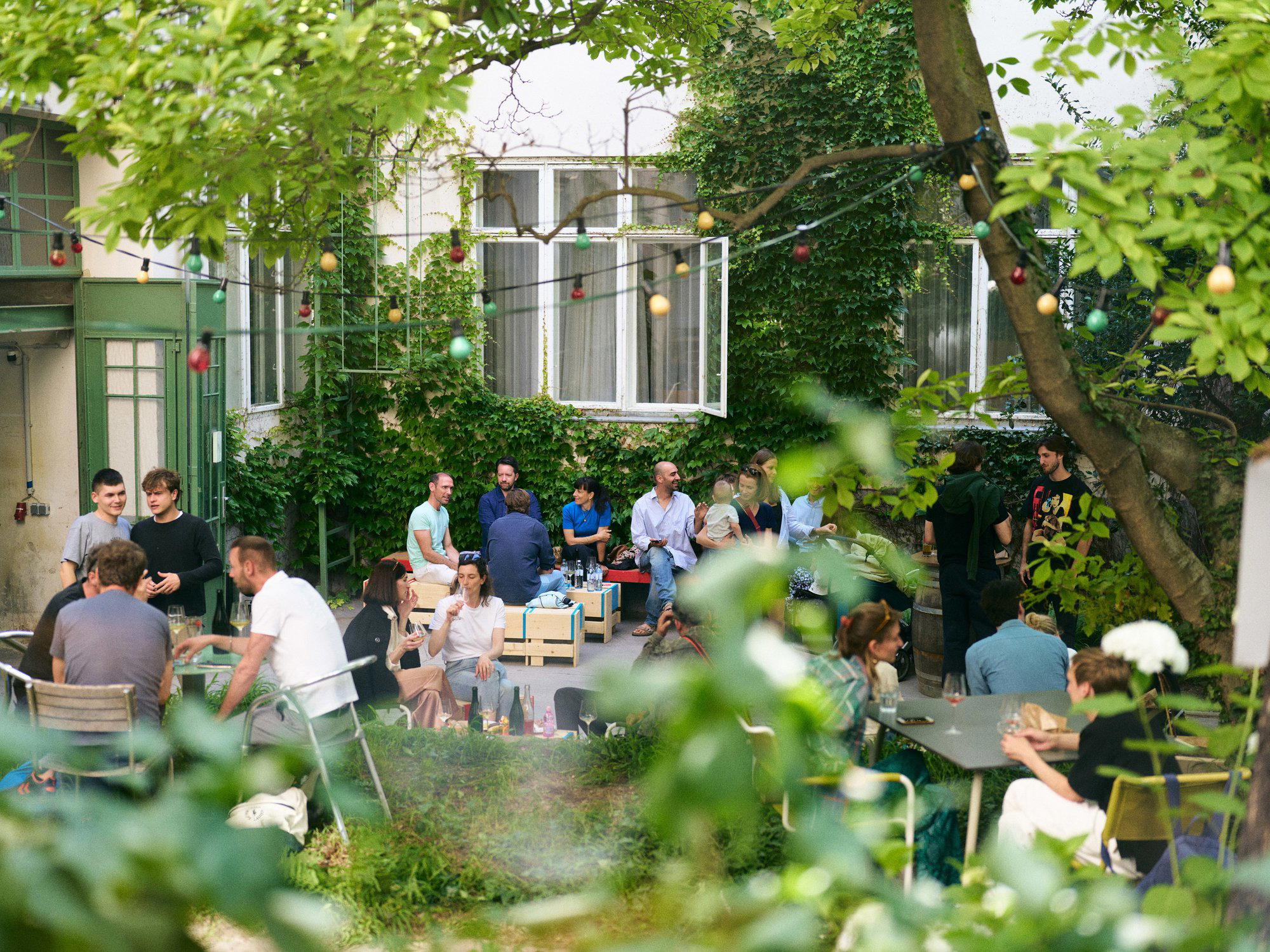
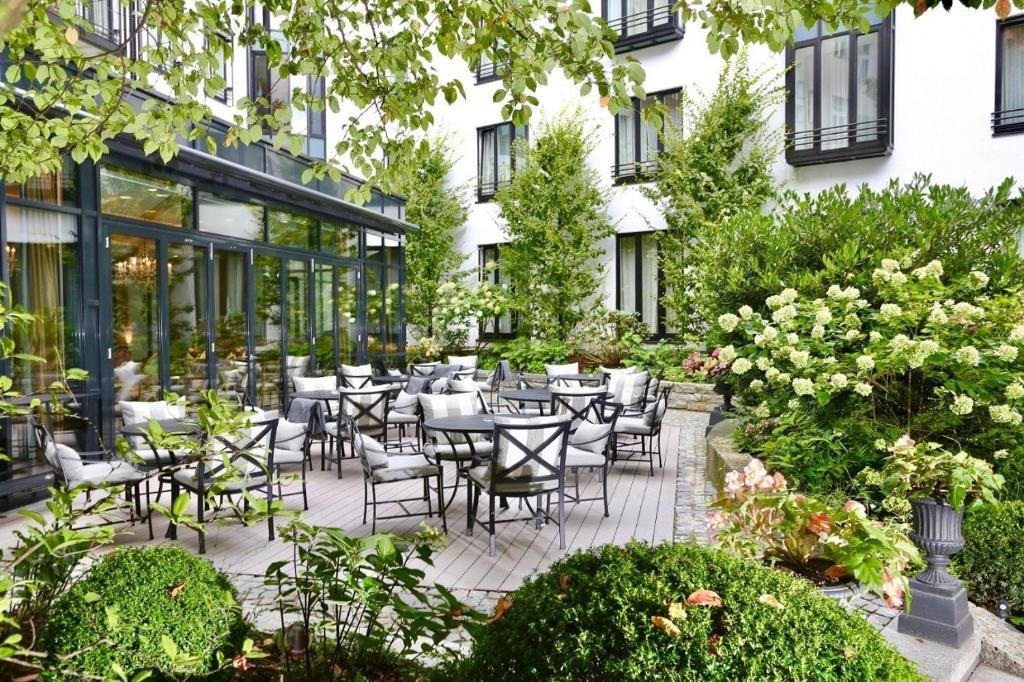
Warm and inviting atmosphere with terrace views of orchard meadow