Herrenhaus

Michelin Plate
Our verdict
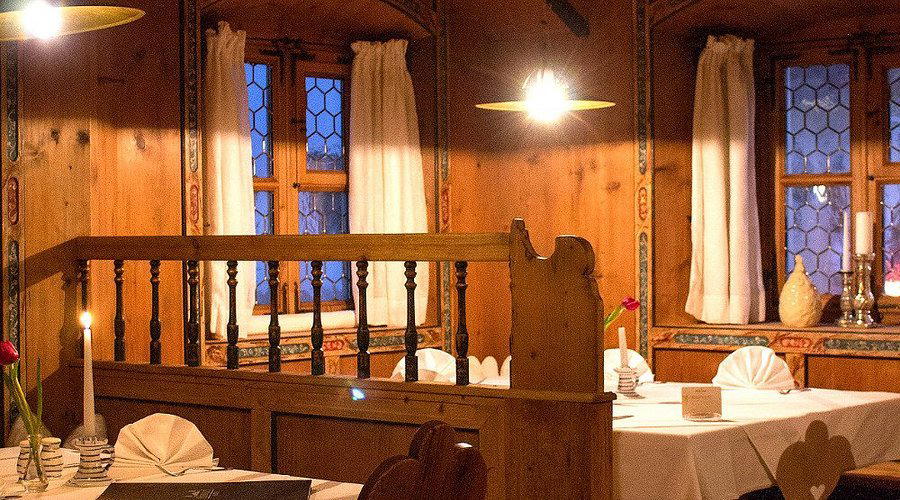
Inside a first-floor dining room reached through a medieval cloister in Wasserburg am Inn's old town, Herrenhaus holds a 2024 Michelin Plate for seasonal farm-to-table cooking built on regional produce. The à la carte and set menu formats suit different pacing, and a well-priced lunch deal makes the kitchen accessible at lower cost. The wine list covers German, Austrian, and Italian labels at fair margins.

Pearl is the En Primeur Club membership app, where members save venues, book tables and use the concierge.
The menu
What to order
- Poltinger Lamb with Shallot Confit
- Osso Buco
- Veal Steak with Mushrooms
- Trout
- Iberico Pork
Stone, Cloister, and a Kitchen That Follows the Calendar
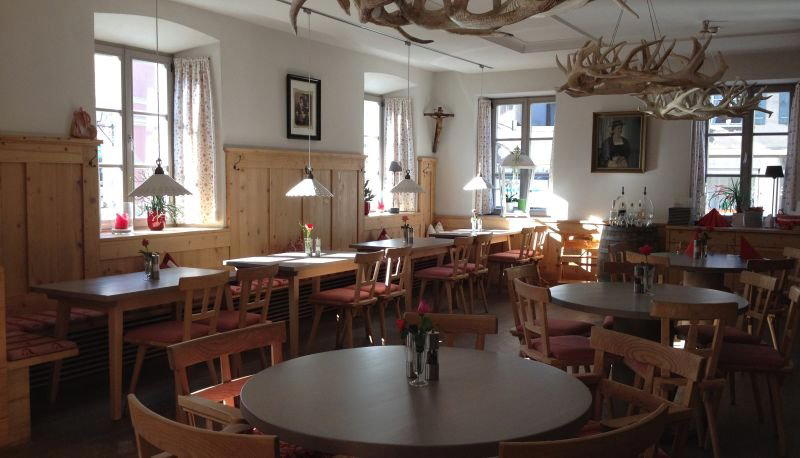
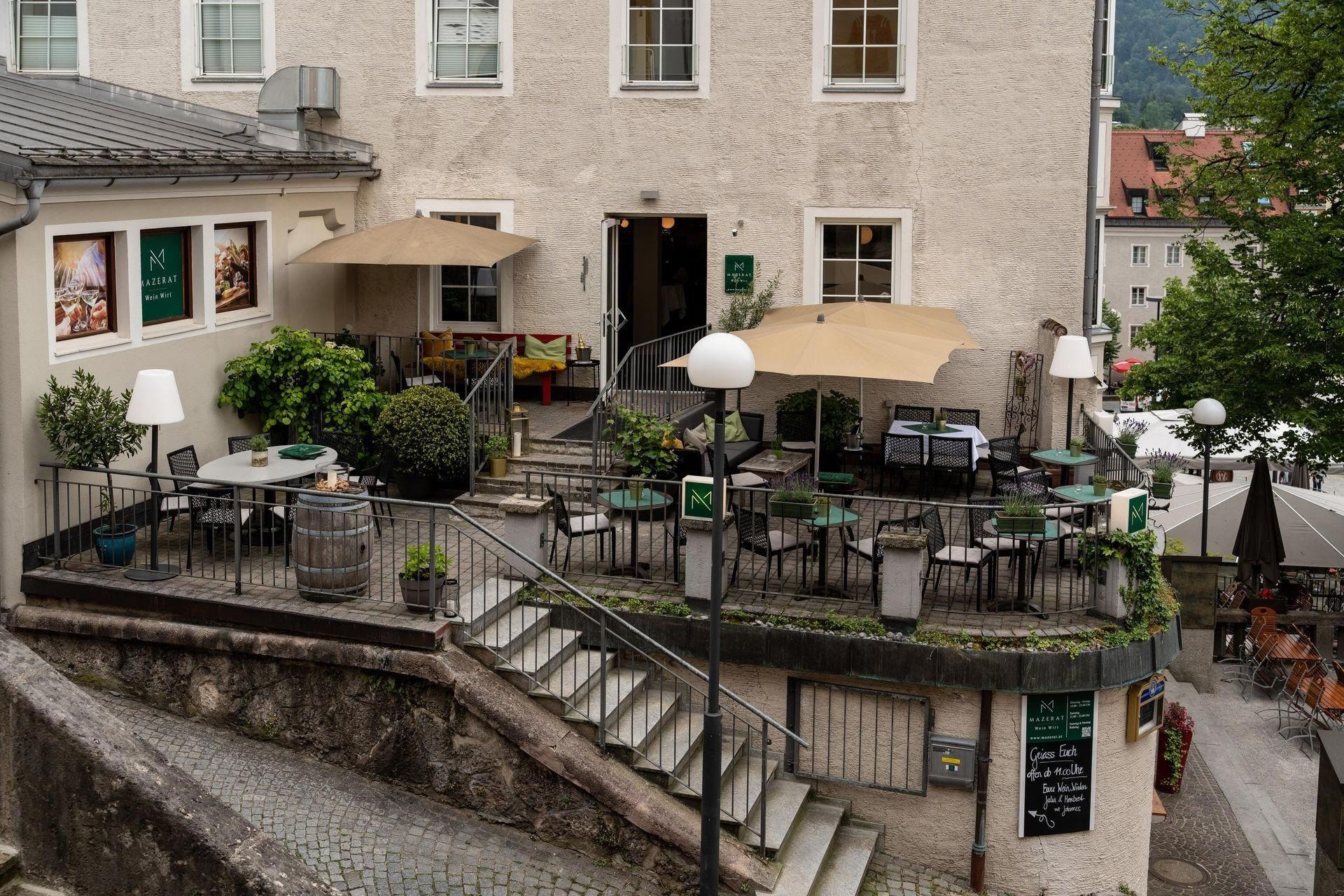
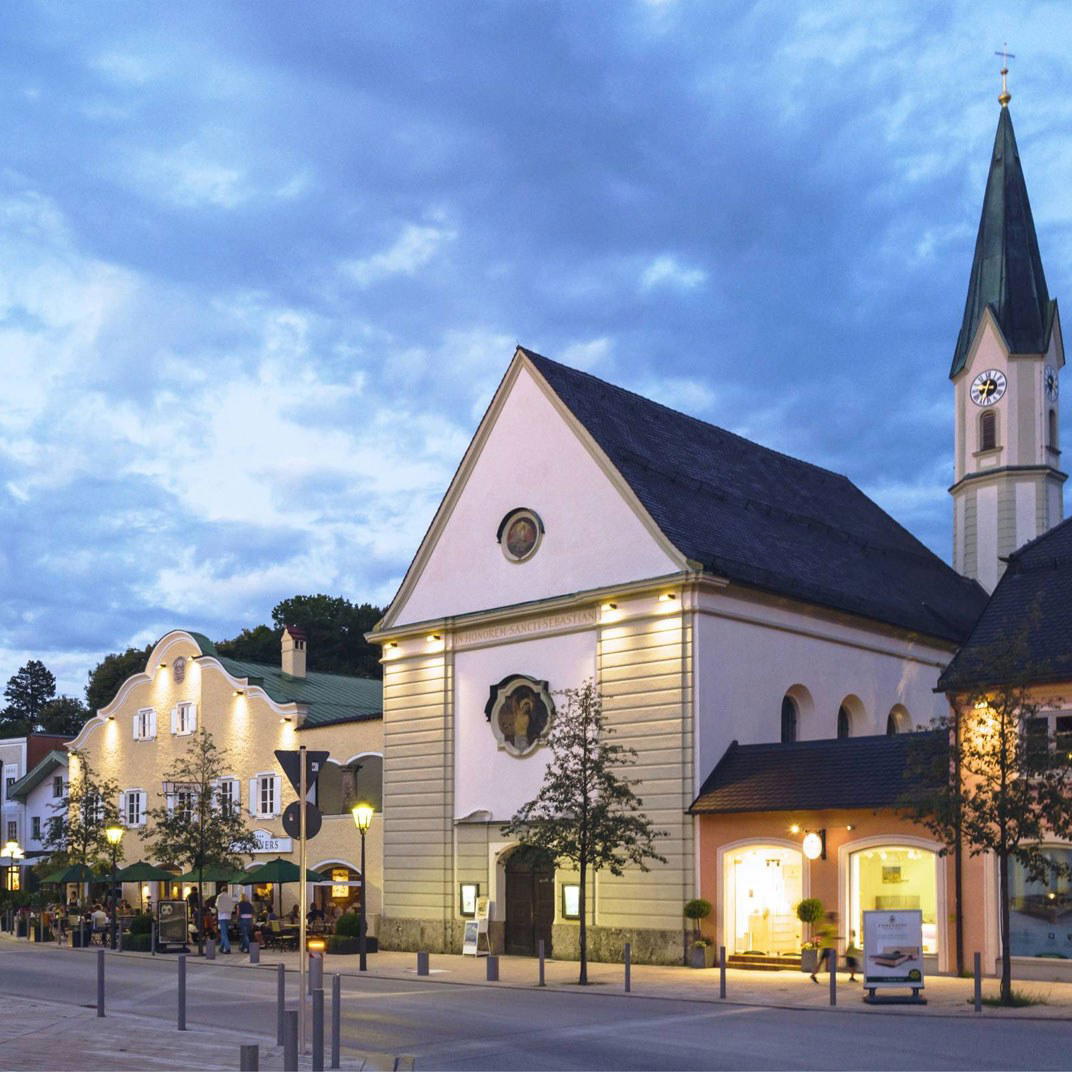
The approach to Herrenhaus sets the tone for what follows inside. From Herrengasse, the entry passes through a cloister, the kind of covered arcade that appears in Bavarian old towns as a remnant of ecclesiastical or civic life, before opening onto a first-floor dining room where the historical stonework becomes part of the atmosphere rather than a decorative afterthought. In summer, that cloister gains a small terrace, and the choice between eating outside in the courtyard passage or upstairs in the warm interior becomes one of the more pleasant dilemmas in this part of the Inn valley.
Wasserburg am Inn is the sort of town that rewards a slower itinerary. The river curves so tightly around the old town that it forms a near-complete peninsula, and the density of Gothic and Renaissance architecture within that loop is unusual even by Bavarian standards. Dining here occupies a different register than in Munich, forty-odd kilometres to the west: fewer destination restaurants chasing international attention, more serious kitchens operating within a local orbit. Herrenhaus sits in that second category, and its 2024 Michelin Plate signals that the kitchen is operating at a level of consistency the guide considers worth noting. For context on how that recognition compares elsewhere in the German dining spectrum, restaurants like JAN in Munich and ES:SENZ in Grassau occupy higher Michelin tiers in the broader regional picture, while Au Gré du Vent in Seneffe and BOK Restaurant in Münster represent the farm-to-table approach at comparable price points elsewhere in Europe.
The Sourcing Logic Behind the Seasonal Menu
The farm-to-table designation at Herrenhaus is not merely a positioning phrase. The kitchen is structured around in-season regional produce, which in this part of Bavaria means working with the agricultural rhythm of the Alpine foothills and the Inn valley floor: root vegetables and game through autumn and winter, brassicas and river fish in the shoulder months, stone fruit and fresh herbs through summer. That cycle determines what the kitchen can do, and it narrows the menu in ways that sharpen rather than limit it.
What this sourcing approach produces, in practice, is a menu that reads differently month to month, the set menu format in particular reflects what the kitchen received from its suppliers that week rather than a fixed sequence. The à la carte option gives more control to the diner and is suited to those who want to pick around the menu rather than commit to a full progression. Both formats coexist on the same card, which is more common in this tier of Central European cooking than in the more rigidly structured tasting-menu-only format that defines higher Michelin tiers like Aqua in Wolfsburg or Schwarzwaldstube in Baiersbronn.
The price tier at €€€ places Herrenhaus in the mid-to-upper range for the town, but meaningfully below the €€€€ benchmark of Germany's three-star kitchens. That gap is relevant: diners who want serious seasonal cooking in a genuine historical setting without the formality or cost structure of the leading national tier will find this kitchen a credible option.
The Wine List and the Service Register
The wine program at Herrenhaus covers German, Austrian, and Italian labels at prices the venue itself describes as attractive. That three-country focus makes sense geographically: the Inn valley sits close enough to the Austrian border that cross-border viticulture is a logical reference, and Northern Italian wine regions are a short drive south. German and Austrian whites in particular, Riesling from the Mosel or Rhine, Grüner Veltliner from the Wachau, are natural pairings for the kind of produce-led cooking the kitchen produces, and the pricing structure makes ordering thoughtfully through the list a practical rather than expensive exercise. For deeper comparison on German wine culture beyond this region, the EP Club's Wasserburg am Inn wineries guide provides additional context.
Service is described as genial and willing to advise, which in this dining context means a front-of-house that functions as a guide to the menu rather than a scripted sequence of courses. That register suits the setting: the historical room and the seasonal kitchen create an atmosphere where the meal moves at the pace of conversation rather than a kitchen timer.
Planning a Visit
Herrenhaus is located at Herrengasse 17 in the centre of Wasserburg am Inn's old town, reachable on foot from the main parking areas outside the peninsula. The lunch deal is specifically flagged as inexpensive relative to the kitchen's standard pricing, making a midday visit the more economical entry point for those planning around cost. The summer terrace in the cloister adds a distinct seasonal dimension that the interior room cannot replicate, so timing a visit between late spring and early autumn captures both the outdoor option and the peak of the regional produce calendar.
For planning a broader stay in the area, the Wasserburg am Inn hotels guide covers accommodation options, and the bars guide and experiences guide map the town's wider evening offer. For a broader view of dining in the town, see our full Wasserburg am Inn restaurants guide, which includes Weisses Rössl for a comparison in the regional cuisine category. Further afield in the German fine dining circuit, Restaurant Haerlin in Hamburg, Schanz in Piesport, Victor's Fine Dining by Christian Bau in Perl, Waldhotel Sonnora in Dreis, Vendôme in Bergisch Gladbach, and CODA Dessert Dining in Berlin represent the higher end of the national spectrum for those building a wider German itinerary.
What to Order at Herrenhaus
What should I order at Herrenhaus?
The set menu is the more direct expression of the kitchen's sourcing approach, as it reflects what is in season at the time of your visit rather than a standing selection. If you prefer more control over the meal, the à la carte format covers the same produce-led cooking without the fixed progression. The inexpensive lunch deal is the strongest value entry point in the kitchen's offer. On the wine side, the German and Austrian selections are the logical pairing for the regional cooking, and the service team is specifically noted as willing to advise on choices if you want guidance rather than selecting independently. The 2024 Michelin Plate recognition applies to the kitchen as a whole rather than to specific dishes, so consistency across the menu is a reasonable expectation.
Frequently asked questions
What should I order at Herrenhaus?
The menu is structured around in-season regional produce, so the most coherent choice is usually the set menu, which reflects whatever the kitchen is sourcing that week rather than a fixed selection you can preview in advance. The à la carte format gives more flexibility if you have specific preferences. The lunch deal is a documented value option worth considering if your visit falls midday, the Michelin Plate recognition in 2024 suggests the kitchen holds a consistent standard across both formats. The service team is noted for advising on choices, so ask what is driving the current menu.
What's the pricing like at Herrenhaus?
Pricing at Herrenhaus is listed as €€€.
Where is Herrenhaus in Wasserburg am Inn?
Herrenhaus is located at Herrengasse 17, 83512 Wasserburg am Inn, Germany, Wasserburg am Inn.
Comparison Snapshot
| Venue | Cuisine | Price | Awards | Notes |
|---|---|---|---|---|
| HerrenhausThis venue (the venue you are viewing) | Regional German Fine Dining | $50–100 | Michelin Plate | Not listed |
| Schwarzwaldstube | Modern French Fine Dining | $150–200 | 3 Michelin Stars · World's 50 Best #47 | French, Classic French |
| Aqua | Contemporary German, Italian/Japanese, Creative | Not listed | Michelin 3 Star | Not listed |
| CODA Dessert Dining | Dessert-Inspired Fine Dining | $200–300 | 2 Michelin Stars · World's 50 Best #79 | Creative |
| Tantris | Modern French, French Contemporary | Not listed | Michelin 2 Star | Not listed |
| Vendôme | Modern German Haute Cuisine | $200–300 | 2 Michelin Stars · World's 50 Best #47 | Modern European, Creative |
Recognition history
Dated appearances from independent guides and award organizations, with the underlying list record or original source where available.
Michelin Plate
Michelin · 2026 Michelin Plate
Full recognition history (3 entries)
Michelin Plate
Michelin
Michelin Plate
Michelin
Continue exploring
More in Wasserburg am Inn
Restaurants in Wasserburg am Inn
All restaurants in Wasserburg am Inn →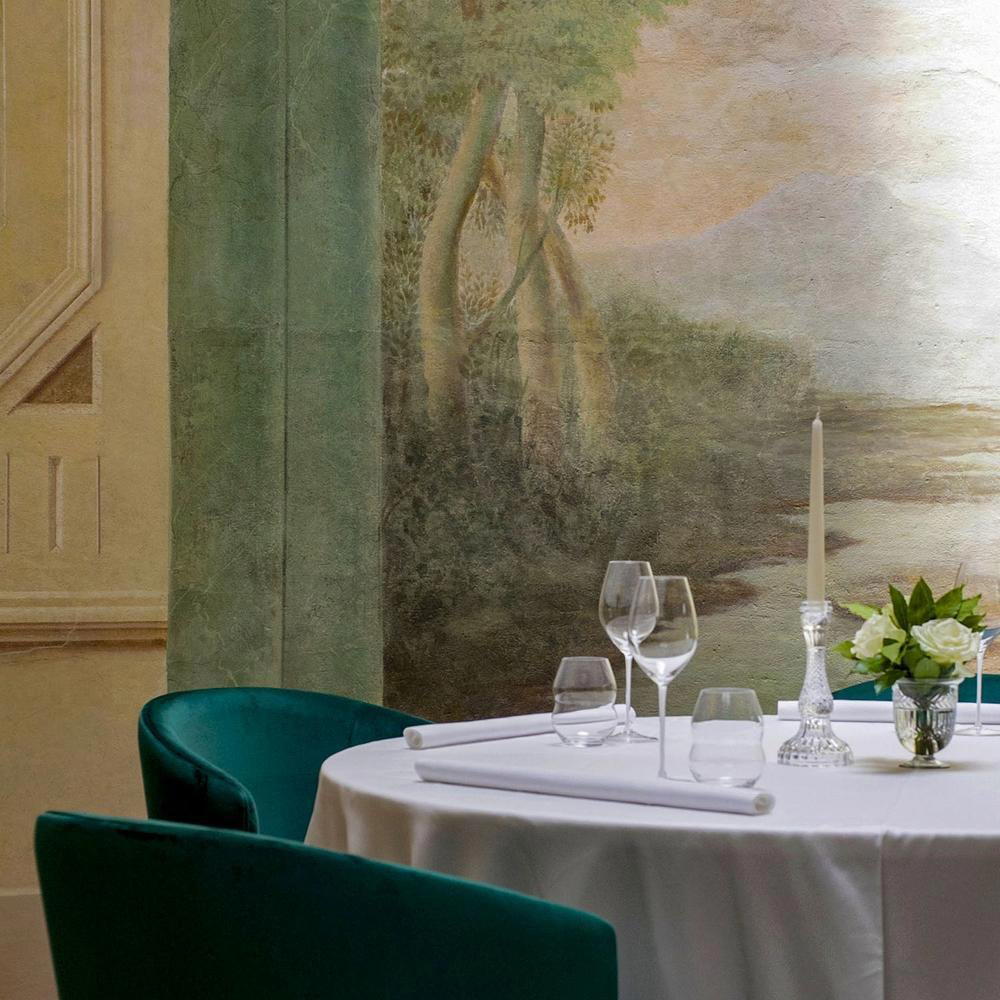
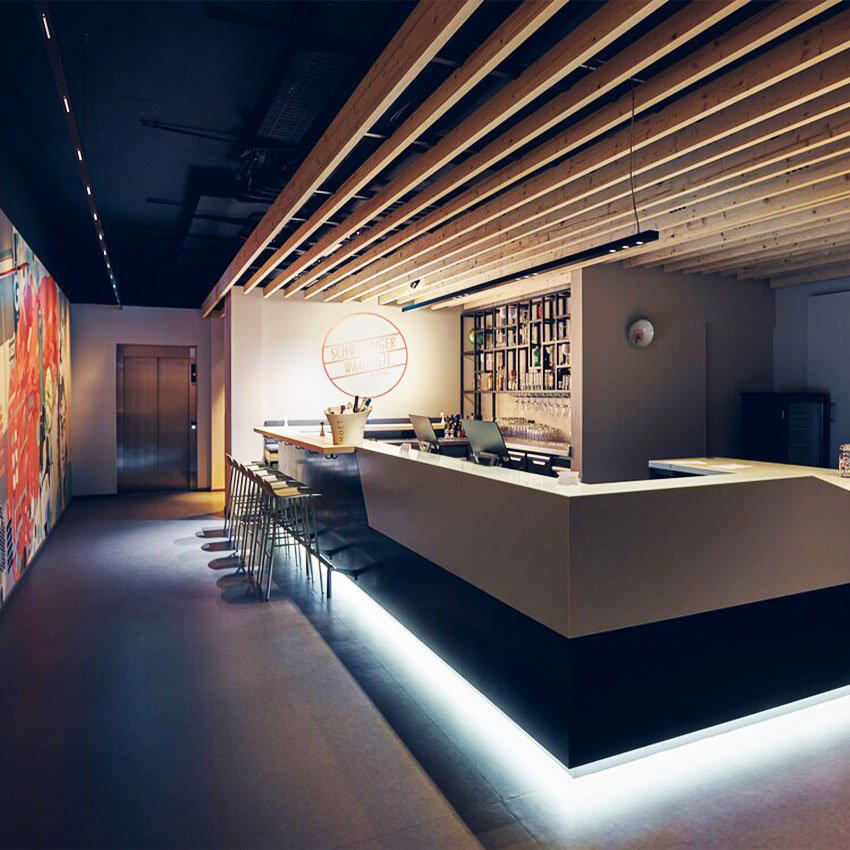
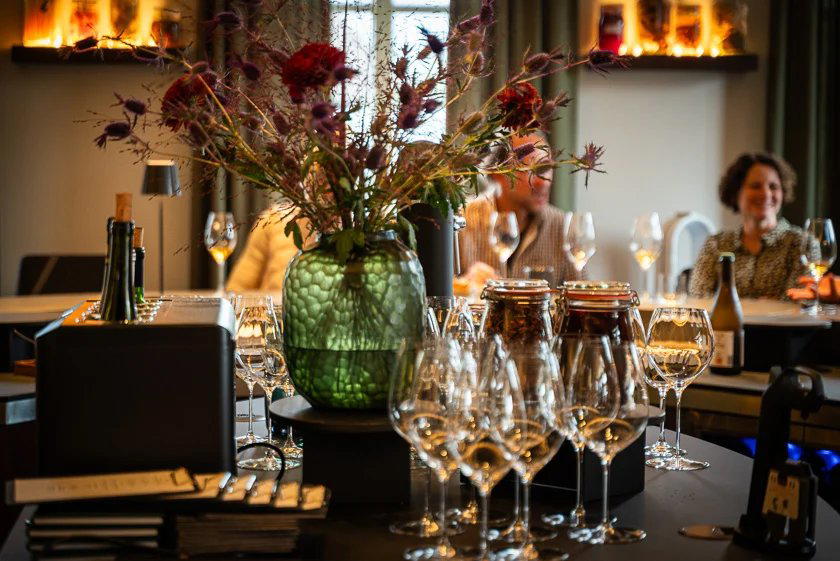
Bars in Wasserburg am Inn
Browse all →
Details
- Elegant
- Romantic
- Classic
- Cozy
- Sophisticated
- Date Night
- Business Dinner
- Celebration
- Special Occasion
- Terrace
- Historic Building
- Private Dining
- Extensive Wine List
- Sommelier Led
- Farm To Table
- Local Sourcing
- Organic
- A La Carte
- Set Menu
- German Wines
- Austrian Wines
- Italian Wines
- Vegetarian Friendly
- Vegan Options
- Gluten Free Options
Current opening hours
- Monday
- Closed
- Tuesday
- 6–11 PM
- Wednesday
- 6–11 PM
- Thursday
- 6–11 PM
- Friday
- 6 PM–12 AM
- Saturday
- 6 PM–12 AM
- Sunday
- Closed
Hours can change for holidays and private events. Last verified .
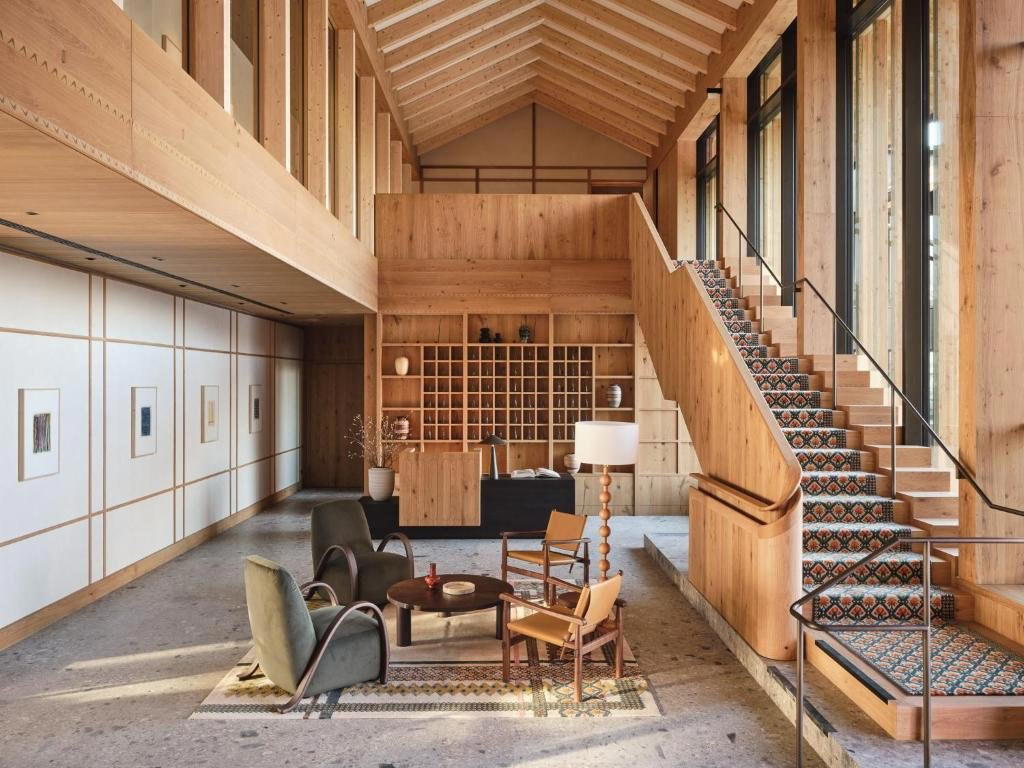
Warm and welcoming atmosphere in historical stone walls with elegant, modern design touches; intimate dining rooms with pleasant lighting and a cozy bar area.