A village Wirtshaus in Oberdorf, Bruck, Wirtshaus Taglaching represents the kind of rooted Bavarian hospitality that predates the fine-dining circuit entirely. The address alone, a hamlet outside Munich's orbit, signals a different set of priorities: local ingredients, familiar formats, and a room that earns its place through repetition rather than spectacle. For travellers moving between Bavaria's countryside and the city, it anchors the regional end of the dining spectrum.
Pearl is the En Primeur Club membership app — saves, bookings, and concierge access live there. Same editors, same standards.
- Address
- Oberdorf 2, 85567 Bruck, Germany
- Phone
- +498092336138
- Website
- wirtshaus-taglaching.de
- Directions
- Get directions
 Saves & bookings on Pearl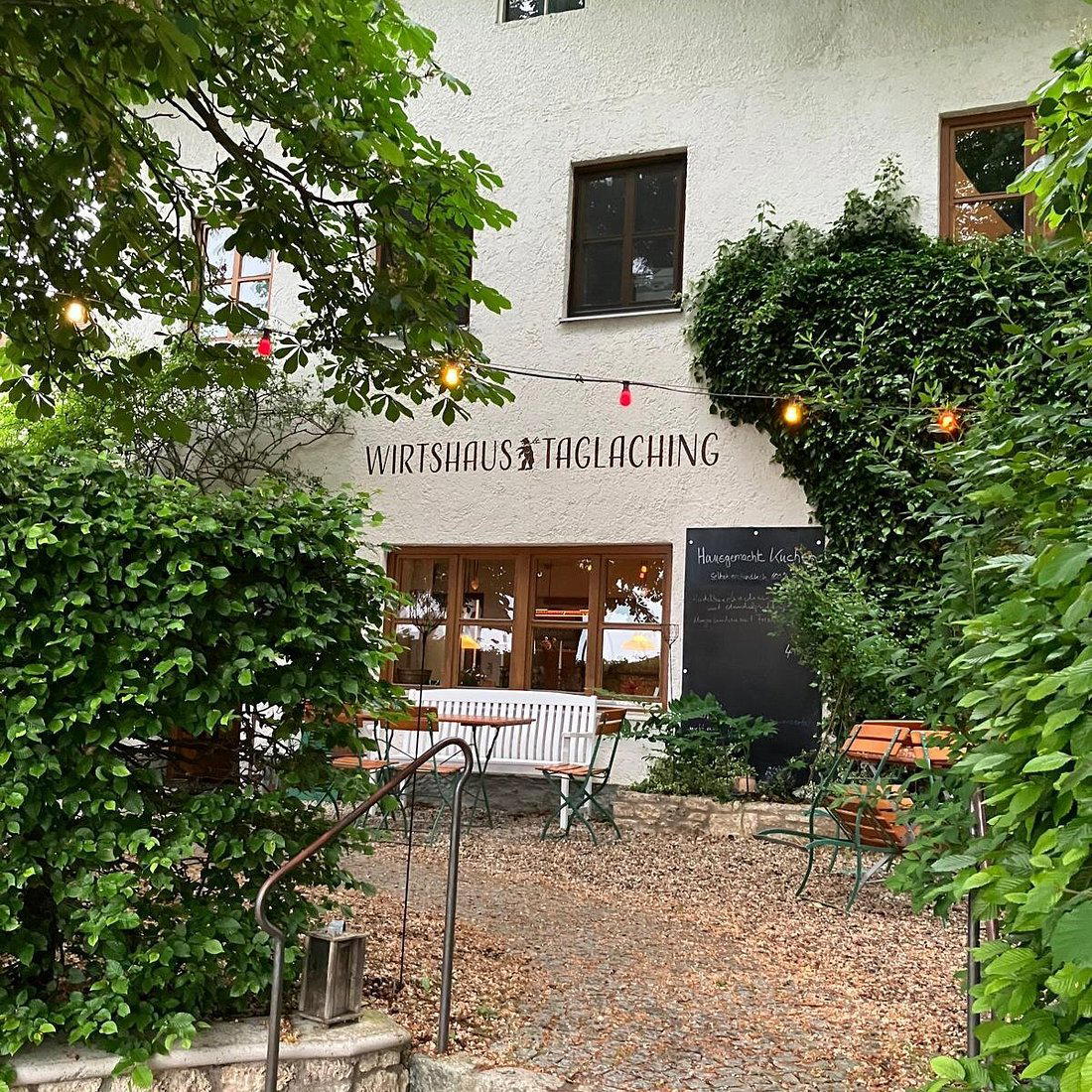
Where the Village Table Still Holds
Bavarian dining divides along a familiar fault line. On one side sit the destination restaurants, operations like JAN in Munich or ES:SENZ in Grassau, where tasting menus run to multiple courses and the sourcing narrative is half the proposition. On the other side sits a category that receives far less editorial attention: the Wirtshaus, the working inn, the table that serves the village before it serves the traveller. Wirtshaus Taglaching in Bruck belongs to this second tradition.
The address, Oberdorf 2, in the Ebersberg district east of Munich, places the restaurant outside the city's dining scene. This is not a suburb satellite. It is a settlement where the dining room's character comes from accumulated use rather than designed atmosphere. In that context, the editorial frame that applies to, say, Schwarzwaldstube in Baiersbronn or Vendôme in Bergisch Gladbach simply does not apply here.
Ingredient Provenance in a Regional Context
The Wirtshaus format across Bavaria has always been structurally dependent on what the surrounding land produces. Unlike urban restaurants that curate provenance as a marketing decision, a rural Gasthof or Wirtshaus in a district like Ebersberg has historically sourced locally because logistics demanded it. The Ebersberg region sits within a farming corridor that feeds into the Munich metropolitan area, with dairy production, pork, and seasonal garden vegetables shaping the traditional table. What this means in practice is that a village Wirtshaus in this district draws from a supply chain that is geographically short by default.
This is a distinction worth making because it separates the Wirtshaus tradition from the deliberately constructed farm-to-table positioning that has become a premium signal at restaurants like Aqua in Wolfsburg or AUGUST in Augsburg. In those contexts, sourcing is curated and documented. In a working Wirtshaus, it is simply the operational baseline. The distinction matters for how a guest calibrates expectations: the ingredients at a place like Taglaching are local because the format requires it, not because it has been assembled as a concept.
Ebersberg's agricultural character also shapes the seasonal rhythm of what appears on a traditional Bavarian table in this area. Spring brings white asparagus, which dominates menus across Upper Bavaria from April through June. Autumn shifts toward game, mushrooms from the surrounding forests, and root vegetables. A Wirtshaus operating on traditional lines follows that rhythm without announcement. Guests who time a visit accordingly are likely to encounter particularly seasonal versions of what the kitchen produces.
The Physical Setting and What It Signals
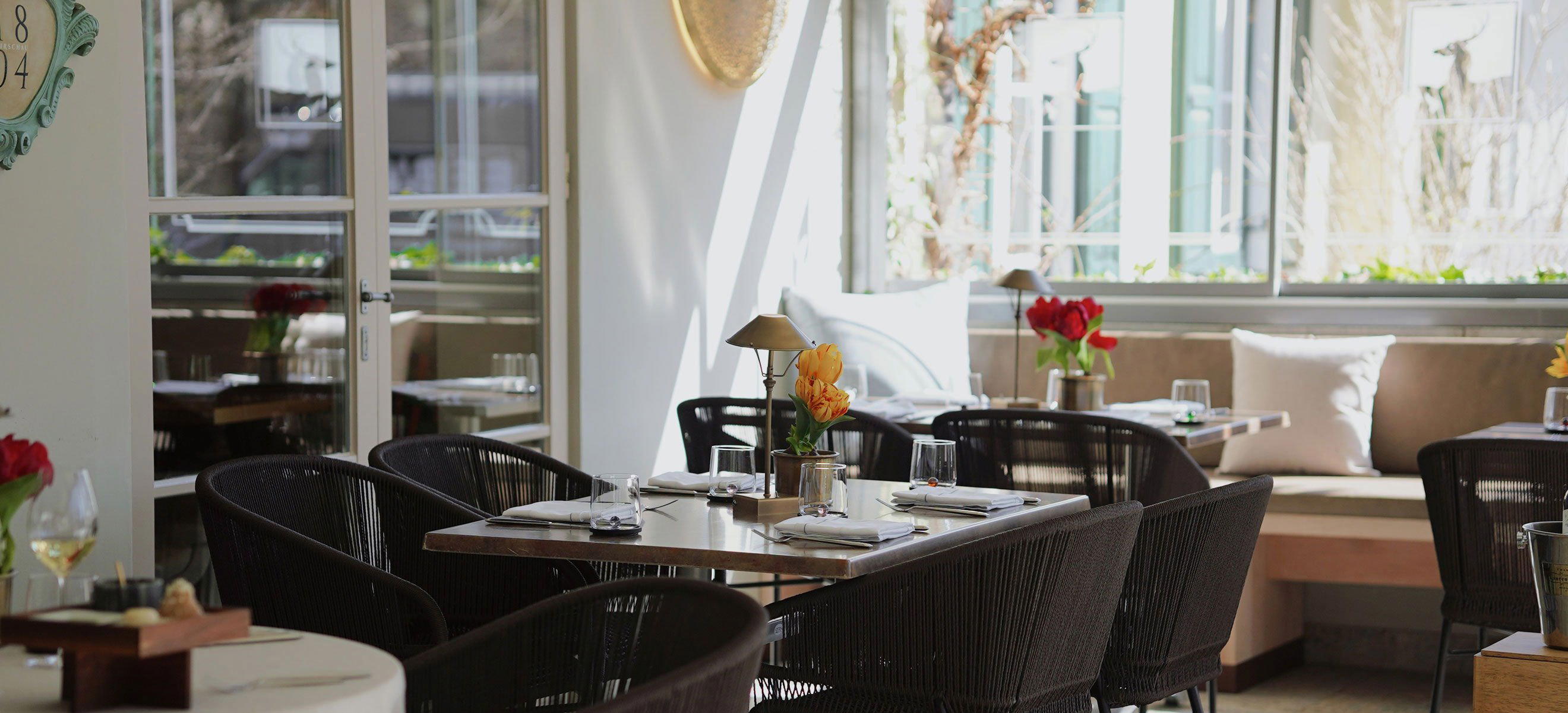
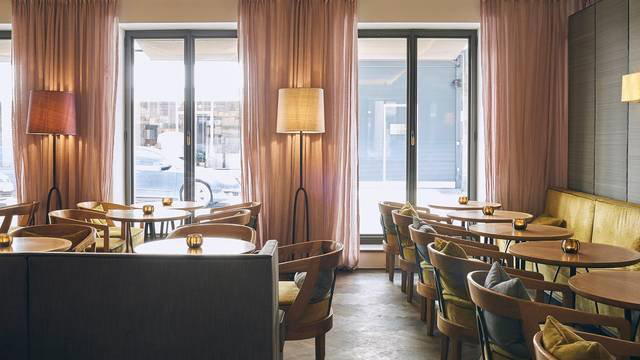
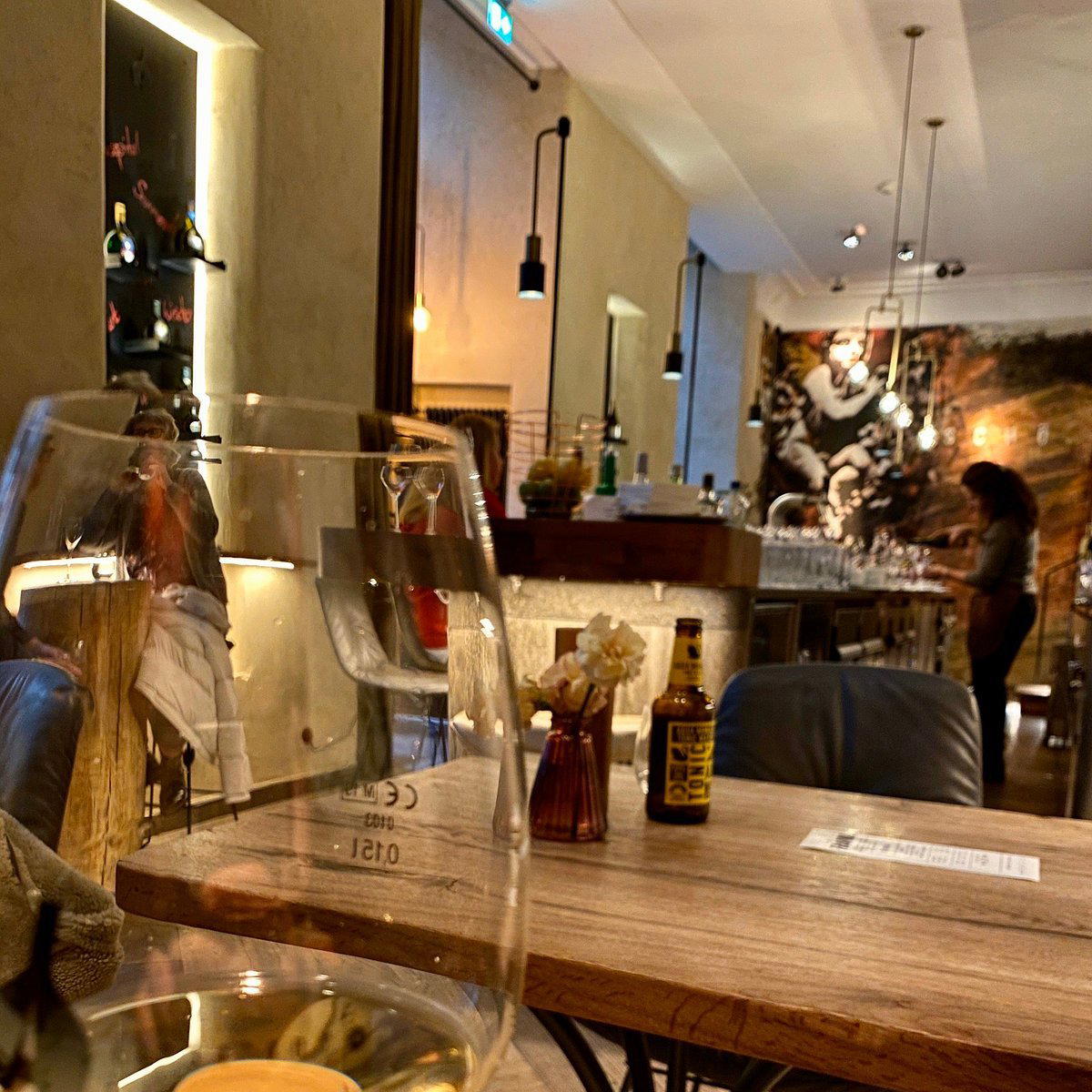
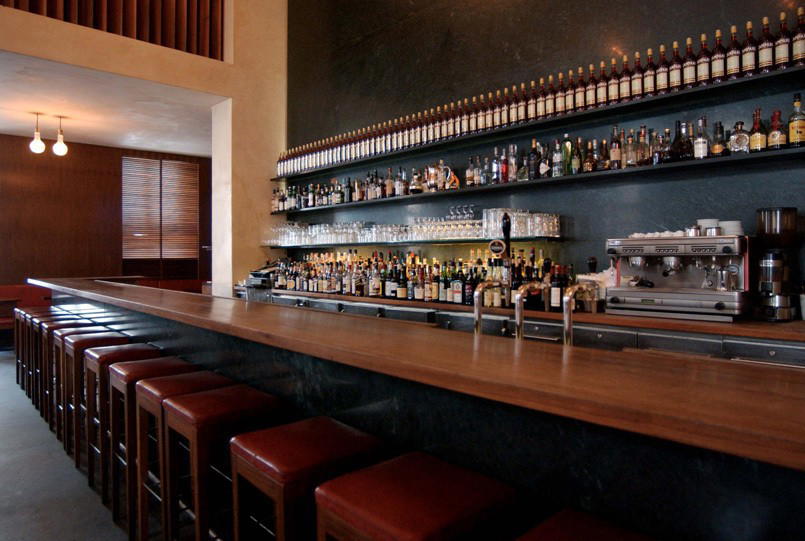
Approaching a Wirtshaus in a Bavarian hamlet, the architecture usually tells you what to expect before you open the door. These buildings tend to be low, solid, with deep-set windows and interiors that absorb decades of use. The room itself in a place like Taglaching is not a designed space in any contemporary sense. The furniture, the light, the arrangement of tables, all of it points toward function and familiarity rather than atmosphere as a managed product. This is exactly what separates the format from the self-conscious rusticity that high-end restaurants sometimes perform, in the way that AURA by Alexander Herrmann and Tobias Bätz in Wirsberg or ATAMA by Martin Stopp in Sankt Ingbert might consciously invoke regional references while operating at an entirely different register.
The practical consequence is that arrival and seating at a Wirtshaus of this kind tends to be informal, direct, and without the choreography that marks a tasting-menu operation. The room belongs to regulars as much as it does to visitors, which shapes the atmosphere. For travellers used to the precision service of operations like Restaurant Haerlin in Hamburg or Victor's Fine Dining by Christian Bau in Perl, the contrast is significant, and intentional on neither side. It reflects two entirely different definitions of what a restaurant is for.
Positioning Within Germany's Broader Dining Spectrum
Germany's restaurant scene has developed a well-documented upper tier over the past two decades, with operations like Waldhotel Sonnora in Dreis, Schanz in Piesport, and CODA Dessert Dining in Berlin attracting international attention alongside Michelin recognition. That tier has raised the profile of German dining globally and influenced how the country's food culture is perceived from outside. It has not displaced the structural importance of the Wirtshaus, the Gasthaus, and the Gaststätte as the daily dining infrastructure of rural and small-town Germany.
In Ebersberg district, the Wirtshaus remains the practical anchor of local food culture. It is where weekday lunches happen, where Sunday family meals are the default format, and where the cuisine is not positioned against international fine dining but against the family kitchen. The comparison set for Wirtshaus Taglaching is not Bagatelle in Trier or ammolite in Rust. It is the other Wirtshäuser in the district, the lunch specials at the Metzgerei, the bread from the regional bakery. That is the competitive frame within which a place like Taglaching is understood locally, and it should be the frame within which a visitor approaches it.
Planning a Visit
Bruck is accessible by road from Munich, sitting roughly 30 kilometres east of the city centre in the Ebersberg district. The Wirtshaus format in this context typically operates on lunch and dinner service tied to the local calendar rather than a reservations-forward model. Prospective visitors should allow for the possibility that contact is made in person or through local enquiry. Timing a visit during Bavarian public holidays or the summer weekend calendar is likely to mean a fuller room and longer waits. Midweek lunch, by contrast, is typically the quietest and most local-facing window in places of this kind.
Side-by-Side Snapshot
Comparable venues nearby, for context on price, style, and recognition.
| Venue | Cuisine | Price | Notes |
|---|---|---|---|
| Wirtshaus TaglachingThis venue — the venue you are viewing | Organic Bavarian Gastropub | $$ | Not listed |
| Michaeligarten Restaurant | Traditional Bavarian Beer Garden | $$ | Rammersdorf |
| Conti Restaurant | Traditional German & International Bistro | $$ | Lehel |
| Wunderkost | Traditional Bavarian | $$ | Sendling-Westpark |
| Beim Sedlmayr | Traditional Bavarian | $$ | Altstadt |
| Giesinger Bräustüberl | Bavarian Brewery | $$ | Au |
At a Glance
- Cozy
- Rustic
- Family
- Casual Hangout
- Beer Garden
- Beer Program
- Organic
- Local Sourcing
Current opening hours
- Monday
- 5–10 PM
- Tuesday
- Closed
- Wednesday
- Closed
- Thursday
- 5–10 PM
- Friday
- 11:30 AM–10 PM
- Saturday
- 11:30 AM–10 PM
- Sunday
- 11:30 AM–10 PM
Hours can change for holidays and private events. Last verified .
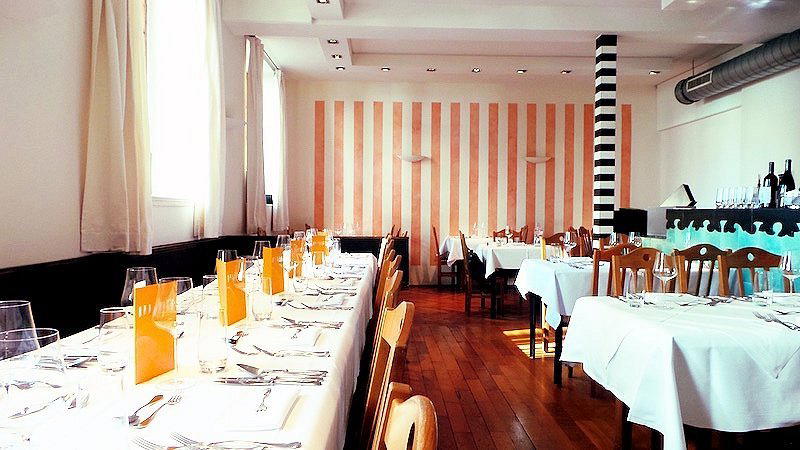
Gemütliche (cozy) atmosphere with energetic noise level, completed by a beautiful beer garden.