Wild Culture
Wild Culture occupies a low-key address on North Linn Street in Iowa City, a college town where serious eating has historically punched above its size. The restaurant sits within a dining scene that rewards curiosity over convention, drawing a mix of university faculty, local regulars, and visitors who track down places that feel rooted rather than performed. Iowa City's culinary identity is still being written, and Wild Culture is part of that draft.
Pearl is the En Primeur Club membership app — saves, bookings, and concierge access live there. Same editors, same standards.
- Address
- 210 N Linn St, Iowa City, IA 52245
- Phone
- +13193513737
- Website
- downtowniowacity.com
- Directions
- Get directions
 Saves & bookings on Pearl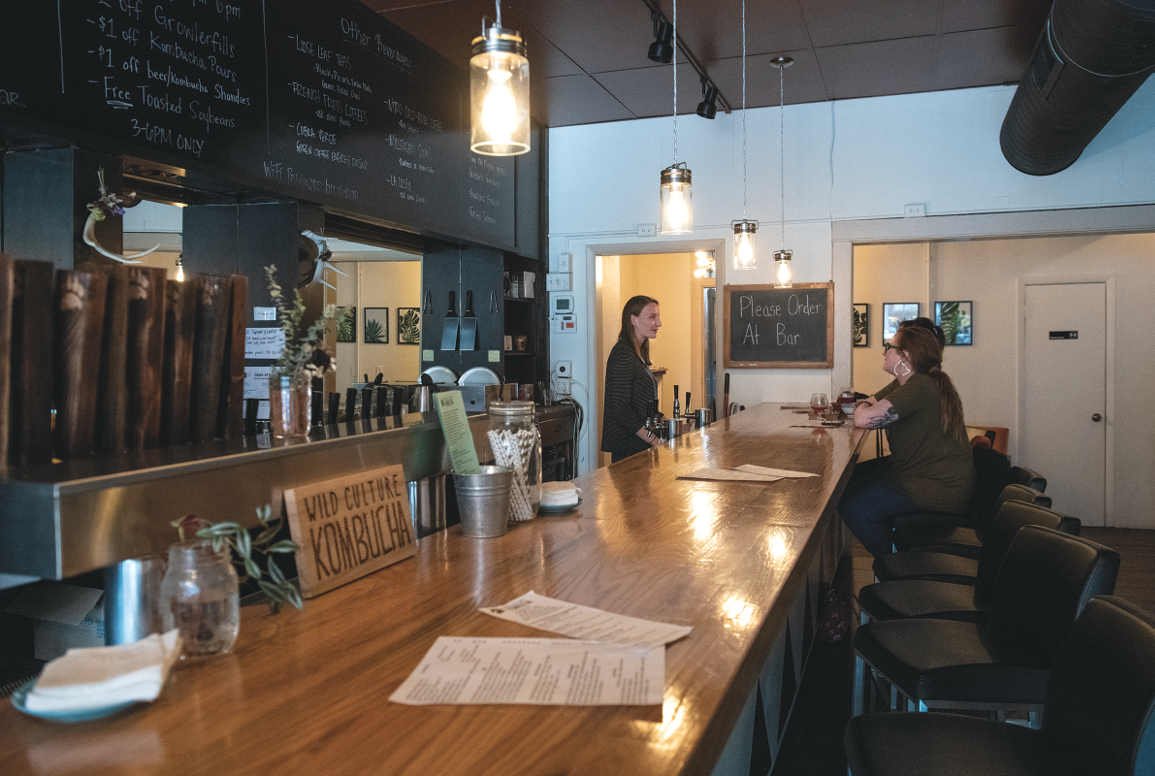
North Linn Street and the Question of What Iowa City Dining Actually Is
Iowa City has long occupied an ambiguous position in American dining. It is a Big Ten university town with a serious literary tradition, the Iowa Writers' Workshop has brought a cosmopolitan intellectual class through its streets for decades, yet its restaurant culture has rarely received the sustained critical attention directed at college towns like Boulder or Ann Arbor. That is changing. A cluster of independently owned, format-conscious restaurants has taken hold along and around the Linn Street corridor, and Wild Culture, at 210 N Linn St, is part of that shift.
The address itself tells you something. North Linn runs through a stretch of Iowa City that sits between the university's immediate orbit and the older residential grid to the north, a zone where the civic and the neighbourhood-scaled coexist. Restaurants that land here tend to be local-facing rather than tourist-optimised, which shapes both the room and the audience.
Fermentation as a Cultural Framework, Not a Trend
Wild Culture's name positions it within a fermentation-centred philosophy at a moment when that word has become either a serious culinary commitment or a marketing shorthand, depending on the kitchen. Fermentation culture, the living, microbial, time-dependent transformation of ingredients, has roots across virtually every food tradition on earth, from Korean kimchi and Japanese koji to Eastern European rye starters and West African fermented locust beans. When a restaurant in the American Midwest chooses to organise itself around that idea, it is making a claim about rootedness and process that runs counter to the speed-and-freshness orthodoxy that dominated American cooking from the 1990s onward.
This matters because Iowa itself has an agricultural identity that fermentation culture connects to meaningfully. The state produces prodigious quantities of grain, pork, and dairy, the raw materials from which fermented traditions are built. A kitchen that takes fermentation seriously in Iowa is not importing an exotic technique; it is engaging with the logic of what the surrounding landscape produces and what those ingredients, given time, can become. That regional alignment is more honest than the farm-to-table branding that many restaurants elsewhere apply to purchasing decisions rather than process.
The broader American fermentation-forward movement has produced some of the country's most discussed restaurants: Blue Hill at Stone Barns in Tarrytown works fermentation and preservation into a farm-system logic, while Single Thread Farm in Healdsburg applies Japanese preservation thinking to Northern California produce. At the other end of the formality register, Lazy Bear in San Francisco built its reputation partly on technique-heavy, time-intensive cooking that fermentation exemplifies. Wild Culture occupies a different position in that conversation: a mid-sized Midwestern city, without the coastal critical apparatus, working out what fermentation-centred cooking means in an agricultural context rather than a luxury one.
Iowa City's Dining Scene: Where Wild Culture Fits
Iowa City is not a city where restaurants compete for Michelin stars. The relevant comparable set is different: independently operated restaurants with genuine culinary ambition that serve a community rather than a destination audience. Mesa 503 is another example of that tier in Iowa City, a restaurant with a distinct point of view that operates within the same local-facing context.
For comparison, consider what fermentation-forward cooking looks like at the high-formality end of the American spectrum. Alinea in Chicago and The French Laundry in Napa both engage with fermented and preserved elements as part of broader technical programs, but within a $$$$ price-tier framework with year-long booking windows. Frasca Food and Wine in Boulder sits closer in spirit, a serious independent in a university town with a defined culinary identity, as does Brutø in Denver, which applies a Nordic-influenced, fermentation-literate approach to a mid-market Rocky Mountain context.
The comparison to Atomix in New York City is also instructive in a different way: Atomix works with Korean fermentation traditions at a $$$$, multi-award level. The cultural roots are different, but the intellectual commitment to microbial time is the same. What separates a place like Wild Culture from those reference points is not ambition but context, a smaller city, a different price register, and a community relationship that shapes how the cooking functions.
Other restaurants working within adjacent traditions across the country include Bacchanalia in Atlanta, Addison in San Diego, Providence in Los Angeles, Le Bernardin in New York City, Emeril's in New Orleans, Causa in Washington, D.C., The Inn at Little Washington in Washington, and 8 1/2 Otto e Mezzo Bombana in Hong Kong, each operating within its own city's logic but connected by a shared interest in what technique, time, and culture produce in the glass or on the plate.
Planning a Visit
The restaurant is located at 210 N Linn St in Iowa City, a walkable address within the city's central corridor and accessible from the university district on foot. Given the venue's position within Iowa City's independent dining scene, walk-ins are welcome, and the room can still feel busiest on weekend evenings when university and local traffic overlap.
Price Lens
Comparable venues nearby, for context on price, style, and recognition.
| Venue | Cuisine | Price | Notes |
|---|---|---|---|
| Wild CultureThis venue — the venue you are viewing | downtown, Kombucha Taproom & Cocktails | $ | Not listed |
| Mesa 503 | east side, Authentic Salvadoran | $$ | Not listed |
| Clyde's Fine Diner | East Village, Modern American Diner | $$ | Not listed |
| Café d'Marie | Not listed | $$ | Gold Coast/Hamburg historic district, American Café |
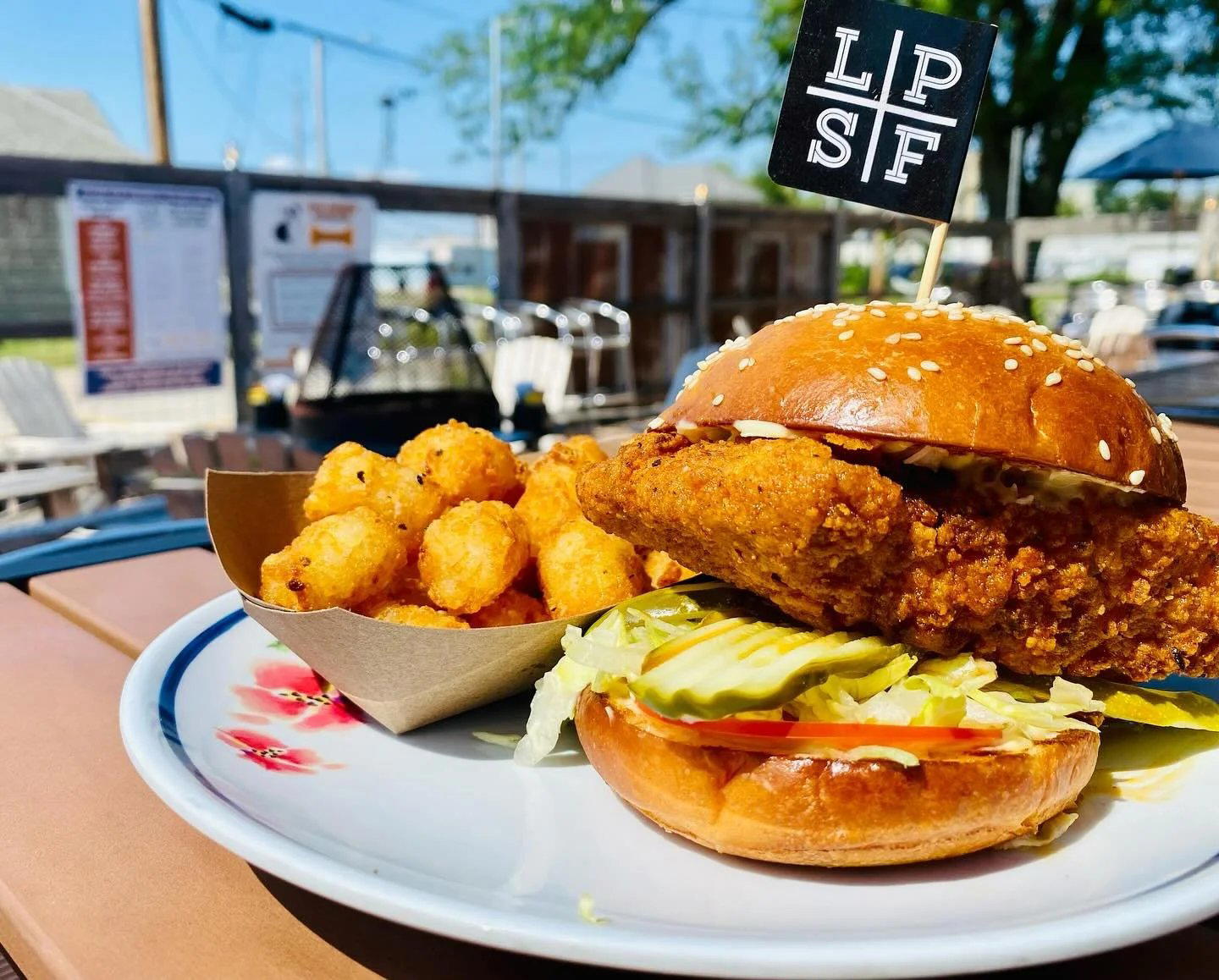
| LP - Street Food | Kingston Village, Dining | $$ | Not listed |
| Cobble Hill | Not listed | $$$ | downtown, Contemporary American Farm-to-Table |
Continue exploring
More in Iowa City
Restaurants in Iowa City
Browse all →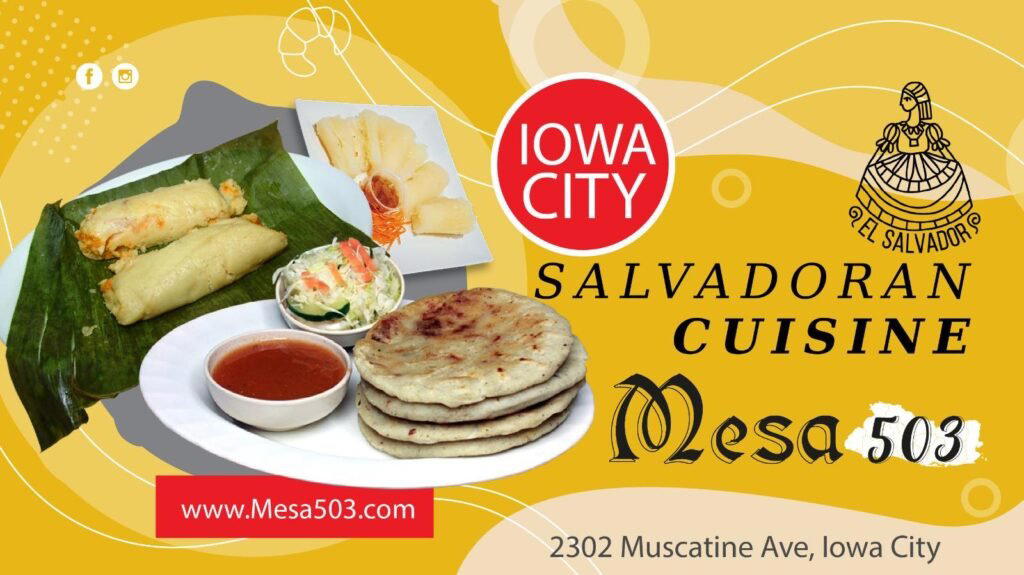
Bars in Iowa City
Browse all →
At a Glance
- Cozy
- Trendy
- Casual Hangout
- After Work
- Open Kitchen
- Craft Cocktails
- Organic
- Local Sourcing
Current opening hours
- Monday
- 2–10 PM
- Tuesday
- Closed
- Wednesday
- 2–10 PM
- Thursday
- 2–10 PM
- Friday
- 2 PM–2 AM
- Saturday
- 2 PM–2 AM
- Sunday
- 2–10 PM
Hours can change for holidays and private events. Last verified .
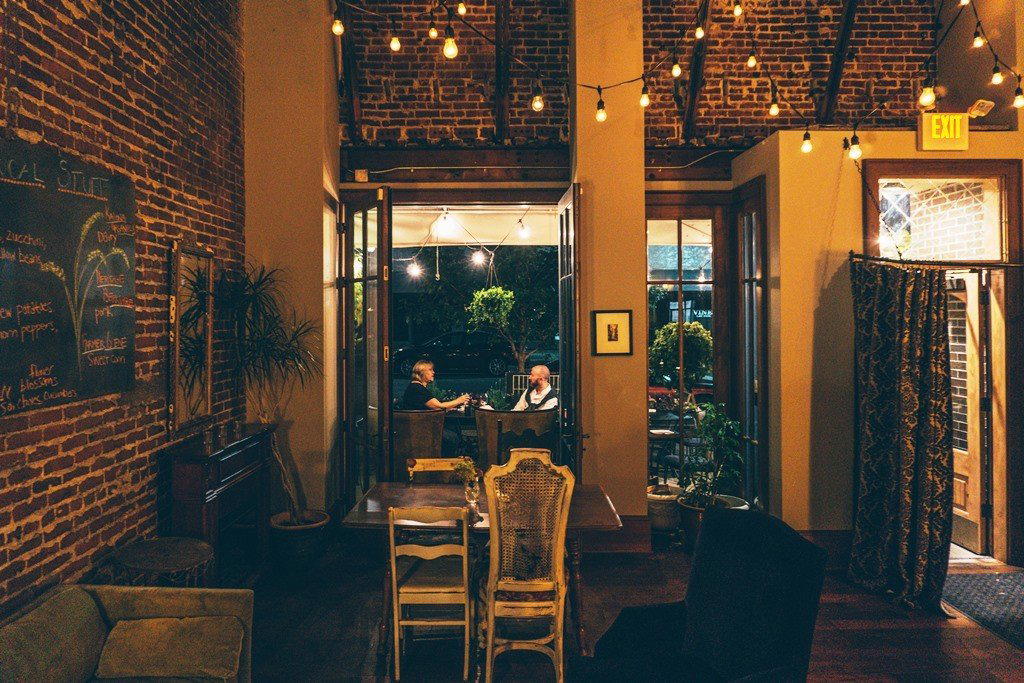
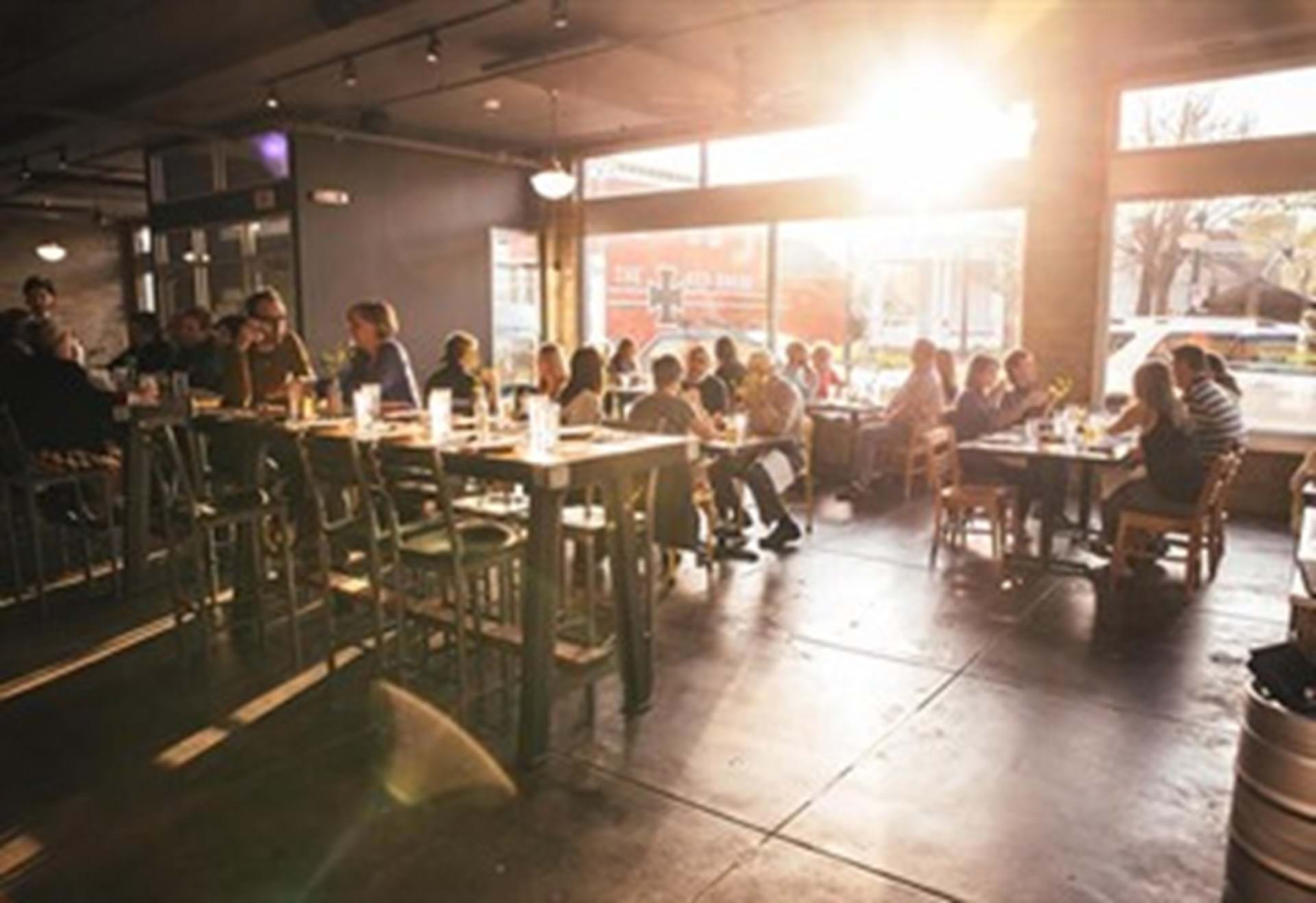
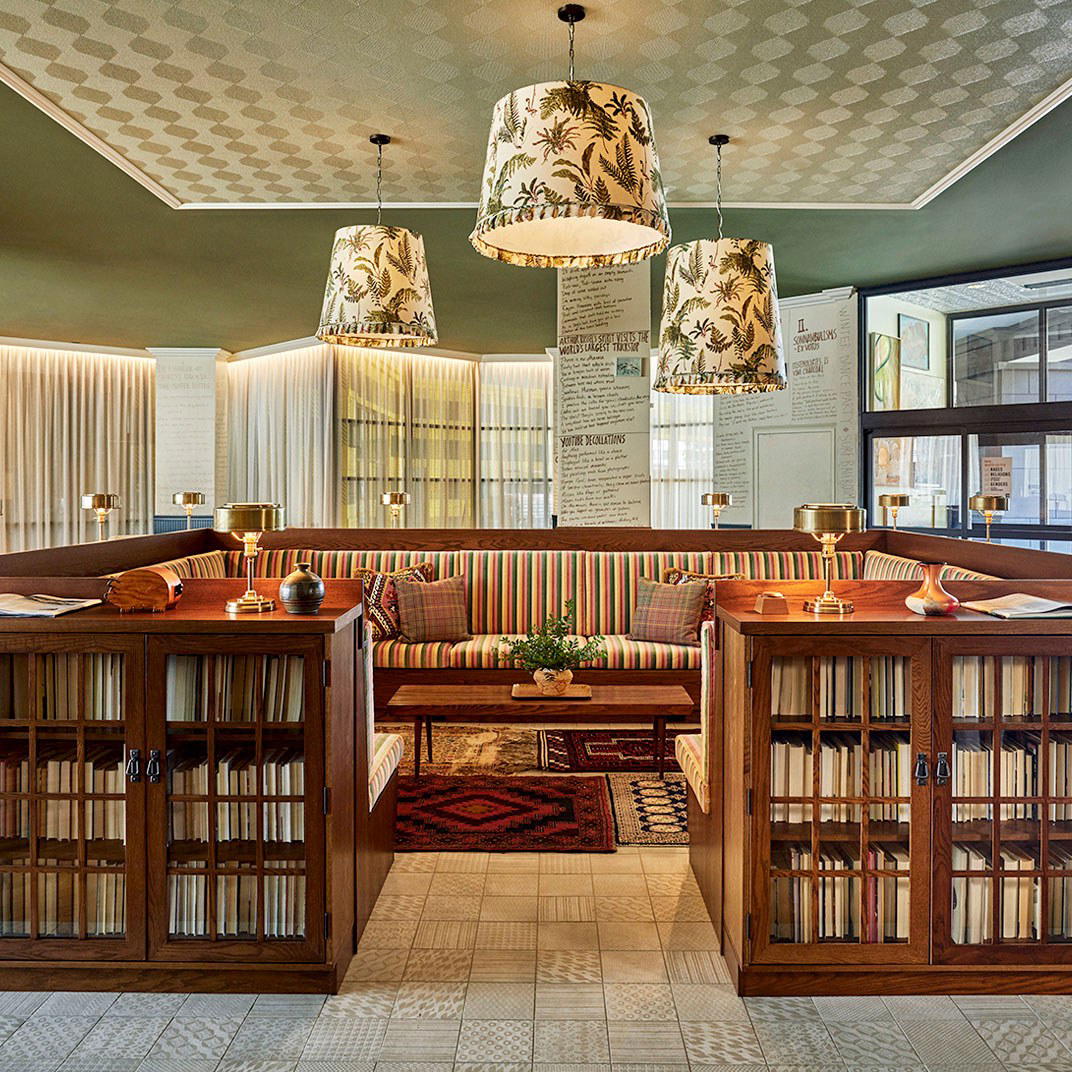
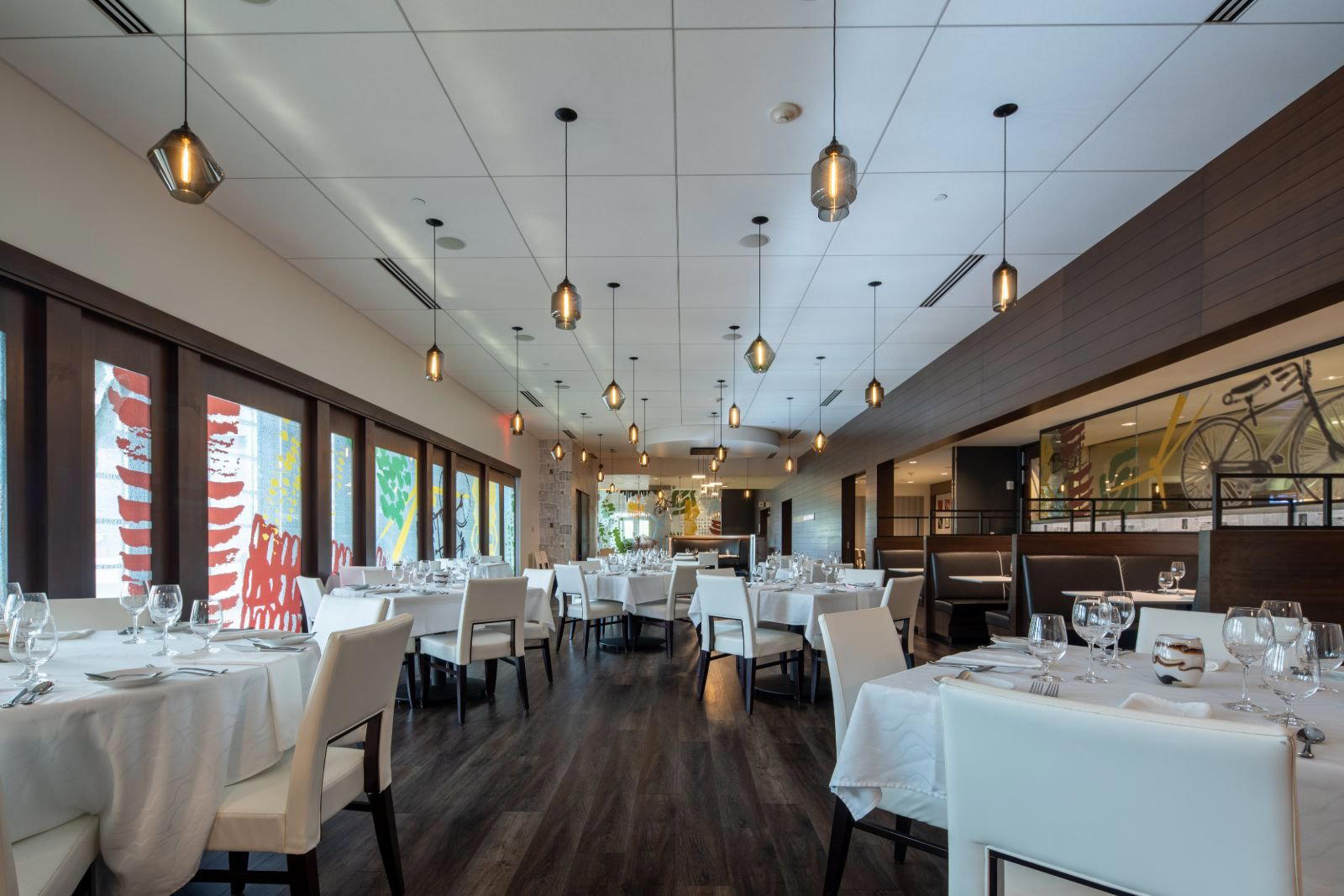
Laidback coffeehouse-meets-brewery vibe with sun-drenched sitting area and dimly lit den of couches.