Cobble Hill

Cobble Hill occupies a corner of Cedar Rapids' Second Street corridor, where the Midwest's deep agricultural roots translate directly to what lands on the plate. The restaurant positions itself within a growing regional tier of ingredient-led American dining that looks to local farms rather than coastal supply chains. For Cedar Rapids, that distinction carries real weight.
Pearl is the En Primeur Club membership app — saves, bookings, and concierge access live there. Same editors, same standards.
- Address
- 219 2nd St SE, Cedar Rapids, IA 52401
- Phone
- +13193663177
- Website
- cobblehillrestaurant.com
- Directions
- Get directions
 Saves & bookings on Pearl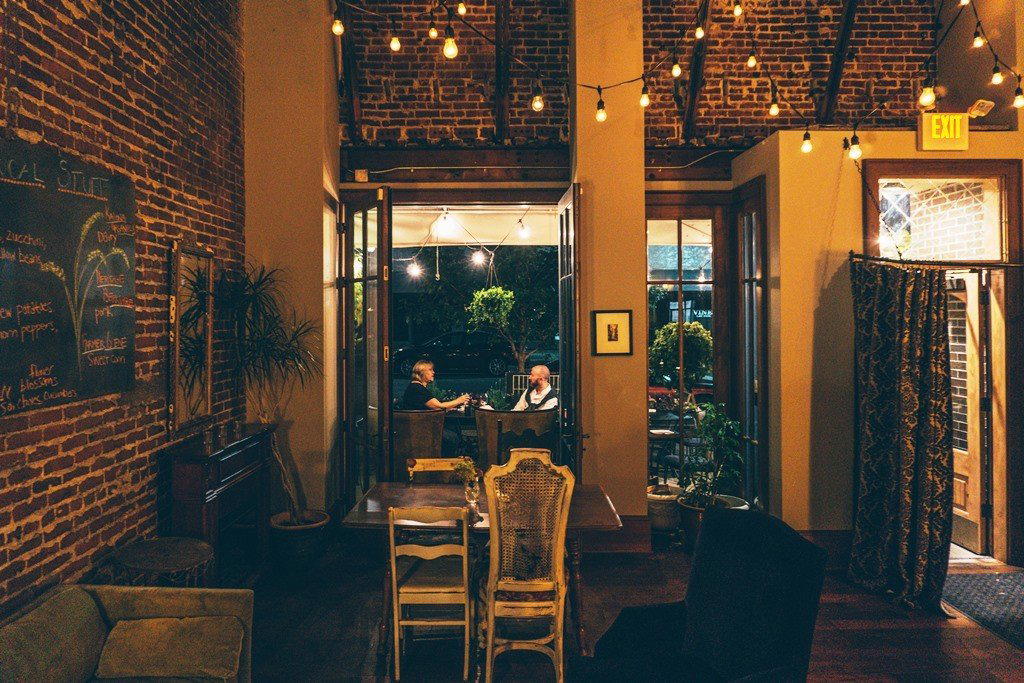
Second Street, Sourced Differently
Cobble Hill is a restaurant at 219 2nd St SE in Cedar Rapids, Iowa, with. The second-largest city in Iowa sits along the Cedar River with a practical, working character that resists culinary theatrics. Which makes the stretch of Second Street SE, where Cobble Hill operates at 219 2nd St SE, a more interesting development than it might first appear. Across the Midwest, a quiet shift has been underway for roughly a decade: restaurants anchoring their menus not to imported luxury goods but to the agricultural infrastructure directly outside their doors. Iowa, with its density of small-scale producers, heirloom grain growers, and heritage meat operations, offers a sourcing environment that coastal restaurants spend considerable effort trying to approximate. Cobble Hill works within that environment as a matter of geography, not aspiration.
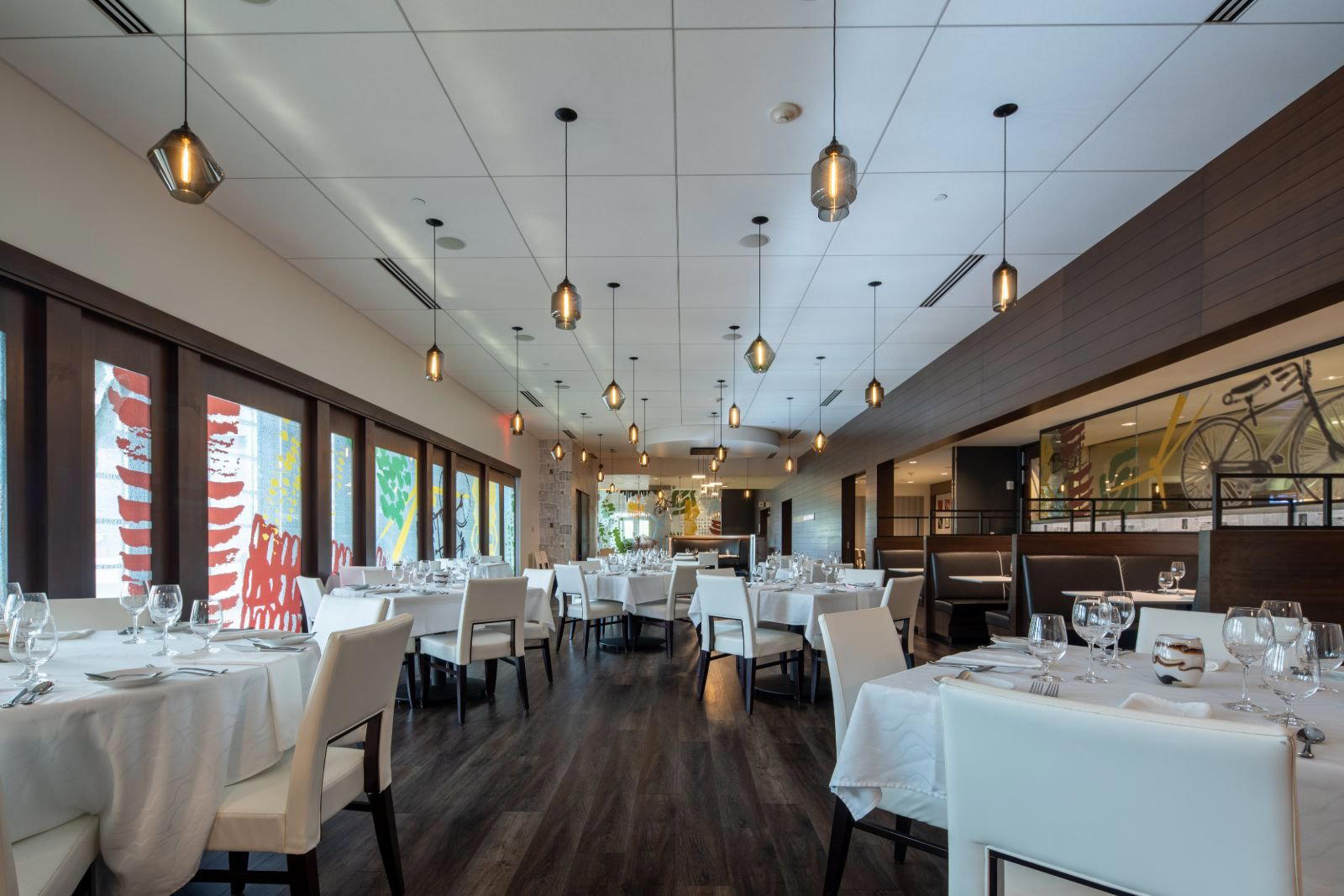
The building itself sits within Cedar Rapids' compact downtown grid, close enough to the river that the city's flood-plain history feels present in the brick and mortar of the block. Approaching from Second Street, the address reads as considered without performing effort, the kind of space that signals intention through proportion rather than decoration. Inside, the room tends toward the restrained: the Midwest has its own version of the farm-to-table aesthetic, one less self-congratulatory than its West Coast counterpart, more interested in function than in communicating farm credentials through reclaimed wood.
Why Provenance Matters in the Iowa Corridor
The ingredient-sourcing argument for Iowa restaurants is not sentimental. The state produces more corn and soybeans than any other, but beneath that commodity layer sits a producer network of real depth: small dairies, diversified vegetable operations, pastured pork and poultry farms, and grain millers working with heritage varieties that disappeared from most American menus decades ago. For a restaurant drawing on that infrastructure, the supply chain is shorter and often more reliable than anything routed through a national distributor. The trade-off, historically, has been visibility: farm-anchored Midwestern restaurants rarely accumulate the critical mass of attention that similar programs at Blue Hill at Stone Barns in Tarrytown or Single Thread Farm in Healdsburg have gathered. The work is comparable; the recognition economy is not.
That gap between quality and visibility defines much of the Midwest's current dining moment. Restaurants in cities like Cedar Rapids operate without the luxury of a preloaded reputation, every table is a first impression for someone. The dining programs that survive and build loyalty here do so through consistency and a genuine relationship with the producers supplying them, because the audience is local enough to notice when that relationship slips. It is a different kind of accountability than a Michelin-starred room in New York or Chicago imposes, and a more direct one.
Comparable programs at restaurants like Smyth in Chicago or The Wolf's Tailor in Denver have demonstrated that ingredient-led American cooking in smaller, less-hyped formats can generate sustained critical attention when the sourcing is specific enough and the execution coherent. Frasca Food and Wine in Boulder built a national reputation from a mid-sized Rocky Mountain city by staying disciplined about its regional reference points. The template is not distinctive to the coasts.
Cedar Rapids in Regional Context
Cedar Rapids dining has historically operated in the shadow of Des Moines, which carries the majority of Iowa's food press attention and its most-discussed restaurant openings. But Second Street's corridor has been developing a quieter identity, with a cluster of independently operated restaurants that reflect the city's character more honestly than any arrival from a regional restaurant group would. The city's Czech and Slovak heritage, present in its architecture and in the names on its oldest institutions, adds a specific food-cultural layer that doesn't surface at most Iowa dining conversations but shapes what local diners carry as a reference point for comfort and occasion eating.
For visitors arriving from outside Iowa, the practical logistics of Cedar Rapids are simple: the Eastern Iowa Airport (CID) handles direct routes from Chicago, Dallas, and Minneapolis, putting the city within easy reach of major hub connections. Second Street is walkable from the downtown hotel cluster, and parking is not the constraint it would be in a larger urban center. The restaurant's location at 219 2nd St SE places it within the part of downtown that has seen consistent activity in recent years.
Restaurants operating in this tier, ingredient-attentive, independently run, working within a regional rather than national sourcing radius, tend to suit evening dining better than a quick lunch drop-in. The format rewards slowing down, which aligns with how Midwestern hospitality generally presents itself: less performance, more substance. For reference points in how American restaurants have built serious ingredient programs without coastal backing, Bacchanalia in Atlanta and Oyster Oyster in Washington, D.C. offer useful comparisons, both built sourcing-first identities in cities that required them to earn their audiences rather than inherit them.
The broader American farm-to-table conversation has, in some quarters, calcified into a marketing posture divorced from actual producer relationships. The restaurants that kept the premise honest, Addison in San Diego, Lazy Bear in San Francisco, Providence in Los Angeles on the seafood side, did so by making sourcing specific and traceable rather than ambient and decorative. In Iowa, that specificity is available by default. The question for any Cedar Rapids restaurant drawing on it is execution: whether the kitchen's approach to local product is as considered as the sourcing itself.
Planning Your Visit
The restaurant operates at 219 2nd St SE in Cedar Rapids, Iowa. Current hours are Mon: Closed; Tue: 4:30–9 PM; Wed: 4:30–9 PM; Thu: 4:30–9 PM; Fri: 4:30–9:30 PM; Sat: 4:30–9:30 PM; Sun: Closed. Reservations are recommended, and the price tier is about $60 per person. The downtown location is accessible from the main hotel cluster on foot, and the neighborhood context makes it a natural anchor for an evening that begins or ends along the river corridor.
A Quick Peer Check
Comparable venues nearby, for context on price, style, and recognition.
| Venue | Cuisine | Price | Notes |
|---|---|---|---|
| Cobble HillThis venue — the venue you are viewing | Contemporary American Farm-to-Table | $$$ | Not listed |
| LP - Street Food | Dining | $$ | Kingston Village |
Recognition history
Dated appearances from independent guides and award organizations, with the underlying list record or original source where available.
James Beard Award Semi Finalist
James Beard Award
Continue exploring
More in Cedar Rapids
Restaurants in Cedar Rapids
Browse all →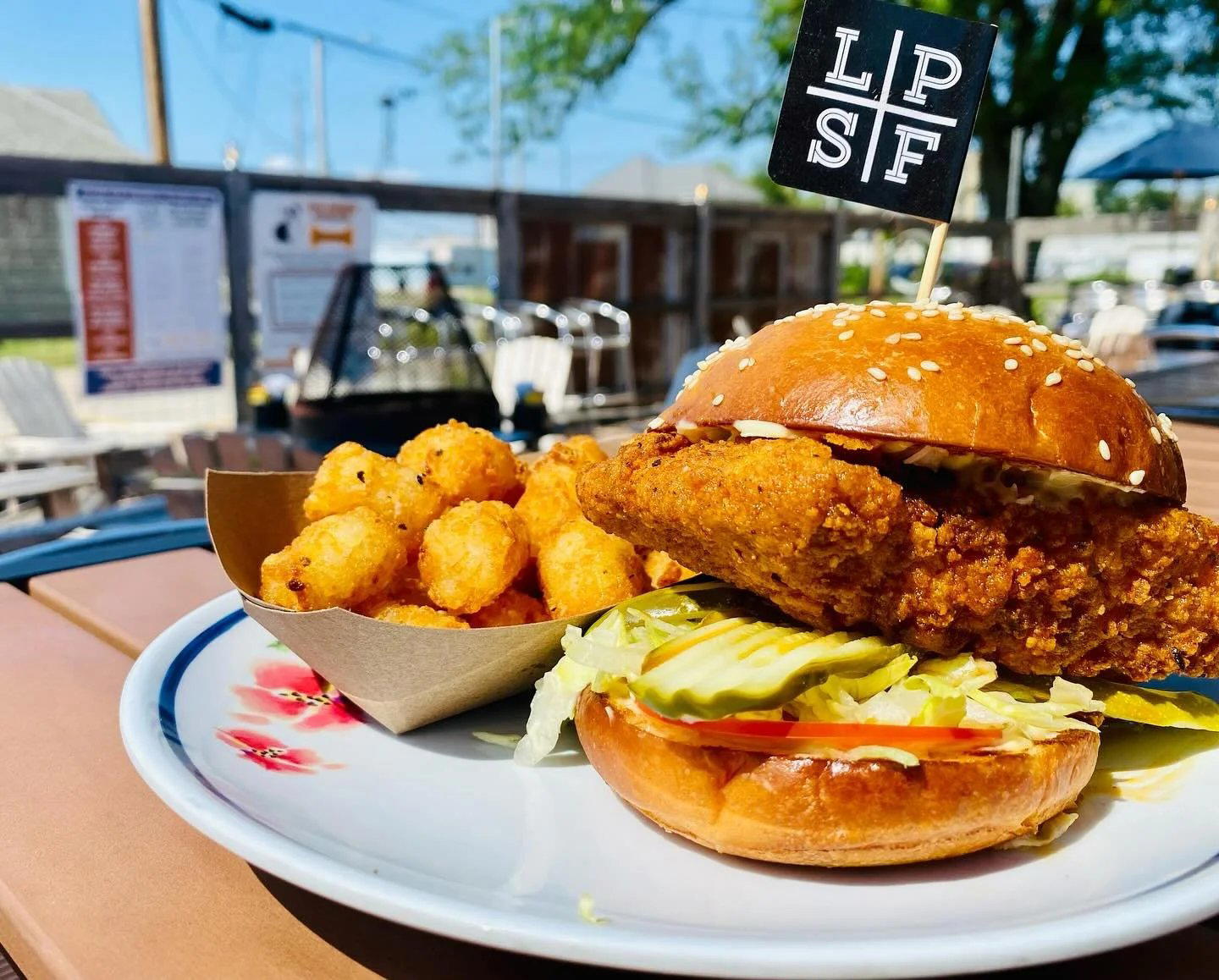
Bars in Cedar Rapids
Browse all →
At a Glance
- Elegant
- Cozy
- Sophisticated
- Intimate
- Date Night
- Special Occasion
- Business Dinner
- Open Kitchen
- Craft Cocktails
- Farm To Table
- Local Sourcing
Current opening hours
- Monday
- Closed
- Tuesday
- 4:30–9 PM
- Wednesday
- 4:30–9 PM
- Thursday
- 4:30–9 PM
- Friday
- 4:30–9:30 PM
- Saturday
- 4:30–9:30 PM
- Sunday
- Closed
Hours can change for holidays and private events. Last verified .
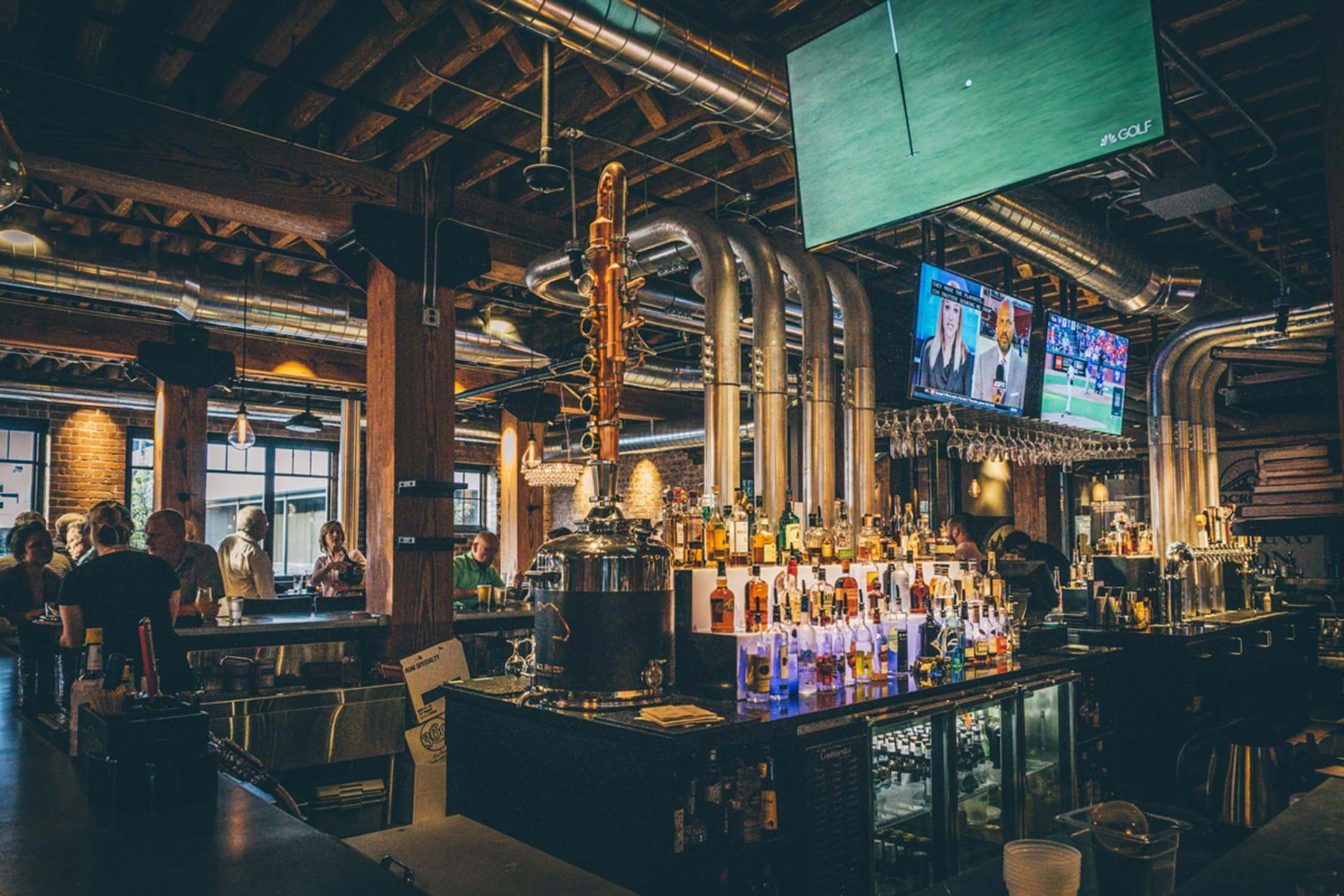
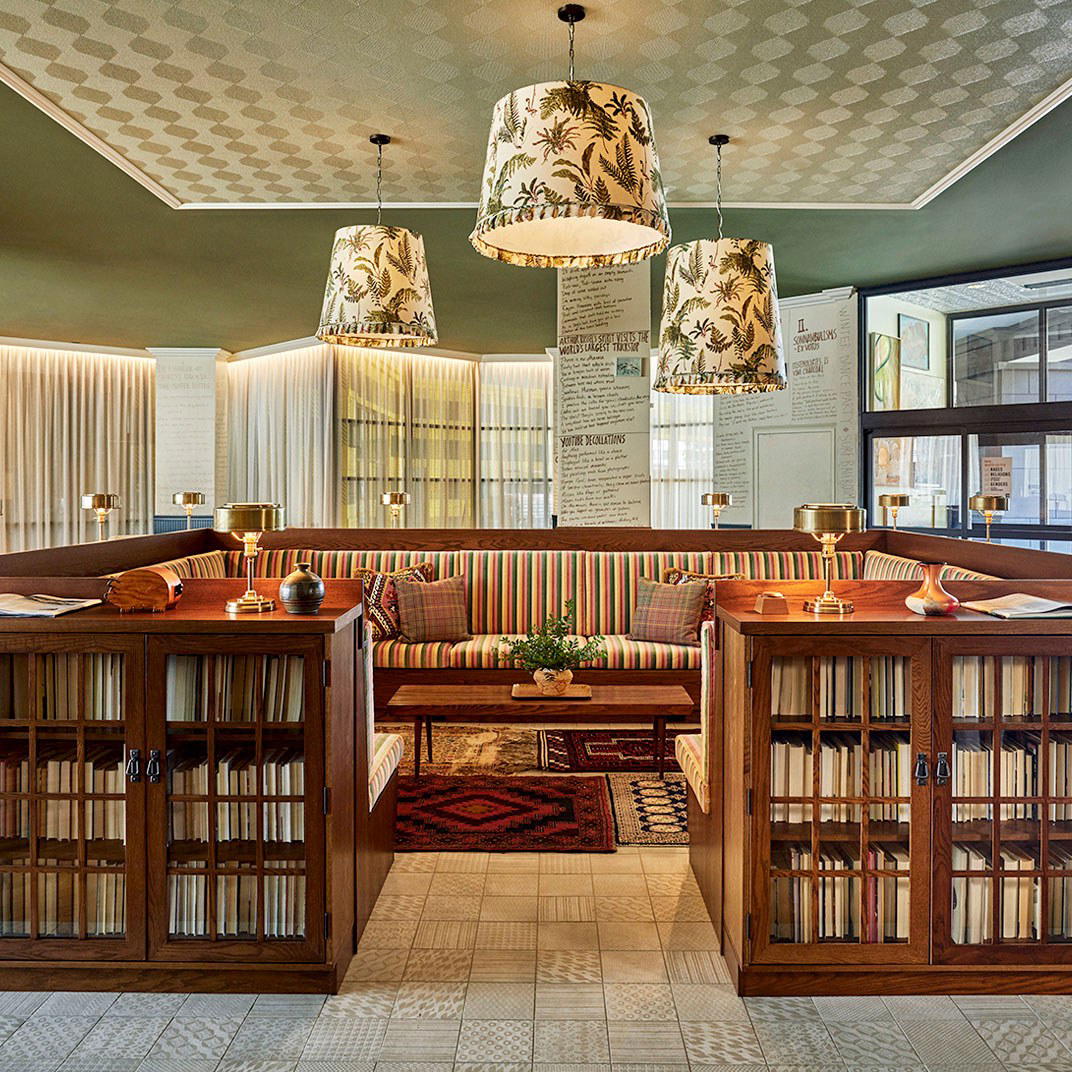
Vintage-chic urban setting with sophisticated, dimly lit atmosphere, eclectic decor, and an open kitchen view that fosters an intimate and welcoming vibe.