The Class Act
The Class Act sits inside Kirkwood Community College's hospitality training program in Cedar Rapids, occupying a formal dining room where culinary students run full service under professional supervision. The format places it in a small national category of college-operated restaurants that function as both educational infrastructure and legitimate dining destinations, with prix-fixe or rotating menus that reflect semester curriculum rather than a fixed kitchen identity.
Pearl is the En Primeur Club membership app — saves, bookings, and concierge access live there. Same editors, same standards.
- Address
- 7725 Kirkwood Blvd SW, Cedar Rapids, IA 52404
- Phone
- +1 319 848 8777
- Website
- thehotelatkirkwood.com
- Directions
- Get directions
 Saves & bookings on Pearl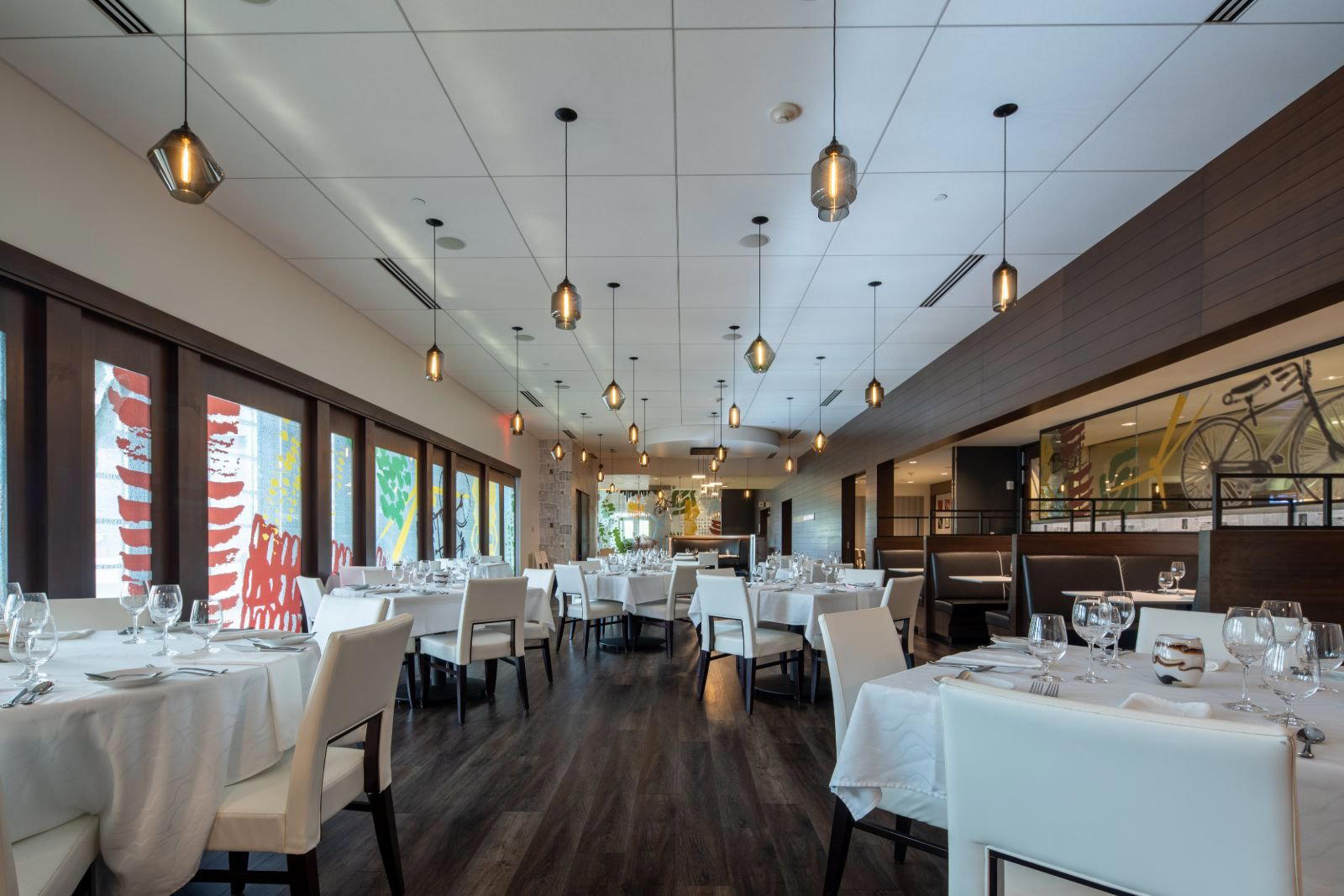
A Dining Room Built Around Learning, Not a Brand
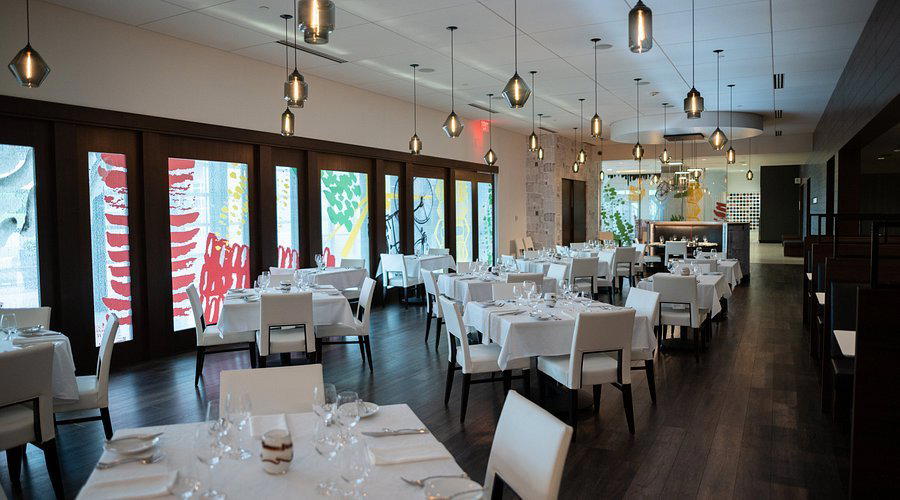
Cedar Rapids does not have many white-tablecloth dining rooms. What it has, on the southwest edge of the city at Kirkwood Community College's main campus, is a formal restaurant that operates on a logic almost no other dining room in Iowa follows. The Class Act is the public-facing component of Kirkwood's culinary and hospitality training program, which means the kitchen and floor are staffed by students working toward credentials, not career veterans holding a concept together. That distinction shapes everything about the physical experience of eating here, in ways that are more interesting than they might first appear.
Comparable programs exist at culinary colleges across the country, from Johnson and Wales in Providence to the Culinary Institute of America in Hyde Park, and they tend to occupy a specific position in their local dining scenes: priced below comparable independent restaurants, structured around curriculum rather than trend, and calibrated more to teaching service sequence than to maximizing table turns. The Class Act follows that template at 7725 Kirkwood Blvd SW, and for Cedar Rapids, that makes it a different kind of option in a market where formal dining is limited.
The Architecture of a Teaching Kitchen Made Visible
The editorial angle most relevant to The Class Act is not the menu, which rotates with academic semesters, but the space itself and what that space is designed to accomplish. College-operated restaurants in the United States generally take one of two design paths: they either occupy converted campus buildings that approximate restaurant atmosphere with varying success, or they are purpose-built training facilities designed to simulate professional dining room conditions with enough fidelity that students graduate with transferable instincts. The distinction matters because the physical environment is the classroom. Counter heights, sight lines from the floor to the pass, the relationship between the front-of-house layout and the kitchen door, the acoustic properties of the room: all of these are pedagogical decisions, not aesthetic ones.
At Kirkwood, the hospitality program has trained graduates who have moved into professional kitchens and hotel management positions across the region. The dining room is the capstone environment where that training becomes visible to an outside audience. For the reader who has experienced the controlled precision of a restaurant like SingleThread Farm Inn in Healdsburg, where front-of-house choreography is treated as seriously as kitchen output, the interest in a teaching dining room is watching that choreography in formation rather than at full professional maturity.
Where The Class Act Sits in Cedar Rapids Dining
Cedar Rapids is not a restaurant city in the way that Chicago, where properties like the Chicago Athletic Association anchor a layered hospitality scene, has been for decades. It is a mid-sized Midwestern city with a food culture rooted in practicality, where formal dining is the exception rather than the default. That context makes an institution-operated restaurant with table service, rotating menus, and structured hospitality training more significant than it would be in a market with forty competing white-tablecloth options. The hotel occupies a tier that few Cedar Rapids restaurants aim for, and it does so at price points that reflect its educational mission rather than commercial margin targets.
For visitors staying at The Hotel at Kirkwood Center, which shares the campus footprint, the restaurant is a logical extension of an evening on-site rather than a destination requiring transport. That proximity is not incidental: the hotel and restaurant are both components of the same hospitality training ecosystem, meaning a guest can move through a fully student-managed experience from check-in to dinner service without leaving the campus. It is a relatively unusual arrangement by national standards, and it gives the Kirkwood campus a coherence that independent hospitality programs in other cities often lack.
For context on what fully realized hotel-restaurant integration looks like at the luxury tier, properties like Auberge du Soleil in Napa, Hotel Bel-Air in Los Angeles, and Blackberry Farm in Walland represent the standard the industry measures against. The Kirkwood model is not competing in that tier, but the structural logic, an on-property dining room that reflects the values of the lodging operation, is the same.
Planning a Visit: What to Expect
Because the hotel operates on an academic calendar, its service schedule is shaped by semester timing rather than year-round commercial hours. The restaurant is generally open during the fall and spring academic terms and closed or operating on a reduced schedule during summer and between semesters. Reservation availability tracks class schedules rather than demand, and booking windows are shorter than those at comparable formal restaurants in larger markets.
The format tends toward structured, multi-course service rather than a la carte flexibility, reflecting the teaching priority of moving students through formal service sequences. Dress expectations are in the business-casual range, in keeping with the room's formal orientation.
Travelers comparing this kind of regional, education-anchored dining to marquee resort experiences at properties like Amangiri in Canyon Point, Post Ranch Inn in Big Sur, or Amangani in Jackson Hole are comparing different categories entirely. The interest in the hotel is not polish at scale, but process made legible, a dining room where the mechanics of hospitality education are on display in a way that finished professional restaurants deliberately conceal.
At-a-Glance Comparison
Comparable venues nearby, for context on price, style, and recognition.
| Venue | Cuisine | Price | Awards | Notes |
|---|---|---|---|---|
| The Class ActThis venue — the venue you are viewing | Contemporary teaching hotel with award-winning facilities. | $$$ | 4-Star | Not listed |
| The Hotel at Kirkwood Center | Contemporary boutique on educational campus | $$$ | 4-Star | Kirkwood Community College campus |
| The Current Iowa, Autograph Collection | Historic boutique hotel with contemporary luxury | $$$$ | 4-Star | Downtown Davenport |
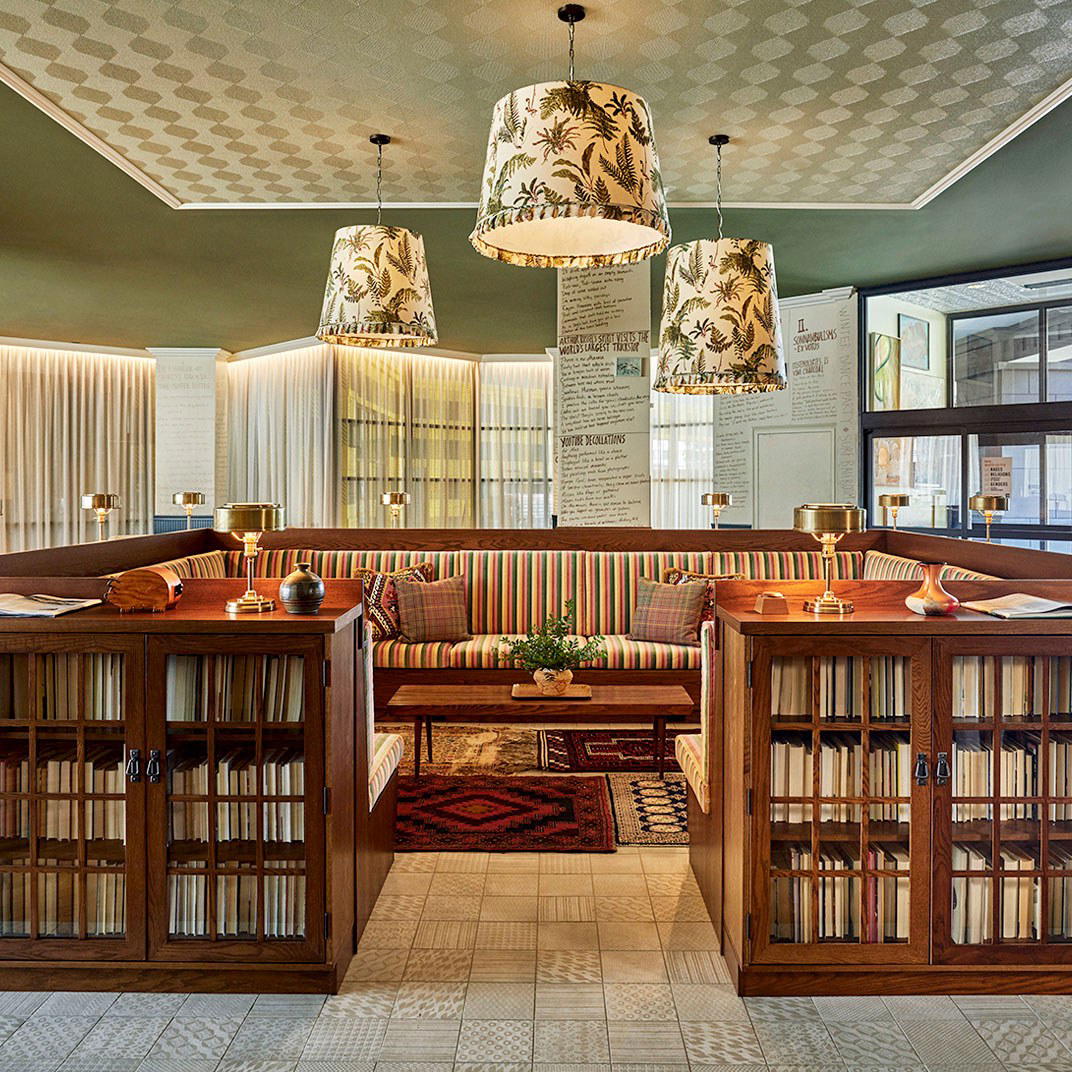
| Graduate by Hilton Iowa City | Modern boutique hotel with mid-century modern and wilderness lodge influences, themed around literary heritage and college nostalgia. | $$ | 3-Star | Downtown |
| Surety Hotel | Contemporary-luxe in well-known Beaux-Arts property | $$$$ | 4-Star | Downtown |
| h2hotel | Modern eco-conscious boutique hotel | $$$ | 4-Star | Healdsburg |
Continue exploring
More in Cedar Rapids
Hotels in Cedar Rapids
Browse all →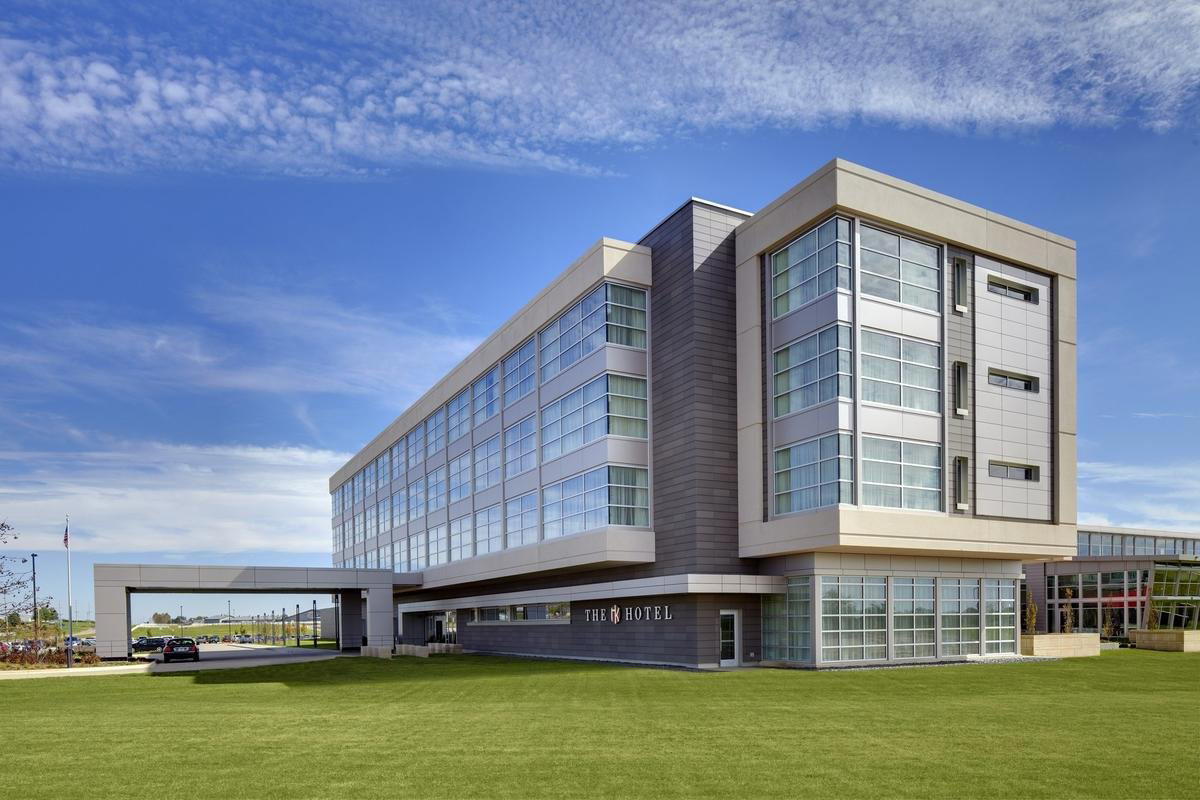
Bars in Cedar Rapids
Browse all →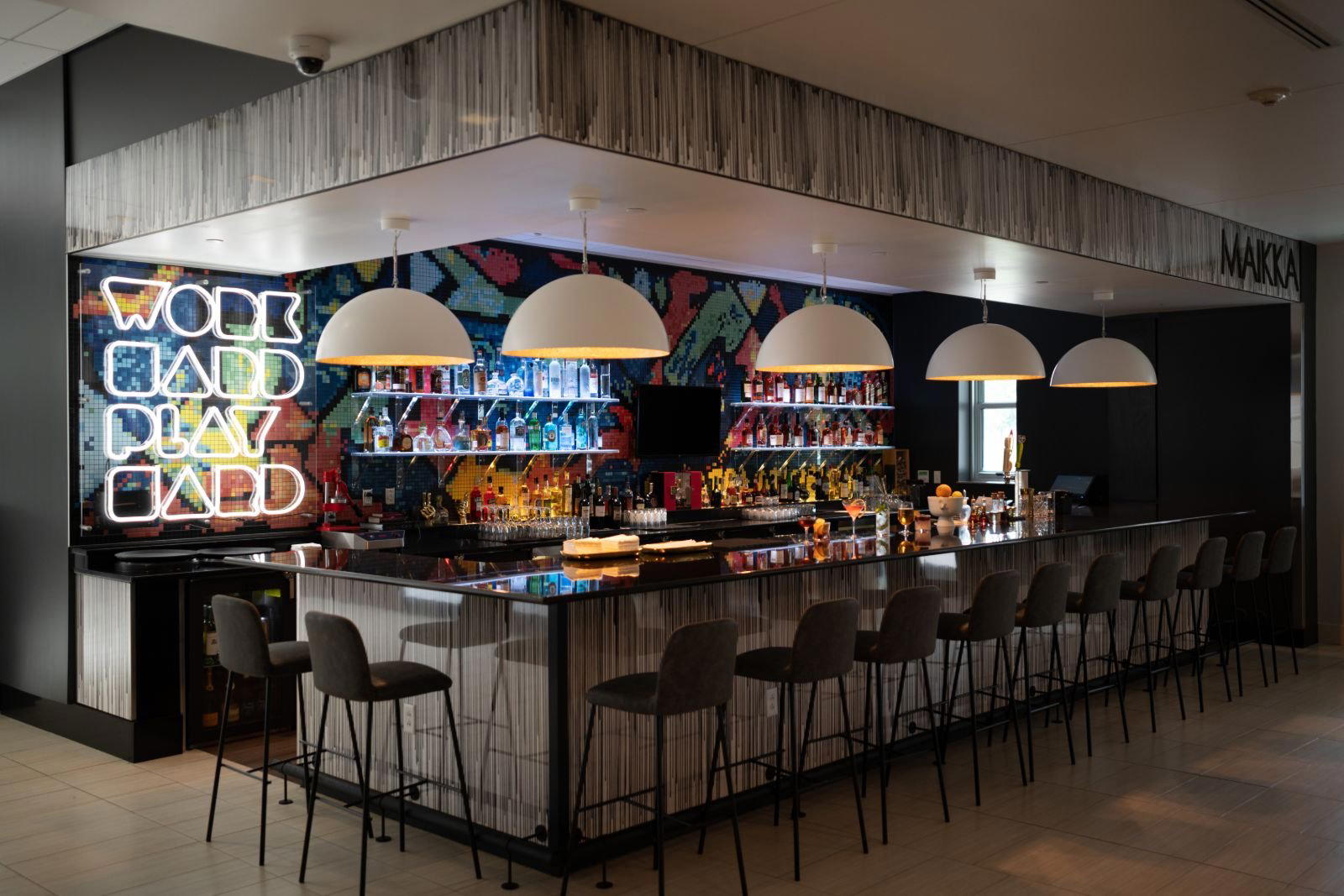


At a Glance
- Modern
- Elegant
- Sophisticated
- Business Trip
- Celebration
- Weekend Escape
- Historic Building
- Wi Fi
- Fitness Center
- Room Service
- Concierge
- Wi Fi
- Fitness Center
- Room Service
- Concierge
Current opening hours
- Monday
- 6:30–10 AM, 11 AM–9 PM
- Tuesday
- 6:30–10 AM, 11 AM–9 PM
- Wednesday
- 6:30–10 AM, 11 AM–9 PM
- Thursday
- 6:30–10 AM, 11 AM–9 PM
- Friday
- 6:30–10 AM, 11 AM–10 PM
- Saturday
- 7 AM–10 PM
- Sunday
- 7 AM–9 PM
Hours can change for holidays and private events. Last verified .
Contemporary elegance with bold, tasteful decor, local artisan art, and a hip yet comfortable atmosphere.