Cedar Ridge Distillery
Cedar Ridge Distillery in Swisher, Iowa sits at a notable address in Johnson County where craft distilling meets an agricultural landscape that shapes what ends up in the glass. Iowa grain, local production, and a spirits program that ranges from whiskey to brandy give the operation a distinct regional identity that separates it from urban craft bars. The distillery floor and tasting room occupy the same site, keeping the production story close to the drinking experience.
Pearl is the En Primeur Club membership app — saves, bookings, and concierge access live there. Same editors, same standards.
- Address
- 1441 Marak Rd NW, Swisher, IA 52338
- Phone
- +1 319 857 4300
- Website
- cedarridgedistillery.com
- Directions
- Get directions
 Saves & bookings on Pearl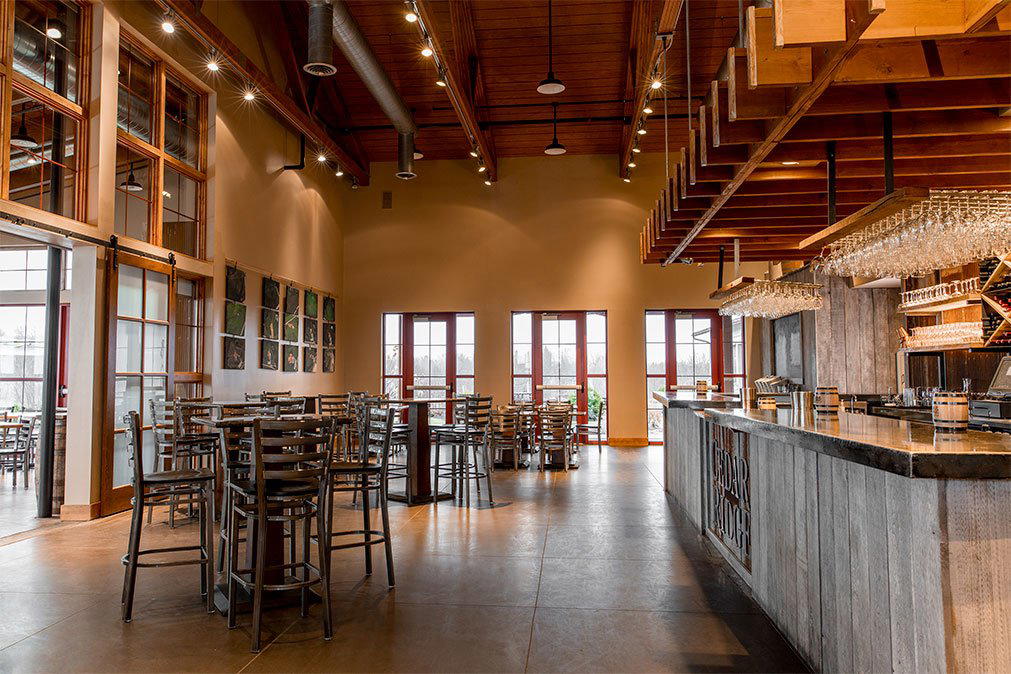
Drive northwest out of Iowa City and the landscape shifts quickly from college-town density to open farmland. By the time you reach Swisher, the rows of corn and soy that define Johnson County's agricultural identity are a constant presence, and Cedar Ridge Distillery at 1441 Marak Rd NW sits squarely within that setting. The approach matters here: arriving at a working distillery on a rural Iowa road is a different orientation than walking into a downtown cocktail bar, and that physical context shapes everything about how the spirits program reads once you're inside.
Iowa Grain, Iowa Spirits
The American craft distilling wave that gathered force in the 2010s split into two broad camps: urban operations that leaned heavily on bar-culture aesthetics and positioning, and production-first facilities where the agricultural source material anchored the identity. Cedar Ridge belongs to the latter category. Iowa is one of the leading corn-producing states in the country, and distilleries operating in this environment have a legitimate argument for regional grain provenance that coastal craft producers often cannot make with the same directness. The proximity of raw material to still is not incidental, it shapes the flavor profile of Midwestern whiskeys in ways that distinguish them from Kentucky's limestone-water traditions or the peated expressions coming out of Scotland.
Within the American whiskey category, Iowa-made spirits occupy a position that is still being defined in critical circles. Cedar Ridge is among the earlier serious craft operations in the state, which gives it a longer track record than many regional peers. That tenure in a market where most craft producers are still in their first decade matters when assessing consistency and production knowledge.
The Spirits Program: Range and Technique
Cedar Ridge's production covers more ground than a single-category distillery. Whiskey, including bourbon, sits at the center, but the range extends to brandy and other spirits, which is relatively uncommon for a Midwestern craft operation of this scale. Brandy production in particular signals a different technical orientation: it requires fruit sourcing, fermentation management distinct from grain mashing, and aging decisions that draw on a separate body of knowledge. Distilleries that produce credibly across categories tend to have broader technical foundations than those that specialize narrowly, and that breadth is worth noting when assessing what the tasting room can offer.
The editorial angle that matters for any visit here is the cocktail and tasting program as a demonstration of what house-distilled spirits can do when you're drinking them on-site. At destination distilleries, the tasting room functions differently from a bar: the flight or cocktail is both a product showcase and a point of comparison against the broader spirits market. The question a knowledgeable visitor brings is whether the house spirits hold up as standalone expressions or whether they require the goodwill of the setting to read well.
The Tasting Room as Orientation
At a distillery of this type, the physical experience of the tasting room and production floor proximity creates a context that urban bars cannot replicate. Seeing the stills, understanding the scale of production, and connecting the grain-to-glass narrative in a literal rather than marketing sense changes the way a flight of whiskey reads. This is the competitive advantage that destination distilleries hold over their city counterparts: the story is visible rather than theoretical.
The rural Johnson County setting also means Cedar Ridge draws a visitor demographic that differs from the after-work cocktail crowd at a city bar. Day-trippers from Iowa City, visitors to the wider region, and spirits-curious travelers who have built an itinerary around the Midwest's growing craft production scene make up a meaningful share of traffic. That mix produces a tasting room atmosphere that is more deliberately oriented toward education and discovery than the social density of an urban bar program.
Other bars across the United States that reward a similar deliberate, education-oriented approach to spirits include Julep in Houston, which has built a reputation around American whiskey depth, and ABV in San Francisco, where the spirits list functions as a serious reference point. Allegory in Washington, D.C., Bitter and Twisted in Phoenix, Superbueno in New York City, Bar Kaiju in Miami, and The Parlour in Frankfurt each demonstrate how a clear editorial point of view on spirits can differentiate a program within a crowded category. Cedar Ridge arrives at a similar distinctiveness through production identity rather than bar curation, but the effect for the visitor is comparable: you leave with a clearer sense of what a specific spirits tradition tastes like.
Planning a Visit
Cedar Ridge sits in Swisher, Iowa, a short drive from Iowa City and within reach of the Cedar Rapids metro area. The rural address means a car is the practical mode of arrival. there is no viable public transit option for this location. Visitors coming from Iowa City should plan for a round trip of roughly 30 to 40 minutes depending on starting point, which makes it a natural half-day excursion rather than a quick stop. Cedar Ridge is open Wednesday through Friday from 11 AM to 9 PM, Saturday from 11 AM to 5 PM, and Sunday from 9 AM to 5 PM; it is closed Monday and Tuesday. Reservations are recommended.
Quick Comparison
Comparable venues nearby, for context on price, style, and recognition.
| Venue | Cuisine | Price | Notes |
|---|---|---|---|
| Cedar Ridge DistilleryThis venue — the venue you are viewing | Bar | $$ | Not listed |
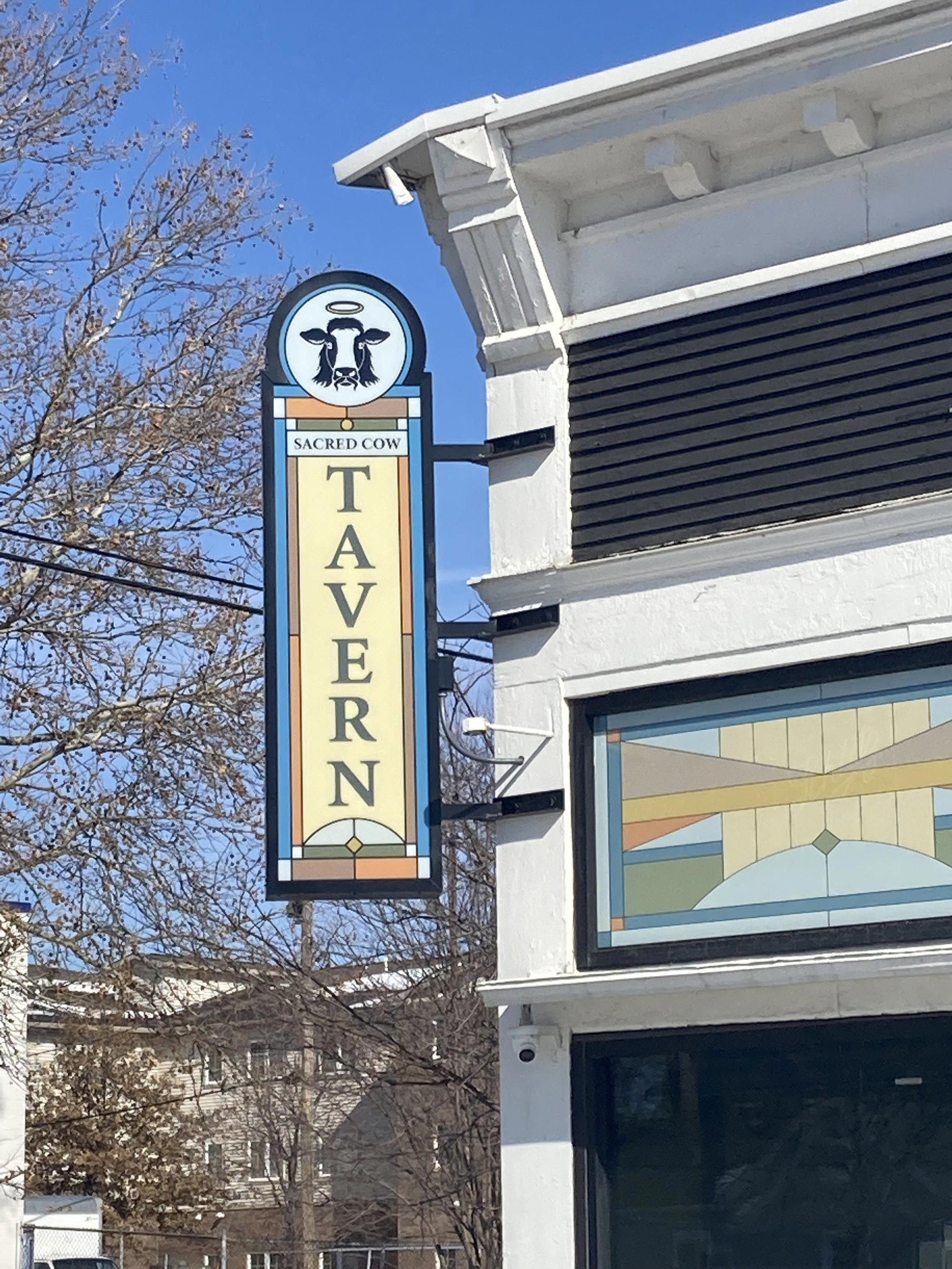
| Sacred Cow Tavern | pub | $$ | Oak Hill Jackson |
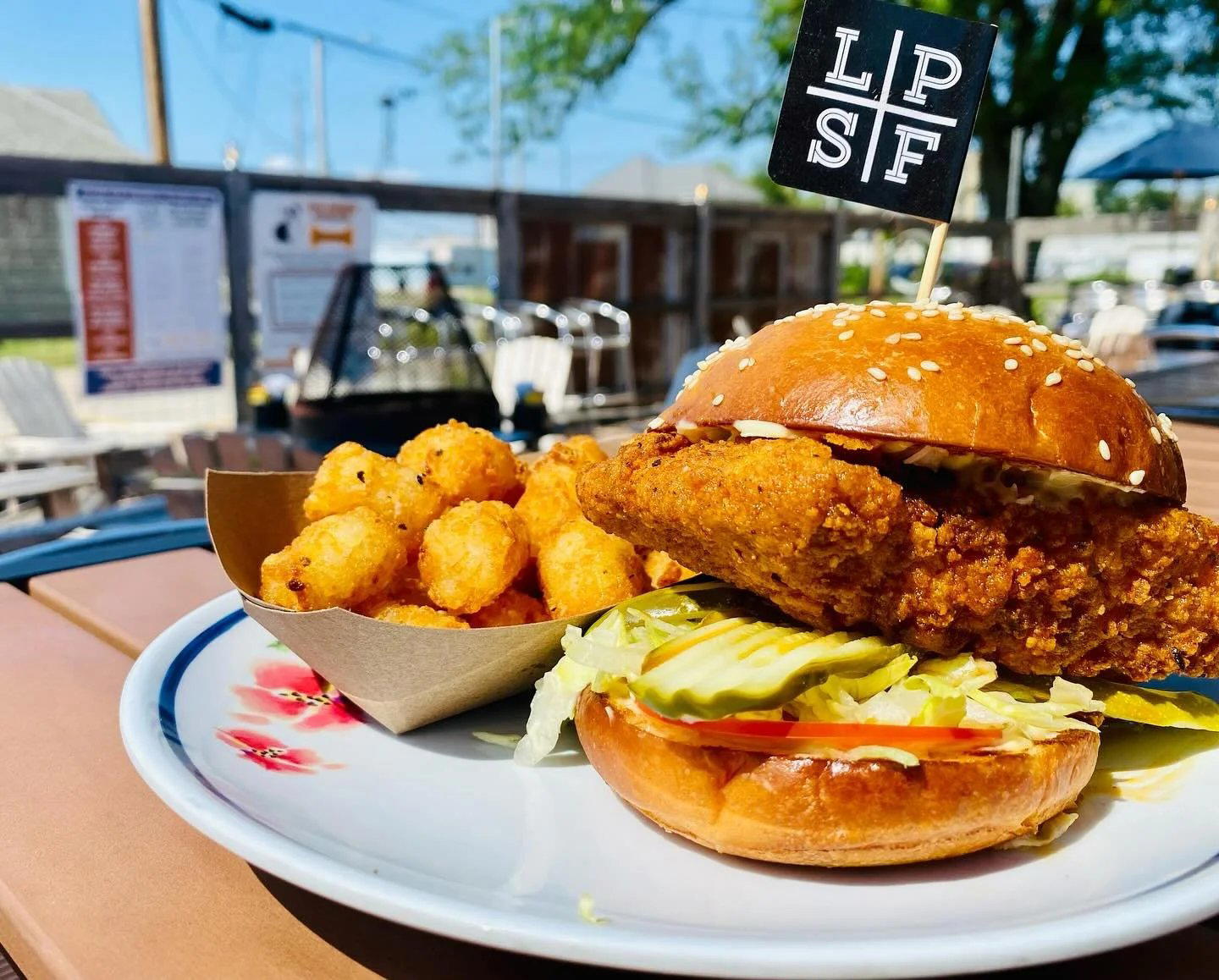
| Lion Bridge Brewing Co. | beer_bar | $$ | Czech Village |
| The Cheese Shop | wine_bar | $$ | Roosevelt Cultural District |
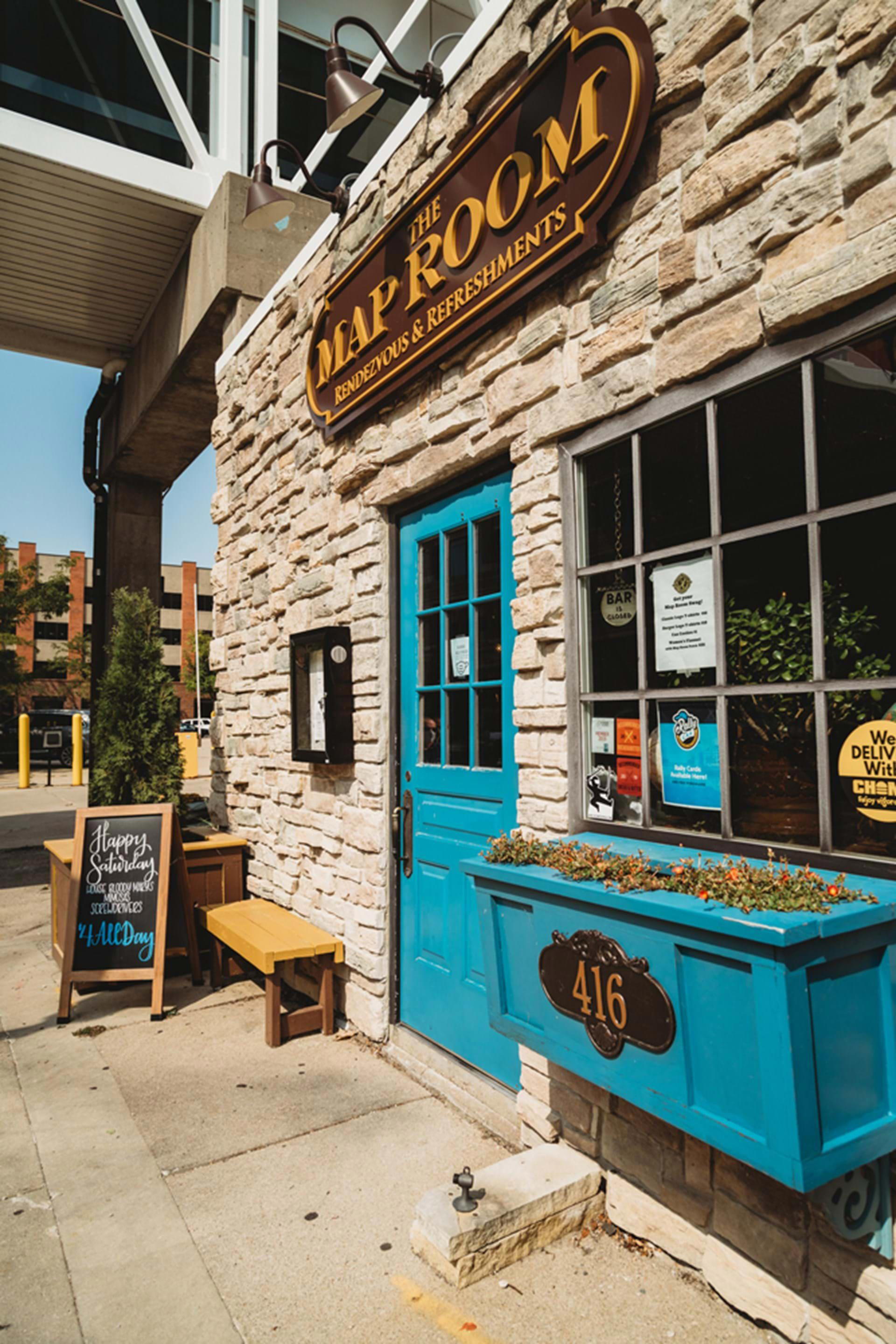
| The Map Room | pub | $$ | Downtown |
| The Quarter Barrel Arcade & Brewery | beer_bar | $$ | downtown |
At a Glance
- Rustic
- Scenic
- Lively
- Group Outing
- Celebration
- Casual Hangout
- Special Occasion
- Live Music
- Garden
- Terrace
- Standalone
- Seated Bar
- Outdoor Terrace
- Lounge Seating
- Whiskey
- Conventional Wine
- Craft Cocktails
- Vineyard
Current opening hours
- Monday
- Closed
- Tuesday
- Closed
- Wednesday
- 11 AM–9 PM
- Thursday
- 11 AM–9 PM
- Friday
- 11 AM–9 PM
- Saturday
- 11 AM–5 PM
- Sunday
- 9 AM–5 PM
Hours can change for holidays and private events. Last verified .
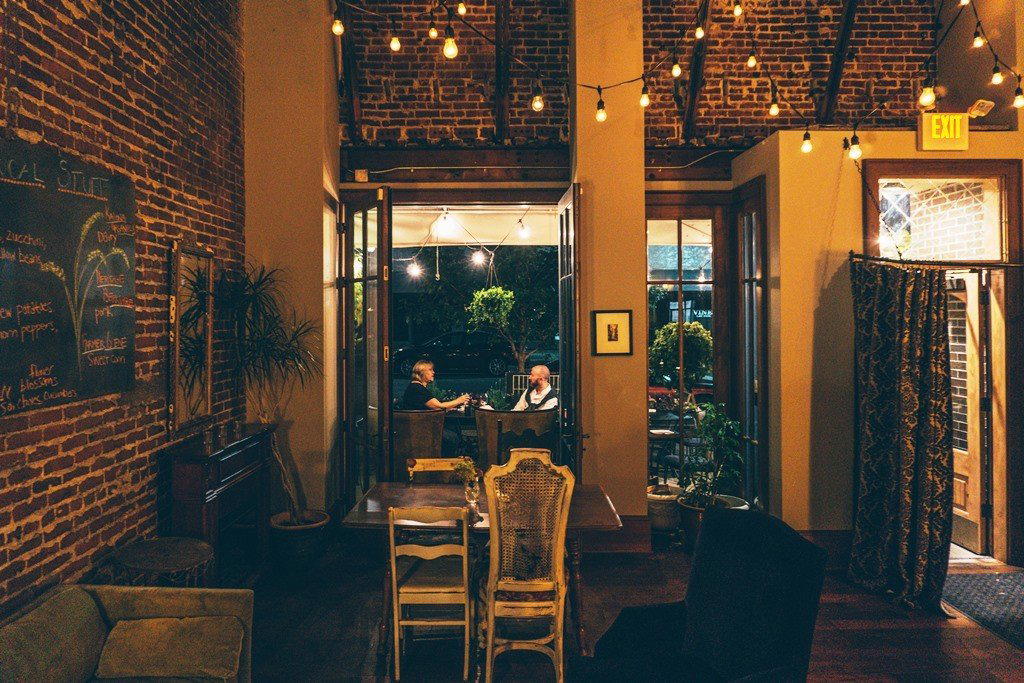
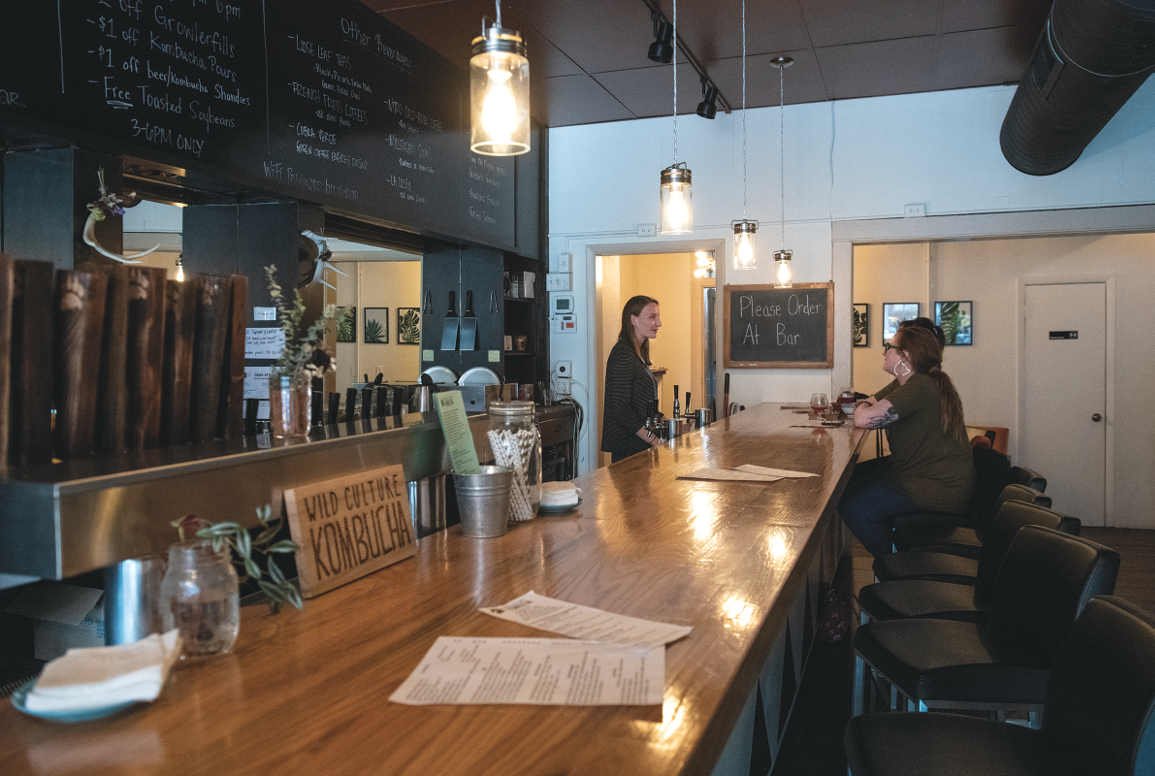
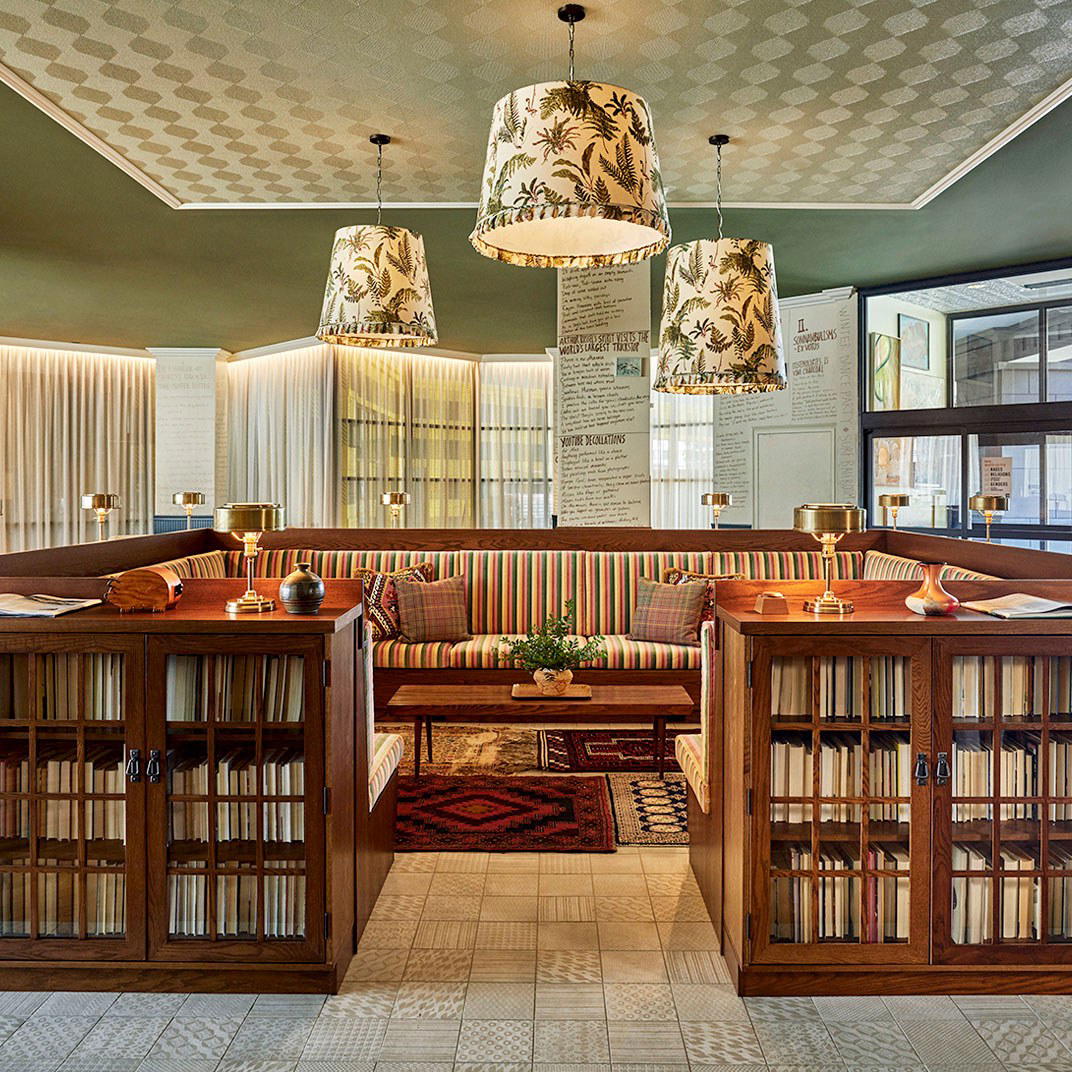
Rustic farm setting with a welcoming tasting bar, vineyard views, and casual outdoor patio atmosphere.