LP - Street Food
Comfort food goes globetrotting, tacos, ramen, poutine on tots, and more. Highlighted by Little Village and regularly involved in Restaurant Week, LP keeps things inventive without losing the fun.
Pearl is the En Primeur Club membership app — saves, bookings, and concierge access live there. Same editors, same standards.
- Address
- 302 3rd Ave SW, Cedar Rapids, IA 52404
- Phone
- +1 319 364 4042
- Website
- lpstreetfood.com
- Directions
- Get directions
 Saves & bookings on Pearl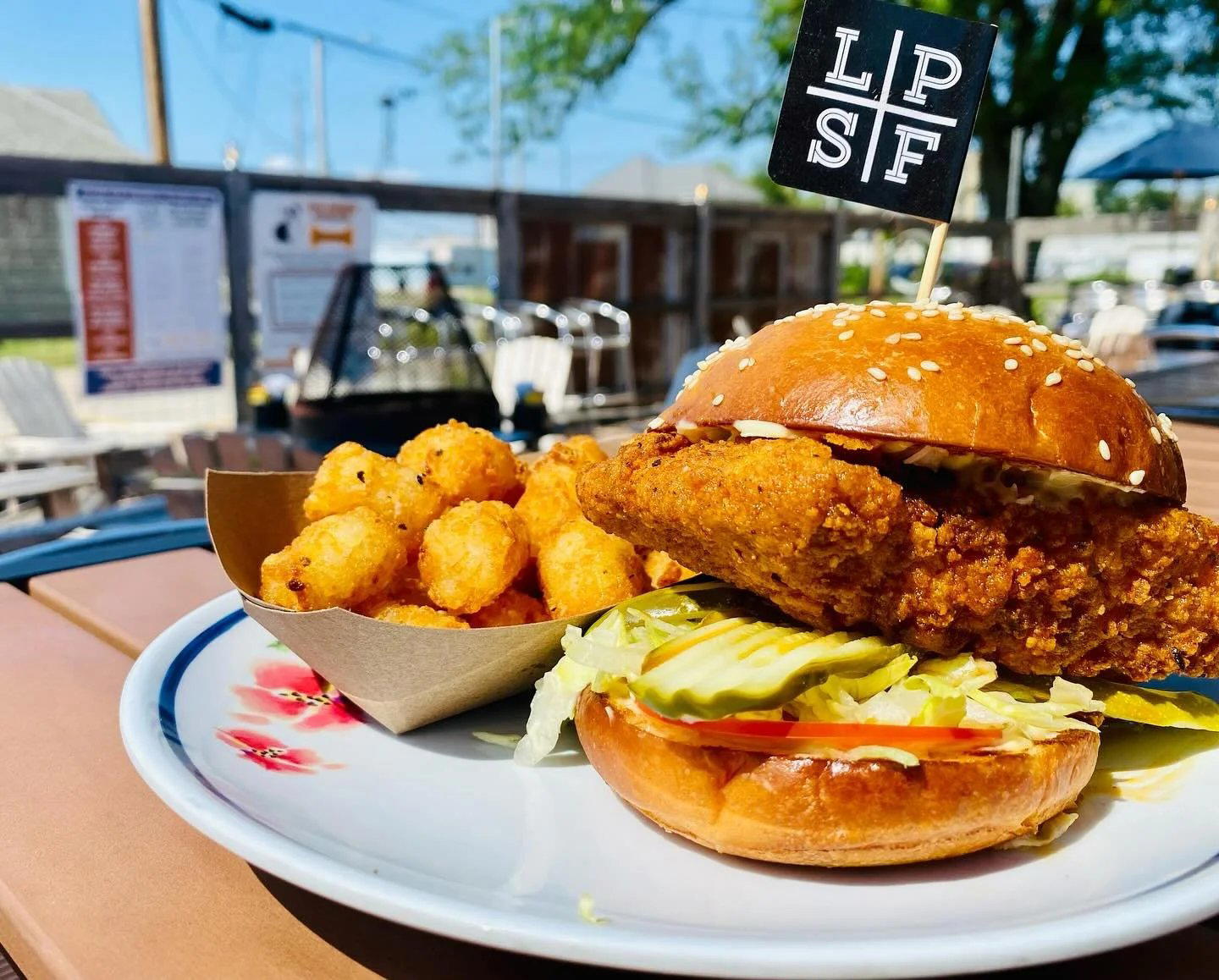
Street Food in the American Midwest: What Cedar Rapids Is Building at 302 3rd Ave SW
Cedar Rapids does not have the same dining gravity as Chicago or Kansas City, but that is precisely what makes watching its food scene useful. When a street food concept plants itself in a mid-sized Iowa city, it says something about the format itself, not just the market. That shift is worth paying attention to.
The address puts LP - Street Food in Cedar Rapids' southwestern downtown quadrant, a stretch that has absorbed a range of independent concepts over the past decade. The neighborhood does not have the density of a New Orleans French Quarter or a Chicago River North corridor, but it has developed enough foot traffic, particularly on evenings and weekends, to support walk-in dining at an accessible price register. For context on how Cedar Rapids has developed its independent food and drink culture, see our Cedar Rapids restaurants guide.
The Format Street Food Occupies in American Dining
Street food as a fixed-address restaurant concept operates under a specific tension. The original appeal of street food, across Southeast Asia, Mexico, West Africa, or the American South, is its informality: low barriers, fast service, and food that does not require a reservation to access. When that format moves indoors and acquires a permanent sign above the door, it either honors that informality or it loses what made it interesting in the first place.
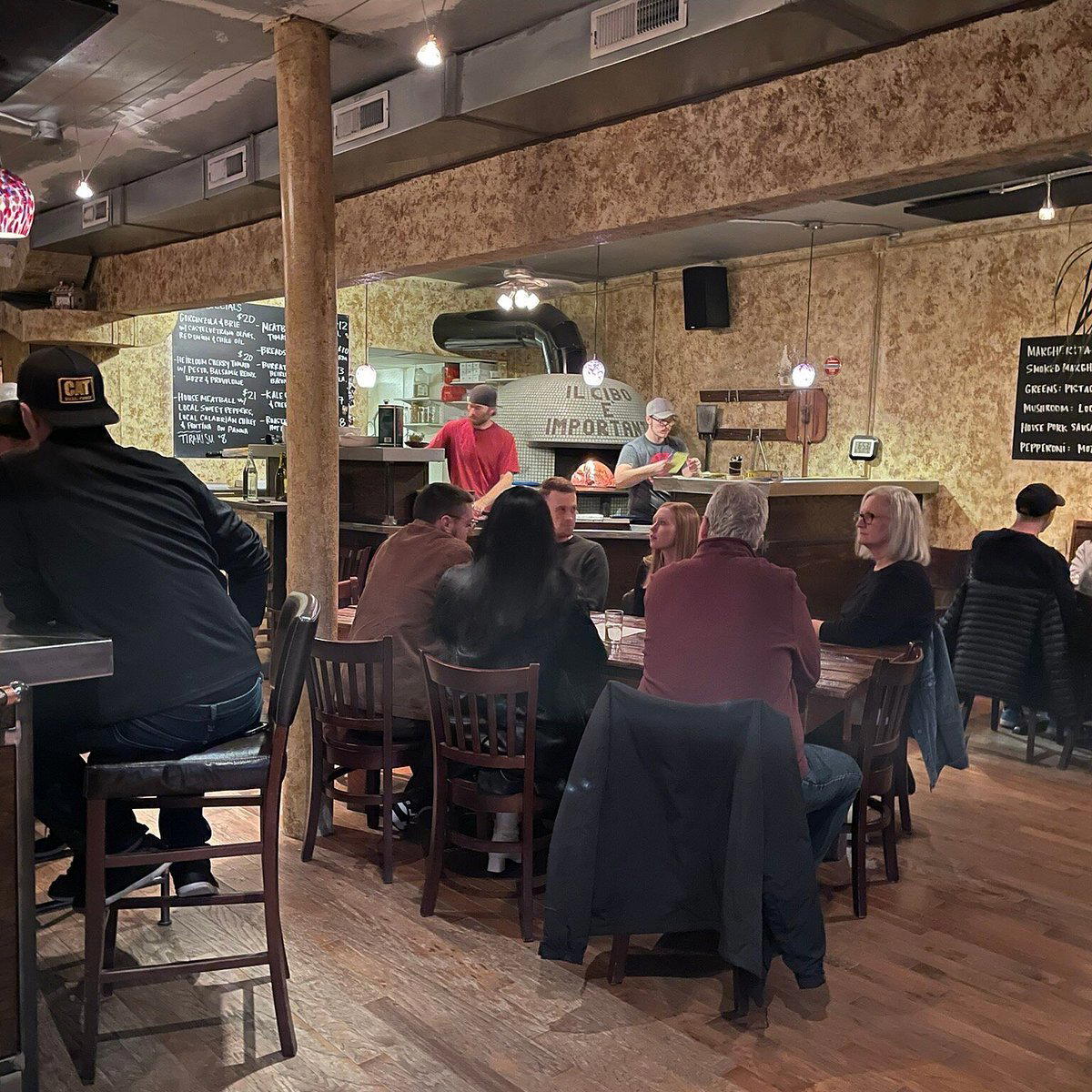
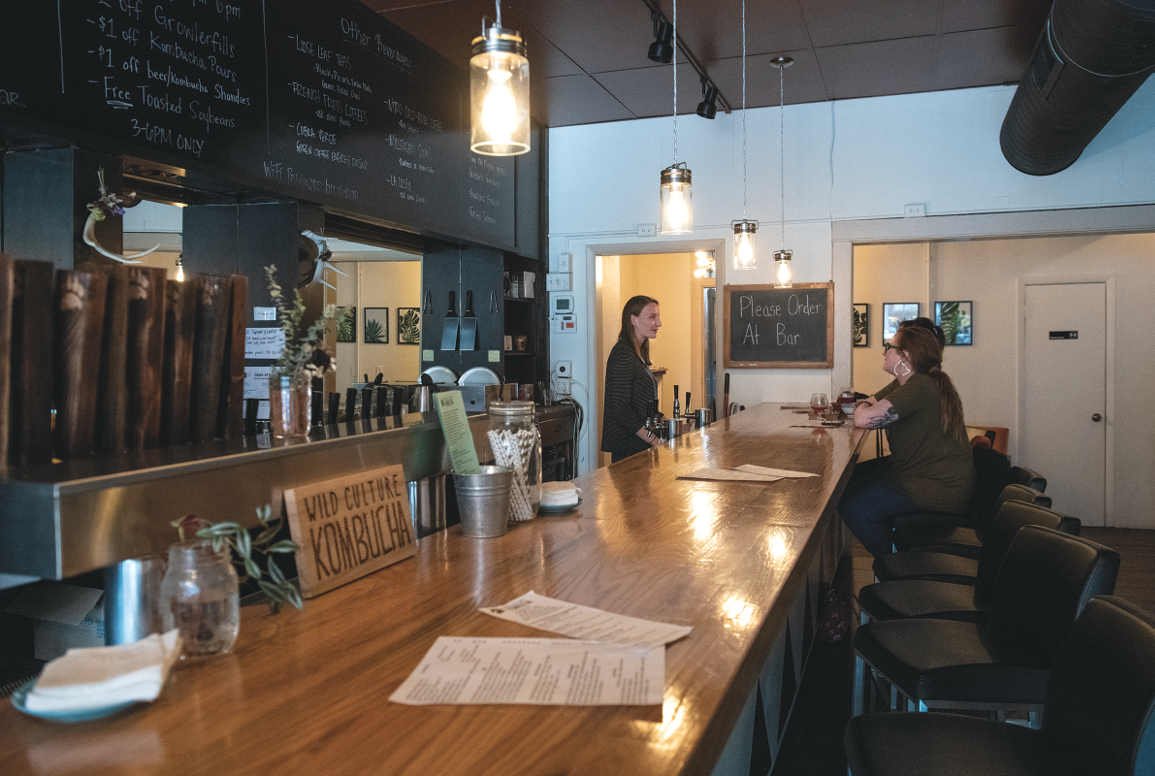
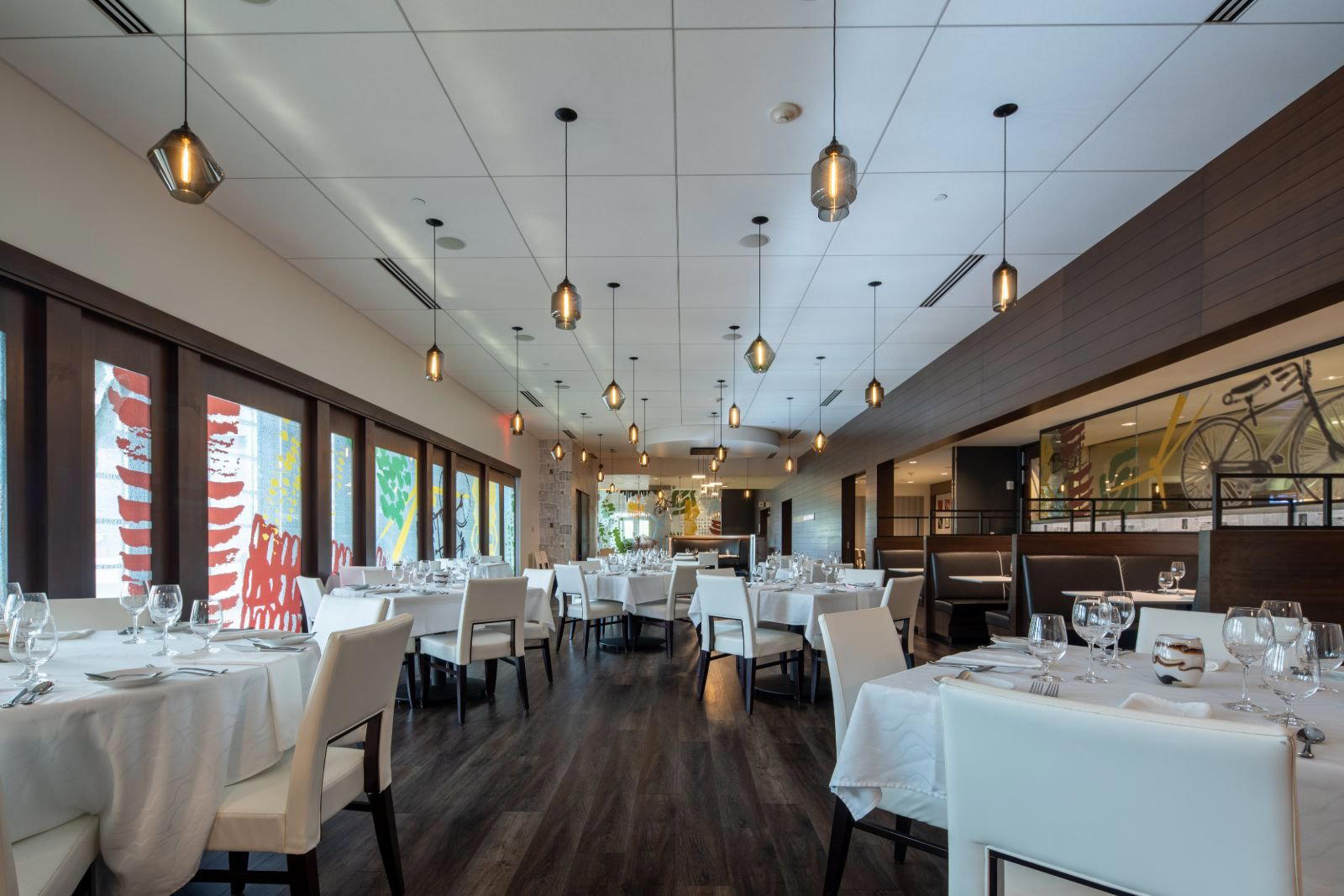
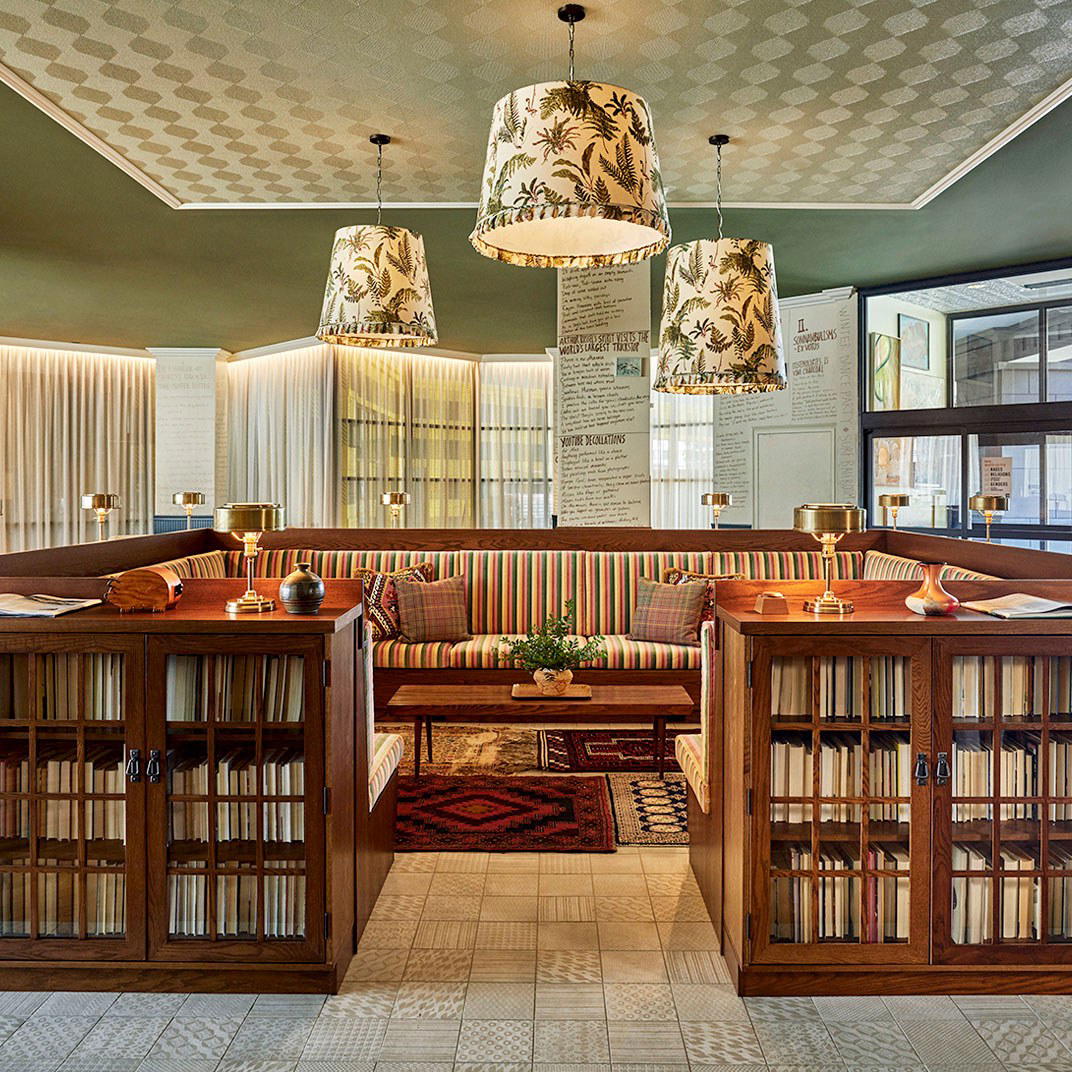
The venues that do this well tend to share certain atmospheric characteristics. Communal or counter seating rather than white-tablecloth spacing. Materials that feel worn-in rather than designed for a photoshoot. Lighting that is warm without being theatrical. Noise levels that suggest the room is working, not performing. Whether LP - Street Food achieves that register cannot be confirmed from available data, but the format's established conventions set the standard against which it would be measured.
In the wider American street food category, venues that have resolved this tension most successfully tend to anchor into a specific regional or national tradition, then execute it with enough consistency that repeat visits are built on reliability rather than novelty. That is the model. The format's framework is knowable.
Cedar Rapids and the Independent Dining Tier
Cedar Rapids' independent dining scene clusters around a handful of corridors, and the southwest downtown area sits between established residential neighborhoods and the commercial center. That geography matters for street food concepts, which depend on spontaneous foot traffic as much as destination visits. The 3rd Avenue SW address is reachable without significant navigation complexity, which is a practical advantage for a format that typically operates at lower price points and higher throughput than a tasting menu destination.
Cedar Rapids also has a set of independent bars and social venues that serve as adjacent traffic drivers. Black Sheep Social Club and Cobble Hill represent the city's bar culture on the independent end of the spectrum, while Lion Bridge Brewing Co. anchors the local craft beer segment. For diners cycling through the downtown area, these venues form a natural circuit. Need Pizza occupies the accessible, casual food tier alongside LP - Street Food, which suggests the neighborhood supports informal dining at a consistent level.
Its competitive set is local, informal, and defined by value-per-dollar and atmosphere rather than tasting menu architecture or wine program depth. That positions it in a different conversation from venues like Kumiko in Chicago or Jewel of the South in New Orleans, which operate at the technical and credential end of American hospitality. But it also means LP - Street Food is evaluated on terms it can realistically meet: accessibility, energy, and consistency.
Atmosphere as the Primary Variable
For street food concepts operating at a fixed address, atmosphere is often the primary differentiator. The food is the baseline, but the physical environment is what converts a one-time visitor into a regular. This is well-documented in the trajectory of successful American casual formats: from the ramen shops that carried the spare-counter aesthetic from Japan into Los Angeles and New York in the 2010s, to the taqueria-adjacent concepts that have carved loyal followings in mid-sized cities by offering a room that feels lived-in rather than staged.
The question for any fixed-address street food venue is whether the interior matches the implied promise of the format. A street food concept that lands in a room with too much polish loses credibility. One that leans too hard into deliberate roughness can feel calculated. The calibration is in the details: the materials used, the way sound moves through the space, the proximity between tables, the quality of the lighting at hour two of a meal versus hour one. Those variables shape the guest experience.
For reference on what atmosphere-led venues can achieve at a craft level across different American cities, ABV in San Francisco and Bar Leather Apron in Honolulu show how careful attention to the physical environment anchors a long-term reputation. At the cocktail end of the spectrum, Julep in Houston, Superbueno in New York City, and The Parlour in Frankfurt on the Main each demonstrate that venue character, not just product quality, drives sustained recognition.
Planning a Visit
The restaurant operates at 302 3rd Ave SW, Cedar Rapids, Iowa 52404. Current hours are Mon through Sat from 11 AM to 12 AM and Sun from 10 AM to 12 AM. Reservations are recommended. Reservations are recommended. The restaurant is priced in an accessible tier, with a typical spend around $25 per person. The southwest downtown location is accessible by car with parking options in the surrounding blocks, and the venue sits within walking distance of the downtown core for those already in the area.
Cuisine and Recognition
Comparable venues nearby, for context on price, style, and recognition.
| Venue | Cuisine | Price | Notes |
|---|---|---|---|
| LP - Street FoodThis venue — the venue you are viewing | Dining | $$ | Not listed |
| Cobble Hill | Contemporary American Farm-to-Table | $$$ | downtown |
Continue exploring
More in Cedar Rapids
Restaurants in Cedar Rapids
Browse all →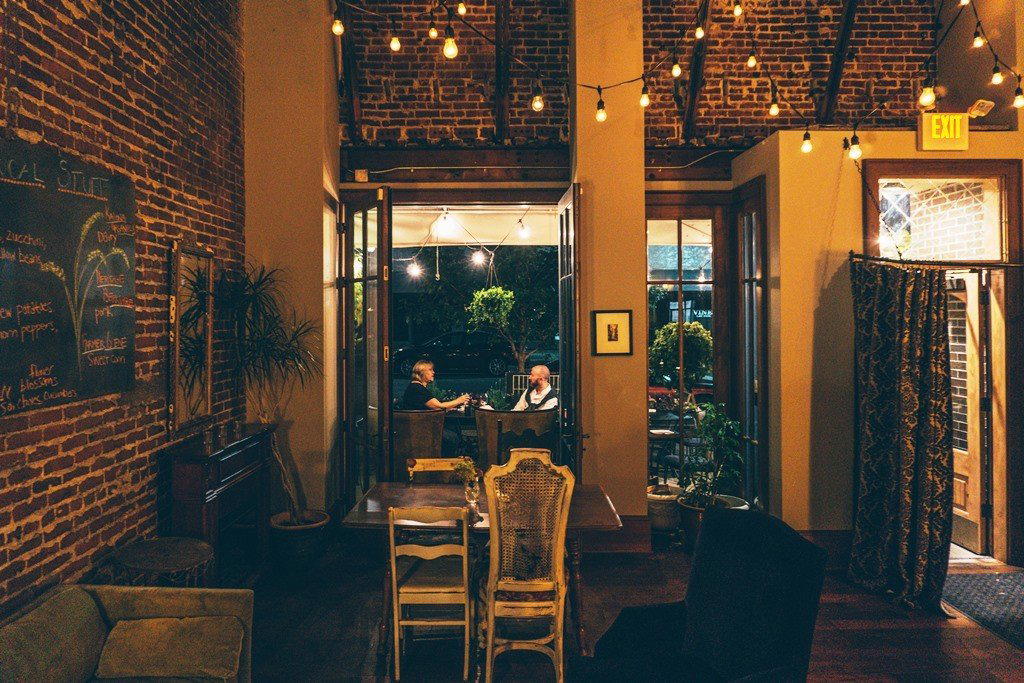
Bars in Cedar Rapids
Browse all →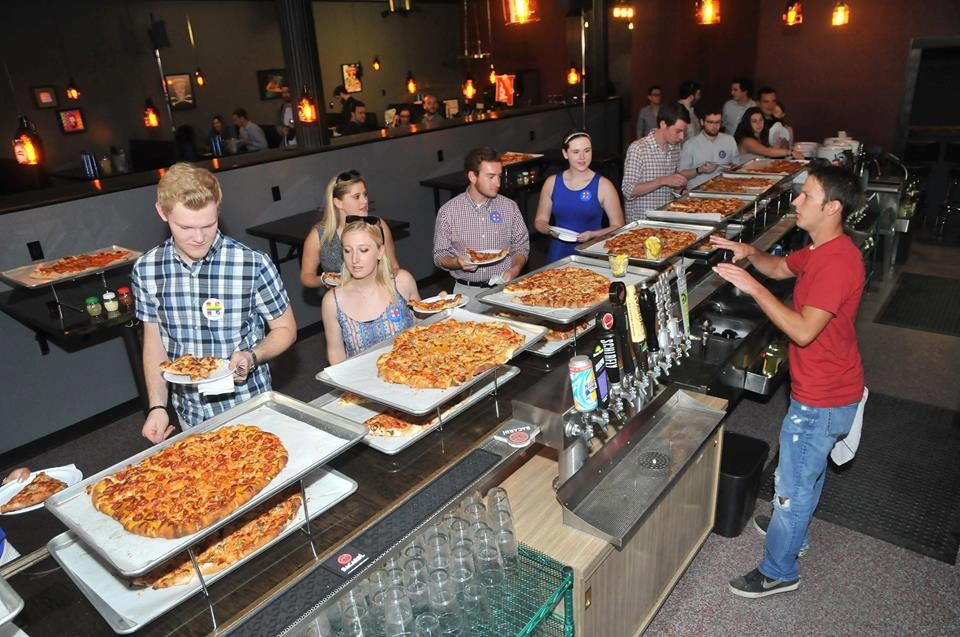
At a Glance
- Cozy
- Lively
- Group Outing
- Casual Hangout
Current opening hours
- Monday
- 11 AM–12 AM
- Tuesday
- 11 AM–12 AM
- Wednesday
- 11 AM–12 AM
- Thursday
- 11 AM–12 AM
- Friday
- 11 AM–12 AM
- Saturday
- 11 AM–12 AM
- Sunday
- 10 AM–12 AM
Hours can change for holidays and private events. Last verified .
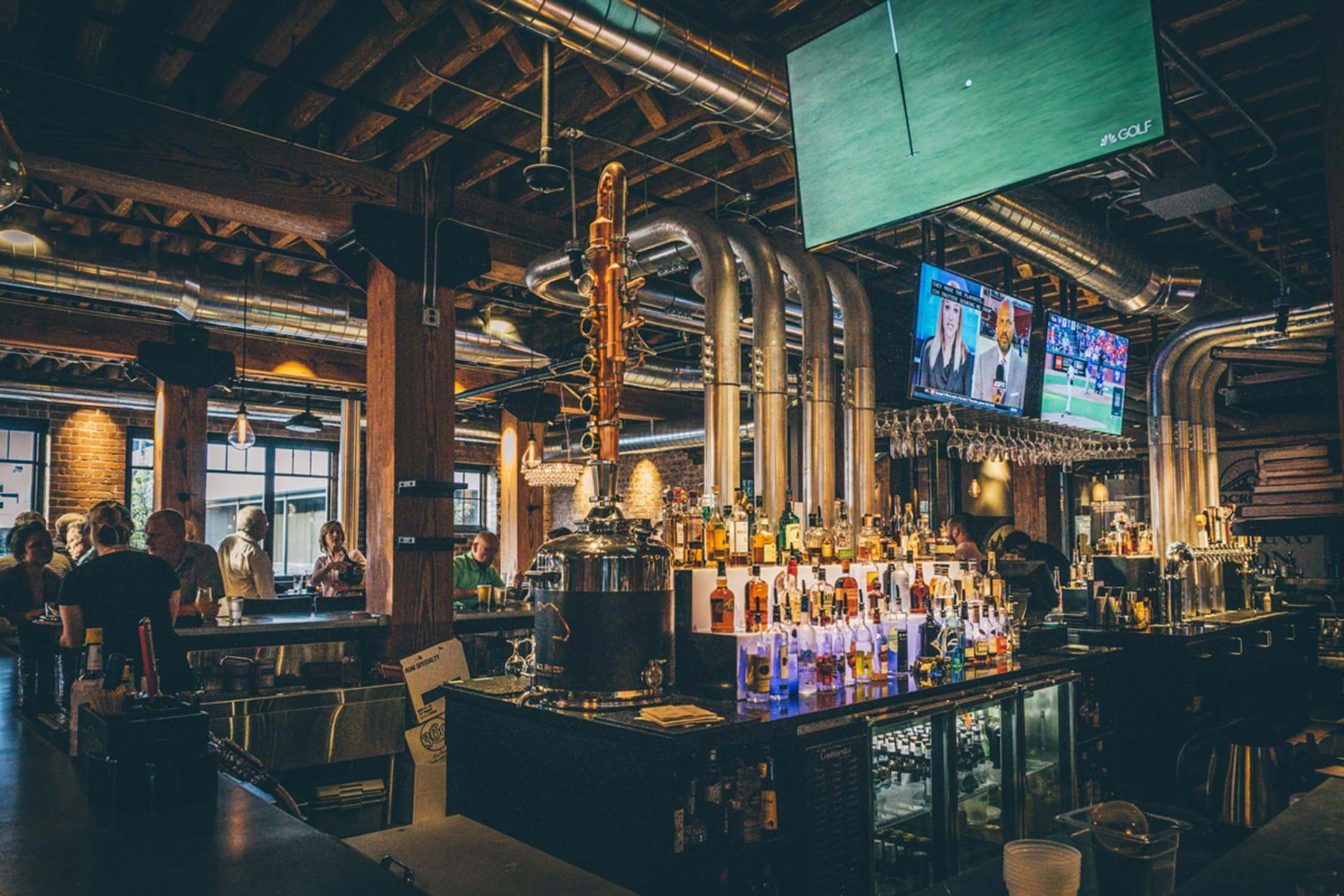
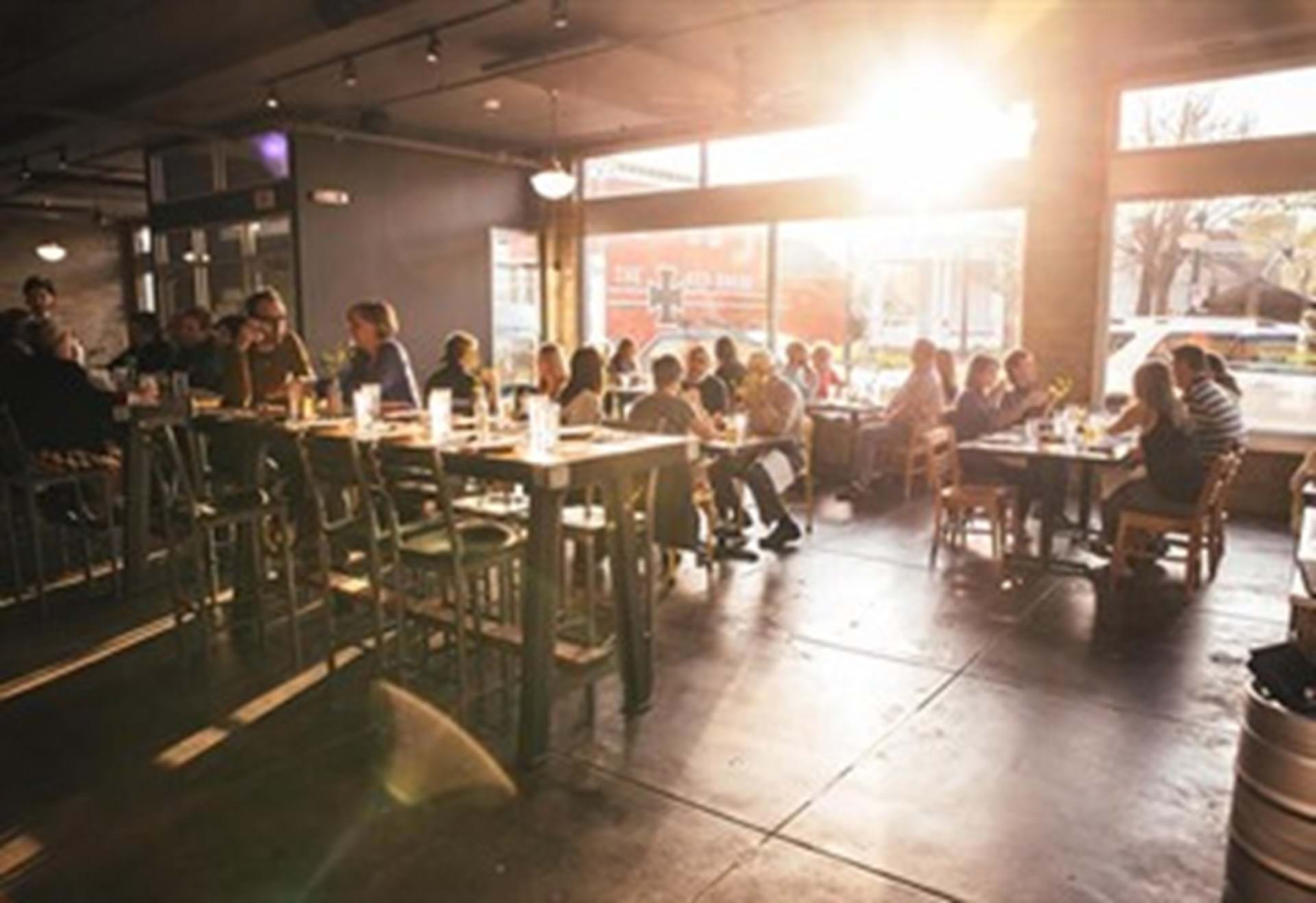
Relaxed setting with low lighting, TV sports, and a cozy, lived-in atmosphere.