WhyNot occupies a corner address in Ghent's Nieuwland district, placing it within a city that has built one of Belgium's most argued-over independent dining scenes. With Ghent's restaurant culture running the range from refined tasting menus to neighbourhood-rooted cooking, WhyNot sits in a city where the question of what to eat next is taken seriously by both residents and visitors.
Pearl is the En Primeur Club membership app — saves, bookings, and concierge access live there. Same editors, same standards.
- Address
- Nieuwland 1, 9000 Gent, Belgium
- Phone
- +32479435280
- Website
- whynot.gent
- Directions
- Get directions
 Saves & bookings on Pearl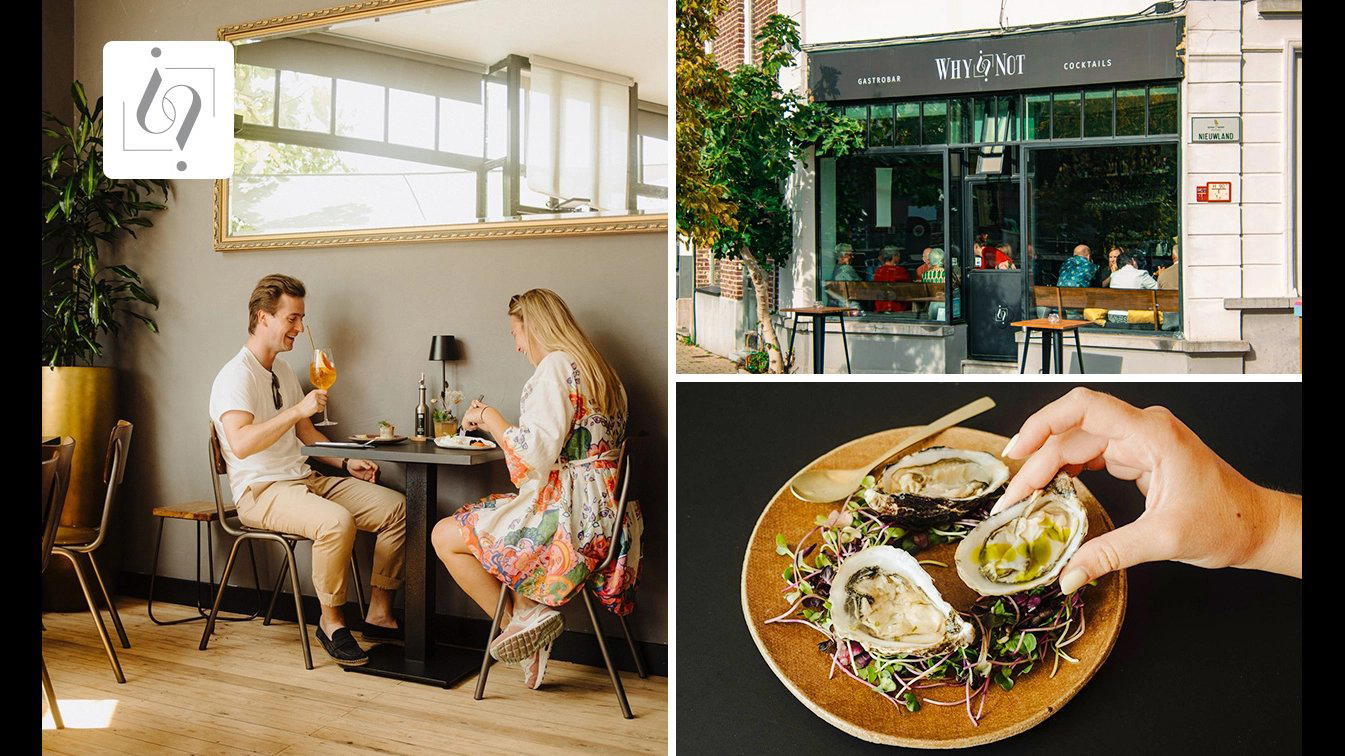
A City That Takes the Question Seriously
Ghent has spent the better part of two decades constructing a dining identity that sits somewhere between Antwerp's fashion-forward ambition and Brussels' institutional weight. The result is a city where mid-sized, independently operated rooms tend to outlast trends, where neighbourhood loyalty runs deep, and where a restaurant on a quieter street can build a following that larger, more visible venues spend years chasing. WhyNot, a Modern Gastrobar in Ghent at Nieuwland 1, sits within this context: a corner position in a part of the city that rewards the kind of deliberate, unhurried movement that Ghent's dining culture tends to reflect.
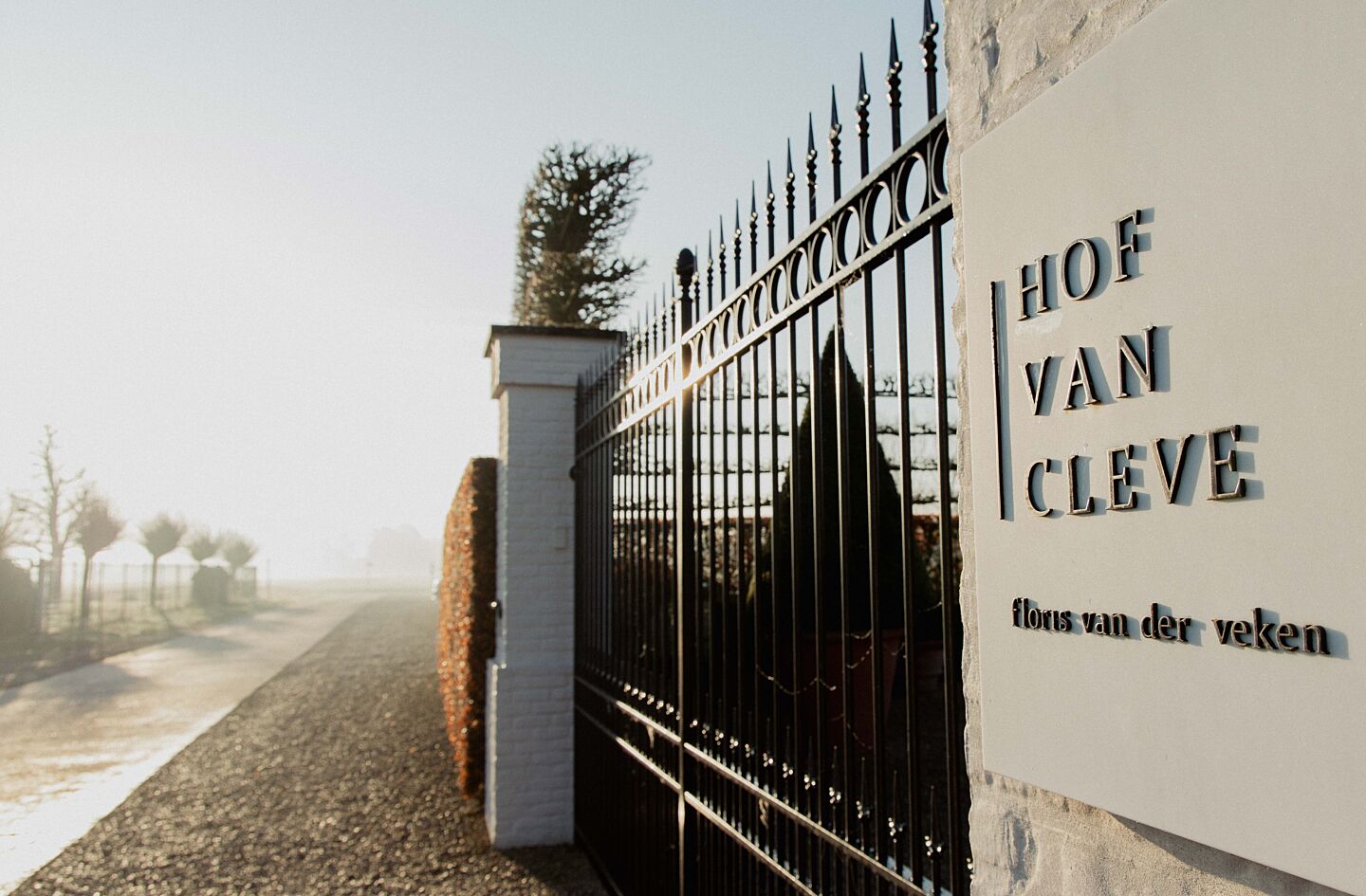
Belgium's broader restaurant scene offers useful coordinates. At the upper register, venues like Hof van Cleve - Floris Van Der Veken in Kruishoutem and Boury in Roeselare define what rigorous multi-course ambition looks like in the Flemish tradition. Coastal precision finds its expression at Bartholomeus in Heist and Willem Hiele in Oudenburg. In Antwerp, Zilte anchors its own tier. Ghent doesn't position itself as a challenger to those rooms; it operates on different terms, where the quality of the neighbourhood relationship often matters as much as the tasting menu credential.
Nieuwland and the Logic of the Address
The Nieuwland address places WhyNot at a specific remove from Ghent's most trafficked restaurant corridors. The city's dining geography runs from the canal-side streets near Graslei and Korenlei, where tourism concentrates, outward to quieter residential zones where the regulars-to-visitors ratio shifts considerably. Nieuwland sits in the latter category, which in Ghent tends to signal something about a venue's orientation: it is less likely to be optimised for foot traffic and more likely to have been built for return visits.
This geographic logic matters when comparing WhyNot against Ghent's wider field. Venues like Arbane and Astro Boy have each staked out positions within the city's independent scene, as have BABÚ, Beiruti, and BIJ DEN WIJZEN EN DEN ZOT BVBA. Each occupies a distinct slice of the city's appetite. The fact that Ghent can sustain this range of independent operations without obvious redundancy reflects something about the density of engaged eaters the city consistently produces.
The Tasting Arc: How Ghent Rooms Build a Meal
In cities where tasting-menu culture has fully matured, the sequencing of a meal functions as an argument: the kitchen makes a case through progression, each course adjusting the register of what came before. Belgium's most discussed rooms follow this logic rigorously. At L'air du temps in Liernu, or at De Jonkman in Sint-Kruis, the multi-course format is inseparable from the kitchen's identity. Even venues without formal tasting structures often think in progressions: a meal that moves from restraint to richness, from acidity to weight, from raw to slow-cooked.
Ghent's independent rooms tend to apply this logic at a more accessible register. The progression isn't always codified into a fixed menu, but the better rooms in the city show their hand through sequencing, through the way a first course sets an expectation that the kitchen then chooses either to confirm or complicate. This is the kind of dining intelligence that separates a room that has thought carefully about what it's doing from one that has assembled a list of dishes without a particular argument in mind.
For readers building a broader Belgian itinerary, the contrast with Bozar Restaurant in Brussels is instructive: Brussels' most formal rooms tend toward institutional presentation, while Ghent's independent operators more often bet on directness and neighbourhood rapport. At a global reference point, the structural difference between a Belgian tasting room and something like Le Bernardin in New York City or Atomix in New York City clarifies how differently European and American dining cultures have resolved the question of what formality should look like at the table.
Where WhyNot Sits in Ghent's Independent Field
What the address and the city's dining character do suggest is a room that operates in the register Ghent tends to reward: conversational in scale, neighbourhood-rooted in orientation, and part of a broader independent dining ecosystem that has become one of Belgium's more argued-over outside the established Michelin corridors.
Ghent's comparison venues, including those operating under similar constraints of limited square footage and neighbourhood footprints, have generally found that longevity depends less on a single signature dish and more on the coherence of the experience from arrival to close. Particularly resilient rooms in the city have built habits, not just occasions. The question of whether WhyNot belongs to that category is one that warrants a visit and a verdict formed at the table, not in advance of it.
For a broader view of what Ghent's dining scene offers across price points and formats, the full Ghent restaurants guide maps the field more completely. And for readers whose appetite runs toward Belgium's longer-distance dining destinations, Castor in Beveren and d'Eugénie à Emilie in Baudour extend the conversation into different regional registers.
Planning a Visit
WhyNot is located at Nieuwland 1, 9000 Gent, Belgium. WhyNot is recommended for reservations. Hours are Mon: Closed; Tue: Closed; Wed: 4 PM to 12 AM; Thu: 4 PM to 12 AM; Fri: 12 PM to 12 AM; Sat: 12 PM to 12 AM; Sun: Closed. Arriving with a loose itinerary rather than a packed schedule tends to produce the leading results in a city where the better meals are rarely rushed.
Reputation Context
Comparable venues nearby, for context on price, style, and recognition.
| Venue | Cuisine | Price | Notes |
|---|---|---|---|
| WhyNotThis venue — the venue you are viewing | Modern Gastrobar | $$ | Not listed |
| Le Baan Thai | Traditional Thai | $$ | Binnenstad |
| Janine's | Modern Belgian Tapas | $$ | Binnenstad |
| Epiphany’s Kitchen | Plant-Based Contemporary Fusion | $$ | Elisabethbegijnhof - Prinsenhof - Papegaai - Sint-Michiels |
| Zuru Zuru Ramen | Authentic Japanese Ramen | $$ | Stationsbuurt-Noord |
| Astro Boy | Japanese Izakaya Fusion | $$ | Sluizeken - Tolhuis - Ham |

At a Glance
- Cozy
- Romantic
- Intimate
- Trendy
- Date Night
- Casual Hangout
- Terrace
- Waterfront
- Craft Cocktails
- Waterfront
- Street Scene
Current opening hours
- Monday
- Closed
- Tuesday
- Closed
- Wednesday
- 4 PM–12 AM
- Thursday
- 4 PM–12 AM
- Friday
- 12 PM–12 AM
- Saturday
- 12 PM–12 AM
- Sunday
- Closed
Hours can change for holidays and private events. Last verified .
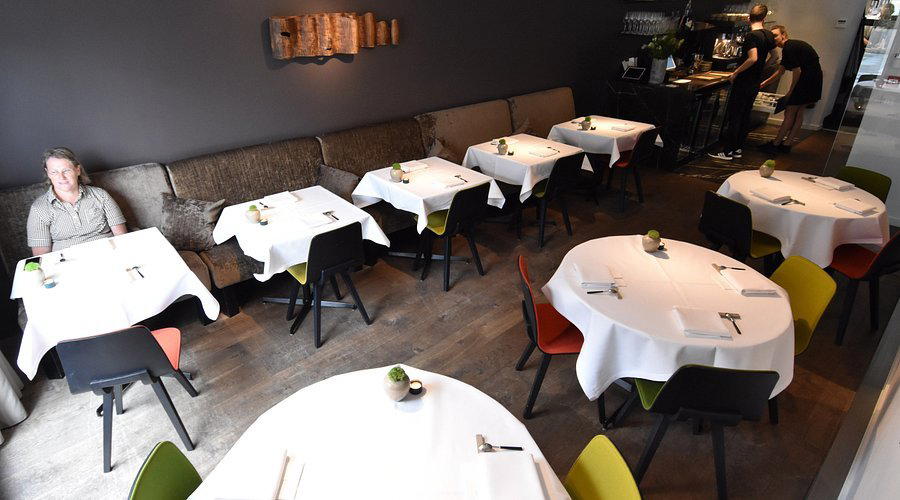
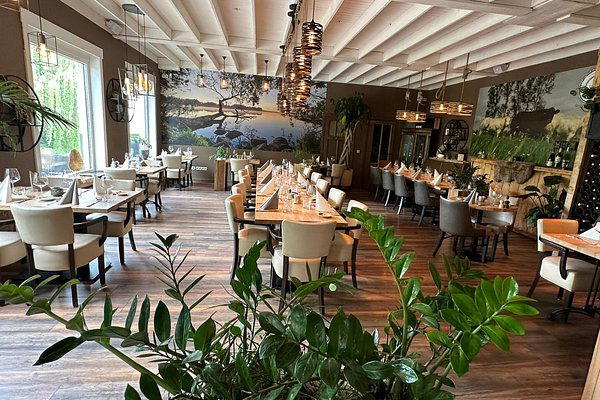
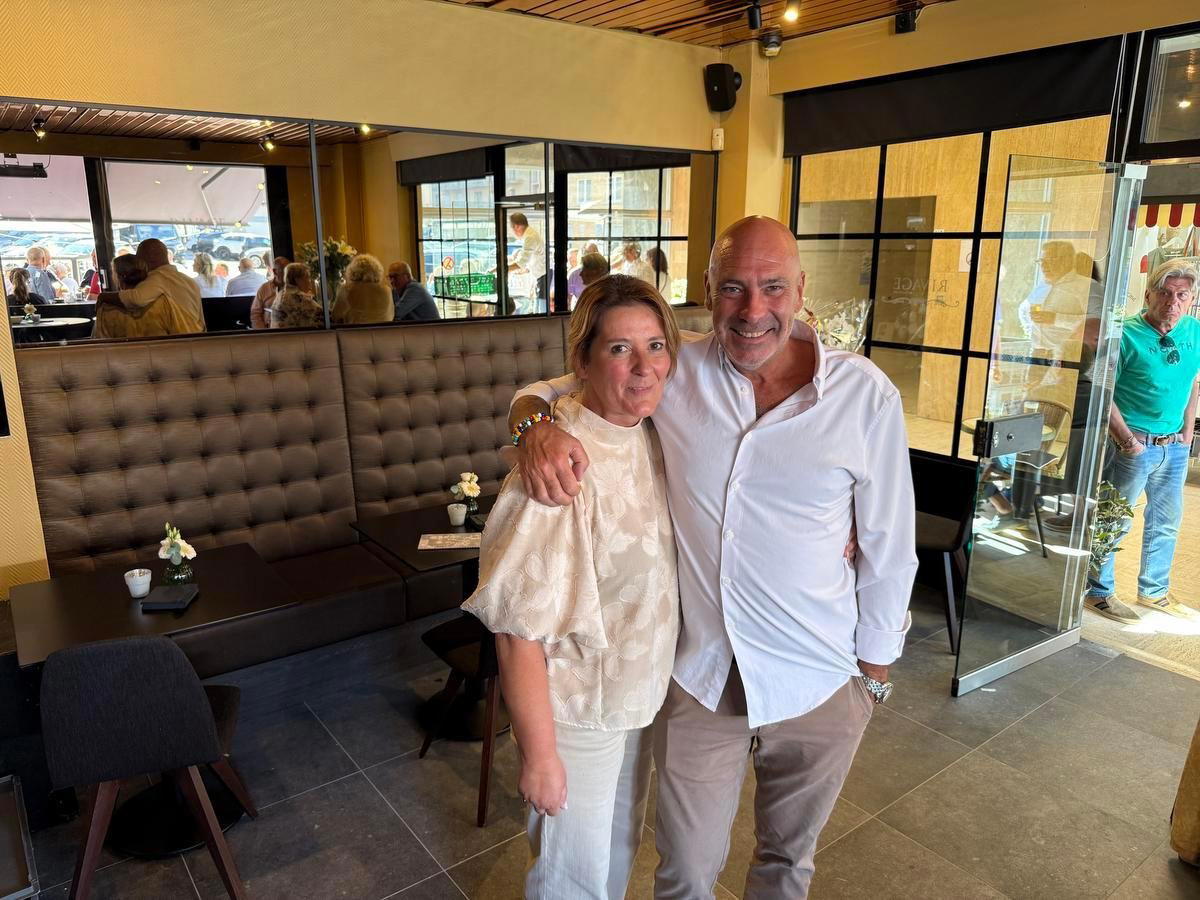
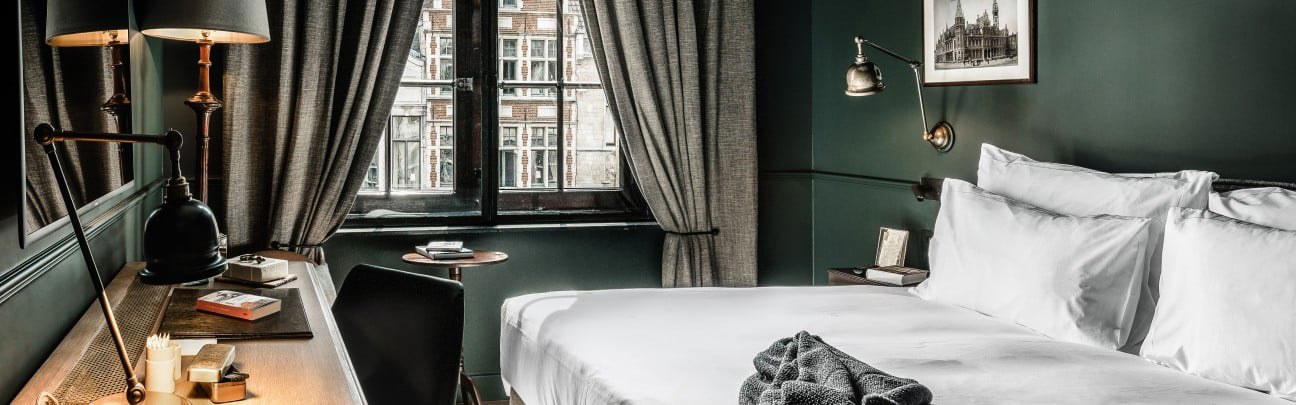
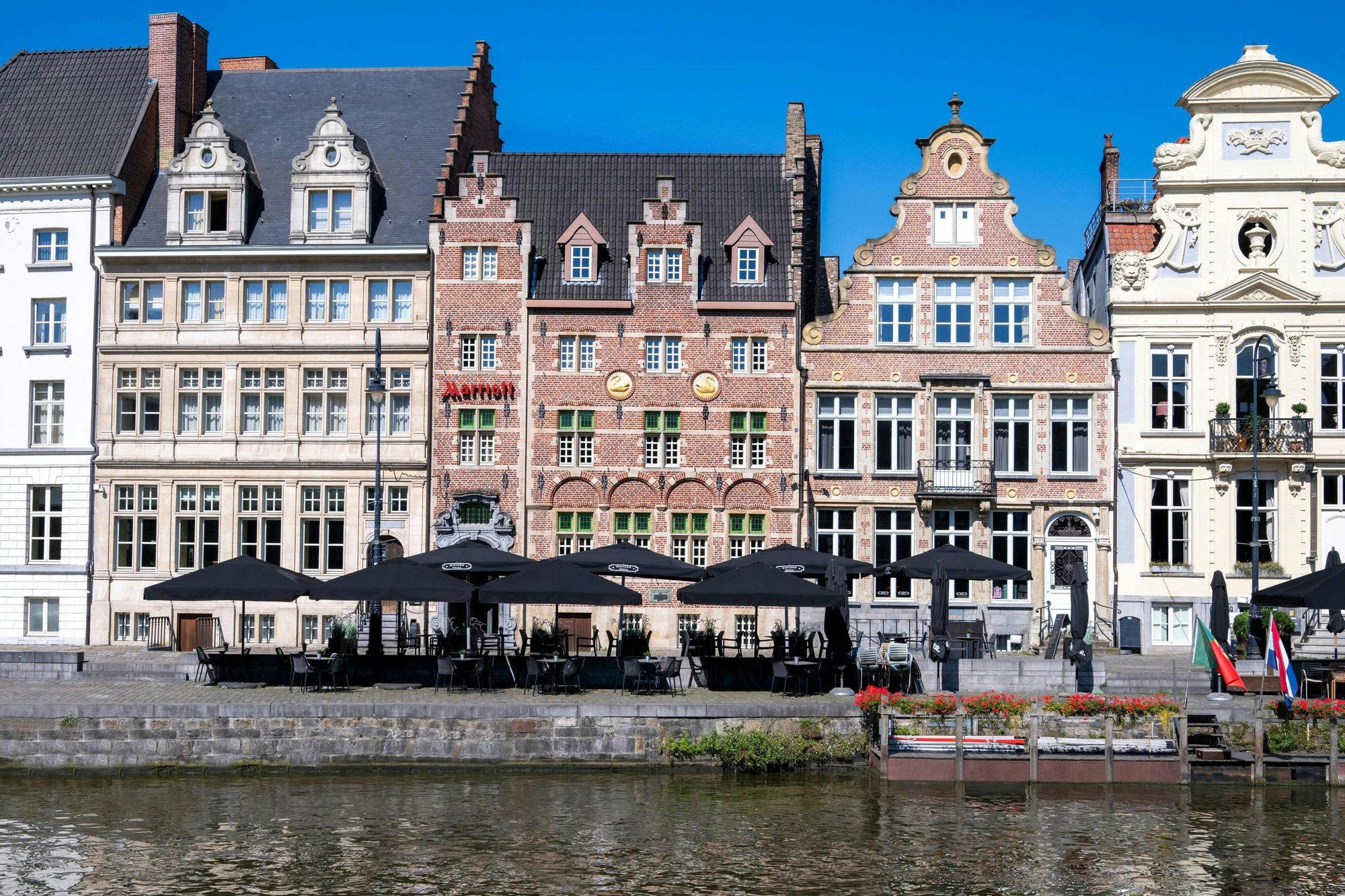
Cozy small-scale atmosphere with gray-and-black tones, enhanced by its picturesque riverside location.