Die Poscht sits in the Inn Valley village of Silz, Tyrol, where Austrian alpine dining traditions run deep and local sourcing is a matter of geography as much as philosophy. The address on Tiroler Strasse places it within reach of the broader Tyrolean restaurant circuit, from high-altitude resort kitchens to valley-floor Gasthäuser that have fed mountain communities for generations. For those tracing serious regional cooking outside the major resort towns, Silz offers a quieter entry point into that tradition.
Pearl is the En Primeur Club membership app — saves, bookings, and concierge access live there. Same editors, same standards.
- Address
- Tiroler Str. 80, 6424 Silz, Austria
- Phone
- +43526321202
- Website
- poscht-silz.at
- Directions
- Get directions
 Saves & bookings on Pearl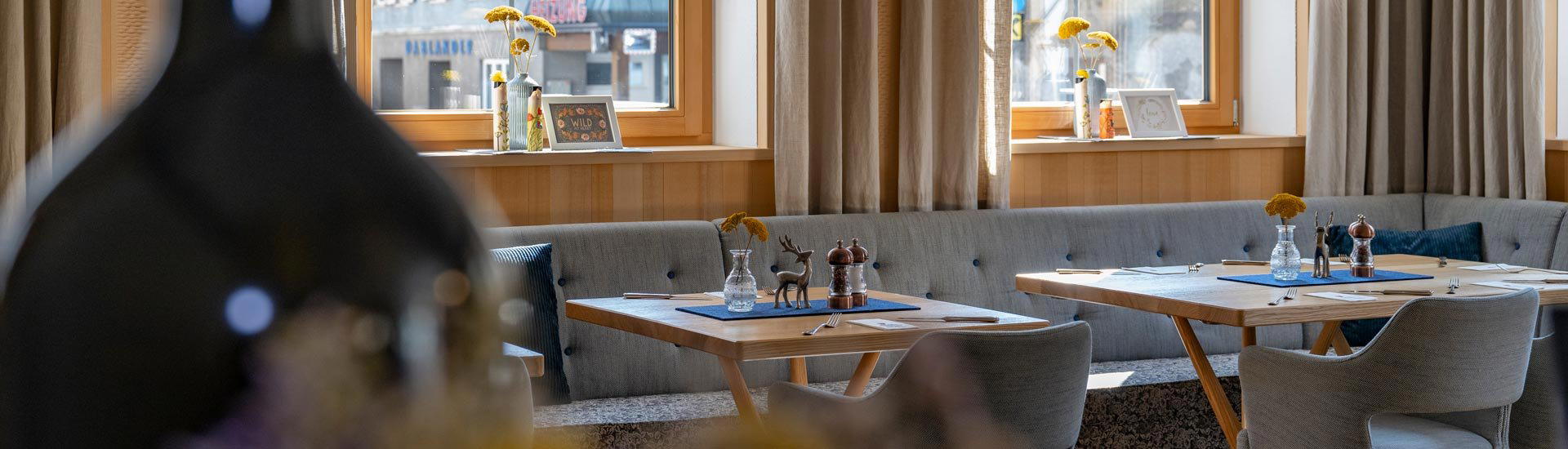
A Village Table in the Inn Valley
The Inn Valley between Innsbruck and Landeck is not where most visitors look for a serious meal. Attention defaults to the resort corridors of Ischgl or St. Anton, where kitchen budgets run as high as ski-pass prices, or to the city-edge addresses in Innsbruck itself. Silz sits between those poles: a working Tyrolean village at roughly 700 metres above sea level, where the valley floor is wide enough for agriculture and the mountains press in close enough to make that agriculture specific to this latitude, this soil, and this altitude. Die Poscht is a restaurant in Silz, Austria, serving Modern Austrian cuisine at a mid-range price tier.
Austrian alpine cooking at this register tends to be shaped more by what surrounds it than by what arrives in refrigerated trucks. The Inn Valley produces dairy of genuine character, mountain herbs that grow at elevations where growing seasons are compressed and flavour concentrates accordingly, and game from the surrounding forest estates. That ingredient geography is not incidental; it is the load-bearing structure of kitchens like this one, in the same way that the Salzkammergut's lakes define freshwater fish cookery at places such as Atelier Fischer in Sankt Gilgen, or the alpine pastures around Golling shape the produce-forward menu at Döllerer in Golling an der Salzach.
Where Ingredient Geography Defines the Plate
Austria's most serious regional kitchens have moved, over the past two decades, toward a sourcing discipline that treats the surrounding landscape as a set of fixed parameters rather than a romantic backdrop. This shift is visible in the Michelin-recognised work at Steirereck im Stadtpark in Vienna and at Landhaus Bacher in Mautern an der Donau, both of which have built reputations partly on the depth of their producer relationships. In the alpine corridor, the same logic applies but the ingredient set changes: less Pannonian wine-country produce, more cold-climate dairy, foraged aromatics, and mountain-raised protein.
Tyrolean cooking at the traditional village level has always operated this way by necessity. What has changed is the critical attention paid to it. Kitchens that once served a purely local clientele now attract guests who have eaten at Obauer in Werfen or Kräuterreich by Vitus Winkler in Sankt Veit im Pongau and are mapping the broader arc of Austrian regional cooking beyond the obvious addresses. Silz, given its position in the mid-Inn Valley, is a logical stop on that itinerary.
The Gasthof format that Die Poscht occupies is structurally different from the destination-restaurant model that dominates the higher-end of the Austrian market. The Gasthof serves regulars first and visitors second, which tends to produce menus calibrated to a local palate: seasonally responsive, generous in portion logic, and built around ingredients that the kitchen can source within a short radius. That is not a lesser ambition; it is a different one, and in parts of Tyrol it produces cooking that the destination circuit cannot easily replicate.
The Tyrolean Restaurant Field: Where Die Poscht Sits
Tyrol's restaurant range runs from mountain-hut simplicity to the multi-course formats at places like Gourmetrestaurant Tannenhof in Sankt Anton am Arlberg, Stüva in Ischgl, and Griggeler Stuba in Lech. Between those poles sits a tier of valley-floor and village restaurants that trade in classical Austrian cooking without the theatre of a tasting-menu format. The restaurant occupies that middle register in the Inn Valley, positioned for guests who want food rooted in Tyrolean tradition rather than a kitchen performing its interpretation of it for an international audience.
The Innsbruck-adjacent part of the valley also includes addresses such as Schwarzer Adler in Hall in Tirol and, slightly further west toward Mieming, Restaurant 141 by Joachim Jaud, which signal that serious cooking is distributed across the valley rather than concentrated in a single location. The restaurant in Silz extends that distribution further west, toward the point where the valley narrows before Landeck.
Planning a Visit
The restaurant, from its Inn Valley village address, operates closer to the grounded end of that range.
How It Stacks Up
Comparable venues nearby, for context on price, style, and recognition.
| Venue | Cuisine | Price | Notes |
|---|---|---|---|
| Die PoschtThis venue — the venue you are viewing | Modern Austrian | $$ | Not listed |
| Jagdschloss | Traditional Austrian | $$ | Kuhtai |
| Gasthof zur Arche | Modern Tyrolean Wirtshaus | $$ | Rinn |
| Tuftl Alm | Traditional Austrian Alm | $$ | Lermoos |
| Rotmoosalm | Traditional Tyrolean Alpine Cuisine | $$ | Gaistal, Leutasch |
| Sporthotel IGLS | Traditional Tyrolean & Austrian | $$ | Igls |
Continue exploring
More in Silz
Restaurants in Silz
Browse all →
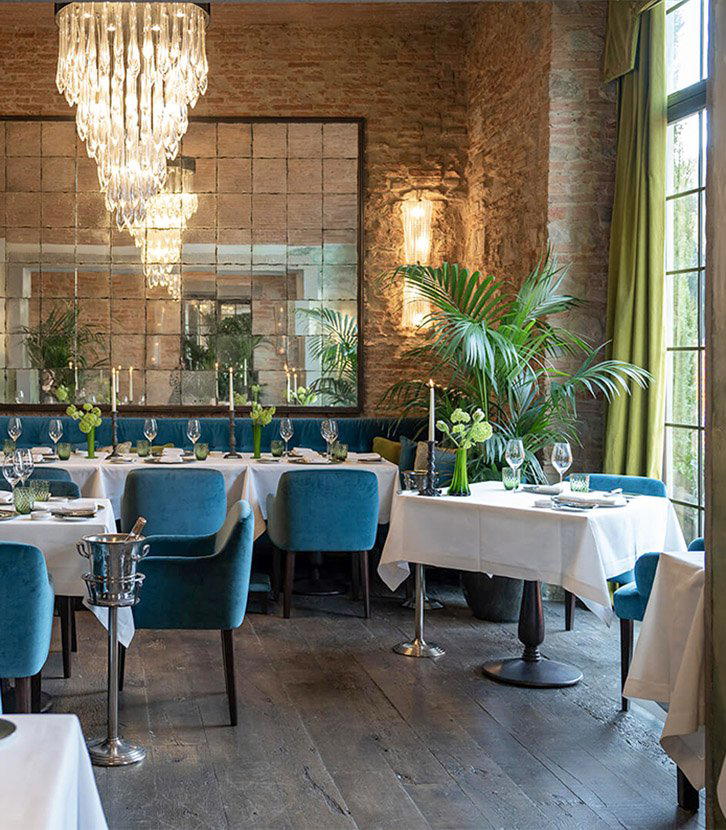
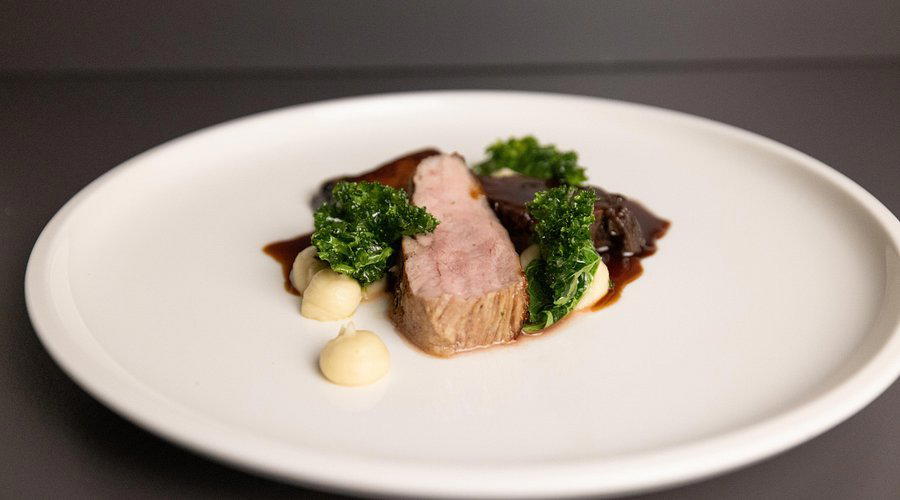
Bars in Silz
Browse all →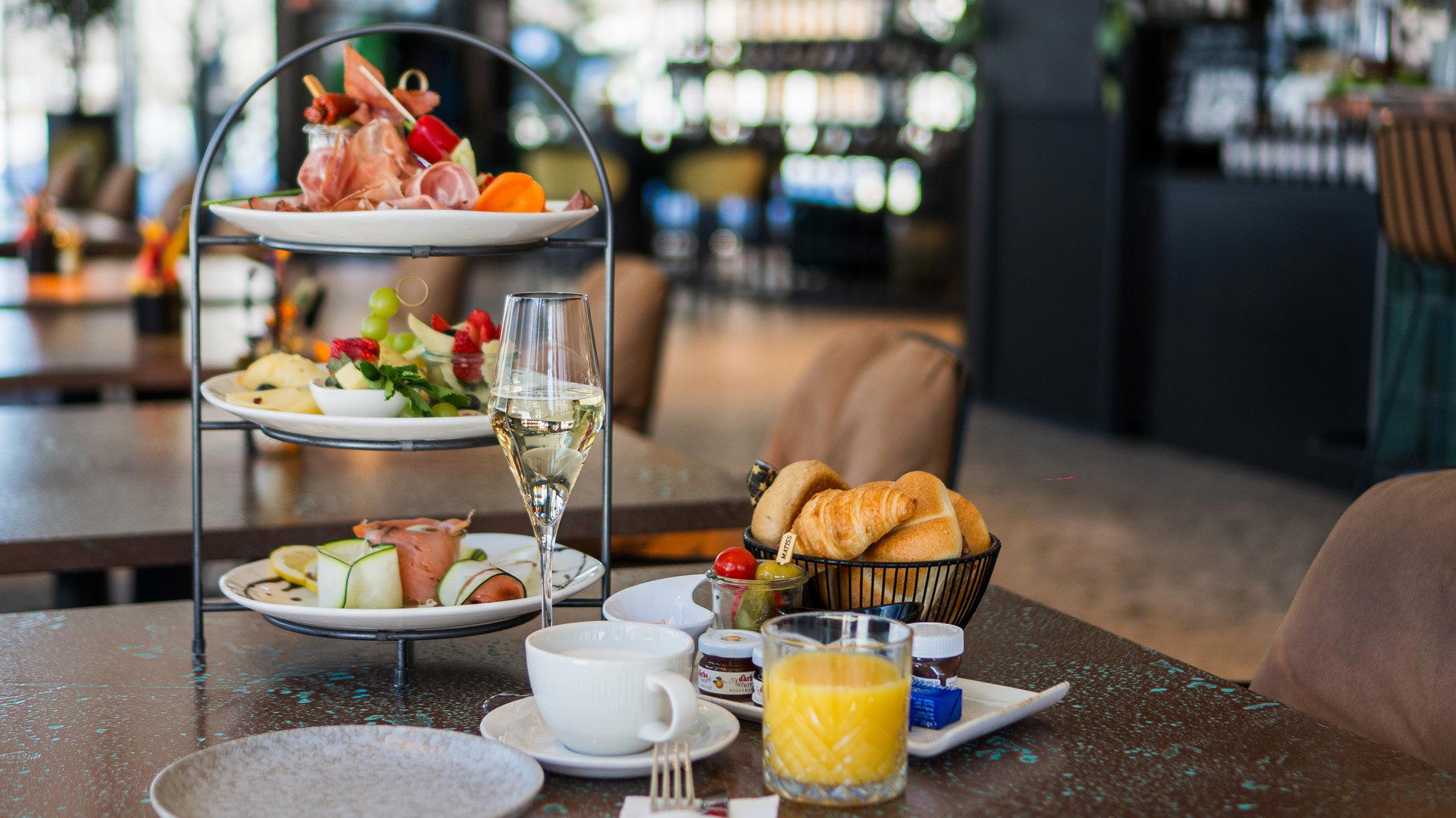
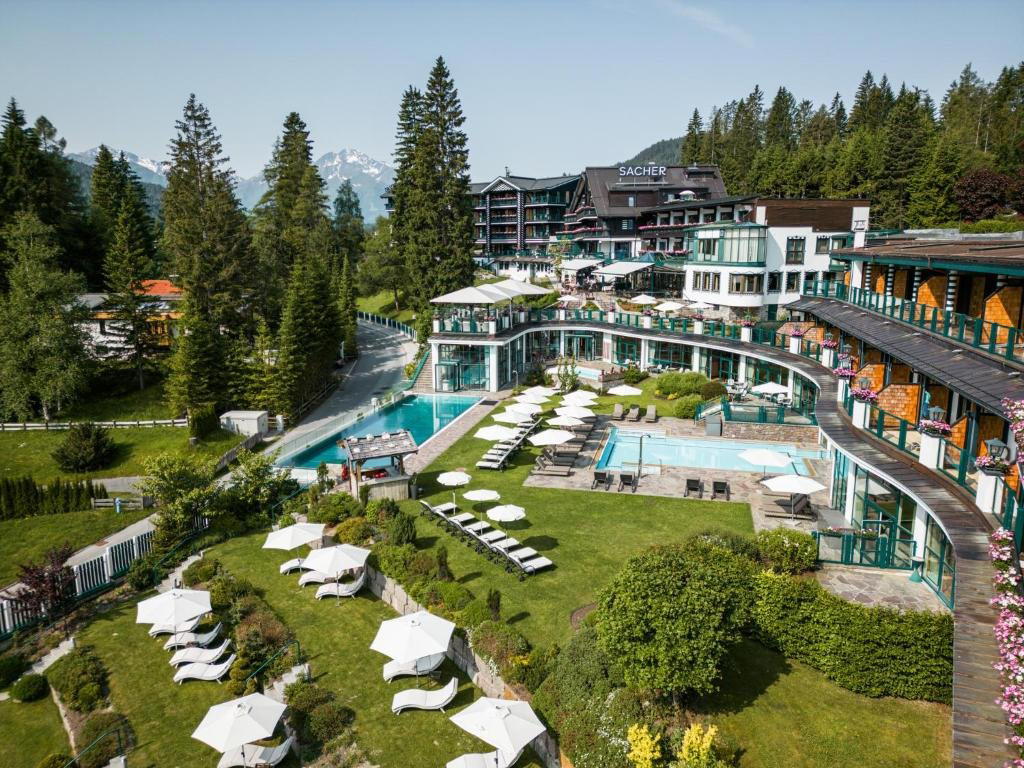
Hotels in Silz
Browse all →

At a Glance
- Cozy
- Rustic
- Special Occasion
- Local Sourcing
Current opening hours
- Monday
- 11:30 AM–2 PM, 6–10 PM
- Tuesday
- 11:30 AM–2 PM, 6–10 PM
- Wednesday
- Closed
- Thursday
- Closed
- Friday
- 11:30 AM–2 PM, 6–10 PM
- Saturday
- 11:30 AM–2 PM, 6–10 PM
- Sunday
- 11:30 AM–5 PM
Hours can change for holidays and private events. Last verified .
Cozy and hospitable inn atmosphere with a focus on excellent Austrian hospitality.