Michelin Plate
Our verdict
Washoku TOMO on Timmermansgatan holds a Michelin Plate for 2024 and 2025, placing it among Stockholm's most consistently recognised Japanese restaurants at the €€€ price tier. The kitchen works in the washoku tradition, the classical Japanese culinary framework built around balance, seasonal produce, and precise technique. For a city with a small but serious Japanese dining scene, TOMO represents a reliable anchor point.

Pearl is the En Primeur Club membership app, where members save venues, book tables and use the concierge.
Where Stockholm Meets the Washoku Tradition
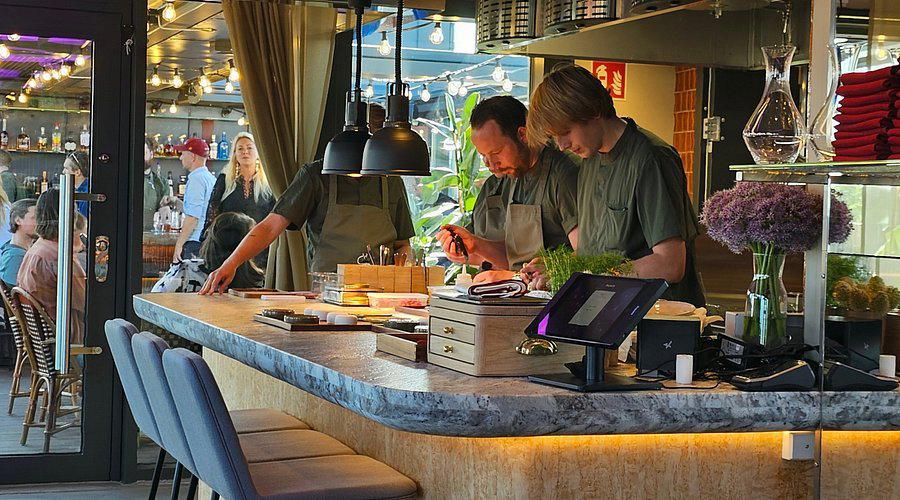
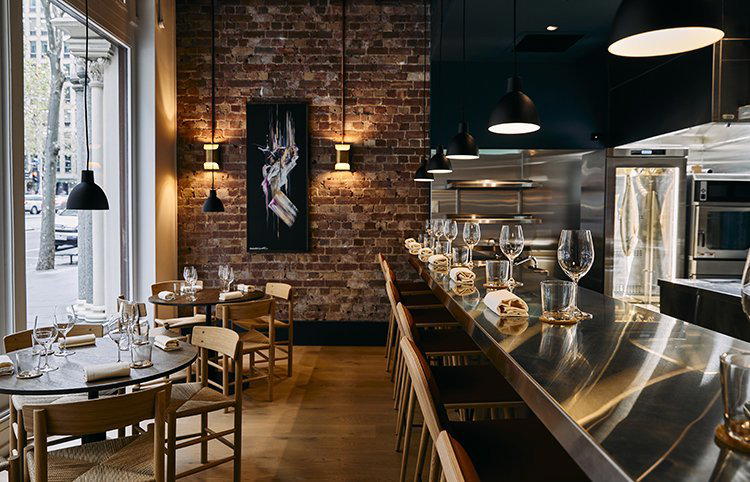
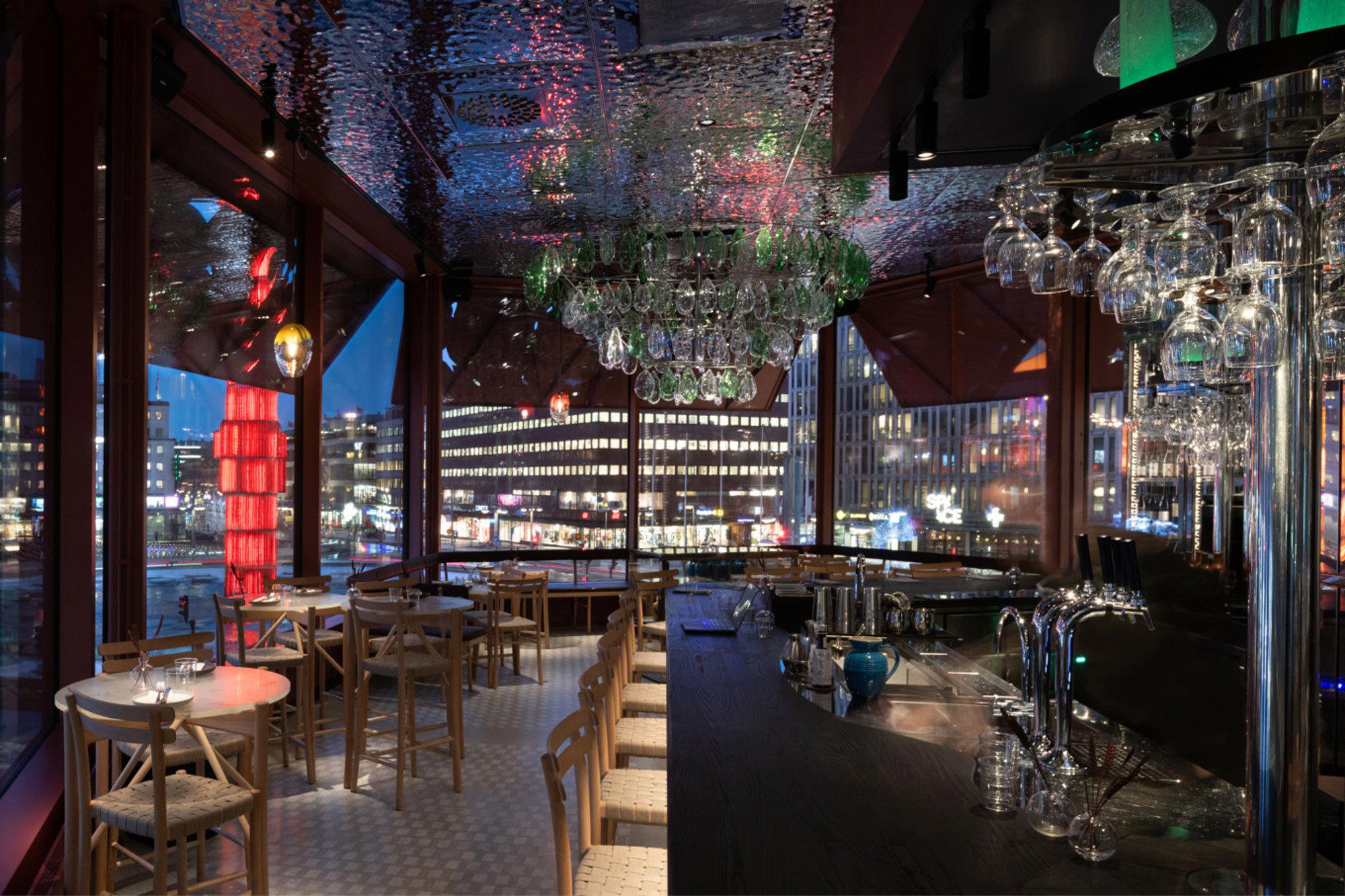
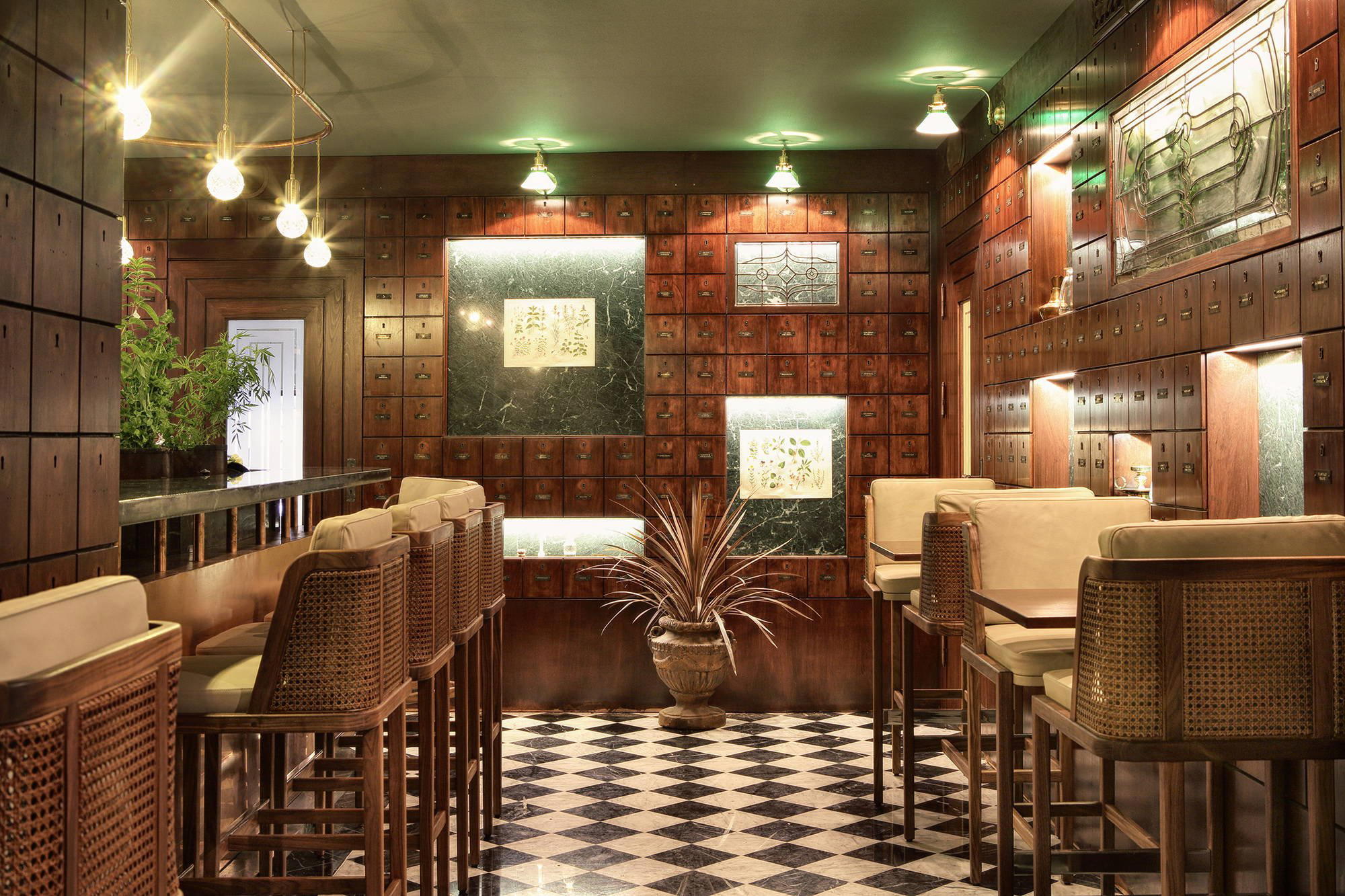
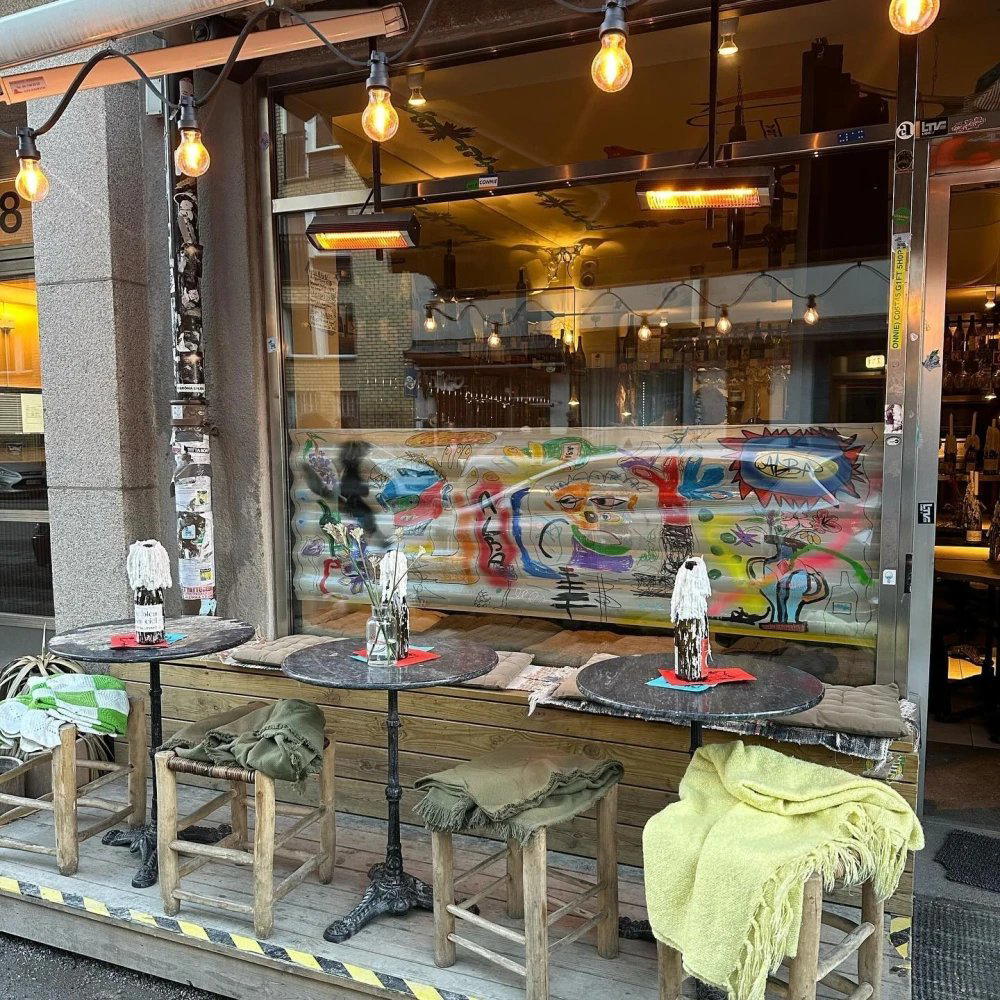
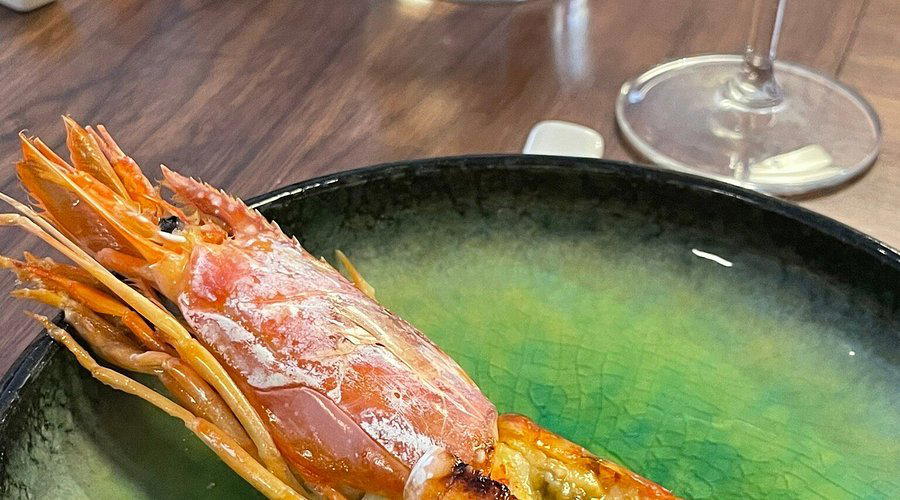
Timmermansgatan is a quiet residential street in Södermalm, Stockholm's most food-serious neighbourhood, where the street-level signage tends to understate whatever is happening inside. That quality of restraint carries through into TOMO's interior, which signals washoku principles before a single dish arrives: clean lines, considered materials, a deliberate absence of clutter. Washoku, recognised by UNESCO as an Intangible Cultural Heritage in 2013, is less a style of cooking than a governing philosophy: balance between flavour, colour, and season, expressed through disciplined technique and minimal intervention. Restaurants that take this framework seriously tend to feel calmer than a Western fine-dining room, and TOMO reads as exactly that kind of space.
Stockholm's Japanese Dining Tier, Placed
Stockholm's Japanese restaurant scene is smaller and more concentrated than those in Paris or London, which makes the Michelin signals easier to read. Consistent Michelin Plate recognition across 2024 and 2025 positions TOMO inside the city's top-tier Japanese offer alongside counterparts like Sushi Sho and Dashi, each of which operates from a distinct technical premise. Where Sushi Sho is built around shari and edomae nigiri tradition, TOMO's name references washoku more broadly, implying range across the classical Japanese canon rather than a single-discipline format. At the €€€ tier, it sits below the ceiling occupied by Stockholm's Nordic fine-dining rooms, Frantzén, AIRA, and Operakällaren all price into the €€€€ bracket, making TOMO a more accessible point of entry into the city's recognised dining tier without dropping into the casual mid-market.
That positioning matters in practice. For visitors working through Stockholm's dining scene, the €€€€ restaurants demand a full-evening commitment and a correspondingly full budget. TOMO at €€€ offers a credentialed alternative that doesn't require the same expenditure, while still operating within a framework that Michelin's inspectors have flagged twice consecutively as worthy of attention.
The Lunch vs. Dinner Logic at a Washoku Counter
In Japan, the lunch-versus-dinner divide at washoku-tradition restaurants carries real weight. Lunchtime service typically runs shorter menus at substantially lower prices, drawing a mix of office workers and deliberate diners who know that the kitchen's sourcing and technique are identical across both services. The evening format expands in courses, pacing, and often in price, and the room shifts accordingly: quieter, more intentional, less transactional. Stockholm washoku rooms that follow this model offer some of the city's better-value dining at lunch, the same hands, the same produce philosophy, a tighter edit.
For visitors to Stockholm, this distinction has a planning implication. A lunch visit to a restaurant like TOMO typically demands less advance booking lead time than dinner, and the lighter menu format can sit well before an afternoon in Södermalm's galleries and bookshops. Dinner, by contrast, suits a slower approach: the neighbourhood has enough serious bars and natural wine spots to build an evening around, and the extended pacing of a washoku dinner menu fits that rhythm. Neither is the wrong choice, but they serve different purposes, and treating lunch purely as a fallback misses the point of how these kitchens actually operate.
Södermalm's dining character leans independent and neighbourhood-specific, which makes TOMO a natural anchor for an evening that stays in the area rather than crossing to Östermalm or Gamla Stan. For a broader map of where to drink and stay across the city, see our full Stockholm bars guide and our full Stockholm hotels guide.
What the Washoku Framework Means on the Plate
The washoku canon organises a meal around five methods (raw, simmered, grilled, steamed, fried), five flavours, and five colours, a structure that produces coherent, internally balanced menus rather than a sequence of individual showpieces. For diners accustomed to tasting-menu formats built around creative surprises, washoku can initially read as quieter. That's the point. The technical standard is applied to texture, temperature, and seasoning precision rather than novelty, which is why experienced diners often find the format more demanding to execute well than it appears from the outside.
Stockholm's geographic position adds a layer of interest to any Japanese kitchen working with seasonal produce here: the Nordic season calendar differs enough from Japan's that a committed washoku kitchen must make real decisions about how to handle local ingredients within a classical framework, or how to source Japanese produce for dishes where substitution would compromise the logic. That tension, between Nordic availability and Japanese structural requirements, is one of the defining challenges for any washoku operation outside Japan, and it's worth paying attention to how a given kitchen handles it. For a point of comparison at the source, Myojaku and Azabu Kadowaki in Tokyo show how the same washoku principles operate in their originating context.
Sweden's Broader Restaurant Geography
Stockholm holds the concentration of Sweden's highest-profile restaurant recognition, but the country's serious dining extends well beyond the capital. Vollmers in Malmö, Signum in Mölnlycke, and VYN in Simrishamn each carry Michelin recognition in the south, while 28+ in Gothenburg and PM & Vänner in Växjö anchor the west and centre. For something more remote, Knystaforsen in Rydöbruk operates in a format where the landscape is explicitly part of the dining proposition. TOMO's position in this wider geography is as Stockholm's credentialed Japanese representative: a different tradition entirely from the Nordic kitchens that dominate Sweden's Michelin listings, and more coherent for that specificity. See our full Stockholm restaurants guide for a complete view of where TOMO fits among the capital's full range, as well as our Stockholm wineries guide and our Stockholm experiences guide for the wider city picture.
Planning a Visit
TOMO sits at Timmermansgatan 15 in Södermalm, reachable on foot from Slussen or Mariatorget metro stations. At €€€ pricing, expect to spend in a similar range to Stockholm's credentialed mid-tier restaurants, meaningfully less than the city's €€€€ fine-dining rooms but priced to reflect the sourcing and technique that Michelin recognition implies. Booking ahead is advisable, particularly for evening service; lunch typically offers more flexibility.
Frequently asked questions
Can I bring kids to Washoku TOMO?
Washoku TOMO holds a Michelin Plate (2024, 2025) and sits within the washoku tradition, which structures meals around multiple courses and specific techniques. That format tends to suit older children with patience for extended, multi-course dining rather than young children expecting informal service. check the venue's official channels via Timmermansgatan 15 to confirm their policy before booking.
What should I expect atmosphere-wise at Washoku TOMO?
Timmermansgatan is a residential side street in Södermalm, Stockholm's most food-focused neighbourhood, and the setting reflects that: understated from the outside, concentrated inside. Washoku tradition frames the meal as a composed, sequential experience rather than a casual drop-in, so the room operates at a considered pace. At €€€ pricing, the register is closer to a focused dining room than a neighbourhood bistro.
Does Washoku TOMO have a Michelin star or similar recognition?
Washoku TOMO has received recognition including: Michelin Plate (2025); Michelin Plate (2024).
What should I eat at Washoku TOMO?
The kitchen works within the washoku canon, which organises a meal around five preparation methods, raw, simmered, grilled, steamed, and fried, alongside attention to seasonal ingredient cycles. That structure typically means a set or multi-course menu rather than à la carte selection. At the €€€ price point, and with two consecutive Michelin Plate recognitions (2024, 2025), the expectation is a complete menu progression rather than a single signature dish.
What style of cooking does Washoku TOMO do?
Is Washoku TOMO expensive?
Pricing at Washoku TOMO is listed as €€€.
Price and Positioning
| Venue | Cuisine | Price | Awards | Notes |
|---|---|---|---|---|
| Washoku TOMOThis venue (the venue you are viewing) | Modern Japanese Omakase | Not listed | Michelin Plate | Not listed |
| Operakällaren | Modern Scandinavian Fine Dining | $150–200 | 1 Michelin Star · World's 50 Best #27 | Swedish, Modern Cuisine |
| AIRA | Modern Nordic Seasonal Tasting Menu | $200–300 | 2 Michelin Stars · La Liste Top Restaurants | Modern European, Modern Cuisine |
| Adam / Albin | Modern Scandinavian Fine Dining | $100–150 | 1 Michelin Star · La Liste Top Restaurants | New Nordic |
| Ekstedt | Wood-Fire Nordic Fine Dining | $200–300 | 1 Michelin Star · La Liste Top Restaurants | Progressive Asador, Grills |
| Etoile | Creative International Fine Dining | $300–500 | 1 Michelin Star · Star Wine List | Contemporary French, Creative |
Recognition history
Dated appearances from independent guides and award organizations, with the underlying list record or original source where available.
Michelin Plate
Michelin
Full recognition history (3 entries)
Michelin Plate
Michelin
Michelin Plate
Michelin