
Preferred Hotels Member
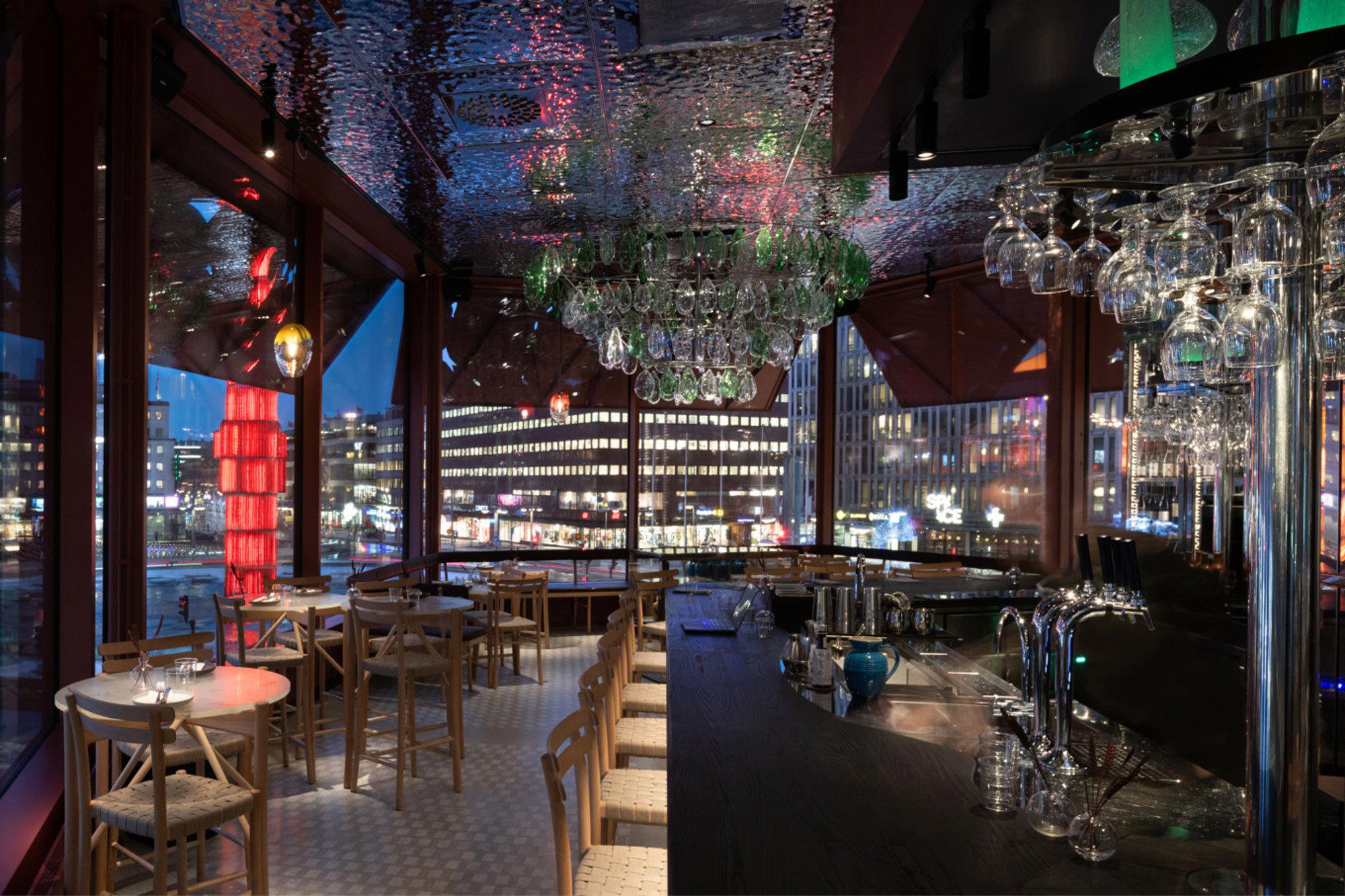
Positioned on Vasaplan at the edge of Norrmalm, Hotel C Stockholm places 367 rooms within walking distance of the city's main transport corridors and central shopping district. Where Stockholm's smaller design-led properties trade on intimacy, Hotel C operates at a scale that suits both business travellers and those using the city as a base for wider Swedish exploration.

Pearl is the En Primeur Club membership app, where members save venues, book tables and use the concierge.
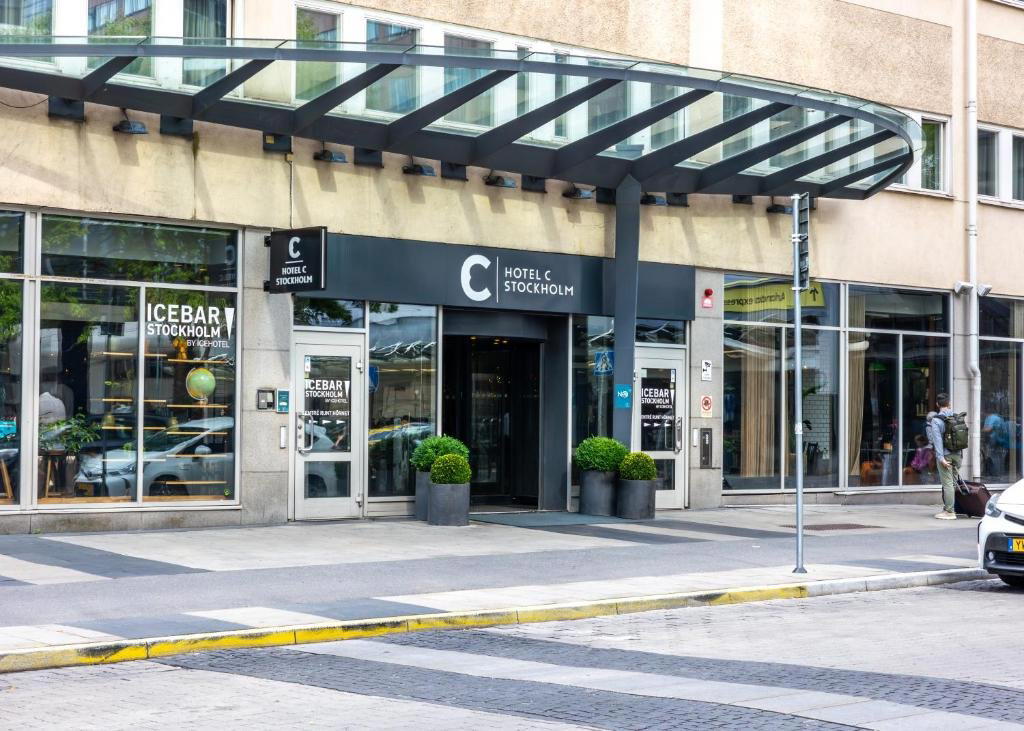
Where Stockholm's City Centre Logic Places You
Stockholm's hotel stock divides cleanly along two axes: the intimate, design-led properties that function as destinations in themselves, and the larger urban hotels that prioritise position and scale over atmosphere as the primary selling point. Hotel C Stockholm, at Vasaplan 4 in Norrmalm, belongs to the second category. With 367 rooms, it operates at a scale that separates it from the handful of low-key, high-design addresses Ett Hem, At Six, Bank Hotel, that Stockholm's design-conscious travellers tend to favour. What it offers in return is centrality: Vasaplan sits directly adjacent to Stockholm Central Station, which means T-Centralen, the Arlanda Express, and the archipelago ferry connections at Strandvägen are all within practical reach without a taxi.
That positioning matters more in Stockholm than in many comparable European capitals. The city's geography, spread across fourteen islands, means that where you sleep determines how much transit time shapes your days. A hotel at Vasaplan is not a hotel that asks you to commit to a single neighbourhood character. It is, instead, a functional base from which Östermalm's food halls, Södermalm's independent bars, and Gamla Stan's medieval grid are all reachable within roughly the same window of time.
The Scale Question in Stockholm's Hotel Market
Stockholm's premium hotel tier has grown more varied over the past decade. The city now supports a genuine range of formats: the converted bank of Berns Hotel, the understated residential register of Ett Hem, the post-industrial orientation of Blique by Nobis, and the direct comfort of Freys Hotel a short walk from the same Vasaplan address. Against that field, Hotel C's 367-room footprint places it in a different competitive set than the boutique alternatives, closer in spirit to the Grand Hôtel Stockholm in terms of operating scale, though at a significantly different position on the formality register.
For travellers who have spent time at design-forward properties like Backstage Hotel Stockholm, Hotel C will read differently: less curatorial in its aesthetic approach, more transactional in its logic. That is not a criticism. Stockholm's central hotel market needs properties that can absorb volume without requiring guests to engage with a carefully constructed identity on every corridor. Hotel C fills that function in a city that, outside of a handful of landmark properties, has historically underserved the mid-to-large urban hotel format.
Winter in Stockholm: What the Season Requires of a City-Centre Base
Search interest for Stockholm hotels peaks in November and December, which reflects both the city's Christmas market season and the particular atmospheric pull of Scandinavian winter. Stockholm in the dark months is a different city from its summer counterpart: candlelit restaurants, the smell of glögg at outdoor stalls in Gamla Stan, the early-afternoon blue hour that settles over the water between Djurgården and Strandvägen. It is a city that rewards those who engage with the cold rather than retreating from it.
A hotel at Vasaplan is well-placed for that engagement. The main Christmas market at Stortorget in Gamla Stan is reachable via a direct metro connection from T-Centralen. Östermalms Saluhall, one of the city's most architecturally considered food markets, operates year-round and runs at a particular pitch during the winter season, when its fish counters and charcuterie stalls compete with the cold outside for the attention of a visitor with an hour to spend. For travellers arriving from international connections, the Arlanda Express, which departs from the station immediately adjacent to Vasaplan, covers the airport run in roughly 18 minutes, a logistical consideration that justifies a central Norrmalm address in any season, but particularly in winter when airport transit time and cold weather tend to erode patience quickly.
Seasonally, Stockholm's hotel market tightens at both ends of the calendar. Demand in December compresses availability at the city's more characterful smaller properties, making the 367-room scale of Hotel C a practical alternative when the boutique options are fully committed. Travellers who arrive in Stockholm without firm accommodation for the week of Advent or the days around Christmas will find that scale a functional buffer against a compressed market.
What the Surrounding Scene Offers
Norrmalm, the district that contains Vasaplan, is not Stockholm's most atmospheric quarter for eating and drinking. That energy has migrated south to Södermalm and east to Östermalm and the edges of Vasastan. But proximity to Central Station means Hotel C sits within a short journey of the city's most serious dining addresses. Stockholm's food scene carries genuine ambition: the city holds multiple Michelin stars across a concentrated dining corridor, and the broader Scandinavian framework of seasonal, produce-led cooking is represented across a range of price points. Our full Stockholm restaurants guide maps the city's eating landscape in detail.
For travellers using Stockholm as an entry point to wider Swedish travel, Hotel C's position at the transport hub simplifies logistics. Northward from Central Station, rail services connect to Swedish Lapland and properties like Arctic Bath in Harads. West of Stockholm, the archipelago of the Bohuslän coast leads eventually to addresses like Marstrands Kurhotell in Marstrand and Dorsia Hotel and Restaurant in Gothenburg. South-west through Skåne, the agricultural and wine-adjacent landscape around Vyn Restaurant in Östra Nöbbelöv offers a counterpoint to the urban register. Hotel C is a base for that kind of itinerary, not a destination that competes with it.
Planning Your Stay
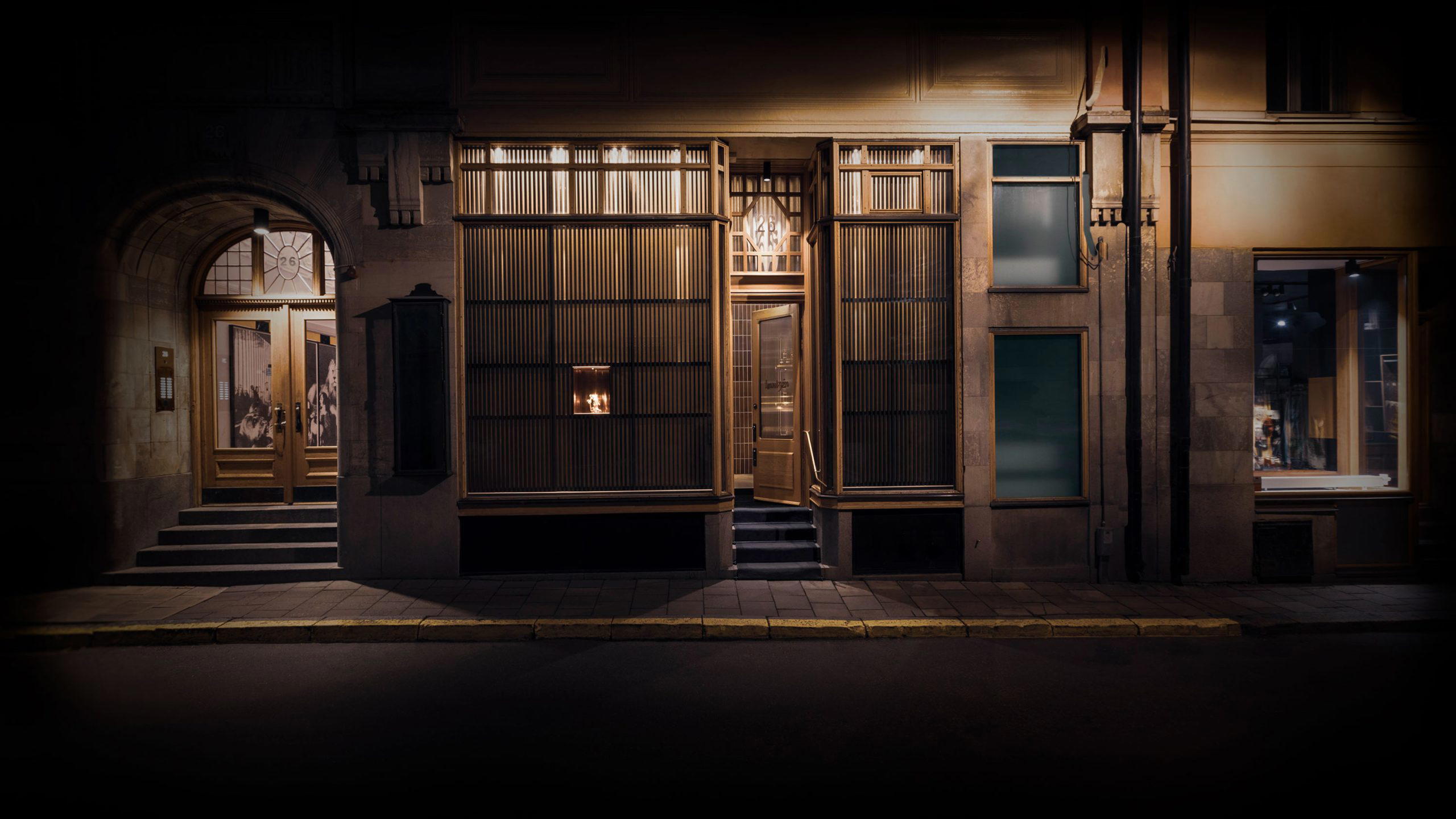
Hotel C Stockholm is located at Vasaplan 4, 111 20 Stockholm, directly adjacent to Stockholm Central Station. For travellers arriving via Arlanda Airport, the Arlanda Express terminal is inside the station, placing the hotel within practical walking distance of the airport connection. The property carries 367 rooms, which gives it flexibility during periods of compressed city-wide demand, including the November and December peak season when Stockholm's smaller properties tend to fill earliest. Specific rates, room categories, and availability should be confirmed through current booking channels, as pricing across Stockholm's central hotel tier shifts notably between low season and the winter peak. Travellers considering Stockholm in the same itinerary window as other Scandinavian or Nordic destinations may find useful comparison points at Fjällbacka on the west coast or, for those combining with a broader European circuit, at properties like Cheval Blanc Paris or Badrutt's Palace Hotel in St. Moritz.
Compact Comparison
Comparable venues nearby, for context on price, style, and recognition.
| Venue | Price | Awards | Notes |
|---|---|---|---|
| Hotel C StockholmThis venue (the venue you are viewing) | Not listed | Preferred Hotels Member | Not listed |
| Story Hotel Stockholm Stureplan - JDV by Hyatt | $100–200 | Michelin Selected | Östermalm, Boutique hotel in historic 19th-century building with contemporary design. |
| Hotel J | $300–500 | Michelin Selected · Design Hotels Member | Nacka Strand, Nordic-inspired boutique hotel with nautical influences and contemporary Scandinavian minimalism in a restored historic waterfront building. |
| Stallmästaregården | Not listed | Michelin Selected · White Guide Sweden Hotels - Very Fine Level | Vasastaden, Historic farmhouse-style boutique in royal park setting |
| Stockholm Waterfront Congress Centre | $100–200 | Not listed | Riddarholmen, Contemporary Scandinavian design with emphasis on sustainability and environmental responsibility; climate-smart office and hospitality complex. |
| Freys Hotel | Not listed | Not listed | Norrmalm, Charming family-run hotel with rich history and modern comforts. |
Recognition history
Dated appearances from independent guides and award organizations, with the underlying list record or original source where available.
Preferred Hotels Member
Preferred Hotels
Continue exploring
More in Stockholm
Hotels in Stockholm
All hotels in Stockholm →
Details
- Modern
- Trendy
- Business Trip
- Weekend Escape
- Historic Building
- Wi Fi
- Fitness Center
- Room Service
- Concierge
- Business Center
- Valet Parking
- Wheelchair Accessible
- Elevator
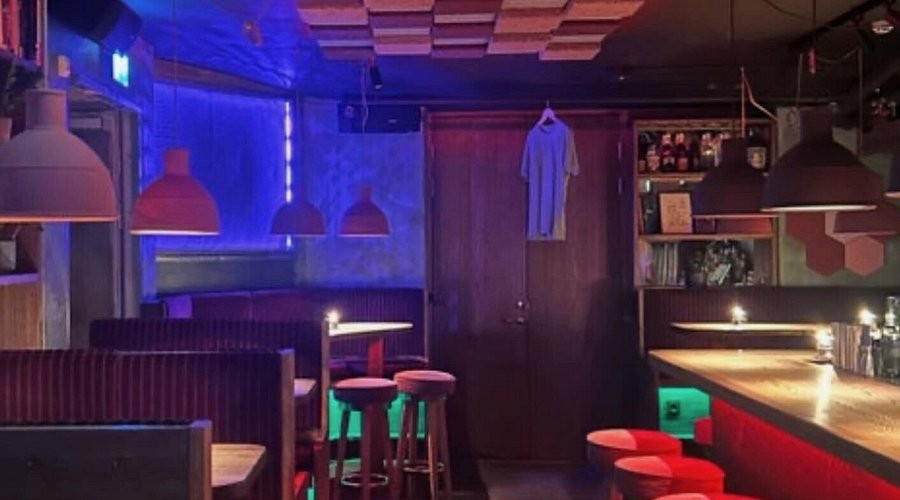
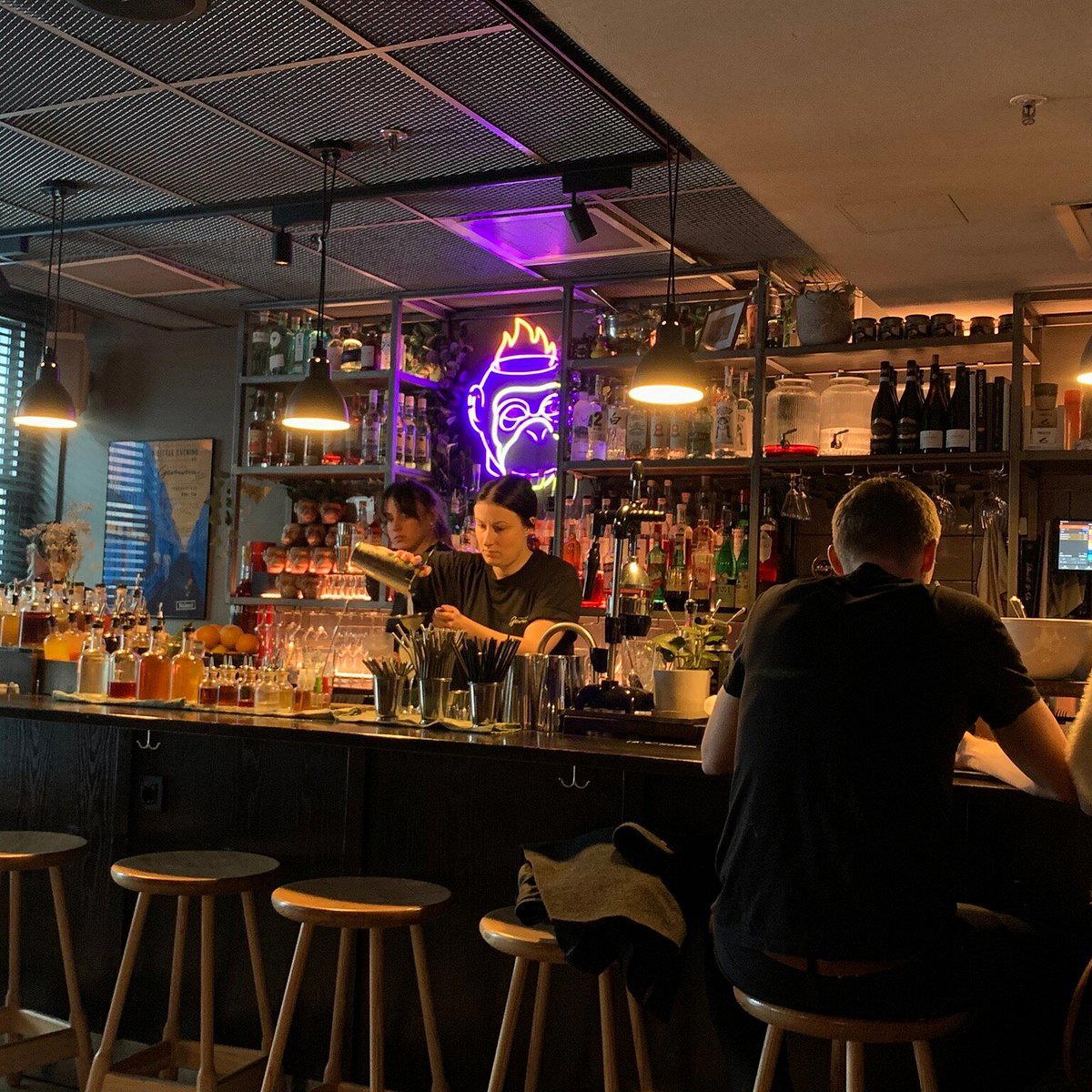
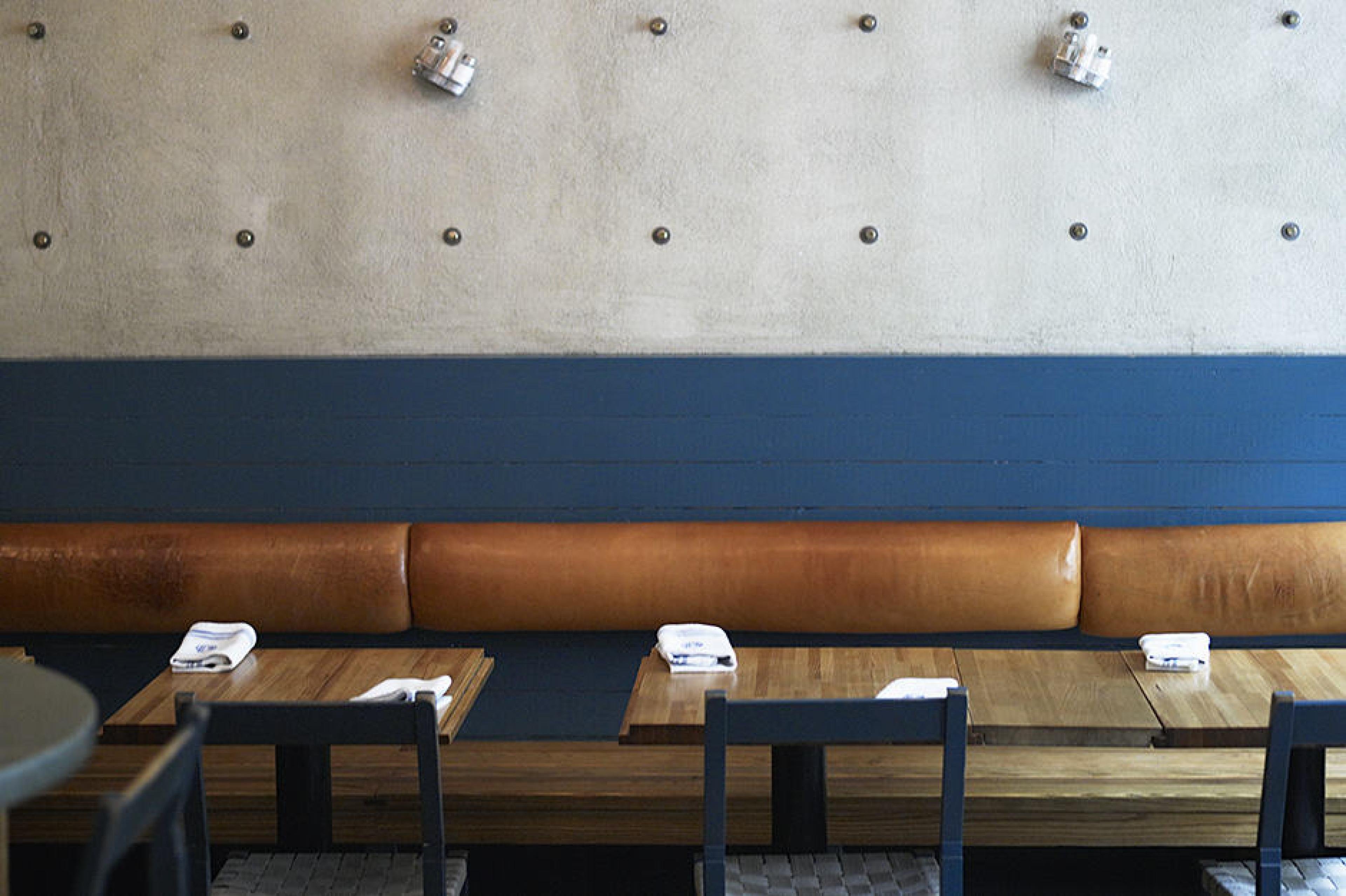
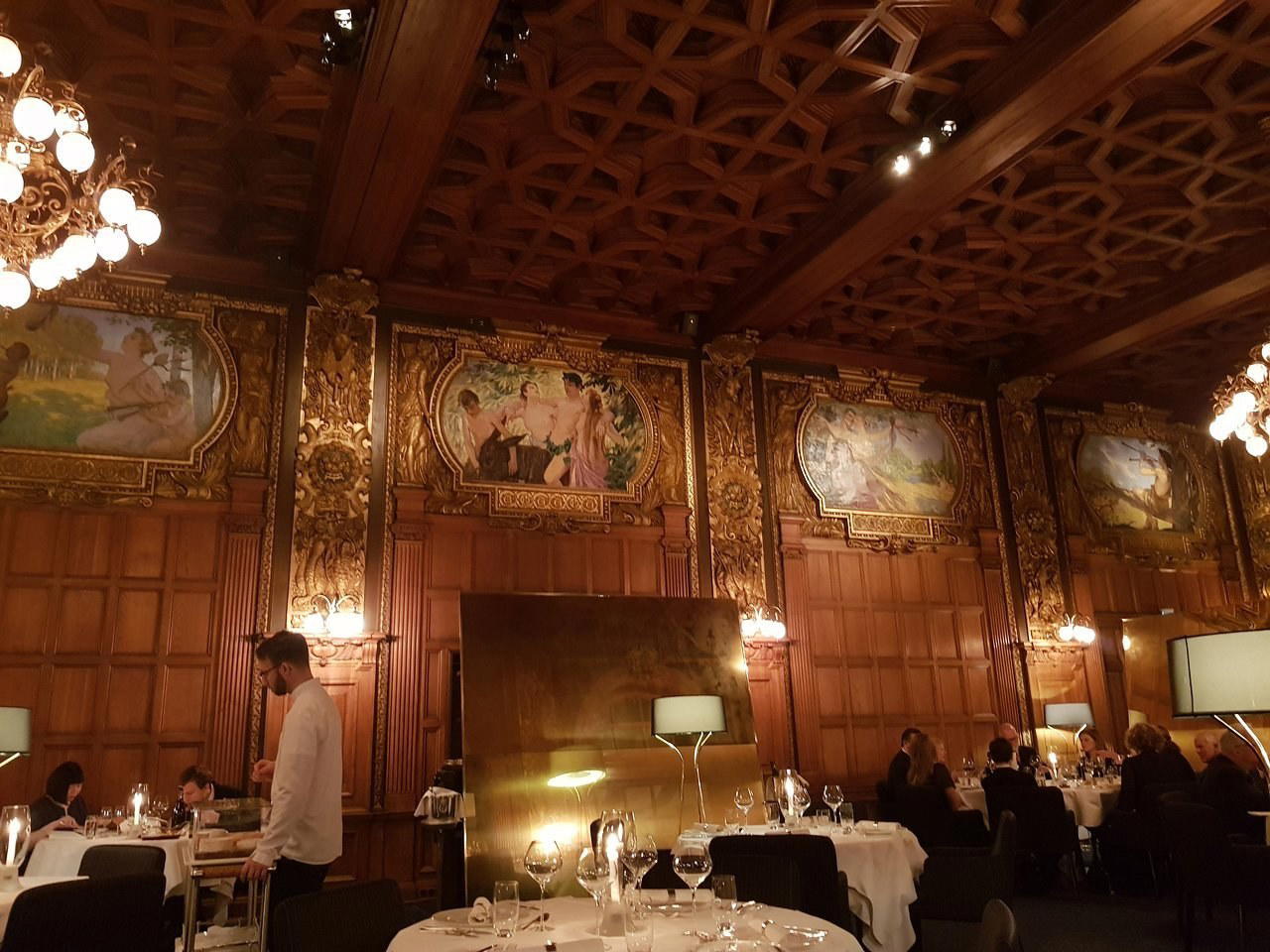
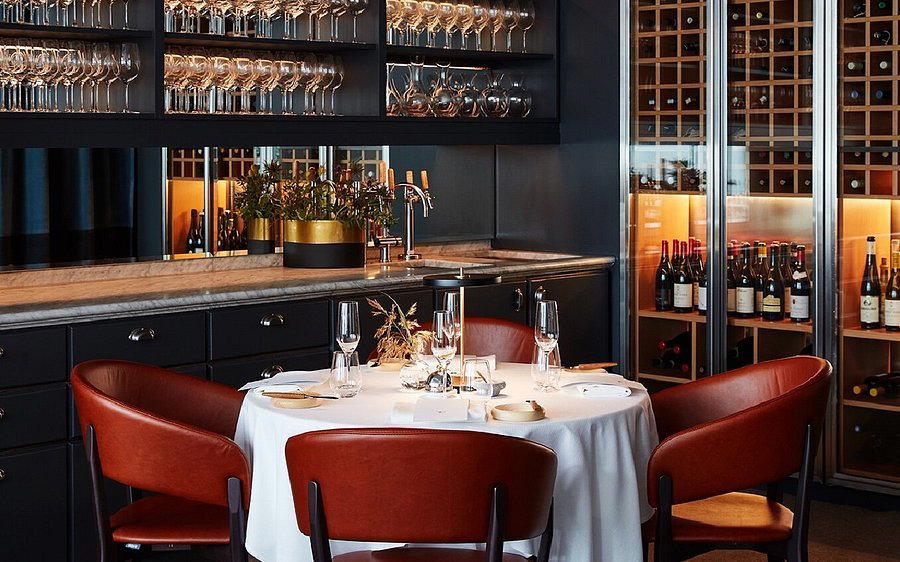
Inviting and relaxed atmosphere with modern design, soundproofed rooms ensuring quiet stays, and a lively lobby featuring games and lounge areas.