
A Michelin Plate-recognized seafood address on Vasagatan, B.A.R. sits in Stockholm's mid-range dining tier where precise technique meets the Nordic coastline's shellfish calendar. Under chef Nicholas Calias, the kitchen channels crustaceans and molluscs with the kind of focus that earns consecutive Michelin recognition. For fish-forward dining at a price point below the starred field, it holds a clear position.
Pearl is the En Primeur Club membership app — saves, bookings, and concierge access live there. Same editors, same standards.
- Address
- Vasagatan 52, 111 20 Stockholm, Sweden
- Phone
- +46 8 428 451 80
- Website
- barnordic.com
- Directions
- Get directions
 Saves & bookings on Pearl
Stockholm's Seafood Counter and Where B.A.R. Sits in It
Vasagatan is not Stockholm's most celebrated dining corridor, that distinction goes to the tighter streets around Östermalm and the starred rooms clustered near the water. But the street's central position, running parallel to Stockholm Central Station, makes it a practical anchor for a certain kind of reliable, ingredient-led restaurant that does not depend on location prestige. B.A.R. operates in that register: a seafood-focused room at the €€ price point, recognized by Michelin in 2024 and 2025.
The Michelin Plate designation, awarded in consecutive years, signals a kitchen that inspectors consider worth recommending without yet awarding a star. In Stockholm's current dining ecosystem, where Operakällaren holds a star at €€€€ and Frantzén operates at stronger examples from the market, the Plate tier occupies a functionally important middle ground. It identifies restaurants where the cooking is taken seriously and the sourcing holds up, without the tasting-menu formality or the price premium that accompanies starred rooms. B.A.R.'s.
The Shellfish Argument: Why Crustaceans Define Nordic Seafood Dining
Sweden's relationship with shellfish is seasonal and geography-driven in ways that distinguish it from Mediterranean fish cultures. The west coast, particularly the waters around Bohuslän, produces lobster, crab, langoustine, oysters, and scallops that are among the more consequential in Northern Europe. The Swedish lobster season, which opens in late September and runs through winter, is treated with a seriousness that parallels how Burgundy handles its grape harvest: short, cold-water, and worth planning around.
A seafood restaurant operating at B.A.R.'s price point in Stockholm is making a specific argument: that shellfish and fish cookery, handled with precision at mid-market pricing, can compete for the same dinner reservation as the city's broader contemporary dining options. The €€ bracket in Stockholm means a meaningful meal without the commitment of a full tasting menu, and for crustacean-focused cooking, that format often works better anyway. Lobster grilled simply, crab with good bread, scallops with brown butter, these dishes do not need theatrical presentation to justify themselves.
Chef Nicholas Calias leads the kitchen. Within Stockholm's seafood dining conversation, which also includes Wedholms Fisk, a long-established reference point for classical Swedish fish cookery, and Sture Hof and Seafood Gastro, B.A.R. sits in a peer group that competes on sourcing quality and technique rather than on room design or prestige address.
Shellfish Technique and the Cold-Water Advantage
Cold-water shellfish, the kind that comes from Scandinavian and North Atlantic fisheries, carries a specific flavour profile: sweetness concentrated by slow growth in low temperatures, firm texture, and a clean marine finish that warm-water equivalents rarely match. Swedish west-coast lobster is smaller than its Canadian or Maine counterpart but is regularly cited by chefs working in this tradition as yielding more intense flavour per gram. Langoustine from the same waters share that characteristic: tight, sweet, precise in a way that makes technique almost secondary to sourcing.
For a kitchen like B.A.R.'s, the technical case for shellfish focus rests on that raw material quality. A scallop from Bohuslän, prepared with restraint, makes a stronger editorial statement than a more globally sourced product dressed in more complex technique. The Michelin Plate recognition suggests the kitchen understands that calculus. Inspectors at that tier are looking for kitchens that know what they have and do not overwork it.
B.A.R. in the Wider Swedish Dining Picture
Stockholm's seafood dining tradition is older and more confident than the city's newer Nordic tasting-menu format. Before Noma changed the framing of what Scandinavian cooking could mean internationally, Sweden had an established classical fish restaurant culture, smörgåsbord counters heavy with herring preparations, dedicated fish rooms serving gravlax and whole-roasted fish, that predates the current fine-dining conversation by decades. B.A.R. operates closer to that tradition than to the foraged-and-fermented format that dominates the current starred tier.
Outside Stockholm, the Swedish Michelin scene includes addresses worth tracking for context. Vollmers in Malmö and VYN in Simrishamn work at the southern end of the country, where the Baltic and the Öresund strait produce their own fish character. Signum in Mölnlycke and 28+ in Gothenburg anchor the west coast city that is closer to the leading shellfish sources than Stockholm itself. ÄNG in Tvååker and Knystaforsen in Rydöbruk represent the rural end of Swedish fine dining. B.A.R. is not in competition with any of those rooms, but understanding where it sits in that national picture clarifies its local function: a reliable, Michelin-acknowledged seafood address in the capital, priced for repeat visits rather than occasion dining.
For reference points outside Scandinavia, the shellfish-focused dining model has strong precedents in Southern Europe. Gambero Rosso in Marina di Gioiosa Ionica and Alici Restaurant on the Amalfi Coast show how different coastlines produce entirely different shellfish cultures, warmer water, different species, different technique traditions, that together map the range of what European seafood dining can mean.
Planning a Visit: Practical Considerations
B.A.R. is located at Vasagatan 52, within walking distance of Stockholm Central Station, which makes it accessible from most of the city's accommodation base. The €€ price positioning places it in a range where a full dinner for two with wine sits at a fraction of what the city's starred rooms charge. For visitors building a Stockholm itinerary, that price point creates flexibility: B.A.R. works as a serious dinner rather than a high-stakes occasion, which means it fits naturally alongside other city experiences without requiring the advance planning that tasting-menu rooms demand.
That is a meaningful signal for a room at this price tier.
What Dish Is B.A.R. Famous For?
B.A.R.'s Michelin Plate recognition and its shellfish-forward identity, under chef Nicholas Calias, point to crustacean and mollusc preparations as the kitchen's core competency. Cold-water shellfish from Sweden's west coast, where lobster and langoustine are sourced seasonally, represent the natural centre of gravity for a kitchen working at this price point with this level of inspector recognition. For real-time menu information, contacting the restaurant directly via their Vasagatan address is one reliable approach.
Peers in This Market
Comparable venues nearby, for context on price, style, and recognition.
| Venue | Cuisine | Price | Notes |
|---|---|---|---|
| B.A.R.This venue — the venue you are viewing | Dining | €€ | Not listed |
| Hillenberg | Modern Scandinavian Brasserie | $$$ | Östermalm |
| Allegrine | Modern French Bistro | $$$ | Norrmalm |
| Minh Mat | Modern Vietnamese Bistro | $$ | Ekudden |
| Liebling | German Bistro | $$ | Södermalm |
| Restaurant Aubergine | French Bistro | $$ | Östermalm |
Recognition history
Dated appearances from independent guides and award organizations, with the underlying list record or original source where available.
Michelin Plate
Michelin
Michelin Plate
Michelin
Continue exploring
More in Stockholm
Restaurants in Stockholm
Browse all →
Bars in Stockholm
Browse all →
At a Glance
- Lively
- Industrial
- Modern
- Cozy
- Group Dining
- Casual Hangout
- After Work
- Special Occasion
- Standalone
- Design Destination
- Open Kitchen
- Craft Cocktails
- Natural Wine
- Extensive Wine List
- Local Sourcing
- Sustainable Seafood
- Waterfront
Current opening hours
- Monday
- Closed
- Tuesday
- 5–10 PM
- Wednesday
- 5–10 PM
- Thursday
- 5–10 PM
- Friday
- 4 PM–12 AM
- Saturday
- 4 PM–12 AM
- Sunday
- Closed
Hours can change for holidays and private events. Last verified .
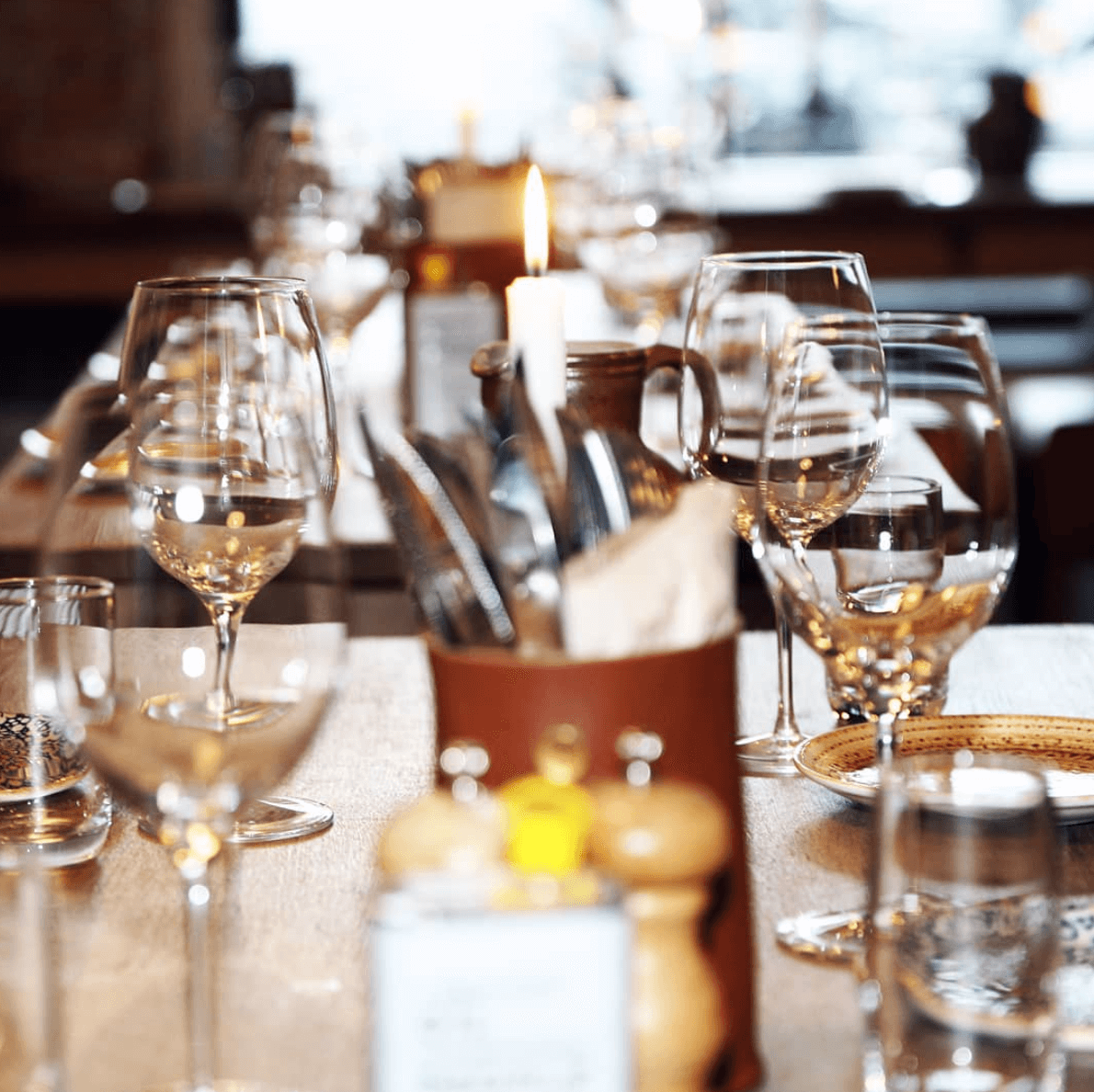
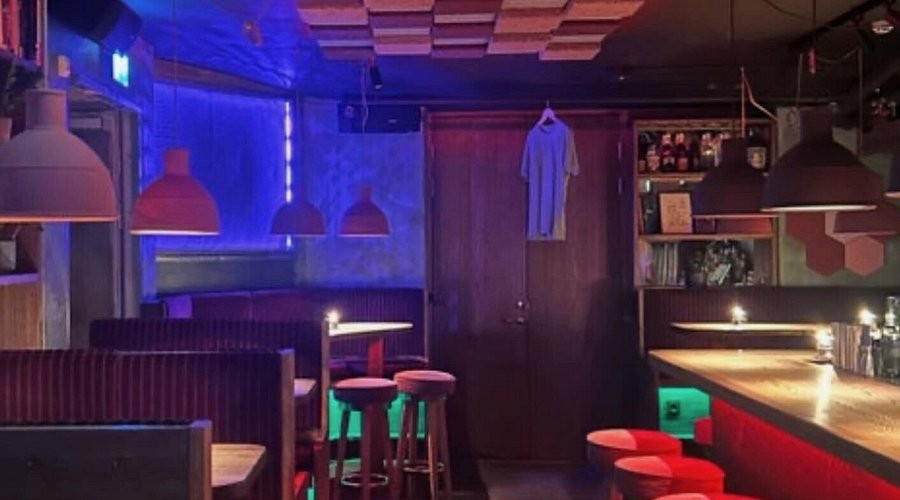
Bright, buzzy, and semi-industrial, with a fish-market look and a lively waterfront-adjacent feel.