

1 Michelin Key · White Guide Sweden Hotels - Exceptional Level
Built in 1647 for a master tailor named Frantz, this red brick Södermalm address is among Stockholm's oldest standing structures. Its 48 rooms pair modernist-inflected interiors with preserved historical architecture, offering a quietly considered stay at around $208 per night. The in-house restaurant, bar, and a notably generous breakfast spread make it easy to treat the hotel as a self-contained base on one of Stockholm's most characterful islands.

Pearl is the En Primeur Club membership app — saves, bookings, and concierge access live there. Same editors, same standards.
- Address
- Peter Myndes backe 5, 116 46 Stockholm
- Phone
- +46 8 442 16 80
- Website
- hotelfrantz.se
- Directions
- Get directions
Södermalm and the Case for Staying on the South Side
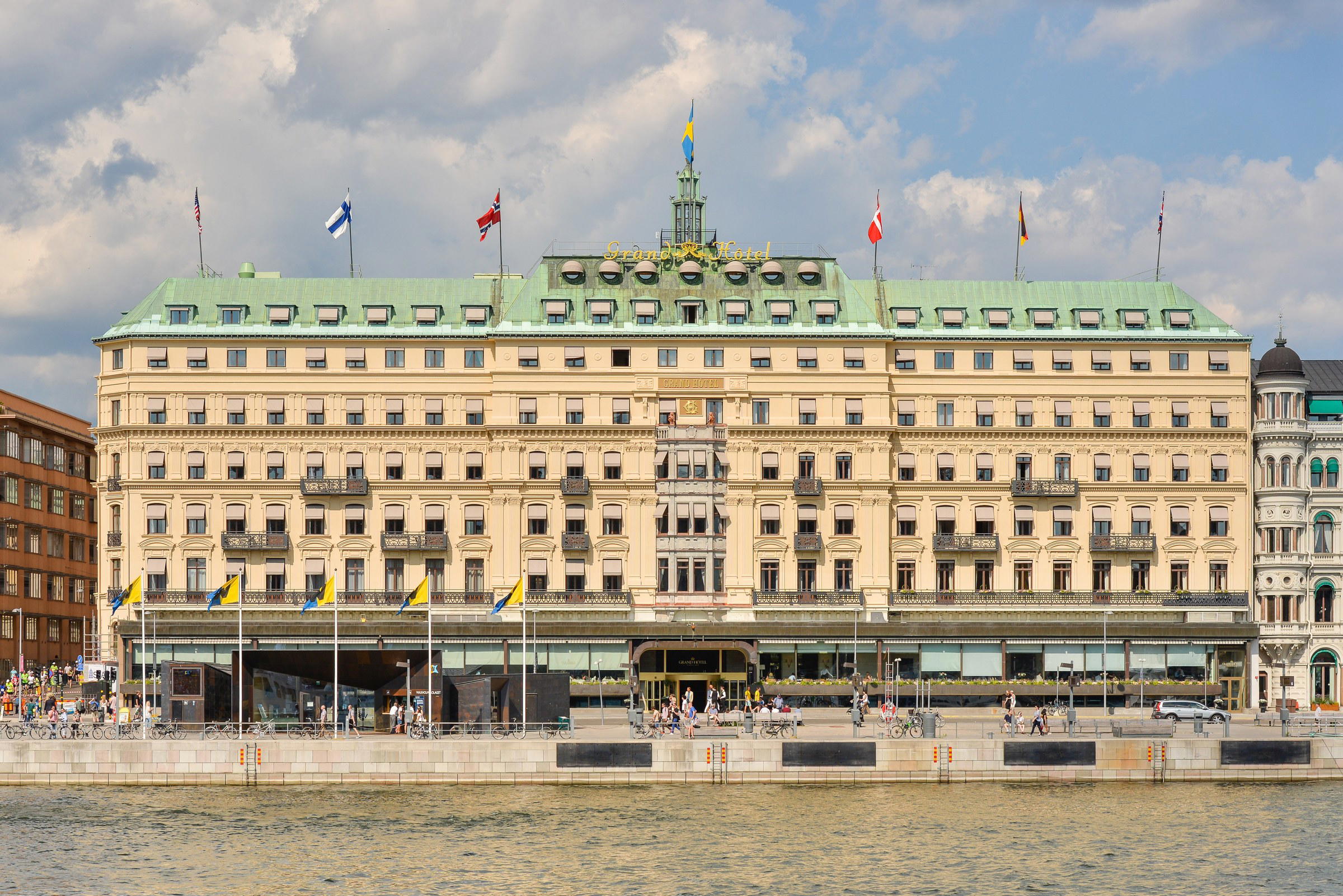
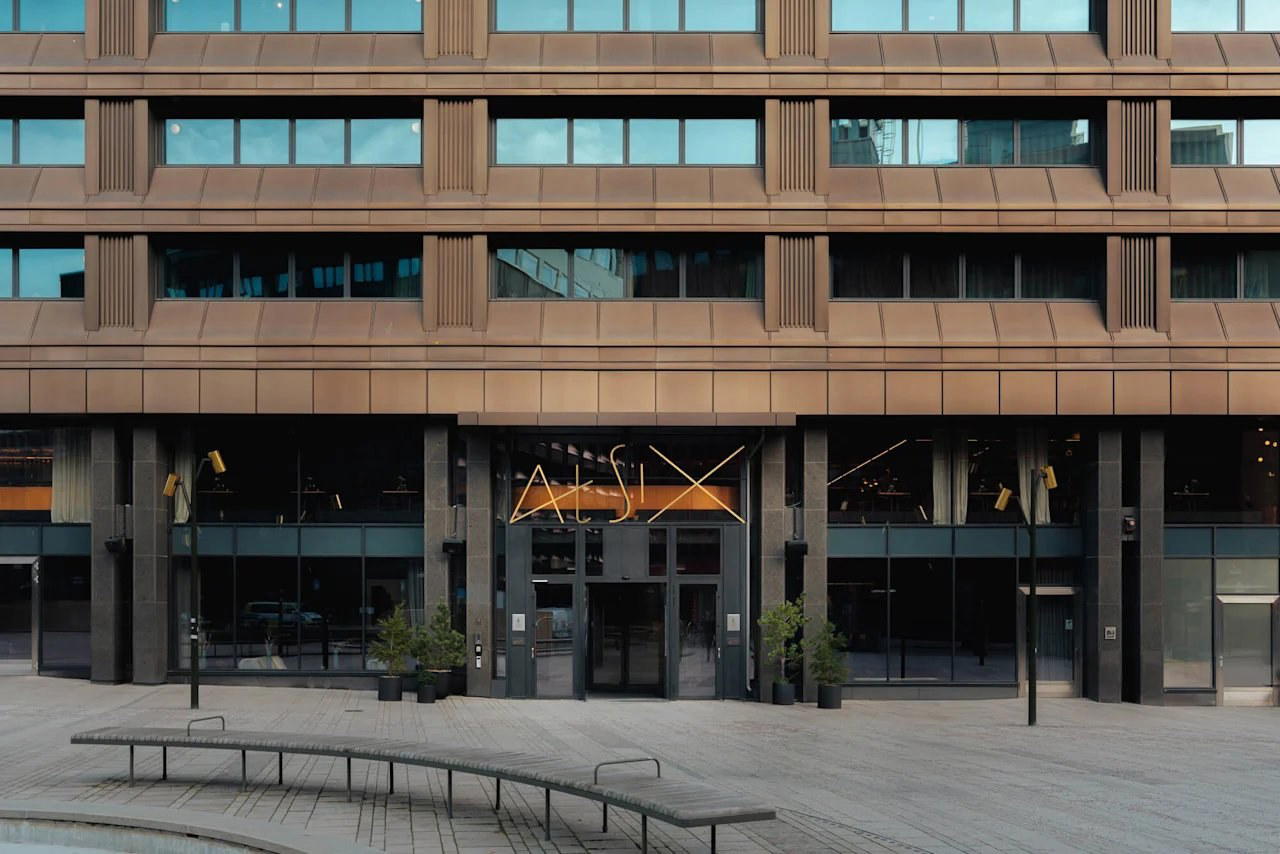
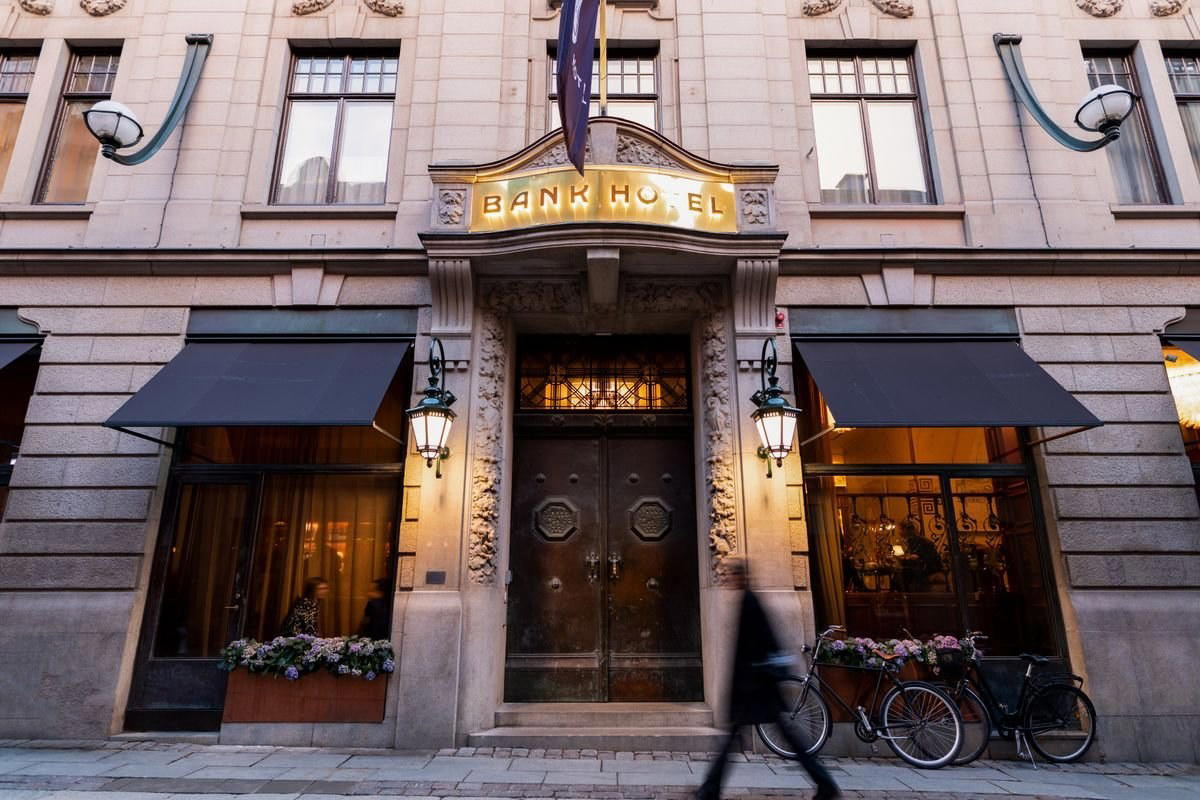
Stockholm's hotel market clusters heavily around Norrmalm and Östermalm, the commercial and diplomatic quarters where the grand addresses have traditionally gathered. Grand Hôtel Stockholm anchors the waterfront near the Royal Palace; Bank Hotel and At Six occupy the Blasieholmen and Norrmalm end of the city's boutique spectrum. Södermalm, by contrast, has long operated on a different register: denser, younger in character, with a cultural life that runs through independent restaurants, record shops, and design studios rather than department stores and concierge desks. A hotel rooted in that island, at Peter Myndes backe 5, is making a different kind of argument to its guest.
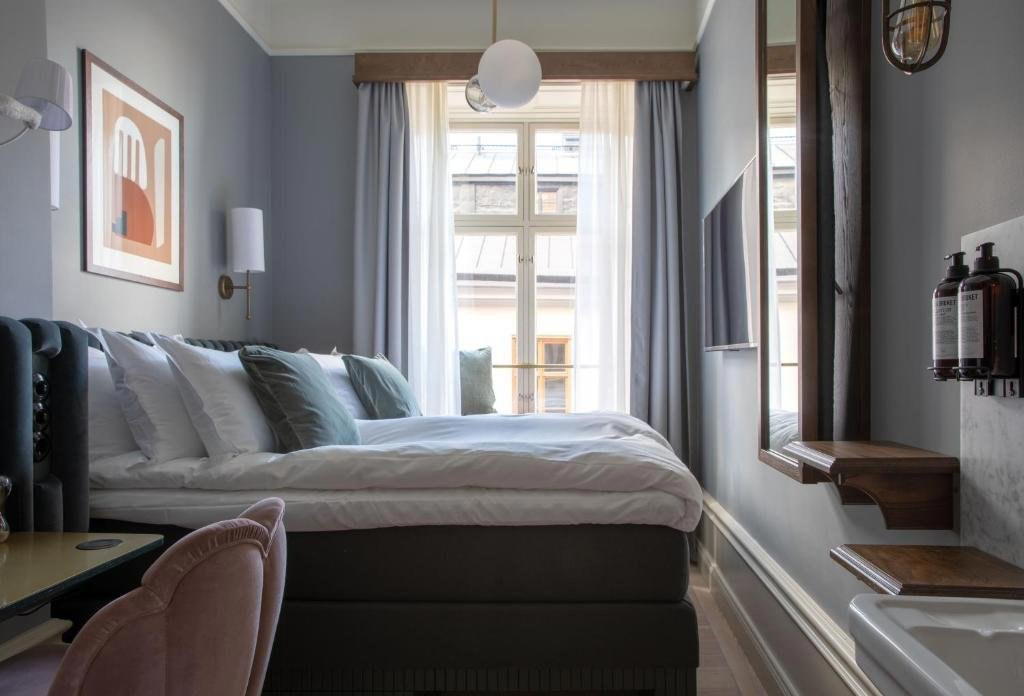
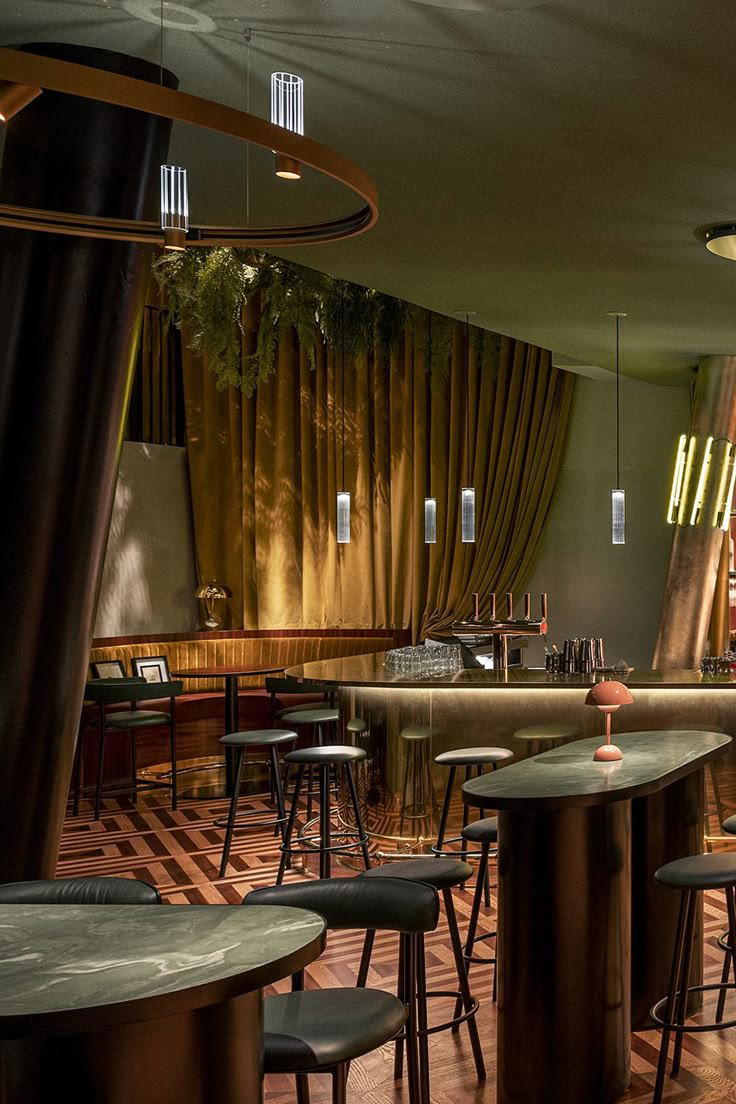
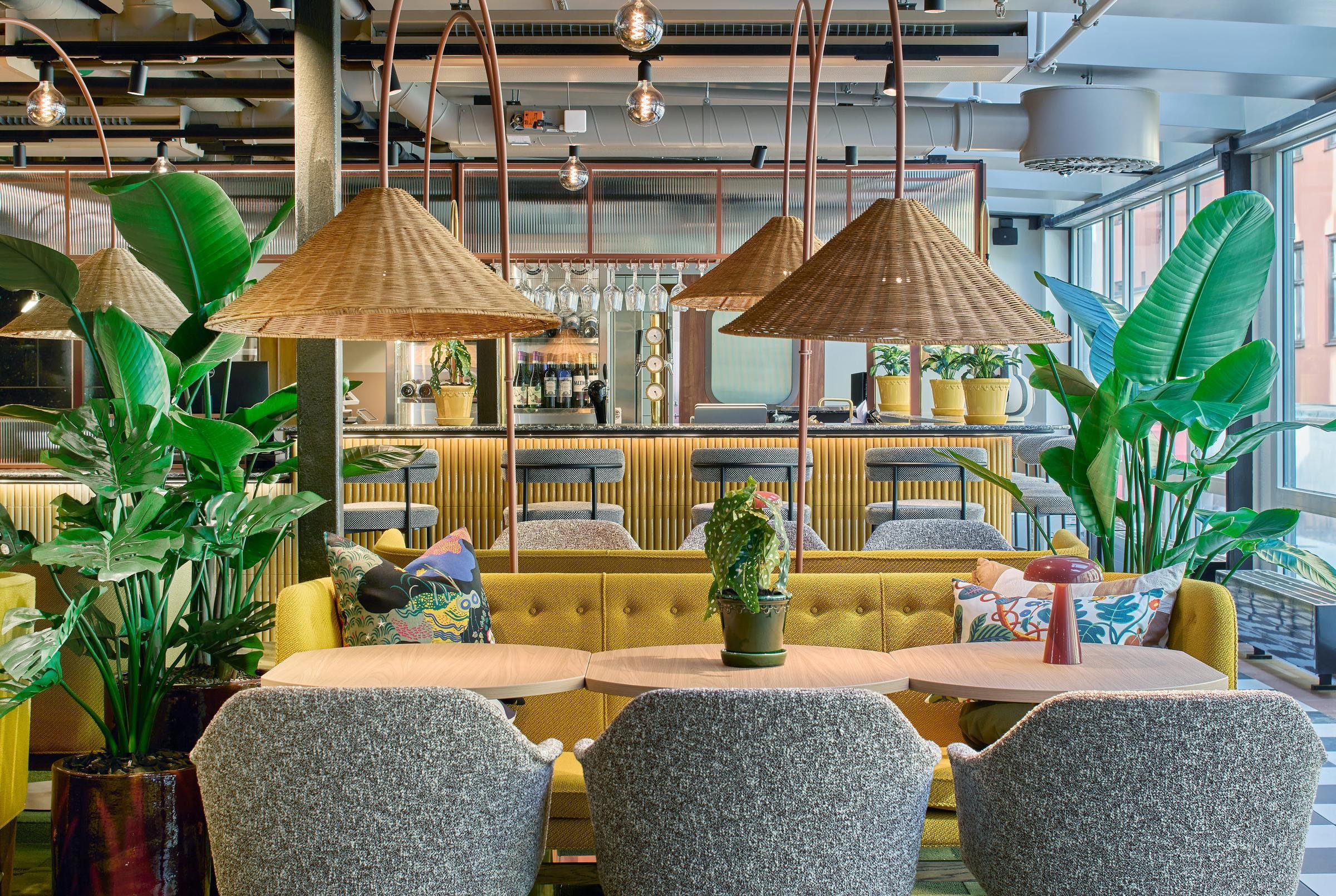
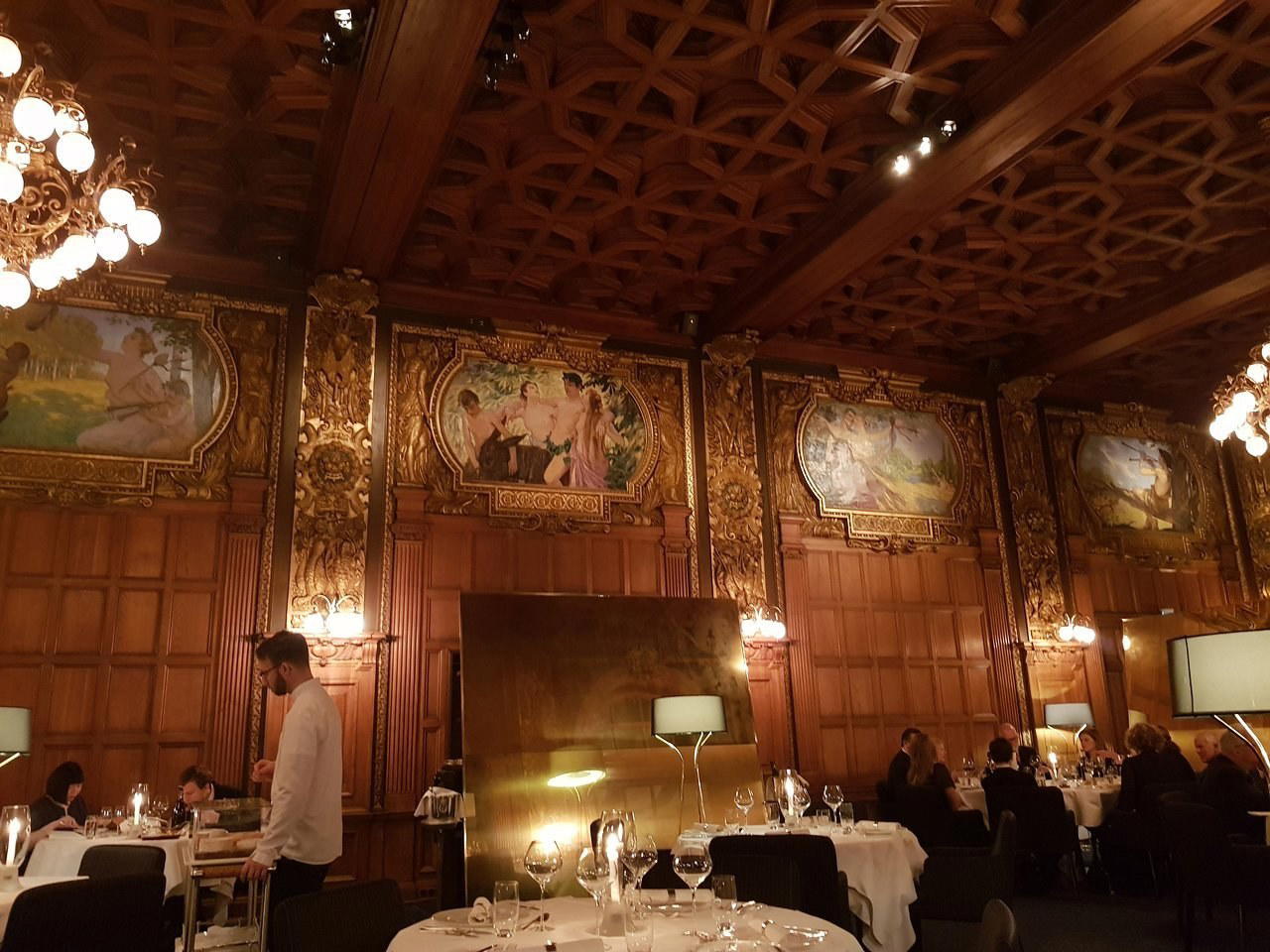
Hotel Frantz makes that argument from an unusual historical position. The red brick building was constructed in 1647 for a master tailor named Frantz, which places it among the oldest standing structures in Stockholm. That kind of provenance is rare even by European standards, and in Scandinavia, where much of the urban fabric was rebuilt through the nineteenth and twentieth centuries, a seventeenth-century residential building that has survived intact carries considerable weight. The hotel doesn't treat this as a museum piece. The interiors read as contemporary and deliberately colourful, drawing on modernist references that sit in conscious contrast to the atmospheric stonework and narrow proportions of the original house.
Architecture as Context, Not Costume
Boutique hotels in historic buildings tend to fall into one of two traps: they either sand down the original character in favour of seamless contemporary polish, or they lean so hard into period detail that the result feels theatrical. Hotel Frantz, with its 48 rooms, takes a third position. The historical architecture is allowed to impose its own logic: proportions are narrow, ceilings vary, and the red brick exterior on the sloping street carries the weight of four centuries of Stockholm. Against that, the interiors introduce colour and modernist-inflected design that makes no pretence of period authenticity.
Ett Hem occupies a comparable position in terms of residential intimacy, though its Östermalm address and arts-and-crafts aesthetic read quite differently. Backstage Hotel Stockholm and Blique by Nobis approach boutique scale from a more design-forward, contemporary-build direction. Among Stockholm's smaller properties, Frantz's combination of genuine historical structure and unironic contemporary interior is its own distinct category.
The Södermalm Effect on a Stay
Location shapes the rhythm of a stay at Frantz in ways that no amount of in-room design can replicate. Södermalm's street life is walkable and varied: the Medborgarplatsen area draws the after-work crowd, Götgatan runs south as one of the island's main commercial arteries, and the quieter streets between Peter Myndes backe and Monteliusvägen offer views across the water toward Gamla Stan. The hotel sits on a characteristic Södermalm slope, where the topography alone distinguishes the neighbourhood from the flat grid of central Stockholm.
For visitors who want to stay close to Gamla Stan without sleeping in it, Södermalm is the more interesting solution. The old town is a short walk across the Slussen, accessible on foot or by the metro interchange that sits at the bottom of the island. From the same interchange, the rest of Stockholm's network opens up efficiently. This is practical geography: Södermalm is central by Stockholm standards, not a trade-off for character.
Hotels across Sweden's smaller cities and more remote addresses, from Fjällbacka on the west coast to Arctic Bath in Harads, often depend on isolation as part of their value proposition. Frantz operates on the opposite principle: it places guests inside one of Stockholm's most active residential neighbourhoods, where the hotel's self-sufficiency is a convenience rather than a necessity.
On-Site: Restaurant, Bar, and Breakfast
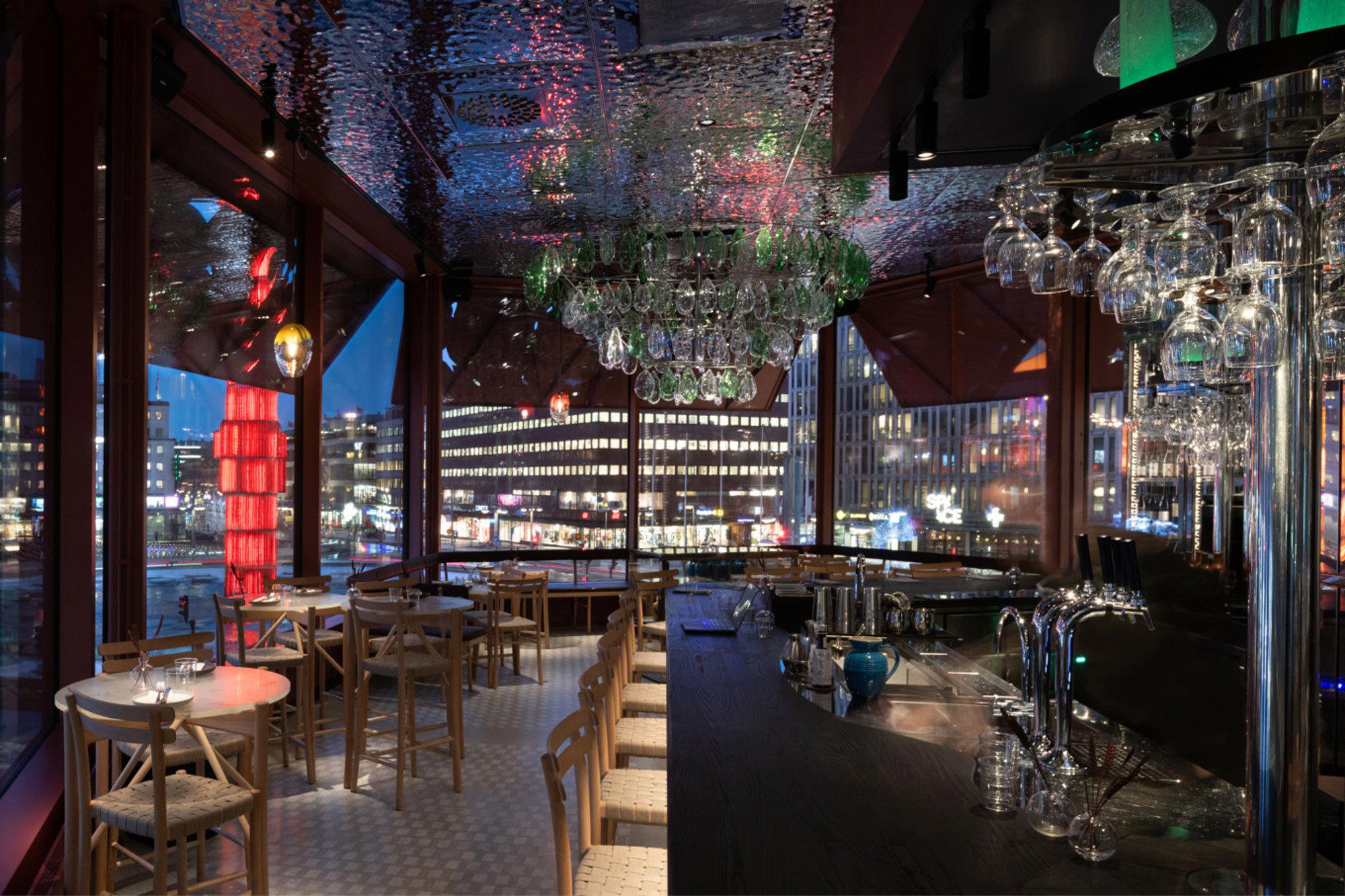
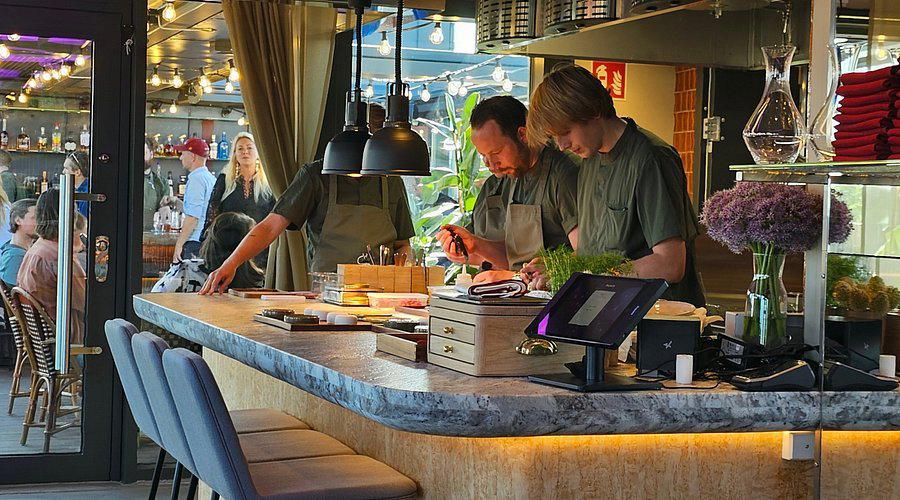
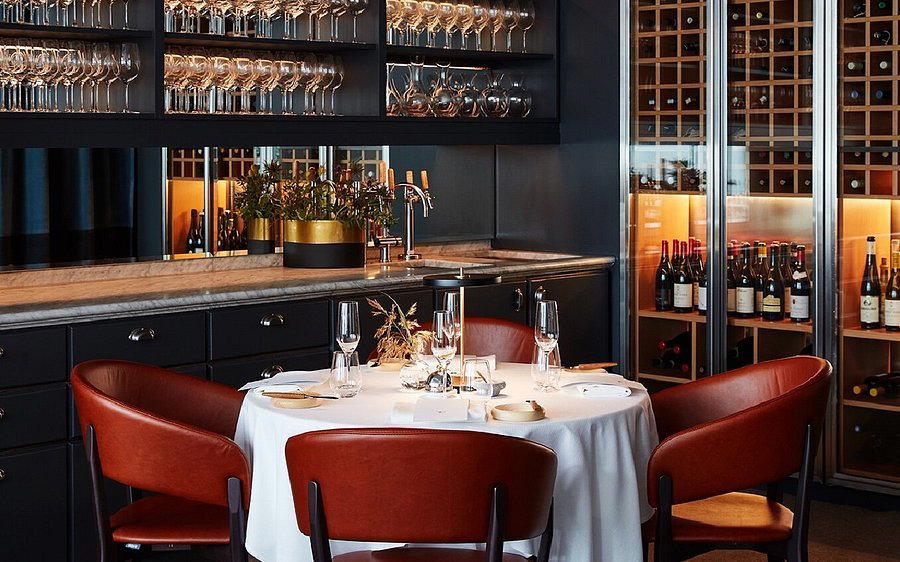
For a 48-room property, the food and drink offering at Hotel Frantz is described as covering considerable ground. The restaurant and bar together with a breakfast spread that is characterised as fairly lavish form the operational core of the hotel's hospitality beyond the rooms. In a city where hotel breakfast culture ranges from the perfunctory Scandinavian buffet to something considerably more considered, a breakfast offering that earns specific mention as a feature rather than an afterthought is a useful signal about the hotel's general standards.
The in-house dining and drinking provision also matters practically for Södermalm guests. The island has a dense independent restaurant scene, and the area around Medborgarplatsen in particular runs deep with options at various price points. But the hotel's self-sufficiency means there is no pressure to venture out for every meal, particularly relevant in winter, when Stockholm's darkness and cold make a well-stocked hotel bar more appealing than a ten-minute walk to somewhere else. For the broader Stockholm context, our full Stockholm restaurants guide maps the city's dining scene across neighbourhoods.
Planning a Stay
Rates at Hotel Frantz run from approximately $208 per night, which positions it inside Stockholm's mid-to-upper boutique tier without reaching the levels of the city's flagship properties. Stockholm's peak travel window runs from late May through August, when daylight is long and outdoor life across the city is at its most active. Södermalm in particular operates well in summer, when its parks and waterfront terraces come fully into use. Autumn and winter visits carry a different logic: the island's independent café and restaurant culture becomes the draw, and Hotel Frantz's enclosed warmth and generous breakfast read differently against the context of a dark December morning.
For those building a wider Scandinavian itinerary, the Swedish hotel market offers meaningful contrasts to a Frantz stay. Görvälns Slott in Järfälla sits in a castle context north of the city, and Dorsia Hotel in Gothenburg represents the country's second city's take on design-led hospitality. Both are worth comparing for itineraries that extend beyond Stockholm. Among the Stockholm addresses themselves, Berns Hotel and Freys Hotel occupy adjacent positions in the city's mid-boutique range with different neighbourhood contexts and histories of their own.
For those whose travel appetite extends to European and global comparisons, the contrast between what a seventeenth-century building in Stockholm offers and what larger-scale luxury delivers elsewhere is instructive. Properties like Cheval Blanc Paris, Aman Venice, or Castello di Reschio operate in a similar territory of historical structure repurposed for contemporary hospitality, though at significantly different scale and price. Frantz's argument is a more compact one: 48 rooms, a specific island, a specific history, and interiors that don't apologise for being of the present.
Similar Picks
| Venue | Price | Awards |
|---|---|---|
| Hotel FrantzThis venue — the venue you are viewing | $100–200 | 1 Michelin Key · White Guide Sweden Hotels - Exceptional Level |
| Ett Hem | Not listed | 1 Michelin Key · World's 50 Best #89 |
| Grand Hôtel Stockholm | $300–500 | 2 Michelin Keys · Star Wine List |
| Stockholm Stadshotell | $300–500 | 1 Michelin Key · Mr & Mrs Smith Seal of Approval |
| At Six | Not listed | Michelin Selected · Star Wine List |
| Backstage Hotel Stockholm | Not listed | Michelin Selected · White Guide Sweden Hotels - Very Fine Level |
Recognition history
Dated appearances from independent guides and award organizations, with the underlying list record or original source where available.
Michelin 1 Key
Michelin
White Guide Sweden Hotels - Exceptional Level
White Guide
Full recognition history (3 entries)
Michelin 1 Key
Michelin
Details
- Cozy
- Modern
- Charming
- Trendy
- Intimate
- Romantic Getaway
- Weekend Escape
- Business Trip
- Terrace
- Historic Building
- Design Destination
- Wi Fi
- Restaurant
- Bar
- Air Conditioning
- Laundry Service
- Room Service
- Concierge
- Waterfront
- Accessible Parking
Cozy atmosphere with indirect lighting, tasteful decor, and a quiet, well-insulated environment praised for peaceful nights.