On Seminyak's Jalan Kayu Aya, Warung Nia draws a steady local and visitor crowd with its Balinese home cooking and pork ribs that sit squarely in the warung tradition, unfussy, direct, and rooted in the island's culinary grammar. The format is casual, the portions generous, and the appeal is in what the cooking signals about Bali's broader street-level food culture rather than any fine-dining ambition.
Pearl is the En Primeur Club membership app — saves, bookings, and concierge access live there. Same editors, same standards.
- Address
- Jl. Kayu Aya No.19-21, Seminyak, Kec. Kuta Utara, Kabupaten Badung, Bali 80361, Indonesia
- Phone
- +6285777012377
- Website
- warungnia.com
- Directions
- Get directions
 Saves & bookings on Pearl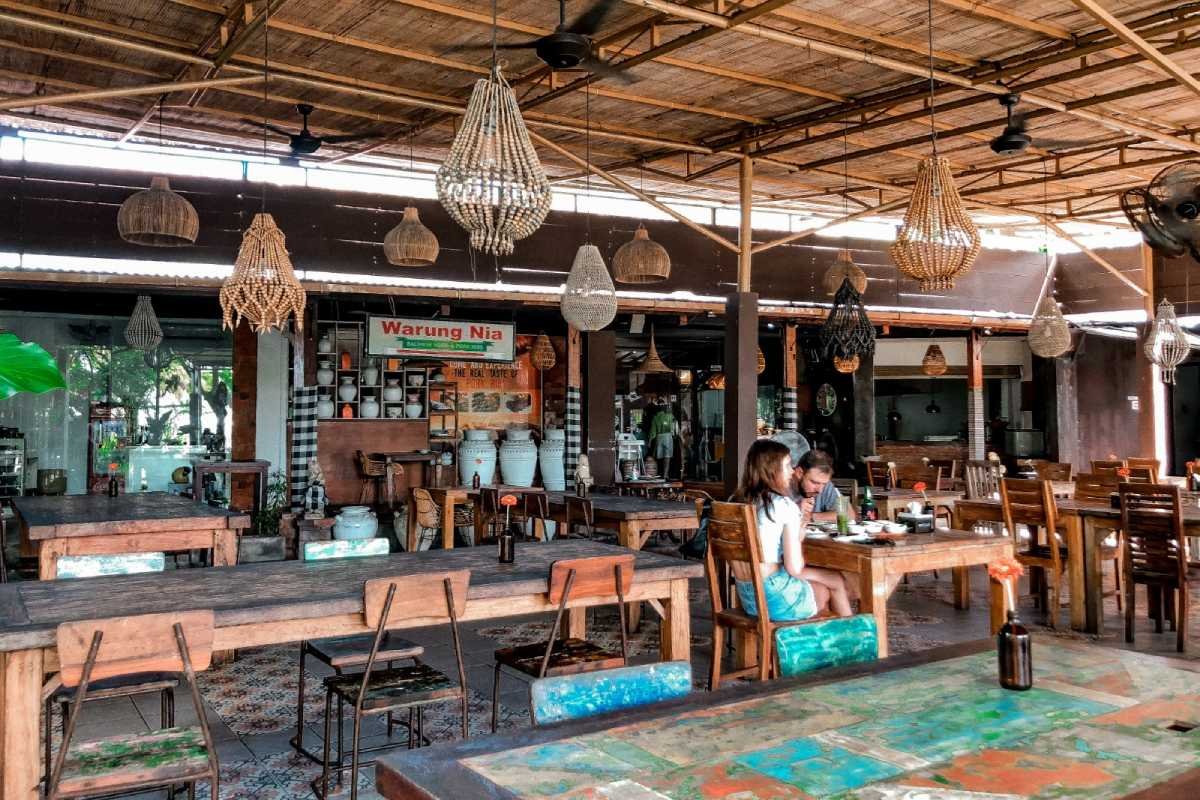
What a Warung on Jalan Kayu Aya Says About Seminyak's Food Culture
Jalan Kayu Aya in Seminyak runs through one of Bali's most commercially dense corridors, where boutique hotels, rooftop bars, and resort-facing restaurant concepts crowd the streetline. Against that backdrop, a warung operating on traditional Balinese terms is not a throwback, it is a counterpoint. Warung Nia Balinese Food & Pork Ribs is a casual Balinese BBQ Pork Ribs restaurant in Seminyak, Bali, known for its affordable pricing and walk-in-friendly format.
The warung format itself is worth understanding before you arrive. In Bali, the warung sits at the foundation of everyday eating: family-run, limited in menu scope, and organised around a handful of dishes done with repetition and confidence rather than rotation and novelty. The pacing is unhurried by design. You are not moving through a tasting arc or a progression of courses, you are joining a rhythm that has its own tempo, one closer to the household kitchen than to the restaurant kitchen. That distinction shapes everything from the way food arrives to the way the space feels around you.
Pork in Balinese Cooking: The Cultural Context
Bali's relationship with pork is one of the defining differences between its food culture and that of the broader Indonesian archipelago. As a Hindu-majority island in a Muslim-majority country, Bali has developed a pork tradition that runs deep into ceremonial and everyday life. Suckling pig, babi guling, is one ceremonially visible expression of that, but pork ribs occupy a different register: slower, richer, less occasion-specific. The rib preparation that warung-style establishments in Seminyak and Kuta Utara favour tends toward long-cooked tenderness rather than the lacquered, sauced aesthetic of Chinese-influenced rib traditions. The flavour logic is Balinese, spice pastes, aromatics, and a fundamental preference for pork fat as carrier rather than obstacle.
The Seminyak food scene splits between international-facing concepts, the kind that price in USD and position against each other on design, and locally rooted spots where the menu is written in Indonesian and the pricing reflects the neighbourhood's actual population as much as its tourist traffic. Warung Nia belongs to the latter category, and that positioning is what gives it relevance on a street increasingly dominated by the former.
The Ritual of Ordering and Eating at a Warung
The dining ritual at a Balinese warung operates on conventions that differ meaningfully from sit-down restaurant culture elsewhere. Food often arrives as it is ready rather than as a structured sequence; dishes are placed collectively on the table rather than portioned individually in a timed procession. Shared eating is the default mode, not a stylistic choice. Rice anchors the meal, in Balinese food culture, a meal without nasi is often not considered a full meal at all, and the surrounding dishes function as accompaniments in a way that reverses the hierarchy most Western dining formats assign to protein.
At a pork rib-focused warung, the rib dish carries obvious centrepiece status, but the surrounding elements, sambal, lalapan, steamed rice, a light broth, form the structural frame. The sambal in particular is worth attention: Balinese sambal matah, made from raw shallots, lemongrass, chilli, and lime, has a brightness and edge that distinguishes it from the cooked sambals common elsewhere in Indonesia. Warung Nia serves sambal alongside its ribs, which is standard for Balinese warung dining.
Comparing this experience to the more formal dining formats in the region, say, the structured tasting programs at Locavore NXT in Ubud, or the precision-driven approach at August in Jakarta, underlines how different the warung register is. Neither is a lesser version of the other; they are simply different modes of eating, shaped by different intentions. The warung does not ask you to be attentive in the same way a tasting menu does. It asks you to be present and hungry.
Seminyak's Broader Dining Field
Seminyak and the wider Kuta Utara district contain a layered dining environment. At the upper end, beach club–adjacent restaurants and international concepts occupy the visitor-facing tier; further down the register, spots like Bikini Restaurant Bali and Coco Bistro Tanjung Benoa occupy a mid-range position that balances local character with international comfort. Akademi and Barbacoa represent yet another strand, concepts built around a specific culinary proposition rather than neighbourhood warung convenience.
Warung Nia sits below all of these in terms of format ambition, and that is not a criticism. In Bali's dining ecology, the warung tier serves a function no other format replicates: it keeps the island's own food in daily circulation rather than relegating it to tourist-experience packaging. For a visitor wanting to understand what Balinese people actually eat, rather than a curated version of it, a warung visit is one direct route available. The same impulse that leads a food-literate traveller toward Ayam Betutu Khas Gilimanuk for Bali's slow-cooked chicken tradition applies here. Elsewhere in Indonesia, that same logic points toward regional specialists: Kunyit Restaurant in Bandung or Jungle Fish Bali in Gianyar each anchor their menus to a specific local tradition in a way that mirrors what a well-run warung does at street level.
Visit Details
Warung Nia is located at Jl. Kayu Aya No.19-21 in Seminyak, within the Kuta Utara subdistrict of Kabupaten Badung. Jalan Kayu Aya is walkable from the main Seminyak hotel cluster, though traffic on the street can be heavy during peak evening hours, arriving by foot or on a rented scooter is often more practical than by car. The venue is walk-in friendly. Come early in a meal period, lunch or early dinner, if you want the widest choice of whatever has been prepared that day, since warung kitchens often cook in finite quantities and do not restock mid-service.
Each of these formats, like the Balinese warung, carries its own ritual logic about how food moves from kitchen to table and from table to conversation.
What It’s Closest To
Comparable venues nearby, for context on price, style, and recognition.
| Venue | Cuisine | Price | Notes |
|---|---|---|---|
| Warung Nia Balinese Food & Pork RibsThis venue — the venue you are viewing | Balinese BBQ Pork Ribs | $ | Not listed |
| Warung Damar | Authentic Balinese & Indonesian | $$ | Kuta |
| Ground Zero Kitchen | Fusion Italian-American-Indonesian | $$ | Kuta |
| Nostimo Greek Grill Bali | Authentic Greek Grill | $$ | Seminyak |
| Ayam Betutu Khas Gilimanuk | Balinese Ayam Betutu | $$ | Tuban |
| Bikini Restaurant Bali | Asian-inspired Modern Fusion | $$$ | Seminyak |
Continue exploring
More in Badung
Restaurants in Badung
Browse all →






At a Glance
- Rustic
- Lively
- Cozy
- Casual Hangout
- Group Dining
- Open Kitchen
- Beer Program
Current opening hours
- Monday
- 10 AM–10 PM
- Tuesday
- 10 AM–10 PM
- Wednesday
- 10 AM–10 PM
- Thursday
- 10 AM–10 PM
- Friday
- 10 AM–10 PM
- Saturday
- 10 AM–10 PM
- Sunday
- 10 AM–10 PM
Hours can change for holidays and private events. Last verified .
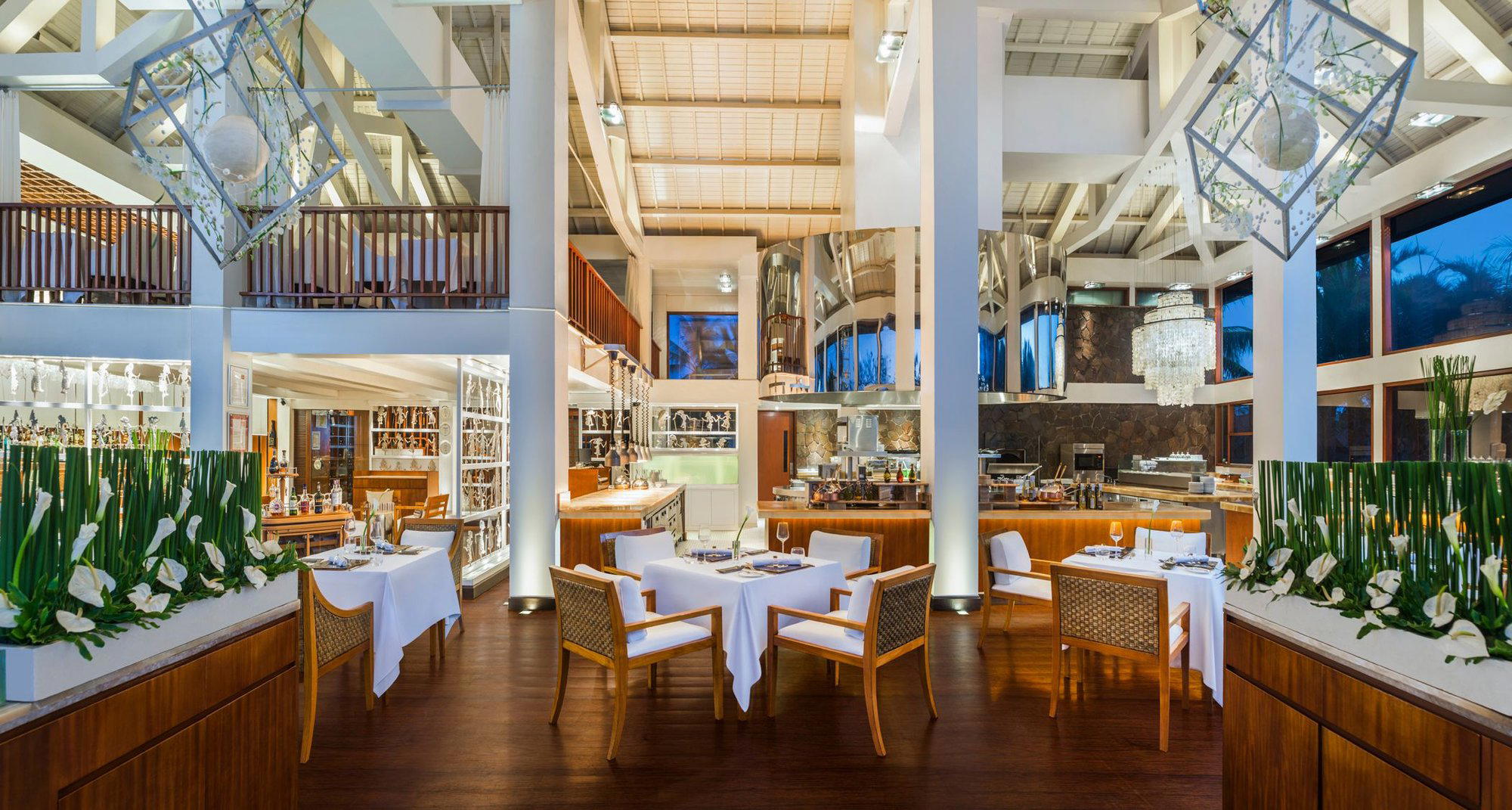
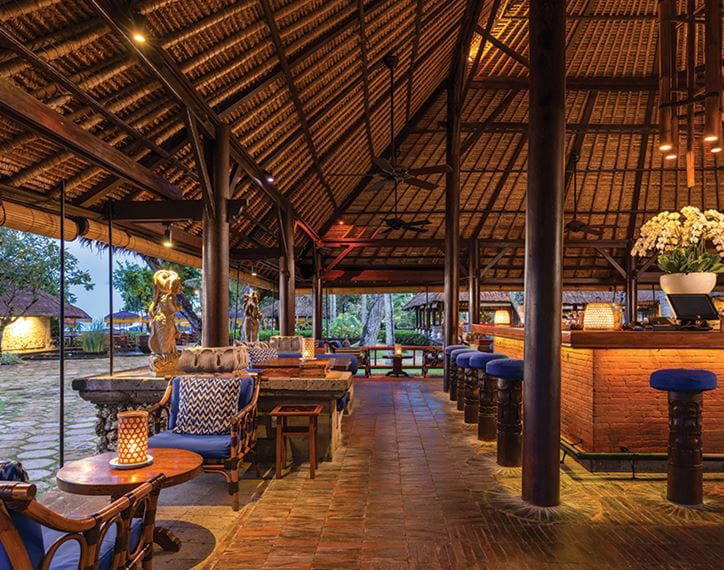
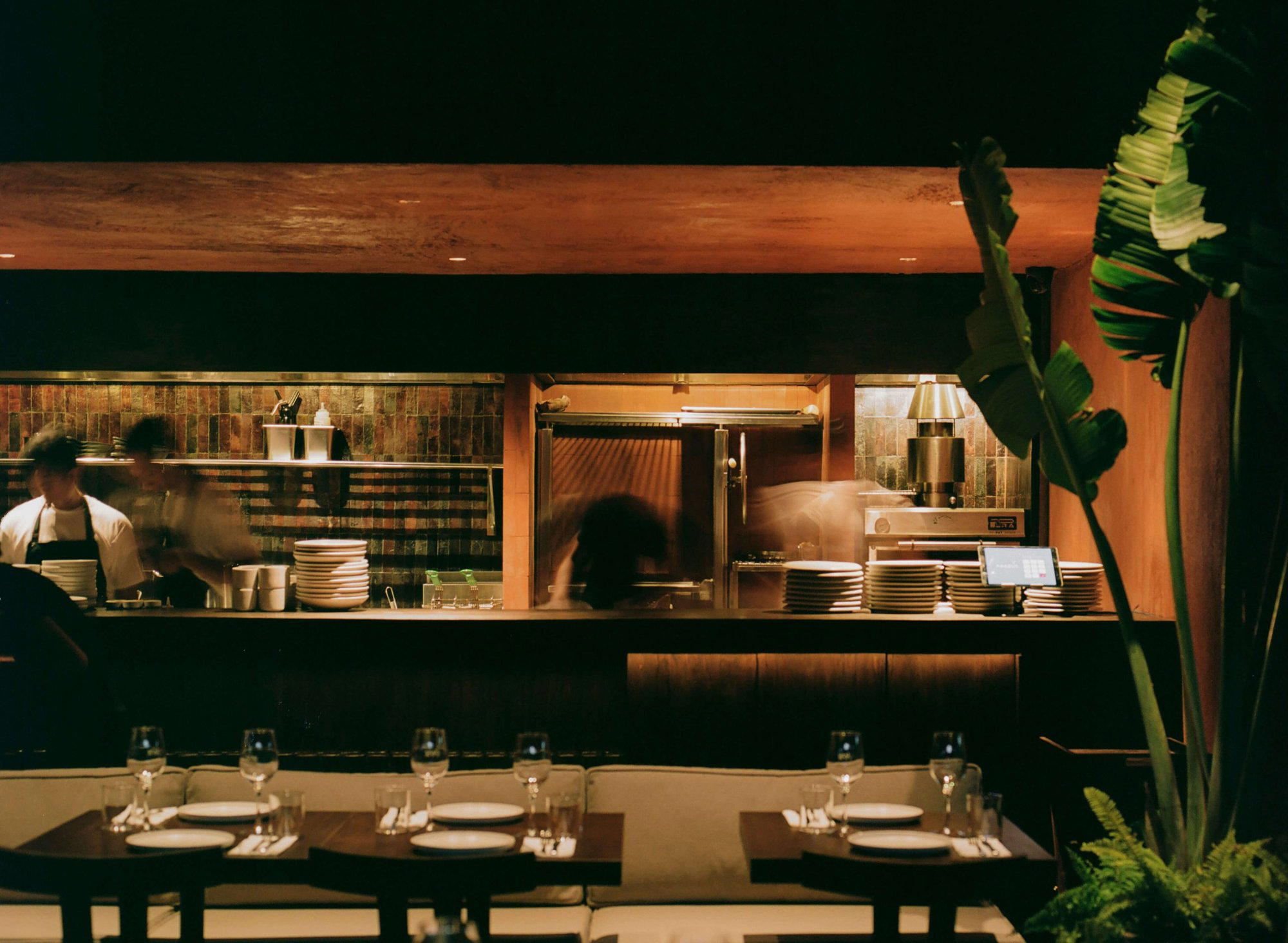
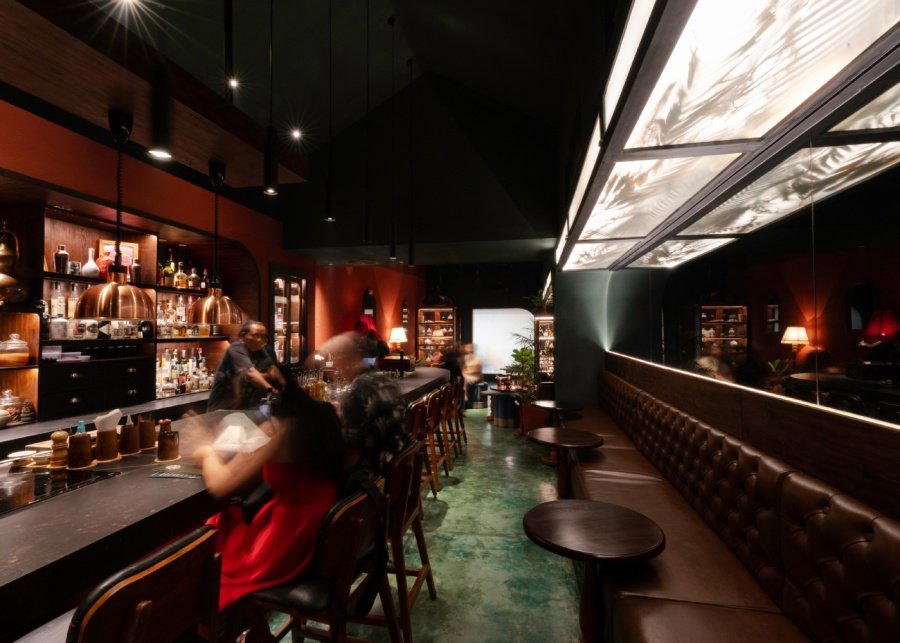
Clean, inviting semi-outdoor space with fans for cooling, spacious outdoor seating, and a lively casual atmosphere.