Our verdict
In the industrial suburbs south of Lille, Waris Restaurant occupies a quiet address on Rue du Maréchal Foch in Loos, a town where ambitious cooking tends to arrive without fanfare. The restaurant operates in a region shaped by northern French market traditions, where ingredient provenance and seasonal discipline carry more weight than formal accolades. A considered option for those exploring the Lille dining corridor beyond the city centre.

Pearl is the En Primeur Club membership app, where members save venues, book tables and use the concierge.
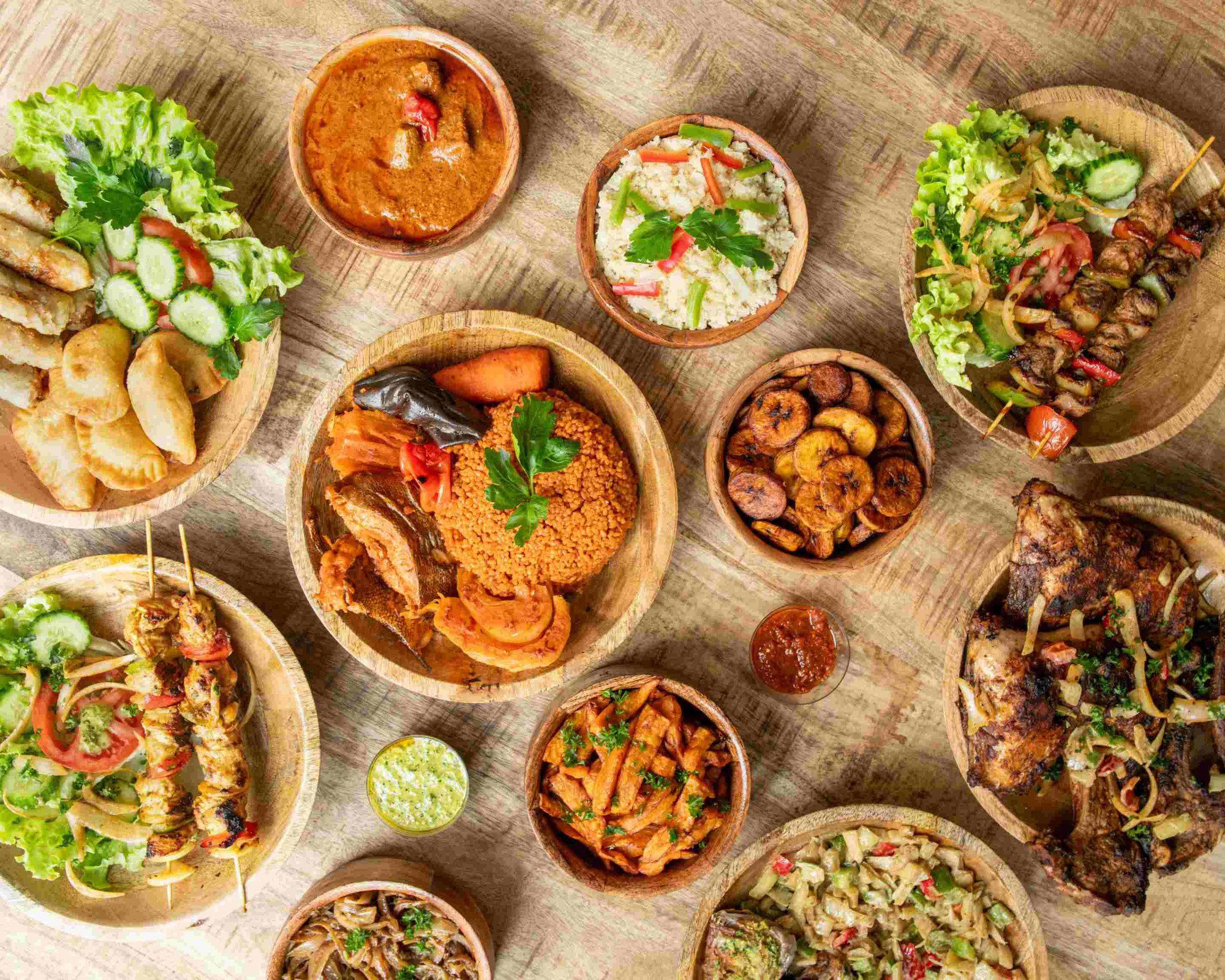
The menu
What to order
- Braised Chicken with alloco
- Thiéboudienne
- Beef and Cheese Samoussas
Where Northern France's Market Tradition Meets the Table
The suburbs that ring Lille don't announce themselves with the same confidence as the city's historic Grand Place, but the cooking that surfaces in these towns often reflects a more grounded version of northern French hospitality, fewer theatrics, more attention to what's on the plate. Waris Restaurant sits on Rue du Maréchal Foch in Loos, a commune that borders Lille to the south and shares its postal rhythms with a working-class quartier rather than a tourist circuit. That address matters, because it shapes expectations: this is not a room designed to perform for first-time visitors, but one that operates on the logic of a neighbourhood with regular customers and a proximity to some of the most productive agricultural land in northern France.
The Nord-Pas-de-Calais region, which Loos sits within, carries a culinary identity that is frequently underestimated by those whose French dining reference points begin and end in Paris. The flatlands between Lille and the Belgian border produce endives, chicory, leeks, and root vegetables that have shaped regional cooking for generations. The proximity to the Channel and the North Sea historically placed seafood, herring, mussels, and grey shrimp in particular, at the centre of the local table. Any serious kitchen in this corridor contends with that inheritance, whether it folds it in directly or positions itself against it. For context on how France's most decorated restaurants engage with regional ingredient traditions, the Bras in Laguiole model, where the sourcing philosophy becomes the organizing principle of the menu, offers a useful reference point from elsewhere in the country.
The Ingredient Question in the Lille Corridor
Northern French cuisine sits at an interesting tension point. On one side, there is the tradition of hearty, fat-forward bistro cooking, carbonnade flamande, potjevleesch, moules marinières, anchored in ingredients that travel well and feed large tables. On the other, there is a quieter movement in Lille and its surrounding communes toward sourcing-conscious cooking that takes the same regional ingredients and applies a more precise editorial eye. Restaurants operating in this latter mode tend to build relationships with specific producers rather than sourcing generically, and the results show up in seasonality that tracks more closely to what's actually growing or arriving from the coast rather than what appears on a standardized menu year-round.
This sourcing discipline is not unique to the north. Across France, the restaurants that have earned sustained critical attention, from Mirazur in Menton with its clifftop garden to Flocons de Sel in Megève with its Alpine herb focus, have tended to anchor their identity in a very specific relationship with local producers. The question worth asking of any ambitious table in Loos is whether the kitchen treats its northern French larder as a fixed backdrop or as the actual story being told. For more on the Loos dining scene broadly, our full Loos restaurants guide maps the options across the commune.
Atmosphere and Setting
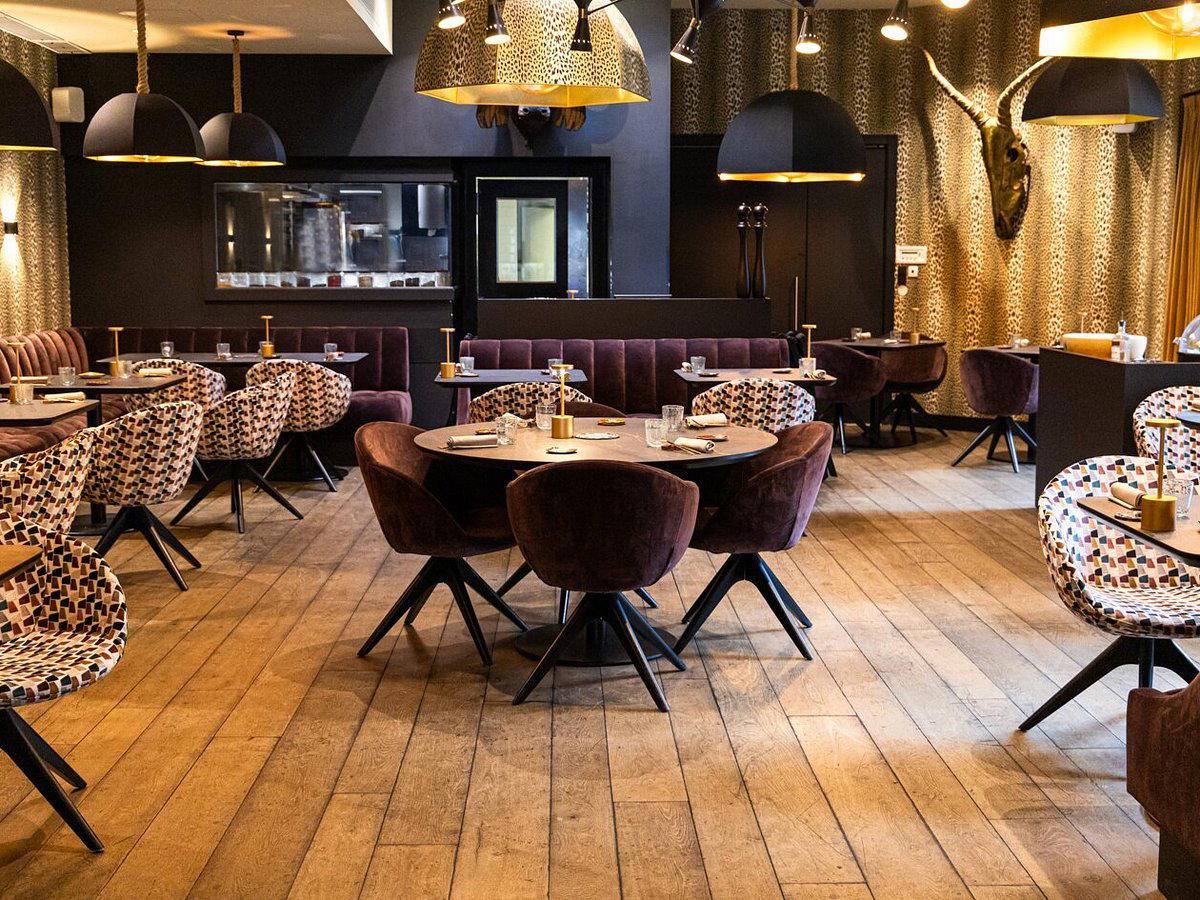
Loos as a dining destination occupies a different register than Lille's Vieux-Lille neighbourhood, where heritage architecture and tourist footfall drive a certain kind of polished, self-conscious hospitality. The streets around Rue du Maréchal Foch carry the quieter texture of a town that has not been rebuilt for visitors, low-slung commercial frontages, residential streets, the practical geometry of a working suburb. Restaurants that succeed in this context tend to do so by serving the community around them rather than performing for outsiders, which often produces a more direct, less mediated dining experience. The atmosphere, by extension, is likely to be informal in register even if the cooking has ambitions above what the postcode might suggest.
For comparison, the Lille dining corridor has produced at least one restaurant that navigates this tension well. Félicie, also in Loos, operates in the modern cuisine bracket and demonstrates that the commune can sustain cooking with genuine editorial intent. These two addresses, both on Loos's relatively modest restaurant map, represent different points on the local spectrum and are worth considering together when planning a visit to the area.
How Waris Sits in a Wider French Context
France's multi-starred dining circuit runs from the grand Parisian rooms, Alléno Paris au Pavillon Ledoyen, Assiette Champenoise in Reims, and Auberge du Vieux Puits in Fontjoncouse, to deeply regional addresses that derive authority from rootedness rather than visibility. A restaurant on Rue du Maréchal Foch in a Lille suburb is not competing in the same bracket as Paul Bocuse's Auberge du Pont de Collonges or Auberge de l'Ill in Illhaeusern, and nor should it be judged on that axis. The more instructive comparisons are with the mid-tier neighbourhood restaurants in regional French cities, addresses that serve a local community first, sustain a consistent kitchen over years, and occasionally surface in broader conversation through word of mouth rather than awards campaigns.
Globally, the same dynamic plays out in cities like New York, where a neighbourhood address in a non-tourist borough can build a following that rivals more decorated rooms in the centre. Atomix in New York City and Le Bernardin both demonstrate that sustained excellence at the top tier requires a very specific kind of institutional focus, a point that underlines, by contrast, the different ambitions and rhythms of a suburban French address like Waris. Similarly, Christopher Coutanceau in La Rochelle, AM par Alexandre Mazzia in Marseille, Au Crocodile in Strasbourg, Georges Blanc in Vonnas, L'Oustau de Baumanière in Les Baux, and Troisgros - Le Bois sans Feuilles in Ouches all illustrate the range of what serious regional French cooking looks like when it has decades of practice and a clear sense of its own geography behind it.
Planning a Visit
Waris Restaurant is located at 168 Rue du Maréchal Foch, 59120 Loos, France, accessible from central Lille in under fifteen minutes by car, with the commune also served by the Lille Métro's Line 1 at the Porte des Postes station, which places Loos within direct reach of the city centre. Given the limited public information currently available about operating hours, reservation procedures, and pricing, contacting the restaurant directly before visiting is the practical approach. Northern French restaurants in this suburban register often operate on a Tuesday-to-Saturday lunch and dinner cycle, with Sunday lunch remaining a cultural fixture in the region, but this should be confirmed rather than assumed.
Frequently asked questions
Is Waris Restaurant suitable for children?
Loos is a residential working suburb of Lille rather than a tourist quarter, and neighbourhood restaurants on streets like Rue du Maréchal Foch have historically operated as genuine local addresses where families eat together. That cultural baseline suggests a relaxed room where children are not out of place. Confirming any specific facilities, such as children's menus or high chairs, is worth a direct call to the restaurant before your visit.
What should I expect atmosphere-wise at Waris Restaurant?
Waris sits at 168 Rue du Maréchal Foch in Loos, a suburb that trades the tourist footfall of Lille's Vieux-Lille for a working residential register. Restaurants in this part of the Lille corridor tend toward the unfussy end of the spectrum, rooms where the cooking does the talking rather than the decor. Expect a local crowd rather than an international one.
Is Waris Restaurant in Loos a good option for a weekday lunch near Lille?
Loos sits immediately south of Lille and is reachable from the city centre in under fifteen minutes by car, making 168 Rue du Maréchal Foch a practical midday option for those working or staying in the wider metropolitan area. Northern French neighbourhood restaurants in this corridor have a long tradition of offering weekday formule lunches, typically a starter, main, and dessert at a fixed price, though the specific offering at Waris should be confirmed directly with the restaurant.
What do regulars order at Waris Restaurant?
Kitchens in the Loos and Lille area frequently anchor their menus to northern French staples, carbonnade flamande, potjevleesch, and market-driven plats du jour that shift with the season. Asking staff what is cooking that day remains the most reliable approach at neighbourhood addresses like this one.
What's Waris Restaurant's location?
Waris Restaurant is located at 168 Rue du Maréchal Foch, 59120 Loos, France, Loos.
How hard is it to get a table at Waris Restaurant?
In the broader Loos and Lille suburban bracket, neighbourhood restaurants on residential streets like Rue du Maréchal Foch tend to fill quickly at weekend lunchtimes and Friday evenings, when local trade is at its peak. Booking ahead by at least a few days for those slots is a reasonable precaution.
What's Waris Restaurant best at?
What the address at 168 Rue du Maréchal Foch in Loos does signal is a restaurant serving a residential local community rather than a passing tourist circuit, which in northern France typically means cooking oriented toward seasonal produce and regional tradition rather than trend-driven plate work. The clearest measure will come from the room itself.
Comparable Spots, Quickly
Comparable venues nearby, for context on price, style, and recognition.
| Venue | Cuisine | Price | Awards | Notes |
|---|---|---|---|---|
| Waris RestaurantThis venue (the venue you are viewing) | Modern African | Not listed | Not listed | Not listed |
| Félicie | Modern French Gastronomie | $50–100 | Michelin Plate | Loos |
| L'Annexe | Modern French Bistronomique | $30–50 | Not listed | Buisson |
| BMK Folie-Bamako | Pan-African West African Cuisine | $20–30 | Not listed | Popincourt (11th Arrondissement) |
| Osè African Cuisine | West African Street Food Bowls | $10–20 | Not listed | Château d'Eau (10th Arr.) |
| Ô Petit Club | Authentic African & Senegalese | $20–30 | Not listed | Puteaux |
Continue exploring
More in Loos
Restaurants in Loos
All restaurants in Loos →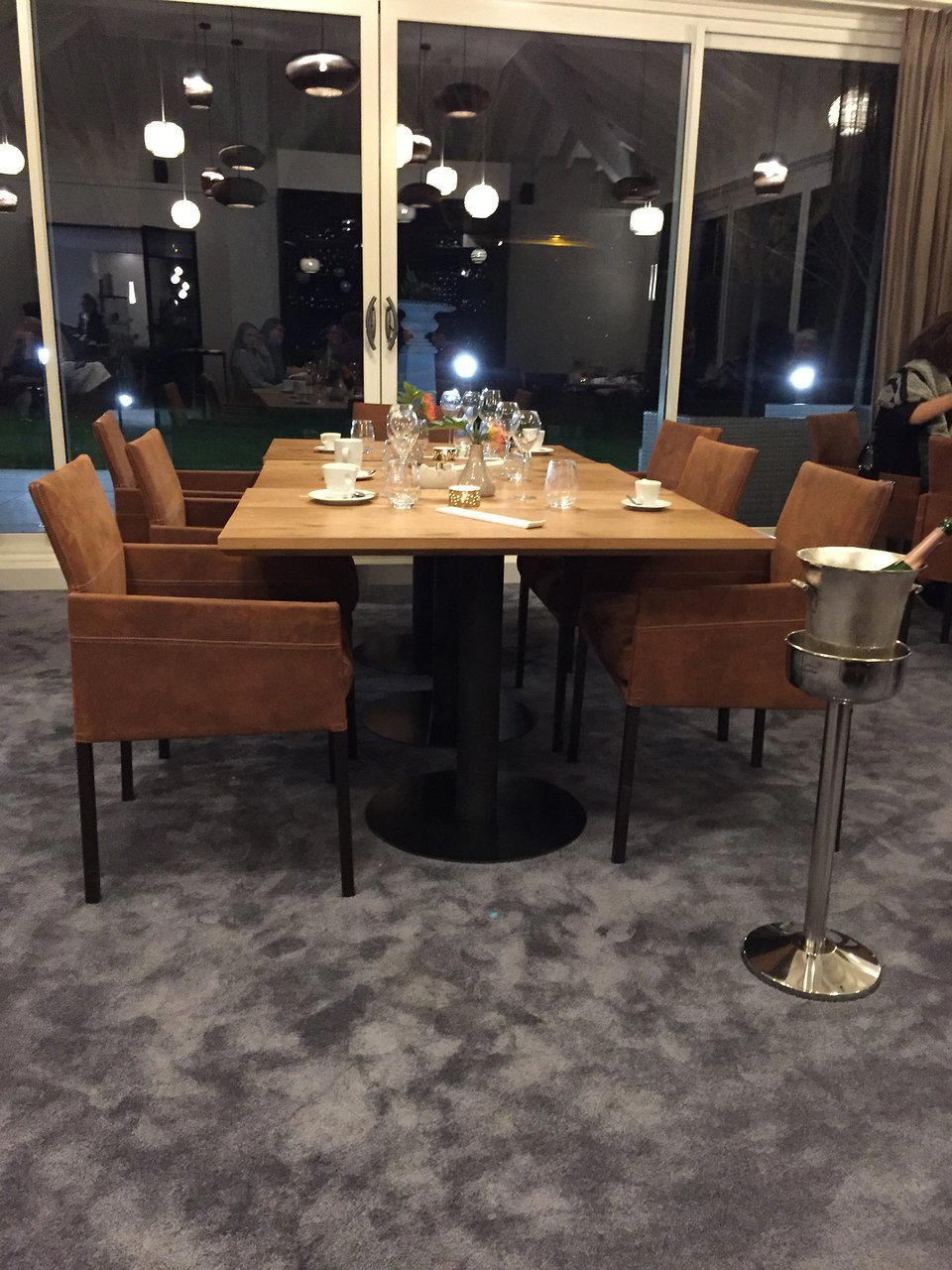
Bars in Loos
Browse all →
Hotels in Loos
Browse all →

Wineries in Loos
Browse all →
Details
- Warm
- Modern
- Cozy
- Family
- Casual Hangout
- Terrace
- A La Carte
- Vegan Options
Current opening hours
- Monday
- Closed
- Tuesday
- 12–3 PM, 7–10:30 PM
- Wednesday
- 12–3 PM, 7–10:30 PM
- Thursday
- 12–3 PM, 7–10:30 PM
- Friday
- 12–3 PM, 7–10:30 PM
- Saturday
- 12–3 PM, 7–11 PM
- Sunday
- 12–3 PM, 7–9:30 PM
Hours can change for holidays and private events. Hours as of .
Warm and modern atmosphere where guests feel at home, with a nice terrace for outdoor seating.