Our verdict
Wanli Kitchen occupies a quiet stretch of Van Wesenbekestraat in Antwerp's 2060 district, where the city's Chinese dining scene operates at a remove from the tourist-facing restaurant strips of the centre. The address places it in a neighbourhood with strong East Asian community roots, and that context shapes what arrives on the table more than any menu description could.

Pearl is the En Primeur Club membership app — saves, bookings, and concierge access live there. Same editors, same standards.
- Address
- BE, Van Wesenbekestraat 23, 2060 Antwerpen, Belgium
- Phone
- +32 488 58 62 82
- Hours
- Mon 10:30 AM–8:30 PMTue ClosedWed–Thu 10:30 AM–8:30 PMFri–Sat 10:30 AM–9 PMSun 10:30 AM–8:30 PM
- Directions
- Get directions
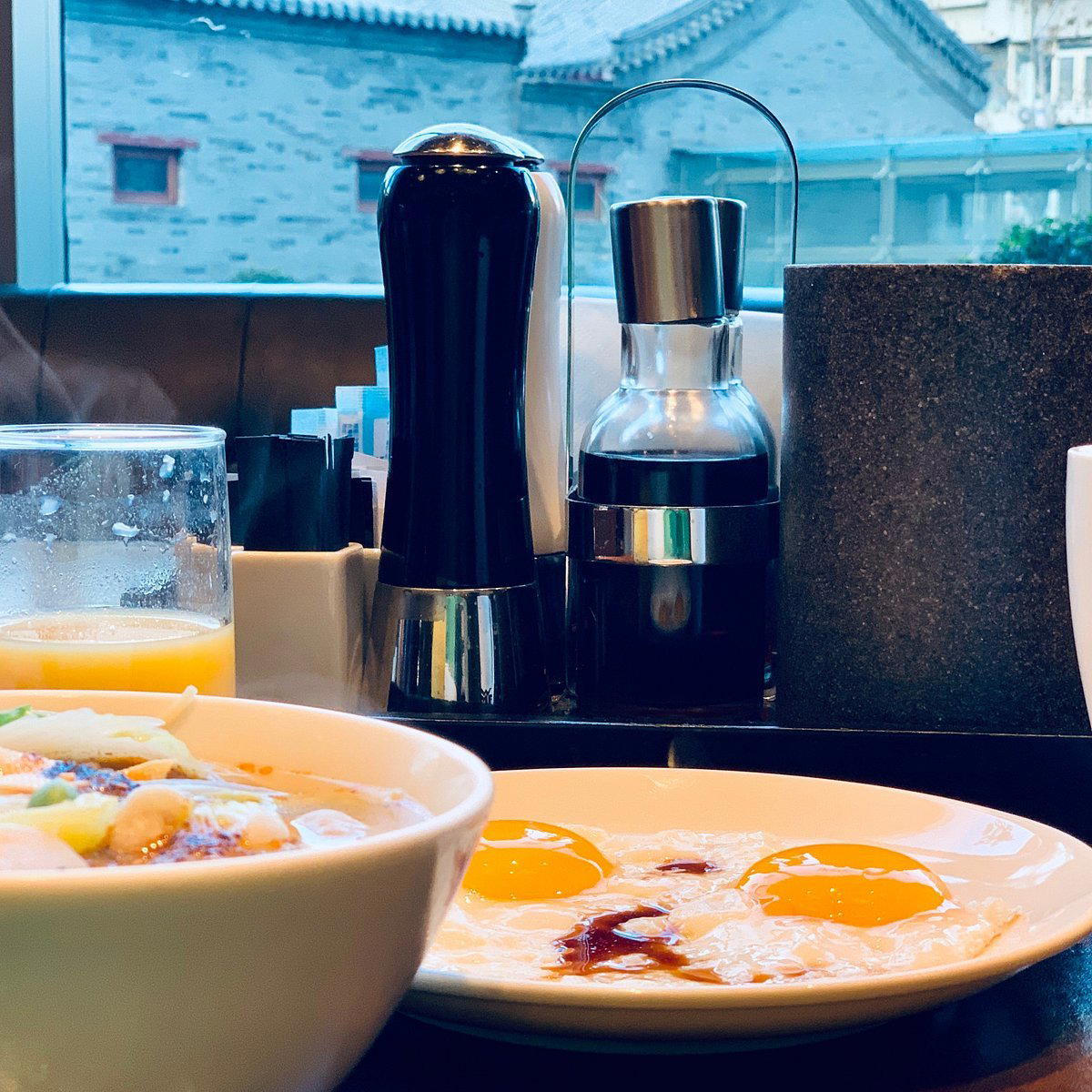
The menu
What to order
- 雪菜肉丝面 (Pickled vegetable and pork noodles)
- 盖浇饭 (Rice with gravy)
- 油条 (Youtiao - fried dough)
- 豆花 (Tofu pudding)
- 葱油饼 (Scallion pancake)
Where Antwerp's Chinese Dining Scene Operates on Its Own Terms
Van Wesenbekestraat runs through one of Antwerp's quieter northern quarters, a street where shopfronts cycle between community grocers, modest eateries, and the kind of businesses that exist to serve a neighbourhood rather than attract it. This is the 2060 postal district, home to a long-established East Asian community, and it functions as the practical centre of Antwerp's Chinese restaurant culture — not the city's most photographed corridor, but arguably its most honest one. Wanli Kitchen sits on this street at number 23, which already tells you something about its positioning: this is a room that earns its following from people who know the area rather than from visitors working through a shortlist.
That neighbourhood dynamic matters when you think about how Antwerp's broader restaurant identity is usually framed. The city's flagship dining tends to cluster around the creative Flemish cooking at places like Hertog Jan at Botanic, the classic European-Flemish tradition of 't Fornuis, or the Japanese-inflected programme at DIM Dining. These are restaurants built partly for visibility. Wanli Kitchen operates in a different register — the kind of place that community dining in port cities tends to produce, where the audience is the neighbourhood itself and the kitchen calibrates accordingly.
Planning Your Visit: What the Address Tells You Before You Arrive
Antwerp's northern districts require a small navigational shift in mindset. The 2060 area sits above the ring road from the main shopping and cultural quarters, close to the old port infrastructure rather than the diamond district or Meir shopping street. Getting there from the historic centre takes roughly fifteen to twenty minutes on foot, or a short tram ride north. The neighbourhood does not announce itself with the architectural drama of the cathedral quarter, but it repays the detour with a different kind of specificity, one that Belgium's Chinese diaspora communities have been building for decades in cities like Liège, Brussels, and Ghent, and that Antwerp's version reflects in its own scale.
On the question of booking, the honest answer with a venue at this address and price positioning is that the rhythm differs substantially from the advance-planning logic of Antwerp's top-tier tasting menu rooms. For comparison, the Flemish creative and Modern French operators in the €€€€ bracket, including the benchmark tables you would cross-reference against when building an Antwerp restaurant plan, commonly operate waitlists of weeks or months and require credit card guarantees. A Chinese kitchen in a working neighbourhood typically runs on a more immediate timeline, though this remains venue-specific and should be confirmed directly before travelling. Walk-in availability tends to vary by day and service.
The Broader Context: Chinese Cooking in Belgium's Port Cities
Belgium's port cities developed Chinese restaurant cultures that reflect the country's colonial and shipping histories, particularly from the mid-twentieth century onward. Antwerp, as a major North Sea port, drew East Asian communities earlier than many Belgian cities, and that history leaves a residue in the restaurant scene. The cooking styles that took root were often Cantonese in origin but adapted over generations to local supply chains and customer preferences, a pattern recognisable in similar port communities from Rotterdam to Hamburg.
The result, across Belgian cities, is a spectrum that runs from large dim sum operations aimed at the widest possible audience, through mid-range Cantonese and Sichuan kitchens, to smaller neighbourhood rooms where the cooking tends to be less filtered for outsider palates. Wanli Kitchen's address in the 2060 community district places it closer to the latter end of that spectrum. This is not a comment on ambition, neighbourhood-rooted Chinese kitchens in European port cities have historically produced some of the most technically direct cooking in their cities, precisely because they are not managing the expectations of a tourist audience. The same structural dynamic that produces straightforwardly precise cooking in comparable rooms in Brussels (where Bozar Restaurant anchors the city's formal dining scene in a very different register) also shapes what happens in community-rooted Chinese kitchens when they are not performing for external audiences.
Ordering Without a Map: What to Expect
What can be said is that Chinese kitchens in this neighbourhood tier typically carry a wider functional menu than their tasting-menu counterparts, covering the full arc from rice and noodle dishes through shared plates, with seasonal adjustments driven more by supply than by a formal programme. The ordering approach in rooms like this rewards directness: asking what the kitchen does well on a given day, or what the table next to you is eating, tends to produce better results than anchoring to the printed menu.
For dietary requirements, confirmation would need to come directly from the kitchen. Contact before arriving is the only reliable approach.
Placing Wanli Kitchen in the Antwerp Dining Plan
Antwerp's restaurant scene is broad enough that a well-constructed visit can move between very different registers without repetition. The creative Flemish and Nordic-influenced tables reviewed in Zilte's tier, the traditional French comfort of Bistrot du Nord, and the neighbourhood-rooted Chinese dining around Van Wesenbekestraat occupy genuinely distinct spaces in the city's food geography. They are not in competition with each other because they are not answering the same question.
If your broader Belgian itinerary extends beyond Antwerp, the country's dining range is substantial. Flemish cooking at the highest level can be tracked through addresses like Boury in Roeselare, Willem Hiele in Oudenburg, Hof van Cleve in Kruishoutem, Bartholomeus in Heist, Castor in Beveren, d'Eugénie à Emilie in Baudour, De Jonkman in Sint-Kruis, L'air du temps in Liernu, and La Durée in Izegem. For international reference points in Chinese-adjacent Asian cooking with formal recognition, the Korean fine dining at Atomix in New York and the French seafood precision of Le Bernardin illustrate how different culinary traditions reach the highest tier of critical attention through entirely different means.
Wanli Kitchen does not sit in that formal recognition tier, at least not as a matter of public record. It sits in a different tier: the community-rooted neighbourhood kitchen that a port city like Antwerp requires, and that visitors building a complete picture of the city's food culture should account for alongside its Michelin-facing rooms.
Frequently asked questions
What should I order at Wanli Kitchen?
Chinese kitchens in this neighbourhood tier typically carry broad menus covering rice, noodle, and shared-plate formats. Asking kitchen staff what the room does well on any given day is a more reliable approach than anchoring to a fixed list, and it reflects how community-rooted Chinese dining in Antwerp tends to function.
Should I book Wanli Kitchen in advance?
Unlike Antwerp's €€€€ tasting menu operators, which routinely require reservations weeks ahead, Wanli Kitchen's neighbourhood positioning in the 2060 district suggests a more immediate booking rhythm. Arriving early in the service window also reduces the risk of a wait, particularly on weekend evenings when demand in this part of the city tends to run higher.
What's the defining dish or idea at Wanli Kitchen?
What the address and neighbourhood context do confirm is that Wanli Kitchen operates within Antwerp's East Asian community dining culture rather than the city's formal creative-Flemish circuit. That positioning tends to produce cooking calibrated for regulars rather than for external audiences, which is its own kind of editorial statement about what the kitchen prioritises.
Can Wanli Kitchen accommodate dietary restrictions?
No published dietary policy is available for Wanli Kitchen. Chinese cooking traditions cover a wide range of allergy-relevant ingredients, including shellfish-based stocks, wheat-heavy noodle dishes, and soy in multiple forms, so assumptions made without direct confirmation carry real risk. The most reliable approach is to contact the venue before your visit. In the absence of a published phone number or website, arriving and speaking with staff before being seated is the fallback option in a neighbourhood kitchen of this type.
Is Wanli Kitchen representative of Antwerp's Chinese dining scene, or is it an outlier?
Wanli Kitchen's position on Van Wesenbekestraat in the 2060 district places it within a concentration of East Asian restaurants and community businesses that has developed over several decades in Antwerp's northern quarters. This makes it more representative of the city's Chinese dining infrastructure than an exception to it. Antwerp's Chinese restaurant culture, like that of other North Sea port cities, spans a wide range, from large weekend dim sum operations to smaller neighbourhood kitchens, and Van Wesenbekestraat hosts several addresses across that range. Wanli Kitchen at number 23 is part of that fabric rather than apart from it.
Credentials Lens
Comparable venues nearby, for context on price, style, and recognition.
| Venue | Cuisine | Price | Notes |
|---|---|---|---|
| Wanli KitchenThis venue — the venue you are viewing | Traditional Chinese Noodle House | $10–20 | Not listed |
| Ting Kee Mie | Chinese Noodle Bar | $10–20 | Chinatown |
| Fong Mei | Authentic Cantonese Dim Sum | $20–30 | Chinatown |
| Verso Café | Fusion Bistro | $30–50 | fashion district |
| El Gato Gordo | Authentic Mexican Taqueria | $20–30 | city center |
| À L'infintiste | Modern Belgian with Mediterranean Influences | $50–100 | Zuid |


Details
- Casual
- Rustic
- Casual Hangout
- Solo
- Standalone
- A La Carte
Current opening hours
- Monday
- 10:30 AM–8:30 PM
- Tuesday
- Closed
- Wednesday
- 10:30 AM–8:30 PM
- Thursday
- 10:30 AM–8:30 PM
- Friday
- 10:30 AM–9 PM
- Saturday
- 10:30 AM–9 PM
- Sunday
- 10:30 AM–8:30 PM
Hours can change for holidays and private events. Last verified .
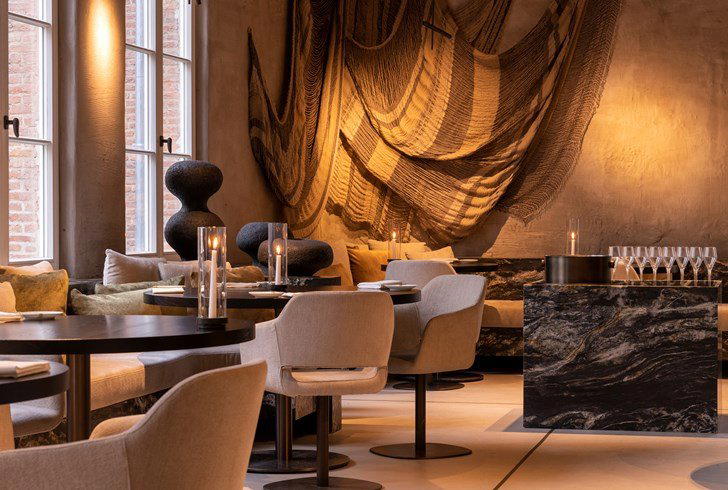
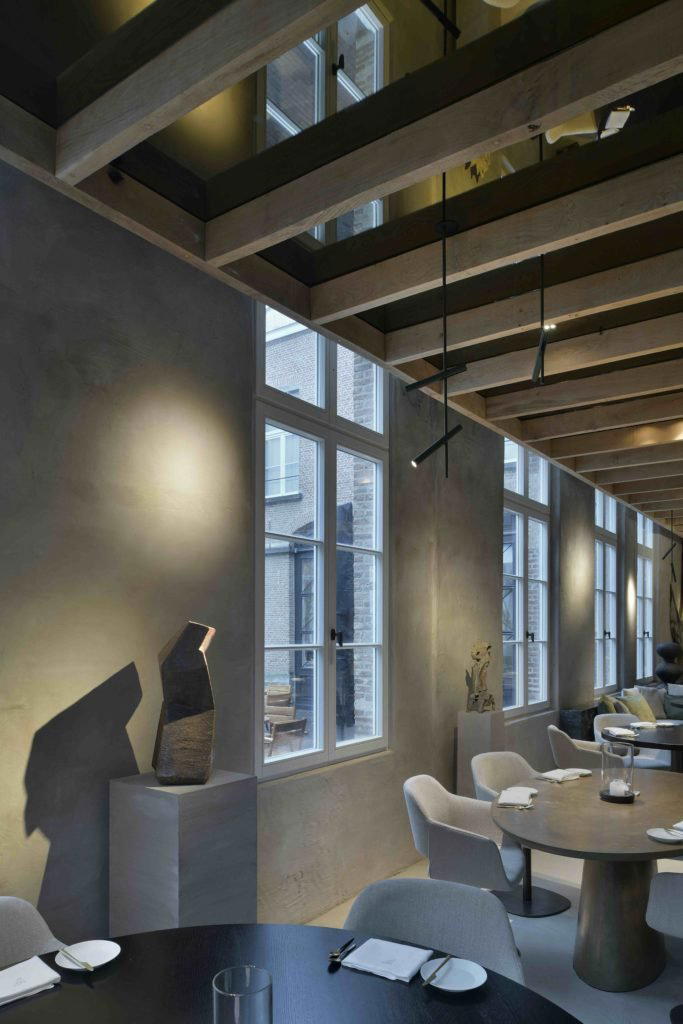
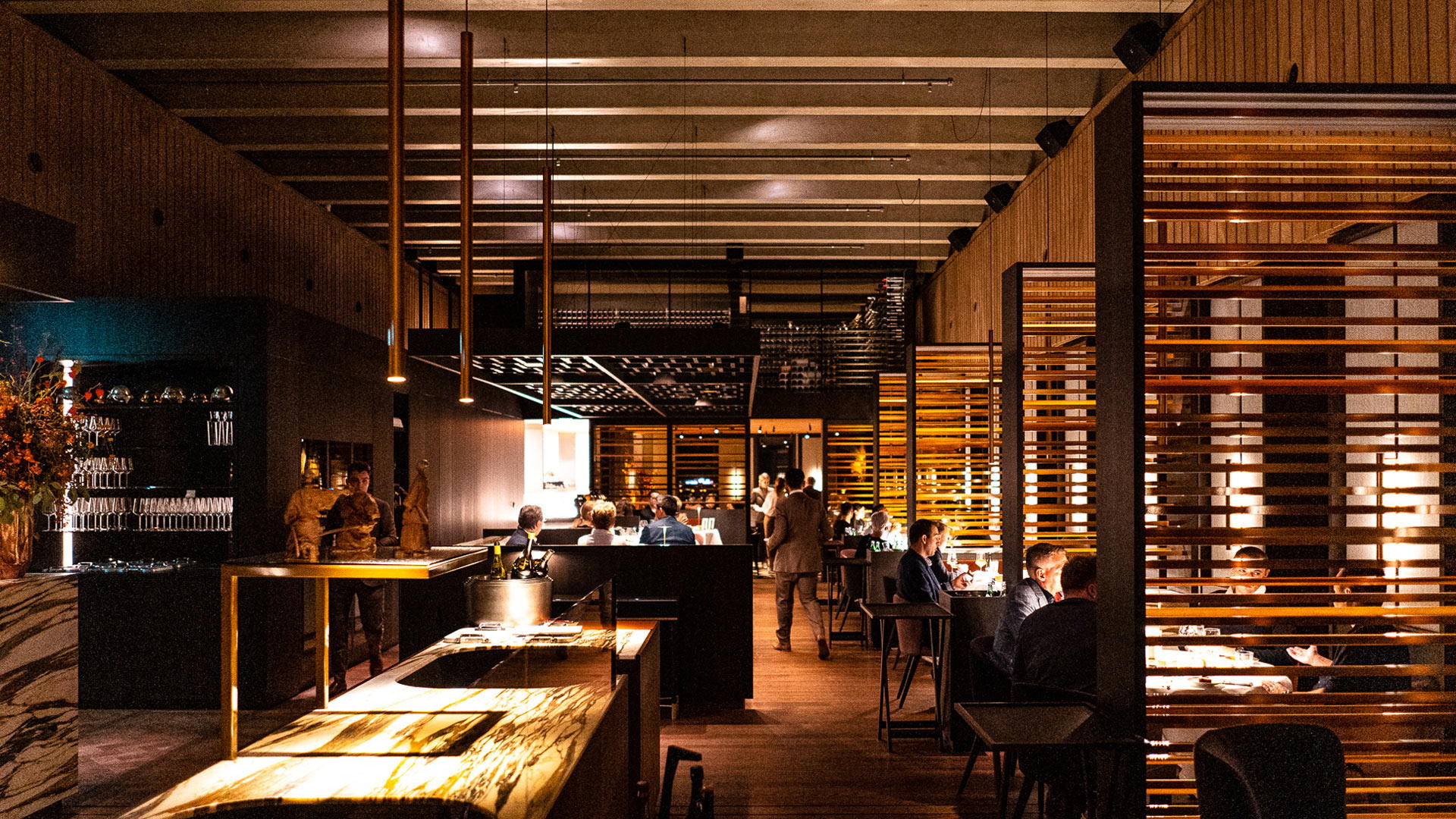
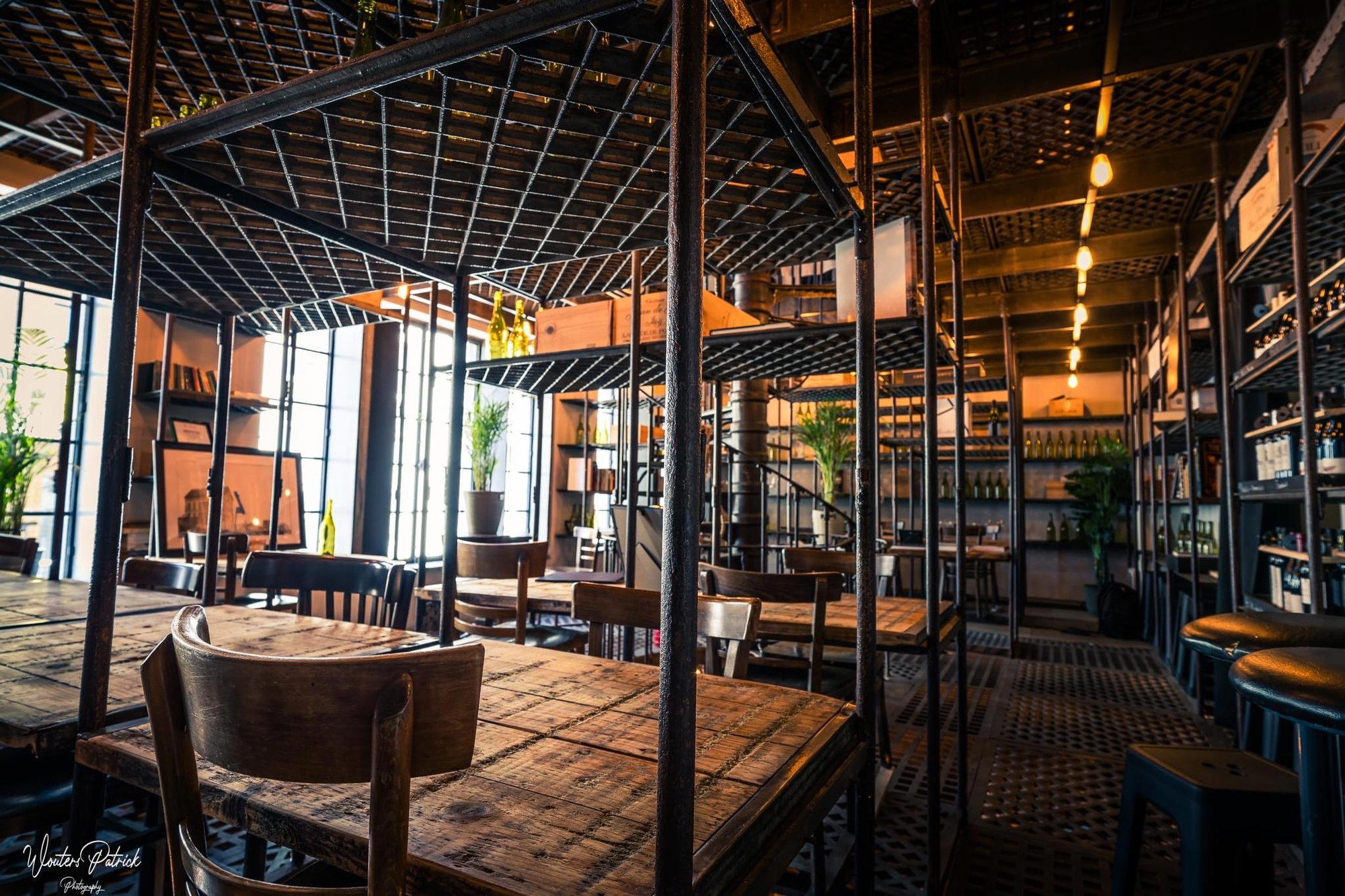
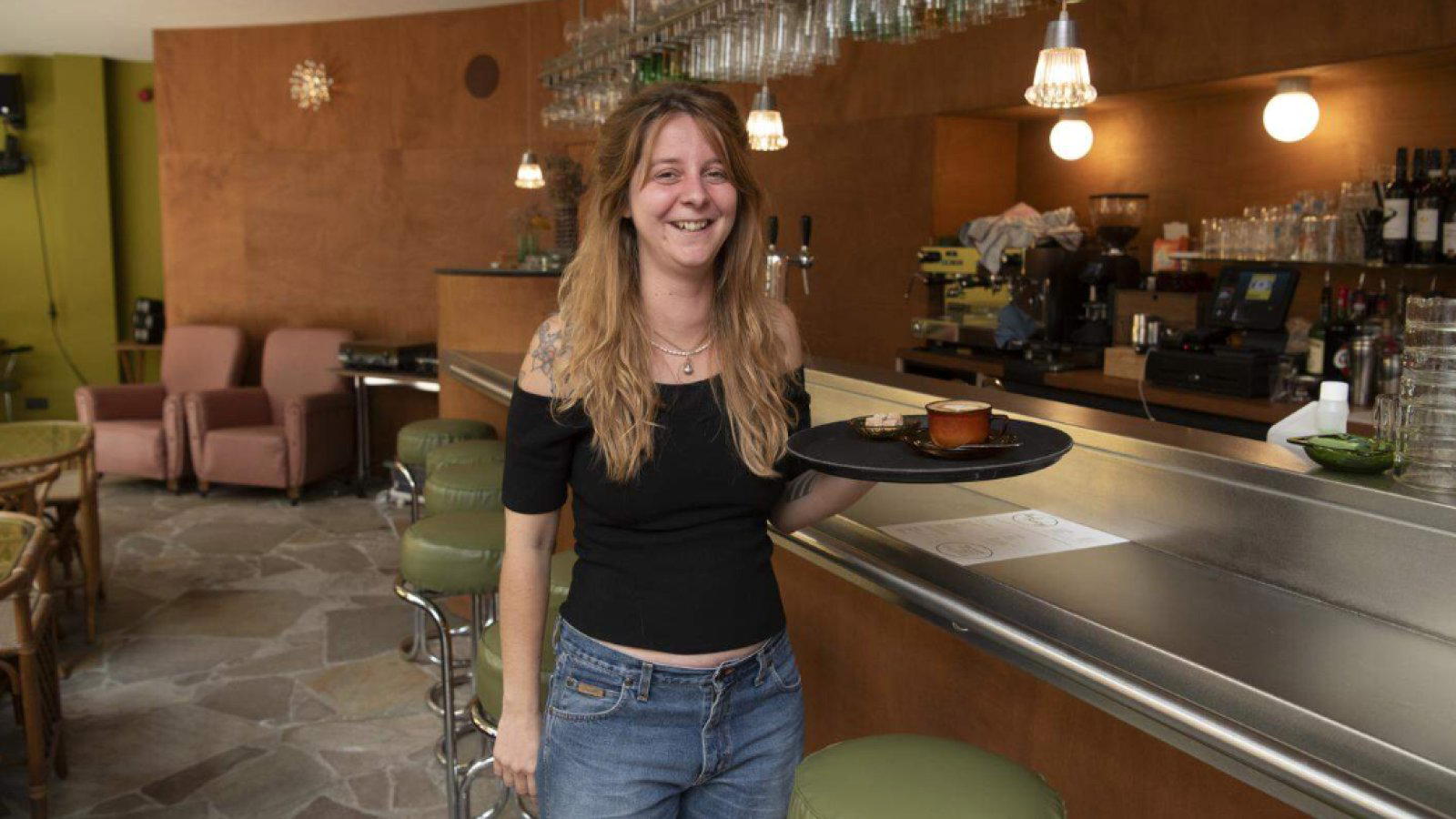
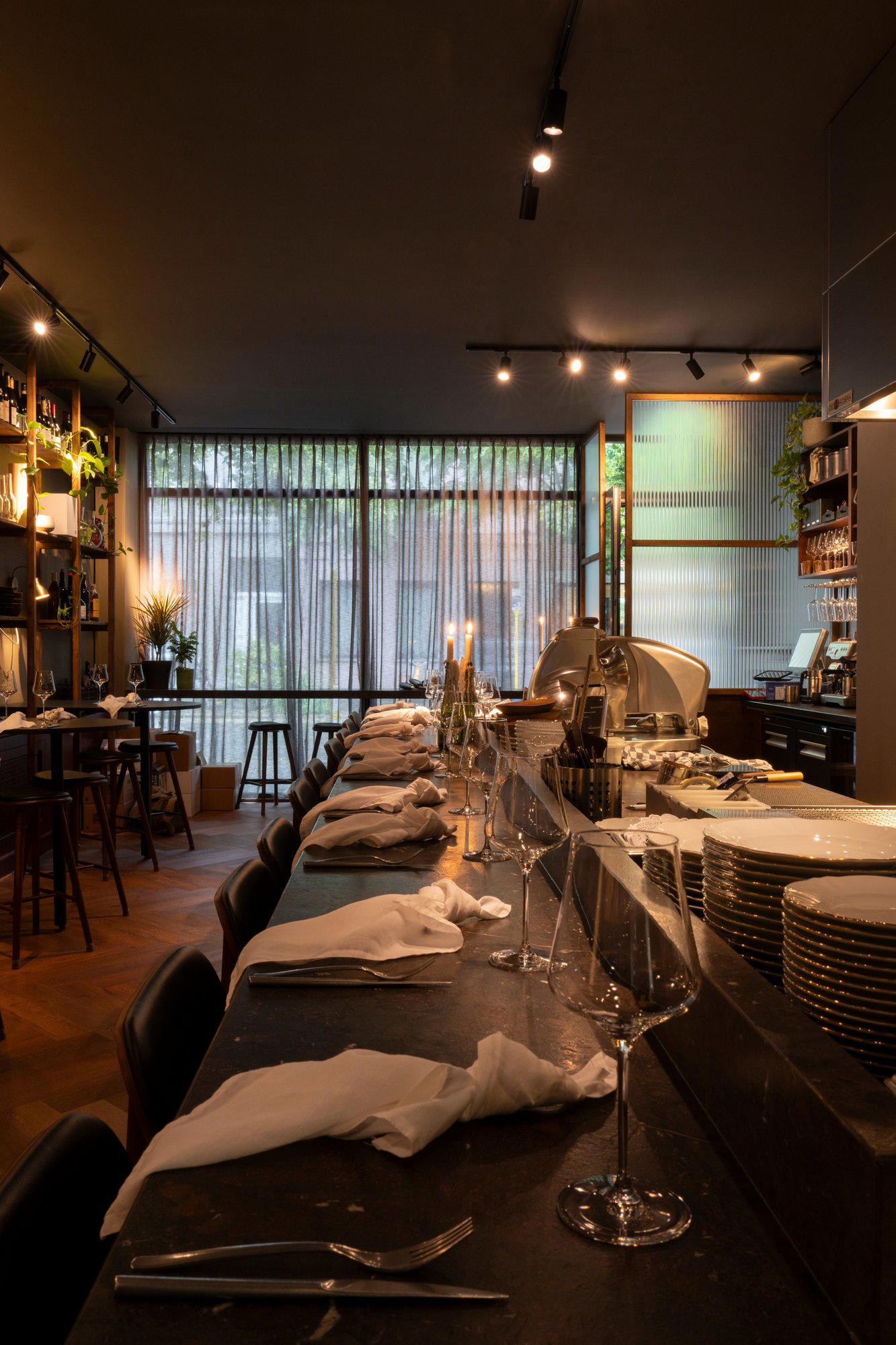
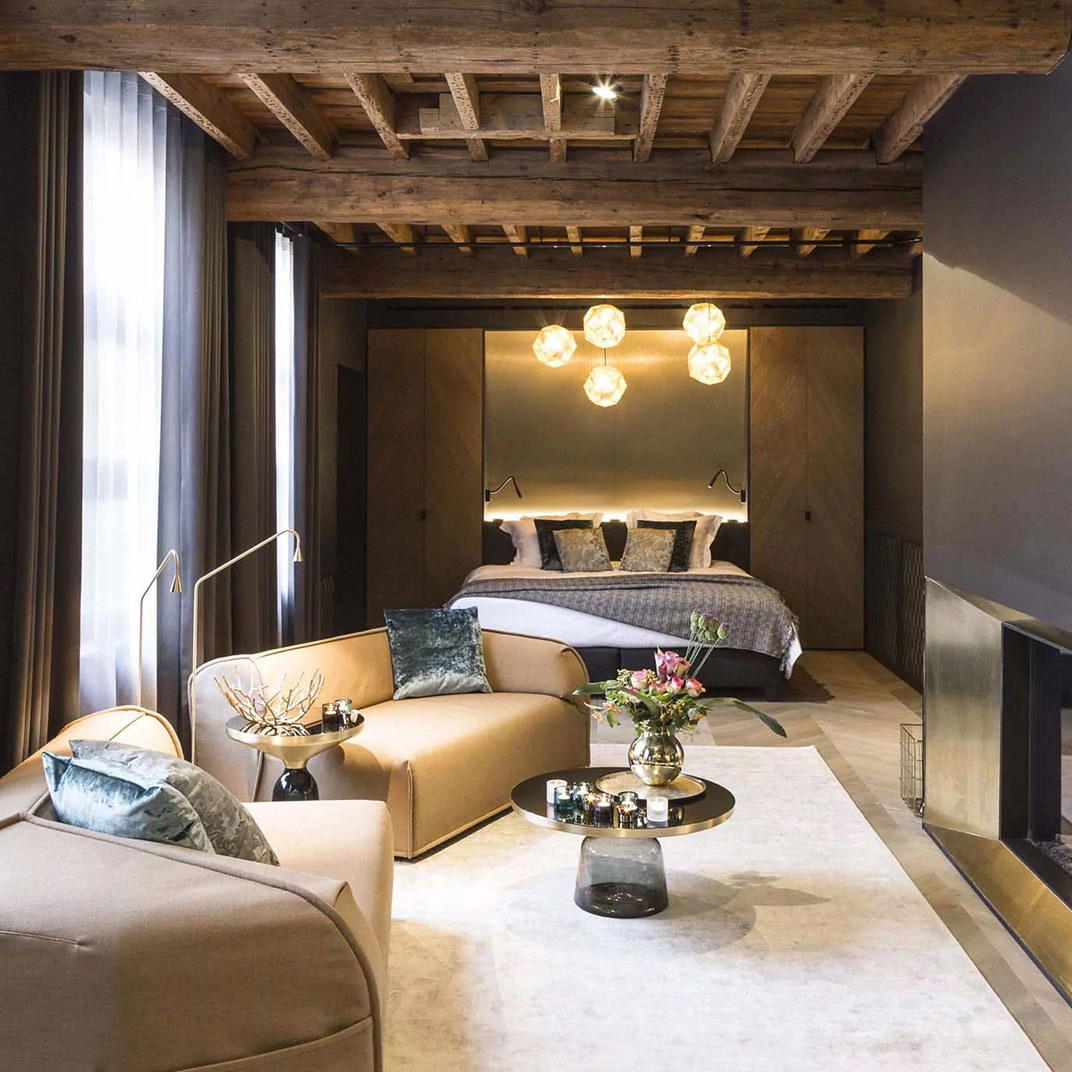
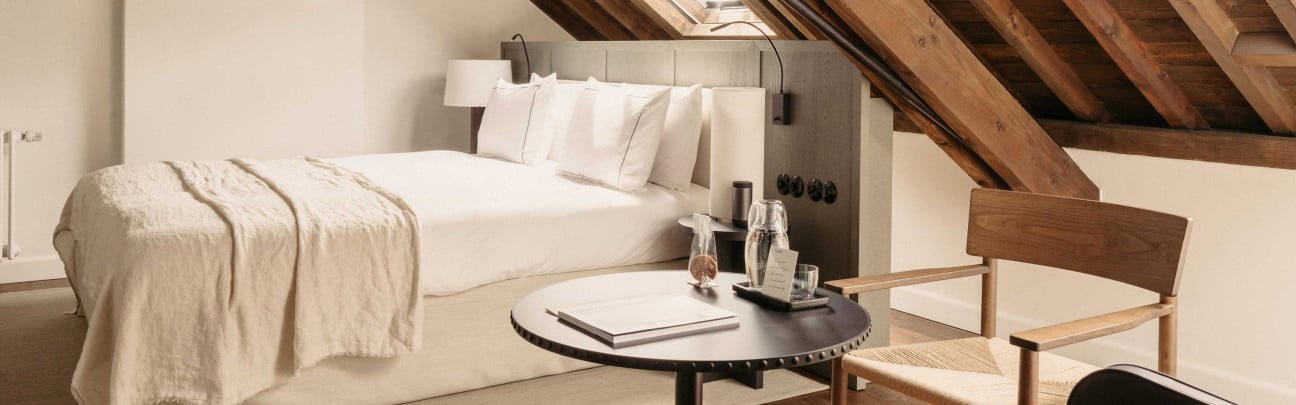
Simple, casual Chinese-style decorated interior with a neighborhood feel typical of a small noodle stand.