Ting Kee Mie occupies a narrow address on Van Wesenbekestraat in Antwerp's Chinatown district, serving the kind of Chinese noodle cooking that builds a neighbourhood reputation on repetition and precision rather than ambition. The menu is structured around a single category done well, placing it in a different register from Antwerp's fine-dining circuit but no less seriously considered by regulars who return for the same bowl, ordered the same way.
Pearl is the En Primeur Club membership app — saves, bookings, and concierge access live there. Same editors, same standards.
- Address
- Van Wesenbekestraat 5, 2060 Antwerpen, Belgium
- Phone
- +32 477 37 22 87
- Website
- tingkee.be
- Directions
- Get directions
 Saves & bookings on Pearl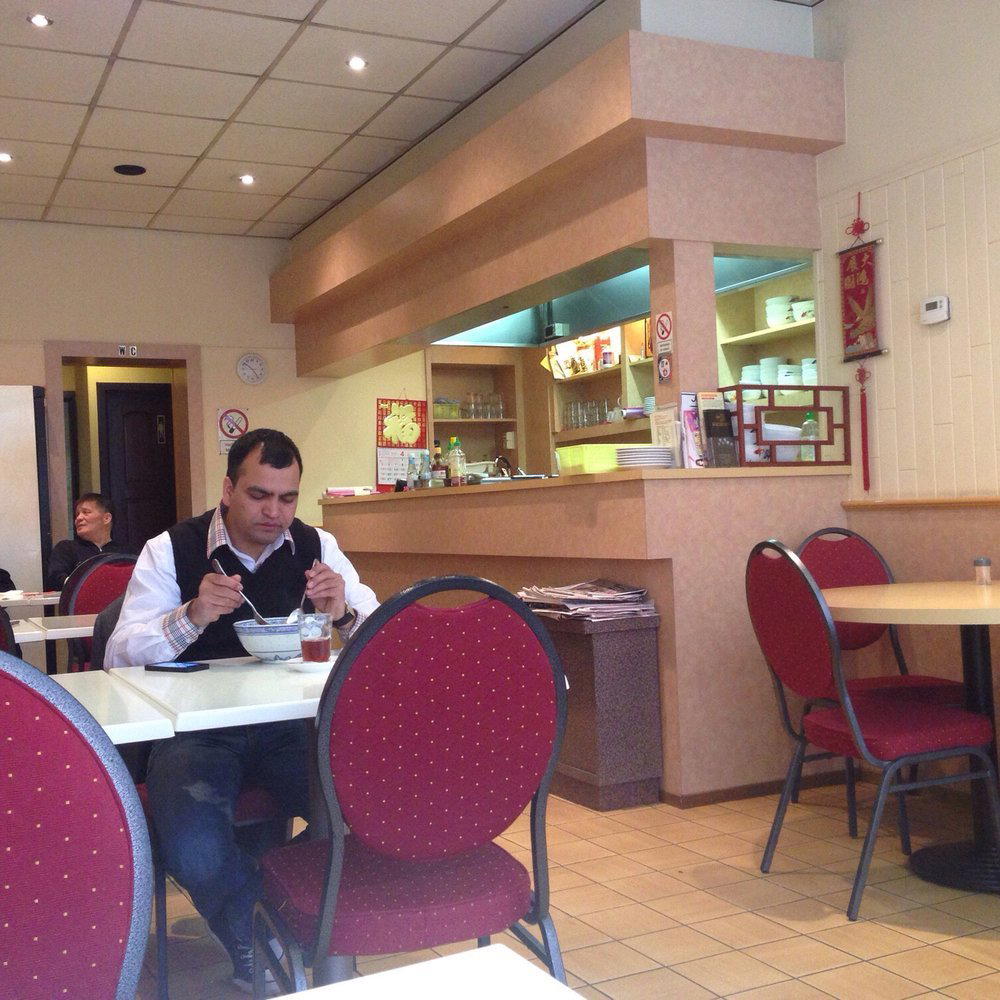
Van Wesenbekestraat and the Arithmetic of a One-Dish Street
Antwerp's restaurant conversation tends to orbit its starred addresses: the creative Flemish cooking at Hertog Jan at Botanic, the classical weight of 't Fornuis, the technical precision of Zilte. But the city's most instructive dining is often found in the streets that don't appear on those lists. Van Wesenbekestraat, running through Antwerp's Chinatown quarter in the 2060 postal district, is one of those streets. The buildings are narrow, the signage functional, and the clientele arrives knowing exactly what it wants. Ting Kee Mie sits inside this logic.
The name itself signals the menu before you walk through the door. In Cantonese-influenced Chinese restaurant culture, a venue named around mie (noodles) is making a structural declaration: this is where the product is the discipline. Noodle houses of this type operate on a different economy from tasting-menu restaurants. The measure of quality is consistency across hundreds of covers, not invention across twelve courses. That distinction matters when reading what the menu is actually telling you.
Menu Architecture: What a Noodle List Reveals
The most legible menus in any city are the ones built around a single category, expanded in depth rather than breadth. A Chinese noodle menu organized this way typically moves through broth temperature, protein, fat content, and textural contrast: dry-tossed versus souped, thin wheat versus egg-enriched, light poultry stock versus longer-cooked pork or beef bases. Each variable is a decision the kitchen has made in advance, which means the menu is as much a statement of culinary position as any tasting format.
At addresses like Ting Kee Mie, the ordering pattern of regulars is the most reliable indicator of what the kitchen does well. In Chinese noodle houses, the dish that generates return visits is rarely the most elaborate option on the list. It tends to be the one where the broth-to-noodle ratio, seasoning, and texture have been calibrated over time to a point where deviation would register immediately. That kind of precision is harder to achieve than it appears from outside the kitchen.
For comparison, consider how similarly structured Asian dining in Antwerp operates at the higher end: DIM Dining applies Japanese discipline and an €€€€ price tier to a focused format. Ting Kee Mie works in a different register, but the underlying principle, that a constrained menu executed with focus outperforms an expansive one executed carelessly, is shared across both.
The Chinatown Context
Antwerp's Chinatown is one of the older such districts in the Benelux region, shaped by successive waves of migration from southern China and later from other parts of the Chinese diaspora. Van Wesenbekestraat is its commercial spine, and the restaurants along it reflect different eras of that settlement: older Cantonese houses, newer operations drawing on Fujianese and broader pan-Asian repertoires, and a handful of specialist spots that have survived by staying narrow.
The economic logic of a street like this is worth understanding. Rent is lower than in the city's fashion-district centre, overheads are tighter, and the customer base is partly residential and partly destination-driven. This combination typically produces restaurants that price honestly and cook to a repeatable standard because the margin for error is small. It is a different pressure from the one that shapes Michelin-tracked kitchens, but it is pressure nonetheless.
Antwerp's broader dining circuit, which includes Belgian addresses like Boury in Roeselare and Hof van Cleve in Kruishoutem at the regional fine-dining tier, operates at a structural remove from Van Wesenbekestraat. The two ends of the market are not competing; they are serving different decisions. When a traveller wants to understand a city's food culture fully, spending time on both ends of that spectrum is more instructive than staying at one.
How to Read Ting Kee Mie Against the Antwerp Scene
Antwerp's restaurant scene has a pronounced tilt toward Flemish classical cooking and toward the creative-European formats that have developed alongside it. The Bistrot du Nord represents the French-traditional strand; addresses further afield in Belgium, from Willem Hiele in Oudenburg to Bartholomeus in Heist, show how far the regional fine-dining tradition extends geographically.
Against that backdrop, a Chinese noodle address on Van Wesenbekestraat is operating in a space that Antwerp's editorial dining culture tends to undercount. The same dynamic plays out in other European cities with significant Chinese communities: the specialist noodle house rarely appears in mainstream restaurant guides, not because the cooking is worse, but because the evaluation framework used by those guides was built around European fine-dining conventions. Understanding that gap is part of reading any city's food map honestly.
For readers whose Antwerp itinerary already includes a reservation at one of the city's starred or near-starred tables, a meal at Ting Kee Mie on a different evening offers a structural contrast that sharpens the experience of both. The full picture of what the city eats is not visible from any single price tier or cuisine category. Our full Antwerp restaurants guide maps the scene across both registers.
Know Before You Go
| Address | Van Wesenbekestraat 5, 2060 Antwerpen, Belgium |
|---|---|
| Neighbourhood | Antwerp Chinatown, postal district 2060 |
| Cuisine focus | Chinese noodles (Cantonese-influenced) |
| Price tier | |
| Reservations | Booking policy not confirmed; walk-in format typical for this category |
| Hours | Not confirmed; verify directly before visiting |
| Phone / website |
How Ting Kee Mie Antwerp compares with similar nearby venues.
| Venue | Cuisine | Price |
|---|---|---|
| Ni Shifu | Chinese | €€ |

At a Glance
- Cozy
- Casual Hangout
- Standalone
Current opening hours
- Monday
- 11:30 AM–6:30 PM
- Tuesday
- 11:30 AM–6:30 PM
- Wednesday
- 11:30 AM–6:30 PM
- Thursday
- 11:30 AM–6:30 PM
- Friday
- 11:30 AM–6:30 PM
- Saturday
- 11:30 AM–6:30 PM
- Sunday
- Closed
Hours can change for holidays and private events. Last verified .
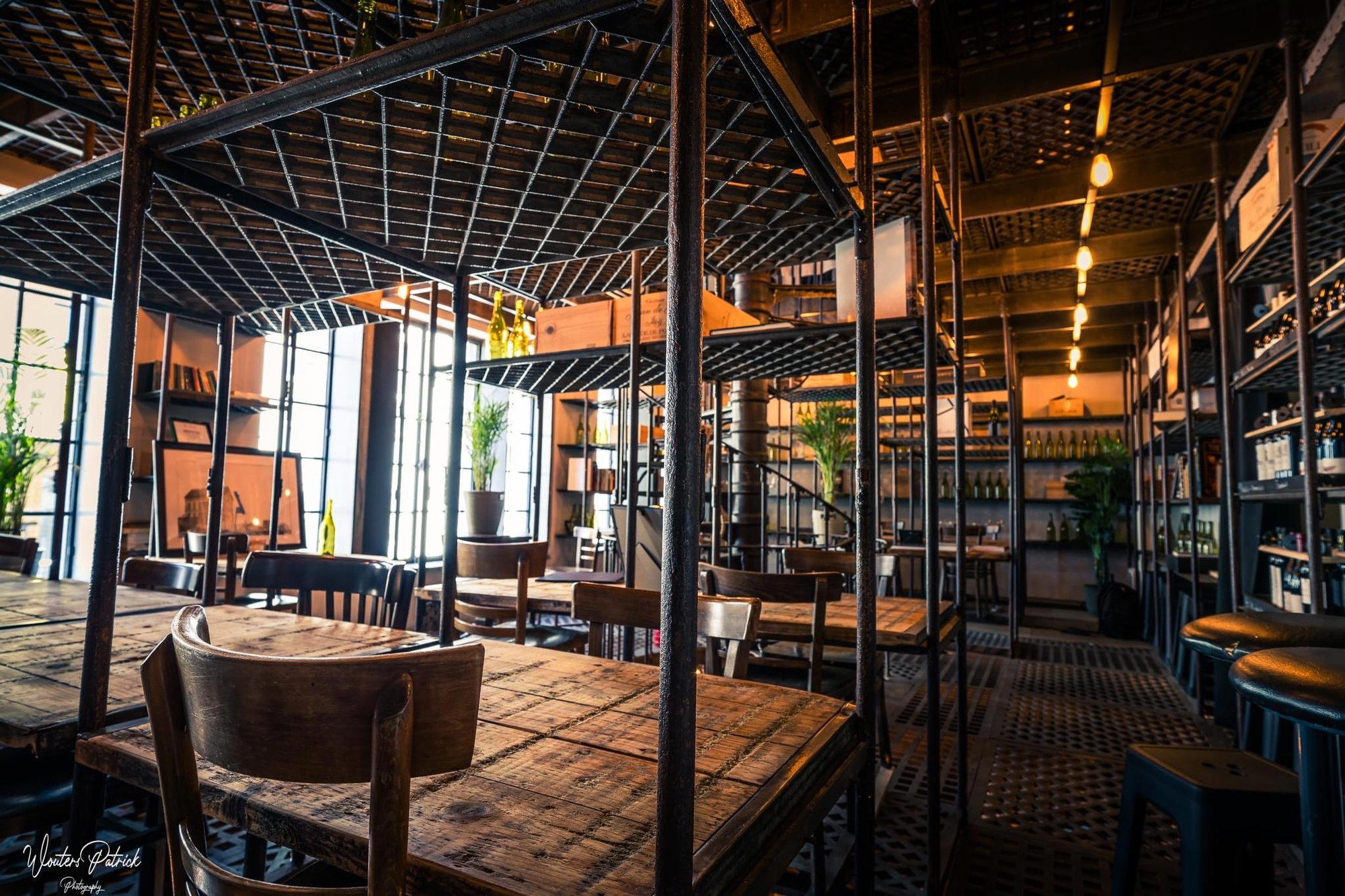
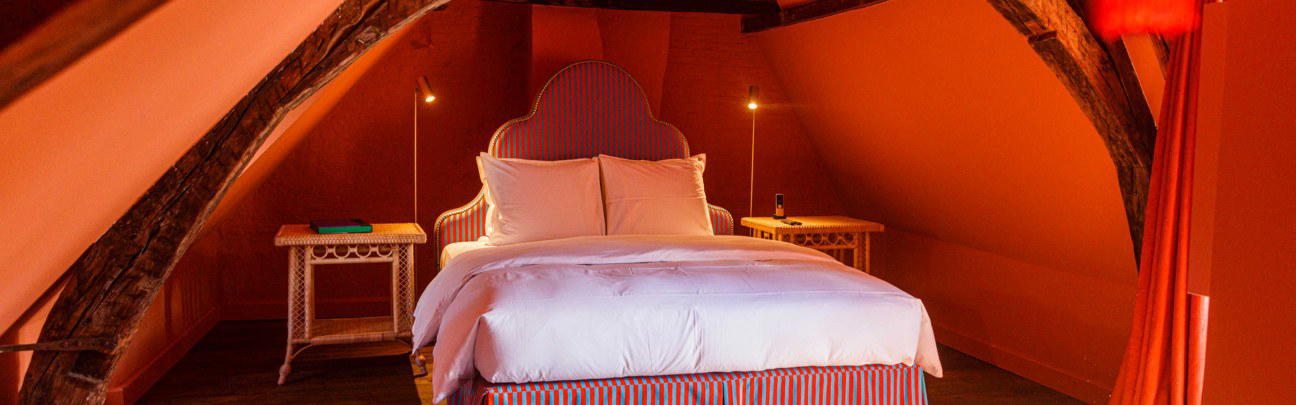
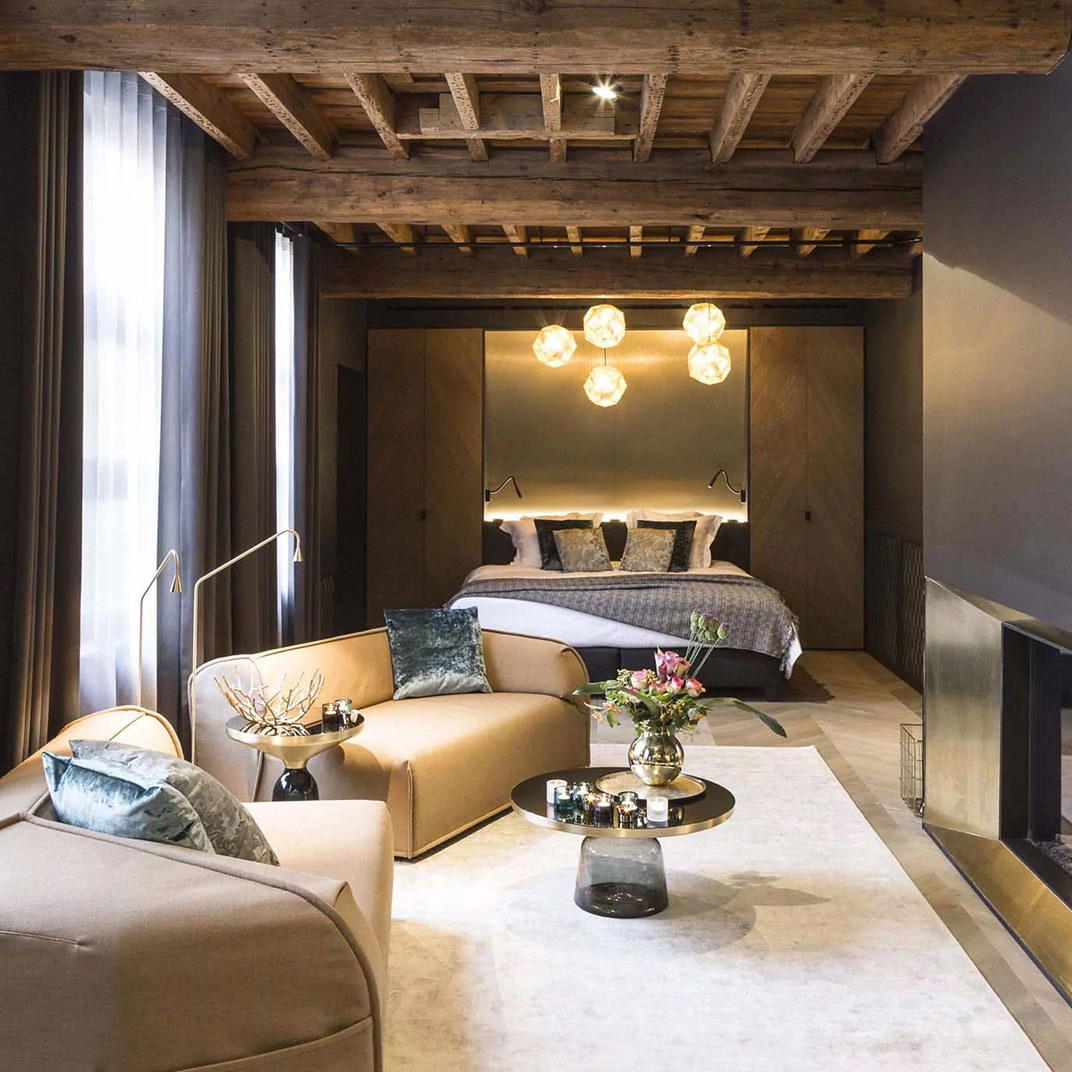
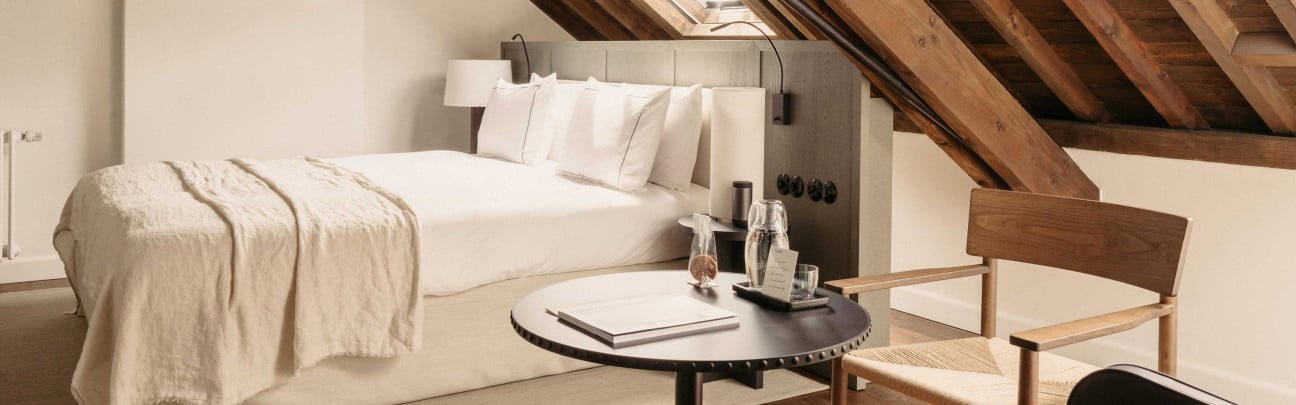
Simple, unpretentious interior with a cozy, bustling atmosphere reminiscent of Asian street food eateries.
Know Before You Go
- Getting there
- Van Wesenbekestraat 5, 2060 Antwerpen, Belgium