
Michelin Bib Gourmand
Our verdict
A Michelin Bib Gourmand recipient for 2025, Jin Ling Yang Jia Hun Tun Dian on Caodu Alley serves wonton soup in the everyday Nanjing tradition at prices that keep the queue moving. Rated 4.8 on Google, this Baixia district address draws locals and visiting eaters alike for a bowl that sits at the intersection of good sourcing and unpretentious craft.

Pearl is the En Primeur Club membership app — saves, bookings, and concierge access live there. Same editors, same standards.
- Address
- China, Jiangsu, Nanjing, 白下区曹都巷1号-3
- Phone
- +86 139 5193 4723
- Directions
- Get directions
The menu
What to order
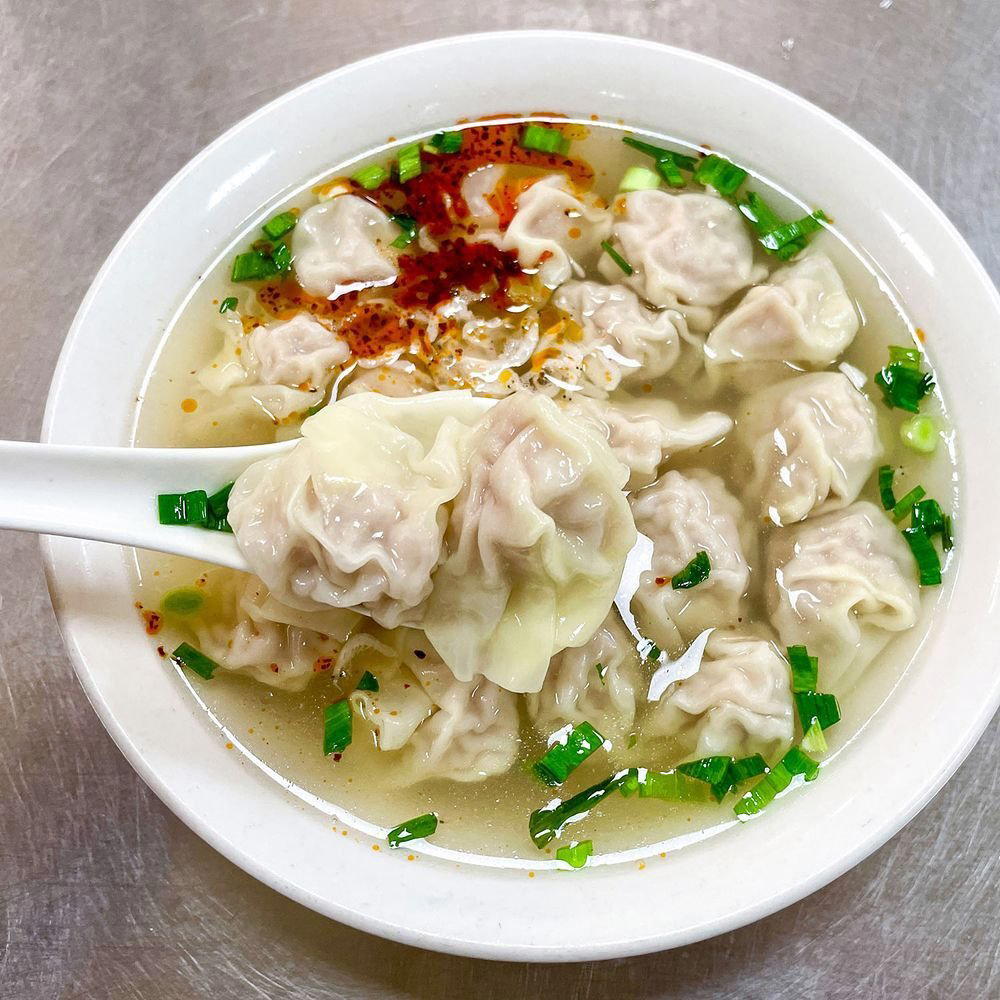
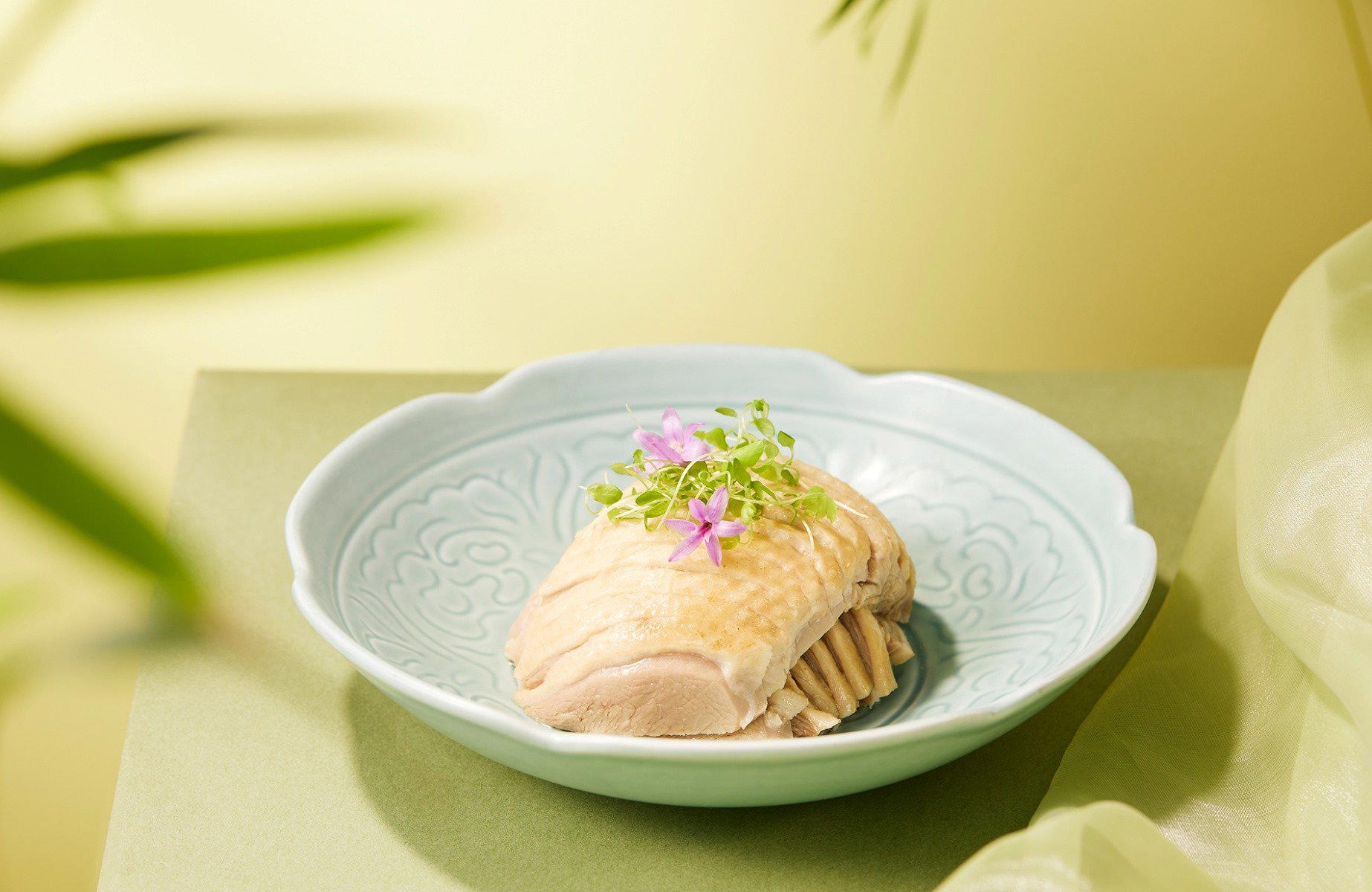
- Hand-wrapped wonton soup
Caodu Alley and the Wonton as Nanjing Street Food
Baixia district's older lanes operate at a different register from Nanjing's newer dining precincts. On Caodu Alley, the architecture is modest, the foot traffic is local, and the food on offer reflects what residents actually eat between work and home. It is in exactly this kind of setting that Chinese wonton culture tends to be preserved most honestly. The wrapper is thin because it needs to be made quickly. The broth is clear because it is restocked from bones all morning. The filling is kept simple because the ingredients are meant to speak without augmentation. Jin Ling Yang Jia Hun Tun Dian works within that framework, and the 2025 Michelin Bib Gourmand acknowledges the result: serious cooking at everyday prices.
Where Sourcing Shapes the Bowl
In regional Chinese dim sum and small-plate traditions, the distance between ingredient and bowl is one of the clearest signals of kitchen ambition. Jiangsu province sits at the centre of some of China's most agriculturally productive terrain. The Yangtze Delta brings freshwater fish, seasonal greens, and pork of a particular fat-to-lean ratio that distinguishes Jiangnan cooking from Sichuan or Cantonese equivalents. A wonton kitchen operating in Nanjing's older neighbourhoods draws on that supply chain by default, but the discipline lies in selecting from it consistently, particularly for a filling that relies on so few components. When pork quality drops, there is nowhere to hide inside a translucent wrapper. The Bib Gourmand designation, which Michelin awards specifically where inspectors find good cooking at accessible price points, implies that the sourcing decisions here hold across visits, not just on a good day.
That consistency matters because Nanjing's lower-price dim sum and wonton tier is competitive. Addresses like Jin Ling Wang Jia Hun Tun (Jiqing Road) operate in the same cuisine category and price bracket, and regular visitors develop strong loyalties based on incremental differences in filling texture and broth depth. At the ¥ price level, the margin for error is narrow: there is no expensive ingredient to carry an underpowered broth, and no elaborate presentation to distract from a wrapper that is too thick or a filling that is under-seasoned.
The Bib Gourmand Tier in Nanjing
Michelin's Bib Gourmand category functions differently from starred recognition. Where stars reward ambition and technical precision in a fine-dining register, the Bib identifies value: places where the inspectors concluded that the cooking is genuinely good relative to what it costs.
For context on what that award means within the city's broader dining spectrum: Nanjing's starred restaurants operate in a different price register entirely. Dai Yuet Heen, the city's Michelin one-star Cantonese address, prices at ¥¥¥, three brackets above Caodu Alley. The gap is not just financial; it represents a different kind of cooking discipline, one built around longer preparation windows, more complex sourcing hierarchies, and a higher staff-to-guest ratio. The Bib Gourmand acknowledges that a wonton counter operating at ¥ is not a lesser version of that model. It is a different discipline with its own standard of excellence, and one that most visitors to Nanjing will encounter more frequently across their time in the city.
Jiangnan Wonton Tradition in a Wider Chinese Context
Chinese dumpling and wonton culture varies considerably by region. Cantonese dim sum, as practiced at addresses like Hongtu Hall in Guangzhou or Wu You Xian in Shanghai, sits in a more elaborate service format with a wider range of fillings and preparation styles. The Jiangnan wonton tradition is comparatively austere: fewer variables, cleaner broth, a narrower product focus. That focus is not a limitation; it is a stylistic position. A kitchen committed to a single format has more repetition to work with, and repetition in Chinese noodle and dumpling cooking is generally what produces the leading result. The hand that has wrapped ten thousand wontons sets the edge differently from the hand that has wrapped a thousand.
Shanghai's wonton culture, roughly two hours by high-speed rail from Nanjing, has developed its own commercial ecosystem of wonton specialists. Nanjing's version remains more embedded in local daily life and less oriented toward tourism. That distinction affects what you find in the bowl: less performance, more habit-formed refinement.
How to Approach the Visit
Caodu Alley is in Baixia district, in the older residential and commercial fabric south of the city centre.
Nearby wonton and tang bao options that sit in a comparable street-food register include Hao Po Tang Bao and Xu Jian Ping Tang Bao (Rehe South Road), both working in the steamed bun and broth tradition that runs parallel to wonton culture in Nanjing's street-food geography. Li Ji Qing Zhen Guan offers halal Chinese cooking at a similarly accessible price point for visitors with dietary requirements. For those extending the trip across the wider Yangtze Delta, Ru Yuan in Hangzhou represents how regional Chinese cooking develops in a different city with overlapping agricultural sources. More ambitious fine dining comparisons can be drawn at 102 House in Shanghai or Xin Rong Ji in Beijing, both operating in a premium register that sits well above the Caodu Alley price tier but reflects how Jiangnan-adjacent ingredients travel up the quality ladder when budget is not the constraint.
For practical logistics beyond the restaurant itself, see the Nanjing experiences guide.
Frequently asked questions
Where is Jin Ling Yang Jia Hun Tun Dian (Caodu Alley) in Nanjing?
Jin Ling Yang Jia Hun Tun Dian (Caodu Alley) is located at China, Jiangsu, Nanjing, 白下区曹都巷1号-3, Nanjing.
What kind of cuisine does Jin Ling Yang Jia Hun Tun Dian (Caodu Alley) serve?
Jin Ling Yang Jia Hun Tun Dian (Caodu Alley) is a dim sum restaurant.
What awards or recognition does Jin Ling Yang Jia Hun Tun Dian (Caodu Alley) have?
Jin Ling Yang Jia Hun Tun Dian (Caodu Alley) has received recognition including: Michelin Bib Gourmand (2025).
What should I eat at Jin Ling Yang Jia Hun Tun Dian (Caodu Alley)?
The kitchen centres on wonton soup in the Jiangnan format: thin-skinned dumplings in clear broth, typically filled with pork. That focus is the visit's entire logic. The 2025 Michelin Bib Gourmand award was given on the strength of this single-discipline approach, so ordering outside the wonton repertoire misses the point.
What price level is Jin Ling Yang Jia Hun Tun Dian (Caodu Alley)?
Pricing at Jin Ling Yang Jia Hun Tun Dian (Caodu Alley) is listed as ¥.
What is Jin Ling Yang Jia Hun Tun Dian (Caodu Alley) known for?
The address is known for everyday wonton soup at the ¥ price tier in Baixia district's older lane fabric, recognised by Michelin's 2025 Bib Gourmand for quality at accessible prices. Bib Gourmand does not reward ambition or fine-dining precision; it rewards kitchens that do one thing consistently well at neighbourhood cost. This one does wontons.
How Jin Ling Yang Jia Hun Tun Dian (Caodu Alley) compares with similar nearby venues.
| Venue | Cuisine | Price | Awards |
|---|---|---|---|
| Jin Ling Yang Jia Hun Tun Dian (Caodu Alley)This venue — the venue you are viewing | Traditional Chinese Wonton Soup | Not listed | Michelin Bib Gourmand |
| Li Ji Qing Zhen Guan | Traditional Halal Beef Dumplings | $1–10 | Michelin Bib Gourmand |
| Wu You Xian | Dim Sum | Not listed | Not listed |
| Xu Jian Ping Tang Bao (Rehe South Road) | Suzhou-style Soup Dumplings | Not listed | Michelin Bib Gourmand |
| Jin Ling Wang Jia Hun Tun (Jiqing Road) | Traditional Chinese Wonton & Dim Sum | Not listed | Michelin Bib Gourmand |
| Ya Ba Sheng Jian (Wenjia An) | Dim Sum | Not listed | Not listed |
Recognition history
Dated appearances from independent guides and award organizations, with the underlying list record or original source where available.
Michelin Bib Gourmand
Michelin
Full recognition history (2 entries)
Michelin Bib Gourmand
Michelin

Details
- Classic
- Cozy
- Casual Hangout
- A La Carte
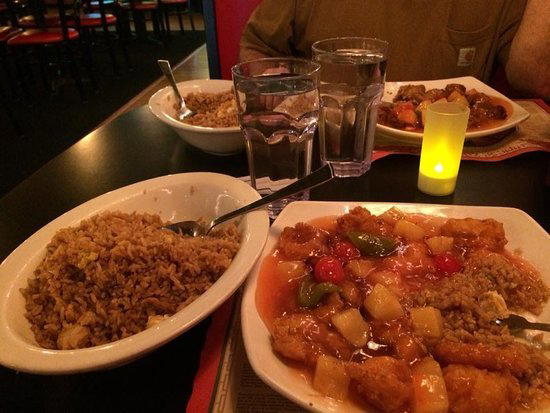
Simple, dated room packed with wonton soup lovers throughout the day.