
Tabelog 100 #93
Our verdict
Wakakusa Curry Honpo brings Nara’s casual curry culture into focus: vegetable-forward, accessible, and rooted in the shopping-arcade rhythm around Kintetsu Nara. Its Tabelog Curry WEST 100 selection in 2023 and 2024 gives it a stronger signal than the usual tourist lunch stop, especially for travellers looking beyond temple-district set meals.

Pearl is the En Primeur Club membership app, where members save venues, book tables and use the concierge.
The menu
What to order
- Wakakusa Curry (spinach and tomato vegetable curry)
- Chicken curry with coconut milk
- Yamato beef mild curry
- Baked curry
- Omelet curry
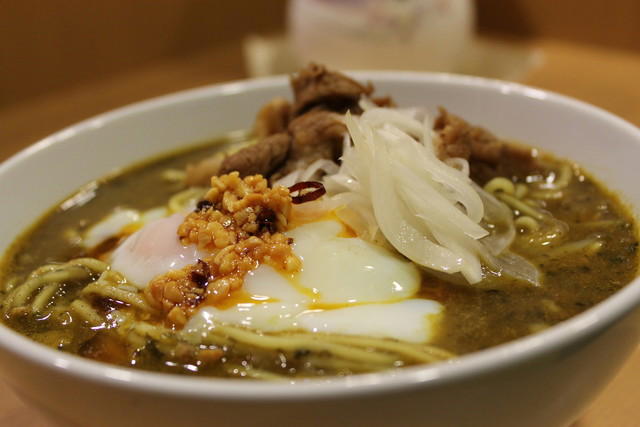
- Curry ramen
- Extra-spicy lamb brown curry
- Curry bread
The approach is through Nara’s everyday dining landscape, where visitor movement and local routines meet in compact, practical places to eat. In that setting, curry has a different role from more formal restaurant planning: it is quick, flexible, accessible by the listed budget, and often more revealing of everyday appetite than a ceremonial counter meal. Wakakusa Curry Honpo belongs to that category, but its presence in Tabelog’s 2024 curry recognition moves it out of the generic lunch bracket and into a narrower group of curry specialists worth planning around.
Nara curry as everyday food, not temple-town nostalgia
Nara’s dining identity is often flattened into heritage language: old capital, deer park, temple precincts, refined Japanese cooking. The city’s more useful food map is broader. Across Nara, the eating pattern can be compact and practical, with independent rooms serving people moving between stations, errands, and historic sites. Curry fits that geography neatly because it can suit different spice preferences, casual schedules, and family dining without requiring a long sitting.
Wakakusa Curry Honpo’s listed categories, curry, ramen, Asian, and ethnic, point to the way some casual restaurants operate outside strict genre lines. The defining idea is not a chef-led tasting format but a casual curry house whose public profile extends beyond a single narrow label. That matters in Nara, where many visitors default to familiar travel-dining patterns. Curry here offers a less performative reading of the city: lunch that belongs to the everyday food map as much as to the travel itinerary.
The Tabelog Curry WEST 100 recognition is the hard credential. It places the restaurant within a curry selection rather than a purely local convenience choice, and that distinction is useful when judging a modest-format shop in a city better known for cultural monuments than specialist curry. The score attached to the listing, 3.62, reinforces the same point: this is not luxury dining, but it has enough critical traction to separate it from an anonymous fallback.
Vegetables, spice, and a room built for mixed appetites
The menu identity is broad rather than austere, at least in the way the restaurant is publicly categorized. Curry is the centre of gravity, while ramen, Asian, and ethnic tags suggest a format that does not need to behave like a single-purpose fine-dining room. Those details point to a kitchen designed for range rather than ceremony: visitors can read it as a casual meal, a specialist curry stop, or an easy lunch or dinner that does not require the formality of a longer reservation-led experience.
That flexibility is culturally specific. Japanese curry is less about reproducing one external spice grammar than about adaptation: comfort food, regional variation, specialist shops, and contemporary casual versions all coexist. In Nara, a curry room with a modest budget profile sits between simple restaurant and neighbourhood utility. The format is democratic, but the recognition signal keeps it from feeling anonymous.
There is also a useful contrast with Nara’s higher-commitment dining and other quick-meal options. Houseki Bako, Kaiseki Kakomura, Kitsune, Menya K, and huerto help frame the city’s broader spread from casual to more deliberate meals without making Wakakusa Curry Honpo feel interchangeable with them. Wakakusa Curry Honpo is better understood in its own lane: casual, curry-led, and more specialist than a generic stop. For travellers building a Nara itinerary, that middle position is the value.
How it fits a sharper Nara food day
A strong Nara day does not need to be built entirely around temples and tea sweets. The more interesting pattern is to use the city’s compact geography to move between casual, specialist, and formal rooms. For broader city planning, Our full Nara restaurants guide gives the wider dining frame, while Our full Nara hotels guide, Our full Nara bars guide, Our full Nara wineries guide, and Our full Nara experiences guide help connect meals to where the day actually unfolds.
Within the city, the contrast set is instructive. Other Nara dining rooms show how the city’s range moves across different levels of planning and occasion, while Houseki Bako, Kaiseki Kakomura, Kitsune, Menya K, and huerto help frame the spread from casual to more deliberate meals. Curry earns its place in that mix because it is neither a consolation meal nor a tourist shortcut; at its strongest, it is a lens on how Japanese cities absorb outside influences and make them ordinary.
For readers following curry and casual Japanese dining across regions, useful parallels can be made with other unnamed casual specialists beyond Nara as well. The through-line is not cuisine sameness; it is the way everyday formats can carry serious cultural information when the room has a clear point of view. Wakakusa Curry Honpo’s value is that it brings that logic into a Nara context, with a public recognition signal strong enough to make the stop feel intentional rather than incidental.
The editorial case for Wakakusa Curry Honpo is therefore precise: choose it when Nara needs a meal with local rhythm, casual range, and enough third-party recognition to justify prioritising it over an anonymous lunch. It is not the city’s formal dining statement. It is the more common, and in some ways more telling, Nara meal: accessible, adaptable, and grounded in the daily life of the city.
Frequently asked questions
Is Wakakusa Curry Honpo more mid-range or high-end?
Pricing at Wakakusa Curry Honpo is listed as Dinner: JPY 1,000 - JPY 1,999; Lunch: - JPY 999.
What's Wakakusa Curry Honpo's location?
Nara.
What are Wakakusa Curry Honpo's hours?
Specific hours are not provided here; check directly with Wakakusa Curry Honpo before planning a visit.
What's the defining dish or idea at Wakakusa Curry Honpo?
The defining idea is a curry-first casual restaurant profile, with listed categories of curry, ramen, Asian, and ethnic, backed by its Tabelog Curry WEST 100 selection for 2024. Its Nara setting and modest listed budget point to a place that treats curry as the main line, not an afterthought.
Price and Recognition
Nearby venues at a similar price tier for orientation.
| Venue | Cuisine | Price | Awards | Notes |
|---|---|---|---|---|
| Wakakusa Curry HonpoThis venue (the venue you are viewing) | Japanese Curry House with Vegan & Gluten-Free Options | $10–20 | Tabelog 100 #93 | Not listed |
| Ocha no Ko | Tea Cafe / Japanese Dessert Shop | $1–10 | Tabelog 100 #60 | Nara, Tea Cafe / Japanese Dessert Shop |
| MENYA BIBIRI | Ramen & chicken–seafood soba | $10–20 | Tabelog 100 #13 | Nara, Ramen & chicken–seafood soba |
| Poku Poku | Japanese Tonkatsu | $10–20 | Tabelog 100 #48 | Nara, Japanese Tonkatsu |
| 麺屋 NOROMA | 鶏白湯ラーメン | $10–20 | Not listed | 西大寺, 鶏白湯ラーメン |
| Dandan | Izumo Soba | $20–30 | Michelin Plate · Tabelog 100 #29 | Nara, Authentic Izumo Soba |
Recognition history
Dated appearances from independent guides and award organizations, with the underlying list record or original source where available.
Tabelog 100 #93 · No. 93
Tabelog · Tabelog 100 - Curry - WEST - 2024
Continue exploring
More in Nara
Restaurants in Nara
All restaurants in Nara →

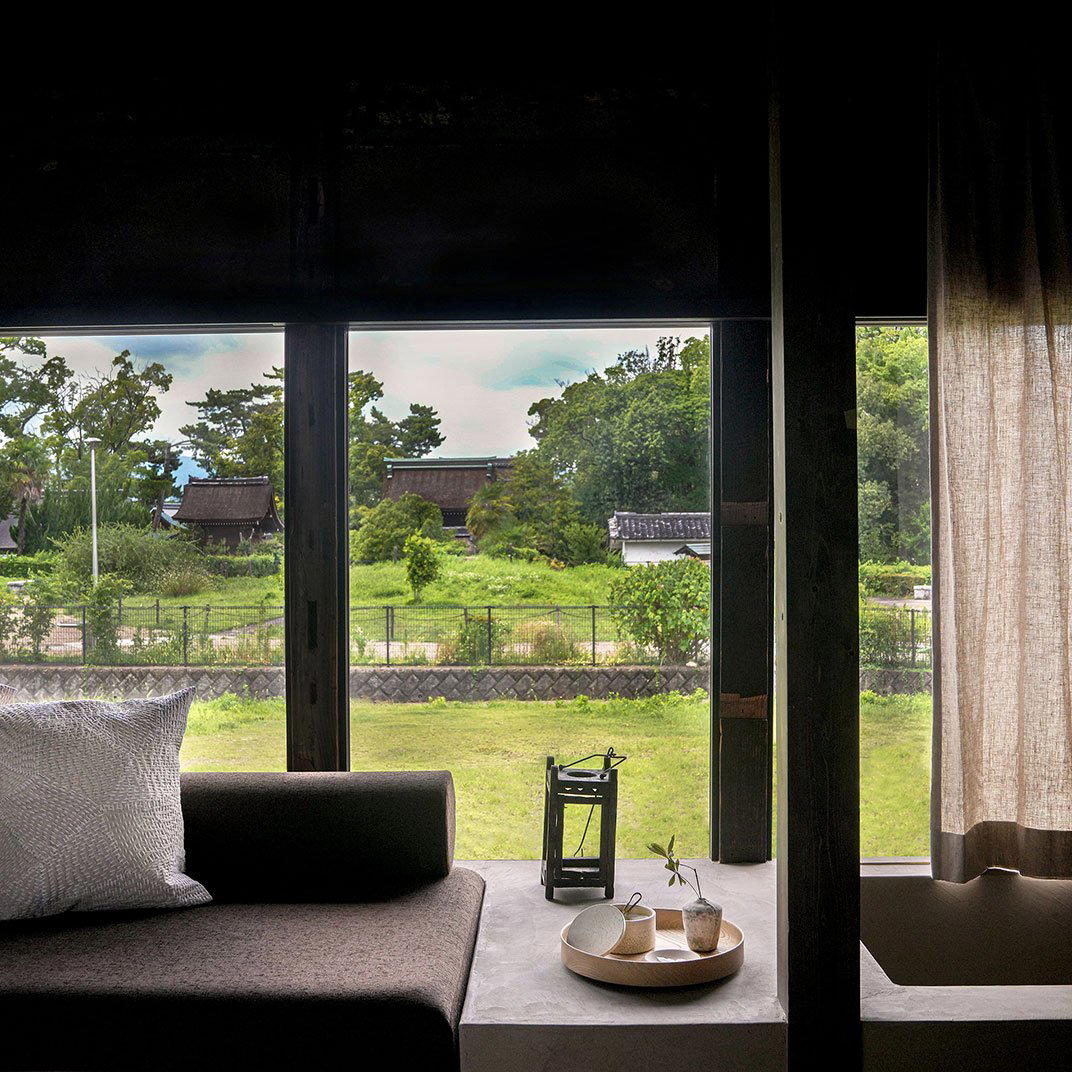
Bars in Nara
All bars in Nara →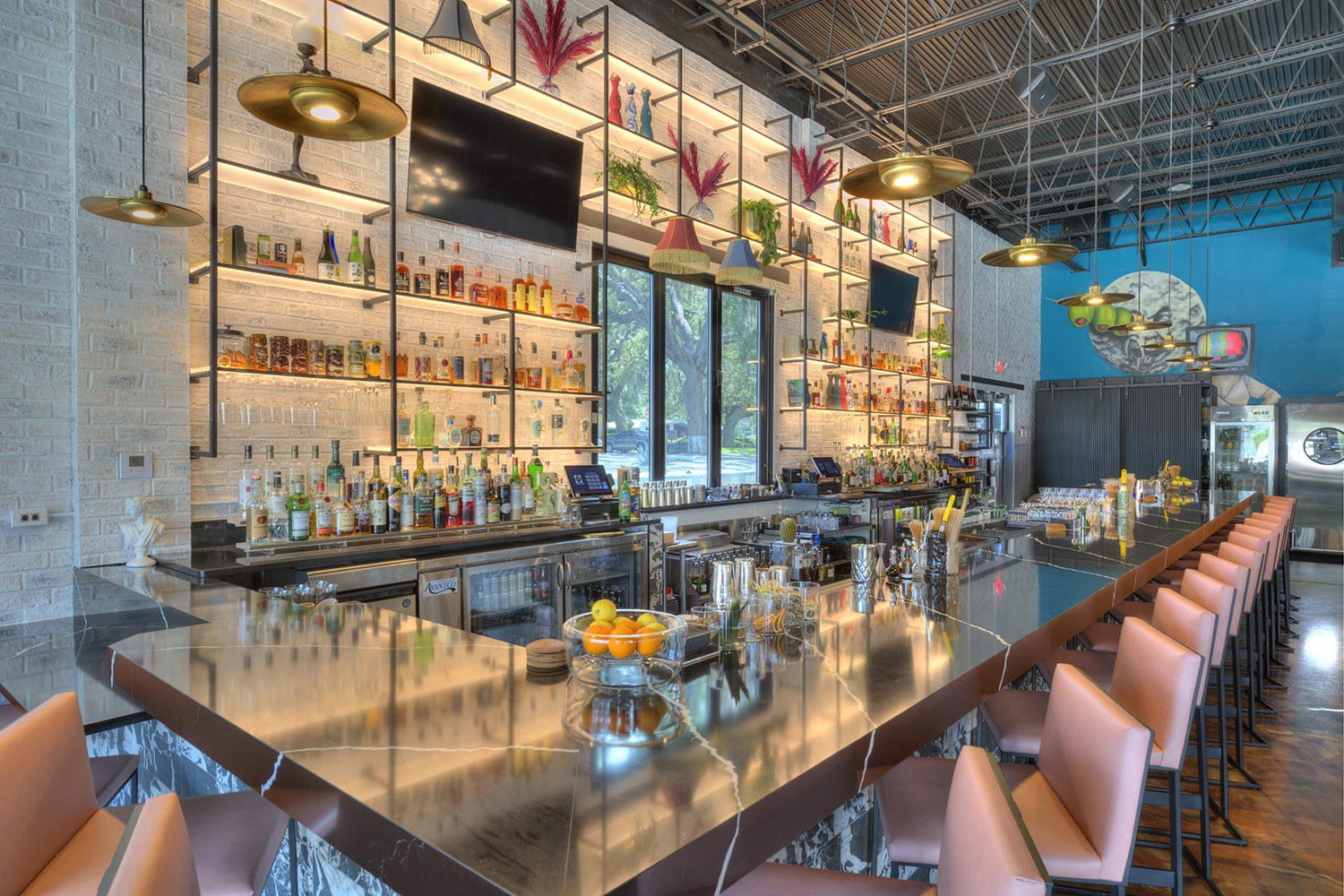
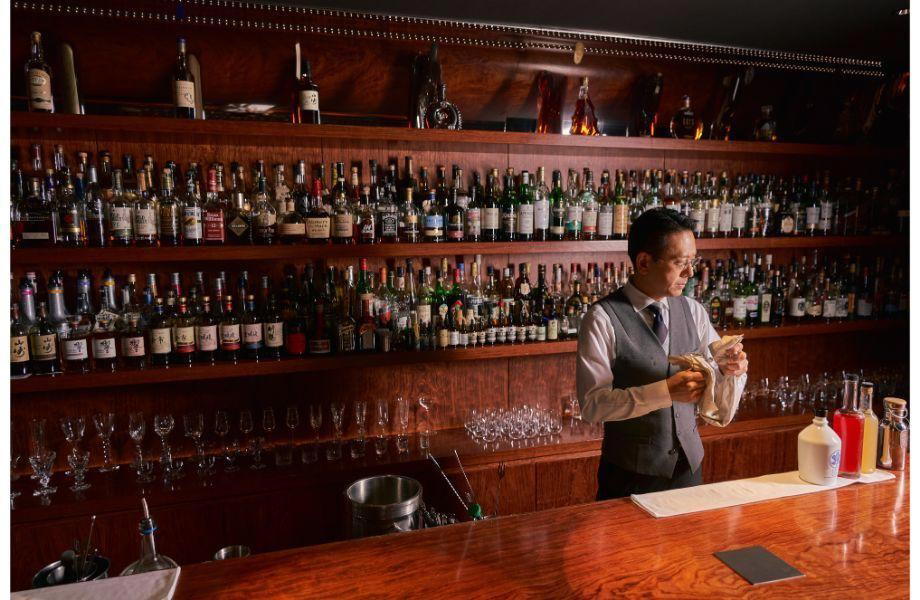
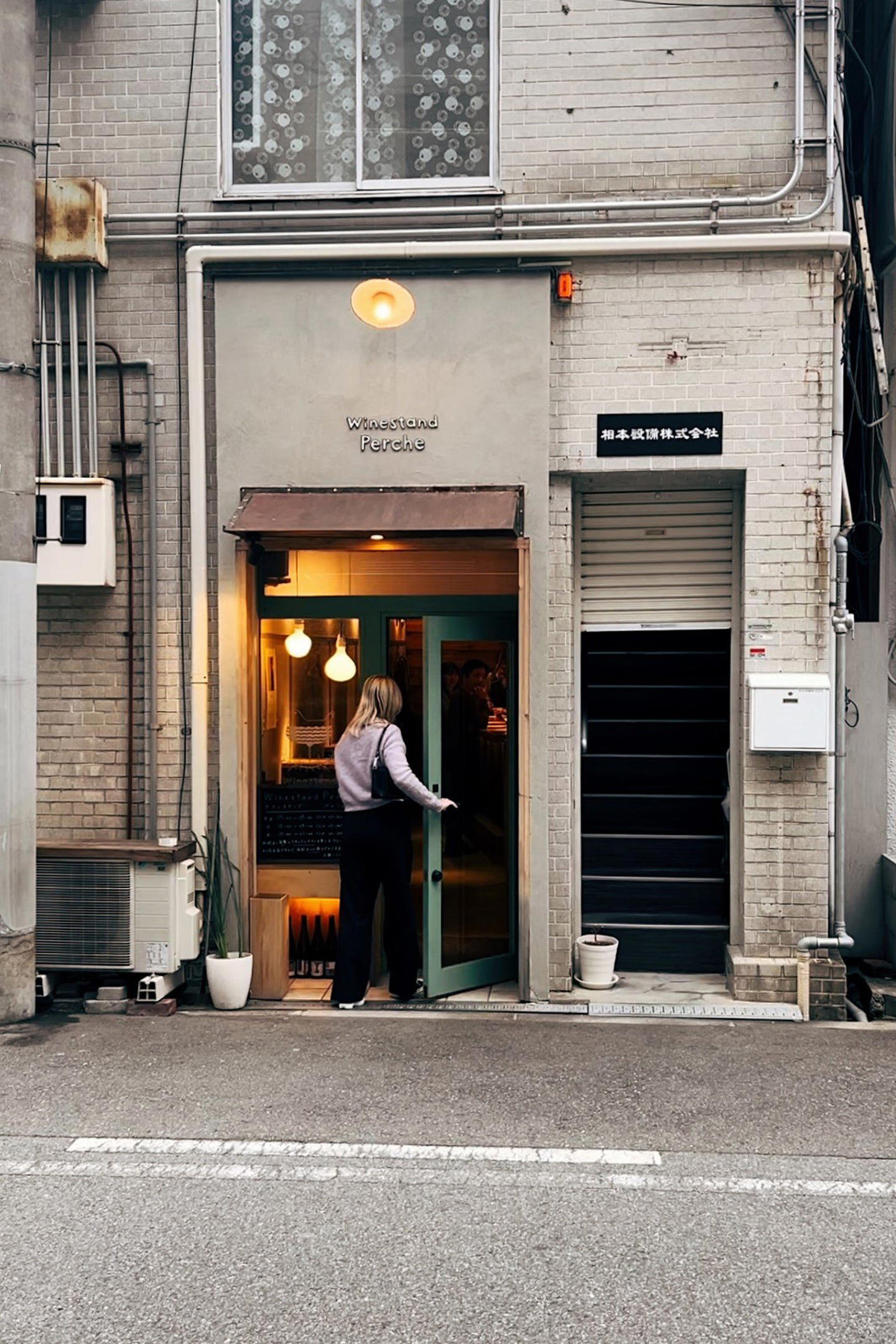

Hotels in Nara
All hotels in Nara →



Wineries in Nara
Browse all →
Details
- Cozy
- Casual
- Lively
- Solo
- Family
- Casual Hangout
- After Work
- Group Dining
- Standalone
- Historic Building
- Street Scene
- A La Carte
- Counter Dining
- Vegetarian Friendly
- Vegan Options
- Gluten Free Options
- Allergy Accommodating
Current opening hours
- Monday
- 11:30 AM–8 PM
- Tuesday
- 11:30 AM–8 PM
- Wednesday
- 11:30 AM–3 PM
- Thursday
- Closed
- Friday
- 11:30 AM–8 PM
- Saturday
- 11:30 AM–8 PM
- Sunday
- 11:30 AM–8 PM
Hours can change for holidays and private events. Hours as of .
Casual curry shop atmosphere with a compact mix of counter and small tables, located in a covered shopping arcade; bright, informal, and suitable for solo diners, couples, and small groups rather than formal occasions.