Waid Lake Steakhouse & More sits at Hammerweg 63 on the edge of Weinheim, where the wooded fringe of the Odenwald meets the Rhine plain. The name signals both a geographic anchor and a format that reaches beyond the steakhouse category. For a mid-sized German city with a small but active restaurant scene, it represents a distinct alternative to the farm-to-table and international tasting-menu formats that define much of the local competition.
Pearl is the En Primeur Club membership app — saves, bookings, and concierge access live there. Same editors, same standards.
- Address
- Hammerweg 63, 69469 Weinheim, Germany
- Phone
- +496201592377
- Website
- waidlake.com
- Directions
- Get directions
 Saves & bookings on Pearl
Where Weinheim Meets the Grill: Setting and Approach
The address, Hammerweg 63, a road that tracks along the outskirts of Weinheim toward the forested slopes of the Odenwald, already tells you something about the orientation of this place. Steakhouses in smaller German cities tend to occupy two poles: the American-themed chain with laminated menus, or the genuinely ingredient-led grill house that earns its place through sourcing discipline rather than decor. Waid Lake Steakhouse & More makes its case for the latter position through its name alone, which ties the venue to the lake and the wooded terrain that surround it, rather than to any imported aesthetic.
Weinheim itself is a city of around 44,000 that sits between Mannheim to the south and Heidelberg to the north, tucked into the western edge of the Odenwald. Its dining scene is modest in scale but has genuine range: bistronauten operates in the farm-to-table register at the €€ tier, Schlosspark Restaurant by Tristan Brandt occupies the fine-dining upper end, and Ziegler handles international cuisine in the same mid-range bracket. Within that constellation, a steakhouse at the wooded periphery represents something different: a format built around protein sourcing and fire rather than tasting-menu architecture or produce-led small plates.
The Sourcing Question: What "Steakhouse" Means Here
Across Germany, the steakhouse category has undergone a quiet but meaningful shift over the past decade. The format once associated with tourist-facing menus and over-sauced cuts now has a credible tier of venues, particularly in smaller cities and rural areas, where sourcing provenance is the primary editorial statement. The Odenwald region, which extends east and south from Weinheim, has a history of cattle farming and forest-edge agriculture that gives locally anchored steakhouses a genuine regional narrative to work with.
The name Waid Lake itself suggests proximity to natural terrain, and in a steakhouse context, that geographical specificity matters. The difference between a cut sourced from regional farms with traceable breed and feed data and a generic import is not subtle on the plate. Germany has seen a broader movement toward named-origin beef, Simmental, Hereford, and Wagyu crossbreeds from Baden-Württemberg farms, and venues that align with that movement occupy a different competitive tier from those that do not. Where exactly this venue sits on that spectrum is a detail that the venue's own communication would need to confirm, but the framing implied by the address and name points toward the regionalist end rather than the import-led one.
For reference on how sourcing specificity defines quality tiers across Germany's broader restaurant scene, the contrast is sharp: the tasting-menu houses like Aqua in Wolfsburg, JAN in Munich, or Schwarzwaldstube in Baiersbronn publish sourcing notes as a matter of course. The expectation has filtered down. Diners at every tier now read menus for origin signals, not just preparation style.
Format and What "More" Signals
The ampersand construction, Steakhouse & More, is worth pausing on. In German restaurant naming, it usually indicates a deliberate broadening of format: the kitchen does not want to be constrained by a single category. In practice, this can mean supplementary fish or pasta dishes that capture tables that arrive with mixed appetites, or it can mean a more considered secondary menu strand that operates with the same sourcing logic as the main protein focus. The distinction matters because the two interpretations produce different dining experiences. A steakhouse that adds a fish course with the same sourcing rigour applied to its beef occupies a different editorial position than one that simply adds token options for non-steak eaters.
Germany has a number of venues that have navigated this format question with clarity. CODA Dessert Dining in Berlin built an entire identity around a single non-conventional format and sustained it through discipline. Vendôme in Bergisch Gladbach and ES:SENZ in Grassau anchor their format specificity to a narrow, consistent culinary language. The lesson across these venues is that format clarity, knowing what the kitchen does and staying inside it, tends to produce better meals than format ambiguity. Waid Lake's secondary breadth will be most successful if it operates as a natural extension of the sourcing logic rather than a hedge against it.
Weinheim's Wider Dining Context
For visitors arriving from further afield, Weinheim sits in a corridor of serious German dining. The Rhineland and Baden regions, which bracket this stretch of the Neckar and Rhine valleys, have a higher density of Michelin-recognised restaurants than almost any comparable area in Germany. Victor's Fine Dining by Christian Bau in Perl, Waldhotel Sonnora in Dreis, Restaurant Haerlin in Hamburg, and Schanz in Piesport represent the upper tier of that broader landscape. Further west, Bagatelle in Trier and ammolite in Rust extend the competitive geography. Even internationally, the sourcing-led ethos connects to venues far outside Germany: Le Bernardin in New York City and Atomix in New York City show how ingredient provenance can anchor an entire restaurant identity at any price point.
Within Weinheim specifically, the steakhouse format does not compete directly with the tasting-menu tier. It occupies a separate register: the kind of meal that suits a table with mixed dietary interest, a longer evening without structured courses, and a preference for direct fire-led cooking over technique-driven small plates. That is a legitimate and often underserved segment in smaller German cities, and Hammerweg 63 addresses it from a position that at least nominally references the natural terrain around it.
Planning Your Visit
Waid Lake Steakhouse & More is located at Hammerweg 63, 69469 Weinheim. The Hammerweg address places it outside the pedestrian centre, meaning a car or short taxi ride from Weinheim Bahnhof is the practical approach. For current hours, reservation options, and menu details, check the venue directly.
A Quick Peer Check
Comparable venues nearby, for context on price, style, and recognition.
| Venue | Cuisine | Price | Awards | Notes |
|---|---|---|---|---|
| Waid Lake Steakhouse & MoreThis venue — the venue you are viewing | Steakhouse with Italian influences | $$$ | Not listed | Not listed |
| Schlosspark Restaurant by Tristan Brandt | Modern International Fine Dining | $$$ | Michelin Plate | Schlosspark |
| bistronauten | Modern German Bistro | $$$ | Michelin Plate | Weinheim |
| esszimmer das Restaurant | Dining | Not listed | Michelin Plate | Weinheim |
| Ziegler | Modern German Fine Dining | $$ | Bib Gourmand | Weinheim center |
| Ampulle – The Dry Gin & Beef Club | Dry-Aged Steakhouse & Gin Bar | $$$ | Not listed | Heslach |
Continue exploring
More in Weinheim
Restaurants in Weinheim
Browse all →
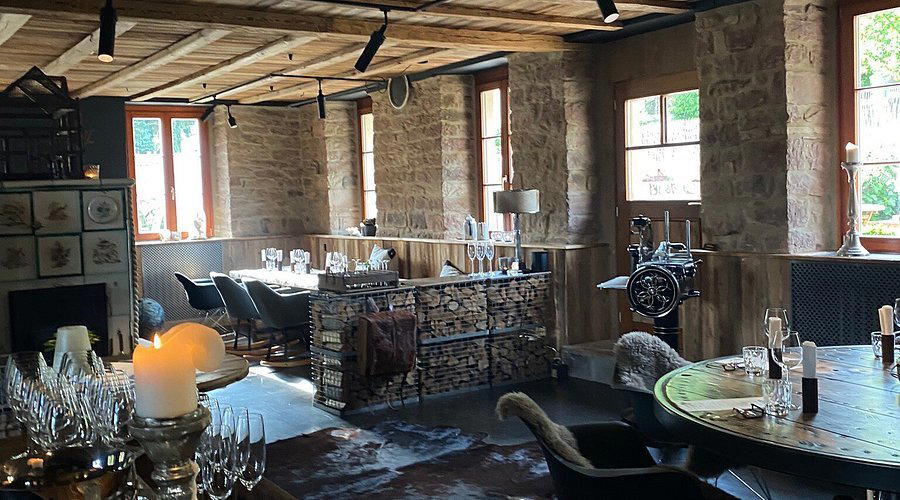
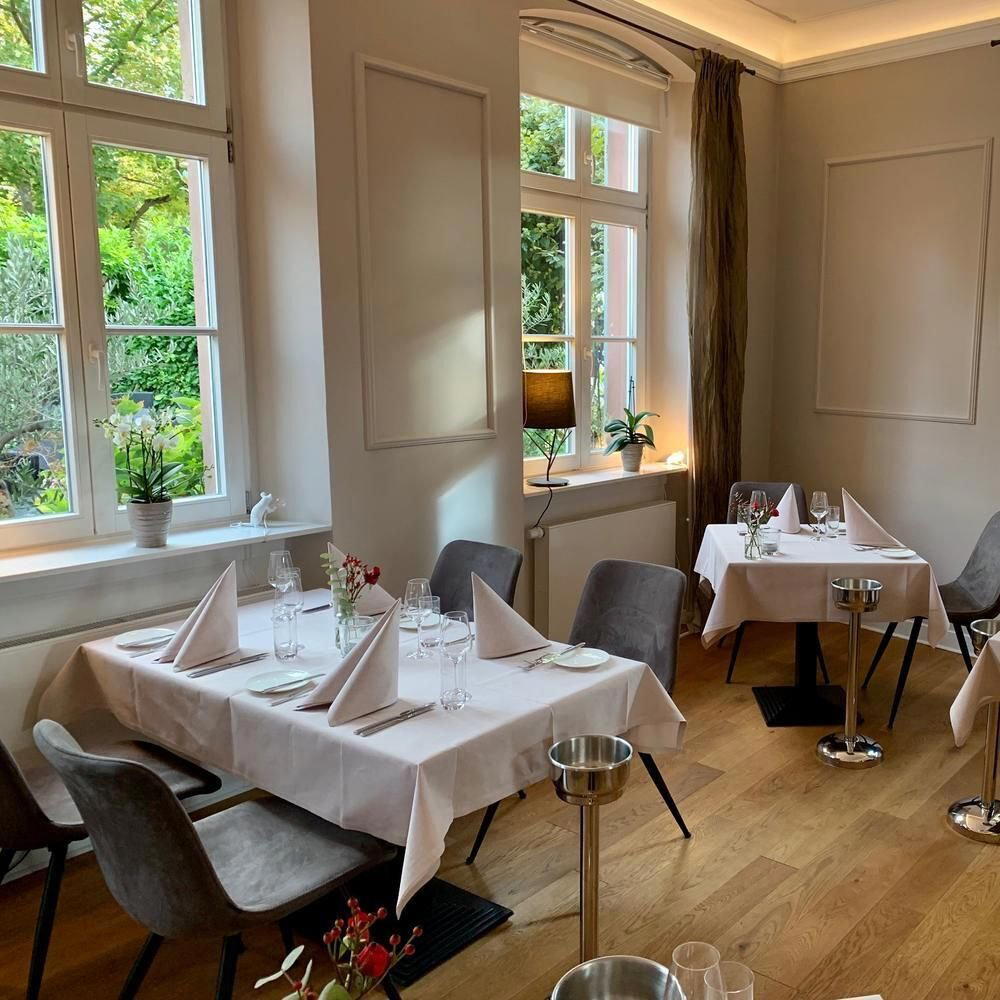
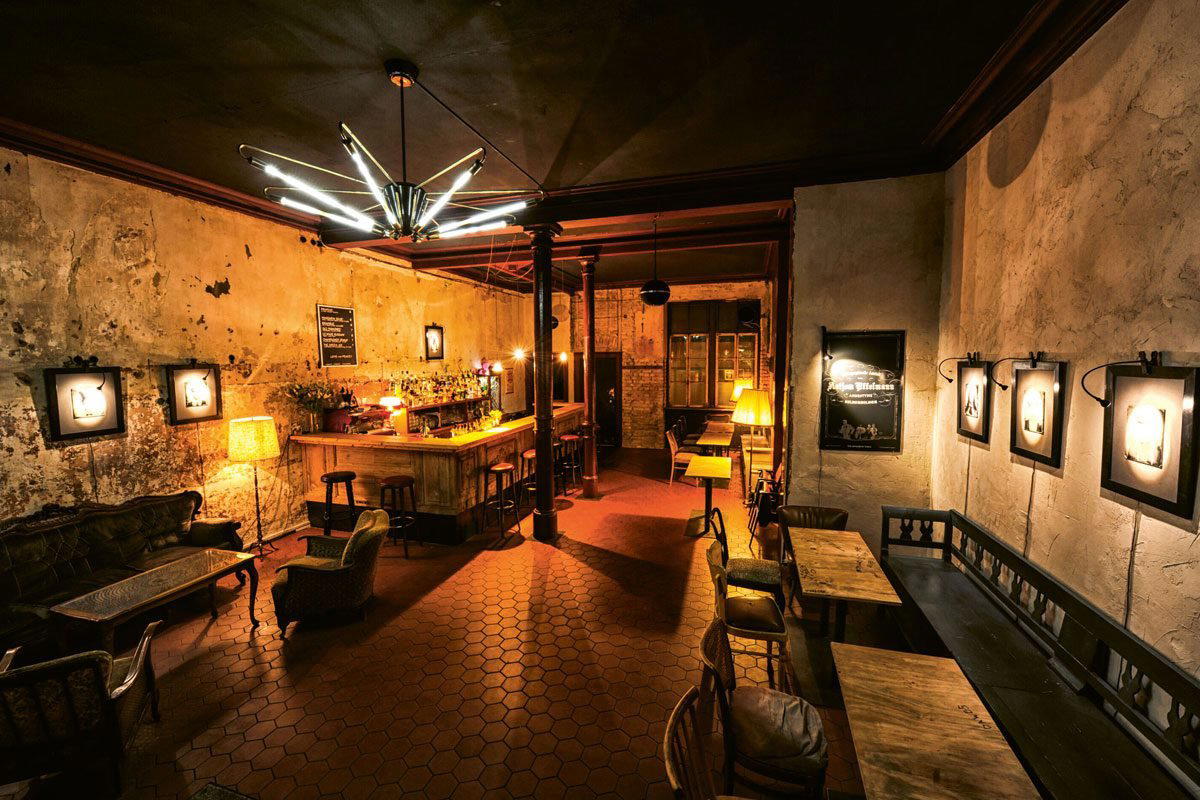
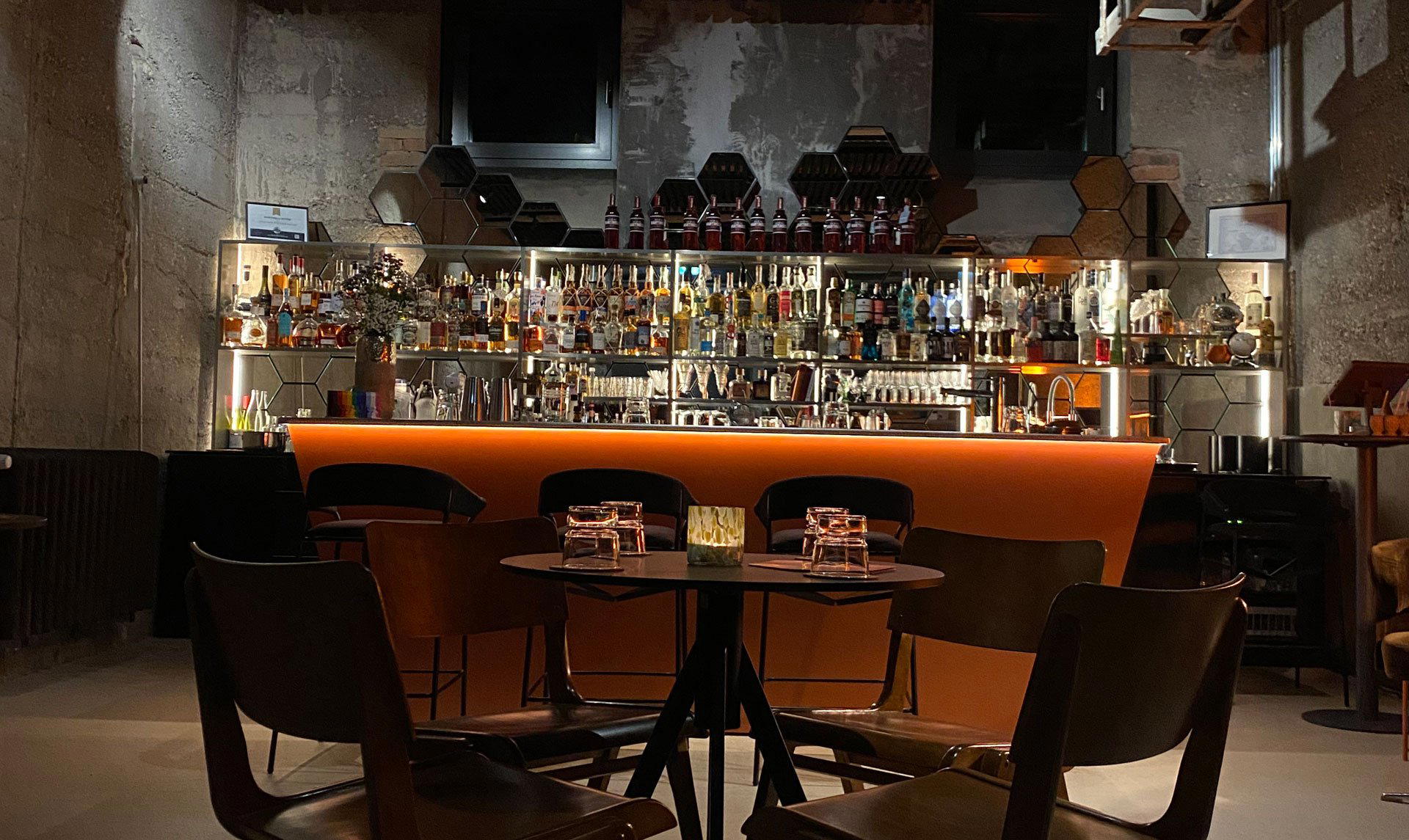
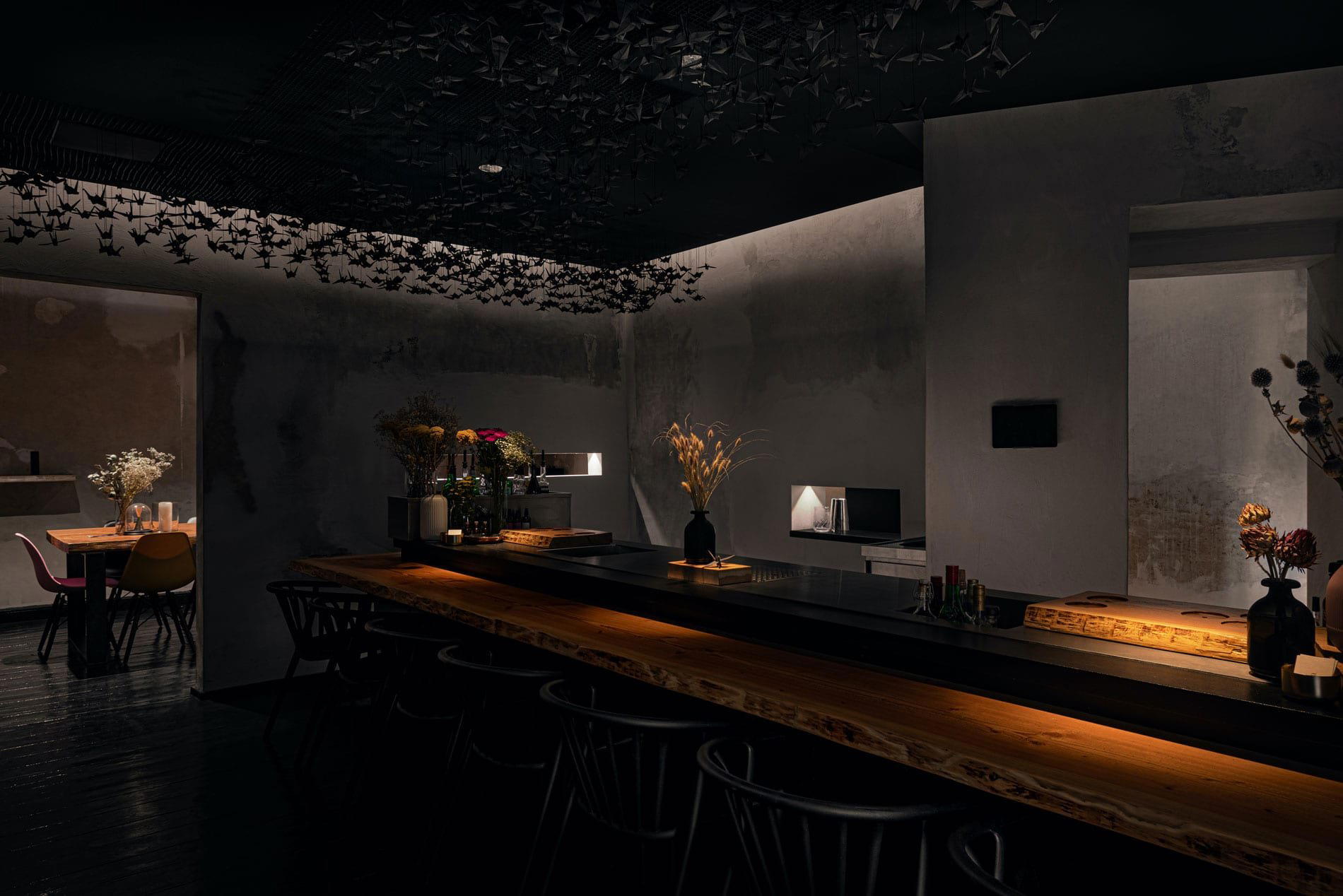
Bars in Weinheim
Browse all →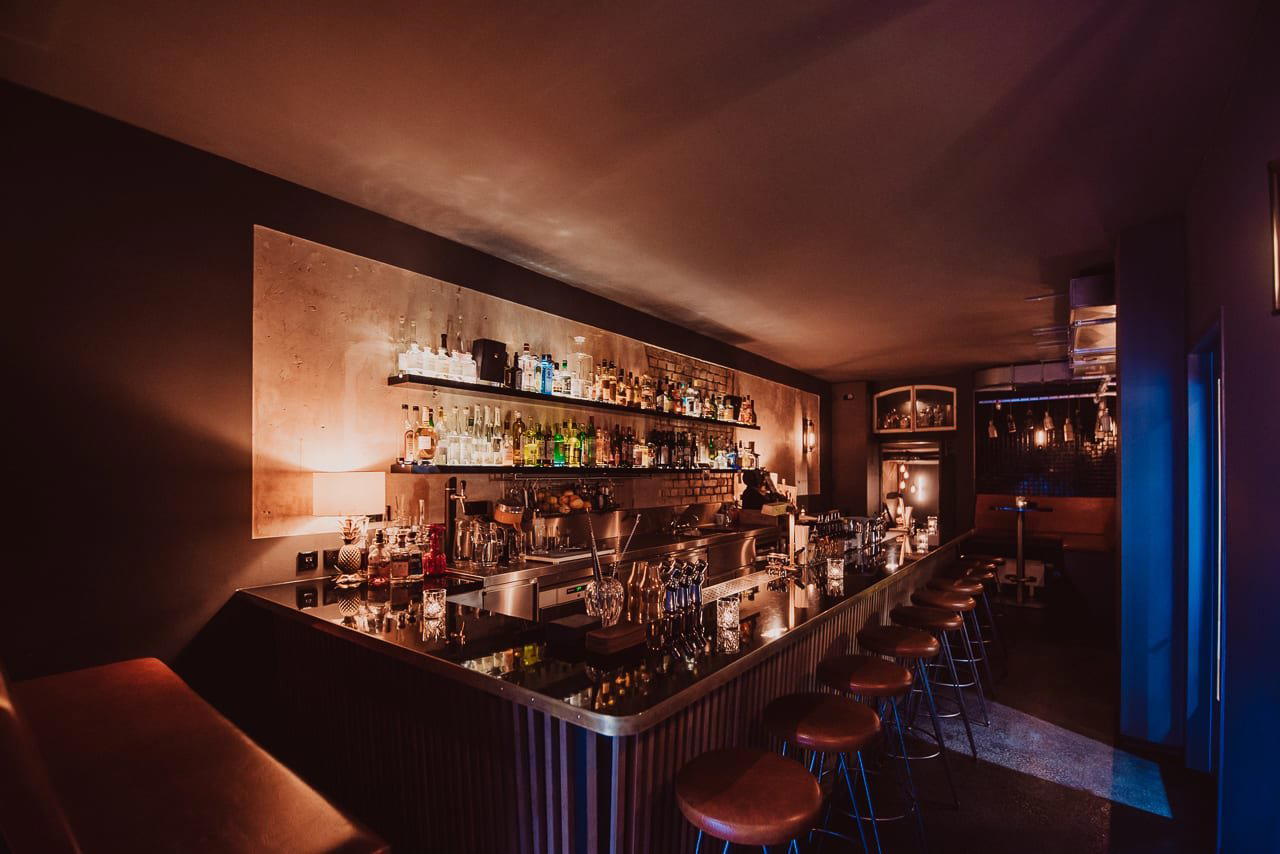
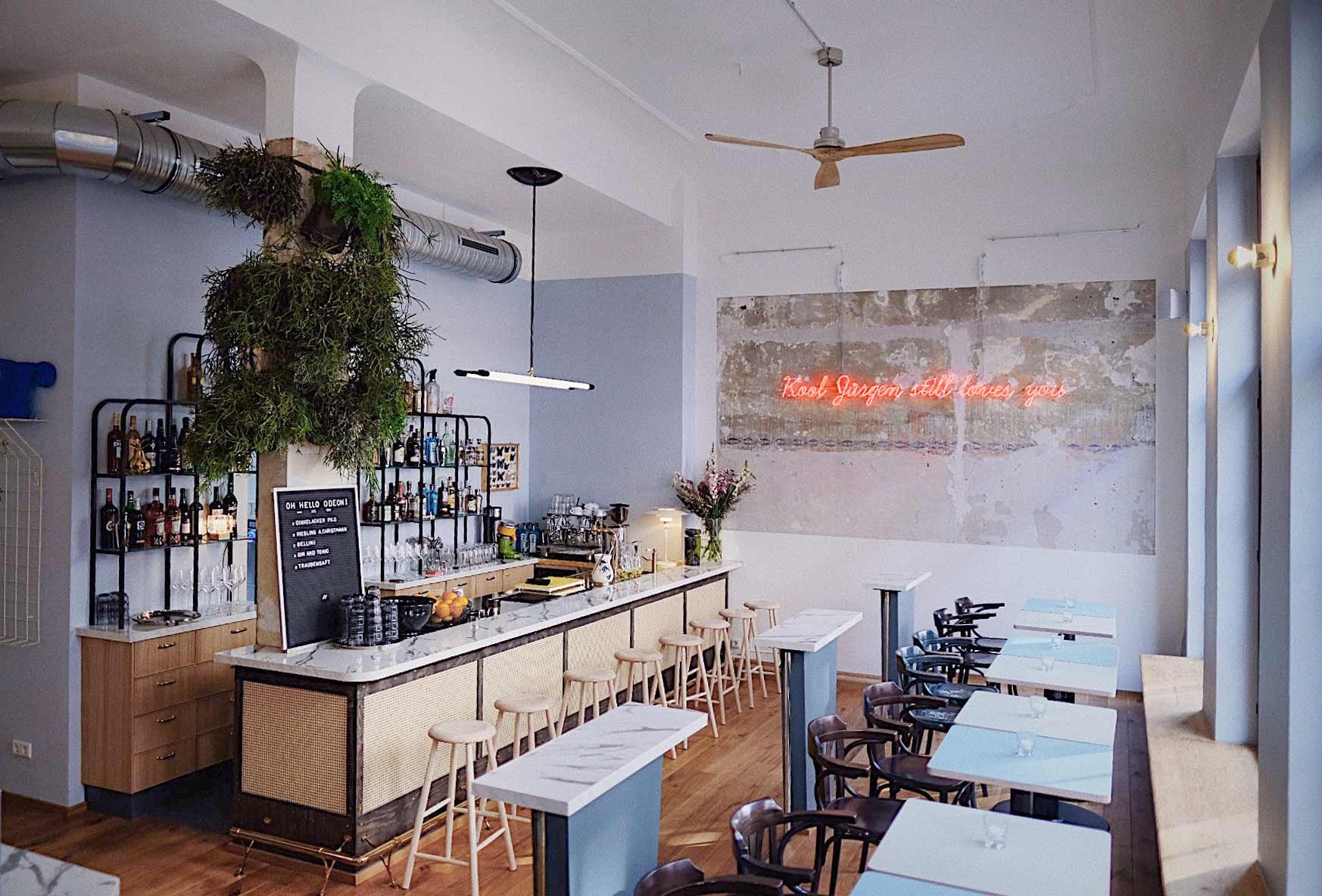
Hotels in Weinheim
Browse all →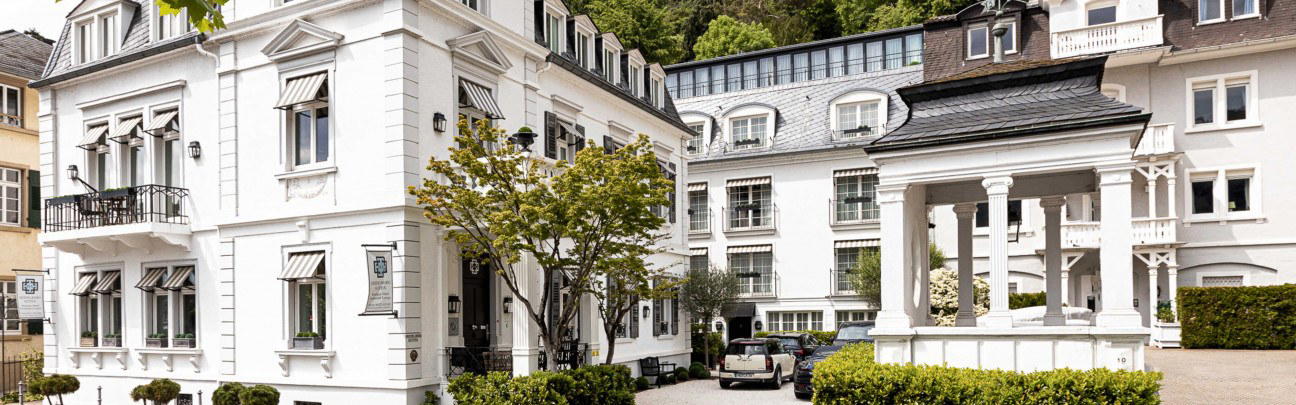
At a Glance
- Elegant
- Scenic
- Date Night
- Special Occasion
- Waterfront
- Waterfront
Current opening hours
- Monday
- Closed
- Tuesday
- 5 PM–12 AM
- Wednesday
- 5 PM–12 AM
- Thursday
- 5 PM–12 AM
- Friday
- 5 PM–12 AM
- Saturday
- 2 PM–12 AM
- Sunday
- 12 PM–12 AM
Hours can change for holidays and private events. Last verified .
Stylish and elegant with lush, glittering decor, nice lighting, but loud soundscape in the main area including music.