Wagyu Master
San Jose's all-you-can-eat Japanese wagyu format occupies a specific and demanding tier: the beef has to justify the format, and the format has to justify the price. Wagyu Master addresses both with a menu built around shabu shabu and sukiyaki traditions, placing high-grade Japanese beef at the center of a communal, hot-pot-led experience that rewards those who understand what they're ordering.

Pearl is the En Primeur Club membership app — saves, bookings, and concierge access live there. Same editors, same standards.
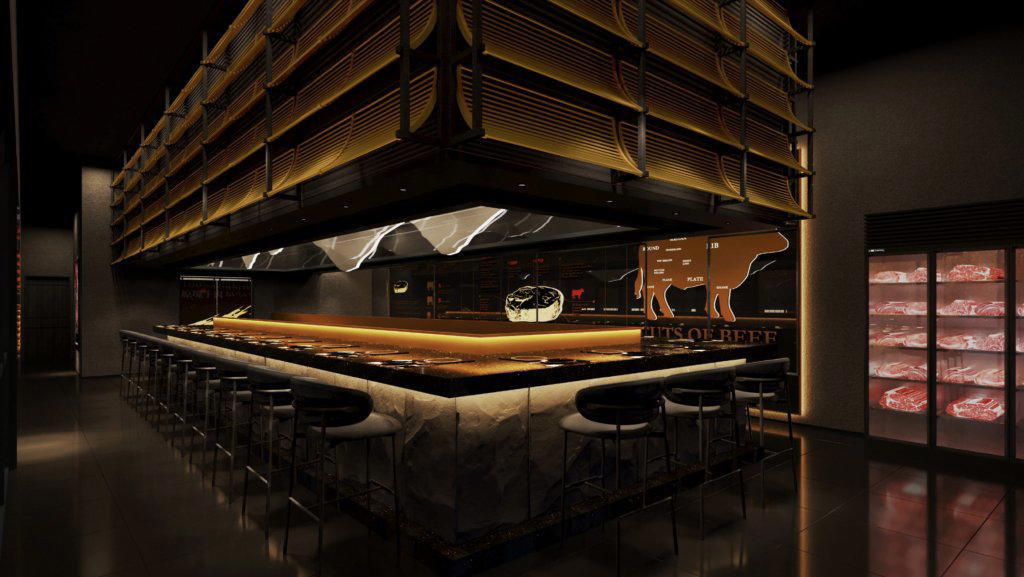
The Format Behind the Beef
All-you-can-eat Japanese wagyu is a format that functions on a kind of productive tension. The beef is expensive and highly graded; the format is inherently unlimited. That combination only works when the kitchen controls quality at the source, and the dining room is structured around a tradition, shabu shabu or sukiyaki, that slows the meal down by design. Wagyu Master in San Jose operates inside exactly that framework, where the hot pot disciplines the pace and the beef justifies the premise. It is a Japanese A5 Wagyu Shabu-Shabu AYCE restaurant in San Jose.
Shabu shabu and sukiyaki are among the oldest codified formats in Japanese table cooking. Shabu shabu, in which thin-sliced beef is swirled briefly through simmering dashi before being dipped in ponzu or sesame sauce, emerged as a postwar refinement of Chinese hot pot traditions. Sukiyaki takes the same core ingredient in a different direction: the beef simmers in a sweetened soy broth alongside tofu, mushrooms, and noodles, then is dipped in raw egg before eating. Both formats place the quality of the raw beef at the center of the meal, which is why wagyu, with its high fat marbling and the way that fat melts at low temperatures, suits them so specifically. The fat renders gently in the broth rather than burning off, which is what makes the texture of properly graded wagyu in a hot pot setting so different from the same beef grilled over high heat.
Where Wagyu Master Sits in San Jose's Japanese Dining Tier
San Jose's Japanese dining scene spans a wide range, from fast-casual ramen and sushi counters in the Japantown corridor to more specialized formats that draw from the South Bay's significant Japanese-American population. The all-you-can-eat wagyu format occupies a specific position within that range: it is more expensive and more format-specific than a standard Japanese restaurant, but it does not operate in the omakase tier that defines, say, the upper-bracket counters in San Francisco or New York. Instead, it sits in a communal, participatory category where the diner's engagement with the cooking process is part of the experience itself.
That communal format connects Wagyu Master to a broader Bay Area pattern. The region's Japanese restaurants increasingly reflect the culinary traditions of Japanese prefectures rather than a homogenized Japanese-American interpretation, and hot pot formats, whether shabu shabu, sukiyaki, or the spicier nabemono variations, have gained significant ground as diners seek more interactive, ingredient-focused meals. For a sense of how the Bay Area's broader fine dining tier approaches ingredient-led formats, Single Thread Farm in Healdsburg and Lazy Bear in San Francisco represent the highest-investment version of that philosophy, where seasonal ingredients drive the entire menu structure. Wagyu Master operates at a different price point and formality level, but the underlying commitment to a specific ingredient as the organizing principle of the meal places it in the same broader tradition of ingredient-first dining.
The Kaiseki Parallel: Seasonal Restraint in a Different Format
Kaiseki, the multi-course Japanese tradition that emerged from Kyoto's tea ceremony culture, is built on a principle of restraint: each course exists to present a single ingredient, a single technique, or a single seasonal moment, and nothing on the plate should distract from that presentation. The format at the restaurant is not kaiseki, it is all-you-can-eat hot pot, which is a different register entirely, but the underlying logic of centering the meal on a single high-quality ingredient, prepared simply, shares something with that tradition. Shabu shabu, in particular, is a format in which the cooking method is deliberately minimal so that the ingredient itself carries the full weight of the experience.
That minimalism is not simplicity in the reductive sense. The dashi broth used in shabu shabu, the balance of the dipping sauces, the sequencing of which cuts of beef arrive at which point in the meal: these are details that separate a well-run hot pot restaurant from a mediocre one. For readers interested in how kaiseki principles translate into a Western fine dining context, Atomix in New York City applies Korean culinary tradition through a similarly discipline-led multi-course approach, while The French Laundry in Napa represents the American fine dining equivalent of that kind of seasonal, course-by-course restraint. The comparison is not about price parity but about the philosophy of letting a single ingredient or technique carry each moment of the meal.
San Jose's Broader Dining Context
San Jose is not a city that generates the same volume of national dining attention as San Francisco or Los Angeles, but its restaurant scene is considerably more specific and internationally diverse than its reputation suggests. The city's large Vietnamese, Japanese, Korean, and Mexican communities have produced dining corridors that reflect those cultures at a high level of culinary specificity rather than in simplified, export-ready form. For a sense of the range: Adega (Portuguese) holds two Michelin stars and represents the city's formal dining ceiling; Alma de Amón, Antipastos by DeRose, and Augustine each occupy distinct positions in the mid-range; and Back A Yard Caribbean Grill represents the kind of community-rooted, culturally specific cooking that defines the city's most authentic dining corridors.
The restaurant sits within the Japanese dining segment of that broader picture. The South Bay's Japanese-American population has historically sustained a higher level of Japanese culinary specificity than most American cities outside New York or Los Angeles, and the all-you-can-eat wagyu format is one expression of that. It is not the format you choose if you want a chef-driven omakase progression; it is the format you choose if you understand the hot pot tradition and want access to high-grade beef in a communal, participatory setting.
For national context, Le Bernardin in New York City, Providence in Los Angeles, and Addison in San Diego show where Japanese-influenced precision cooking intersects with formal Western dining structures. Blue Hill at Stone Barns in Tarrytown, Alinea in Chicago, Emeril's in New Orleans, The Inn at Little Washington in Washington, and 8 1/2 Otto e Mezzo Bombana (Hong Kong) in Hong Kong collectively show how ingredient-led, format-driven restaurants operate across different culinary traditions and price tiers.
Planning Your Visit
Reservations are recommended. All-you-can-eat wagyu formats at this category level typically require advance booking, particularly on weekends, and pricing structures often differ between lunch and dinner sittings. Arriving with some familiarity with the shabu shabu and sukiyaki formats will shape how much you get from the meal: knowing which cuts work leading in which broth, and how briefly the beef actually needs to cook, matters more here than at a restaurant where the kitchen makes all those decisions for you.
Comparable Spots, Quickly
Comparable venues nearby, for context on price, style, and recognition.
| Venue | Cuisine | Price | Notes |
|---|---|---|---|
| Wagyu MasterThis venue — the venue you are viewing | Japanese A5 Wagyu Shabu-Shabu AYCE | $$$$ | Not listed |
| La Foret | Classical French Fine Dining | $$$$ | California Ridge |
| Minato Japanese Restaurant | Traditional Japanese | $$ | Japantown |
| LB Steak | Modern American Steakhouse | $$$$ | Central San Jose |
| Scott's Seafood Ballroom | Fresh Coastal Seafood | $$$ | North Campus |
| Momosan Santana Row | Modern Japanese Izakaya and Ramen | $$ | Santana Row |
Continue exploring
More in San Jose
Restaurants in San Jose
Browse all →
Bars in San Jose
Browse all →
Hotels in San Jose
Browse all →
Wineries in San Jose
Browse all →
At a Glance
- Modern
- Elegant
- Group Dining
- Special Occasion
- Sake Program
Modern and elegant atmosphere focused on premium shabu-shabu dining experience.