Alma de Café
Our verdict
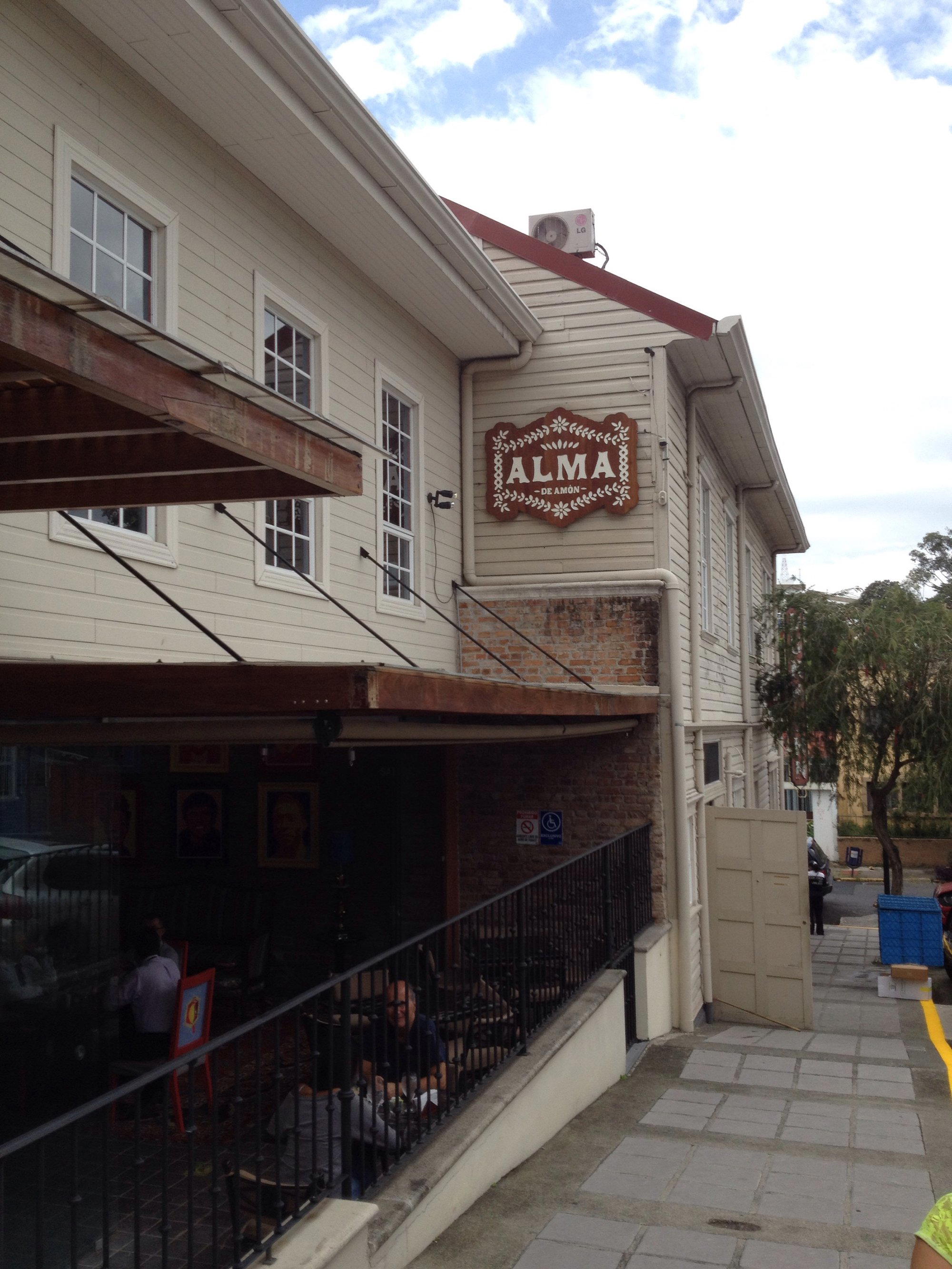
Alma de Amón occupies the Amón neighbourhood of San José, Costa Rica's most architecturally layered district, where Victorian-era residential streets frame a growing scene of independent restaurants and cultural venues. See our full San José guide for broader context.

Pearl is the En Primeur Club membership app, where members save venues, book tables and use the concierge.
The menu
What to order
- Shrimp and Coconut Ceviche
- Cauliflower Tacos
- Croquettes with Chorizo
- El Latino Cocktail
- Skirt Steak Breakfast
Amón: San José's Architectural Quarter and Its Dining Identity
San José rarely gets credit for neighbourhood-level dining distinction, but Barrio Amón operates on a different register from the city's commercial dining strips. The district runs along Calle 5 and its surrounding streets, where turn-of-the-century Victorian and Caribbean-influenced townhouses have been converted into galleries, boutique guesthouses, and independent restaurants. That built environment shapes the kind of dining that lands here: smaller, more atmospheric, less oriented toward the tourist-facing menus that dominate La Sabana or the Centro Comercial corridor. Alma de Amón sits within this framework, its address on Calle 5 placing it at the heart of what has become San José's most architecturally coherent residential-to-cultural transition zone.
The broader Costa Rican dining scene has shifted meaningfully over the past decade. San José's premium restaurants now operate in a more competitive reference set than the sodas-and-casado baseline the city was long associated with. Properties like Adega at the upper price tier, and neighbourhood-anchored venues like Antipastos by DeRose and Augustine, have established that the capital can sustain a serious, multi-tier dining conversation. Amón participates in that shift from the independent, lower-key end of the spectrum, where the emphasis tends to fall on space and character rather than formal tasting formats.
The Floor as a Collaborative System
In Costa Rican restaurants operating at this neighbourhood scale, the dynamic between kitchen and floor often determines whether a room holds together or fragments. The venues that have built the strongest local reputations in San José tend to be those where the front-of-house team reads the room with some fluency, not the scripted warmth of international hotel dining, but the kind of attentiveness that comes from staff who understand the food and the wine list well enough to guide without selling. That kind of floor intelligence has become a modest differentiator in Amón, where the dining rooms are typically smaller and the pace more relaxed than in the city centre.
Venues where the sommelier or drinks lead works in genuine coordination with the kitchen produce a different kind of meal than those where wine service is an afterthought. Across the Costa Rican scene, that coordination is most visible in places that have moved beyond the standard imported-Malbec default and started building wine lists that reflect the same local curiosity evident in their kitchens. Conservatorium in San José represents one version of that ambition at a higher price point; Amón-based venues tend to pursue it with less formal architecture but equivalent intent.
Where Alma de Amón Sits in the City's Geography
Barrio Amón is roughly ten minutes on foot from the Plaza de la Cultura and about the same distance from the Jade Museum, which means it captures a specific kind of visitor: culturally oriented, not purely transit-focused, and likely to be staying in one of the boutique hotels that have colonised the neighbourhood's older residential stock. That visitor profile aligns well with independent restaurants that lead with atmosphere and a sense of place rather than with standardised formats designed for broad appeal.
For comparison within the San José dining scene, consider how the neighbourhood's character sits relative to the brasher, more international energy of some Centro options. Back A Yard Caribbean Grill brings a different register entirely, and Bar Tako, with its Mexican-Japanese raw bar and robata format, occupies a more experimental space. Amón's independent venues, by contrast, tend to be more grounded in the neighbourhood's own architectural character, slower, more residential in feel, with less of the self-conscious concept-driven energy that defines newer openings.
Costa Rica's Wider Dining Circuit
San José is increasingly a node rather than a terminus in Costa Rica's dining geography. Visitors who move through the capital on their way to the coast or the highlands now encounter a richer set of options across the country. Couleur Cafe in Puntarenas, Pangas Tamarindo in Santa Cruz, and Las Ventanas in Bajos del Toro each represent a different regional dining register, and the contrast sharpens what San José's urban venues do distinctively well: density of cultural reference, access to a wider ingredient supply chain, and the specific social atmosphere of a capital-city neighbourhood evening.
Further afield, properties like Nayara Springs in San Carlos, Mis Amores in La Fortuna, and Puna in Liberia operate within resort or destination-dining frameworks that have different expectations built into them. Casa Chameleon at Las Catalinas in Potrero and Sentido Norte in Las Catalinas occupy the luxury coastal tier. Against that backdrop, an Amón address carries a different signal entirely: local, neighbourhood-scale, and operating without the structural safety net of a resort audience.
Internationally, the gap between what a neighbourhood restaurant in a Central American capital can deliver versus what a format like Le Bernardin in New York City or Lazy Bear in San Francisco represents is substantial in terms of price tier and formal ambition. That gap is less interesting than what it obscures: neighbourhood restaurants in cities like San José often operate with a directness and lack of performance that formal tasting-menu venues have largely abandoned. The value in places like Amón lies in that register, not in approximating the upper tier. See our full San Jose restaurants guide for a broader view of how the city's dining options are distributed.
Planning Your Visit
The Calle 5 address in Barrio Amón is accessible by taxi or rideshare from most central San José hotels, and the neighbourhood is walkable during daylight hours. As with many independent restaurants in the district, current hours, menus, and reservation availability are best confirmed directly with the venue. The neighbourhood is notably quieter on Sunday evenings, when several independent restaurants reduce hours or close, making a midweek or Friday visit the safer planning assumption. Conservatorium in Ciudad Colón offers an alternative for those whose plans take them west of the capital on the same trip.
Frequently asked questions
Is Alma de Amón suitable for children?
Barrio Amón operates at a neighbourhood pace rather than a high-volume commercial one, which generally makes venues in this district more accommodating for families during off-peak hours. Alma de Amón sits on Calle 5 in San José's Amón quarter, a walkable area where the rhythm is calmer than the city centre.
What kind of setting is Alma de Amón?
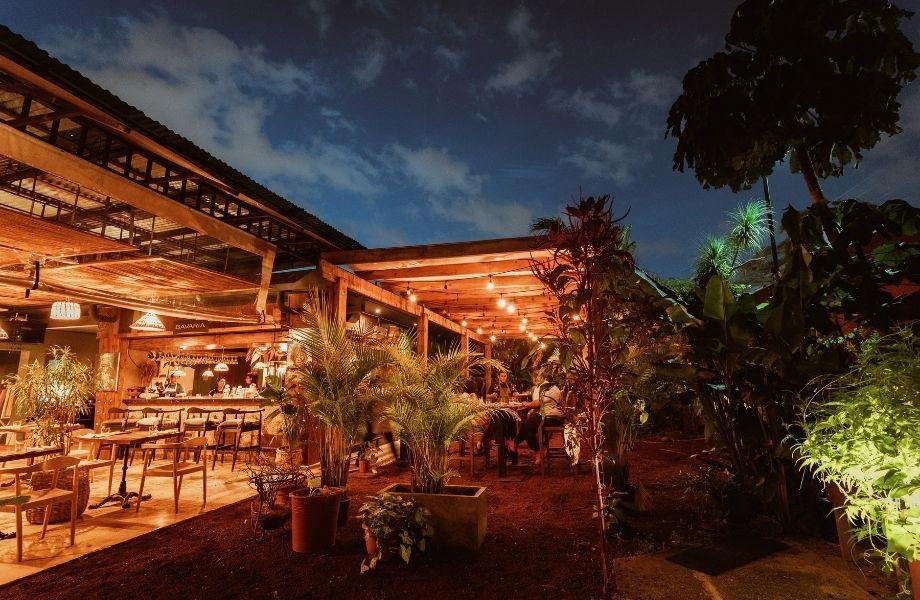
Alma de Amón occupies a position in Barrio Amón, the section of San José defined by late 19th- and early 20th-century tropical Victorian architecture. The address on Calle 5 places it within a residential-scale streetscape rather than a commercial strip, which shapes the atmosphere toward something more intimate than the capital's central dining corridors. Expect a room that reflects the neighbourhood's architectural identity rather than a generic urban restaurant format.
How close is Alma de Amón to San José's main cultural attractions?
The Calle 5 address in Barrio Amón puts Alma de Amón approximately ten minutes on foot from both the Jade Museum and the Plaza de la Cultura, two of San José's principal reference points for visitors. That proximity makes it a practical stop within a day that includes the city's central cultural institutions. The neighbourhood is walkable during daylight hours, and taxi or rideshare access from most central San José hotels is straightforward.
What do people recommend at Alma de Amón?
What draws visitors to this Calle 5 address in San José is typically the broader context: dining in Barrio Amón means engaging with a neighbourhood that has a distinct cultural identity separate from the city's tourist-facing commercial zones. For current menu highlights, checking recent visitor accounts or contacting the venue directly will give the most accurate picture.
Where is Alma de Amón in San Jose?
Alma de Amón is located at Calle 5, San José Province, San José, Amón, 10101, Costa Rica, San Jose.
Should I book Alma de Amón in advance?
Barrio Amón restaurants at neighbourhood scale tend to have limited covers, which can make walk-in availability unpredictable, particularly on weekends. Reaching out ahead of your visit is advisable, especially if you are coordinating around nearby landmarks like the Jade Museum or Plaza de la Cultura, both roughly ten minutes on foot from the Calle 5 address.
What's the standout thing about Alma de Amón?
Location is the clearest differentiator: Calle 5 in Barrio Amón places Alma de Amón inside San José's most architecturally coherent historic quarter, which gives the dining experience a geographic specificity that restaurants in the capital's commercial districts cannot replicate. Barrio Amón has a documented identity as a heritage neighbourhood, and venues that operate within it carry that context into the room by default.
Cost Snapshot
Comparable venues nearby, for context on price, style, and recognition.
| Venue | Cuisine | Price | Awards | Notes |
|---|---|---|---|---|
| Alma de CaféThis venue (the venue you are viewing) | Authentic Costa Rican & Latin American Café | $10–20 | Not listed | Not listed |
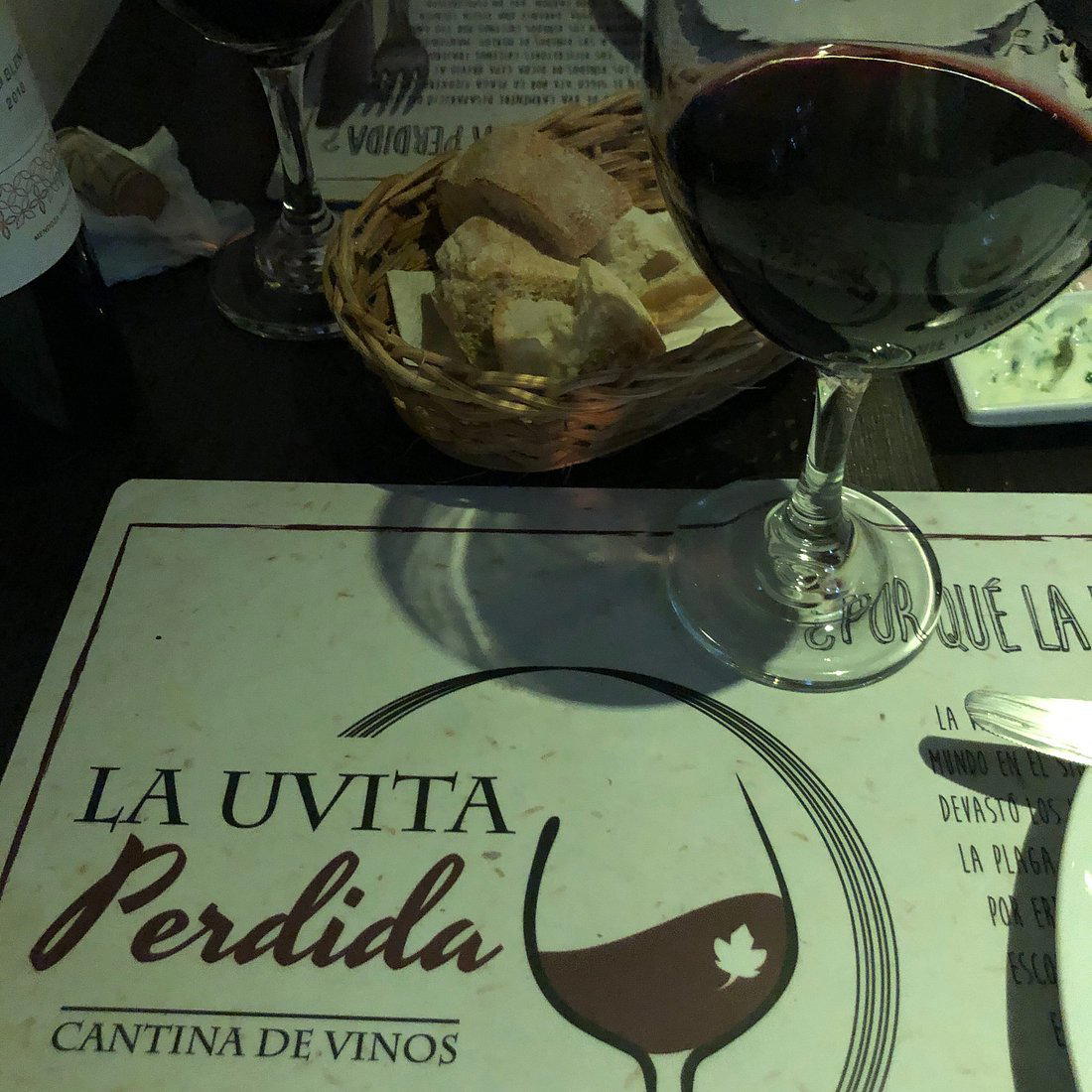
| La Uvita Perdida Cantina de vinos | Fusion Wine Bar & Tapas | $20–30 | Not listed | Barrio Escalante, Fusion Wine Bar Tapas |
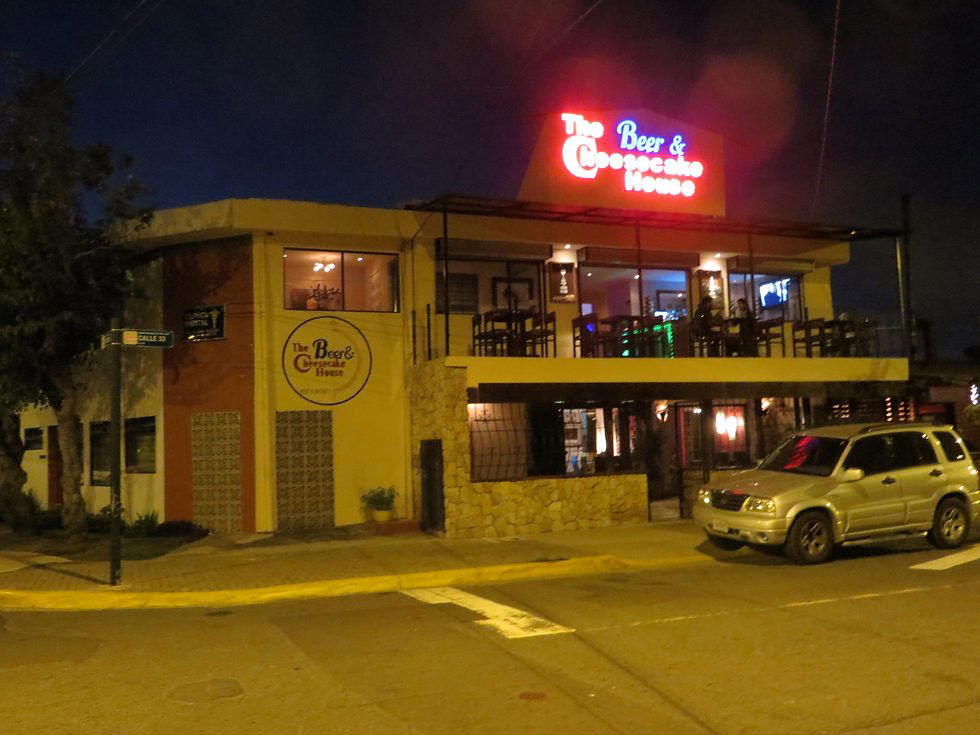
| C. 33 | Modern Latin Fusion Tapas & Artisanal Beers | $20–30 | Not listed | Barrio Escalante, Modern Latin Fusion Tapas & Artisanal Beers |
| Sikwa | Costa Rican Indigenous Cuisine | Not listed | World's 50 Best #43 · The Best Chef One Knife | Los Yoses, Costa Rican Indigenous Cuisine |
| Conservatorium | Modernist Costa Rican Haute Cuisine | $30–50 | World's 50 Best #53 · The Best Chef One Knife | Ciudad Colón, Modern Latin Steakhouse |
| Couleur Cafe | French-Inspired Cafe | Not listed | Not listed | Playa Hermosa, French-Inspired Cafe |
Continue exploring
More in San José

Details
- Cozy
- Classic
- Charming
- Casual Hangout
- Brunch
- Standalone
- Craft Cocktails
- Local Sourcing
- A La Carte
- Small Plates
- Coffee
- Cocktails
- Smoothies
- Vegetarian Friendly
Current opening hours
- Monday
- 9 AM–7 PM
- Tuesday
- 9 AM–7 PM
- Wednesday
- 9 AM–7 PM
- Thursday
- 9 AM–7 PM
- Friday
- 9 AM–7 PM
- Saturday
- 9 AM–7 PM
- Sunday
- 9 AM–6 PM
Hours can change for holidays and private events. Hours as of .
Clean, quiet, and pretty with a warm, inviting atmosphere that honors Latin American culture through music and décor.