Augustine

Wine Spectator Best of Award of Excellence
Our verdict
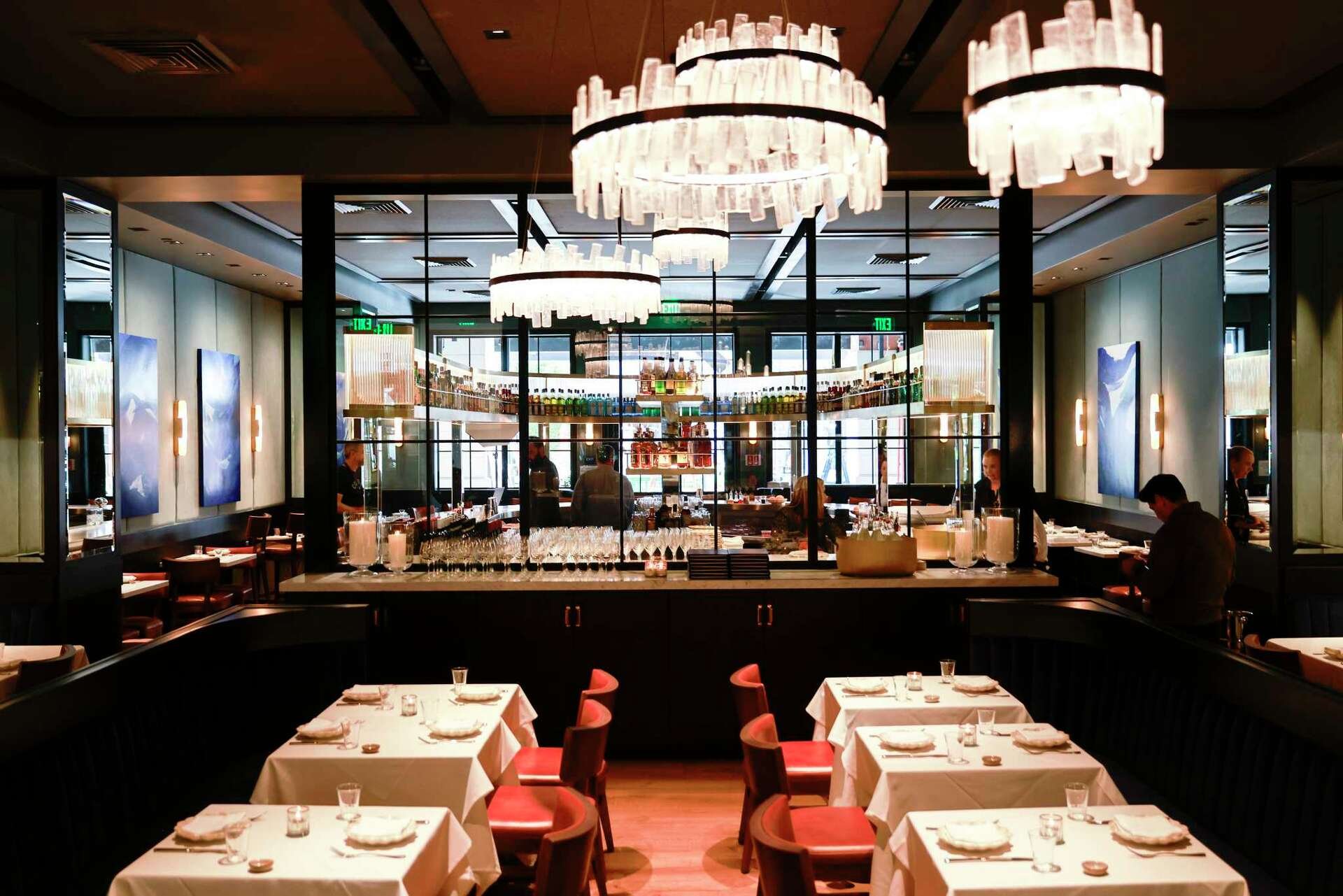
Augustine occupies a considered space on Santana Row, San Jose's most design-conscious retail and dining corridor. Positioned within a neighborhood that has reshaped South Bay dining expectations over the past two decades, it draws comparison to the more polished end of Silicon Valley's restaurant scene rather than its casual tech-campus majority. For visitors calibrating where Augustine sits among San Jose's serious dining options, the address alone signals intent.

Pearl is the En Primeur Club membership app, where members save venues, book tables and use the concierge.
The menu
What to order
- Dungeness crab donuts
- Fried chicken with caviar
- Seasonal risotto
- Grilled octopus
- Braised short ribs
The Address as Argument: Santana Row and What It Signals
Santana Row has functioned, since its opening in the early 2000s, as San Jose's most deliberate attempt at European-style street-level dining culture. The corridor at 377 Santana Row places Augustine inside a built environment that prioritizes pedestrian flow, ground-floor activation, and a density of eating and drinking options uncommon in a city whose dining scene has historically been fragmented across suburban strips. That context matters. In San Jose, where serious restaurants tend to cluster in Japantown, downtown, or Willow Glen, a Santana Row address positions a venue against a different competitive set: one shaped by design-forward retail neighbors and a clientele accustomed to spending at the higher end of the Silicon Valley leisure bracket.
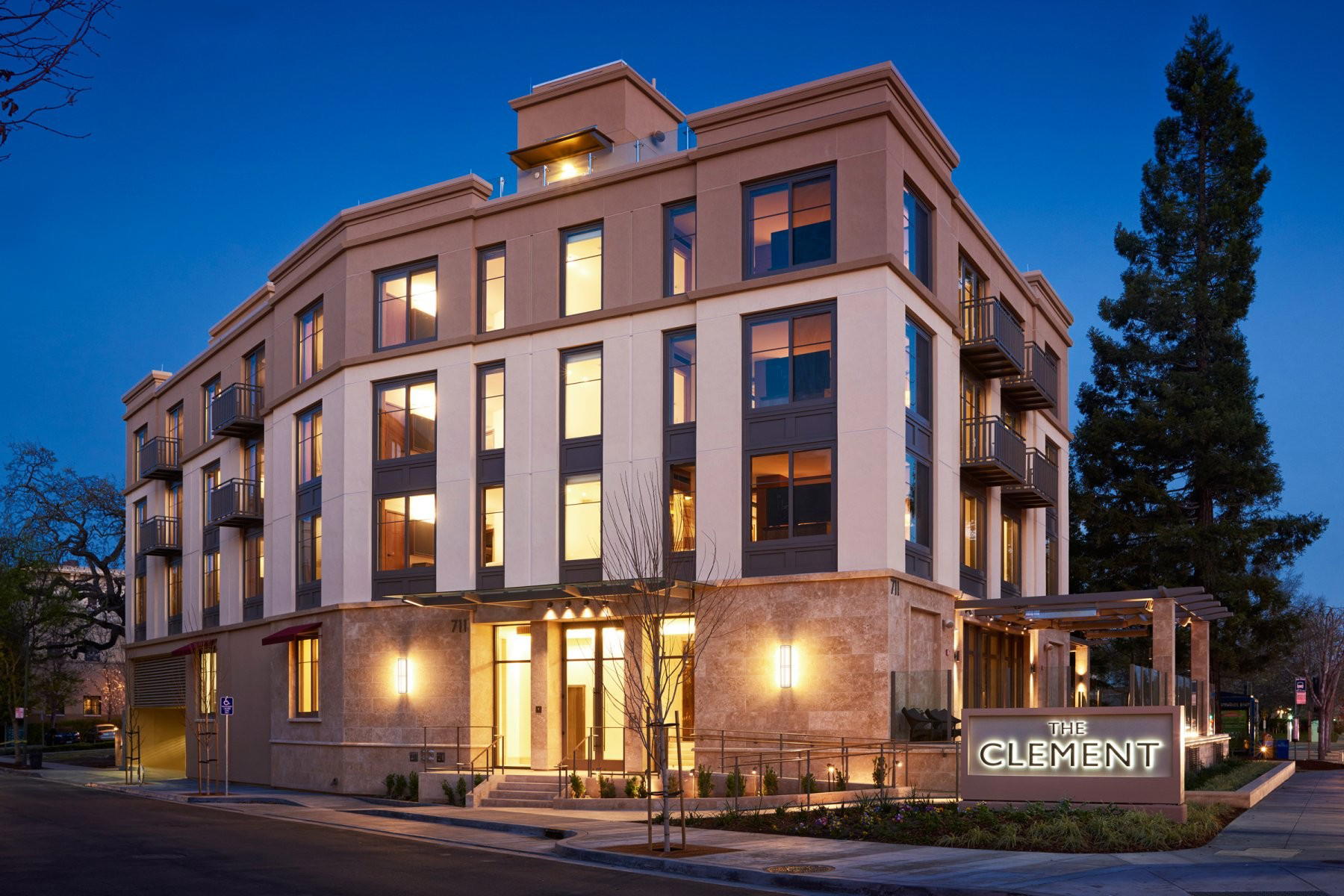
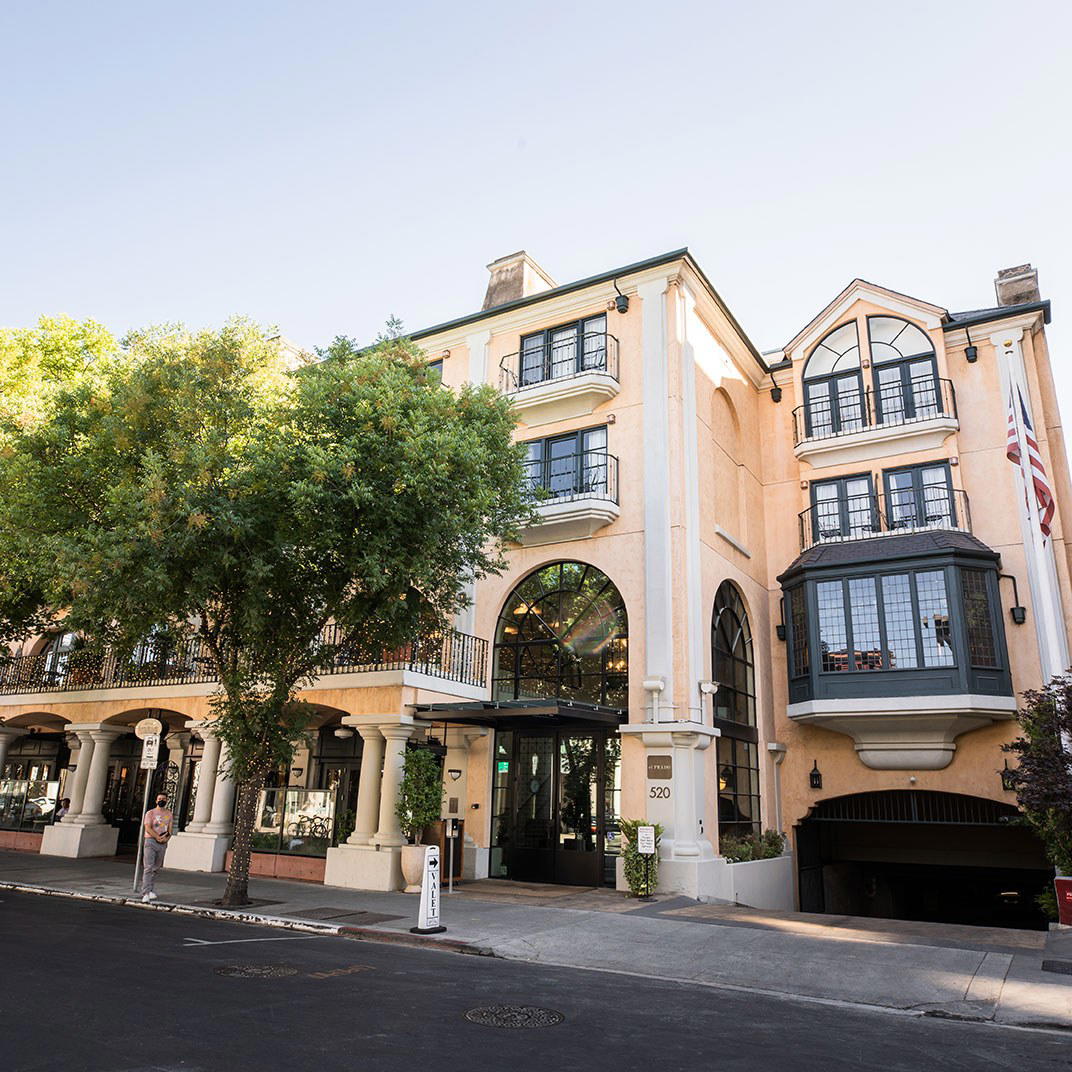
The broader pattern in American mixed-use dining developments, from the Ferry Building in San Francisco to Ponce City Market in Atlanta, is that the physical container shapes expectations before a single plate arrives. Santana Row's architecture borrows heavily from Italianate retail urbanism: wide sidewalks, continuous facades, covered arcades in places. Augustine inherits that visual register. Whether the interior reinforces or diverges from the streetscape's tone is the first question any design-attentive visitor will ask.
Interior Architecture and the Logic of the Room
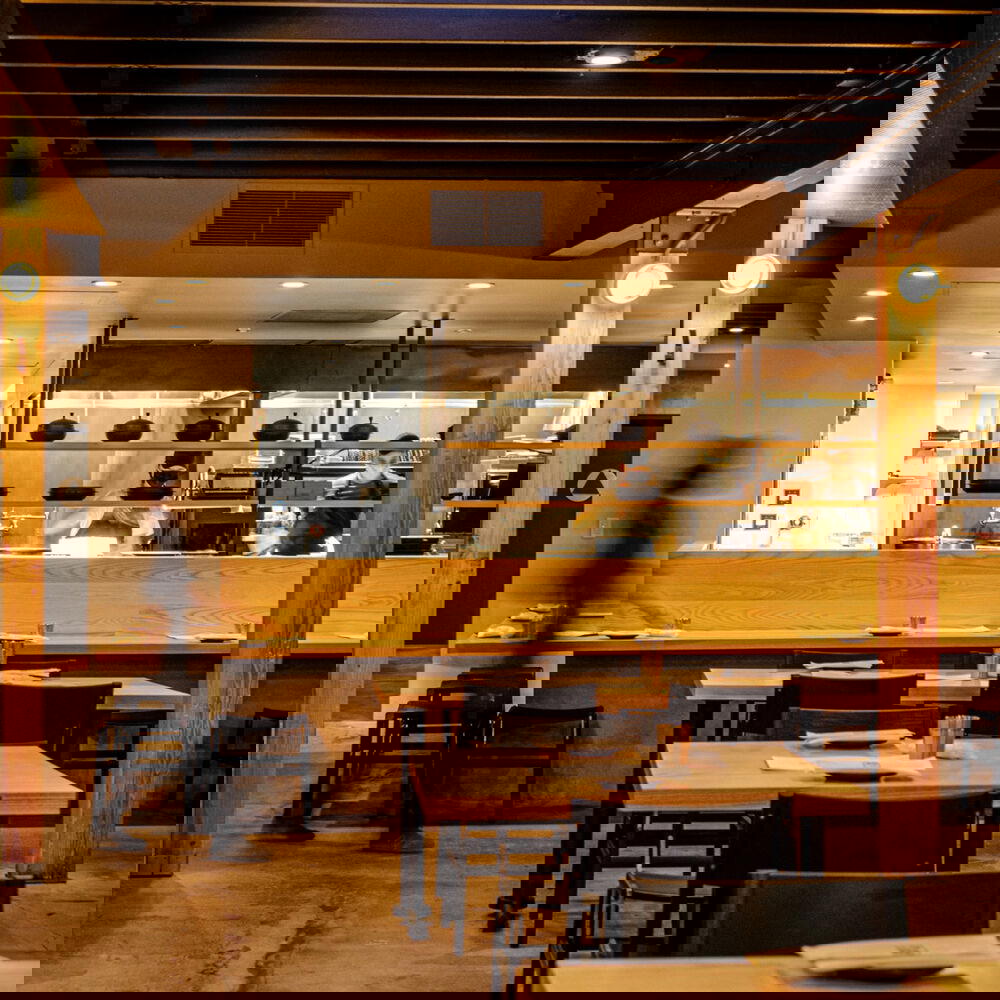
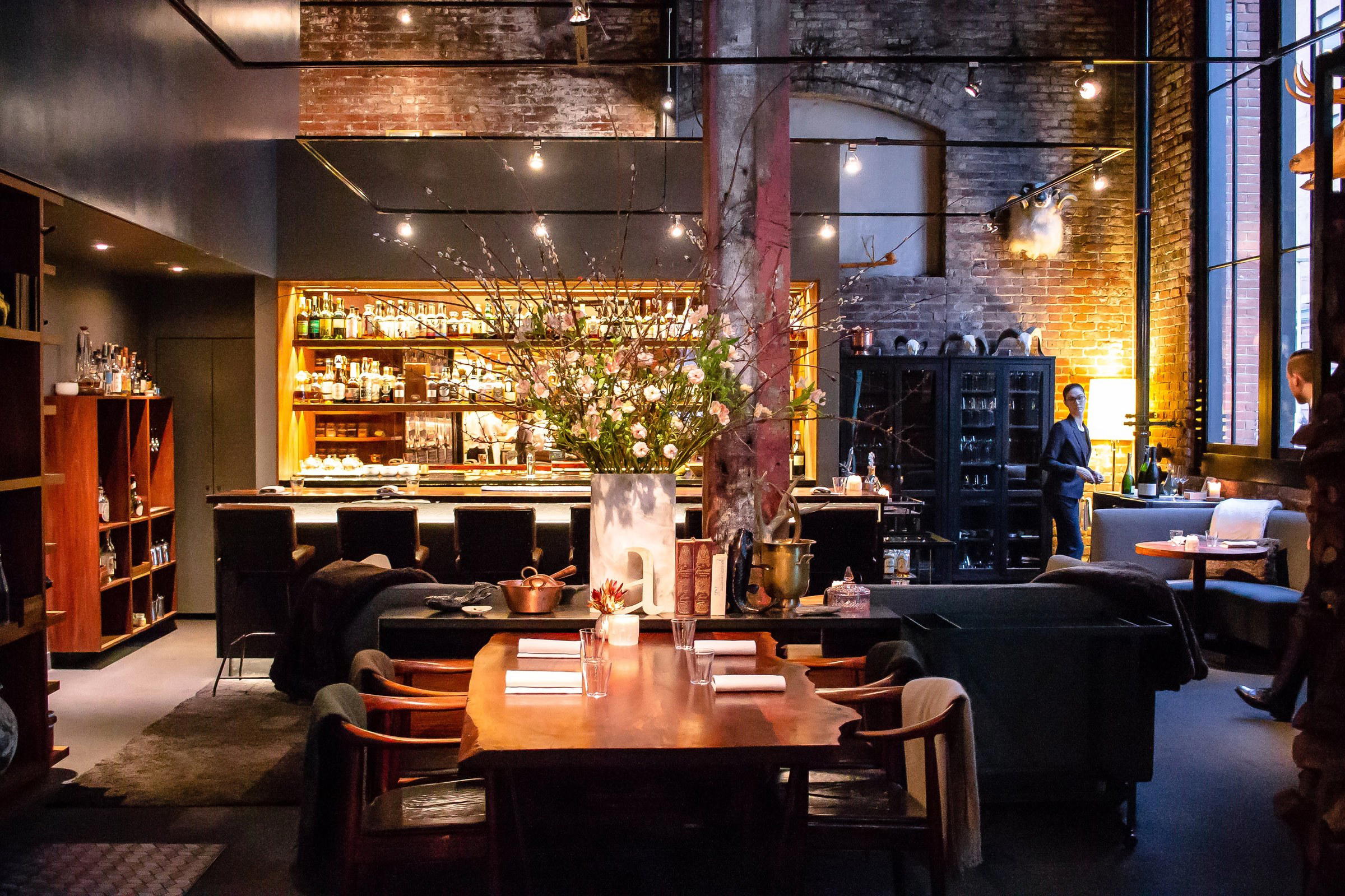
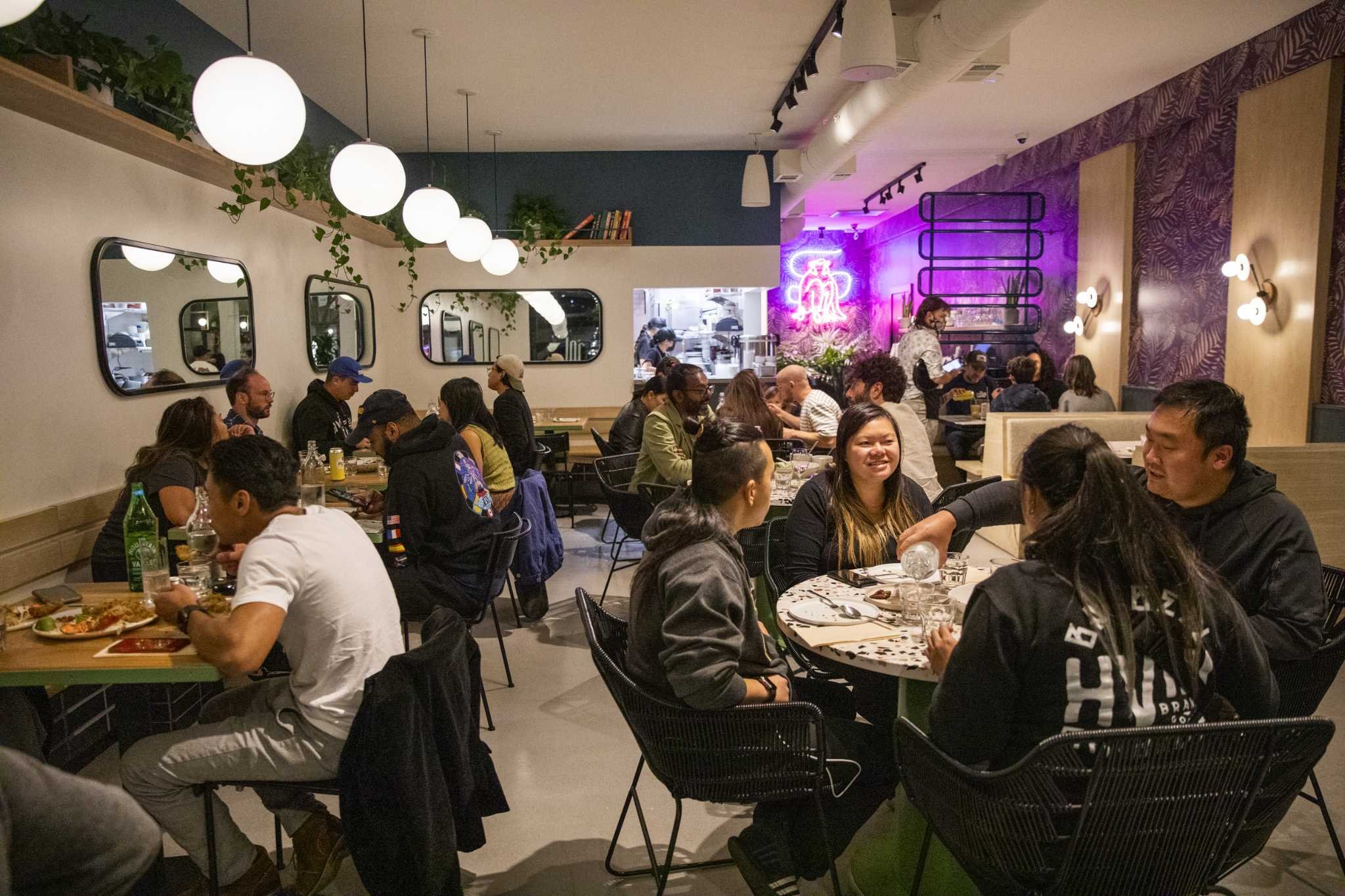
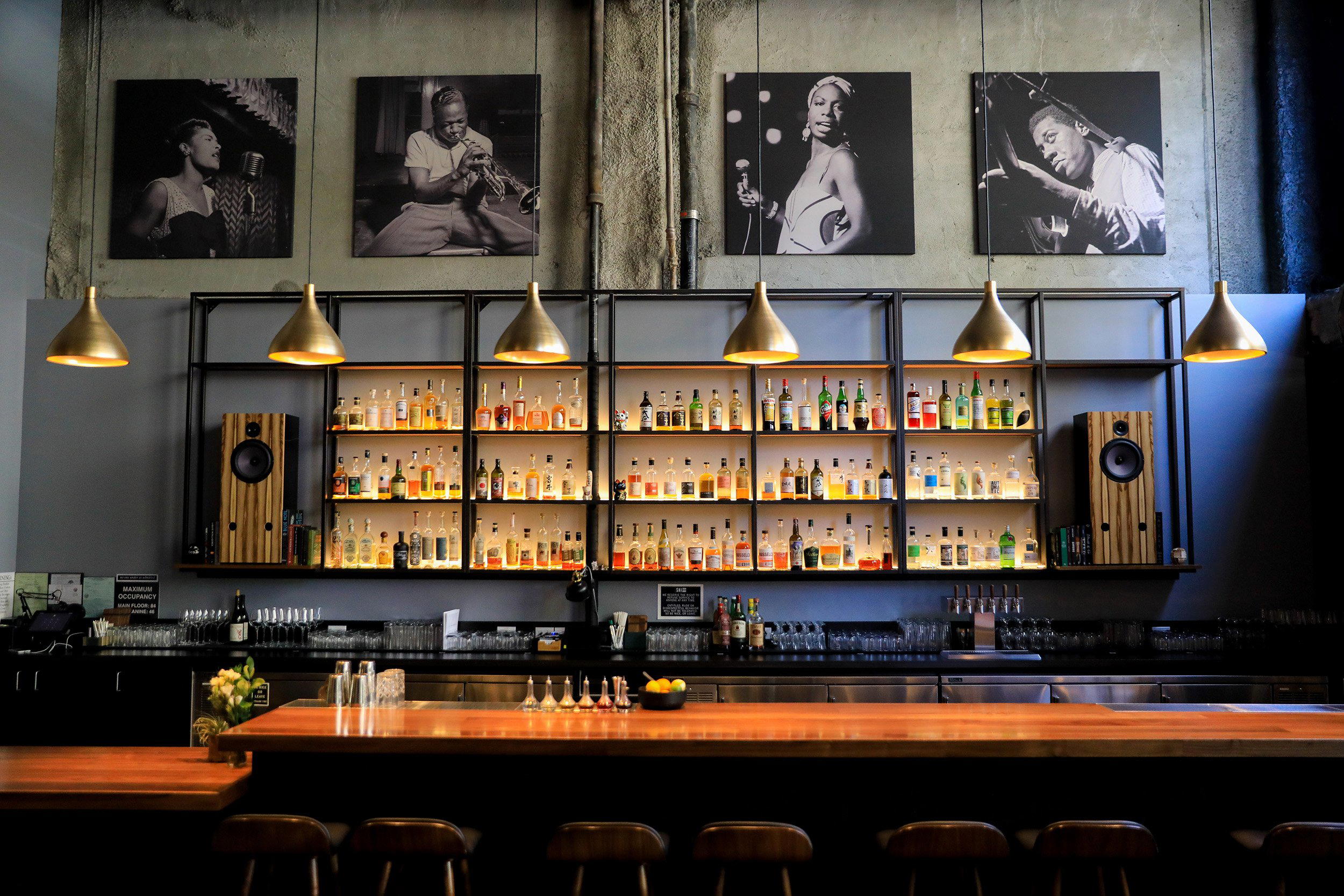
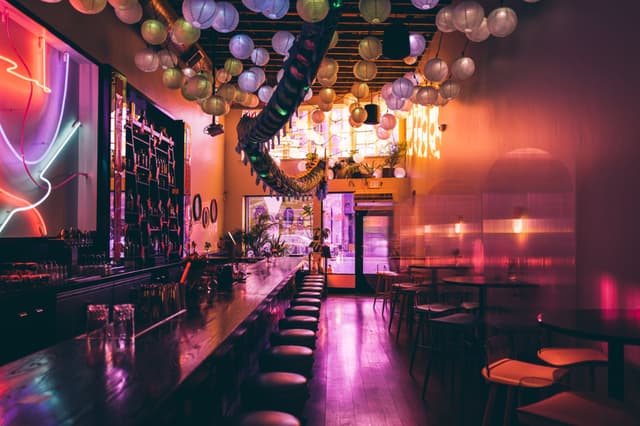
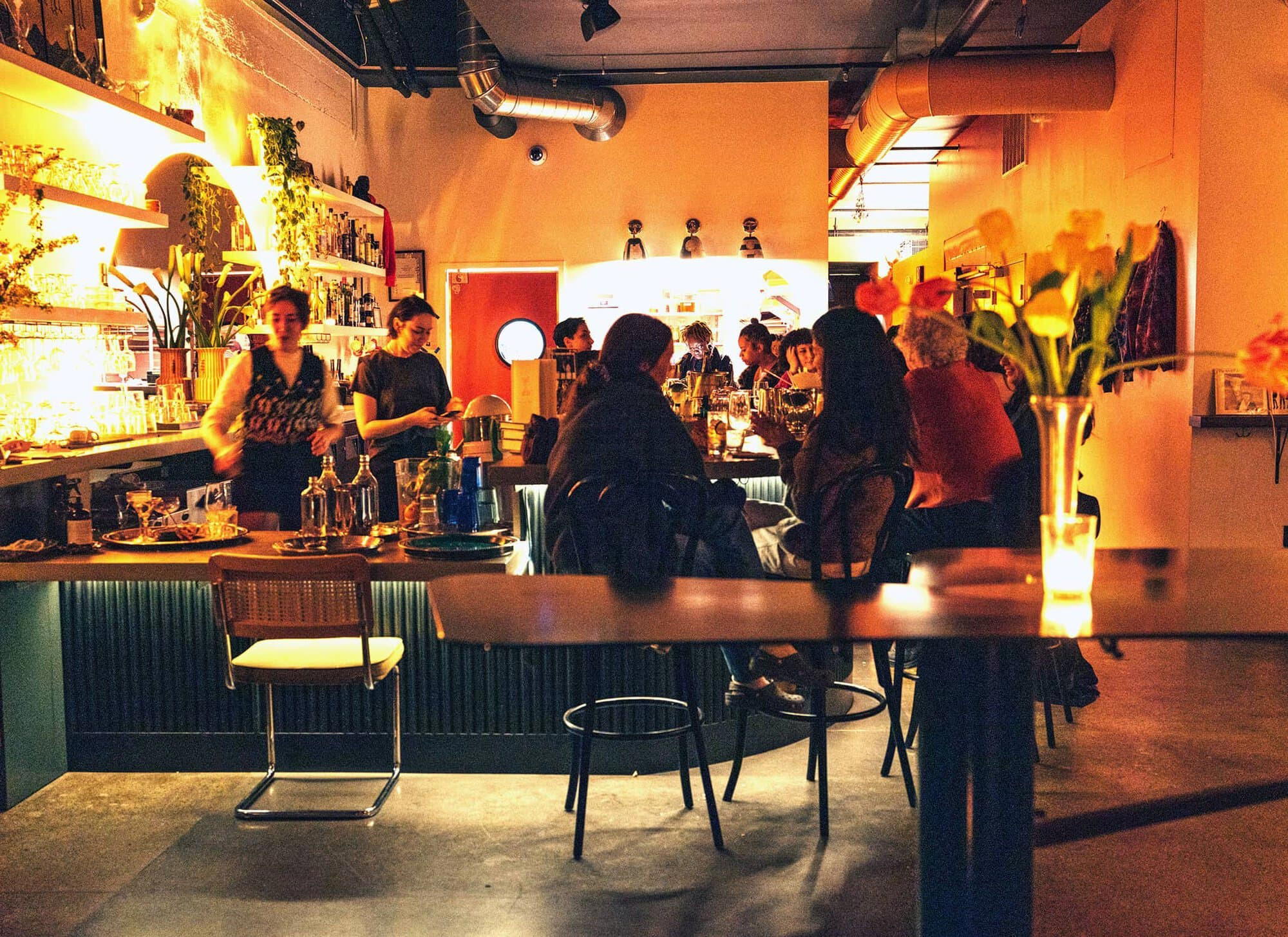
The editorial angle worth holding here is that restaurant interiors in the Santana Row tier are rarely accidental. Developers at this scale commission design packages, and individual tenants negotiate fit-out rights within parameters. The result, across the corridor, is a range of spaces that tend toward the polished rather than the raw: smooth surfaces, deliberate lighting rigs, seating arrangements calibrated for turnover without feeling transactional. Augustine's presence at suite 1000 places it within that logic.
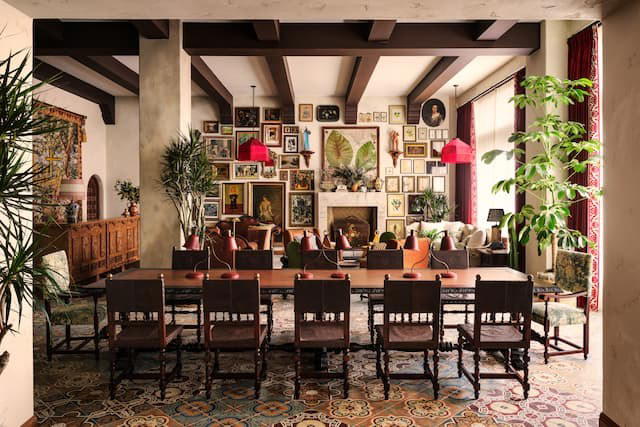
What distinguishes a room in this tier from a room in a more utilitarian dining context is usually the handling of transition spaces: how the entry sequence prepares a guest for the dining room, how bar seating relates to table seating, and whether the room has a clear focal point, a counter, an open kitchen, a statement installation, that gives it legibility at a glance. These details, more than any single design choice, determine whether a space reads as a destination or a waypoint. In the Santana Row context, the pressure to read as a destination is structural: the corridor is a leisure environment, not a neighborhood one, and diners arrive with a degree of intention that a casual drop-in spot does not require.
For visitors calibrating their expectations, it helps to map Augustine against the range visible in San Jose's dining scene more broadly. At one end, venues like Adega (Portuguese) operate at a price point and formality level that requires advance planning and a specific occasion. At the other, spots like Back A Yard Caribbean Grill and Alma de Amón serve a walk-in, neighborhood-driven model. Augustine's Santana Row placement puts it in a middle-to-upper tier that values design and presentation without necessarily demanding the full apparatus of fine dining.
San Jose's Dining Scene: Where Augustine Fits
San Jose's restaurant culture has grown considerably more sophisticated over the past decade, driven partly by tech wealth, partly by the city's deep demographic diversity, and partly by a series of ambitious openings that have raised the baseline for what serious dining looks like in the South Bay. Venues like Antipastos by DeRose and Bar Tako, the latter operating a Mexican-Japanese hybrid format with a raw bar, robata grill, and a spirits program anchored in tequila, mezcal, and Japanese whisky, illustrate how the city's middle-to-upper dining tier has diversified well beyond European-American convention.
That diversification is the relevant frame for Augustine. San Jose diners in 2024 have access to a wider range of serious options than at any prior point, which means a venue's ability to hold a distinct position in the room, conceptually, spatially, culinarily, matters more than proximity to a dining vacuum. The city's comparison set is no longer just local: Bay Area diners regularly calibrate expectations against Lazy Bear in San Francisco, Single Thread Farm in Healdsburg, or Providence in Los Angeles, and the national frame extends further to places like Le Bernardin in New York City, Smyth in Chicago, and Addison in San Diego.
Against that backdrop, the question Augustine faces, as does any venue in a mixed-use retail corridor, is whether its physical setting amplifies or competes with its culinary identity. The leading outcomes in this format, from Emeril's in New Orleans to The Inn at Little Washington, tend to involve spaces where the architecture creates a clear sense of occasion rather than functioning as neutral backdrop. Whether Augustine achieves that is a question the room itself answers on arrival.
Planning a Visit: What to Know Before You Go
Santana Row operates as a destination in its own right, drawing visitors from across the South Bay and beyond, particularly on weekends when foot traffic along the corridor peaks in the early evening. Augustine at 377 Santana Row, suite 1000, sits within that flow. The neighborhood is accessible by car with validated parking structures on-site, and the Santana Row VTA light rail stop brings the venue within reach of downtown San Jose without the parking calculus. As with most Santana Row venues, the rhythm of the week matters: weekday evenings tend toward a more settled dining pace, while Friday and Saturday evenings bring the corridor to capacity. Visitors with a specific table preference or occasion in mind would be well-served by confirming reservations and any operational details directly with the venue, as hours and formats can shift seasonally.
For those building a broader San Jose itinerary around serious dining, the full San Jose restaurants guide maps the city's range by neighborhood and price point. The South Bay's dining geography rewards deliberate planning: unlike San Francisco or Los Angeles, where dining density makes spontaneous discovery relatively direct, San Jose's leading options are spread across distinct pockets, and knowing which pocket suits your evening makes a measurable difference to the outcome.
The Wider Frame: American Fine Dining and the Design Moment
The intersection of architectural ambition and serious dining has never been more explicitly theorized than in the current American fine dining moment. From Atomix in New York City, where the dining room functions as a stage set calibrated to the tasting menu's Korean-contemporary structure, to Blue Hill at Stone Barns in Tarrytown, where the physical setting is inseparable from the farm-to-table argument, and internationally to Atelier Moessmer Norbert Niederkofler in Brunico, where alpine architecture becomes part of the plate's narrative, the design of a restaurant is increasingly treated as editorial content in its own right. Augustine, operating within Santana Row's already designed environment, is participating in that conversation whether or not it intends to. The Santana Row context provides a ready-made visual language; the question is what the restaurant does with it.
That is, ultimately, the most useful lens for a first visit: arrive with curiosity about the room's logic, its relationship to the street, and how its seating arrangement shapes the social temperature of an evening. Those observations will tell you more about Augustine's ambitions than any single dish. For further context on how San Jose's dining scene maps across cuisines and formats, see the Adega and Bar Tako entries alongside the city guide.
Frequently asked questions
What's the address for Augustine?
Augustine is located at 377 Santana Row #1000, San Jose, CA 95128, San Jose.
How does Augustine compare to other Santana Row restaurants in San Jose?
Augustine occupies 377 Santana Row, a development corridor that has functioned since the early 2000s as San Jose's most sustained experiment in European-style street-level dining density. Within that context, the address signals a certain floor of ambition: operators at Santana Row commit to spaces built by developers who commission at scale, which filters the tenant mix toward restaurants with genuine investment behind them.
What dish is Augustine famous for?
Santana Row addresses at this tier tend to anchor menus around American seasonal cooking. Checking Augustine's current menu directly before visiting will give you the clearest read on what the kitchen is focused on.
Should I book Augustine in advance?
Santana Row draws diners from across the South Bay, and weekend foot traffic at this address runs high enough that walk-in availability is not reliable. Booking ahead, particularly for Friday and Saturday evenings, is the practical move. Contacting the restaurant directly through Santana Row's directory is the most current route for reservations.
What's Augustine best at?
Augustine sits within Santana Row's most concentrated stretch of considered restaurant development in San Jose, positioning it squarely in the city's growing tier of design-conscious dining rooms where the room itself is part of the proposition. San Jose's restaurant culture has matured considerably over the past decade, and Augustine operates in that upper register where setting and cooking are expected to carry equal weight.
At a Glance
Comparable venues nearby, for context on price, style, and recognition.
| Venue | Cuisine | Price | Awards | Notes |
|---|---|---|---|---|
| AugustineThis venue (the venue you are viewing) | Coastal Californian with French and Italian Influences | $30–50 | Wine Spectator Best of Award of Excellence | Not listed |
| Eos & Nyx | Mediterranean with California Seasonal Influences | $30–50 | Wine Spectator Award of Excellence | Paseo de San Antonio, Mediterranean with California Seasonal Influences |
| Ozumo Santana Row | Contemporary Japanese Sushi & Izakaya | $50–100 | Not listed | Santana Row, Contemporary Japanese Sushi & Izakaya |
| Chick’n Rice | Thai Street Food - Khao Mun Gai | Not listed | Not listed | North San Jose, Thai Street Food - Khao Mun Gai |
| Wagyu Master | Japanese A5 Wagyu Shabu-Shabu AYCE | Not listed | Not listed | El Paseo de Saratoga, Japanese A5 Wagyu Shabu-Shabu AYCE |
| Yas Restaurant | Authentic Persian | $20–30 | Not listed | Rogers, Authentic Persian |
Recognition history
Dated appearances from independent guides and award organizations, with the underlying list record or original source where available.
Wine Spectator Best of Award of Excellence
Wine Spectator
Continue exploring
More in San Jose
Restaurants in San Jose
All restaurants in San Jose →
Bars in San Jose
All bars in San Jose →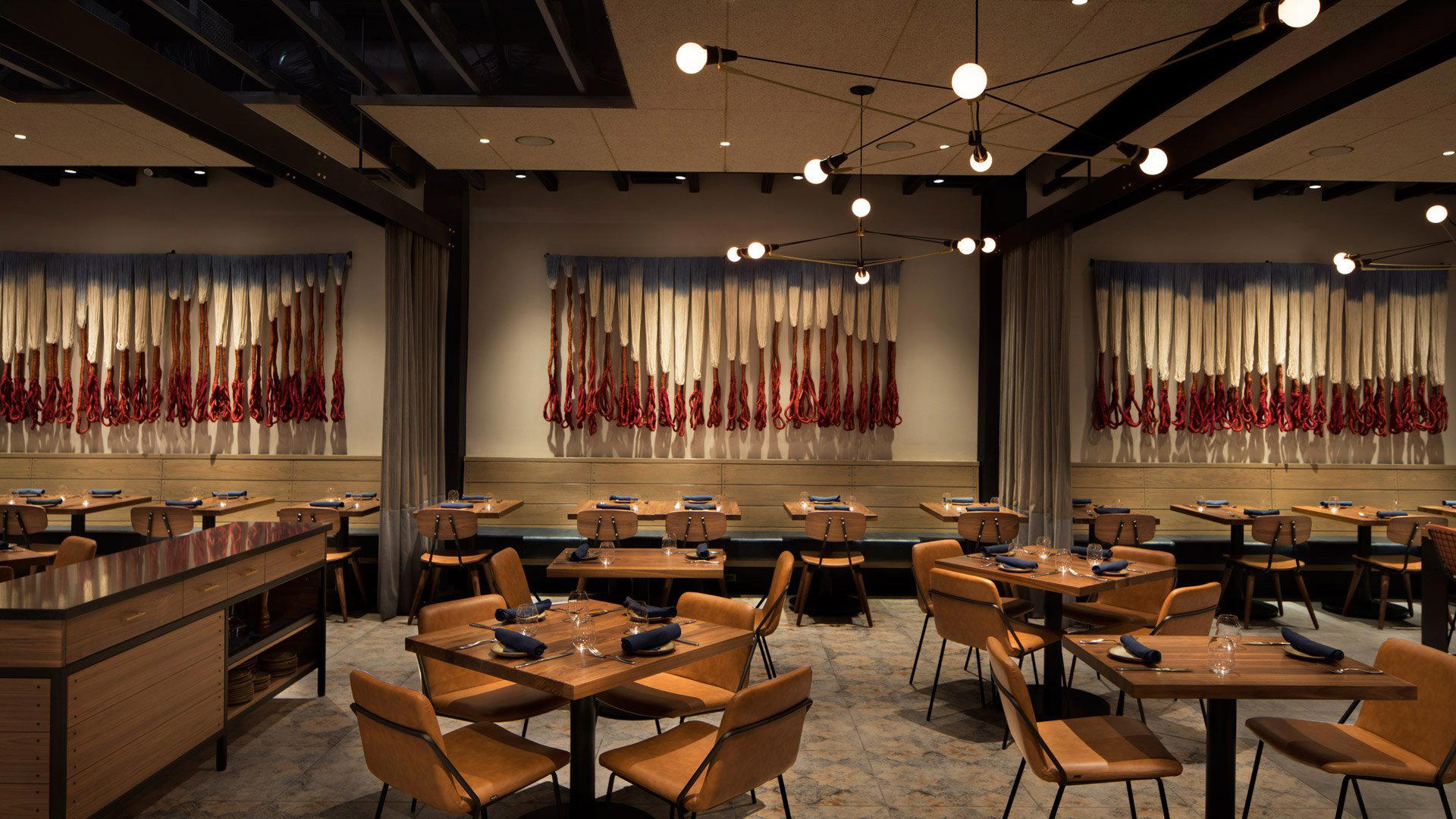
Augustine
The wine
Augustine holds the Wine Spectator Best of Award of Excellence, which Wine Spectator gives to lists of usually 350 or more selections.
- Wine Spectator
- Wine Spectator Best of Award of Excellence
- Extensive wine list
- Sommelier-led
- Craft cocktails
Details
- Elegant
- Sophisticated
- Modern
- Romantic
- Date Night
- Business Dinner
- Celebration
- Special Occasion
- Private Dining
- Open Kitchen
- Design Destination
- Standalone
- Extensive Wine List
- Craft Cocktails
- Sommelier Led
- Farm To Table
- Local Sourcing
Current opening hours
- Monday
- 7:30 AM–10 PM
- Tuesday
- 7:30 AM–10 PM
- Wednesday
- 7:30 AM–10 PM
- Thursday
- 7:30 AM–10 PM
- Friday
- 7:30 AM–11 PM
- Saturday
- 7:30 AM–11 PM
- Sunday
- 7:30 AM–10 PM
Hours can change for holidays and private events. Hours as of .
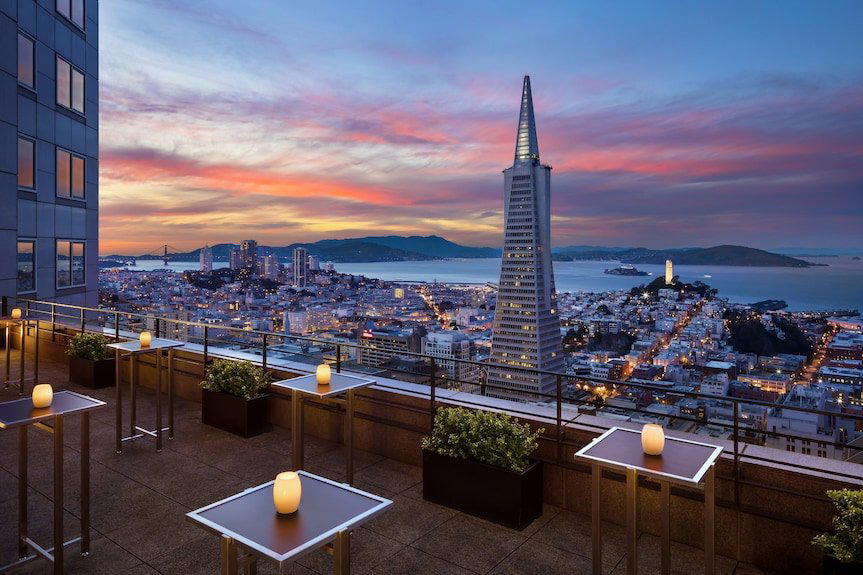
Polished yet welcoming with refined lighting, elegant dining areas, and thoughtfully designed indoor and outdoor seating that balances sophistication with approachability.