Cha Cha Sushi
For San Jose diners weighing options along that stretch, it represents the counter-service or casual roll end of the local Japanese spectrum, positioned distinctly from the tasting-menu tier.

Pearl is the En Primeur Club membership app, where members save venues, book tables and use the concierge.
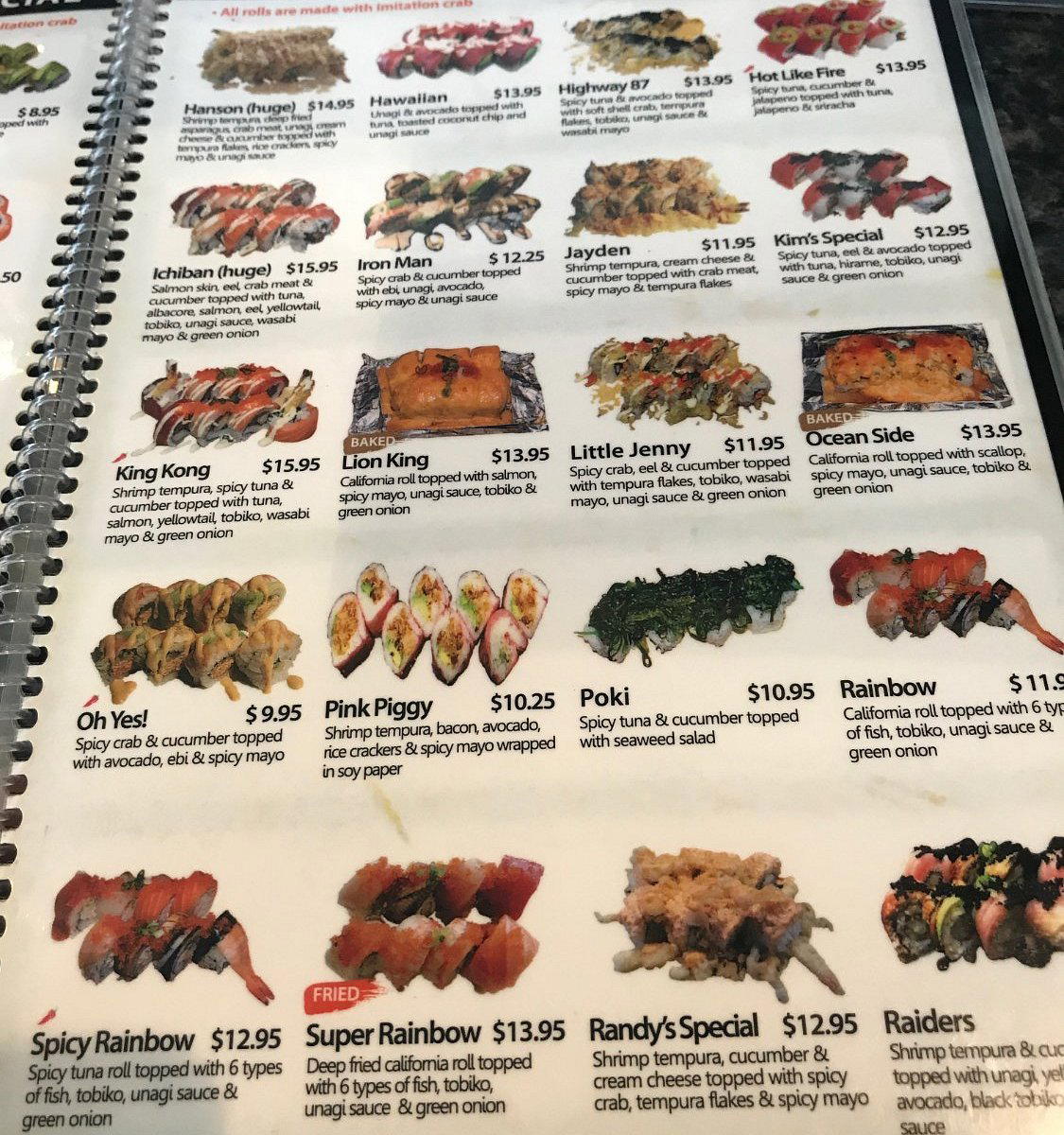
That physical reality matters as context. San Jose's sushi scene has, over the past decade, stratified more sharply than its civic profile might suggest. At the upper end, omakase formats with chef-driven counter experiences have taken root, drawing on the Bay Area's proximity to premium seafood supply chains and a tech-sector clientele comfortable with fixed high-price menus. At the other end, casual roll-focused spots serve the broader residential population across the city's sprawling south and east quadrants. Cha Cha Sushi occupies the accessible tier of that range, which in a city this size represents a genuinely distinct competitive position.
What the Format Tells You
Casual sushi in the American context carries a specific grammar: rolls built around familiar combinations, nigiri at approachable price points, a menu broad enough to accommodate tables with mixed preferences. That format has a particular significance in a city like San Jose, where the Japanese-American community has deep roots stretching back through the post-war period and where the expectation of Japanese food is shaped by generations of neighborhood-level familiarity rather than novelty-seeking. The craft at this tier isn't reducible to the chef's training pedigree or the sourcing provenance of the fish. It lives in consistency, in the rice calibration that holds through a full service, in the ability to execute a direct order accurately and quickly for a table that might include children, colleagues, or first-time sushi eaters.
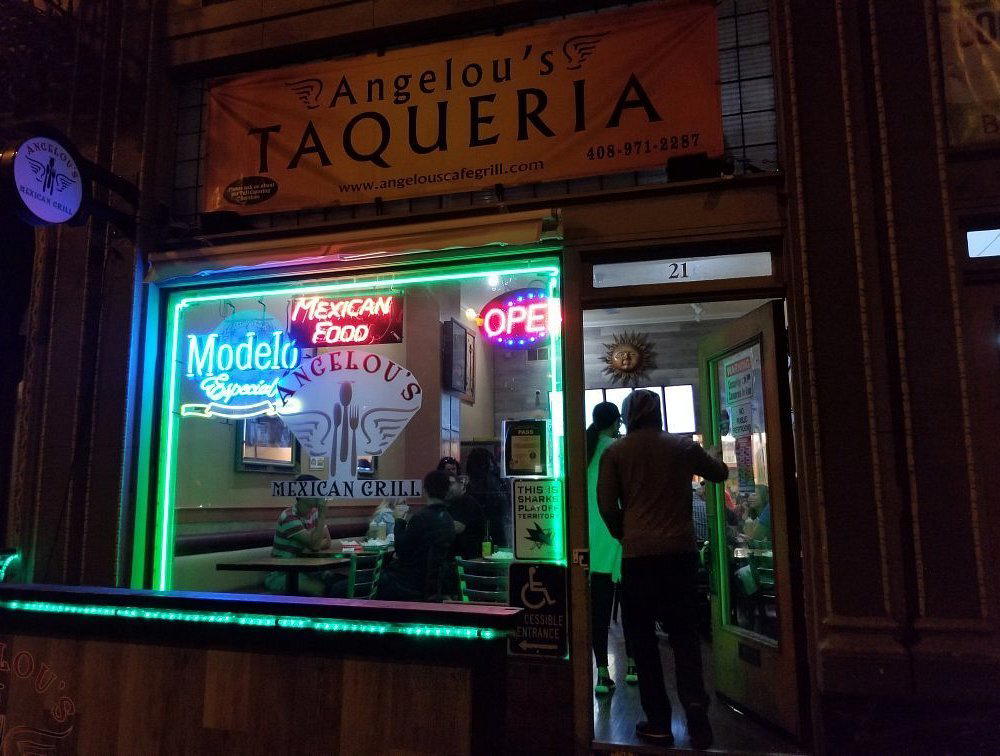
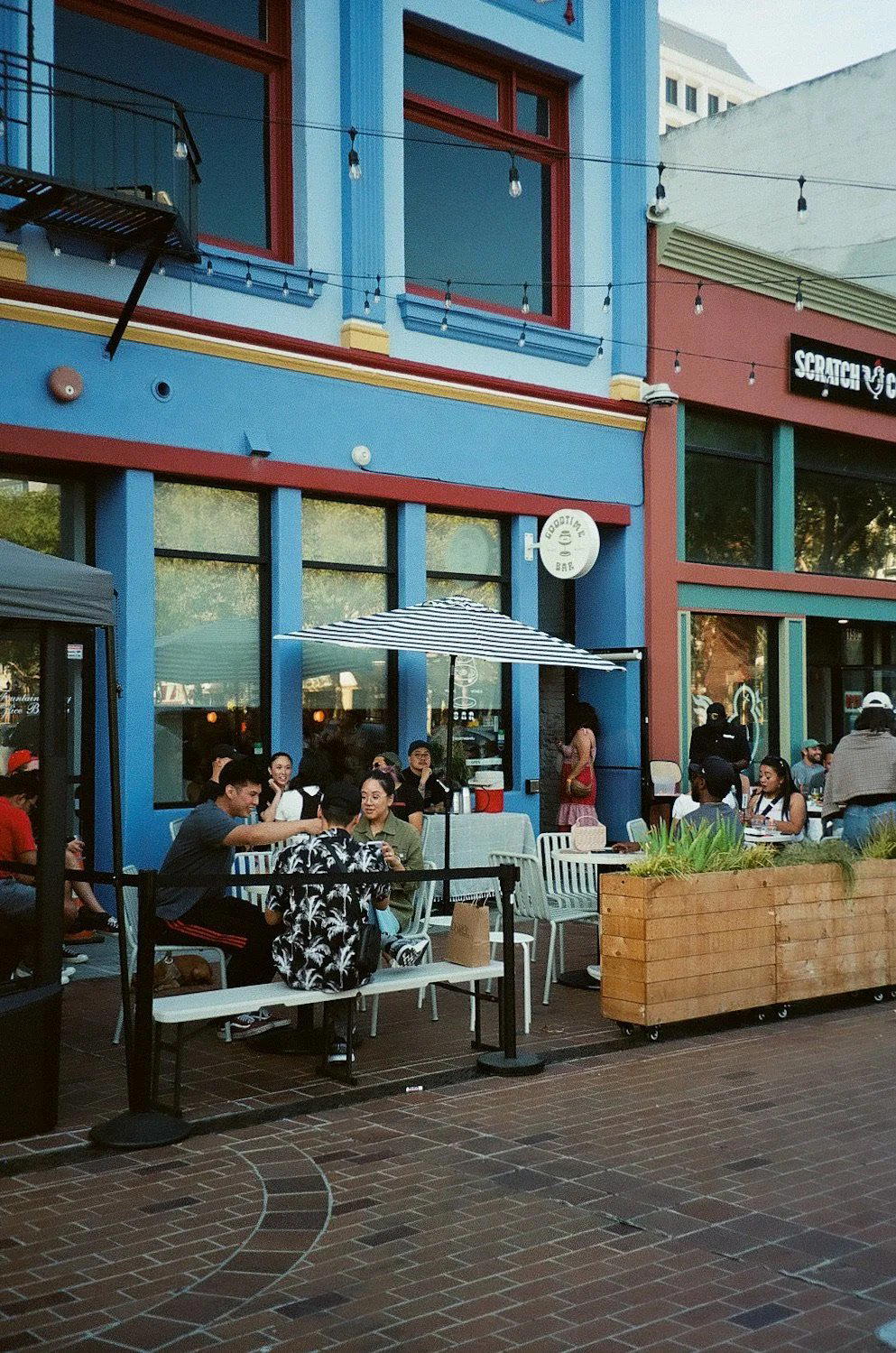
That's a different discipline from what happens at the city's omakase counters, but it isn't a lesser one. The bartender analogy applies here in a useful way: the skill of a neighborhood bar's lead isn't measured against the technique of a competition-circuit cocktail specialist. The measure is whether the regular gets their drink right, the pace holds during a rush, and the room stays comfortable. Bars like Goodtime Bar in San Jose operate in that same neighborhood-reliability register, as does Angelou's Mexican Grill, where the value is rooted in consistent execution for a local clientele rather than in critical-circuit recognition. Unlike San Francisco's compact dining corridors or even downtown San Jose's walkable blocks around Post Street, the south corridor is a car-dependent zone where the question of which sushi spot a household defaults to is answered by proximity, parking, and prior experience. The roll-and-rice model travels well in that environment. It doesn't require the same deliberate journey that an omakase booking demands. It fills the gap between delivery apps and a sit-down meal with more engagement than either extreme. For comparison, Fuji and Eos & Nyx serve the San Jose market from different positions on the formality and concept spectrum, demonstrating how broad the city's hospitality range genuinely is. This is south San Jose's everyday dining rhythm, not the city's showcase dining strip. That ground-level positioning is where the majority of San Jose's restaurant economy actually operates, and it's worth taking seriously on its own terms rather than through the lens of what's happening three miles north in a different demographic pocket.
Sushi's Craft at the Neighborhood Register
Across American cities, the craft bar analogy extends further into the sushi world than is sometimes acknowledged. The same forces that produced technically accomplished neighborhood bars, like ABV in San Francisco or Bar Leather Apron in Honolulu, also produced a generation of neighborhood sushi operations that take the fundamentals more seriously than the casual format might imply. Rice temperature, fish freshness cycles, knife work on a simple tuna roll: these are not incidental details even at the approachable price tier. The difference between a neighborhood sushi spot that lasts twenty years and one that cycles out in eighteen months often comes down to those fundamentals applied with repetition and care.
The broader American craft hospitality movement has documented this well. Programs at venues like Kumiko in Chicago and Jewel of the South in New Orleans make the case that technical seriousness and accessible format are not mutually exclusive. The same argument applies across food categories. Julep in Houston and Superbueno in New York City both demonstrate that a neighborhood-accessible price point and a demanding craft standard can coexist in the same room. The Parlour in Frankfurt makes the same case internationally. The format does not dictate the ceiling of the craft. The corridor is accessible from Highway 85 and Almaden Expressway, and parking is standard strip-mall-style, which is to say practical rather than constrained. For visitors using the venue as part of a broader San Jose dining itinerary, it pairs naturally with exploration of the south corridor's residential dining culture rather than with the downtown or Santana Row visit. Our full San Jose restaurants guide provides wider context on how the city's dining options distribute across neighborhoods and price tiers.
The Minimal Set
Comparable venues nearby, for context on price, style, and recognition.
| Venue | Cuisine | Price | Notes |
|---|---|---|---|
| Cha Cha SushiThis venue (the venue you are viewing) | Waterford Park, Bar | Not listed | Not listed |
| Fuji | Post, Bar | Not listed | Not listed |
| Sushi Maru | Japantown, Bar | Not listed | Not listed |
| Okayama Sushi #1 | Not listed | Not listed | Japantown, sake_bar |
| The Last Round Tavern | North Campus, pub | $20–30 | Not listed |
| Zeni | Hathaway, lounge | $20–30 | Not listed |
Continue exploring
More in San Jose
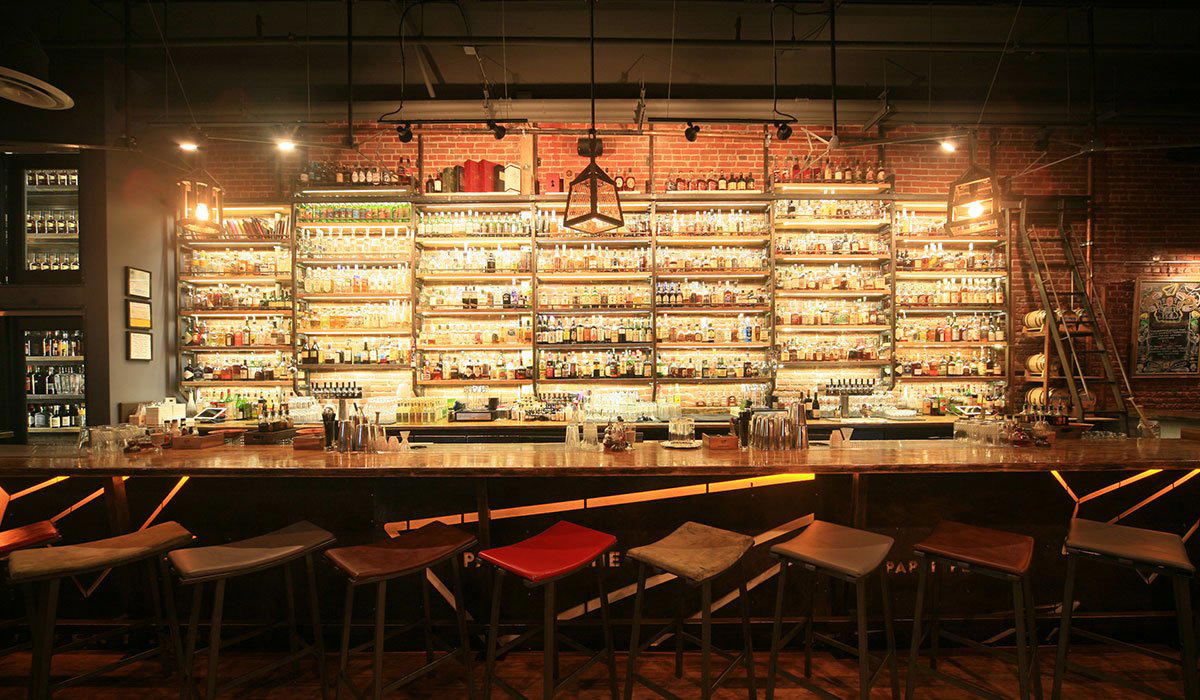
Bars in San Jose
All bars in San Jose →
Restaurants in San Jose
All restaurants in San Jose →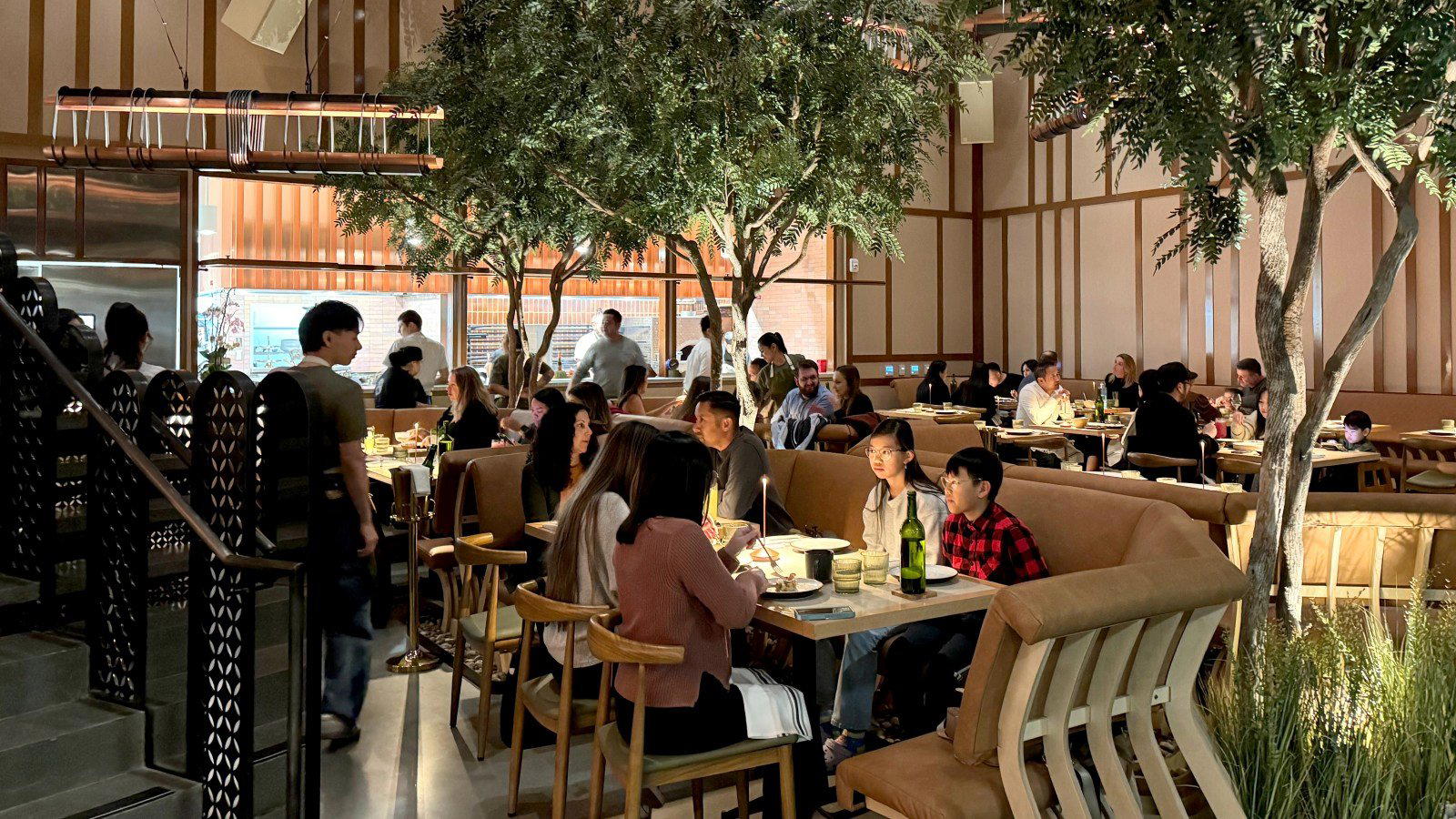
Details
- Cozy
- Casual Hangout
- Seated Bar
- Sake
Current opening hours
- Monday
- 11:30 AM–9 PM
- Tuesday
- 11:30 AM–9 PM
- Wednesday
- 11:30 AM–9 PM
- Thursday
- 11:30 AM–9 PM
- Friday
- 11:30 AM–9 PM
- Saturday
- 11:30 AM–9 PM
- Sunday
- Closed
Hours can change for holidays and private events. Last verified .
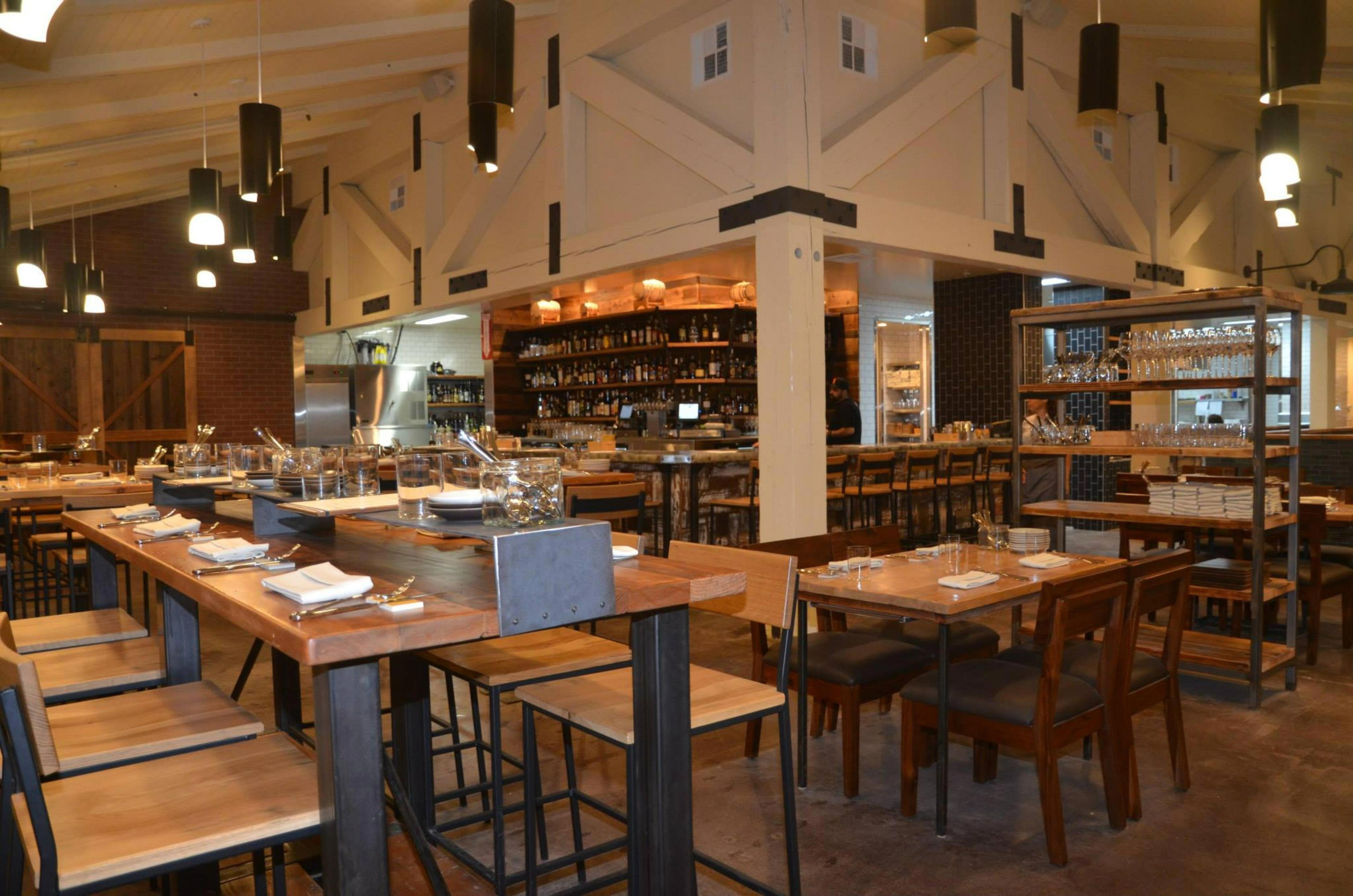
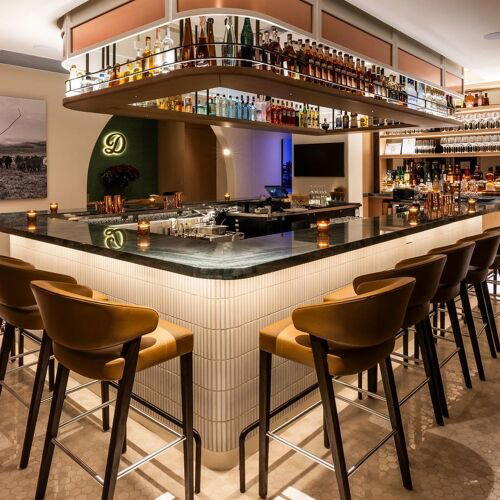
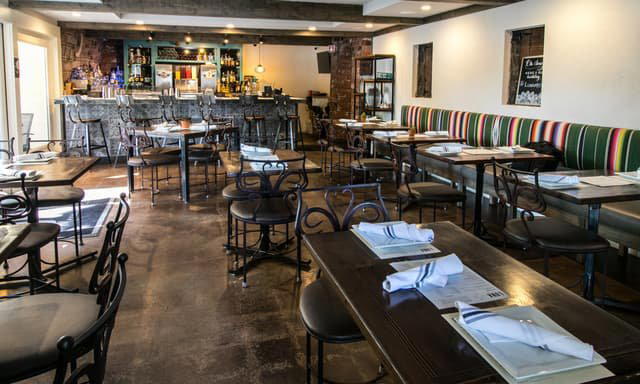
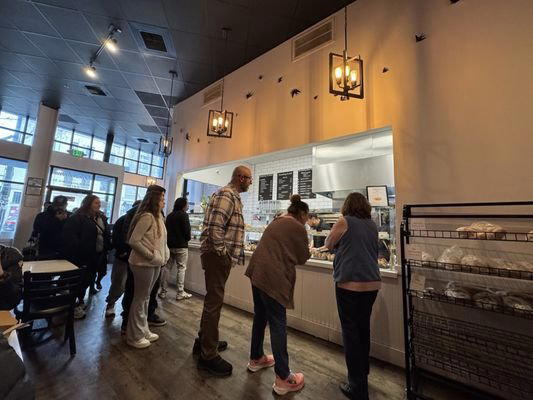
Casual dive-like diner atmosphere with a cozy, welcoming feel and upbeat music.