Minato Japanese Restaurant
Minato Japanese Restaurant occupies a direct address on North 6th Street in San Jose's Japantown corridor, positioning itself within one of the Bay Area's most historically rooted Japanese dining communities. The restaurant draws on San Jose's longstanding Japanese-American presence, offering a point of entry into a neighborhood where culinary tradition and community identity remain closely linked.
Pearl is the En Primeur Club membership app — saves, bookings, and concierge access live there. Same editors, same standards.
- Address
- 617 N 6th St, San Jose, CA 95112
- Phone
- +1 408 998 9711
- Website
- minatojapaneserestaurant.com
- Directions
- Get directions
 Saves & bookings on Pearl
San Jose's Japantown and the Weight of Japanese-American Dining
North 6th Street sits at the edge of San Jose's Japantown, one of only three remaining Japantowns in the United States, the others being in San Francisco and Los Angeles. The restaurants that operate along this corridor, including Minato Japanese Restaurant at 617 N 6th St, inherit that context whether they acknowledge it or not.
Here, the audience has generational familiarity with the cuisine. Expectations are set not by trend coverage but by memory and repetition. A bowl of ramen or a plate of teriyaki chicken carries communal significance that no amount of design investment replicates.
What Japanese Cuisine Looks Like at the Neighborhood Level
American Japanese dining has sorted itself into distinct tiers over the past decade. Below that sits a middle tier of izakayas, ramen specialists, and sushi bars serving a mixed local and visitor base. At the neighborhood level, the calculus is different: consistency, familiarity, and price accessibility drive repeat visits far more than seasonal menu updates or chef pedigree.
Japantown's restaurants, including Minato, operate in this third register. That is not a limitation; it is a distinct function. The neighborhood format keeps Japanese food anchored to its community use rather than repositioning it as premium spectacle. Dishes that at a fine-dining counter become tasting course elements, grilled fish, pickled vegetables, rice-forward compositions, appear here in their more direct, unadorned form. The culinary argument, if there is one, is about fidelity rather than innovation.
Japanese dining in Japantown follows a similar bifurcation, with neighborhood spots holding the lower and middle registers while destination omakase experiences draw a different audience entirely.
Placing Minato in the San Jose Dining Map
San Jose's restaurant scene has diversified considerably across cuisines and formats. Antipastos by DeRose anchors the Italian-American side of the city's dining; Back A Yard Caribbean Grill represents the Caribbean presence; Augustine sits in a different tier of formal dining.
Minato's address on North 6th Street places it within walking distance of the Japanese American Museum of San Jose and the community organizations that have maintained Japantown as a functioning cultural district. For a diner unfamiliar with the neighborhood, that geography is worth understanding before arriving: this is not the polished restaurant row of downtown, and the surrounding streets reflect a working community rather than a curated dining destination. That texture is part of the experience.
The broader Bay Area context matters here too. San Francisco's Japantown, while more tourist-facing, offers a useful comparison point. San Jose's version has retained more of its residential and community-service character, which means the restaurants serve a local base year-round rather than peaking around festival weekends. That dynamic favors operations that prioritize regulars over destination visitors.
The Cultural Argument for Japantown Dining
Japanese cuisine's global spread has created a paradox: the more popular it becomes, the more it risks being reconstructed in ways that serve external audiences rather than internal ones. The premium end of the spectrum, the counters modeled on Tokyo omakase traditions, the ramen bars that import dashi philosophy and charge accordingly, does important work in communicating the cuisine's technical depth. But it does so for a narrow audience with the time and budget to engage.
Neighborhood Japanese restaurants carry a different responsibility. They keep the cuisine in daily circulation for the communities that have relied on it across generations. In the context of American Japantowns specifically, that continuity is not incidental: it is the reason these districts have survived at all. The restaurants are infrastructure as much as they are dining options.
Viewed through that lens, Minato's position in Japantown is part of a longer story about how Japanese-American communities have maintained cultural presence in California cities. That story connects to the kind of depth you find when reading about how other immigrant-anchored food traditions, Ethiopian in Oakland, Portuguese in the South Bay, hold their neighborhoods together. For similar perspectives across San Jose's dining communities, the full San Jose restaurants guide maps the wider field.
Planning a Visit
Minato Japanese Restaurant is located at 617 N 6th St, San Jose, CA 95112, in the heart of the Japantown district. The neighborhood is accessible by public transit and has street parking, though weekend afternoons during Japantown events can tighten both. For those building a broader Japantown itinerary, the corridor between 6th and Jackson Street concentrates most of the dining and cultural institutions worth visiting in a single pass.
Minato Japanese Restaurant is recommended for reservations and typically seats diners for lunch Tuesday through Saturday from 11:15 AM to 1:15 PM and for dinner Tuesday through Thursday from 5 to 8 PM, Friday and Saturday from 5 to 8:30 PM; it is closed Monday and Sunday. Expect casual dress and an accessible price point around $20 per person.
For readers building a broader fine-dining itinerary across California and beyond, the full EP Club restaurant network includes The French Laundry in Napa, Lazy Bear in San Francisco, Providence in Los Angeles, and Addison in San Diego, all operating in a different tier but useful for mapping the full range of California's dining ambition. Further afield, Le Bernardin in New York City, Smyth in Chicago, Blue Hill at Stone Barns in Tarrytown, Emeril's in New Orleans, The Inn at Little Washington in Washington, and Atelier Moessmer Norbert Niederkofler in Brunico represent the international context against which neighborhood dining traditions can be measured.
Budget and Context
Comparable venues nearby, for context on price, style, and recognition.
| Venue | Cuisine | Price | Notes |
|---|---|---|---|
| Minato Japanese RestaurantThis venue — the venue you are viewing | Japantown, Traditional Japanese | $$ | Not listed |
| Sushi Confidential San Jose | Not listed | $$ | St. James Park, Modern Japanese Sushi |
| Blowfish Sushi to Die For | Santana Row, Fusion Japanese Sushi | $$ | Not listed |
| Hokkaido Ramen Santouka らーめん山頭火 | Not listed | $$ | Strawberry Park, Hokkaido-Style Tonkotsu Ramen |
| Trifecta | Not listed | $$ | Silver Creek, Japanese-Filipino Fusion Omakase |
| VeLa Brunch & Thai | South Campus, Thai Brunch | $$ | Not listed |
Continue exploring
More in San Jose
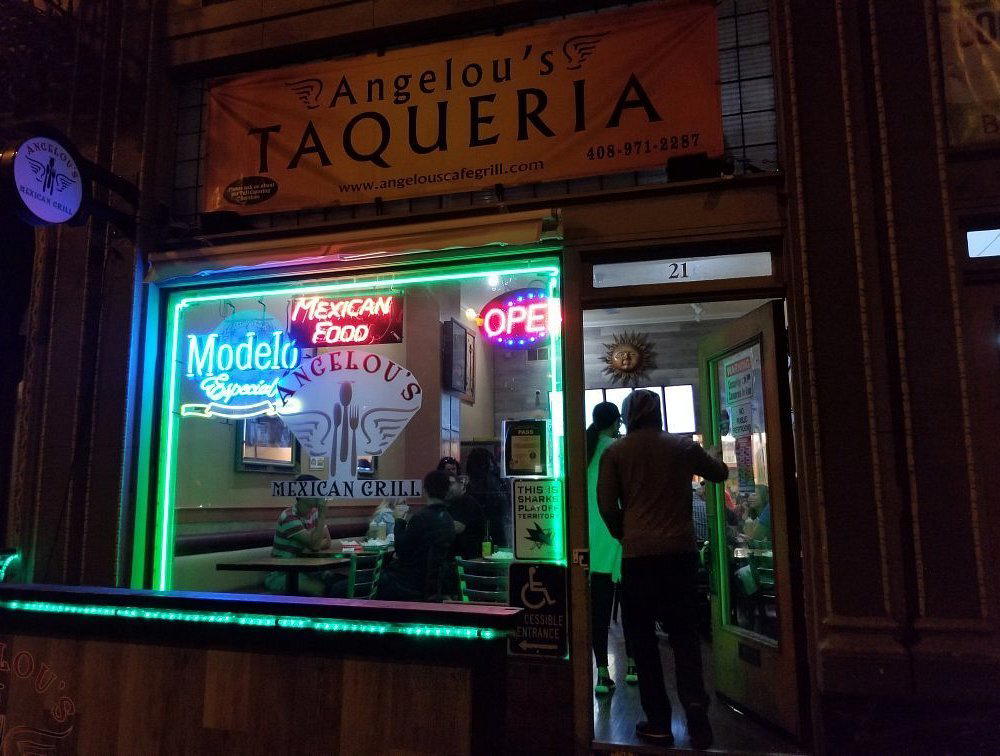
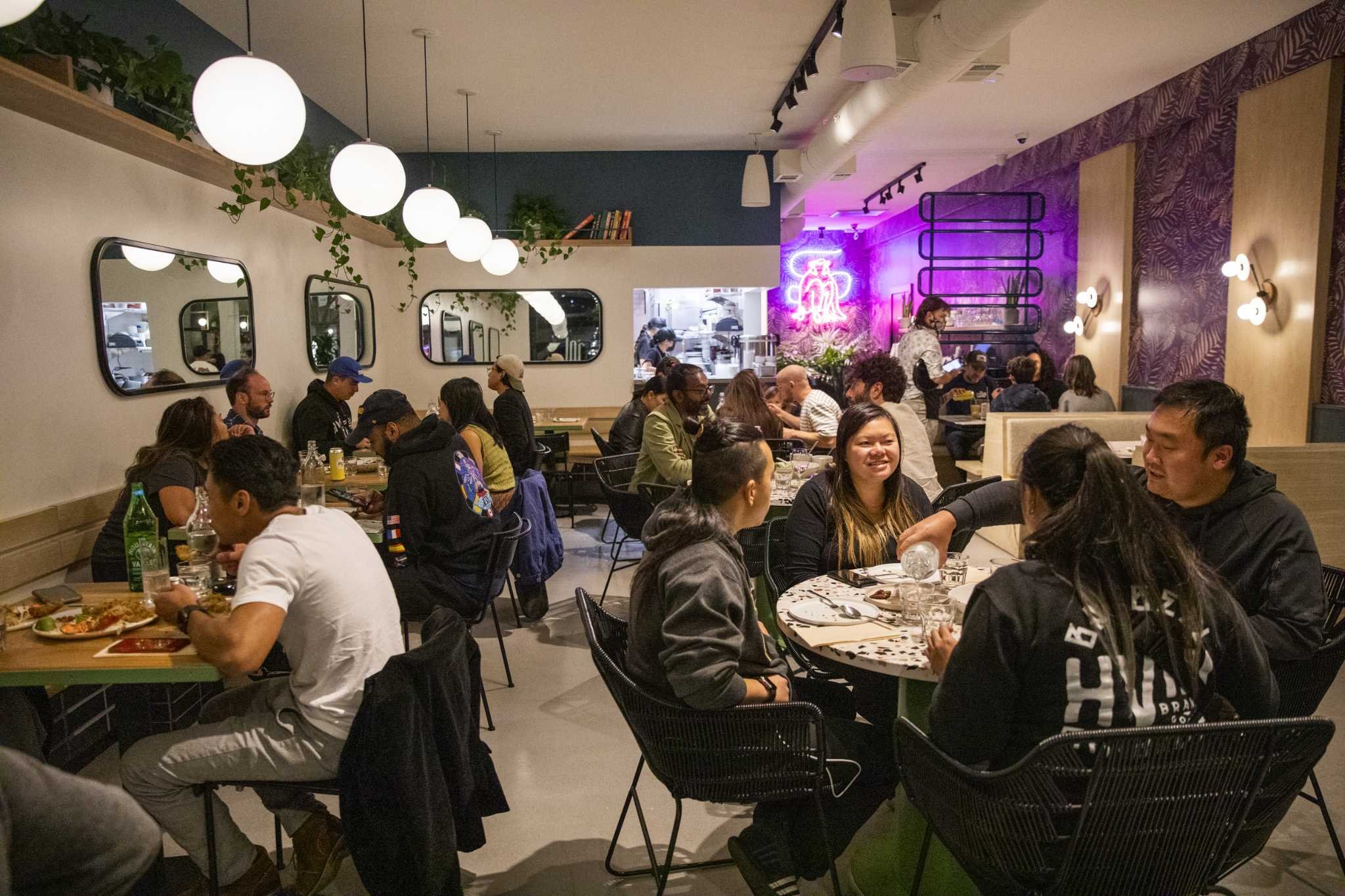
Restaurants in San Jose
Browse all →
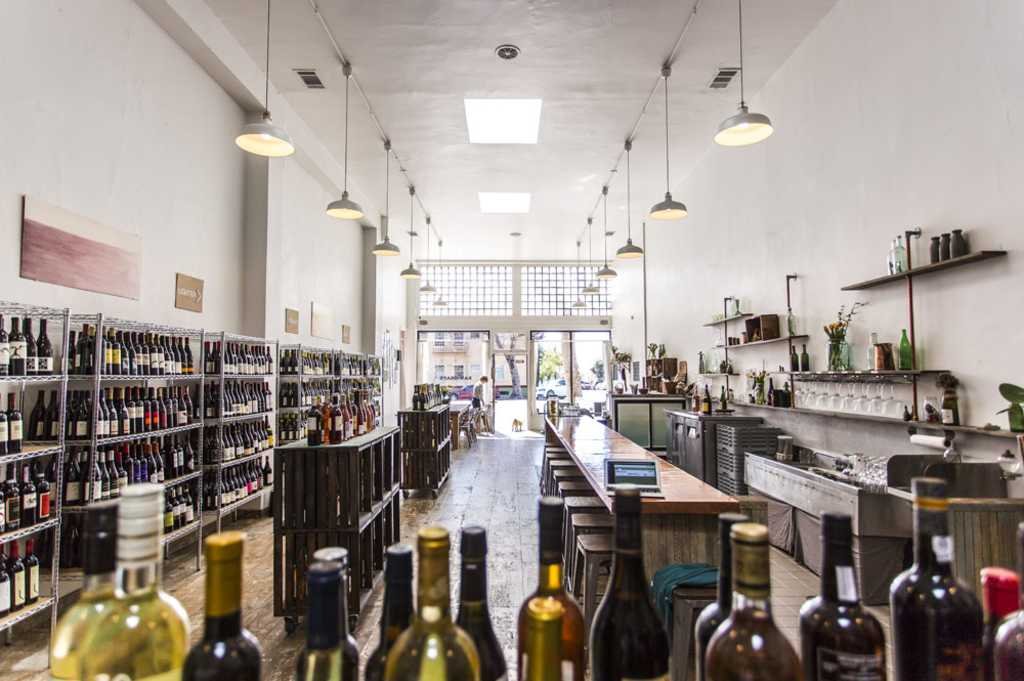
Bars in San Jose
Browse all →
Hotels in San Jose
Browse all →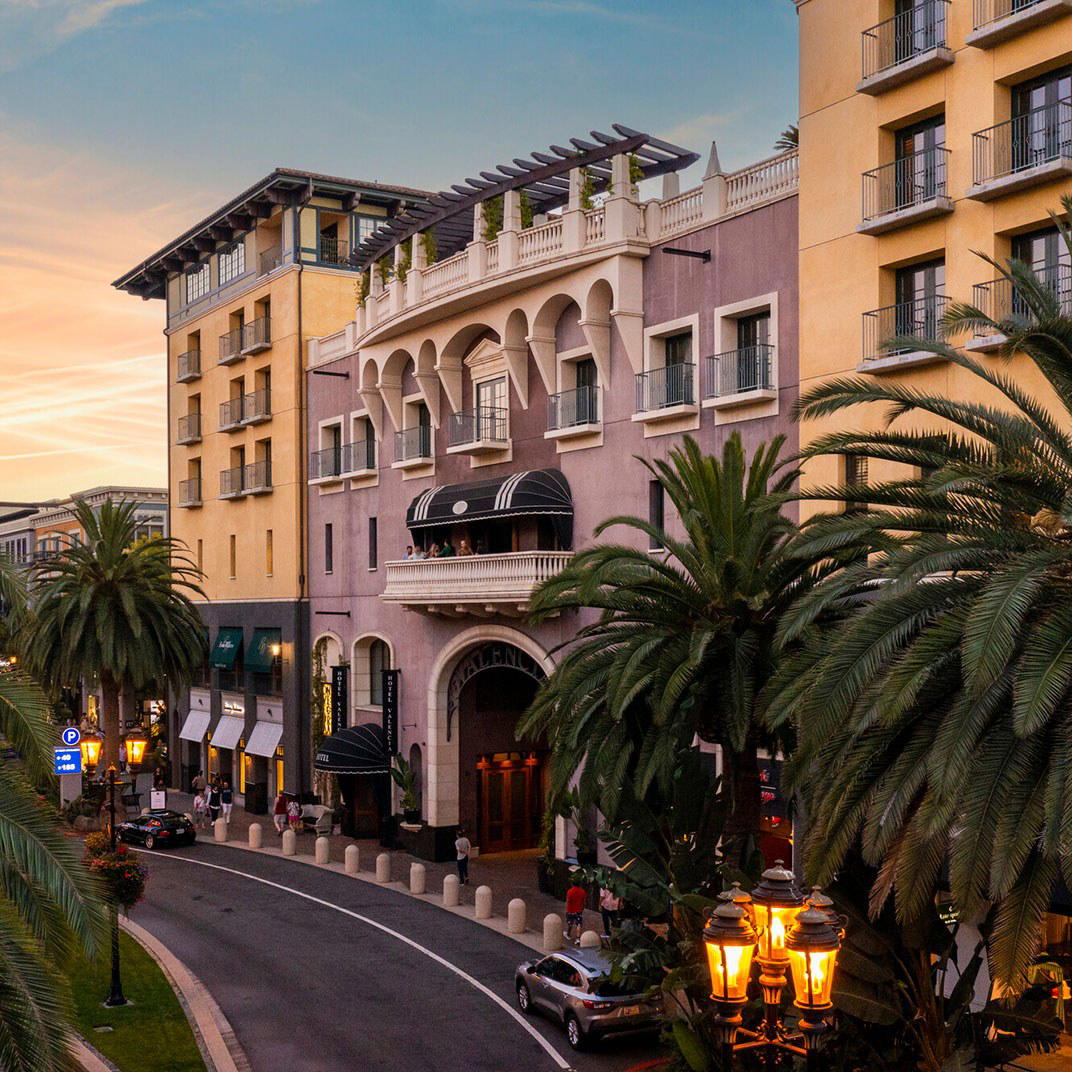
At a Glance
- Classic
- Cozy
- Well Known
- Casual Hangout
- Family
- Historic Building
- Sake Program
Current opening hours
- Monday
- Closed
- Tuesday
- 11:15 AM–1:15 PM, 5–8 PM
- Wednesday
- 11:15 AM–1:15 PM, 5–8 PM
- Thursday
- 11:15 AM–1:15 PM, 5–8 PM
- Friday
- 11:15 AM–1:15 PM, 5–8:30 PM
- Saturday
- 11:15 AM–1:15 PM, 5–8:30 PM
- Sunday
- Closed
Hours can change for holidays and private events. Last verified .
Friendly neighborhood spot with a warm, everybody-knows-your-name atmosphere, traditional decor, and homey Japanese comfort food.