La Foret
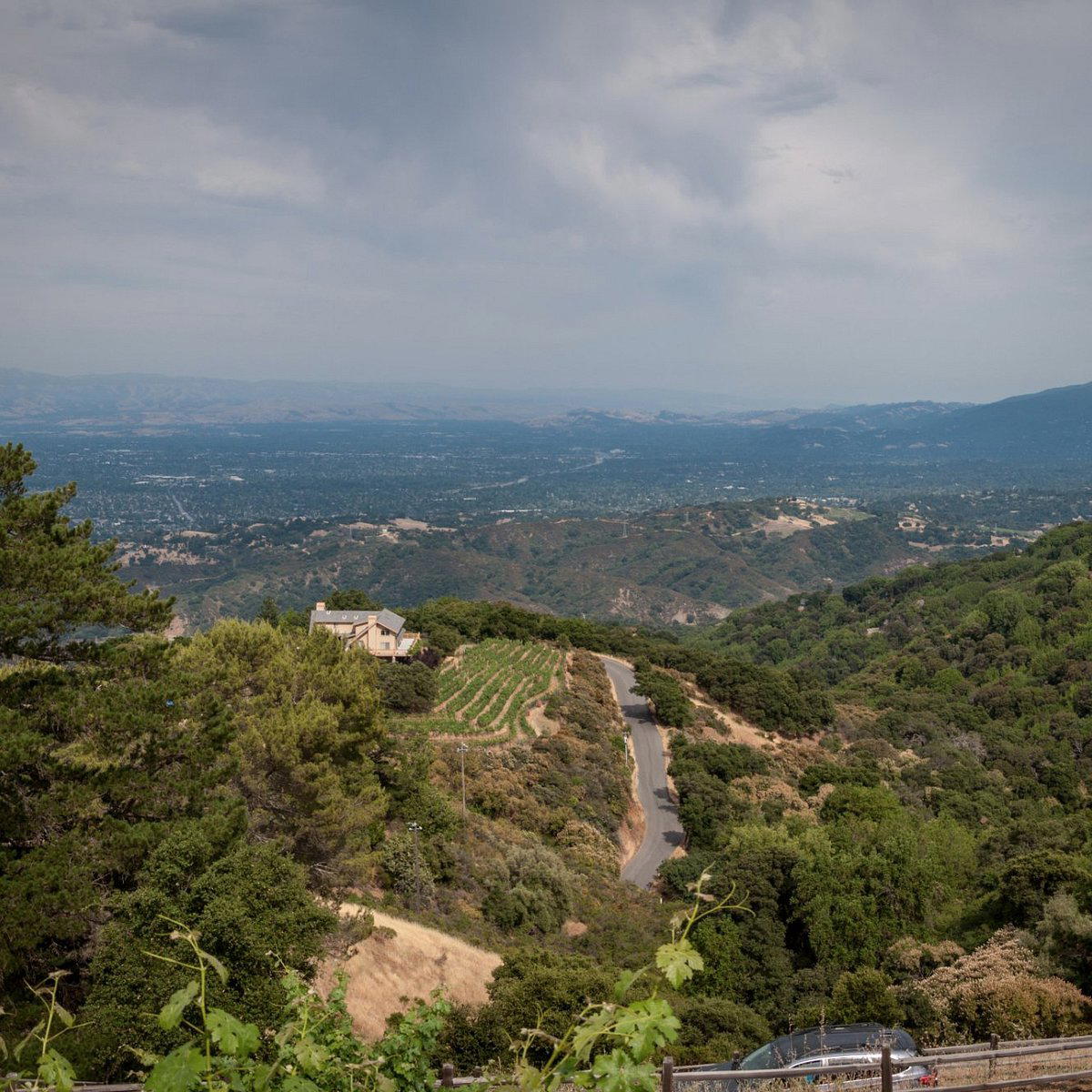
La Foret occupies a converted Victorian home in the Almaden Valley foothills south of downtown San Jose, placing it among a small cohort of California destination restaurants where the setting and the menu carry equal weight. The address alone — 21747 Bertram Road — signals remove from the city's tech-corridor dining, and that distance is part of the proposition.
Pearl is the En Primeur Club membership app — saves, bookings, and concierge access live there. Same editors, same standards.
- Address
- 21747 Bertram Rd, San Jose, CA 95120
- Phone
- +14089973458
- Website
- laforetrestaurant.com
- Directions
- Get directions
 Saves & bookings on Pearl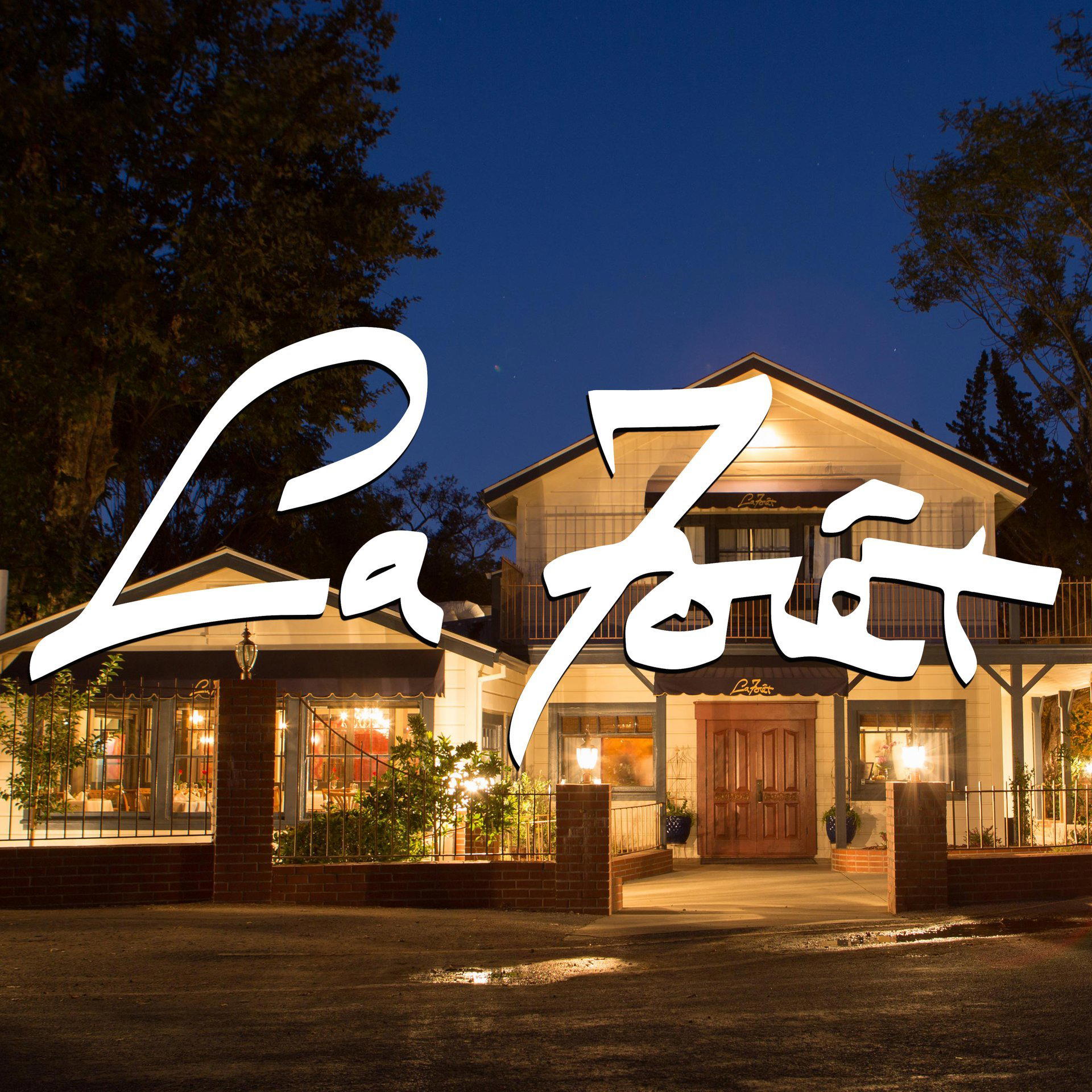
Arriving at the Edge of the Valley
The drive to La Foret on Bertram Road, winding through the Almaden Valley into the southern foothills of San Jose, already signals that the meal ahead operates on different terms than the city's downtown corridors. California's premium dining scene has historically split between urban tasting-counter formats — dense, fast-paced, built for efficiency — and destination properties where physical remove is part of the design. La Foret belongs firmly to the latter category. A Victorian-era building set against hillside oak and eucalyptus, it positions itself against a peer group that includes properties like Single Thread Farm in Healdsburg and Blue Hill at Stone Barns in Tarrytown, where the address is not incidental but editorial, it tells you something about the food before you sit down.
That kind of destination framing imposes a standard. Restaurants that ask guests to travel, whether thirty minutes from downtown San Jose or several hours across a state, must justify the distance through a coherent sense of place. The leading examples in this format integrate setting, sourcing, and menu structure so tightly that the experience reads as specific to its location. The Almaden Valley's terrain, its proximity to the Santa Cruz Mountains, and its separation from Silicon Valley's density give La Foret a context to work with that few urban San Jose addresses can match.
How the Menu Is Built, and What That Reveals
Menu architecture in destination restaurants of this type tends to follow a recognizable grammar. Multi-course tasting formats predominate, with the progression designed to move from restraint to richness, from lighter preparations to more structurally complex dishes. This isn't arbitrary, it reflects both a classical French organizing principle and a practical understanding that guests who've driven out of the city are committing to time, not just a meal. That extended arc is what separates destination dining from the single-dish urgency of a neighborhood spot.
La Foret's position in the San Jose dining ecosystem becomes clearer when mapped against its local comparison set. The city has a range of quality restaurants, Adega (Portuguese), which holds Michelin recognition and represents the city's most formally ambitious dining; Augustine; Alma de Amón; and casual-accessible options like Antipastos by DeRose, Back A Yard Caribbean Grill. La Foret occupies a tier defined less by price competition with these addresses and more by experiential proposition: it is not a restaurant you drop into. The foothills address and the Victorian dining room frame the meal as an occasion, which imposes a certain discipline on the kitchen to deliver at that register.
Nationally, the template La Foret works within has strong precedent. The French Laundry in Napa established that California could sustain rigorous, multi-hour destination dining. Alinea in Chicago and Atomix in New York City demonstrate that the format works across cities when the menu architecture and service standards align. Providence in Los Angeles, Addison in San Diego, and The Inn at Little Washington each show how a sense of remove and architectural setting can anchor a kitchen's identity. La Foret draws on a comparable logic, the room and the route are not separate from the menu, they are part of how the menu is framed and received.
For readers exploring the broader category of formally structured American destination dining, Le Bernardin in New York City, Emeril's in New Orleans, and Lazy Bear in San Francisco each offer useful points of comparison across different regional traditions and price tiers.
What San Jose's Dining Geography Means for a Restaurant Like This
San Jose sits in an interesting position within California's dining hierarchy. It is the largest city in the Bay Area by population but has long operated in the shadow of San Francisco's food culture. That dynamic has gradually shifted. A cluster of quality-forward addresses, including Michelin-recognized Adega and the more eclectic range of options across downtown and Willow Glen, has built a local dining culture capable of sustaining ambitious restaurants. La Foret benefits from and contributes to that context. Its Almaden Valley location draws from a broader geographic catchment than a strictly neighborhood restaurant, guests come from across the South Bay and beyond, which means the kitchen is not dependent on residential foot traffic but must maintain a consistent reputation to pull diners from a distance.
That dynamic shapes everything from reservation density to menu pricing. Destination restaurants that draw from wide catchment areas tend to operate with longer booking windows than urban walk-in or neighborhood spots, because guests plan around the occasion rather than acting on impulse. For a full survey of where La Foret sits within San Jose's range of options, our full San Jose restaurants guide maps the city's dining by category and neighborhood.
Planning the Visit
The Bertram Road address requires a car or a directed ride from downtown San Jose, there is no practical transit route to the Almaden Valley foothills. Guests coming from outside the South Bay should account for the drive in both directions when planning the evening, as multi-course destination formats typically run two to three hours at the table. Advance reservations are advisable; destination properties in this format tend to book out across weekends several weeks ahead, and the room's capacity in a converted Victorian setting is inherently limited. Specific hours, current booking methods, and pricing are best confirmed directly with the restaurant before planning travel, as those details fall outside what can be reliably published here.
- Ahi Tuna
- Lobster Tail
- Quail with Huckleberry Sauce
- Prawns
- Soufflé Grand Marnier
- Fruit De Mer
Continue exploring
More in San Jose
Restaurants in San Jose
Browse all →
Bars in San Jose
Browse all →
Hotels in San Jose
Browse all →
At a Glance
- Romantic
- Classic
- Elegant
- Intimate
- Scenic
- Date Night
- Special Occasion
- Celebration
- Business Dinner
- Private Dining
- Historic Building
- Garden
- Terrace
- Extensive Wine List
- Sommelier Led
- Garden
Current opening hours
- Monday
- Closed
- Tuesday
- 5–9 PM
- Wednesday
- 5–9 PM
- Thursday
- 5–9 PM
- Friday
- 5–10 PM
- Saturday
- 5–10 PM
- Sunday
- 5–9 PM
Hours can change for holidays and private events. Last verified .
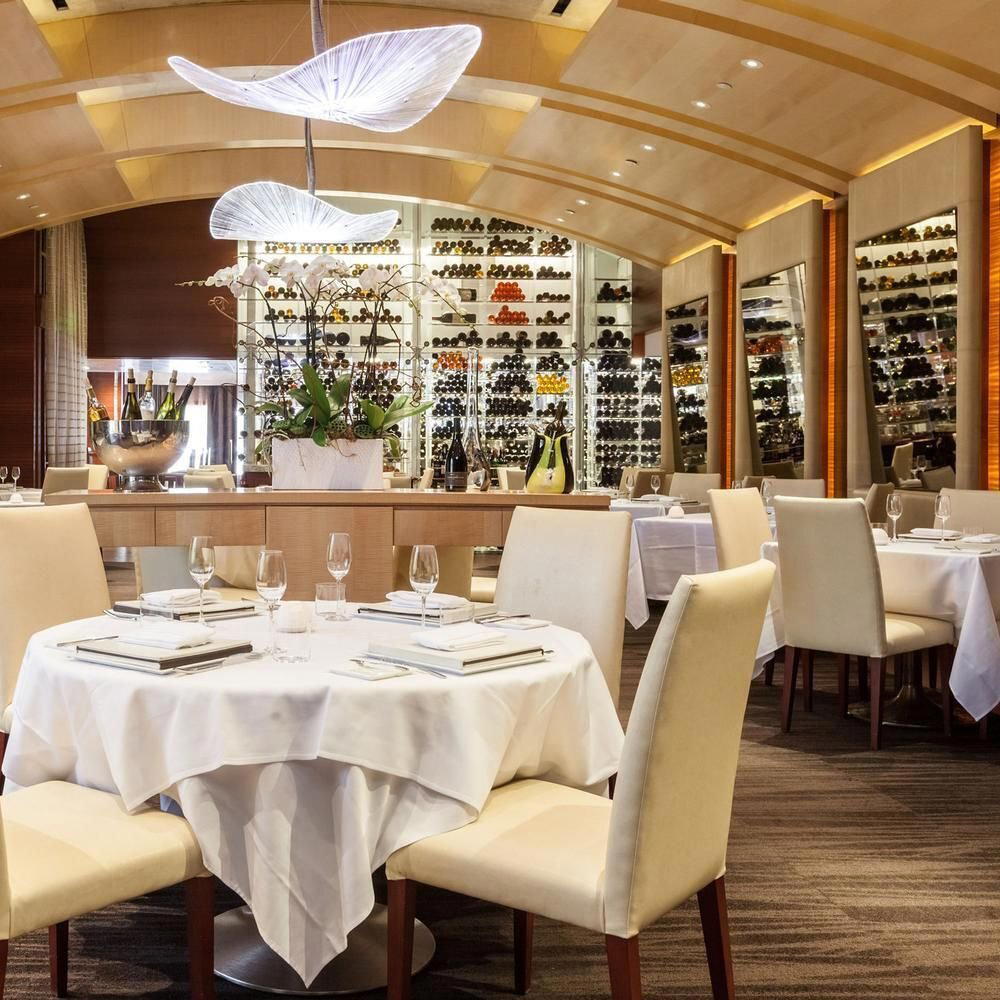
Elegant and intimate with white tablecloths, dark walls, fireplaces, Victorian-style furnishings, and soft lighting that evokes a timeless European country estate.
Know Before You Go
- Getting there
- 21747 Bertram Rd, San Jose, CA 95120