
Ashiya’s bread culture rewards small-format shops where sourcing, fermentation, and morning rhythm matter more than dining-room ceremony. wada belongs in that conversation through its Tabelog Bread WEST “Tabelog 100” selections in 2020 and 2022, a take-out format, and a counter-style bakery setting along the Ashiya River.
Pearl is the En Primeur Club membership app — saves, bookings, and concierge access live there. Same editors, same standards.
- Address
- 兵庫県芦屋市松ノ内町4-5 アーベイン芦屋川 1F
- Phone
- +81797316300
- Website
- tabelog.com
 Saves & bookings on Pearl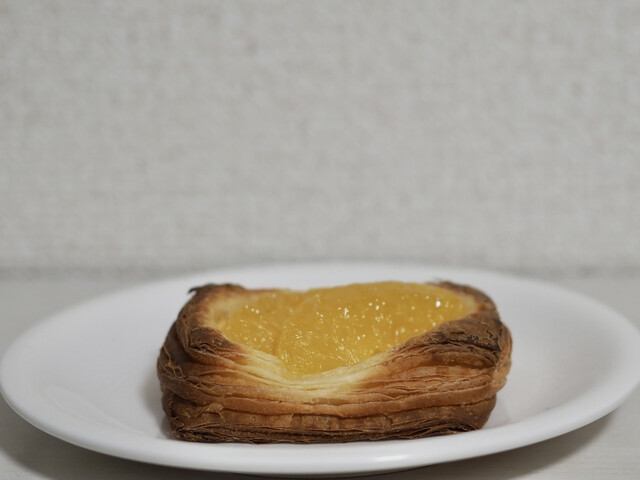
Approaching the Ashiya River side of town, the bakery rhythm feels different from a city-centre pastry crawl. The scale is residential, the pace is morning-led, and the appeal sits in daily bread rather than dessert theatre. wada fits that Ashiya pattern: a small counter-style bakery where the transaction is brief, the format is take-out, and the serious question is what the bread says about flour, fermentation, and the Kansai habit of treating bakeries as part of neighbourhood life.
Japan’s bread culture is not a borrowed footnote to French technique. It has its own hierarchy: shokupan specialists, viennoiserie-led counters, natural-yeast bakeries, and compact shops that work like morning provisions rather than café destinations. In Ashiya, that hierarchy has a particular edge because the city sits between Kobe’s long-running bread culture and the domestic expectations of an affluent residential market. Recognition on Tabelog’s Bread WEST “Tabelog 100” list in 2020 and 2022 places this shop within western Japan’s serious bakery circuit, not merely the local errand route.
Ashiya bread culture is built on restraint, not spectacle
The better way to read a bakery like this is through format. A counter-style shop narrows the experience: no extended dining room, no long menu performance, no chef biography carrying the narrative. The bread has to do the work quickly. That puts pressure on sourcing and execution, especially in Japan, where imported wheat, domestic wheat, butter quality, proofing, and texture are judged with close attention by regulars who buy bread for breakfast as much as for gifting.
The ingredient story matters because bread is unforgiving. A restaurant can hide weak produce under sauce or service; a bakery has fewer places to escape. Flour choice affects chew, aroma, and keeping quality. Fermentation affects digestibility and structure. Butter and dairy show immediately in laminated doughs and soft breads. Without naming unverified suppliers or inventing a house style, the relevant point is that inclusion in a regional bread award list signals consistency in a category where customers compare shops across suburbs, train lines, and morning routines.
Ashiya’s dining map also helps explain the appeal. The city has polished sit-down rooms such as Abon, international neighbourhood addresses like Baan thai ASHIYA, and higher-spend Italian dining in the same local orbit. Bread sits on a different axis. It is low-ticket, repeatable, and tied to household rhythm. Against comparison venues such as Ristorante Bellini or raffinato, the bakery format is not competing for evening ceremony. Against Bigo no Mise Honten, it belongs to Ashiya’s more meaningful bakery conversation: how western bread traditions were absorbed, localized, and made part of daily life in Hyogo.
The counter format puts the buying decision up front
Small bakeries reward early, decisive ordering. The counter arrangement changes the social contract: customers read the selection, choose quickly, and leave with bread rather than settling in. That format suits Ashiya, where the bakery run can sit between school drop-off, a river walk, and the Hankyu line. The absence of reservations is not a flaw in this category; it is part of how serious bakeries operate when production is finite and demand concentrates in the morning.
For travellers, this is the useful distinction. A destination restaurant asks for planning around a meal; an Ashiya bakery asks for timing around the day. The shop opened in 2010, which gives it enough tenure to be judged beyond novelty, and its Tabelog score of 3.63 sits in a Japanese rating culture where modest-looking numbers can still indicate meaningful approval, particularly in specialist categories. The spending bracket is low by Ashiya dining standards, which makes repeat custom and breadth of selection more relevant than a single showpiece order.
There is also a family-friendly practicality to the format. Children are welcome, the premises are non-smoking, and take-out keeps the visit short. That matters in a city where a morning can easily combine a bakery stop with broader local exploring. Readers mapping a wider day can use Our full Ashiya restaurants guide for meal planning, Our full Ashiya hotels guide for nearby stays, Our full Ashiya bars guide for later drinking, Our full Ashiya wineries guide for wine-led context, and Our full Ashiya experiences guide for non-restaurant planning.
How to place it within a Kansai food day
The sensible editorial use of wada is not as a substitute for lunch or dinner, but as a calibration point. It shows how Ashiya eats when the occasion is not formal: bread bought over the counter, carried out, and folded into the day. That is a different kind of value from the tasting-menu or hotel-restaurant model, and it is often more revealing of a city’s standards. A bakery selected for Tabelog Bread WEST “Tabelog 100” is being judged within a dense regional field, where Kobe, Osaka, Kyoto, and suburban Hyogo all influence expectations.
For a broader Kansai and Japan itinerary, compare category rather than cuisine. BACKEREI BIOBROT and Bigo no Mise Honten keep the Ashiya bread thread local, while Choyuro Ashiya beiko-to kurabu hoteru&supa rizo-to points to the city’s more leisure-oriented hospitality side. Further afield, the useful comparison is not taste but format:.cafe in Osaka for café pacing. 鮪と炭火焼き うお炭 秋葉原店 in Tokyo for urban casual dining.know in Kumamoto for regional specificity, (Shoku) Vietnam in Kawasaki for imported food traditions in Japan, and [Curry Senmon Ten] Maruyama Kyoju. in Sapporo for another specialist counter logic.
Internationally, the same lesson applies. Places such as Jōdo Saké Bar in Los Angeles and Onigiri Time in Pasadena translate Japanese drinking or snack formats abroad, but Ashiya’s bakery culture works in the opposite direction: western bread methods absorbed so thoroughly that they read as local routine. That is why this stop carries more weight than its modest spend suggests. It is a compact lens on how Hyogo eats when luxury is not the point and standards are set by repetition.
Comparison Snapshot
Comparable venues by cuisine and price in the same metro.
| Venue | Cuisine | Price | Notes |
|---|---|---|---|
| wadaThis venue — the venue you are viewing | Artisanal Japanese bakery | $ | Not listed |
| Pan Time | Bakery & sandwich shop | $ | /null |
| Poche du Reve | Japanese-French patisserie & baked sweets | $ | Kokocho / Ashiya Station area |
| BACKEREI BIOBROT | Organic German-style bakery | $$ | /Miyazukacho |
| Baan thai ASHIYA | Authentic Thai Restaurant | $$ | Kawanishicho |
| Bigo no Mise Honten | Japanese Bakery | $ | Ashiya |
Recognition history
Dated appearances from independent guides and award organizations, with the underlying list record or original source where available.
Tabelog 100 #88 · No. 88
Tabelog · Tabelog 100 - Bread - WEST - 2022
Continue exploring
More in Ashiya
Restaurants in Ashiya
Browse all →



Bars in Ashiya
Browse all →



Hotels in Ashiya
Browse all →


Wineries in Ashiya
Browse all →

At a Glance
- Cozy
- Scenic
- Solo
- Family
- Casual Hangout
- After Work
- Waterfront
- Standalone
- Waterfront
- Street Scene
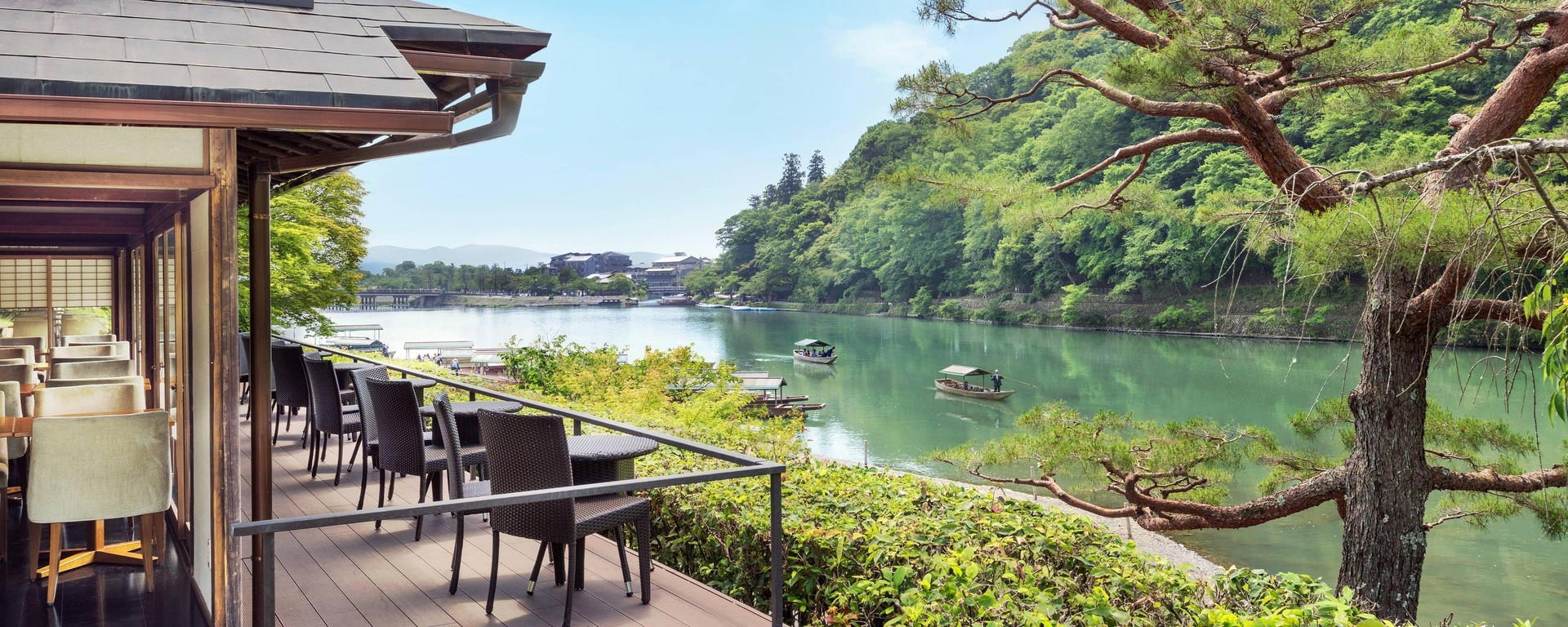
A small counter‑style bakery with a relaxed, non‑smoking atmosphere and a pleasant view of the Ashiya River, feeling cozy yet bright and airy thanks to its riverside location.