
Ashiya’s bread culture sits closer to daily craft than destination dining, and Pan Time belongs to that low-price, high-precision lane. Its Tabelog 100 Bread WEST 2022 selection, bread-and-sandwich format, take-out service, and sub-JPY 999 average spend make it a sharp counterpoint to the city’s formal restaurant tier.
Pearl is the En Primeur Club membership app — saves, bookings, and concierge access live there. Same editors, same standards.
- Address
- 10-6 Chayanocho, Ashiya, Hyogo 659-0067, Japan
- Phone
- +81 797-38-3438
- Website
- instagram.com
 Saves & bookings on Pearl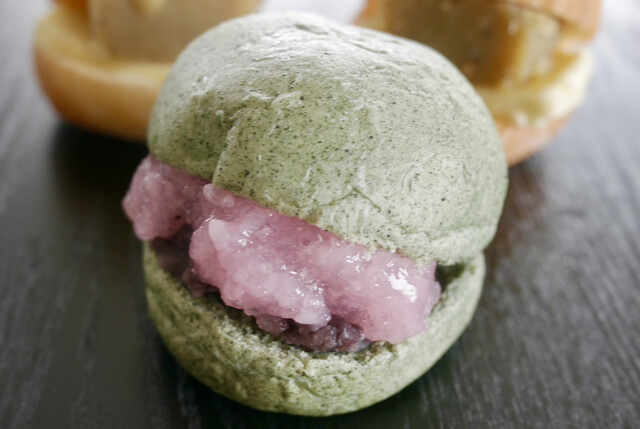
Chayanocho is the kind of Ashiya pocket where the bakery run matters as much as the lunch reservation. The rhythm is daytime, local, and practical: bread bought for home, sandwiches carried away, small decisions made at the counter rather than over a long menu. In that setting, Pan Time reads less as a detour than as evidence of how seriously the Hanshin corridor treats everyday baking.
Ashiya can look polished from the outside, with restaurant prices that climb quickly at formal counters and kappo-style rooms. The useful contrast is not between luxury and simplicity, but between two forms of discipline. Tempura Sakurabito sits in a JPY 20,000 to JPY 29,999 bracket, while Kiichi and Unfalo operate in higher dinner-price territory. Pan Time works at the other end of the scale, with an average spend listed below JPY 999, yet it carries a Tabelog 100 Bread WEST 2022 selection. That combination explains its place in the city: a bakery judged within a serious regional bread field, not a casual add-on to Ashiya’s restaurant scene.
Ashiya bread culture, measured by daily demand rather than dining-room theatre
Japan’s bakery tradition has never been a straight imitation of France or Germany. It absorbed European technique, then folded it into commuter habits, lunch boxes, family shopping, and the precise Japanese appetite for texture. In affluent residential cities such as Ashiya, that means bread shops are often judged with the same fussiness applied to sushi rice or tempura batter, only at a price that invites repeat visits.
Pan Time’s category listing is blunt: bread and sandwiches. That matters. A bakery with a sandwich counter has to satisfy two audiences at once, the shopper buying for later and the customer solving lunch on the spot. The format rewards breadth, freshness, and turnover rather than ceremony. It also places ingredient sourcing in a more exposed position than many restaurant formats. Fillings, flour, dairy, vegetables, and spreads are not hidden behind courses or plating language; they have to make sense in direct, portable form.
The Tabelog 100 Bread WEST 2022 recognition is the key external signal here. Hyakumeiten selections are category-based, so the comparison is not against Ashiya’s expensive restaurants but against bakeries across western Japan. For travelers using Ashiya as a base between Kobe, Nishinomiya, and Osaka, that recognition gives the stop a clearer purpose: this is a bread specialist in a region where bakery standards are already high.
Ingredient choices matter more when the format is bread and sandwiches
Ingredient sourcing is often discussed in tasting-menu language, but bakeries make the issue more democratic. Bread exposes fermentation, flour character, salt balance, fat, and moisture management without much cover. Sandwiches add another test: whether the fillings support the bread rather than flatten it. No signature item is publicly listed here, so the better reading is category-led rather than dish-led. The point is the bakery’s placement inside a recognized bread field, not a single named order.
That category-led approach also separates the restaurant from the city’s more formal meal structures. Shokudo Kifune, Unfalo, Kiichi, and Tempura Sakurabito ask the diner to commit to a sit-down occasion and a larger spend. A bakery visit is more elastic. It can be breakfast, a train snack, a family errand, or a low-risk way to read a city’s palate before dinner. Ashiya’s appeal is partly that these registers coexist within a small radius: serious bread by day, higher-priced Japanese and European-leaning rooms by night.
There is a practical confidence in the house rules. Take-out is part of the service model, children are welcome, pets are accepted, the room is non-smoking, and photography is prohibited, including the exterior. That last detail says plenty about the intended experience. This is not a backdrop for a feed; it is a functioning local bakery with enough recognition to draw attention and enough self-definition to control how that attention behaves.
How to fold it into an Ashiya day
The useful way to plan the restaurant is around Ashiya’s geography rather than around a long meal. The shop is in Chayanocho, with Hanshin Ashiya and JR Ashiya both workable access points, and the listed operating pattern is daytime service from Wednesday through Sunday. The relocation in September 2009 moved it closer to Hanshin Ashiya, another reminder that local transit and neighborhood shopping habits shape the bakery more than destination-restaurant choreography.
Payment and logistics are part of the read. Credit cards and electronic money are not accepted, while PayPay is listed; parking exists but only for a handful of cars. Reservations are listed as available, though for a bread-and-sandwich format the smarter expectation is to treat the visit as a daytime purchase rather than a formal meal. The price point keeps it accessible, but the award signal means timing matters: bakery counters are at their strongest when selection and turnover align.
For a broader Ashiya eating map, compare this bakery lane with nearby editorial entries such as BACKEREI BIOBROT, Bigo no Mise Honten, Abon, Baan thai ASHIYA, and Choyuro Ashiya beiko-to kurabu hoteru&supa rizo-to. The wider planning rails are useful too: Our full Ashiya restaurants guide, Our full Ashiya hotels guide, Our full Ashiya bars guide, Our full Ashiya wineries guide, and Our full Ashiya experiences guide. Readers comparing casual Japanese formats beyond Hyogo can also scan -Grilled beef Sukiyaki- KAMAKURA TANUKIAN 鎌倉 たぬき庵 in Kamakura. 鮪と炭火焼き うお炭 秋葉原店 in Tokyo.cafe in Osaka.know in Kumamoto, (Shoku) Vietnam in Kawasaki, [Curry Senmon Ten] Maruyama Kyoju. in Sapporo, Jōdo Saké Bar in Los Angeles, and Onigiri Time in Pasadena.
The editorial case is simple: the restaurant is not where Ashiya dresses up. It is where the city’s standards show at daily scale, through bread, sandwiches, pricing discipline, and a regional award that puts a modest counter into a larger western Japan conversation.
How It Stacks Up
Nearby venues at a similar price tier for orientation.
| Venue | Cuisine | Price | Notes |
|---|---|---|---|
| Pan TimeThis venue — the venue you are viewing | Bakery & sandwich shop | $ | Not listed |
| Do Sanjin Ashiya ten | Japanese Soba | $ | Ashiya |
| wada | Artisanal Japanese bakery | $ | Ashiya Gawa |
| BACKEREI BIOBROT | Organic German-style bakery | $$ | /Miyazukacho |
| Baan thai ASHIYA | Authentic Thai Restaurant | $$ | Kawanishicho |
| Bigo no Mise Honten | Japanese Bakery | $ | Ashiya |
Recognition history
Dated appearances from independent guides and award organizations, with the underlying list record or original source where available.
Tabelog 100 #89 · No. 89
Tabelog · Tabelog 100 - Bread - WEST - 2022
Continue exploring
More in Ashiya
Restaurants in Ashiya
Browse all →

Bars in Ashiya
Browse all →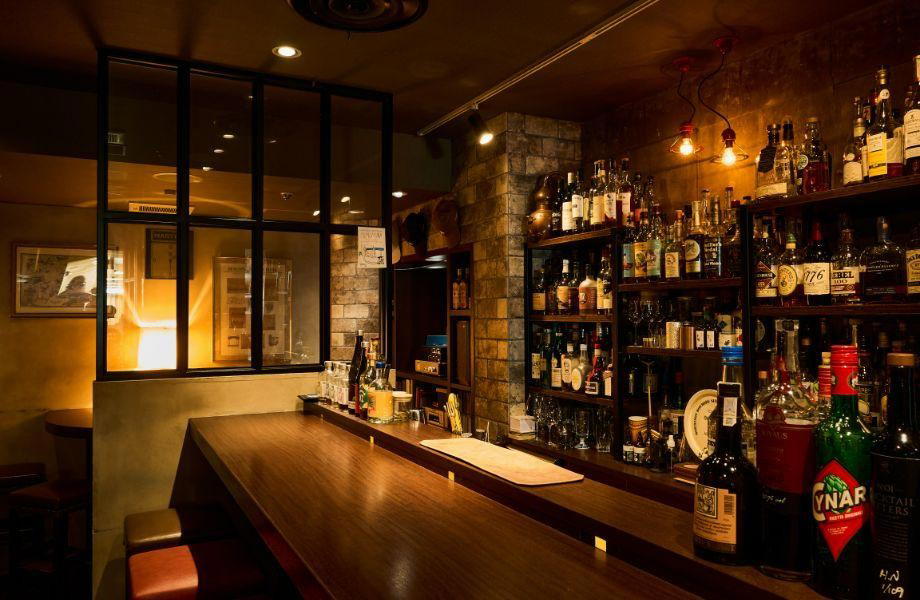
Hotels in Ashiya
Browse all →


Wineries in Ashiya
Browse all →

At a Glance
- Casual Hangout
- Solo
- Family
- After Work
- Standalone
Current opening hours
- Monday
- Closed
- Tuesday
- Closed
- Wednesday
- 8 AM–6 PM
- Thursday
- 8 AM–6 PM
- Friday
- 8 AM–6 PM
- Saturday
- 8 AM–6 PM
- Sunday
- 8 AM–6 PM
Hours can change for holidays and private events. Last verified .
A compact, casual bakery shop atmosphere with people often lining up, focused on takeaway bread and sandwiches rather than lingering dine‑in.