
Tabelog 100 #8
Our verdict
Wa Dining Seino Honten places Arida on Japan’s serious ramen map without borrowing the polish of a city counter. Its Tabelog Ramen WEST 100 selections in 2024 and 2025 put a small Wakayama room into a regional conversation where local noodle traditions, accessible pricing, and ingredient discipline matter more than ceremony.

Pearl is the En Primeur Club membership app — saves, bookings, and concierge access live there. Same editors, same standards.
- Address
- 510 No, Arida, Wakayama 649-0314, Japan
- Phone
- +81 737-83-4447
- Hours
- Daily 11 AM–2 PM, 6–8:30 PM
- Website
- x.com
- Directions
- Get directions
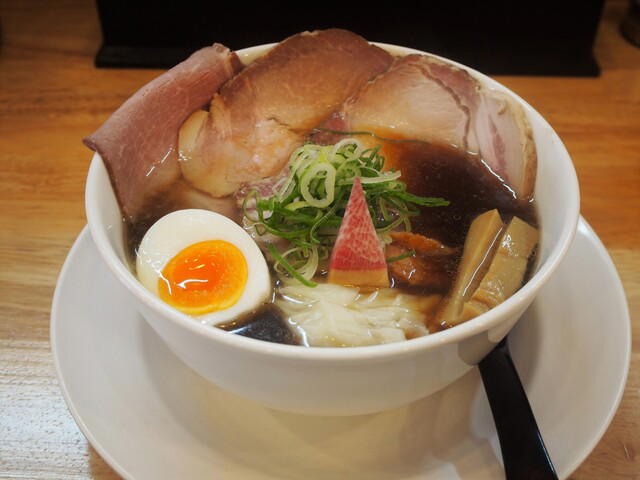
Approaching ramen in Arida means leaving behind the density of Osaka and Kyoto and reading a quieter kind of food geography: low buildings, car-led access, local routines, and the expectation that a bowl should justify the trip without theatrical staging. Wa Dining Seino Honten fits that setting as a local dining room rather than a metropolitan ramen bar built for turnover alone.
That context matters. Wakayama ramen has long occupied a distinct lane inside western Japan’s noodle culture, often associated with everyday pricing and a clientele that does not separate serious eating from regular meals. Arida adds another layer: this is not a tourist-first city where ramen becomes a performance of local identity. A restaurant recognized in Tabelog’s ramen category for 2025 carries weight here because the recognition pulls a regional shop into a field often shaped by larger food cities.
Regional ramen discipline, not destination theatrics
The more interesting story is not that Arida has an acclaimed ramen shop, but that western Japan’s ramen conversation has broadened beyond the predictable urban addresses. Tabelog’s ramen recognition functions as a useful signal because it groups shops by category and region rather than by luxury cues. In that frame, Wa Dining Seino Honten sits among ramen specialists where consistency, local following, and noodle-shop credibility carry more authority than service choreography.
The ingredient question should be read through ramen’s structure rather than through a named farm list. In this category, sourcing shows up in the balance between broth base, tare, noodles, fat, and toppings; the restaurant’s public recognition suggests that those decisions have landed with enough consistency to place it inside a recognized ramen cohort. That is a different kind of prestige from Michelin-style tasting menu recognition. It rewards repeatability, clarity, and a bowl that can be eaten without needing an occasion.
Arida’s position also changes the value calculation. In larger cities, ramen acclaim can quickly become a queue economy, with visitors treating a bowl as a trophy. Here, the same category operates with less spectacle. The appeal is broad, not coded for collectors only. That distinction separates it from more formal out-of-metro dining references such as Hotel de Yoshino, while keeping it in a practical conversation with casual regional names such as Kissa Orino, Tonkatsu So Fujimaru, and other Arida dining rooms.
Why the Arida setting sharpens the argument
Small-city ramen can be harder to judge from afar because it does not always produce the obvious signals international diners expect: chef biographies, English menus, polished reservation systems, or named signature dishes. The better measure is whether the place holds regional attention over time. Its 2025 Tabelog recognition and listed score of 3.66 give a current signal rather than relying on atmosphere alone.
For travellers mapping food around Wakayama, that makes Wa Dining Seino Honten a specific kind of stop: not a grand detour built around luxury, but a grounded ramen address with enough external recognition to justify planning around it. The comparison with Chuka Soba Senmon Ten Ide Shoten is useful at category level, since both sit inside the broader Wakayama ramen discussion, though the decision for visitors depends on route, timing, and appetite for a more local Arida stop.
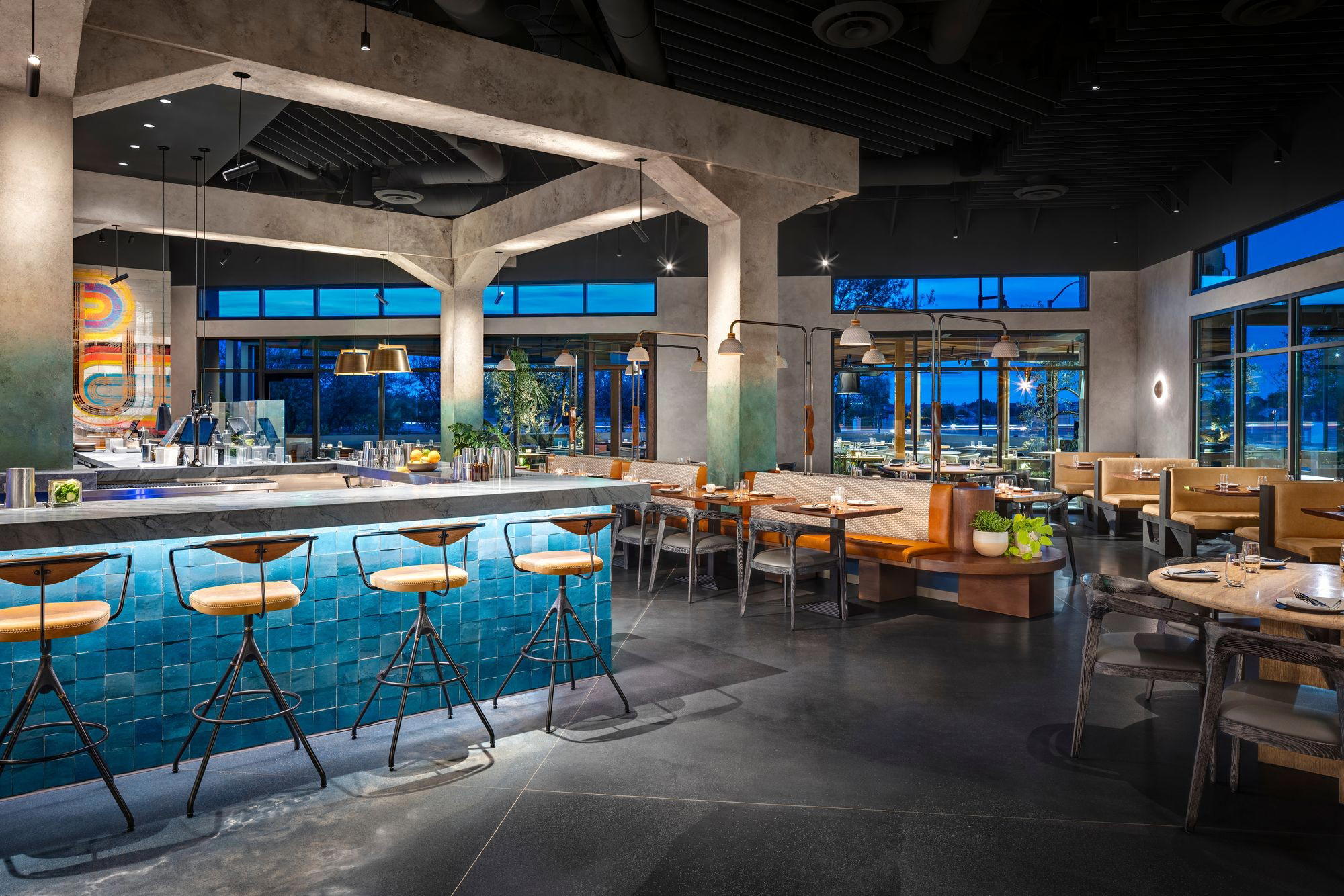
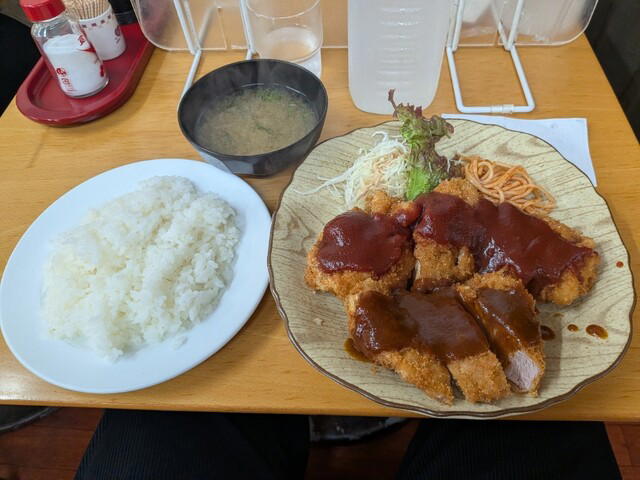
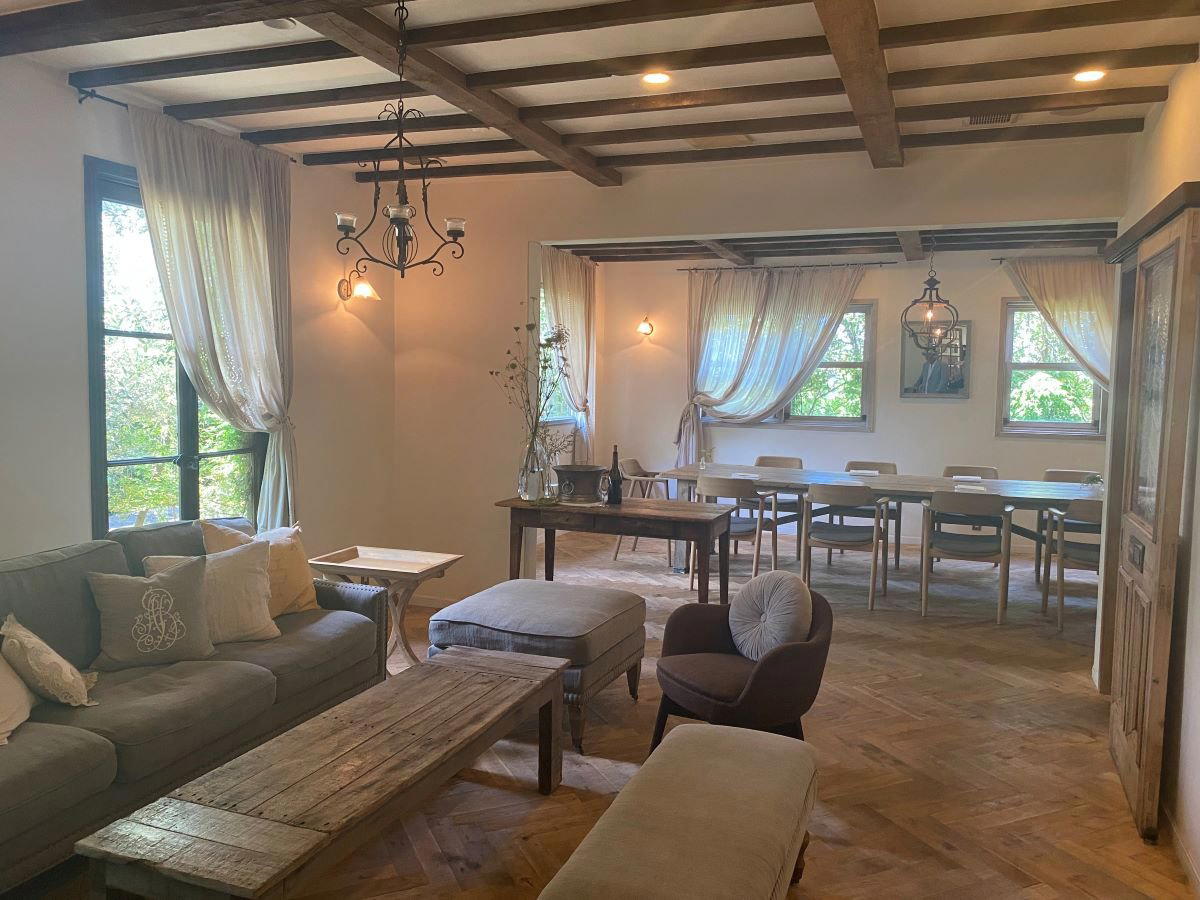
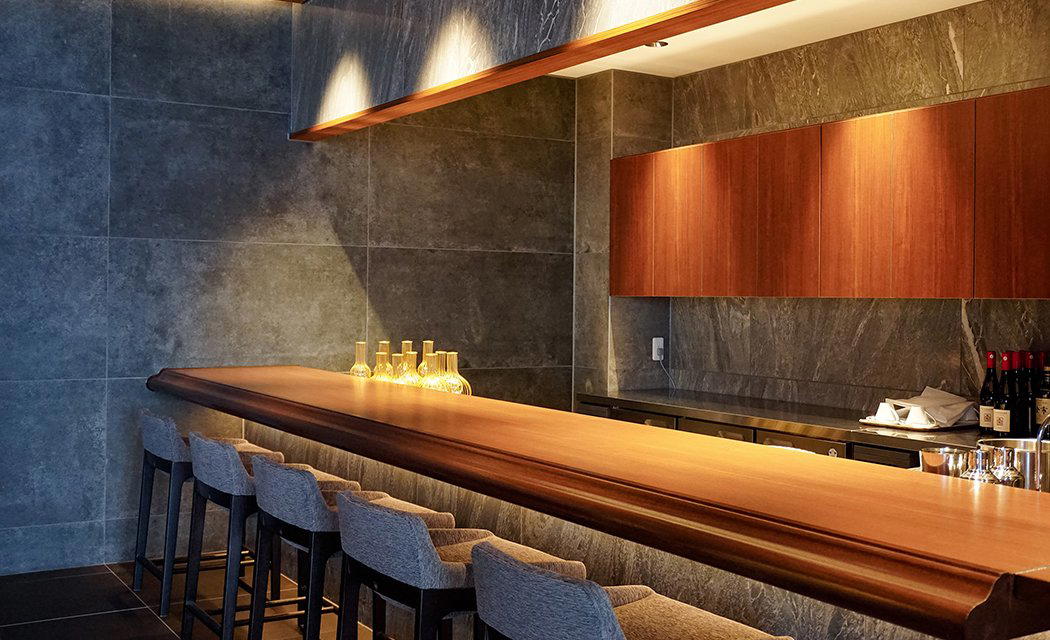
The room should be understood in broad, casual terms rather than as a stage set for destination dining. That matters in a regional restaurant. It suggests a place built for ordinary meals as much as pilgrimage, which is often where Japanese ramen culture is at its strongest: a serious bowl served in a setting that does not ask the diner to perform seriousness back.
How to place it in a wider Japan food itinerary
Arida is unlikely to be the only stop on a food-focused trip, so the smarter move is to treat this as a regional anchor rather than an isolated trophy meal. Use Our full Arida restaurants guide to build around it, then decide whether the rest of the day belongs to coastal Wakayama, Kishu fruit country, or a slower route through smaller towns. For non-restaurant planning, Our full Arida hotels guide, Our full Arida bars guide, Our full Arida wineries guide, and Our full Arida experiences guide keep the city in proportion.
Readers building a broader Japan dining file can also compare how regional, casual formats differ across the country: other casual dining rooms in Kamakura, Tokyo, Osaka, Kumamoto, Kawasaki, Sapporo, Kyoto, Kashihara, Kanazawa, Yokohama, and Kutchan all show how local context changes expectations around service, price, and format. For a trans-Pacific reading of Japanese casual formats, overseas Japanese-influenced dining can show the same shift in expectations around service, price, and format.
The editorial verdict is simple: Wa Dining Seino Honten is strongest for travellers who care about ramen as regional infrastructure, not just as a famous bowl to collect. Its 2025 recognition, accessible budget, and Arida location make it a useful marker of how serious Japanese food culture often lives outside the country’s obvious dining capitals.
Frequently asked questions
Is Wa Dining Seino Honten a family-friendly restaurant?
Wa Dining Seino Honten reads as a casual ramen stop in Arida. For current suitability for children, groups, or specific seating needs, check the venue's official channels before visiting.
Is Wa Dining Seino Honten formal or casual?
It reads as casual rather than formal. The listed budget is Dinner: JPY 1,000 - JPY 1,999; Lunch: JPY 1,000 - JPY 1,999, which places it in an accessible everyday bracket.
What price level is Wa Dining Seino Honten?
Pricing at Wa Dining Seino Honten is listed as JPY 1,000 - JPY 1,999 JPY 1,000 - JPY 1,999 View spending breakdown.
What time does Wa Dining Seino Honten open and close?
Current opening hours are not provided here. Check the venue's official channels or current listings before making a special trip.
Where is Wa Dining Seino Honten in Arida?
Arida.
What makes Wa Dining Seino Honten worth seeking out?
The main draw is its 2025 recognition in Tabelog's ramen category, alongside a listed score of 3.66 and an accessible lunch and dinner budget. That makes it a serious regional stop rather than a random lunch choice.
At-a-Glance Comparison
Comparable venues by cuisine and price in the same metro.
| Venue | Cuisine | Price | Awards | Notes |
|---|---|---|---|---|
| Wa Dining Seino HontenThis venue — the venue you are viewing | Ramen | $10–20 | Tabelog 100 #8 | Not listed |
| Gyoza Hohei (ぎょうざ 歩兵) | Gyoza specialty shop | $10–20 | Tabelog 100 #38 | Gion |
| 菊屋 | Traditional Japanese Noodles (Chanpon & Udon) | Not listed | Not listed | 中央町 (Chuo-cho) |
| Tonkatsu So Fujimaru | Casual Tonkatsu & Yoshoku | Not listed | Not listed | Wakayama (central business district) |
| Kitchen Nankai (キッチン南海) | Japanese Yoshoku | $1–10 | Tabelog 100 #88 | Jimbocho |
| Uogashi Nihon-ichi (魚がし日本一) | Standing Sushi Bar | $10–20 | Not listed | Shibuya |
Recognition history
Dated appearances from independent guides and award organizations, with the underlying list record or original source where available.
Tabelog 100 #8 · No. 8
Tabelog · Tabelog 100 - Ramen - WEST - 2025
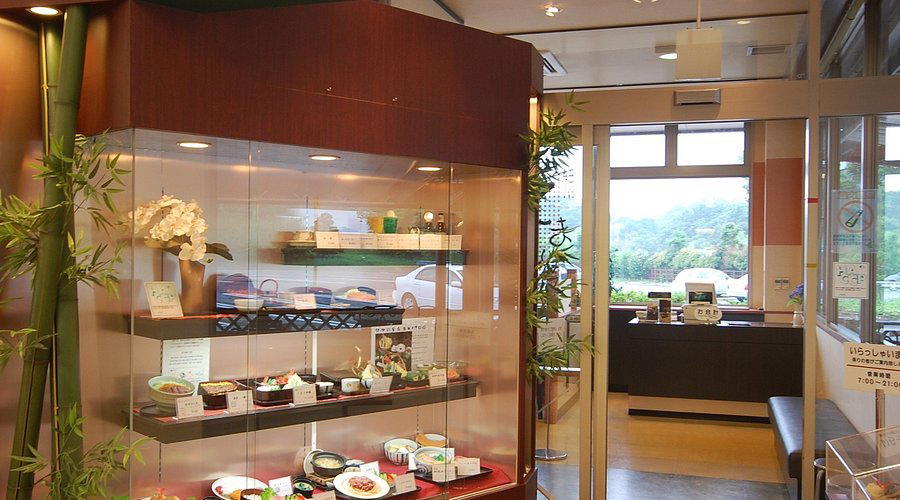
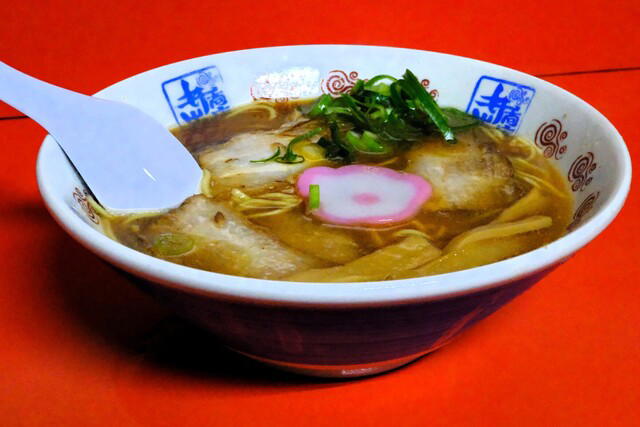
Details
- Cozy
- Classic
- Solo
- Casual Hangout
- Family
- Group Dining
- Standalone
- Beer Program
- Local Sourcing
- A La Carte
- Counter Dining
- Beer Program
Current opening hours
- Monday
- 11 AM–2 PM, 6–8:30 PM
- Tuesday
- 11 AM–2 PM, 6–8:30 PM
- Wednesday
- 11 AM–2 PM, 6–8:30 PM
- Thursday
- 11 AM–2 PM, 6–8:30 PM
- Friday
- 11 AM–2 PM, 6–8:30 PM
- Saturday
- 11 AM–2 PM, 6–8:30 PM
- Sunday
- 11 AM–2 PM, 6–8:30 PM
Hours can change for holidays and private events. Last verified .
A casual, well-regarded ramen house atmosphere focused on refined bowls rather than a full-service dining room.