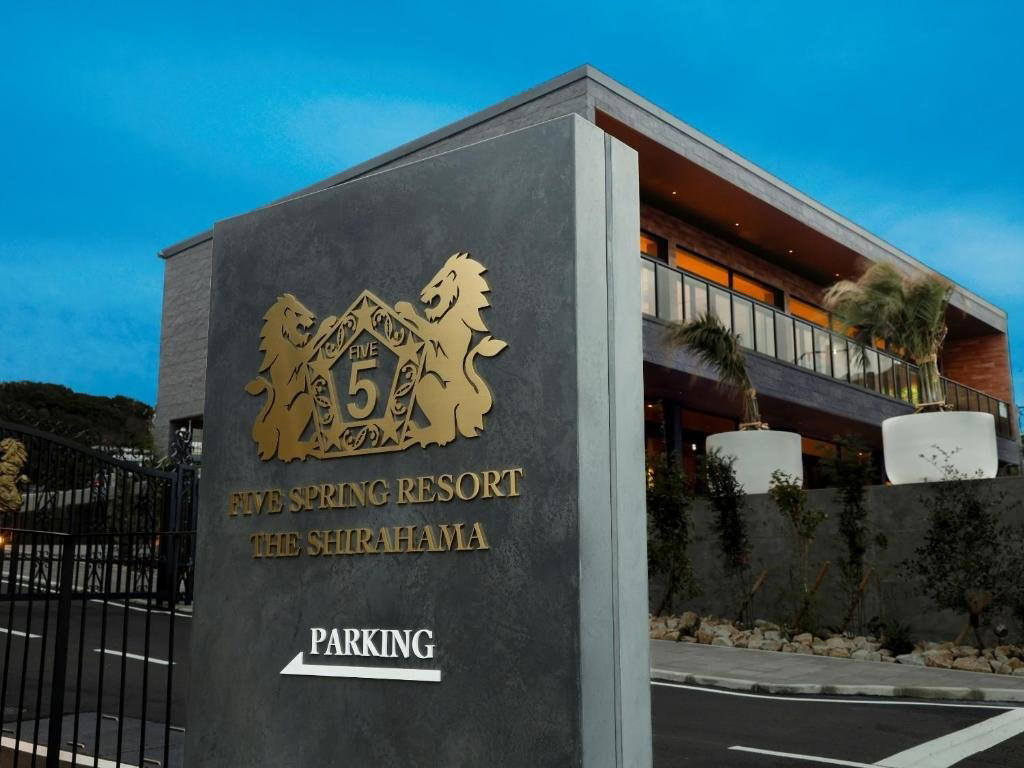
BAR KING Cepheus sits on the second floor of the Reception Building in Shirahama, placing it within Wakayama’s resort-town orbit rather than the dense cocktail districts of Tokyo, Osaka, or Kyoto.

Pearl is the En Primeur Club membership app — saves, bookings, and concierge access live there. Same editors, same standards.
- Address
- 300-2, Shirahama, Nishimuro District, Wakayama 649-2211 (Second floor of the Reception Building)
- Directions
- Get directions
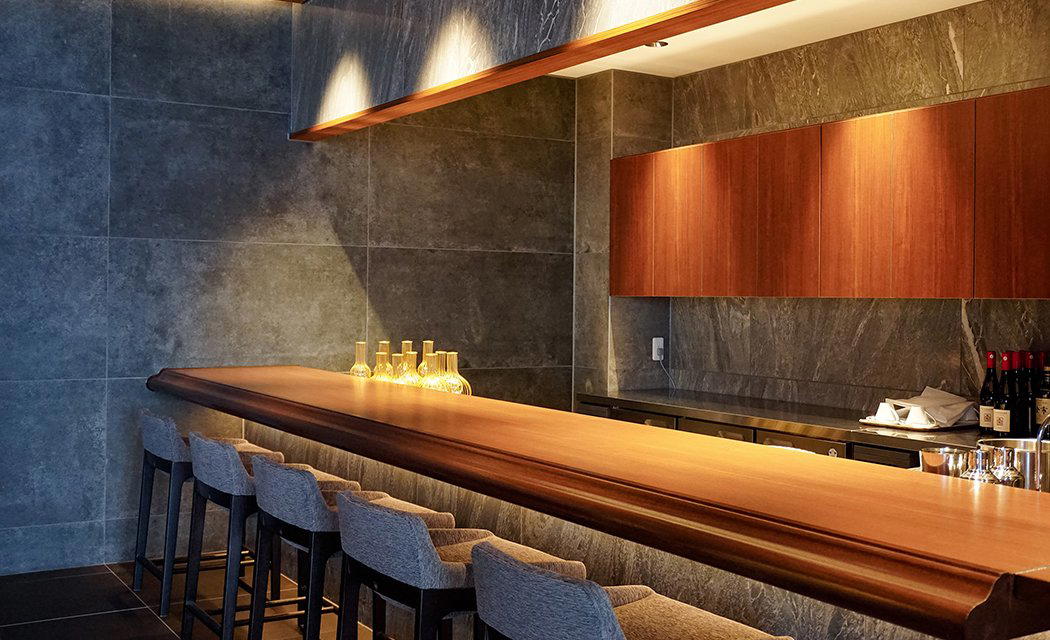
Shirahama after dark, seen through a bar lens
Approaching a bar on the second floor of a reception building changes the tone before the first drink is discussed. Shirahama is not Ginza, Shinsaibashi, or Kyoto’s Kiyamachi corridor, where cocktail culture announces itself through polished doorways, basement stairwells, and tightly packed bar blocks. This part of Wakayama works differently. The town is shaped by hot-spring hotels, beach traffic, family travel, and the slower evening rhythm of a coastal resort. BAR KING Cepheus belongs to that setting: not a street-corner bar in a dense nightlife grid, but a destination reached through a defined property address at 300-2 Shirahama, Nishimuro District, on the second floor of the Reception Building.
That location matters because Wakayama’s bar culture is less about bar-hopping velocity and more about choosing a room for the night. In larger Japanese cocktail cities, the comparison is often technique against technique: hard shake, fruit work, clarified formats, whisky depth, glassware discipline. In Shirahama, the question shifts toward context. A bar inside a reception-building setting needs to function as an evening anchor for travellers already moving through the resort economy.
EP Club readers mapping the region should treat the venue as part of a broader Wakayama itinerary rather than an isolated cocktail pilgrimage. The city and prefecture reward slower planning: seafood towns, onsen culture, temple routes, and coastal hotels sit closer to the centre of the travel experience than bar districts. For a broader view of where drinking fits into the city, see Our full Wakayama bars guide. For dining context around the same trip, Our full Wakayama restaurants guide gives the stronger read on how local meals, ryokan stays, and resort evenings connect.
The cocktail programme as a resort-town signal
Japanese cocktail culture has several distinct registers. Tokyo’s grand hotel bars and Ginza counters tend to prize ceremony, proportion, and professional lineage. Osaka often gives more room to character and improvisation, especially in smaller late-night rooms. Kyoto leans into atmosphere and controlled restraint, while Nara and regional cities can feel more personal because the audience is smaller and regulars matter. Wakayama adds another category: the destination bar attached to a travel setting, where the bar is not competing for passing nightlife traffic but for the guest’s full evening.
That distinction is important when judging BAR KING Cepheus. What can be said is that a bar in this kind of location is judged less by novelty and more by coherence. A serious cocktail programme in a resort environment has to manage several audiences at once: guests who want a pre-dinner drink, travellers finishing an onsen evening, couples extending the night without returning to a crowded public bar, and drinkers who may normally compare Japanese bars against Tokyo or Kyoto benchmarks.
That does not make the format secondary. It makes the format harder to execute well. Resort bars can drift into generic hotel-lounge habits, especially when the drinks list exists to serve everyone equally. The stronger model is narrower: a room that understands classic structure, keeps service calm, and treats the drink list as part of the night rather than a decorative amenity. Without published menu detail, the editorial test here is not whether a named cocktail deserves attention. It is whether the setting supports the kind of focused drinking that rewards a slower evening in Shirahama.
For readers who want to calibrate expectations against larger Japanese cocktail centres, the comparison set is useful but should not be applied mechanically. Star Bar Ginza in Tokyo represents the formal, technique-driven end of the spectrum, where precision and professional pedigree define the experience. Bar Nayuta in Osaka points toward a more atmospheric Kansai register. Lamp Bar in Nara shows how a smaller city can still command serious cocktail attention when the programme has discipline and identity. BAR KING Cepheus should be approached through a different frame: Shirahama does not need to imitate those cities to justify a drink. Its value lies in giving the resort evening a sharper adult endpoint.
Where Wakayama differs from the big-city bar circuit
The Kansai bar map is often reduced to Osaka and Kyoto, with Nara appearing for drinkers willing to detour. Wakayama rarely enters that conversation, partly because the prefecture’s travel identity is built around coast, pilgrimage, fruit, seafood, and hot springs rather than cocktail awards. That relative quiet can be useful. It lowers the pressure to chase rankings and makes room for bars that serve a specific place rather than an international audience arriving with a list of trophies to collect.
That absence should not be inflated into mystery or dismissed as weakness. Awards are helpful trust signals, but they measure visibility as much as quality, especially in regions outside major media circuits. In a destination like Shirahama, the more practical trust signal is locational clarity: the address is specific, inside the Reception Building at 300-2 Shirahama, which makes it easier to fold into a hotel-led or resort-led evening than an independent bar found through late-night wandering.
This is also where price uncertainty matters. In Japan, resort settings can carry a premium over neighbourhood bars because the venue serves a captive and time-sensitive audience, but there is no responsible way to state exact spend here. The wiser approach is to treat the visit as part of an evening plan rather than a quick stop between multiple venues. If budget transparency is a priority, confirm details directly through the property or reception route before building the night around it.
Wakayama also rewards travellers who connect drinks with the rest of the trip. A night at a bar in Shirahama may follow seafood, onsen bathing, or a hotel dinner rather than a crawl through several cocktail counters. For the lodging side of that equation, Our full Wakayama hotels guide is the relevant companion. Travellers extending the trip into rural food and drink should also scan Our full Wakayama wineries guide and Our full Wakayama experiences guide, since Wakayama’s stronger travel logic often sits outside a single urban night.
How to read the room without overclaiming it
The limited public record creates a useful editorial boundary. Those gaps are not minor details for a cocktail page; they define how the venue should be evaluated. A bar with a heavily documented programme can be assessed through technique, named drinks, awards, and staff credentials. A bar with sparse public data must be assessed through category, setting, and suitability for the reader’s trip.
In this case, the setting gives the clearest instruction. A second-floor bar in a reception-building environment is more likely to reward travellers already oriented toward Shirahama’s resort pattern than drinkers arriving only to compare it with national cocktail rooms. That does not make it casual or serious by default. It means the value proposition is contextual. The bar becomes part of how the evening is paced: arrive after the main movement of the day, stay in one place, and allow the resort geography to shape the night instead of trying to force a metropolitan bar schedule onto a coastal town.
There is also a useful contrast with Kyoto’s and Osaka’s speakeasy-influenced rooms. Venues such as Bee's Knees in Kyoto draw from a city where international visitors, design-conscious drinking, and cocktail theatrics meet in dense nightlife areas. Hotel Okura Kyoto in Kyoto Shi reflects another mode: hotel bar formality in a major cultural capital. BAR KING Cepheus sits outside both patterns. Its interest is not a documented awards trail or a famous bar district; it is the way a resort-town bar can create a contained evening for travellers who do not want the night to dissolve into lobby seating or convenience-store drinks.
International comparisons are useful only when they clarify the format. Café La Trova in Miami, for example, belongs to a performance-forward Cuban bar tradition with a public-facing energy that depends on music, city identity, and volume. That is not the Shirahama model. A Wakayama resort bar works on a quieter social contract: fewer external signals, more dependence on setting, timing, and the guest’s choice to let one venue carry the night.
Planning the visit in Shirahama
The practical case is simple, and the missing data should shape decisions. The address is 300-2, Shirahama, Nishimuro District, Wakayama 649-2211, on the second floor of the Reception Building. That makes spontaneous planning risky, particularly in a resort town where operating patterns can shift with season, hotel occupancy, and local demand. Travellers should verify access through the property or reception channel before setting out, especially if the bar is meant to anchor the evening.
Timing also deserves attention. Shirahama’s visitor rhythm changes between peak domestic travel periods, holiday stretches, and quieter weekdays. Without published hours, the safer strategy is to align the bar with an existing stay or dinner plan nearby rather than making it the sole reason for a late transfer. The second-floor reception-building location is an advantage for guests already within that orbit; it may be less convenient for travellers expecting the density of a central nightlife street.
Price is another open question. In practical terms, that means BAR KING Cepheus is better suited to travellers comfortable confirming details locally than to those who need full cost certainty in advance. The lack of listed awards also matters for expectations. This is not an awards-led recommendation; it is a context-led one, grounded in location, category, and the role a bar can play in a Shirahama evening.
For readers building a wider Japan bar route, the sharper comparison may be regional rather than national. Yakoboku in Kumamoto shows how non-capital bars can become part of a serious travel map when the city’s pace supports slower drinking. Wakayama can work in a similar way for the right traveller, though with less public documentation attached to this venue. The key is to avoid treating Shirahama as a miniature version of Osaka. It is a coastal resort town with its own tempo, and the bar should be judged by how well it fits that tempo.
Editorial verdict
BAR KING Cepheus is worth considering for travellers already spending the evening in Shirahama and looking for a defined bar setting rather than an improvised post-dinner drink. The case is strongest when the visit is folded into the resort rhythm: dinner, onsen, a second-floor room, then a slow finish without chasing another address. It is weaker for travellers who require published menus, named bartenders, award history, price transparency, or confirmed hours before committing.
That makes the recommendation selective. In Tokyo or Kyoto, a bar with this little public data would struggle against heavily documented peers. In Wakayama, the equation is different because the city’s bar scene is not built around global rankings or dense cocktail tourism. The venue’s known facts are few, but they are useful: Shirahama location, reception-building access, second-floor placement, and a format that points toward a contained evening rather than a crawl. For the right itinerary, that is enough to put it on the map. For a traveller chasing trophy bars, the larger Kansai circuit will offer clearer evidence.

Details
- Cozy
- After Work
- Late Night
- Casual Hangout
- Solo
- Group Outing
- Hotel Bar
- Standalone
- Seated Bar
- Lounge Seating
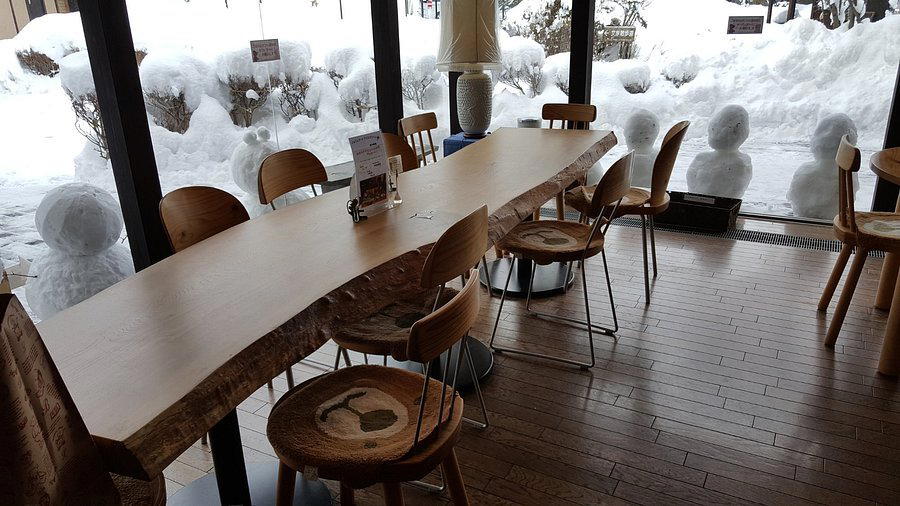
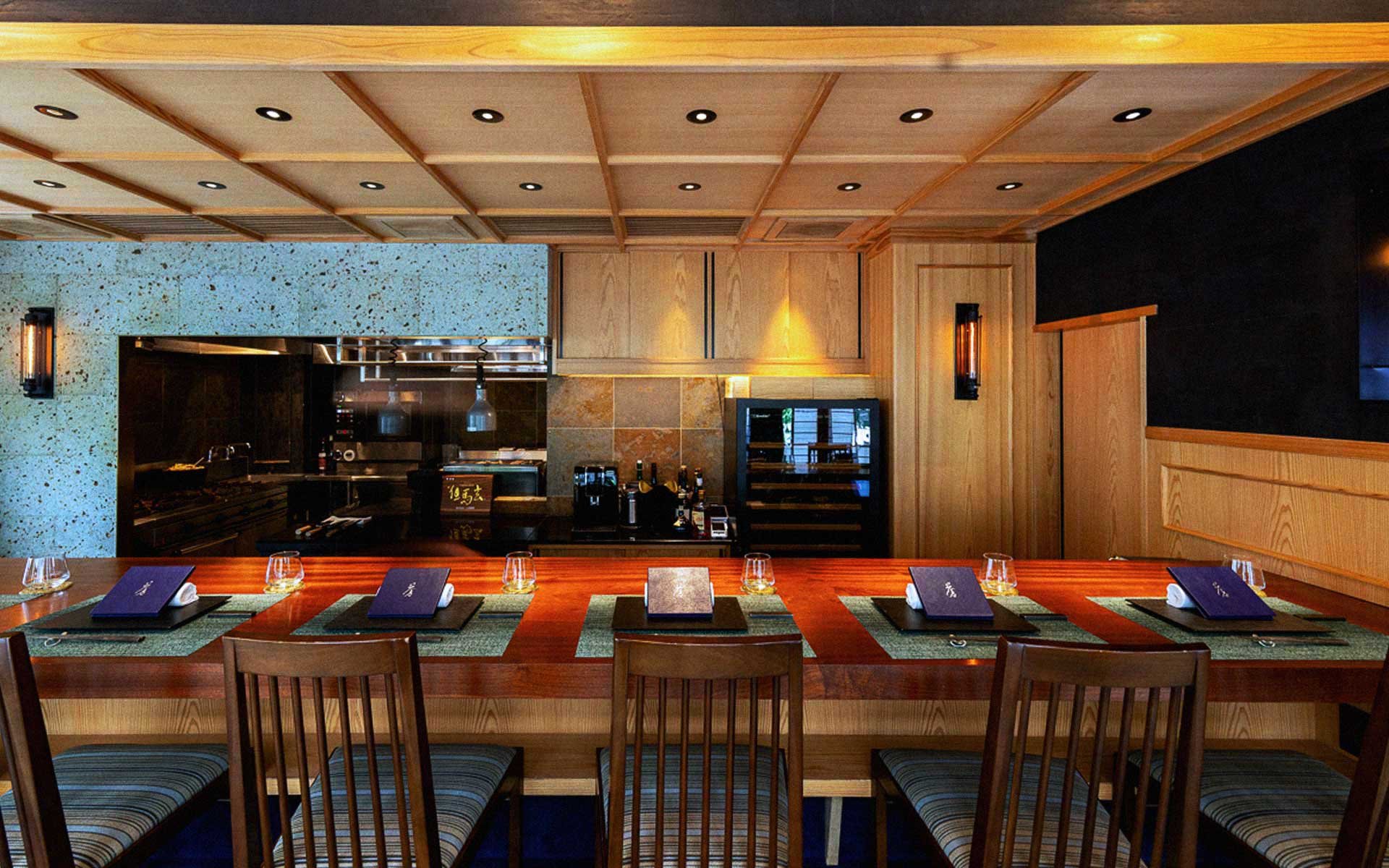
Casual and low-key bar within a boutique hotel, with simple decor and a relaxed, intimate feel suited to unwinding after a day at the beach or hot springs.