Google: 4.8 · 89 reviews
Vuur

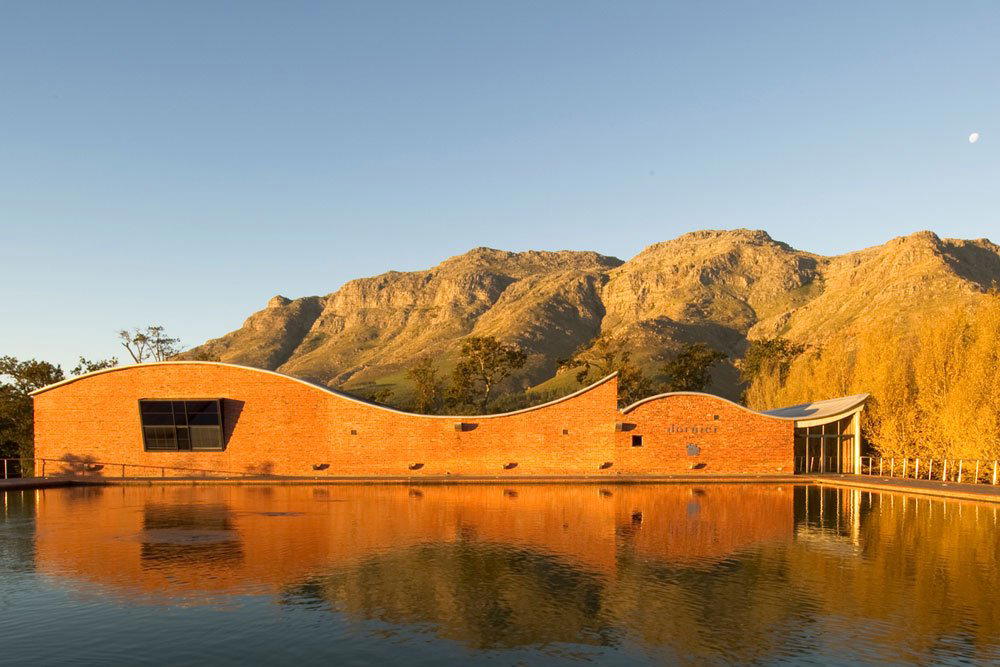
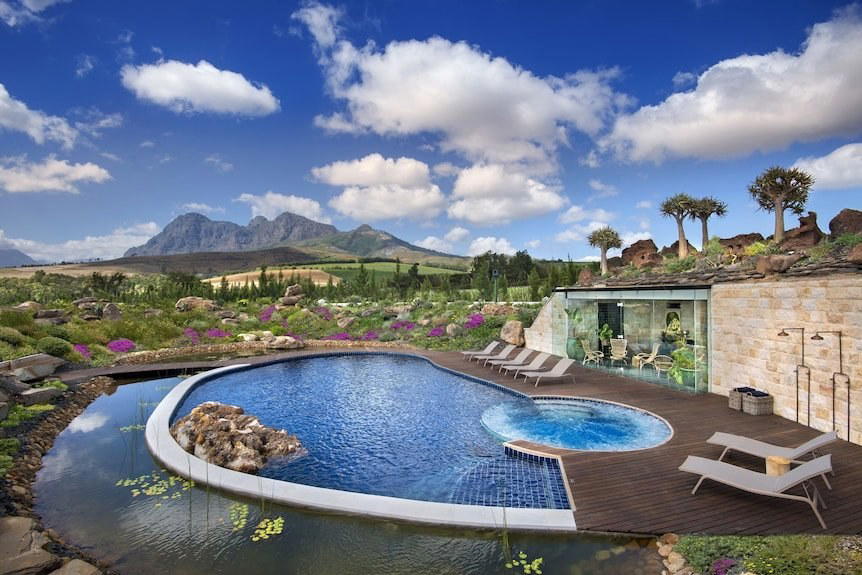
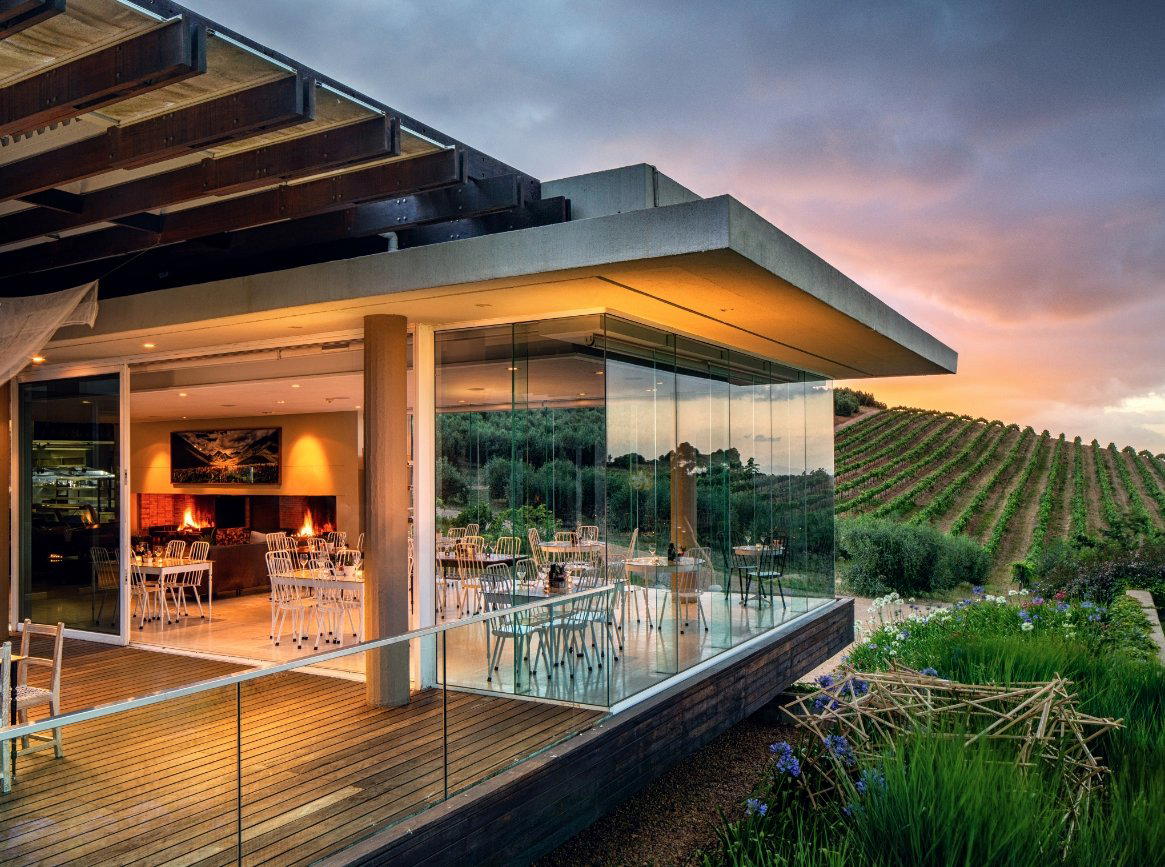
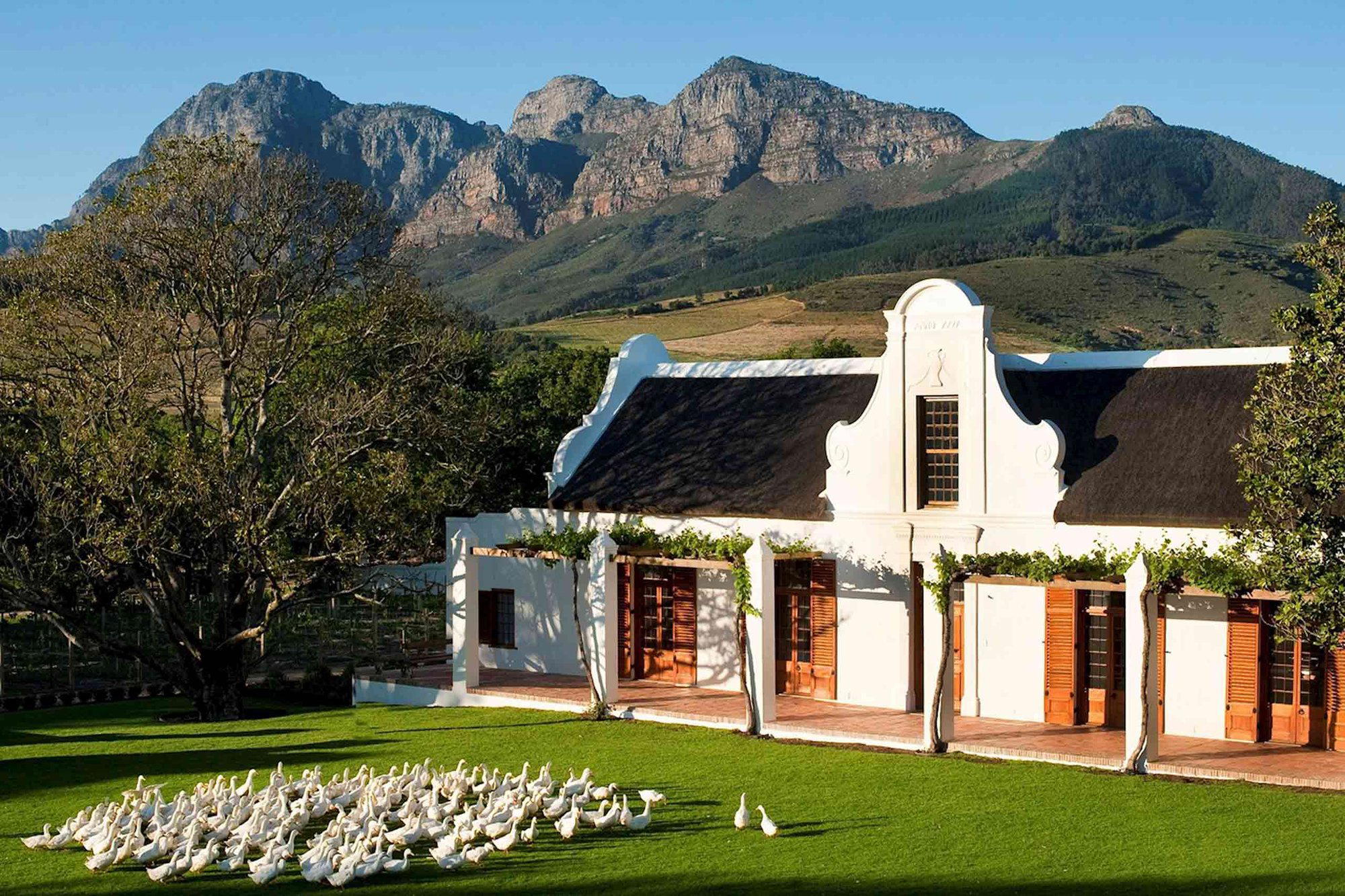
On a private island within a dam at Remhoogte Wine Estate, Vuur builds its seven-course menu around open-fire cooking using up to six wood types, with locally reared breeds dry-aged a minimum of 70 days. The setting, framed by the Simonsberg Mountains, is as deliberate as the technique. Reservations are essential and seating is limited.
 Discover on Pearl
Pearl is the En Primeur Club membership app — saves, bookings, and concierge access live there. Same editors, same standards.
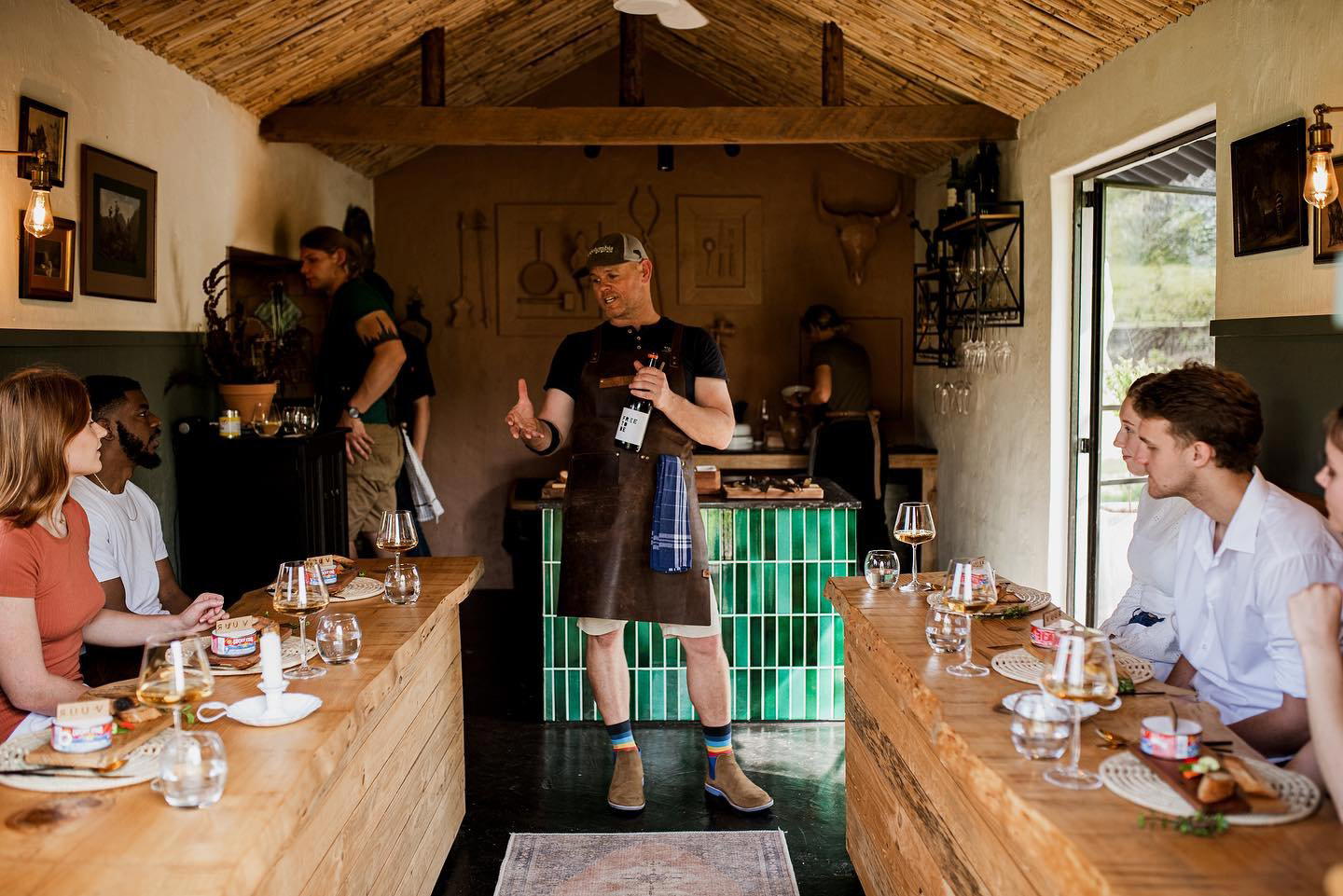
Fire, Water, and the Winelands
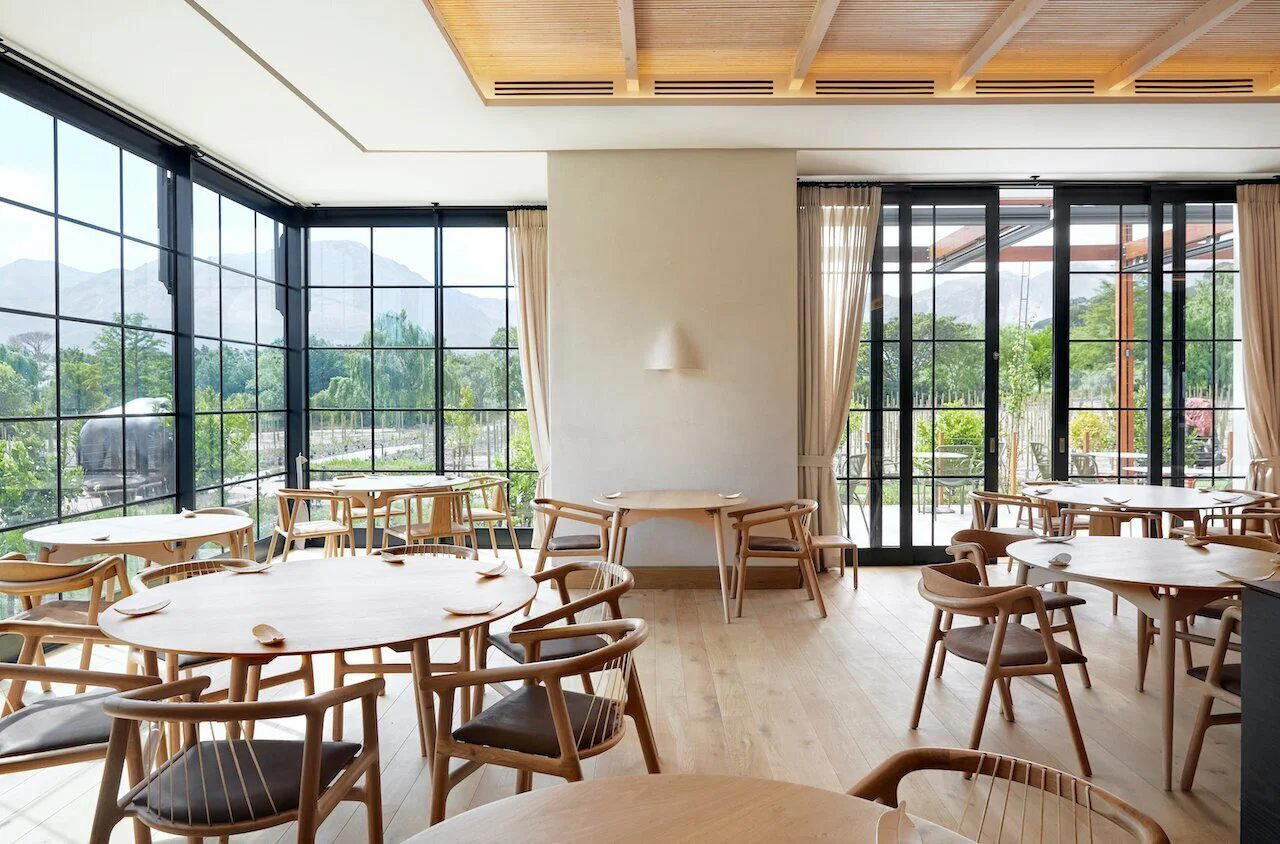
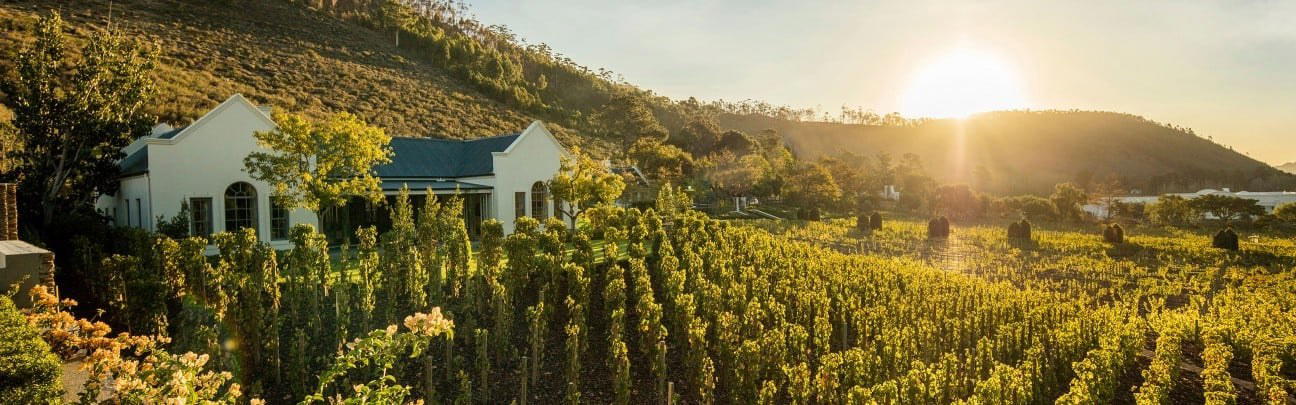
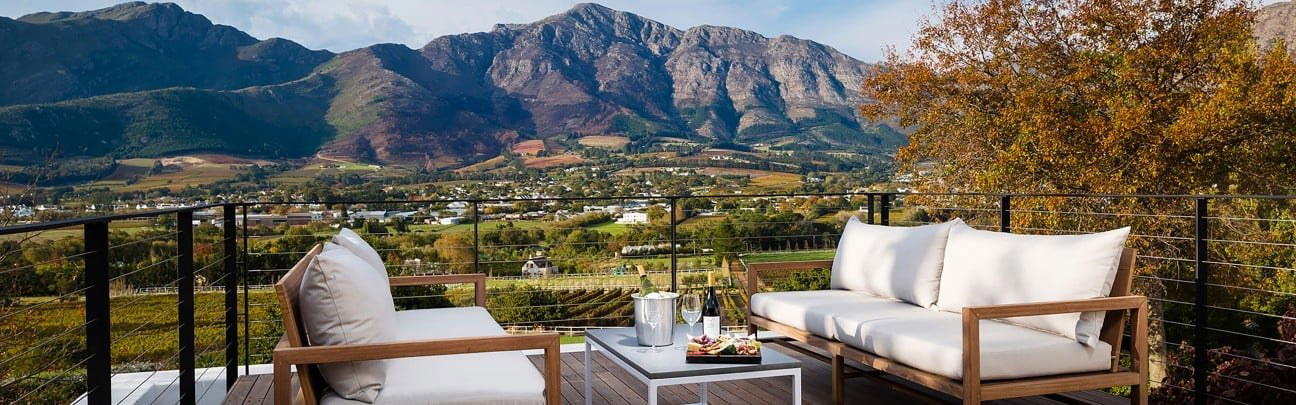
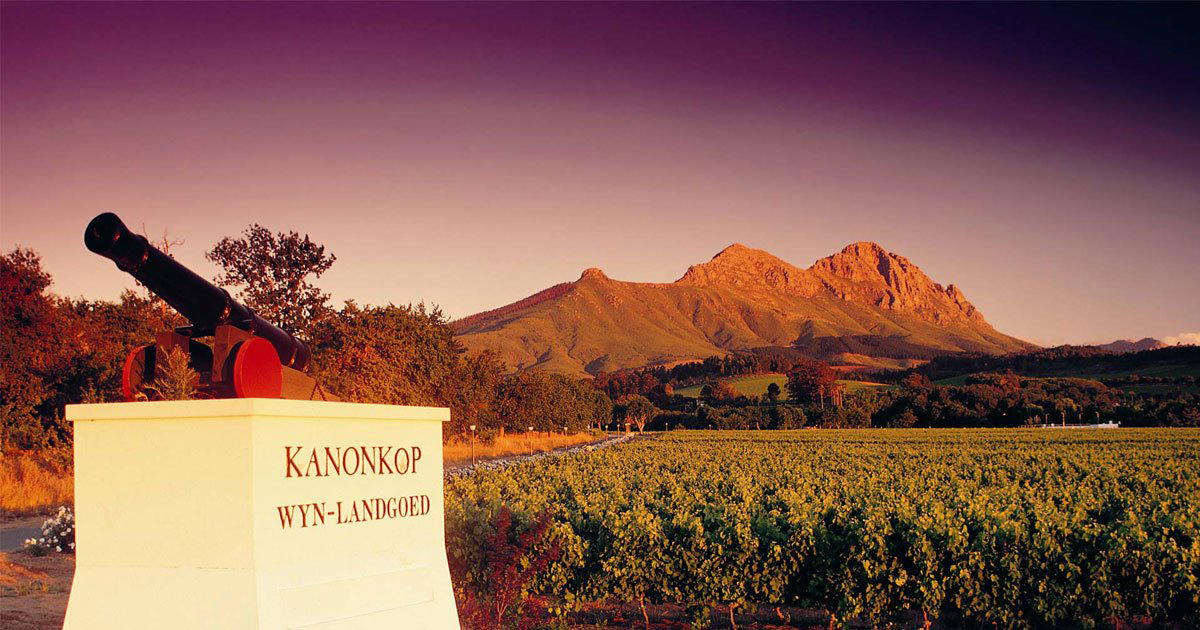
There is a particular kind of stillness that settles over the Stellenbosch winelands in the hour before dinner. The R44 corridor, which links some of the Western Cape's most serious wine estates, has over the past decade developed a dining scene that competes with Cape Town on culinary ambition while offering something the city cannot replicate: land, silence, and scale. Vuur, located on the Remhoogte Wine Estate, takes that contrast to its logical conclusion. The restaurant sits on a small island within a dam on the property, accessible across water, framed by the Simonsberg Mountains on the horizon. Before a course is served, the setting itself makes an argument.
Open-fire cooking has become one of the more talked-about formats in global dining over the past several years, appearing in everything from neighbourhood bistros in Copenhagen to showpiece restaurants in São Paulo. In the Western Cape, that tradition has deeper and more practical roots: braai culture here is not an affectation but an inherited grammar. What distinguishes the more ambitious iterations is the degree to which fire becomes a precision instrument rather than a rustic shortcut. At Vuur, up to six different wood types are in use, each chosen for its combustion profile and the flavour compounds it contributes. That level of specificity places the kitchen closer to the approach of wood-fire practitioners like Wolfgat in Paternoster than to anything resembling a conventional grill room.
The Island Setting as Sensory Frame
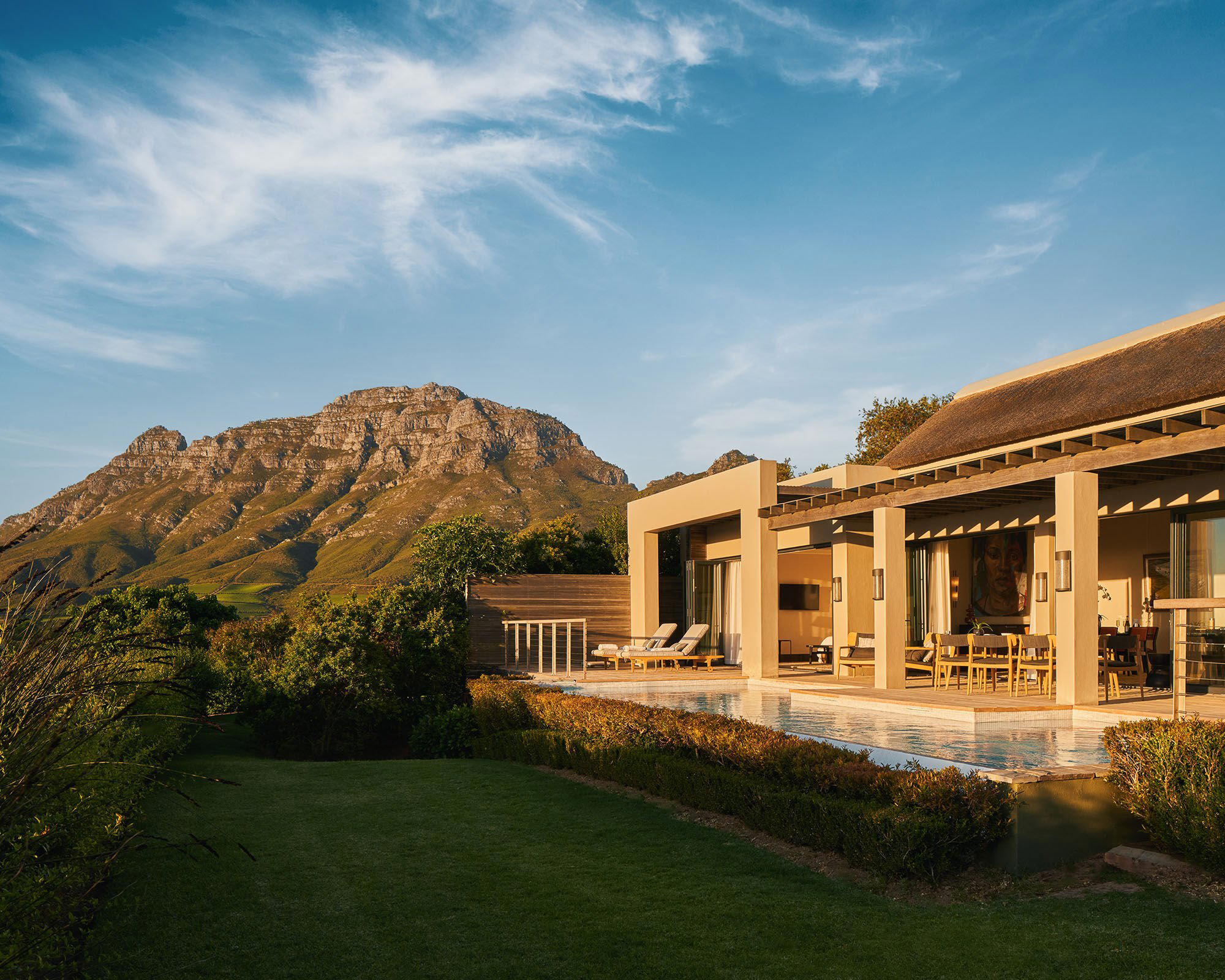
The physical experience of arriving at Vuur is not incidental to the meal. Water surrounds the dining space on all sides, and the effect on atmosphere is immediate: ambient sound drops, peripheral movement narrows, and attention concentrates. The Simonsberg, visible in the near distance, provides a backdrop that changes through the dinner hours as light shifts from the long Western Cape dusk into dark. This kind of deliberate environmental framing is becoming more common among premium experience-format restaurants in South Africa, where the country's spatial generosity allows for a kind of staging that urban dining rooms simply cannot achieve.
Comparable estate dining formats in the region, including Indochine at Delaire Graff Estate and Jordan in Stellenbosch, use their settings with sophistication, but Vuur's island configuration produces a more complete separation from the outside world. Once seated, there is nowhere else to look.
The Format: Seven Courses, Communal Cadence
The menu runs to seven courses and is seasonal, constructed around local produce, meats, and seafood. What makes the format distinct from conventional tasting menus is the visibility of preparation: dishes are cooked and plated in front of guests, with the kitchen team narrating the rationale behind each course as it is served. This approach sits within a broader movement in premium dining toward transparency of process, though Vuur's version has a communal, unpretentious register that distinguishes it from the more theatrical presentations found at places like The Test Kitchen in Cape Town or the precision-led counter formats of Atomix in New York City.
The protein program is particularly specific. Vuur works with locally reared breeds, including Dexter cattle, dry-aged for a minimum of 70 days before service. A 70-day minimum puts the program at the serious end of the dry-aging spectrum; most steakhouse operations that advertise dry-aging work in the 28-to-45-day range. The choice of Dexter, a heritage breed known for its marbling and compact muscle structure, suggests a sourcing philosophy oriented toward flavour depth rather than yield. Chef Shaun Scrooby, who built the concept, has shaped the kitchen around this approach. For context on how this places Vuur within South Africa's broader fire and meat dining category, the restaurant has been recognised as the leading meat-centric destination on the African continent, a credential that positions it well above the estate-restaurant field in which it operates geographically.
Where Vuur Sits in Stellenbosch's Current Dining Scene
Stellenbosch has developed a more varied fine-dining offering over the past few years than its wine-country reputation might suggest. The emergence of format-driven restaurants alongside traditional estate tables has given the town a peer set worth mapping. Dusk and HŌSEKI represent different poles of that development, the former grounded in South African produce and technique, the latter a Japanese-inflected counter experience. MERTIA adds further range to the town's premium offer. Vuur's competitive set is not primarily this local field, however. Its closest analogues are experience-format fire restaurants operating at destination-dining scale, a category that in South Africa also includes Le Quartier Français in Franschhoek and, further afield, Ellerman House in Bantry Bay. Internationally, the comparison points are restaurants where fire technique and sourcing specificity carry the same weight as kitchen precision, a standard represented in different registers by Le Bernardin in New York City in terms of program seriousness, even if the cuisines are entirely different.
For a broader view of what Stellenbosch offers across categories, our full Stellenbosch restaurants guide covers the current field in detail. The town's wine program, which provides the natural pairing context for a meal at Vuur, is covered in our full Stellenbosch wineries guide. Those planning a longer stay will find accommodation options in our full Stellenbosch hotels guide, and the broader activity picture in our full Stellenbosch experiences guide.
Planning Your Visit
Vuur is located on the R44 at Remhoogte Wine Estate, Stellenbosch 7600. The limited-seating format means reservations are not optional; the combination of island capacity constraints and the tasting-menu structure makes advance booking the only practical approach. Those travelling from Cape Town should allow for the R44 drive, which typically runs 40 to 50 minutes from the city centre depending on traffic. The format suits an unhurried evening: a seven-course menu served with live fire preparation is not a two-hour commitment. Plan for three hours at minimum.
For those building a broader Winelands itinerary, our full Stellenbosch bars guide covers post-dinner options in the town. Safari dining comparisons for those continuing further into South Africa are available at Esiweni Luxury Safari Lodge. Urban South African dining, for context on how the country's wider scene is developing, is well represented by Gigi in Johannesburg.
Comparable Spots, Quickly
Comparable venues for orientation, based on our database fields.
Continue exploring
More in Stellenbosch
Restaurants in Stellenbosch
Browse all →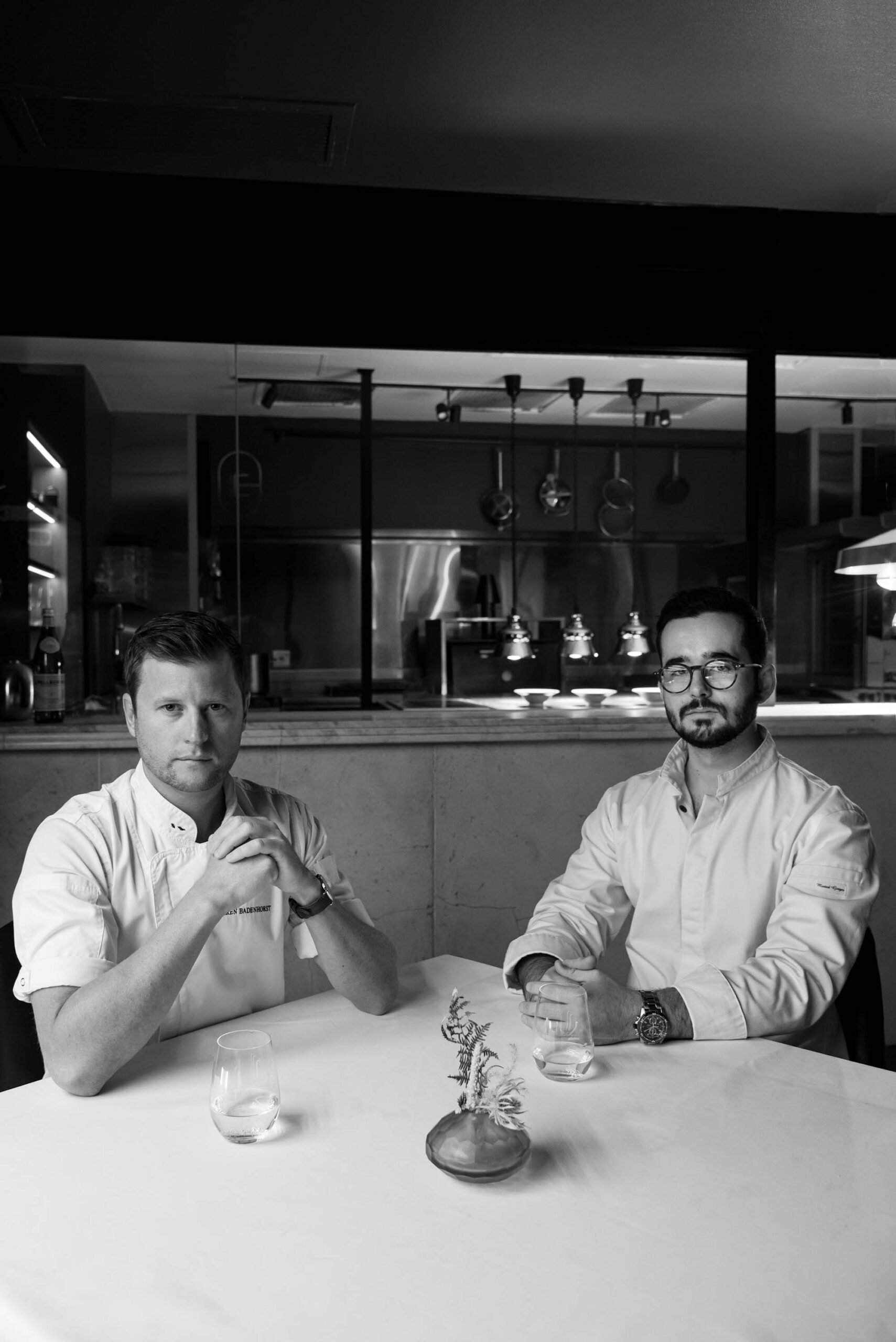
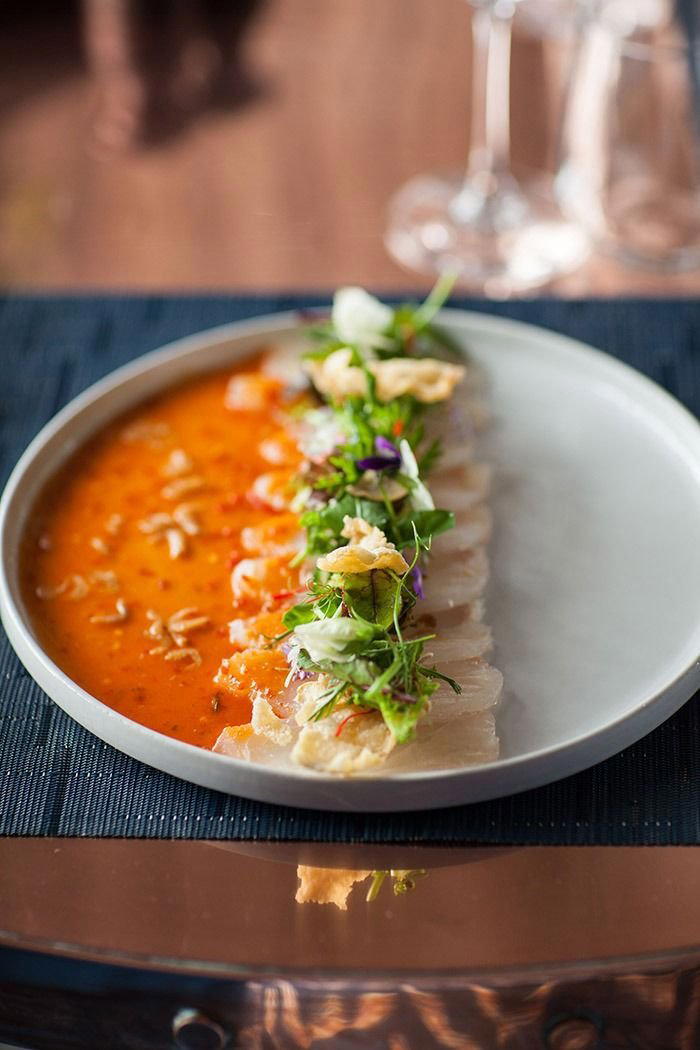
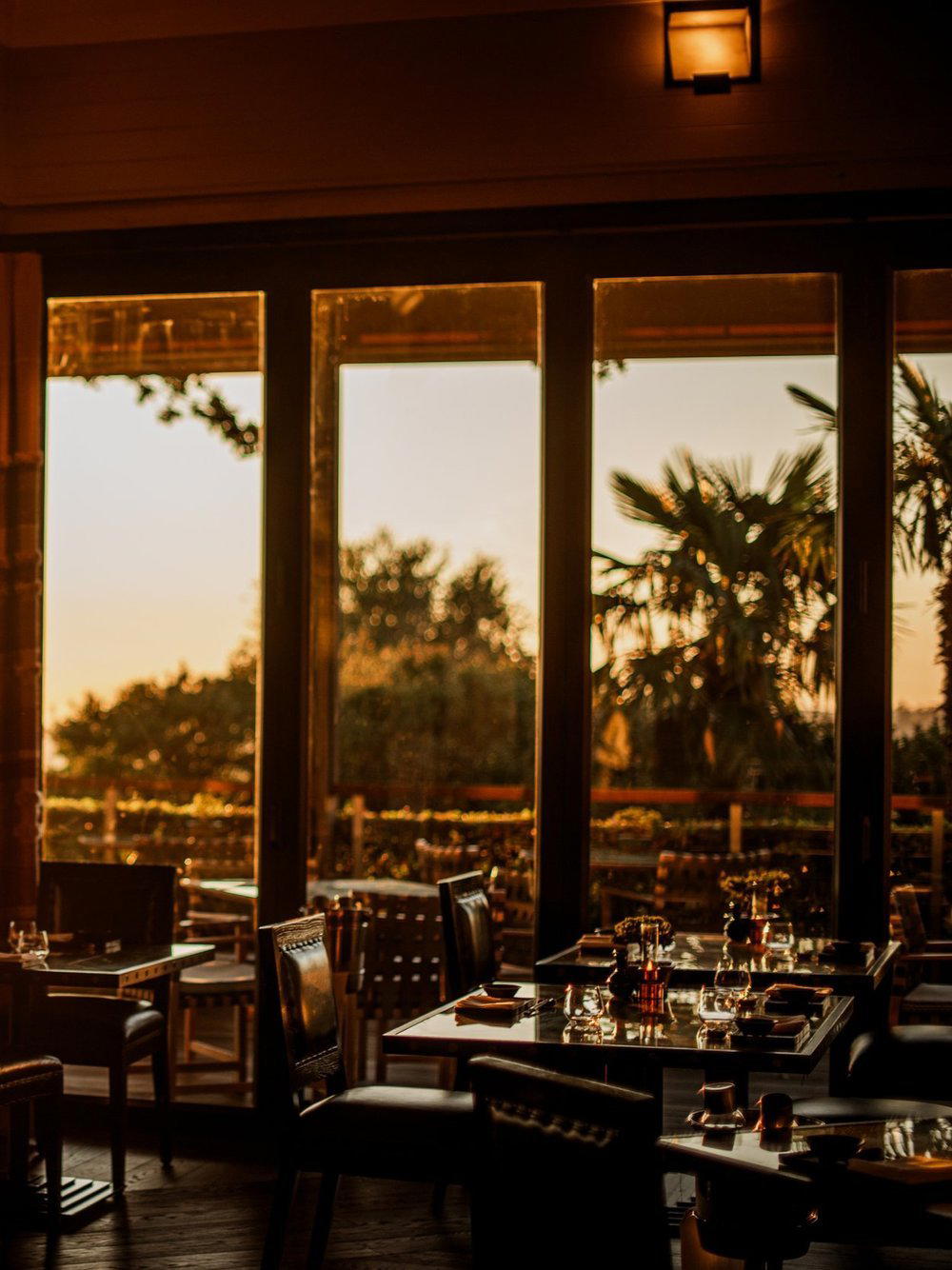
Bars in Stellenbosch
Browse all →
Hotels in Stellenbosch
Browse all →
At a Glance
- Romantic
- Scenic
- Elegant
- Intimate
- Sophisticated
- Date Night
- Special Occasion
- Celebration
- Open Kitchen
- Chefs Counter
- Private Dining
- Garden
- Panoramic View
- Sommelier Led
- Farm To Table
- Local Sourcing
- Sustainable Seafood
- Vineyard
- Garden
Warm and cozy interior with central fire as focal point; intimate setting with theatrical open-kitchen views; natural lighting from vineyard setting with evening ambiance enhanced by firelight and wine service.