De Poorterij

We're Smart World 5 Radishes
Our verdict
In Dilsen-Stokkem, De Poorterij operates around a kitchen where the vegetable garden sets the daily agenda. Chef Rudi Peeters works with simple but layered preparations, anchoring menus like 'From garden to fork' and 'Nature on your plate' in produce-first thinking. For a small Limburg town, the level of vegetable cookery here sits well above what the postcode might suggest.

Pearl is the En Primeur Club membership app, where members save venues, book tables and use the concierge.
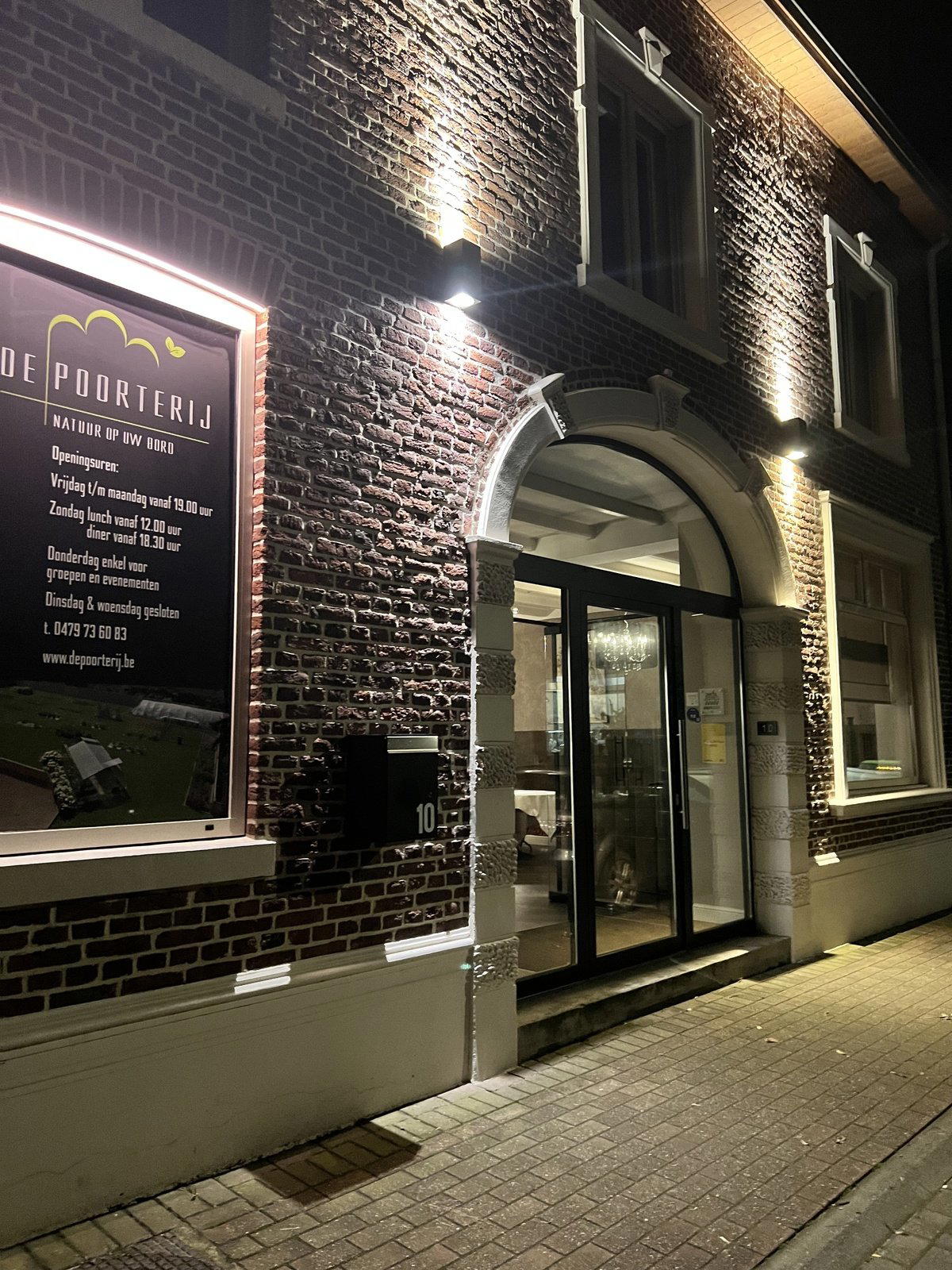
A Garden That Sets the Menu
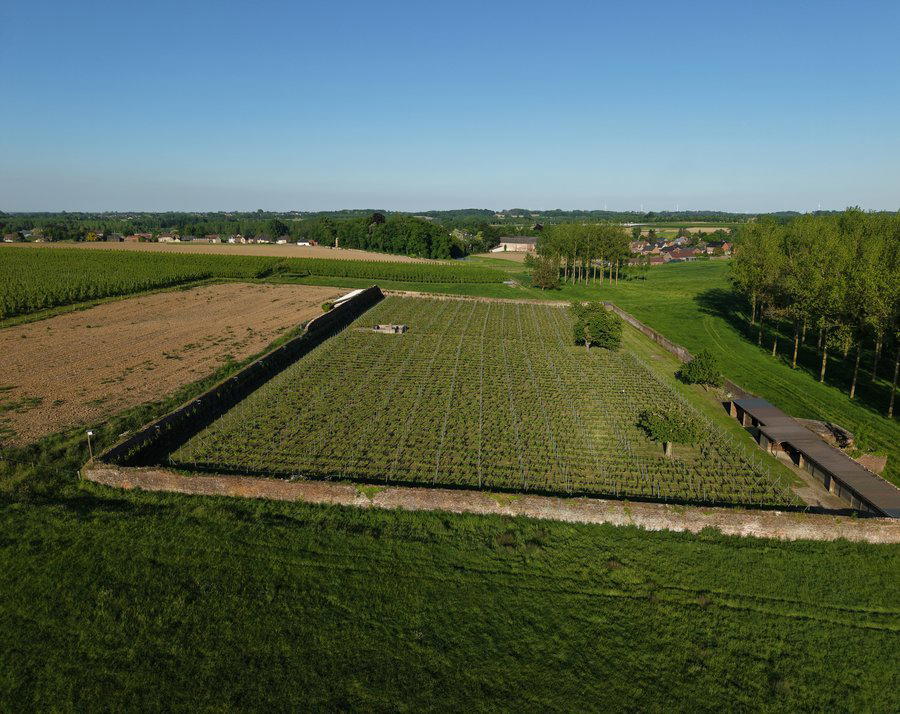
Belgium's most decorated kitchens cluster around Antwerp, Ghent, and the coast, places like Zilte in Antwerp, Boury in Roeselare, and Bartholomeus in Heist have built reputations that draw diners from across the country. Dilsen-Stokkem, a quiet municipality in Limburg near the Dutch border, operates at a different register: smaller, less trafficked, and shaped by agricultural land rather than urban density. That context matters at De Poorterij, where the kitchen's daily direction is set not by a seasonal menu printed months in advance, but by what the on-site vegetable garden is producing on any given day.
Approaching the address on Langstraat, the setting carries the unhurried quality of the region itself. This is the Maas valley's quieter edge, where the rhythm of the table follows the rhythm of the land, and where a chef's commitment to the garden is not a marketing position but a structural kitchen reality. The vegetable garden at De Poorterij is not decorative backdrop; it is the sourcing system.
What Garden-to-Table Actually Means Here
The phrase 'farm-to-table' has been so broadly applied across European dining that it has lost most of its descriptive value. What distinguishes De Poorterij's approach is specificity of origin: the kitchen draws from its own cultivated garden, meaning the gap between harvest and plate is measured in steps rather than kilometres. This is a materially different supply chain from a restaurant that sources from a local farm, and it produces a different kind of cooking.
Chef Rudi Peeters works within that constraint and against it simultaneously. The recognition his kitchen has received notes preparations that are 'simple but very layered, with pure flavors and beautiful textures', a combination that is harder to achieve than it sounds. Stripping a dish to its vegetable core while building textural and flavour complexity requires technical discipline that broth-heavy or butter-rich cooking can mask. Here, the produce must do significant work, which is why the quality and seasonality of what comes out of the garden directly determines what appears on the plate.
The menu titles, 'From garden to fork' and 'Nature on your plate', signal a kitchen philosophy that aligns De Poorterij with a wider movement in Belgian fine dining toward produce-led restraint. Kitchens like Willem Hiele in Oudenburg and De Jonkman in Sint-Kruis have built their identities around similar commitments to terroir and sourcing integrity. De Poorterij occupies the same philosophical territory but from a distinctly Limburg perspective, grounded in land and garden rather than coastal or urban supply chains.
Vegetables in the Lead: A Structural Choice
Belgian fine dining has historically been anchored in rich, protein-forward preparations, the Comme chez Soi tradition of classical French-Belgian technique, the game-focused Flemish country kitchen. Placing vegetables at the centre of a serious tasting menu is still a minority position in this context, and it shifts the entire logic of how a menu is constructed. Sourcing decisions happen weeks in advance as the garden is managed; daily decisions happen at harvest; the kitchen then responds to what is available rather than commanding what will be delivered.
This model positions De Poorterij differently from comparably priced modern Flemish kitchens. Where Castor in Beveren or Cuchara in Lommel apply creative European technique to a broader palette of ingredients, De Poorterij narrows its sourcing base deliberately and builds complexity through that constraint. The result is a menu that reads differently on each visit, shaped by what the garden holds rather than what a supplier's catalogue offers.
For diners accustomed to protein-led tasting menus at restaurants like Hof van Cleve or the classical register of Bozar Restaurant in Brussels, De Poorterij represents a different kind of ambition, one measured in depth of flavour extracted from herbs and vegetables rather than in the prestige of the main protein. It is a comparison worth making before booking, not a judgement but an orientation.
Placing De Poorterij in the Limburg Dining Picture
Dilsen-Stokkem's restaurant scene is small relative to the Flemish cities, but it punches above its size in terms of kitchen seriousness. 't Pure Genot is among the other addresses in the municipality worth knowing. For visitors building a broader picture of what the area offers, our full Dilsen-Stokkem restaurants guide maps the options with editorial context. Those spending time in the region can also consult our Dilsen-Stokkem hotels guide, our bars guide, our wineries guide, and our experiences guide for a fuller stay.
Within the broader Belgian fine dining circuit, De Poorterij sits in a category that requires a deliberate journey from the major cities. That distance is part of the experience: arriving in a small Limburg municipality specifically to eat at a kitchen built around a garden recalibrates the terms of the meal before you sit down. Destination restaurants at this scale, far from the recognition infrastructure of Brussels or Antwerp, tend to attract diners who already understand what they are coming for.
Planning a Visit
De Poorterij is located at Langstraat 10 in Dilsen-Stokkem. The address is most easily reached by car from the Limburg motorway network; the municipality sits close to the Dutch border and is accessible from both Maastricht and Hasselt. Given the garden-driven menu format, visiting during the growing season, broadly spring through autumn, gives the kitchen the widest range to work from, though root vegetables, preserved produce, and stored herbs extend the menu's depth into the colder months. Booking ahead is advisable for any kitchen operating at this level of recognition in a small town; capacity is unlikely to be large, and demand from both local and travelling diners is consistent. Current hours and booking details are best confirmed directly with the restaurant before travel.
Frequently asked questions
Is De Poorterij good for families?
Families with children who eat adventurously will find the garden-rooted format at De Poorterij genuinely engaging, menus titled 'From garden to fork' and 'Nature on your plate' have a clear narrative that can hold a curious child's attention. That said, the kitchen's focus on layered vegetable preparations and pure flavours is a better fit for households comfortable with a tasting-menu pace than those looking for conventional family dining. Dilsen-Stokkem is a quiet Limburg municipality, so the setting is relaxed rather than hushed-formal.
What is the atmosphere like at De Poorterij?
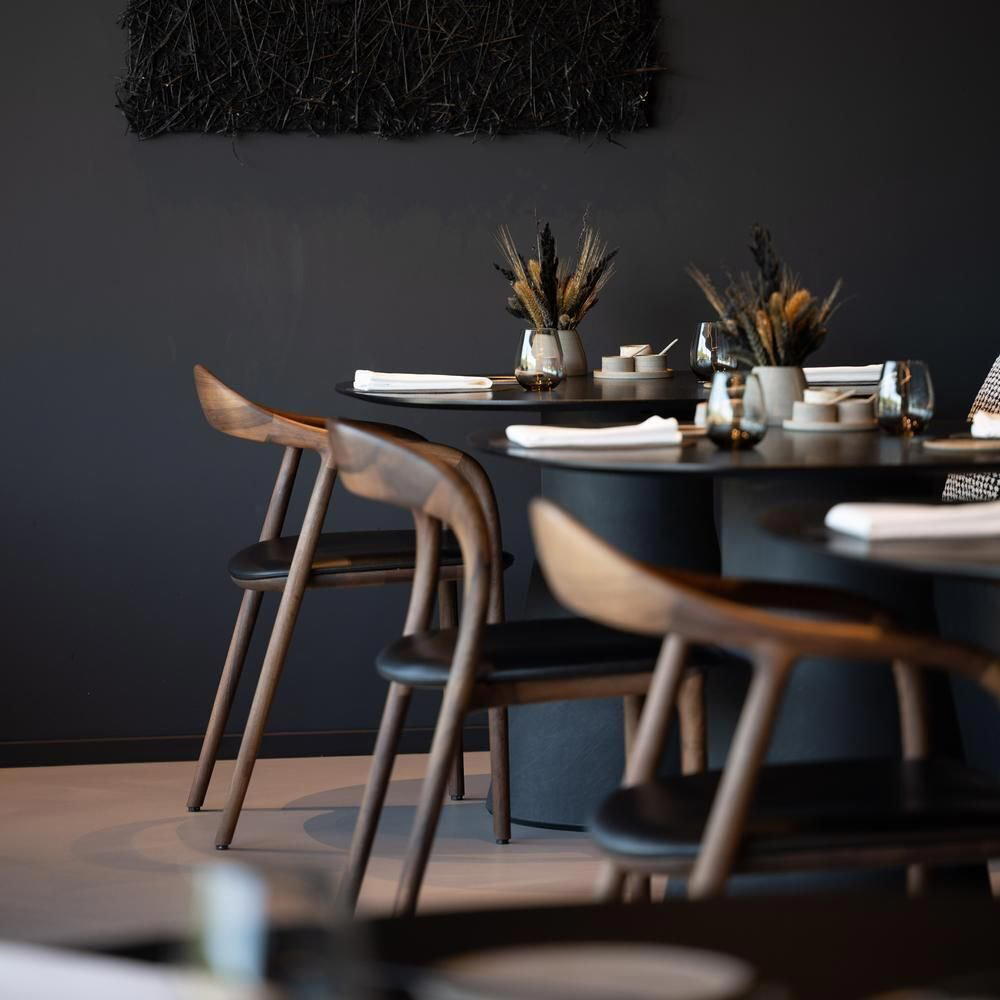
The address at Langstraat 10 in Dilsen-Stokkem places De Poorterij well outside the urban polish of Antwerp or Brussels, and the room reads accordingly: the philosophy driving Chef Rudi Peeters's kitchen, straightforward ingredients, no unnecessary artifice, shapes the tone front-of-house as much as it does the plate. Expect a setting that is grounded in the agricultural character of the Limburg region rather than in metropolitan formality.
Is De Poorterij award-winning?
De Poorterij has received recognition including: Chef Rudi Peeters has the green heart in the right place and gives vegetables and herbs a place of honor. His preparations are simple but very layered, with pure flavors and beautiful textures. His menus carry names such as 'From garden to ….
What should I eat at De Poorterij?
The tasting menu format is where Chef Rudi Peeters's kitchen makes its strongest argument: the garden supplies the daily direction, and the multi-course structure allows the layering and textural work that his preparations are recognised for. Single dishes ordered in isolation work against the cumulative logic of a menu built around whatever the kitchen garden is producing that day. If 'From garden to fork' or 'Nature on your plate' is on offer, either gives a complete picture of how Peeters positions vegetables as the structural centre of the meal rather than a side note.
Quick Comparison
| Venue | Cuisine | Price | Awards | Notes |
|---|---|---|---|---|
| De PoorterijThis venue (the venue you are viewing) | Vegetable-Focused French Fine Dining | $100–150 | We're Smart World 5 Radishes | Not listed |
| Boury | Creative French Fine Dining | $300–500 | 3 Michelin Stars · La Liste Top Restaurants | Modern Frlemish, Creative French |
| Comme chez Soi | French - Belgian, Classic Cuisine | Not listed | Michelin 1 Star | Not listed |
| Castor | Modern French Fine Dining | Not listed | 2 Michelin Stars · La Liste Top Restaurants | Modern European, Modern French |
| Cuchara | Modern Creative Cuisine with Asian Influences | $200–300 | 2 Michelin Stars · La Liste Top Restaurants | Modern European, Creative |
| De Jonkman | Modern Flemish Seafood Fine Dining | $100–150 | 2 Michelin Stars · La Liste Top Restaurants | Modern Flemish, Creative |
Recognition history
Dated appearances from independent guides and award organizations, with the underlying list record or original source where available.
We're Smart World 5 Radishes
We're Smart World
Full recognition history (2 entries)
We're Smart World Top 100 #75
We're Smart World
Continue exploring
More in Dilsen-Stokkem
Restaurants in Dilsen-Stokkem
All restaurants in Dilsen-Stokkem →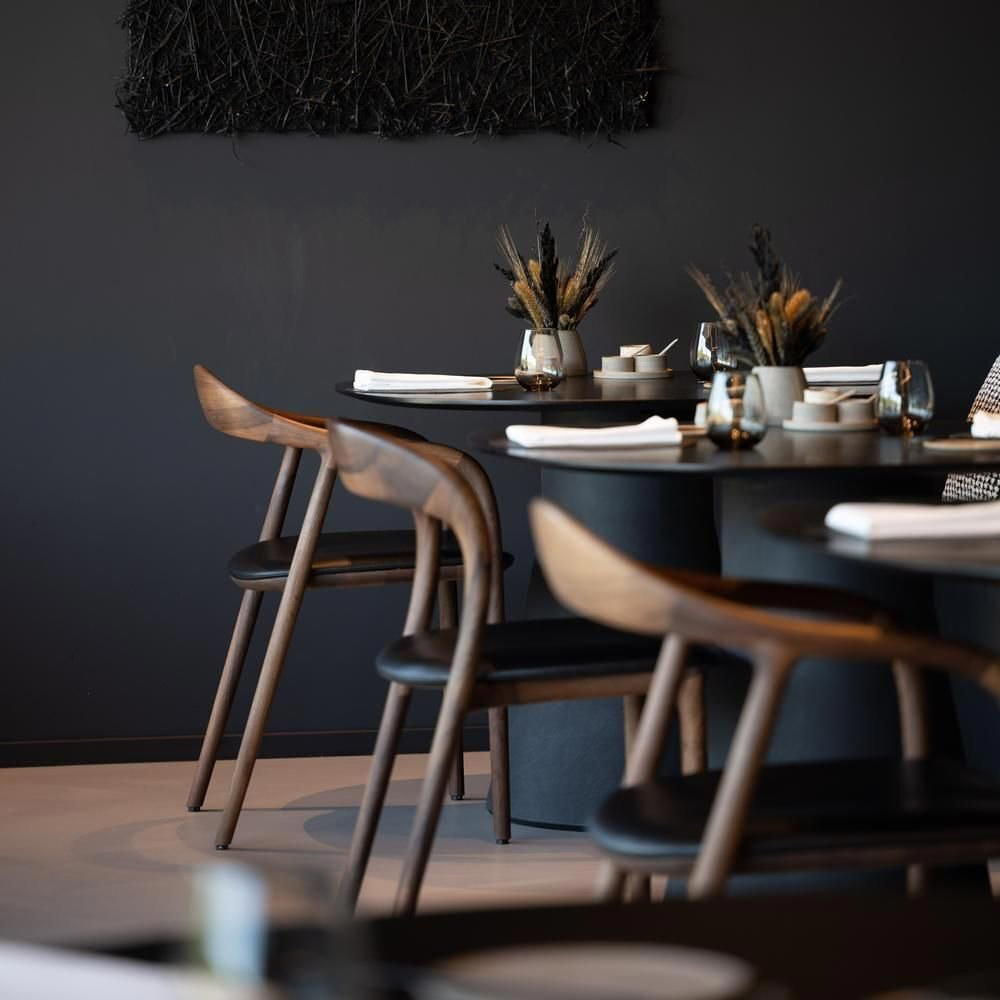
Bars in Dilsen-Stokkem
Browse all →
Hotels in Dilsen-Stokkem
Browse all →
Wineries in Dilsen-Stokkem
Browse all →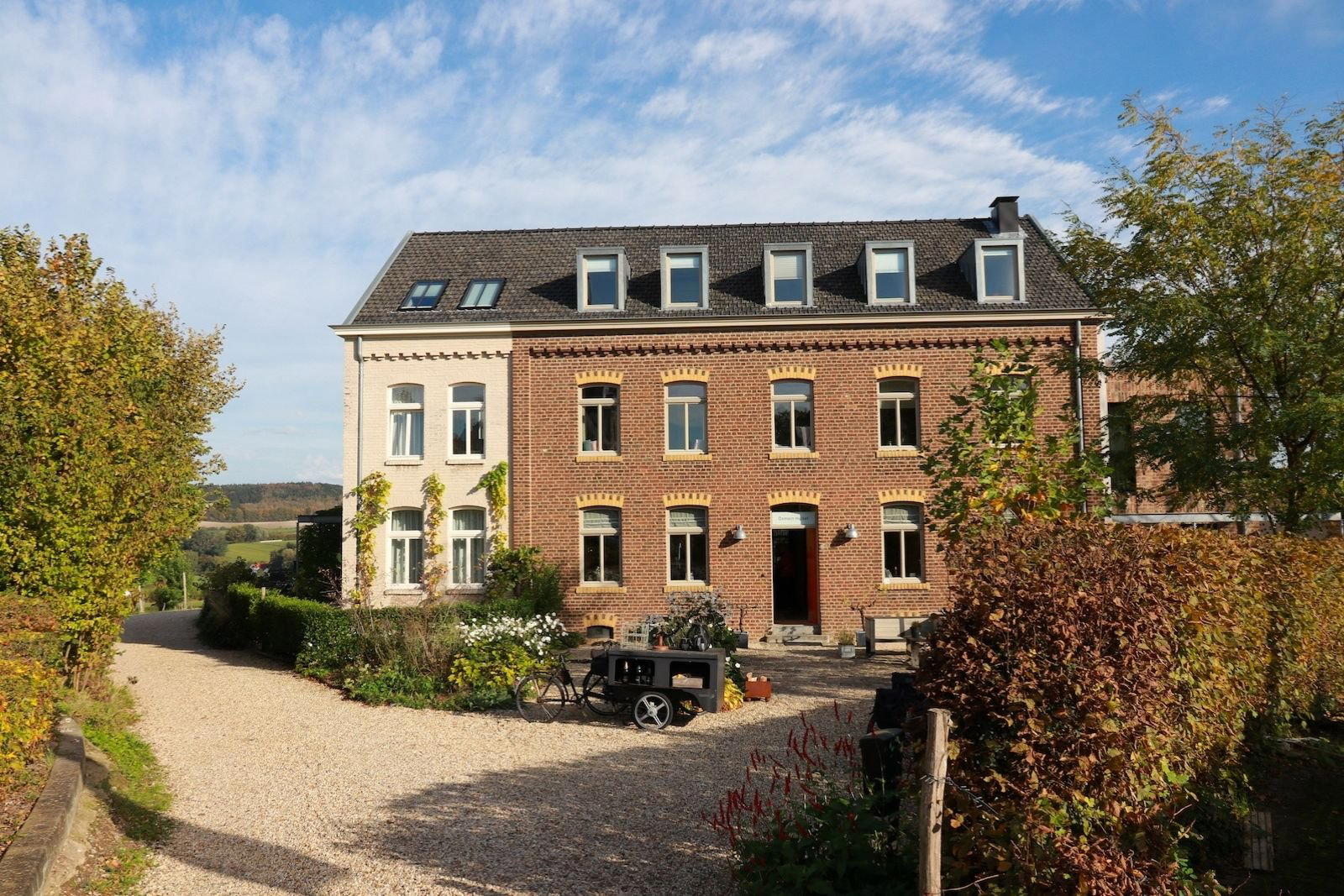

Details
- Cozy
- Elegant
- Intimate
- Rustic
- Date Night
- Special Occasion
- Open Kitchen
- Local Sourcing
- Tasting Menu
- Vegetarian Friendly
- Vegan Options
Current opening hours
- Monday
- 7–11:30 PM
- Tuesday
- Closed
- Wednesday
- Closed
- Thursday
- Closed
- Friday
- 7–11:30 PM
- Saturday
- 7–11:30 PM
- Sunday
- 12:30–4:30 PM, 7–11:30 PM
Hours can change for holidays and private events. Hours as of .
Cozy and elegant with comfortable seating, open kitchen views, and a peaceful atmosphere emphasizing fresh, artistic presentations.