Forno Rosso
On the western edge of Randolph Street's restaurant corridor, Forno Rosso occupies a stretch of Chicago's most competitive dining block, where Italian-rooted wood-fire cooking sits alongside some of the city's most ambitious progressive kitchens. The format here follows the logic of the wood oven: the fire sets the pace, the meal unfolds in sequence, and the table rewards patience over speed.
Pearl is the En Primeur Club membership app — saves, bookings, and concierge access live there. Same editors, same standards.
- Address
- 1048 W Randolph St, Chicago, IL 60607
- Phone
- +13122436000
- Website
- fornorossopizzeria.com
- Directions
- Get directions
 Saves & bookings on Pearl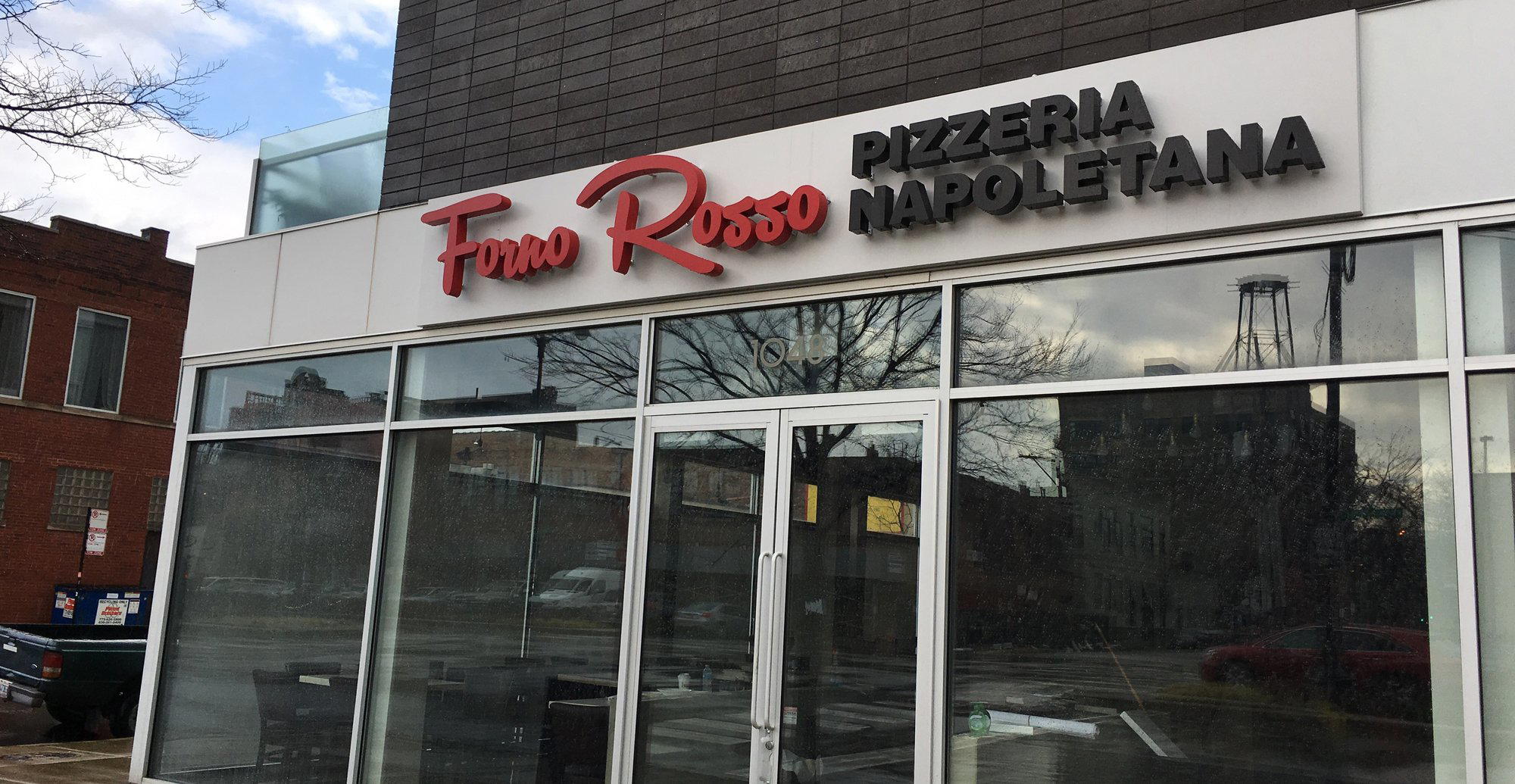
Where Randolph Street's Fire Starts
West Randolph Street has spent the better part of two decades consolidating Chicago's dining ambitions into a single corridor. The block between Halsted and Racine now runs the full register of the city's restaurant culture, from the theatrical multi-course architecture of Alinea and the ingredient-driven precision of Smyth to more grounded neighbourhood kitchens that anchor the strip without competing on spectacle. Forno Rosso is a Neapolitan Pizzeria in Chicago at 1048 W Randolph St, with a $25 per person average. The name translates directly: red oven. The format follows accordingly.
Wood-fire cooking in American cities has matured well past the novelty phase. What once read as a design flourish, the visible hearth, the orange glow behind the pass, now functions as a serious culinary statement, one that places the flame at the centre of technique rather than atmosphere. In Chicago, where winter spending on dining concentrates in a handful of trusted rooms, a wood-oven kitchen on this particular street carries real competitive weight. The question is always how a kitchen uses the fire, not just whether it has one.
The Progression of a Wood-Fire Meal
The logic of wood-oven cooking resists the kind of linear, course-by-course precision you find at the tasting-menu rooms further up Randolph. Oriole and Next Restaurant build meals around narrative control, the kitchen decides sequence, pace, and proportion. A wood-fire room operates on different terms. The oven's temperature fluctuates through service; dishes emerge when the fire allows, not on a chef's clock. That constraint, accepted rather than managed, produces a different kind of meal rhythm.
The opening phase of a meal at Forno Rosso follows what the oven produces fastest: high-heat items that benefit from a quick, aggressive blast. This is where Italian-rooted wood-fire kitchens typically distinguish themselves from pizza-only operations. The char on a properly fired crust carries a bitterness that balances fat and acid in ways that conventional ovens cannot replicate. Diners arriving with that expectation will find the early courses confirm it.
Middle progression slows. Longer-cooking proteins and vegetables shift toward the oven's ambient heat rather than its direct flame. This is the sequence that separates technically confident wood-fire kitchens from those still using the oven as a finishing tool. The difference shows up in texture: a braised preparation pulled at the right moment from descending heat has a quality that timed oven cooking approximates but rarely achieves. Italian wood-fire tradition, particularly from the central and southern regions, has encoded this knowledge across generations of domestic and professional cooking alike.
Close of the meal at a kitchen of this type tends to land simply. After the drama of the oven, dessert functions as a reset rather than a climax. This is consistent with how serious Italian cooking handles the final course: restraint after intensity, fruit or dairy in forms that require little intervention. The meal's arc runs hot-to-cool, complex-to-simple, and the discipline of that sequence is what distinguishes a kitchen with a point of view from one that happens to own a wood oven.
Randolph Street in Comparative Context
Positioning Forno Rosso inside its immediate comparable set requires accounting for what Randolph Street has become. The corridor now contains multiple kitchens operating at the $$$$ price tier: Kasama runs a daytime Filipino bakery that converts to a ticketed omakase after dark; the contemporary room at Smyth prices against the city's most ambitious fine-dining tables; Alinea remains in a category that few American restaurants share. Against those, an Italian wood-fire kitchen reads as the neighbourhood anchor, the room you visit when you want craft over ceremony.
That positioning has parallels in other cities. Frasca Food and Wine in Boulder built its reputation on Italian regional specificity without the full fine-dining apparatus. Emeril's in New Orleans demonstrated that a kitchen rooted in recognizable tradition can sustain serious critical attention on the same block as more experimental rooms. In San Francisco, Lazy Bear operates a fire-centred format that has drawn comparisons to the wood-fire tradition precisely because of how it sequences courses around live-fire technique. These are different operations in different cities, but the common thread is a kitchen that takes its heat source seriously enough to build the meal around it.
For readers mapping Chicago's dining options more broadly, the city's fine dining rooms, from Alinea to Oriole, demand months of advance planning and considerable spend. A wood-fire Italian room on the same street offers a more accessible entry point into the corridor's culinary density without sacrificing kitchen seriousness. That gap in the market is real, and it matters for how visitors and locals alike plan a Randolph Street evening.
Planning Your Visit
The restaurant sits at 1048 W Randolph St in the West Loop, walkable from the Morgan CTA stop on the Green and Pink lines. The West Loop dining corridor is most active Thursday through Saturday, when competition for tables across the block intensifies. Arriving early in service, before the oven reaches peak demand, remains the reliable approach across kitchens of this type.
| Venue | Format | Price Tier | Booking Lead Time |
|---|---|---|---|
| The restaurant | Wood-fire Italian | N/A | |
| Smyth | Progressive tasting menu | $$$$ | 4-6 weeks typical |
| Kasama | Filipino omakase (dinner) | $$$$ | 6-8 weeks typical |
| Next Restaurant | Ticketed concept menus | $$$$ | Ticket release dependent |
Readers planning multi-city itineraries may also find useful context in our coverage of Le Bernardin in New York City, Providence in Los Angeles, Blue Hill at Stone Barns in Tarrytown, The French Laundry in Napa, Single Thread Farm in Healdsburg, Addison in San Diego, The Inn at Little Washington, Atomix in New York City, and Atelier Moessmer Norbert Niederkofler in Brunico for how wood-fire and regional-tradition kitchens are positioning themselves across competitive dining cities.
Cuisine Context
Comparable venues nearby, for context on price, style, and recognition.
| Venue | Cuisine | Price | Notes |
|---|---|---|---|
| Forno RossoThis venue — the venue you are viewing | Neapolitan Pizzeria | $$ | Not listed |
| The Rosebud - Taylor | Classic Italian-American | $$ | Little Italy |
| Nutella Cafe | Nutella Cafe | $$ | Downtown / The Loop |
| Pequod's Pizza | Chicago Deep-Dish Pan Pizza | $$ | Lincoln Park |
| La Crosta Woodfire Pizzeria Italiana | Authentic Italian Woodfire Pizza | $$ | Lincoln Park |
| Il Culaccino | Traditional Italian | $$ | McCormick Square |
At a Glance
- Rustic
- Lively
- Cozy
- Casual Hangout
- Family
- Group Dining
- Open Kitchen
- Beer Program
Current opening hours
- Monday
- Closed
- Tuesday
- 4–9 PM
- Wednesday
- 4–9 PM
- Thursday
- 11 AM–9 PM
- Friday
- 11 AM–10 PM
- Saturday
- 12–10 PM
- Sunday
- 4–9 PM
Hours can change for holidays and private events. Last verified .
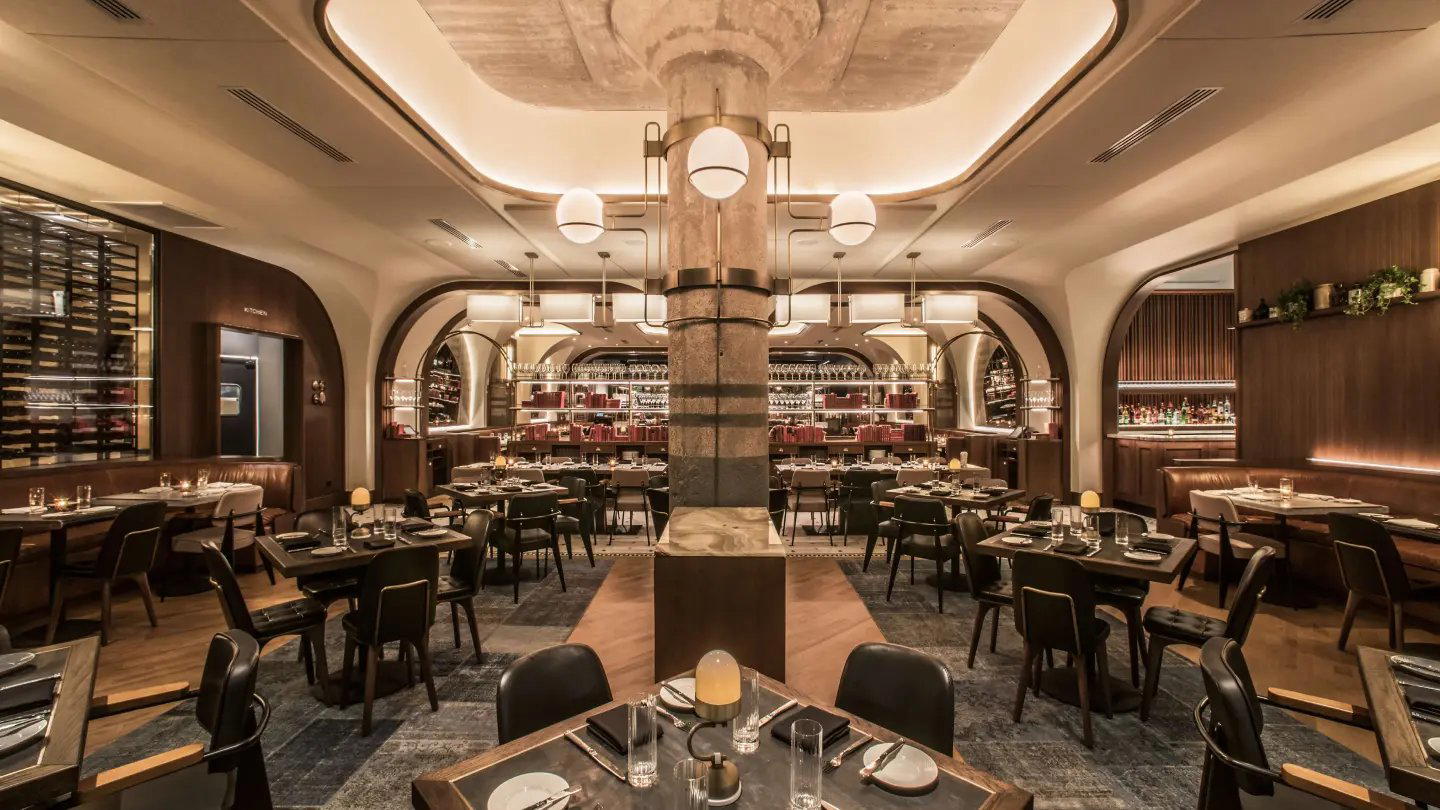
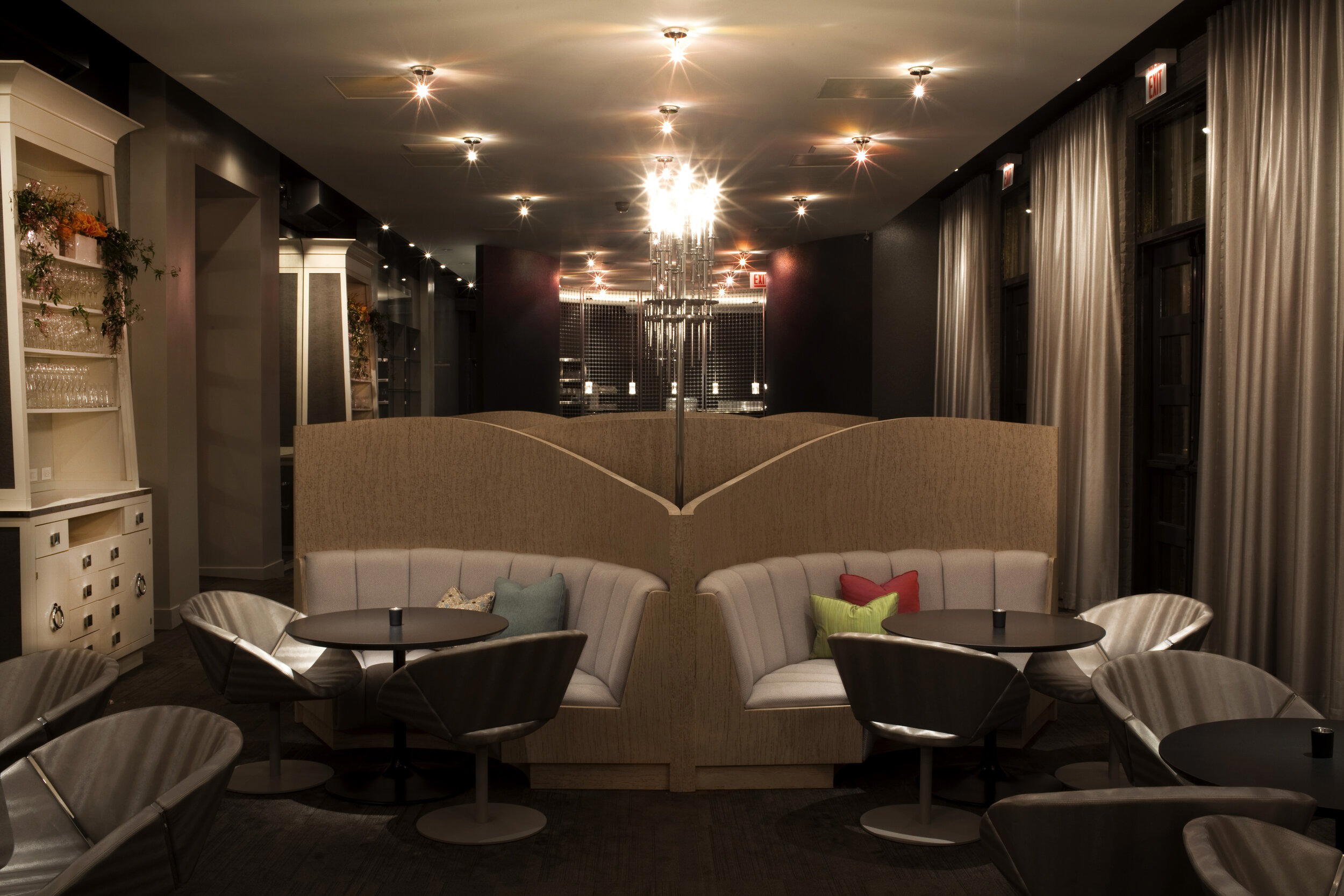
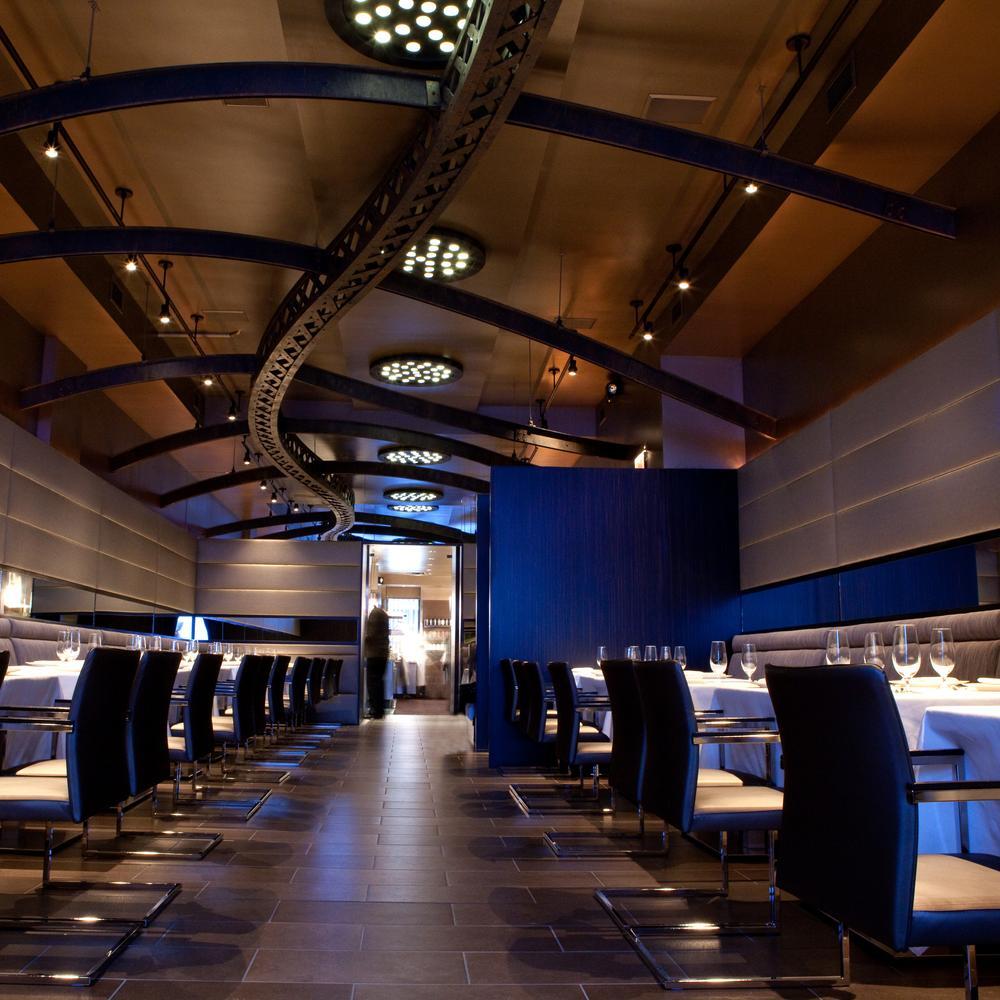
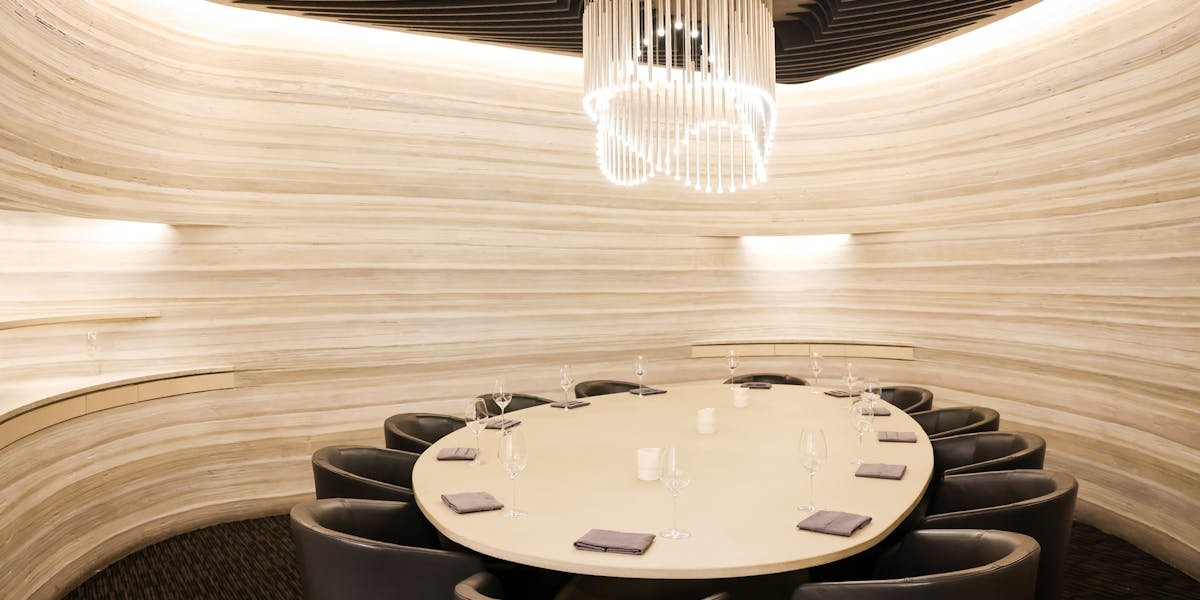
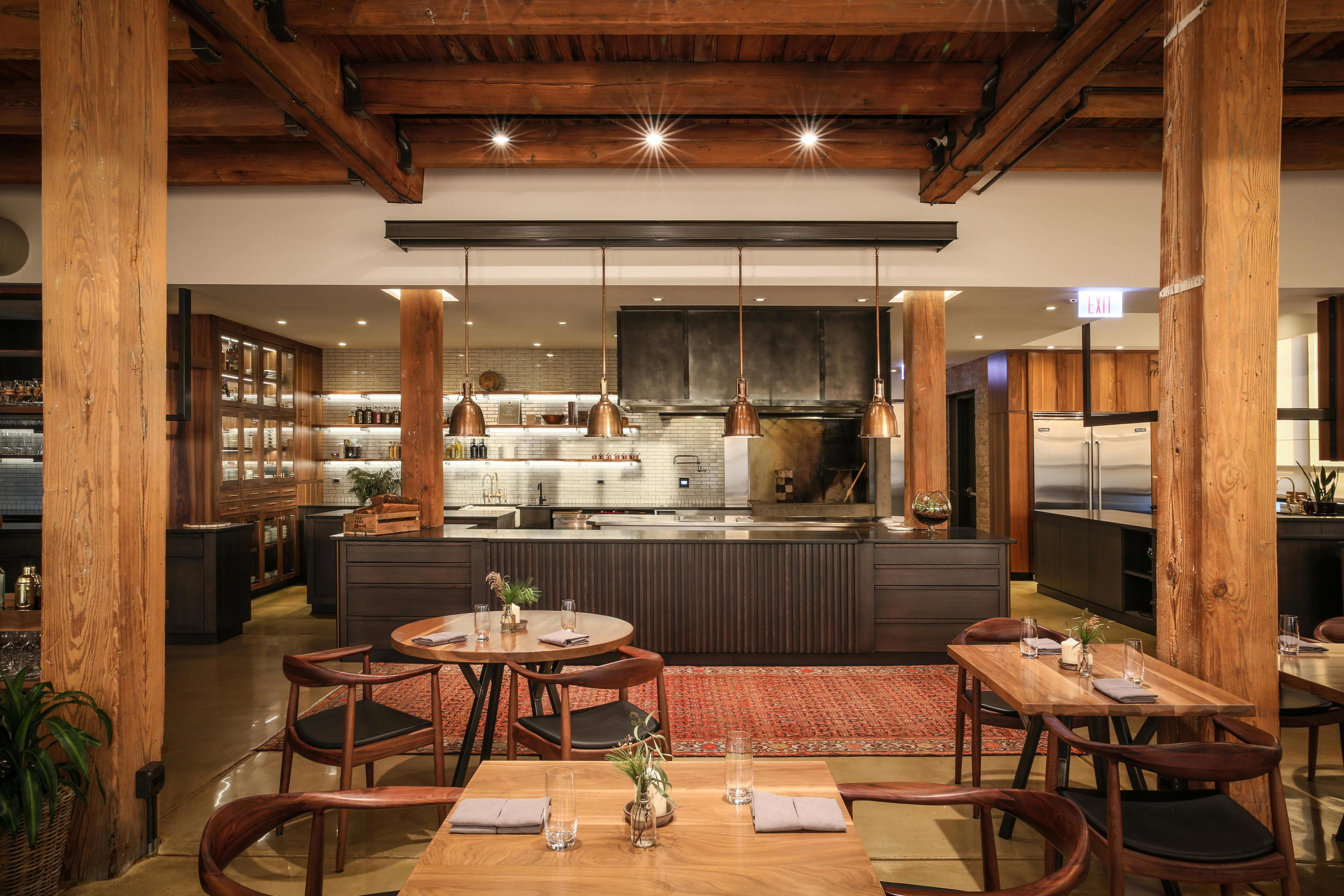
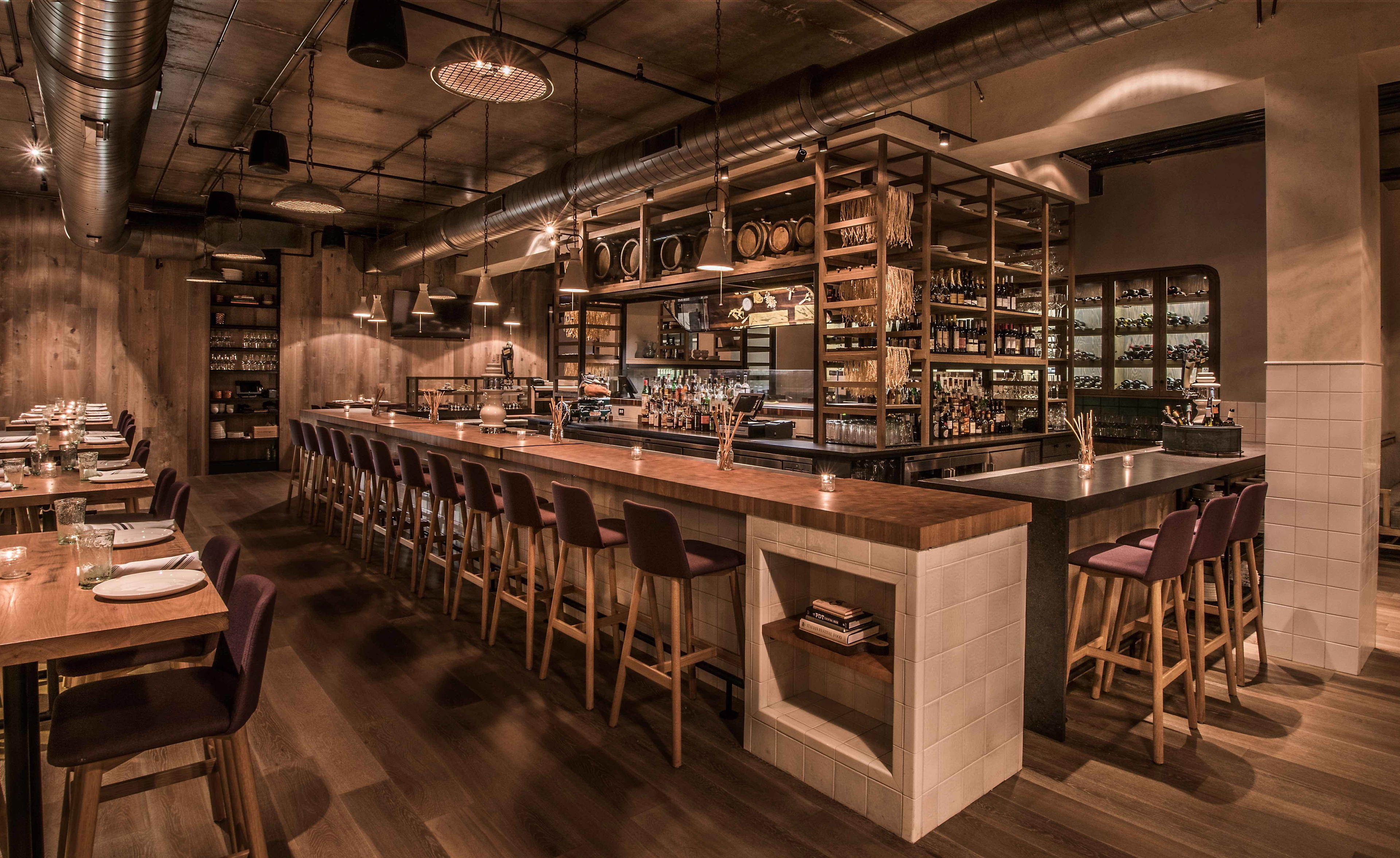
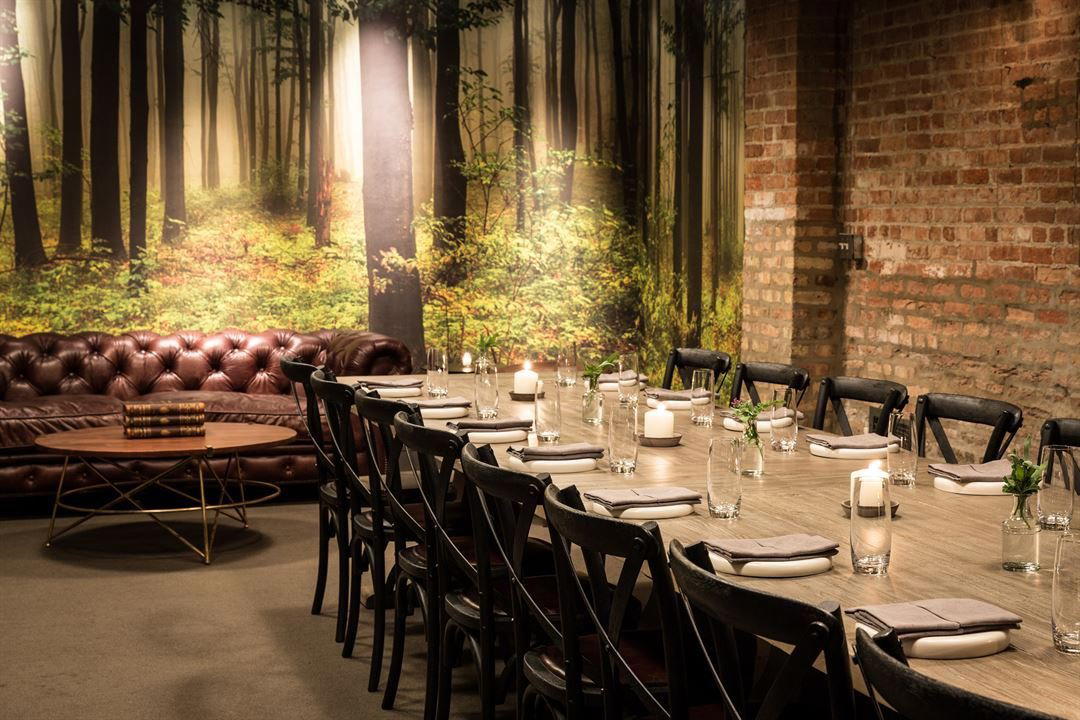
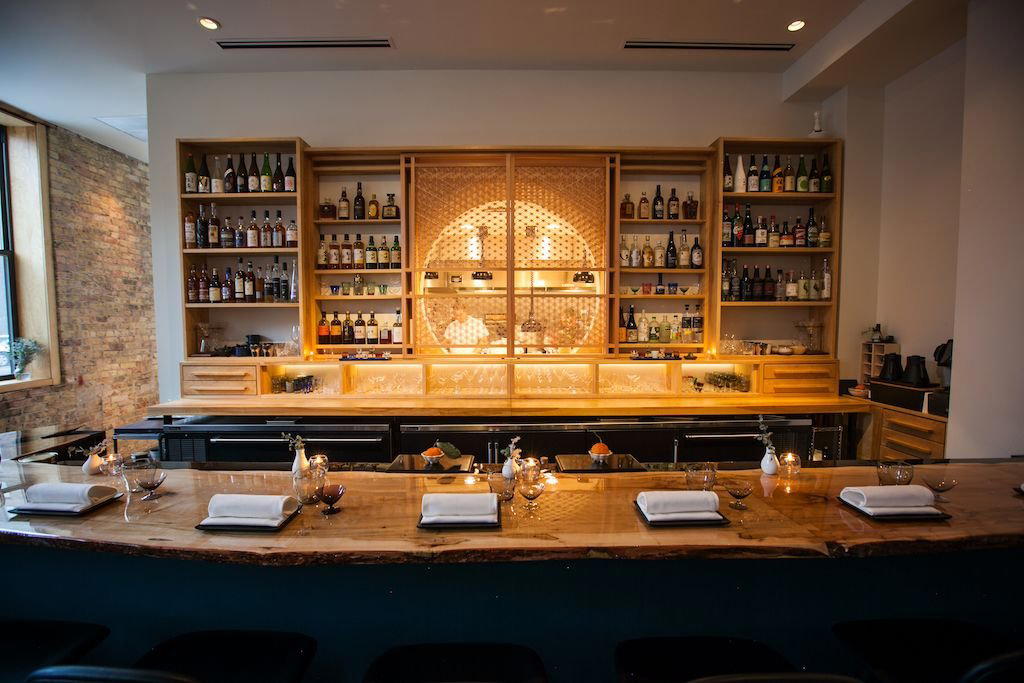
Warm and inviting with rustic Italian charm, featuring wood-fired oven glow and lively yet comfortable atmosphere from guest reviews.