
Shibuya’s bakery culture is judged as much by turnover and repeat buying as by ceremony, and VIRON Shibuya ten sits in that practical, reputation-led lane. Its Tabelog Bread TOKYO “Tabelog 100” 2022 selection, plus earlier Bread 100 appearances, place it among Tokyo bakeries where critical recognition follows daily-use consistency rather than fine-dining theatre.
Pearl is the En Primeur Club membership app — saves, bookings, and concierge access live there. Same editors, same standards.
- Address
- 東京都渋谷区宇田川町33-8 塚田ビル 1F
- Phone
- +81354581770
- Website
- tabelog.com
 Saves & bookings on Pearl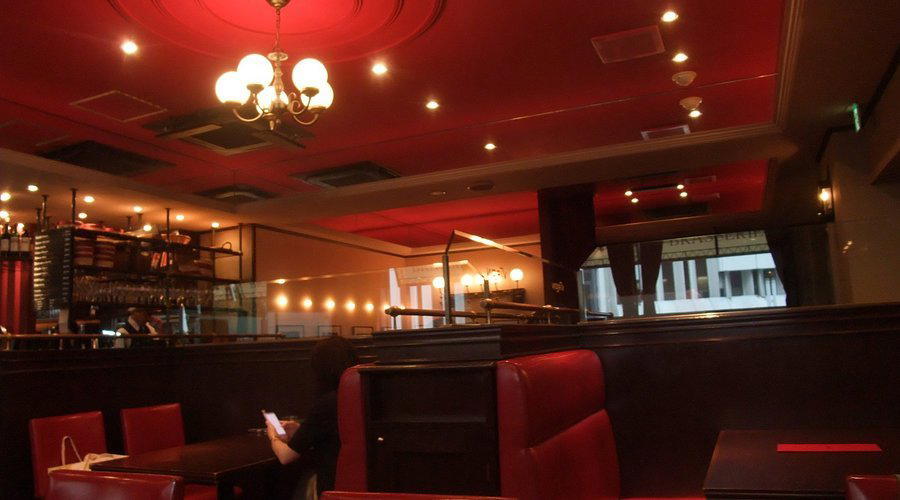
Shibuya’s bakery scene works at pavement level: commuters crossing Udagawacho, shoppers leaving the station grid, and office workers buying bread without time for a long meal. Here, a serious bakery is not a soft-focus café fantasy but a place of queues, glass, trays, turnover, and judgment through small purchases. VIRON Shibuya ten fits that urban category, with French-style bread, sandwiches, and cakes judged less as occasion dining than by whether they survive Tokyo’s daily scrutiny.
The key context is reputation. Tokyo’s bread culture is deep but fragmented: department-store counters, neighborhood shokupan specialists, French-leaning boulangeries, hotel bakeries, and tiny cult shops all compete for the same breakfast and gifting budgets. A Tabelog Bread TOKYO “Tabelog 100” 2022 selection places this shop in a narrower editorial bracket, and Bread 100 selections across 2017, 2018, 2019, 2020, and 2022 show recognition over several cycles rather than one spike. In a city where bakeries can be fashionable for a season and gone by the next, that continuity matters.
French bakery form, Shibuya tempo
French-leaning bakeries in Tokyo often split in two. One treats bread as lifestyle theatre, with seating, décor, and long café stays doing part of the work. The other treats the counter as the point: buy, carry, eat elsewhere. VIRON Shibuya ten sits closer to the second model. Its take-out format shapes how to read it: not a restaurant posing as a bakery, nor a dessert salon asking for an afternoon, but a bread, sandwich, and cake counter inside one of Tokyo’s densest commercial districts.
That matters because Shibuya raises the stakes. In quieter residential neighborhoods, a bakery can live on routine and local attachment. In central Shibuya, the audience is less forgiving and less stable: tourists, students, workers, families, and shoppers arrive with different expectations. Bread-category recognition signals more than photogenic pastry. It suggests a counter consistent enough to sit beside other Tokyo bread addresses judged by repeat performance, not spectacle.
The price band places it in the everyday-premium lane rather than the special-occasion lane, where Tokyo bakery culture is especially demanding. A buyer may spend less than on a casual lunch, but the comparison set is vast, from convenience-store bread to department-store patisserie counters. The reward has to arrive quickly: texture, proportion, and the sense that the purchase was chosen, not merely convenient. For travelers, this can be a sharper entry into Tokyo food culture than another long reservation meal, because it shows how the city applies high standards to ordinary routines.
Recognition without fine-dining ceremony
The Tabelog 100 framework separates category strength from luxury signals. There is no need for chef mythology, tasting-menu choreography, or wine-pairing narrative. The harder questions are simpler: does the bread category hold up, does the counter move with purpose, and does the shop justify attention in a city where excellent baked goods are not scarce? VIRON Shibuya ten’s repeated Bread 100 appearances answer through accumulated recognition, not a single headline award.
That is why this kind of stop belongs on a Tokyo eating itinerary, even for restaurant-focused travelers. Tokyo dining is not only omakase counters and high-ticket kaiseki rooms. It is also the calibrated snack, excellent takeaway, and train-adjacent purchase made with care. The city’s food hierarchy misleads if it follows only dinner prices. A bakery selected for a dedicated Bread list carries another prestige: lower spend, higher frequency, and a public judging with its feet.
Within Shibuya, the contrast is useful. The area can pull visitors toward themed rooms, chain cafés, and late-night casual dining, but its stronger food map is more granular. A bread counter with category recognition gives the neighborhood another register, less theatrical than Maidreamin Shibuya Store and less dinner-driven than Chinois (Shibuya), Kuroda, Chinese Shindai, or MarieIranganee. These places do not compete directly; they show how Shibuya compresses wildly different dining modes into a walkable radius. A bakery with Tabelog Bread recognition gives that mix a daytime anchor.
How to fit it into a Tokyo food day
Use this address not as a lunch or dinner substitute, but as a strategic stop between larger meals. Tokyo rewards that planning. A morning or afternoon bakery run can sit before a long evening reservation, after hotel checkout, or between Shibuya shopping and a later crossing into Ebisu, Aoyama, or Shinjuku. Because it is take-out, the experience is brief; the value is in choosing well and moving on.
For broader planning, keep the category in perspective. Travelers building a restaurant-heavy Tokyo itinerary can pair this kind of bakery stop with formal meals from Our full Tokyo restaurants guide, while those staying across the city should cross-check location with Our full Tokyo hotels guide. Shibuya evenings can move toward drinking rooms in Our full Tokyo bars guide, and longer food-led trips can branch into Our full Tokyo experiences guide. Wine-focused readers should note that Tokyo’s wine culture is better mapped through restaurants and bars than vineyard visits, though Our full Tokyo wineries guide covers the category where relevant.
Nearby and cross-city contrasts clarify this bakery’s role. 12/10 Shinjuku ten, 124. KAGURAZAKA (Yakitori). 鮪と炭火焼き うお炭 秋葉原店, 2D Cafe, and 3 Chome no Curry Ya San sit in different Tokyo lanes, from yakitori to café culture to curry. Regional detours such as -Grilled beef Sukiyaki- KAMAKURA TANUKIAN 鎌倉 たぬき庵 in Kamakura.cafe in Osaka.know in Kumamoto, (Shoku) Vietnam in Kawasaki, [Curry Senmon Ten] Maruyama Kyoju. in Sapporo, and [ki:] in Kyoto show how differently casual formats read outside central Tokyo. Overseas Japanese-adjacent stops such as Jōdo Saké Bar in Los Angeles and Onigiri Time in Pasadena underline the same point: small-format food can carry serious editorial weight when handled with discipline.
The editorial verdict is simple: the restaurant is strongest as a reputation-backed bakery stop, not a destination meal. Its value lies in category credibility, Shibuya utility, and the way it shows Tokyo’s talent for making everyday food competitive. In a city where recognition often clusters around expensive counters, a Bread 100 selection at this price level is a useful corrective.
The Minimal Set
Comparable venues at a similar level for quick context.
| Venue | Cuisine | Price | Notes |
|---|---|---|---|
| VIRON Shibuya tenThis venue — the venue you are viewing | Shibuya, French bakery and patisserie | $ | Not listed |
| Le Coin Vert PATRICK LEMESLE | Shinjuku, French Patisserie & Café | $ | Not listed |
| Boulangerie SOO SEE JI | Suginami, French Boulangerie | $ | Not listed |
| Patisserie la glycine | Not listed | $ | Meguro, French-style patisserie & cake shop |
| Pain des Philosophes | Shinjuku, French-style bakery | $ | Not listed |
| LA VIEILLE FRANCE Honten | Setagaya, Traditional French patisserie | $$ | Not listed |
Recognition history
Dated appearances from independent guides and award organizations, with the underlying list record or original source where available.
Tabelog 100 #74 · No. 74
Tabelog · Tabelog 100 - Bread - TOKYO - 2022












At a Glance
- Modern
- Cozy
- Trendy
- Well Known
- Solo
- Family
- Casual Hangout
- After Work
- Standalone
- Design Destination
- Street Scene
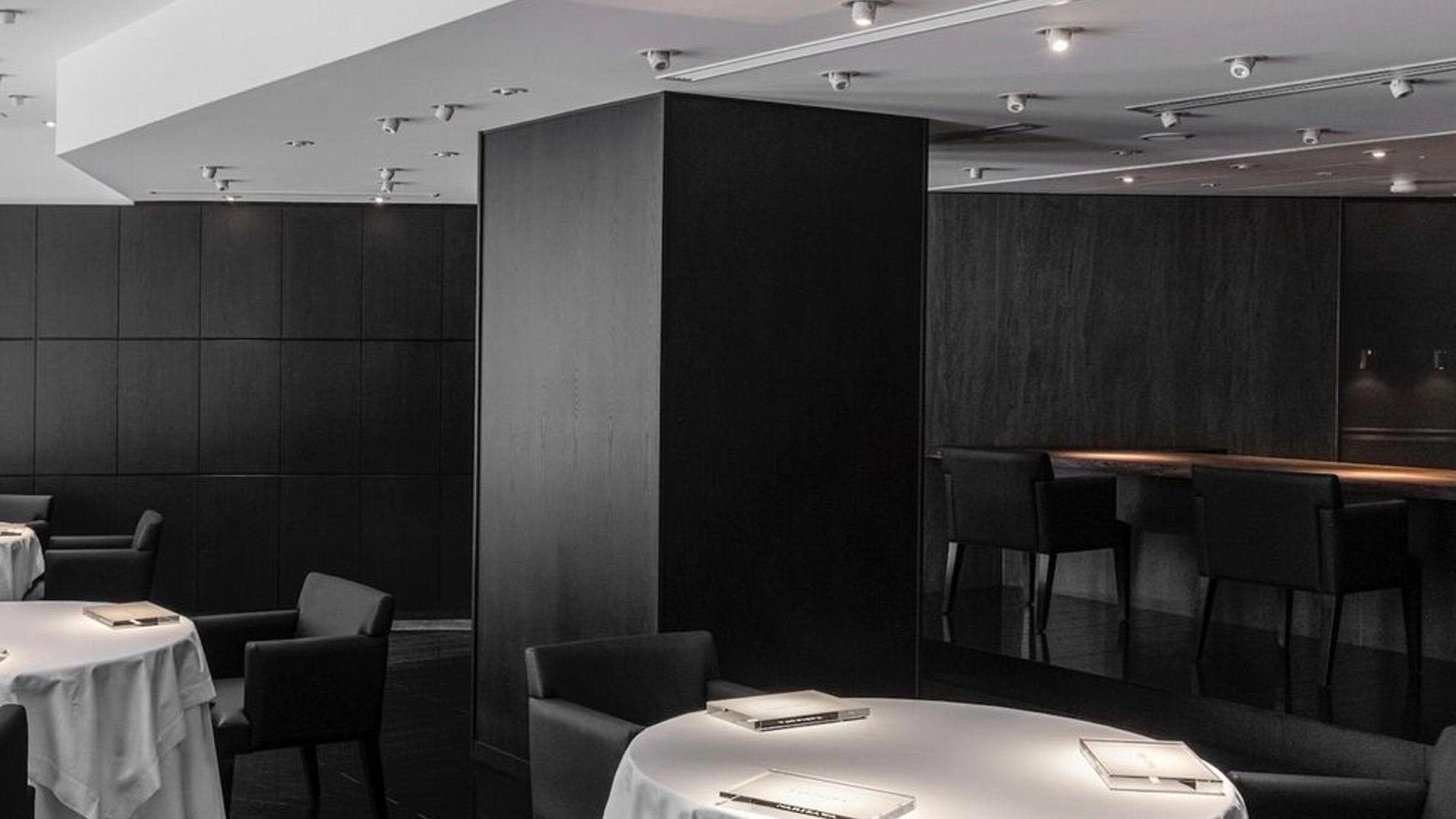
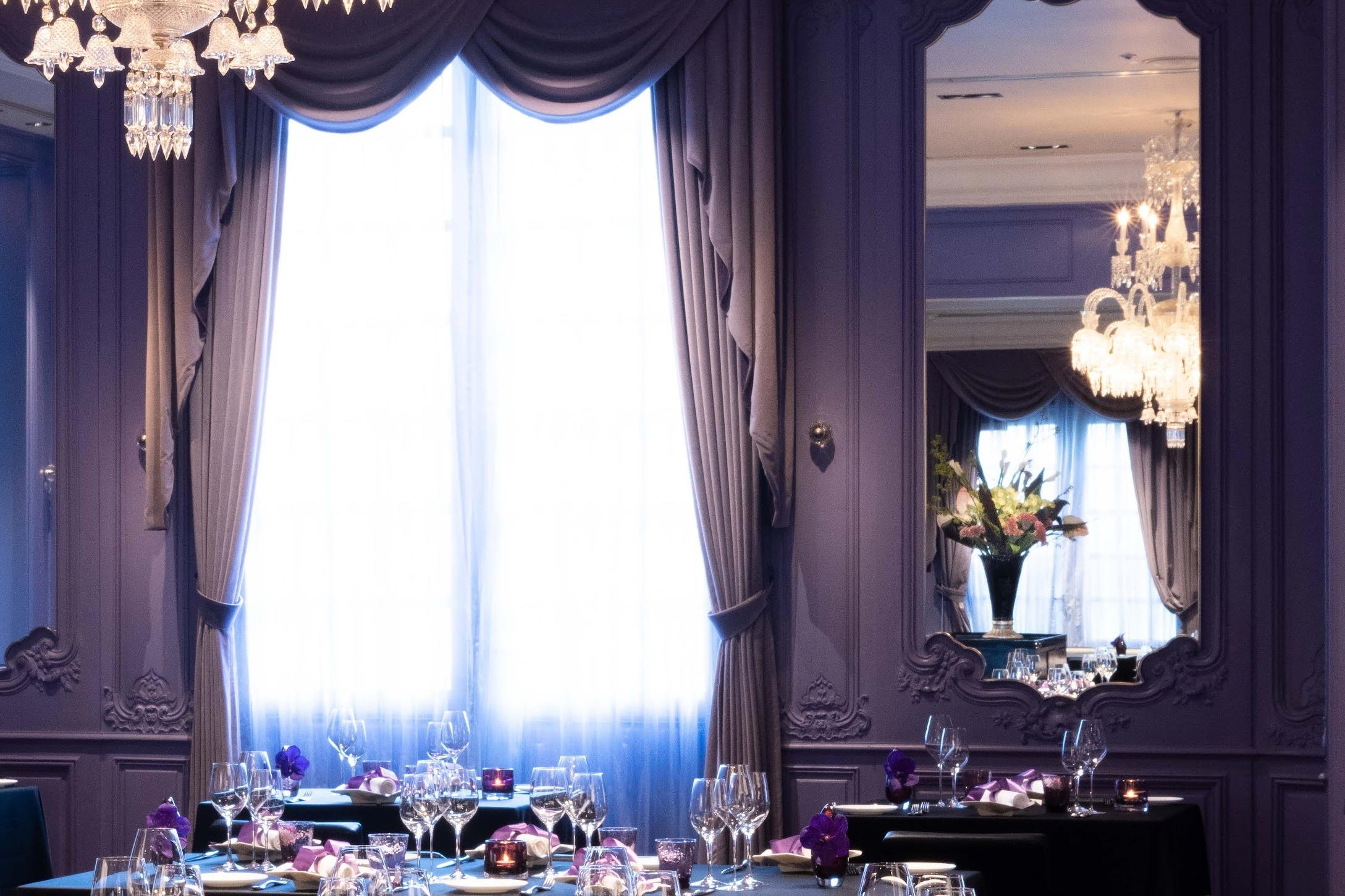
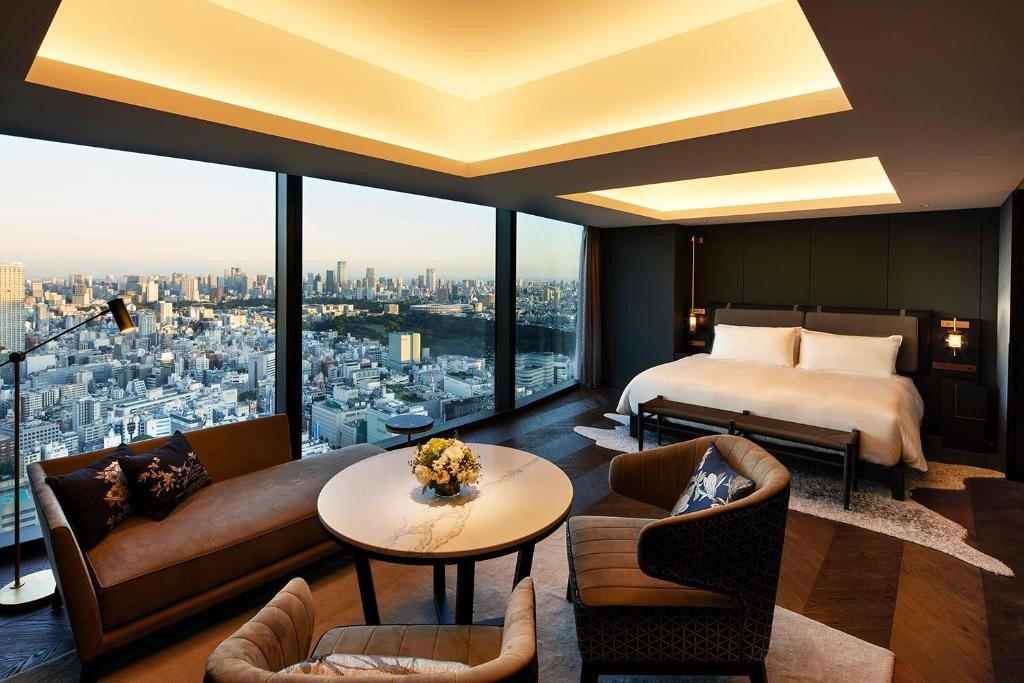
A stylish, relaxed bakery space with a modern French feel, focused on takeaway but with visually appealing displays of breads and pastries and a busy, energetic Shibuya street-side atmosphere.