
Vinophil holds a Michelin Plate for 2024 and 2025, placing it among the recognised contemporary dining addresses in Baden-Württemberg's Murg Valley. At the €€ price tier, it occupies a position where quality signals from Michelin sit alongside accessible pricing, an unusual combination in the region's fine-leaning restaurant circuit..
Pearl is the En Primeur Club membership app — saves, bookings, and concierge access live there. Same editors, same standards.
- Address
- Max-Roth-Str. 16, 76571 Gaggenau, Germany
- Phone
- +49 7225 9884880
- Website
- vinophil-murgtal.de
- Directions
- Get directions
 Saves & bookings on Pearl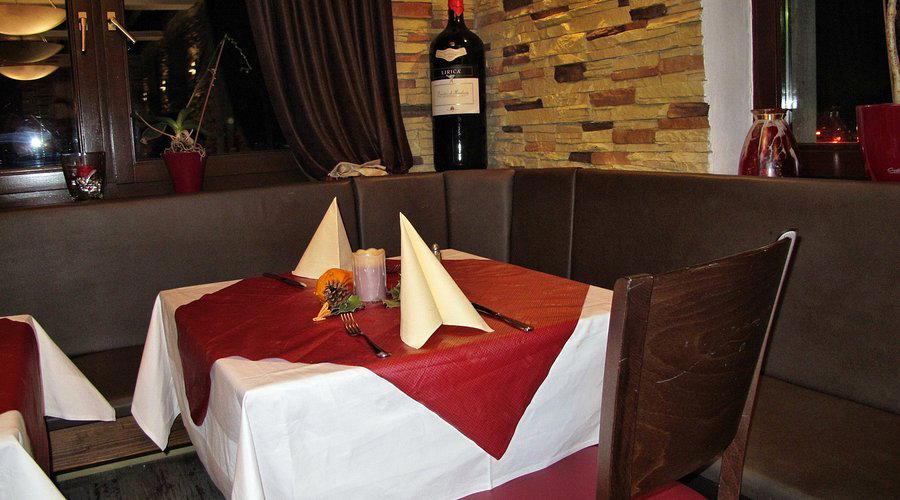
Where the Murg Valley Meets the Plate
Vinophil is a restaurant in Gaggenau, Germany, serving Modern German Fine Dining at the €€€ price tier. Set in the northern Black Forest foothills, it functions primarily as an industrial town, the kind of place where the main street gives little indication that a Michelin-recognised kitchen is operating a short walk from the centre. That context matters. In a food region that includes Schwarzwaldstube in Baiersbronn, one of Germany's most decorated dining rooms, and sits within driving distance of a cluster of serious kitchens, Vinophil on Max-Roth-Str. 16 occupies a distinct tier: contemporary cooking with consecutive Michelin Plate recognition (2024 and 2025), priced at the €€ bracket rather than the €€€€ level of its regional peers.
Arriving at the address on Max-Roth-Str. the immediate impression is of a neighbourhood restaurant that has no interest in performing grandeur. The Black Forest region's dining culture tends to bifurcate between rural hotel-restaurants with heavy wood interiors and urban fine dining rooms with white-tablecloth formality. Vinophil, by all available signals, sits outside both categories, a contemporary space operating with the kind of quiet confidence that comes from sustained critical recognition rather than architectural statement.
The Sourcing Context That Shapes the Menu
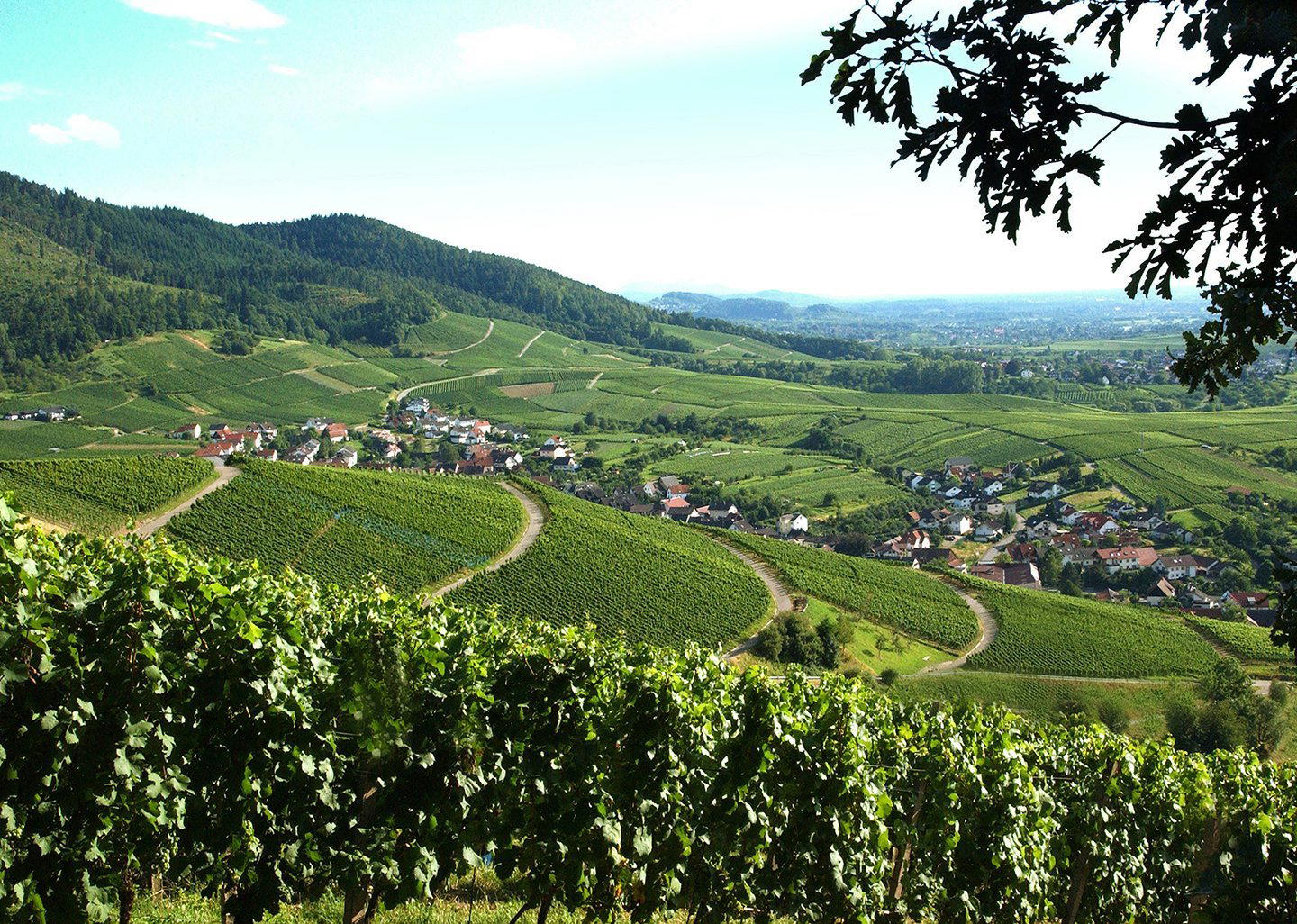
Contemporary cooking in Baden-Württemberg carries a particular set of expectations around provenance. The Black Forest is one of Germany's most productive regions for game, foraged goods, and cold-weather produce, wild garlic in spring, chanterelles from late summer, venison through autumn and winter. The Murg Valley specifically benefits from a microclimate that moderates the harsher alpine conditions found at higher elevations, creating growing conditions suited to market-garden produce and orchard fruit alongside the forest larder.
That sourcing context is not incidental to what contemporary kitchens in this corridor do. At the higher end of the regional register, venues like ES:SENZ in Grassau or, further afield, JAN in Munich, ingredient sourcing from named regional producers is a primary editorial signal. At the Michelin Plate level, the same logic applies in miniature: the Plate designation recognises kitchens that cook good food, and in this part of Germany, good food is almost always anchored to the land immediately around it. Vinophil's contemporary classification positions it within that tradition without prescribing its approach to it.
The €€ price point implies a kitchen working efficiently with its sourcing relationships, seasonal menus that respond to what is available rather than importing premium produce to maintain a year-round list. That kind of cooking demands more discipline, not less: when the menu changes with supply, every dish has to earn its place on the night.
What Michelin Plate Recognition Actually Signals
The Michelin Plate sits below the star hierarchy but is awarded deliberately. It designates restaurants where inspectors found food worth eating, a lower bar than a star, but a meaningful one in a country with tens of thousands of restaurants competing for any recognition at all. Consecutive Plate recognition for 2024 and 2025 suggests a kitchen that has maintained its standards across two full inspection cycles, which is the relevant measure: a single Plate could be a fortunate year, two in a row indicates a consistent operation.
In the German contemporary category, Plate-level restaurants occupy a specific market position. They sit above the brasserie tier but below the starred dining rooms represented regionally by Vendôme in Bergisch Gladbach or nationally by Aqua in Wolfsburg. That positioning is commercially useful: Vinophil can draw from both the local professional market and from visitors touring the northern Black Forest without the price barrier that accompanies the starred tier..
The Northern Black Forest Dining Circuit
Gaggenau sits roughly between Baden-Baden to the north and Freudenstadt to the south, placing it on a natural routing for anyone working through the region's serious restaurants. Schwarzwaldstube in Baiersbronn is one decorated address in the immediate corridor, and it attracts visitors who then extend their itineraries into the surrounding valley towns. For that kind of visitor, Vinophil offers a logical counterpoint, a less formal, lower-cost meal that still carries independent quality verification, rather than falling back on hotel dining or tourist-facing brasseries.
The broader German contemporary dining scene has been fragmenting along these lines for several years. The heavy concentration of stars in a few flagship cities and resort regions has created gaps in mid-sized towns where trained cooks, often returning from stints at higher-end operations, are opening leaner, more direct restaurants. Vinophil fits that pattern by geography and by price tier, whatever its specific kitchen story. For readers building out a regional trip, the wider area offers several dining options.
Internationally framed comparisons help locate Vinophil's category more precisely. César in New York City and Jungsik in Seoul both operate in the contemporary register; what separates them from a Gaggenau address is scale, visibility, and city context, not necessarily kitchen ambition. Regional kitchens with Michelin recognition in smaller towns are a consistent feature of the German dining map in a way that has no direct parallel in most other European countries, where recognition concentrates more sharply in capital cities.
Planning a Visit
Vinophil sits at Max-Roth-Str. 16, Gaggenau, accessible by road from Baden-Baden (roughly 20 kilometres north) or by regional rail to Gaggenau station, which serves the Karlsruhe-Freudenstadt line. At the €€ price tier, a meal here is priced for repeat visits rather than special-occasion-only dining, which aligns with the local and regional professional clientele a Michelin Plate restaurant in a town of this size would reasonably draw. Booking is advisable given the Michelin recognition and the consistently high review scores; For accommodation context, the Gaggenau hotels guide covers options across the valley. Visitors planning a broader regional circuit should note that local winery listings extend into the Ortenau wine zone to the west, where Baden reds and Pinot Gris are the benchmark bottles to seek out alongside a meal at this level.
At-a-Glance Comparison
Comparable venues nearby, for context on price, style, and recognition.
| Venue | Cuisine | Price | Awards | Notes |
|---|---|---|---|---|
| VinophilThis venue — the venue you are viewing | Modern German Fine Dining | $$$ | Michelin Plate | Not listed |
| Kaminstube | Modern German Fine Dining | $$$ | Michelin Plate | Mitteltal |
| Hubertushof | Modern Regional German | $$$ | Michelin Plate | Ilbesheim bei Landau in der Pfalz |
| Forellenhof | Fresh Trout Specialties | $$$ | Michelin Plate | Buhlbach |
| Leopold | Modern Palatinate Country Cooking | $$$ | Michelin Plate | Deidesheim |
| Rebstock | Traditional German Black Forest Cuisine | $$$ | Michelin Plate | Durbach |
Recognition history
Dated appearances from independent guides and award organizations, with the underlying list record or original source where available.
Michelin Plate
Michelin · 2026 Michelin Plate
Michelin Plate
Michelin
Michelin Plate
Michelin
Continue exploring
More in Gaggenau
Restaurants in Gaggenau
Browse all →
Bars in Gaggenau
Browse all →

Hotels in Gaggenau
Browse all →
At a Glance
- Elegant
- Sophisticated
- Cozy
- Date Night
- Special Occasion
- Extensive Wine List
- Sommelier Led
- Local Sourcing
Current opening hours
- Monday
- Closed
- Tuesday
- 12–2 PM, 5–10 PM
- Wednesday
- 12–2 PM, 5–11 PM
- Thursday
- 12–2 PM, 5–10 PM
- Friday
- 12–2 PM, 5–10 PM
- Saturday
- 5 PM–12 AM
- Sunday
- Closed
Hours can change for holidays and private events. Last verified .
Pleasantly informal and warm welcoming atmosphere with a focus on strong food and wine.