Kaminstube


Michelin Plate · Relais Chateaux Award
Our verdict
Kaminstube holds a Michelin Plate in both 2024 and 2025, placing it in the mid-tier of Baiersbronn's dense concentration of recognised French kitchens. For a village that punches well above its size in Michelin terms, this is one of the more accessible entry points into the tradition.

Pearl is the En Primeur Club membership app, where members save venues, book tables and use the concierge.
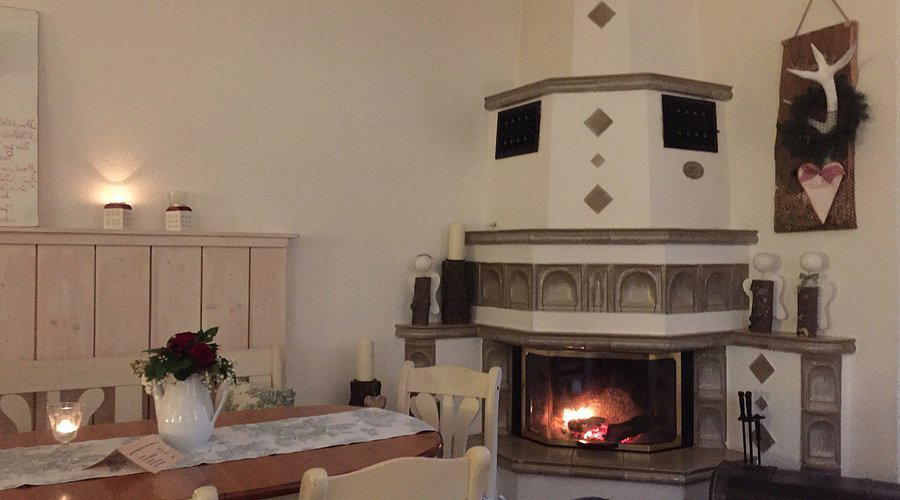
Classic French in a Village That Takes Its Restaurants Seriously
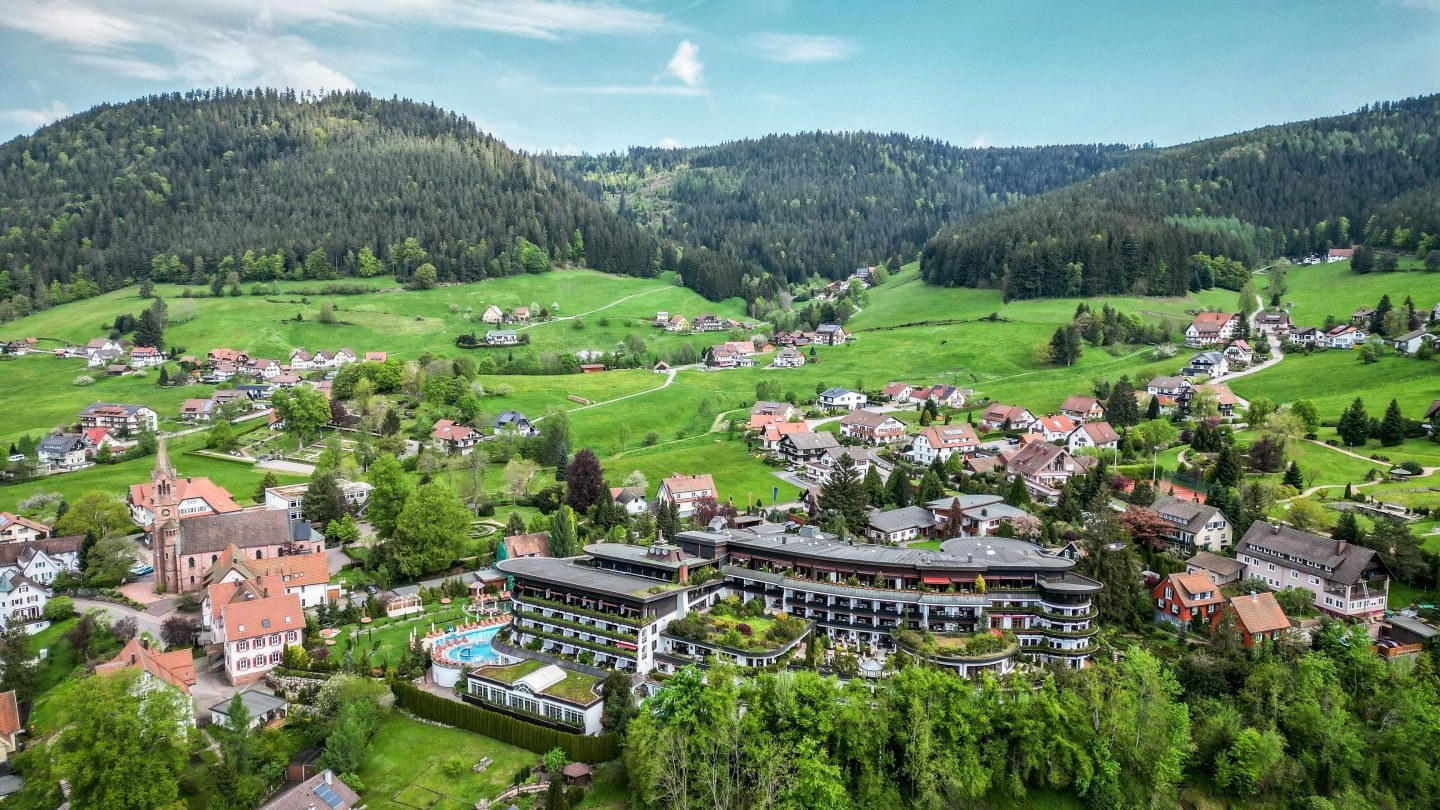
Baiersbronn is an anomaly in the German dining world. A Black Forest village of roughly 15,000 residents that has, over several decades, accumulated a concentration of Michelin recognition that most major cities would envy. The pattern here is layered dining within a single estate or hotel group, with different rooms serving different price points and formality levels. Kaminstube fits that model. It operates within the Bareiss estate, the same address that also houses the three-Michelin-starred Schwarzwaldstube and the flagship Restaurant Bareiss itself, meaning the kitchen infrastructure and sourcing standards that underpin the estate's reputation flow through here as well.
Classic French as a category has contracted elsewhere in Europe. In Paris, the mode shifted toward bistronomie and then toward a looser, produce-led informality. In Germany, the Michelin-starred bracket has increasingly rewarded contemporary interpretations of regional traditions. Against that backdrop, a room in the Black Forest committed to the classical French register is making a quiet argument for continuity. Kaminstube received a Michelin Plate in both 2024 and 2025, which in Michelin's current language means the inspectors regard the cooking as good without awarding a star. Within the Bareiss estate's pecking order, that positions it below the three-star Schwarzwaldstube and below Restaurant Bareiss, and it prices accordingly at €€€ versus the €€€€ demanded by those rooms.
Where It Sits in the Baiersbronn Tier Structure
To understand Kaminstube, it helps to map the full range of what Baiersbronn offers. At one end, the Schwarzwaldstube occupies the very leading of German fine dining, three stars sustained over years in a village setting that defies conventional logic about where serious cooking happens. At the other end, Dorfstuben operates as a country cooking room at €€, built around regional comfort rather than classical technique. Kaminstube sits in the middle tier: more formal than country cooking, more accessible than the three-star experience, and anchored to a French culinary tradition that gives it a different character than 1789 (Michelin one star, Modern Cuisine at €€€€) or the creative register of Schlossberg.
The Michelin Plate, introduced as the guide's way of flagging kitchens worth attention below the star threshold, matters here as a signal. It means the cooking has been reviewed and found to be of a standard that warrants a mention. In a village as densely recognised as Baiersbronn, even that mid-level acknowledgment carries weight, because the comparison set is unusually strong.
The Classic French Register in a German Forest Setting
Classic French as a cuisine style carries specific implications for how a kitchen operates. The techniques are codified, the reference points are clear, and the measure of quality is execution rather than invention. Sauces, precision of protein cookery, classical plating disciplines: these are the currencies of the register. In a German context, and particularly in the Black Forest, the style also connects to a long tradition of cross-border culinary influence. The proximity to Alsace and the historical movement of chefs between France and southwestern Germany means that Classical French cooking in this region has a geographic logic that it lacks in, say, Hamburg or Berlin.
For a broader view of how classic French handles the same register in different European contexts, comparisons with Waterside Inn in Bray and Cheval Blanc by Peter Knogl in Basel are instructive. Both sit in the classical French tradition, both carry significant Michelin recognition, and both demonstrate that the format remains commercially and critically viable when the technique is genuinely disciplined. Kaminstube operates at a lower recognition tier, but the stylistic commitment is to the same tradition.
Within Germany more broadly, the high-end French-influenced rooms tend to cluster in the Michelin one-to-three-star bracket. Vendôme in Bergisch Gladbach and Restaurant Haerlin in Hamburg represent the starred end of that tradition, while kitchens like Kaminstube serve the Plate-level segment where classical ambition is present but the recognition has not yet reached star territory. That gap can reflect multiple factors: the specific execution on any given inspection visit, the format of the room, or simply the competitive density of the surrounding area. In Baiersbronn, where the Schwarzwaldstube holds three stars and draws international attention, the inspection context is unusually demanding.
Practical Considerations for Planning a Visit
Baiersbronn is accessible by train from Stuttgart in roughly an hour and a half, with a connection at Freudenstadt, though guests staying on the Bareiss estate typically arrive by car given the village's rural setting. The address is Hermine-Bareiss-Weg 1, 72270 Baiersbronn, shared with the wider Bareiss property. Given that the estate houses multiple dining options at different price points, a planned stay often involves distributing meals across rooms: one evening at Schwarzwaldstube for the three-star experience, another at Kaminstube for the classical French register at a lower spend, and perhaps a lunch at Dorfstuben for the regional cooking. The €€€ pricing at Kaminstube reflects that positioning within the estate's structure.
The sample size is limited enough that individual visits carry disproportionate weight, so the score should be read as directional rather than statistically definitive. For a room of this type within an estate of this reputation, the more reliable signal is the continued Michelin Plate acknowledgment across two consecutive years.
Those building a broader Baiersbronn itinerary will find the full picture in our full Baiersbronn restaurants guide, with additional planning across hotels, bars, wineries, and experiences in the area. For those extending a German dining trip beyond Baiersbronn, the broader context includes Aqua in Wolfsburg, JAN in Munich, CODA Dessert Dining in Berlin, and ES:SENZ in Grassau, each representing a different node of the current German fine dining circuit.
Frequently asked questions
What does dinner at Kaminstube typically cost?
Pricing at Kaminstube is listed as €€€.
Where is Kaminstube in Baiersbronn?
Kaminstube is located at Hermine-Bareiss-Weg 1, 72270 Baiersbronn, Germany, Baiersbronn.
What kind of recognition has Kaminstube received?
Kaminstube has received recognition including: Michelin Plate (2025); Michelin Plate (2024).
What's the best thing to order at Kaminstube?
Kaminstube has held a Michelin Plate in both 2024 and 2025, a recognition that points to consistent kitchen execution rather than experimental deviation. In restaurants at this level and in this style, the composed meat or fish courses typically show the clearest evidence of what the kitchen does well. Visiting with an open approach to the full menu, rather than targeting individual dishes, tends to give the most accurate read of the kitchen's range.
Standing Among Peers
| Venue | Cuisine | Price | Awards | Notes |
|---|---|---|---|---|
| KaminstubeThis venue (the venue you are viewing) | Modern German Fine Dining | $100–150 | Michelin Plate · Relais Chateaux Award | Not listed |
| Schwarzwaldstube | Modern French Fine Dining | $150–200 | 3 Michelin Stars · World's 50 Best #47 | French, Classic French |
| 1789 | Modern French with Asian Influences | $100–150 | 1 Michelin Star | Modern Cuisine |
| Dorfstuben | Traditional Swabian-Baden Black Forest Cuisine | $30–50 | Michelin Bib Gourmand · Relais Chateaux Award | Country cooking |
| Köhlerstube | Modern Swabian Fine Dining | $150–200 | Not listed | Modern French |
| Schatzhauser | Modern German with Regional Black Forest Influences | $50–100 | Michelin Bib Gourmand | International |
Recognition history
Dated appearances from independent guides and award organizations, with the underlying list record or original source where available.
Michelin Plate
Michelin · 2026 Michelin Plate
Relais Chateaux Award
Relais Chateaux
Full recognition history (4 entries)
Michelin Plate
Michelin
Michelin Plate
Michelin
Continue exploring
More in Baiersbronn
Restaurants in Baiersbronn
All restaurants in Baiersbronn →
Bars in Baiersbronn
Browse all →

Details
- Cozy
- Elegant
- Rustic
- Classic
- Special Occasion
- Date Night
- Hotel Restaurant
- Terrace
- Extensive Wine List
- Local Sourcing
- Mountain
- A La Carte
- Prix Fixe
- Wine
- Beer Program
- Vegetarian Friendly
Current opening hours
- Monday
- 7–10:30 PM
- Tuesday
- 7–10:30 PM
- Wednesday
- 7–10:30 PM
- Thursday
- 7–10:30 PM
- Friday
- 7–10:30 PM
- Saturday
- 12:30–2:30 PM, 7–10:30 PM
- Sunday
- 12:30–2:30 PM, 7–10:30 PM
Hours can change for holidays and private events. Hours as of .
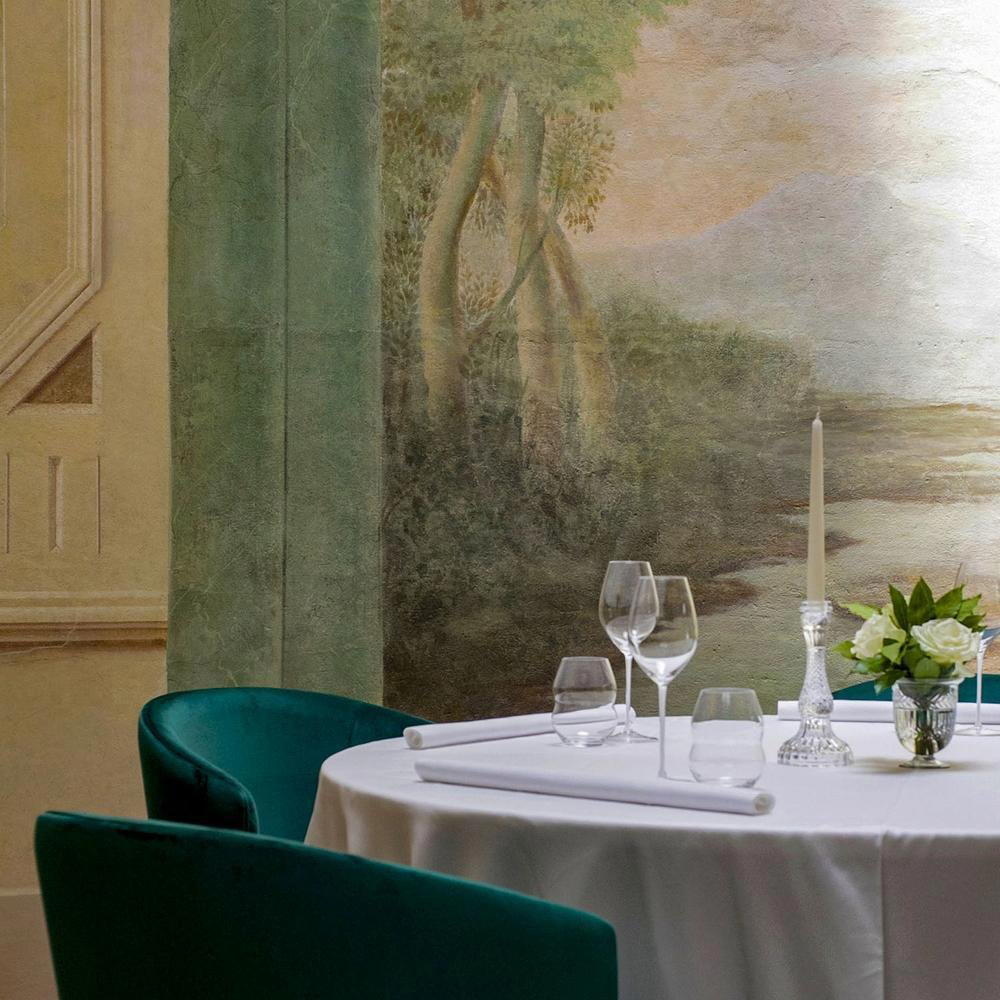
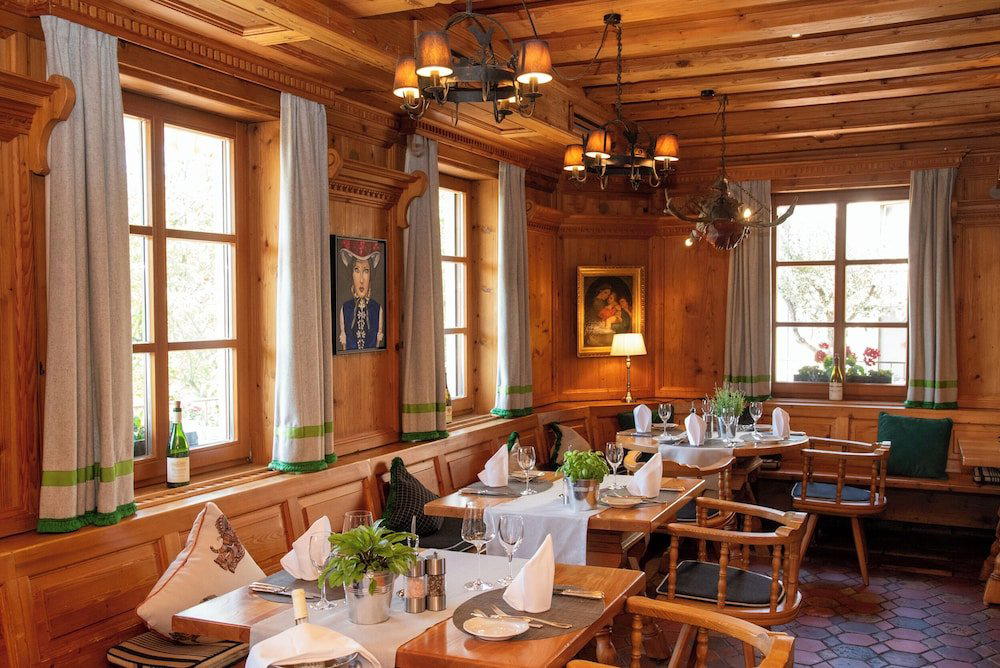
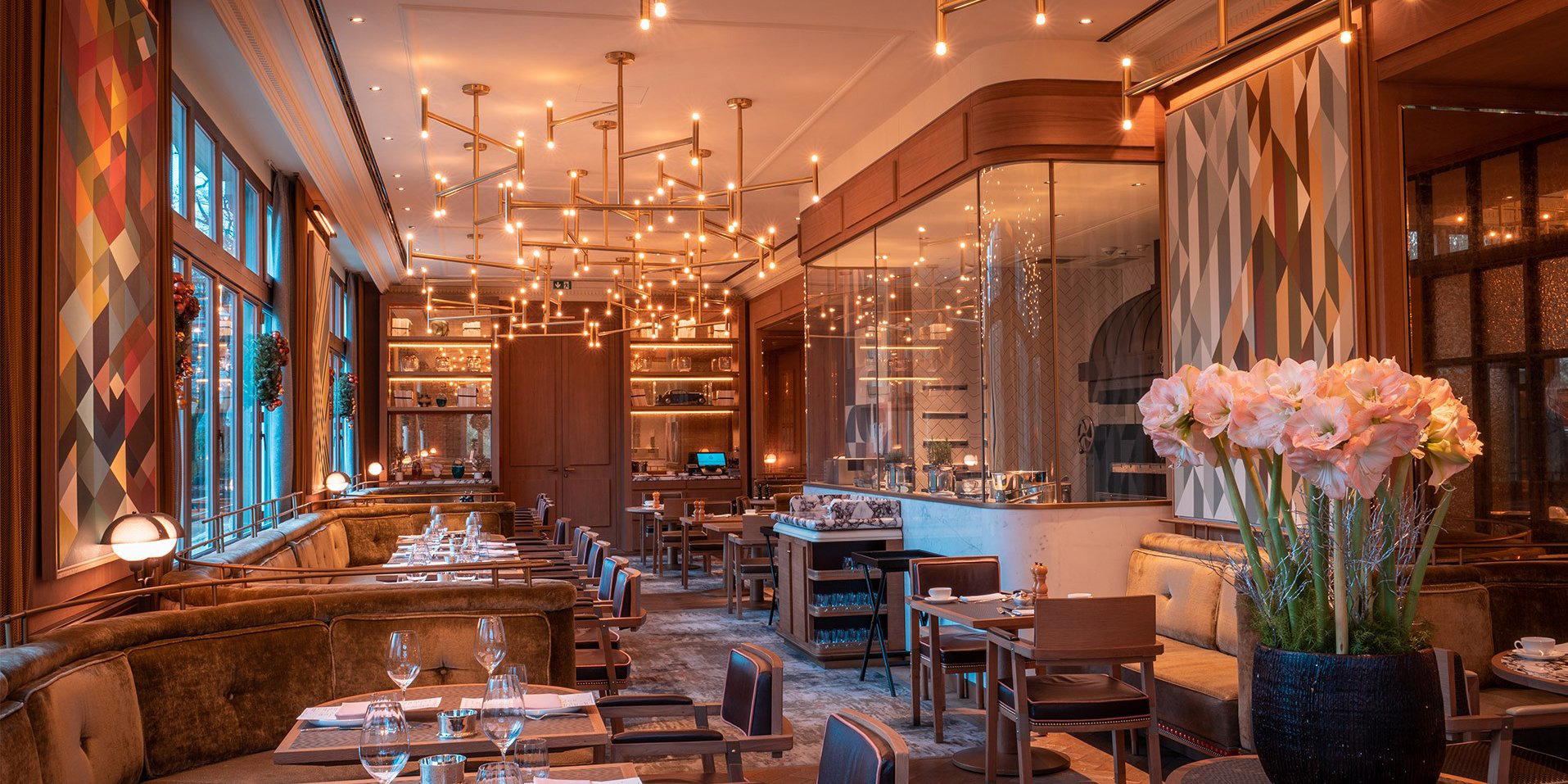
Warm and inviting with a crackling fireplace, comfortable armchairs, Provence-inspired colors, and elegant lighting creating a cozy country house atmosphere.